R1Z8UFJx7P33T

The New Man

Niccolo Machiavelli at work - Italian painting from the 19th century.
Source: Stefano Ussi, domena publiczna.

Link to the lesson

You will learn
  • to characterize the new personal standards of the [Renaissance man] wereRenaissance ManRenaissance man;

  • to define the Renaissance religiousness;

  • to list the Renaissance career paths;

  • to explain how the Renaissance society functioned;

  • to desctibe the specific features of the new art were and who its key creators were.

R1dABbmqADuj3
Nagranie abstraktu

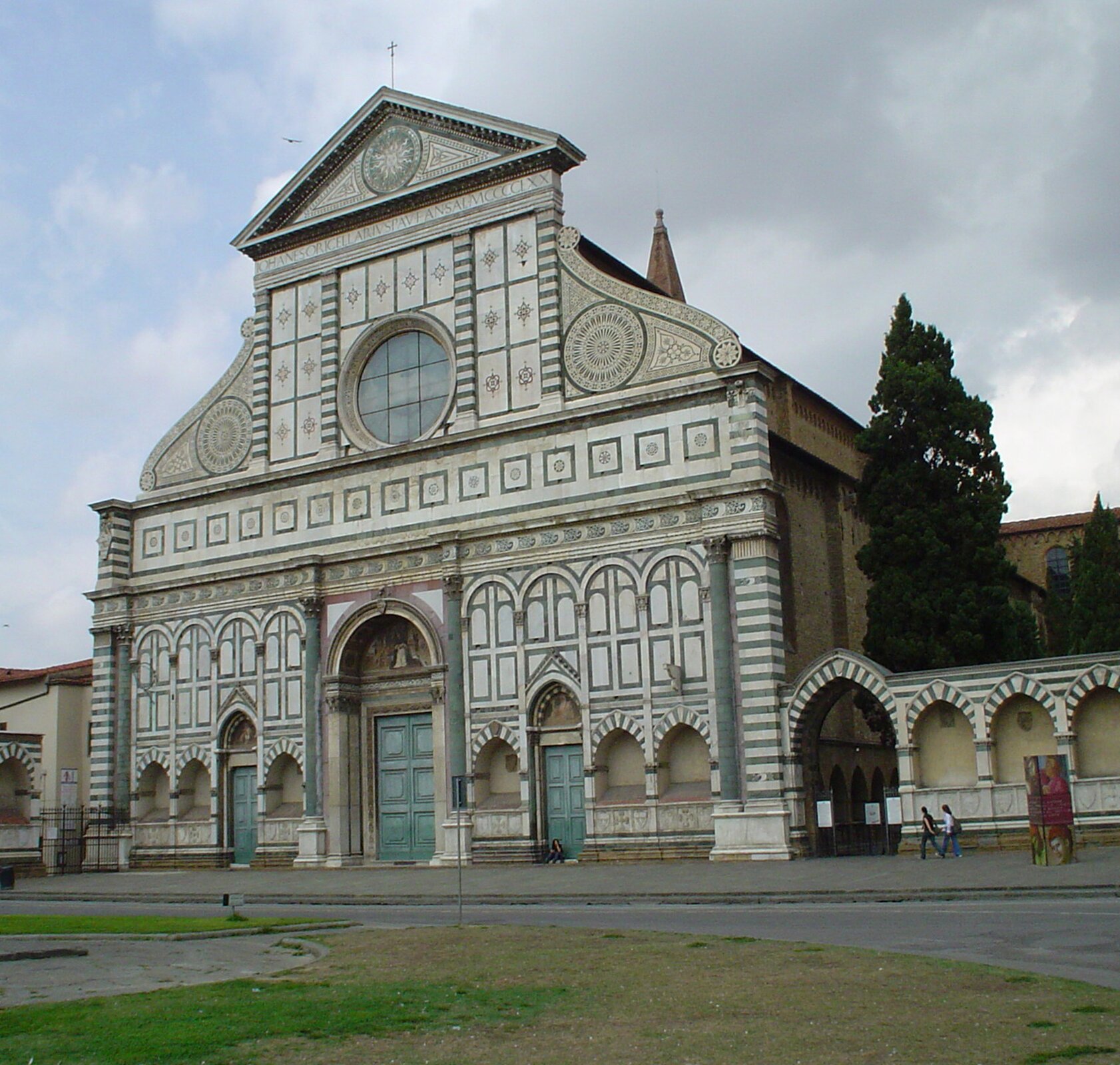
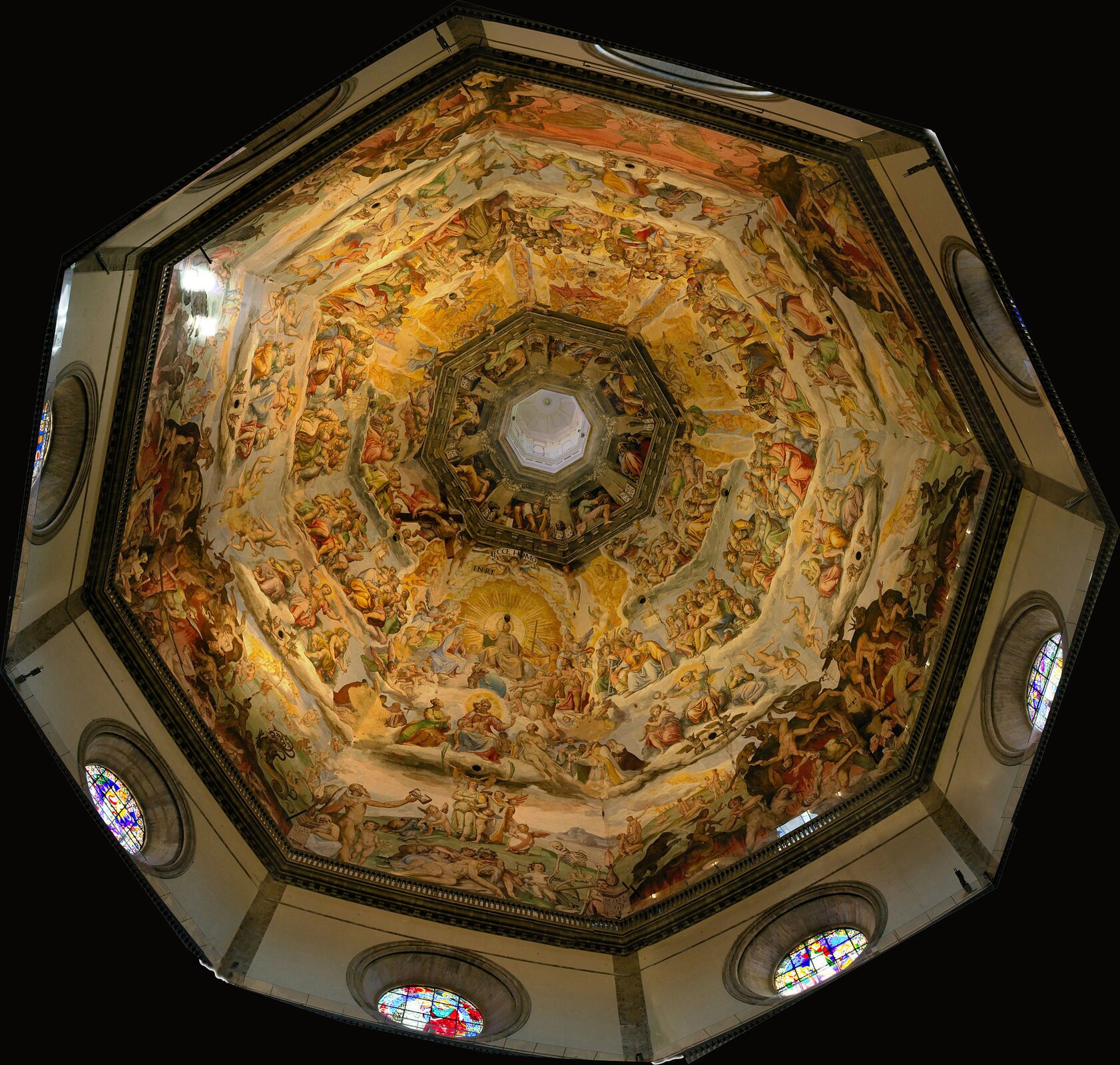
In the RenaissanceRenaissancethe Renaissance there was a need to make the places of worship beautiful, which was treated as a manifestation of deep religiousness. At the same time, the religiousness of the founders had to be known and admired. This had a great impact on the wonderful development of sacred art: churches were expanded, new chapels were founded, interiors were decorated with magnificent paintings and sculptures, massive domes were built and church facades were decorated.

On the other hand, the former exemplary of asceticism was replaced by the exemplary a religious reformer. The former ideal of the knight also changed under the influence of the new reality. Because of that appeared the ideals of: knight‑ruler, knight‑landowner, knight‑explorer, knight‑soldier, knight‑courtier and the ideal of the defender of the true faith. In the Italian Renaissance city states, patronagePatronagepatronage played an important role, thanks to which their representativeness and prestige grew. The main recipient of this splendour was the court.

The circles of Renaissance Florentine manors became a cradle of new personal ideals. Scholar, humanistHumanismhumanist, art connoisseur, writer, artist – all these social roles were formed in early Renaissance Italy and them adopted by the whole Europe. Therefore, a completely new opportunity for social advancement had emerged. Such a career opportunity was mainly open to the townsmen. Grand families ruling in Italy built their prestige through art. Large sums of money invested in art and its creators made it possible for eminent artists like Michaelangelo, Leonardo da Vinci and Raphael to create magnificent works of art.

1
Task 1

Familiarise yourself with the most important Renaissance events and organize your knowledge. Which of the events were the most important and why?

R1KrJNc38j7Ob
Important events 1498 Execution of Savonarola in Florence, a religious and political reformer The illustration depicts Girolamo Savonarola, who was recognised as a heretic., 1504 Michalangelo finished sculpting the statue of David The statue of David is 5.17 m high and is one of the most important works of the Renaissance era., 1532 The first issue of Machiavelli's "The Prince" and the issue of the first volume of F. Rabelais' "Gargantua and Pantagruel" The illustration depicts the title page of "The Prince" issued in 1550., 1541 Michalangelo finished painting "The Last Judgement" fresco in the Sistine Chapel It took seven years to finish the painting. The work raised both approval for the artist's craftmanship as well as indignation because of the nakedness of depicted bodies., 1546 Completion of the eastern Renaissance façade of the Louvre The illustration depicts the building project of the eastern façade by Claude Perrault., 1566 Ł. Górnicki's "Dworzanin polski" was issued It was a free translation of the Italian work "Il Cortegiano" by B. Castiglione., 1565 Completion of the town hall in Antwerp It is one of the most important Renaissance monuments in the Netherlands., 1588 El Greco painted "The Burial of the Count of Orgaz" This crucial painting in the career of the Spanish painter is located in the parish church of Santo Tomé in Toledo., 1590 Completion of the dome of St. Peter's Basilica in Rome The photograph depicts the interior of the dome.
Source: Fra Bartolomeo, domena publiczna.
Task 2

Nominating your relatives to public offices is called nepotism. This term is taken from the word „nepos”, which means „grandchild” or „nephew” in Latin.
Wysłuchaj nagrania abstraktu, ułóż do niego pytania i zadaj je koledze.
RdlHBJe7OxGga
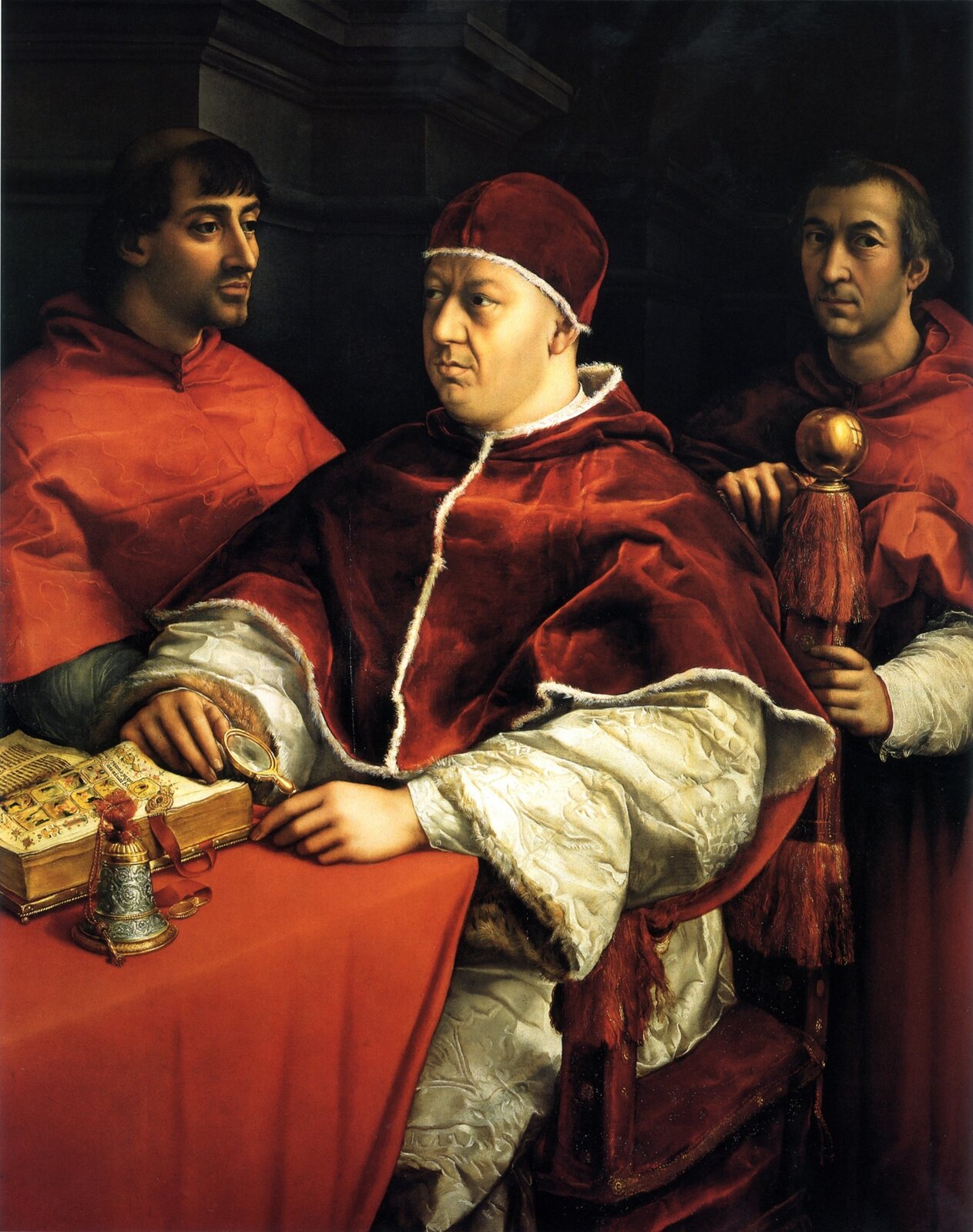
One of the most famous portraits by Raphael, painted between 1518 and 1519. The Pope is sitting surrounded by cardinals, who at the same time are his relatives: Giulio de Medici and Luigi de Rossi. The image is housed in the Uffizi Gallery in Florence, founded by the Medici family. Leo X became famous as an artistic patron. He hired Michelangelo, Raphael and Donato Bramante, in the course of, among others, resumed works on the construction of the new St. Peter's Basilica in Rome. During the times of Leo X, Luther's opposition took place, which resulted in the schizm in Western Christianity.
Source: Raphael, Papież Leon X, 1518-19, malunek tablicowy, Uffizi Gallery, licencja: CC 0.
Task 3
Przypomnij sobie tytuł abstraktu, wysłuchaj nagrania i spróbuj zaproponować własny temat dla dzisiejszej lekcji.

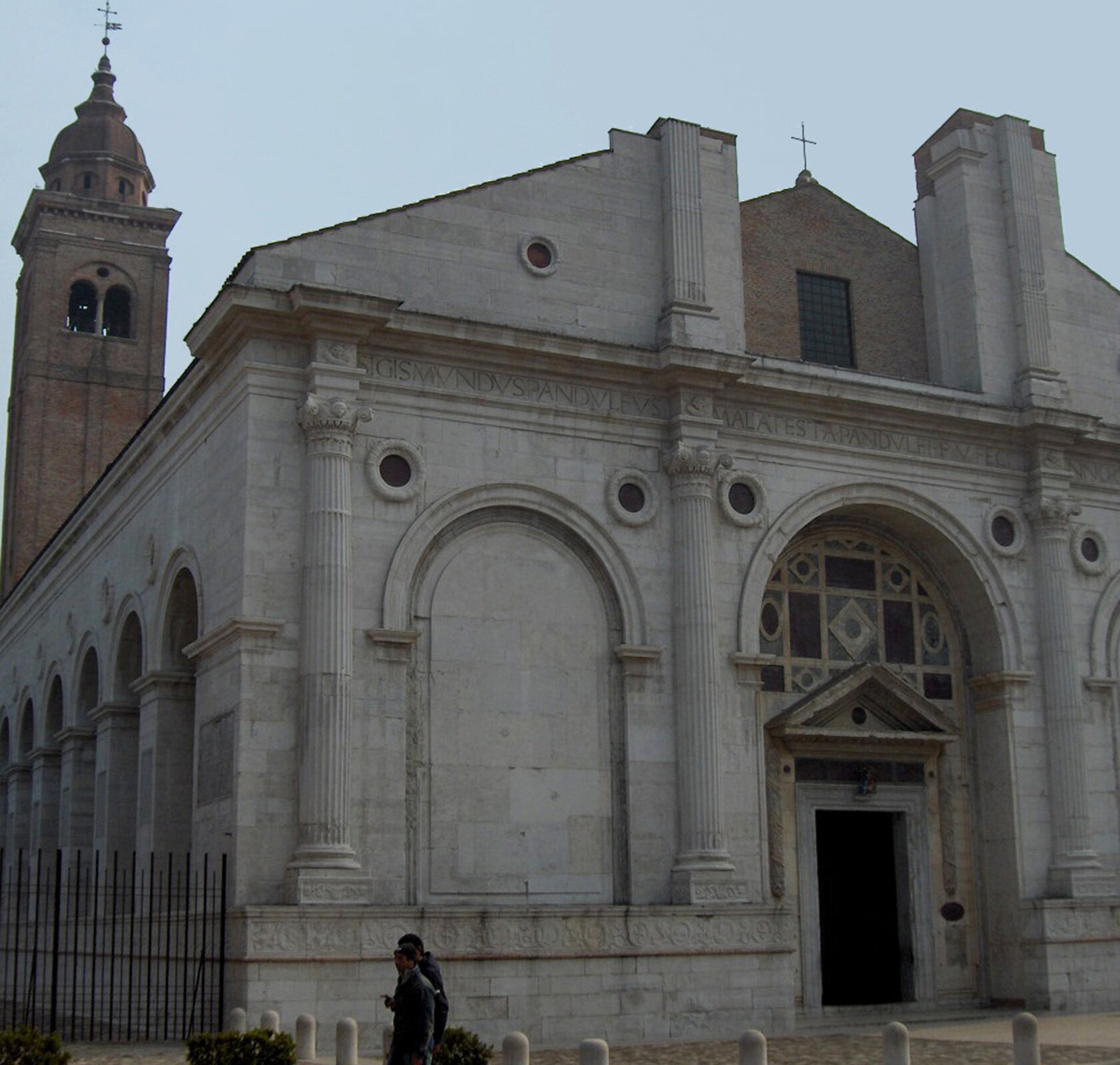
What common elements do you see in these photographs? Which of them are you able to properly name?
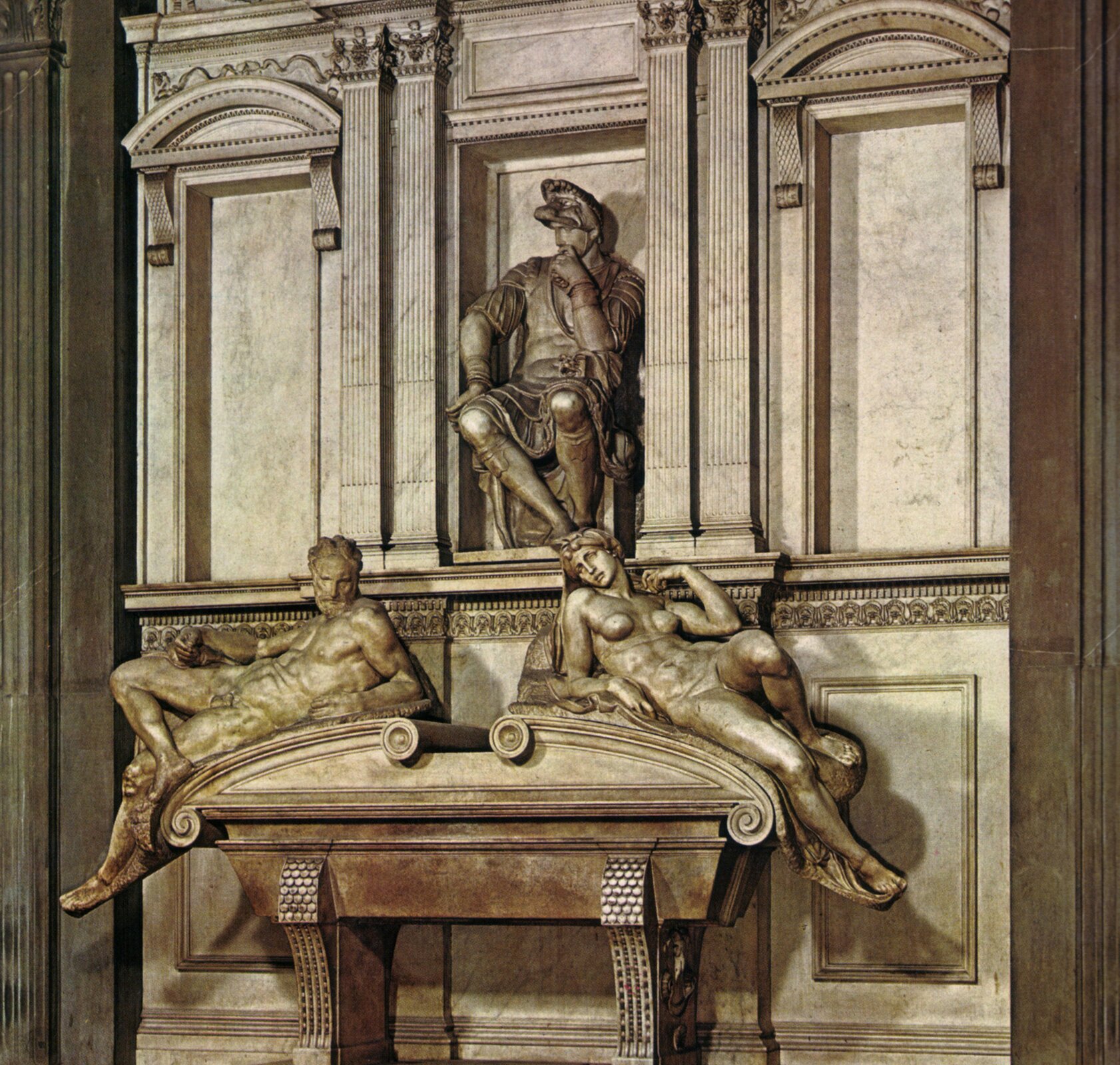
Task 4
Wymyśl pytanie na kartkówkę związane z tematem abstraktu.

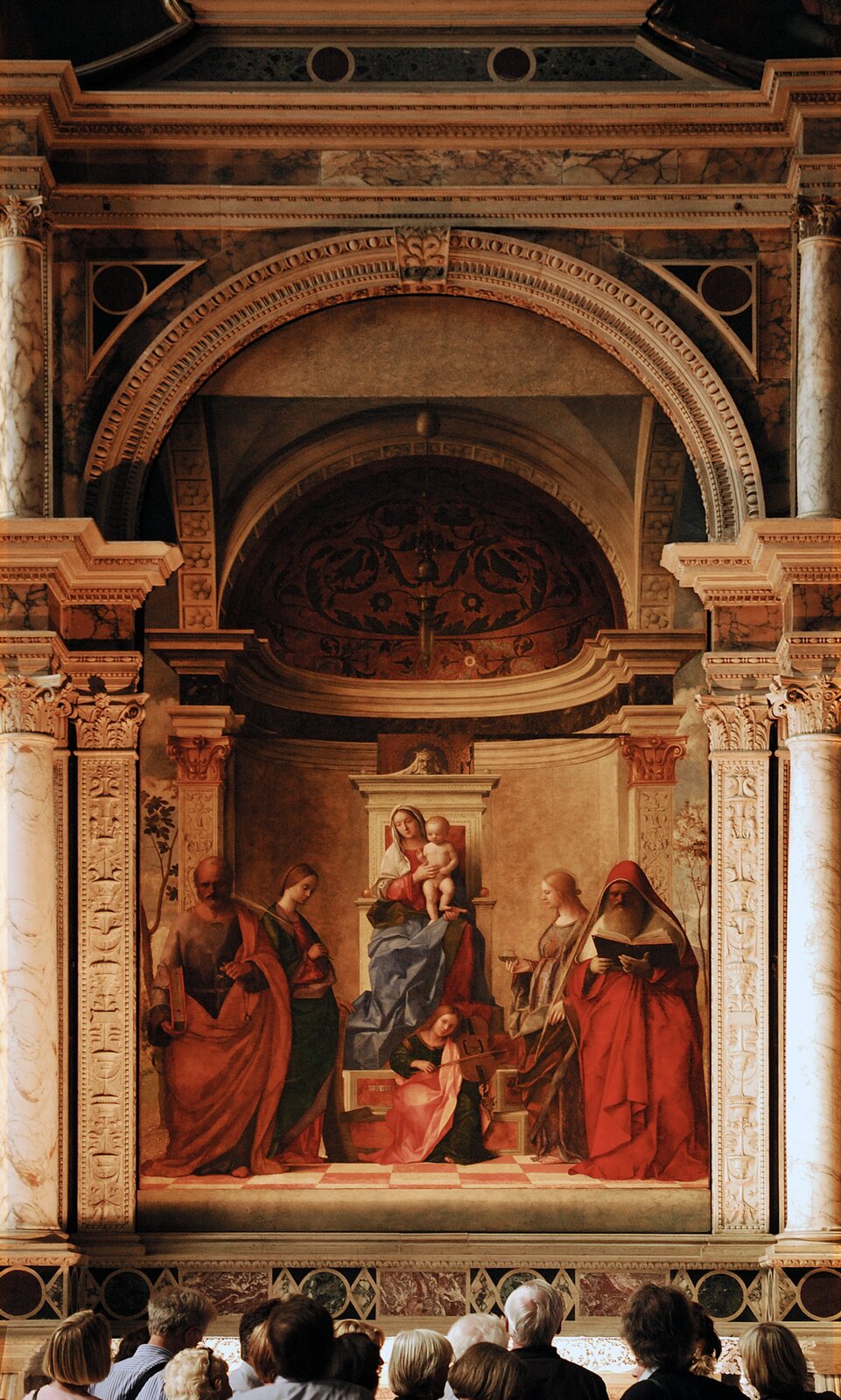
What are the height proportions of the figure? Who is the most important in this composition and was it emphasised by the size of the image? Draw the lines joining the capitals, i.e. the highest points of the arches of the painted building, and specify where they intersect. Describe what is the symbolic and compositional meaning of this.
R1MzKGgg6CEBm
Painting from 1505 by a Venetian painter B. Bellini named "Holy Conversation" (Sacra conversatione) from a church in Venice.
Source: Giovanni Bellini,, fot. Roman Bonnefoy, 1505, Wikimedia Commons, licencja: CC BY-SA 3.0.
Task 5
Wybierz jedno nowe słowo poznane podczas dzisiejszej lekcji i ułóż z nim zdanie.

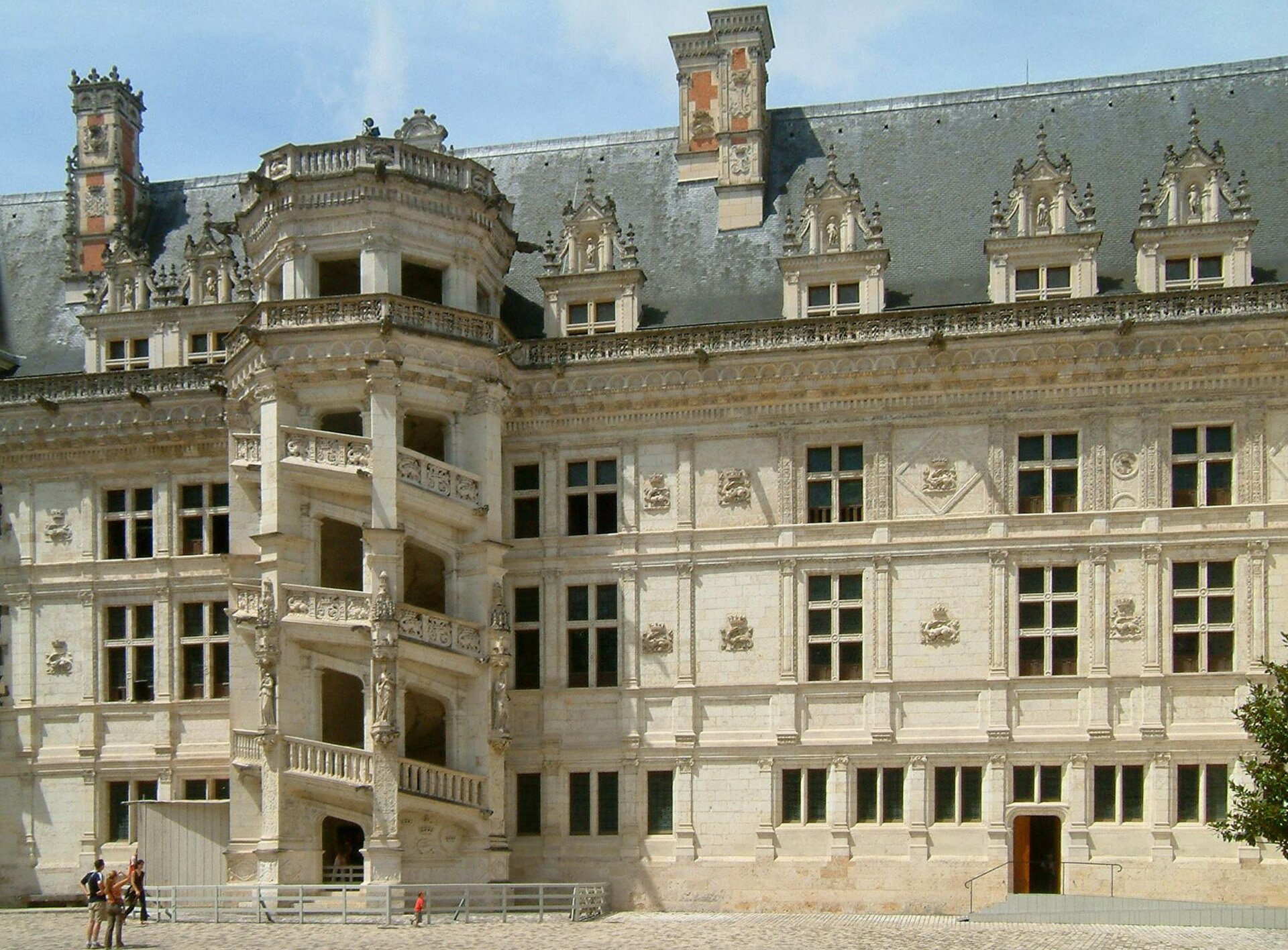
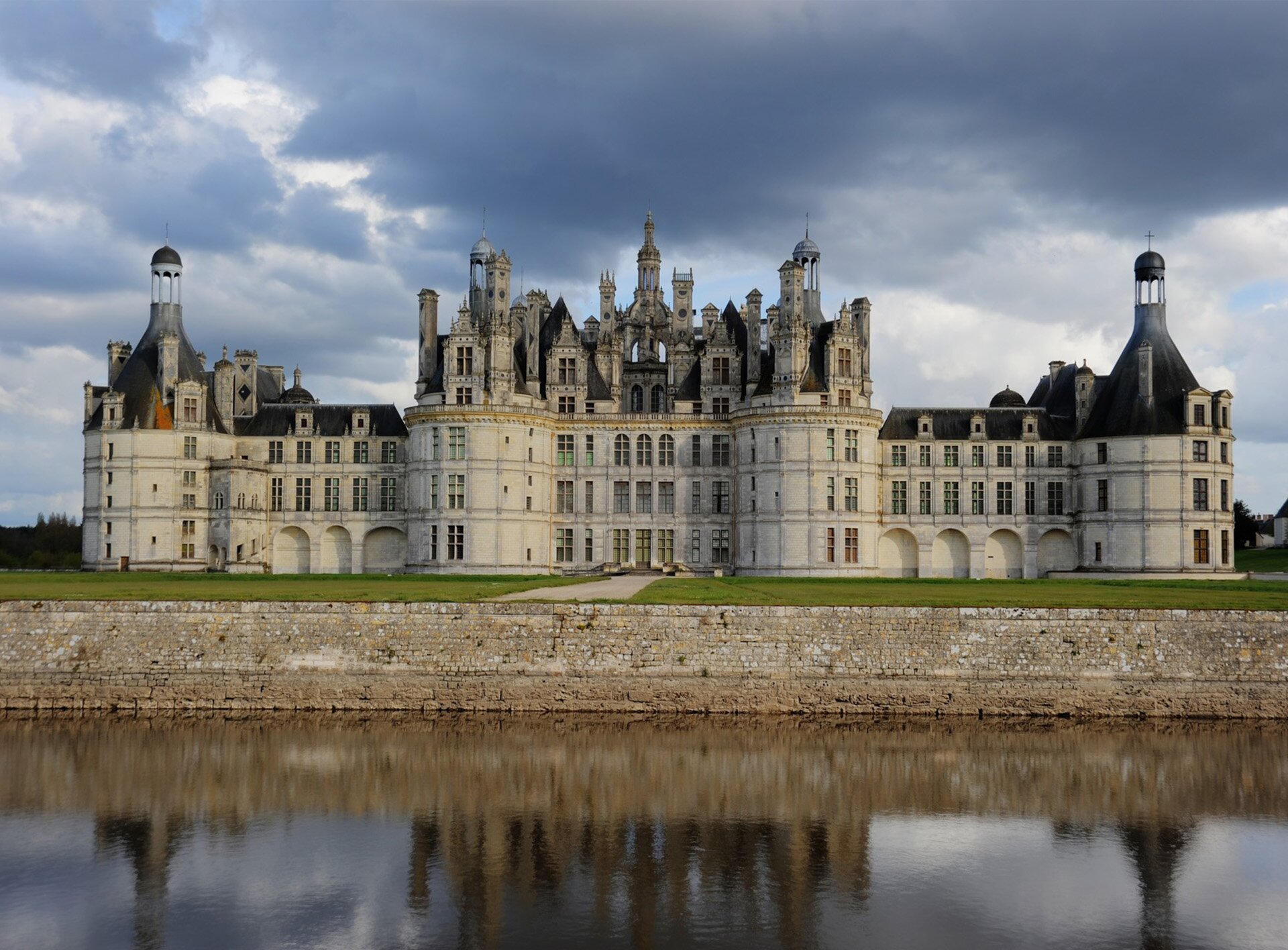
Pay attention to the architectural details, the window frames, the headstalls above the windows, the sections of the wall between the windows and the sections between the floors. What indicates that this is the Renaissance style?
1
Exercise 1
Wysłuchaj nagrań słówek w słowniczku i naucz się ich prawidłowej wymowy.
RNRq7Gx1jFxxc
Dopasuj zdjęcia kluczowych przedstawicieli renesansu z ich nazwiskami.
RjAYN71DMd5ja
Exercise 2
Point out the most important works by Michelangelo. Możliwe odpowiedzi: 1. "The Last Judgement" fresco in the Sistine Chapel, 2. the sculpture depicting David, 3. The Pity, 4. Venus of Milo
Exercise 3
R7Te1LT9YXSDI
Create a crossword with the word RENAISSANCE as its password.

Keywords

Renaissance, humanism, antique, Roman law, Renaissance man, Franciscans, Luther

Glossary

Renaissance
Renaissance
RBYXoXCOPmGTh
Nagranie słówka: Renaissance

Renesans – epoka nazywana odrodzeniem sztuki i nauki, trwająca w Europie od XV do połowy XVII wieku (w niektórych krajach europejskich). W czasie jej trwania nastąpił wzrost zainteresowania antykiem i ludzkim ciałem.

Humanism
Humanism
R1SHLQHQC4Gzz
Nagranie słówka: Humanism

Humanizm – główny prąd intelektualny epoki renesansu powstały we Włoszech w XV wieku. Zakładał, że człowiek i jego ziemskie życie jest najwyższą wartością.

Patronage
Patronage
R1BJkrR3TTnrk
Nagranie słówka: Patronage

mecenat – opieka wpływowych i bogatych miłośników nauki i sztuki nad artystami. Wspomagają oni finansowo artystów zatrudniając ich w swoich posiadłościach lub zlecając tworzenie dzieł sztuki, np. obrazów, rzeźb.

Renaissance man
Renaissance man
RhebyRcQBfpzN
Nagranie słówka: Renaissance man

człowiek renesansu – określenie osoby wszechstronnie wykształconej, posiadającej rozległą wiedzę z różnych dziedzin nauki.

Anthropocentrism
Anthropocentrism
R1LcucA9d3zQR
Nagranie słówka: Anthropocentrism

Antropocentryzm – człowiek w centrum zainteresowania nauki kultury i sztuki.