The Rennaisance Court of the Jagiellon Dynasty
what was the Royal Court of Wawel during the Rennaissance like;
about the most important works and figures of the Polish Renaissance;
what were the characteristics of the RenaissanceRenaissance in Poland;
what were the achievements of the Jagiellon rulers.
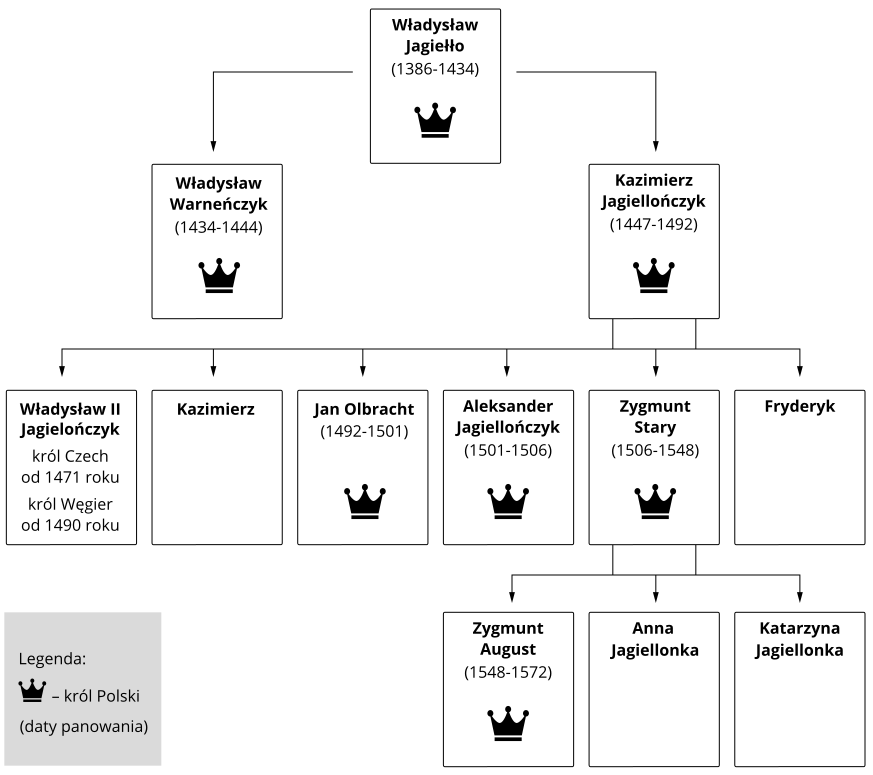
After the death of Władysław Jagiełło (1434), the Polish‑Lithuanian throne was inherited by his descendants of the Jagiellon dynasty. The son of Władysław Jagiełło, Władysław, died fighting the Turks at Varna in 1444 – hence his sobriquet, Władysław of Varna. The throne was taken by his brother, Casimir, who reigned for almost a half of a century (1447‑1492). During his rule, the Jagiellon dynasty achieved great power, ruling over entire Central Europe (his oldest son, Władysław, became the King of Bohemia and Hungary). Casimir IV Jagiellon defeated the Teutonic Knights in the Thirteen Years’ war (1454‑1466, ended with the Second Peace of Thorn) and reclaimed the Chełmno Land and Pomerelia, which he then incorporated into the state as Royal Prussia. After his death, the Polish‑Lithuanian throne was taken by his sons: John I Albert, Alexander and Sigismund I the Old, and then the son of the latter, Sigismund II Augustus.
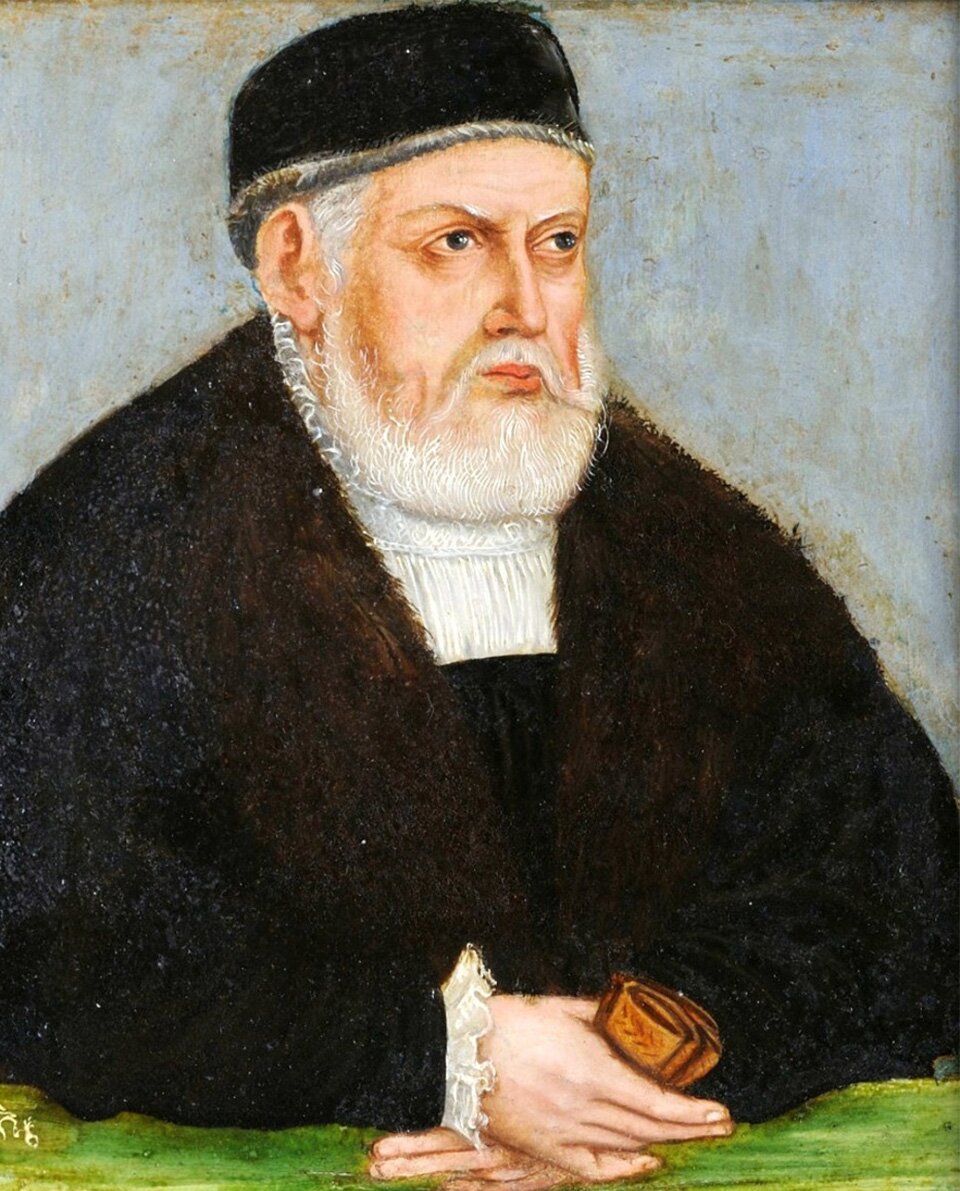
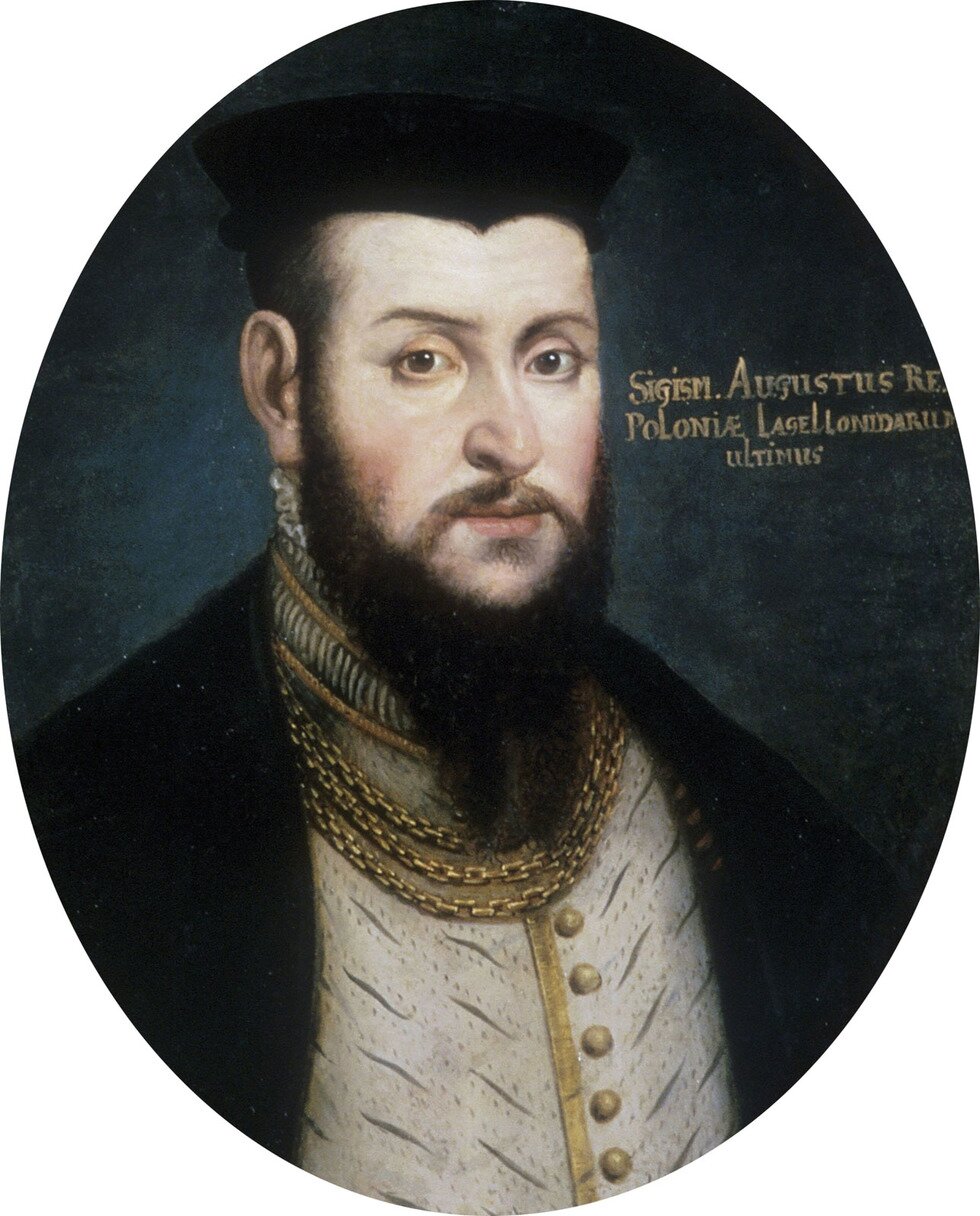
The times of the last two Jagiellons are called the golden age of the Polish culture. The state was fairly powerful and wealthy, and the wars it took part in were few (and fought mainly along the borders). Masovia had been incorporated into the Crown (as the local Piast line went extinct). Poland also subdued Livonia (present‑day territory of Latvia, and, partially, Estonia). During the rule of the two Sigismunds, the Renaissance culture enjoyed popularity, with the Royal Court that radiated it across the rest of the country as its center. The Jagiellons rebuilt the Wawel Castle to match the Renaissance style. It was achieved with the help of Italian architectsarchitects. The promotion of Renaissance was influenced by the Italian wife of Sigismund I the Old, Queen Bona Sforza.
Fill the gaps with correct information.
son, Frederick, grandson, Władysław of Varna, Casimir IV Jagiellon, Sigismund I the Old, brother, Casimir IV Jagiellon, son
Nicolaus Copernicus was alive between 1473 and 1543. When he was born, the ruler of Poland was ......................................... When Copernicus died, Poland was ruled by Casimir’s ........................................, ......................................... Sigismunt II Augustus was a ........................................ of Sigismund I the Old, and the ........................................ of Casimir IV Jagiellon. ........................................ was the ........................................ of Casimir IV Jagiellon. The Polish throne was not taken by Casimir and ........................................, sons of .........................................
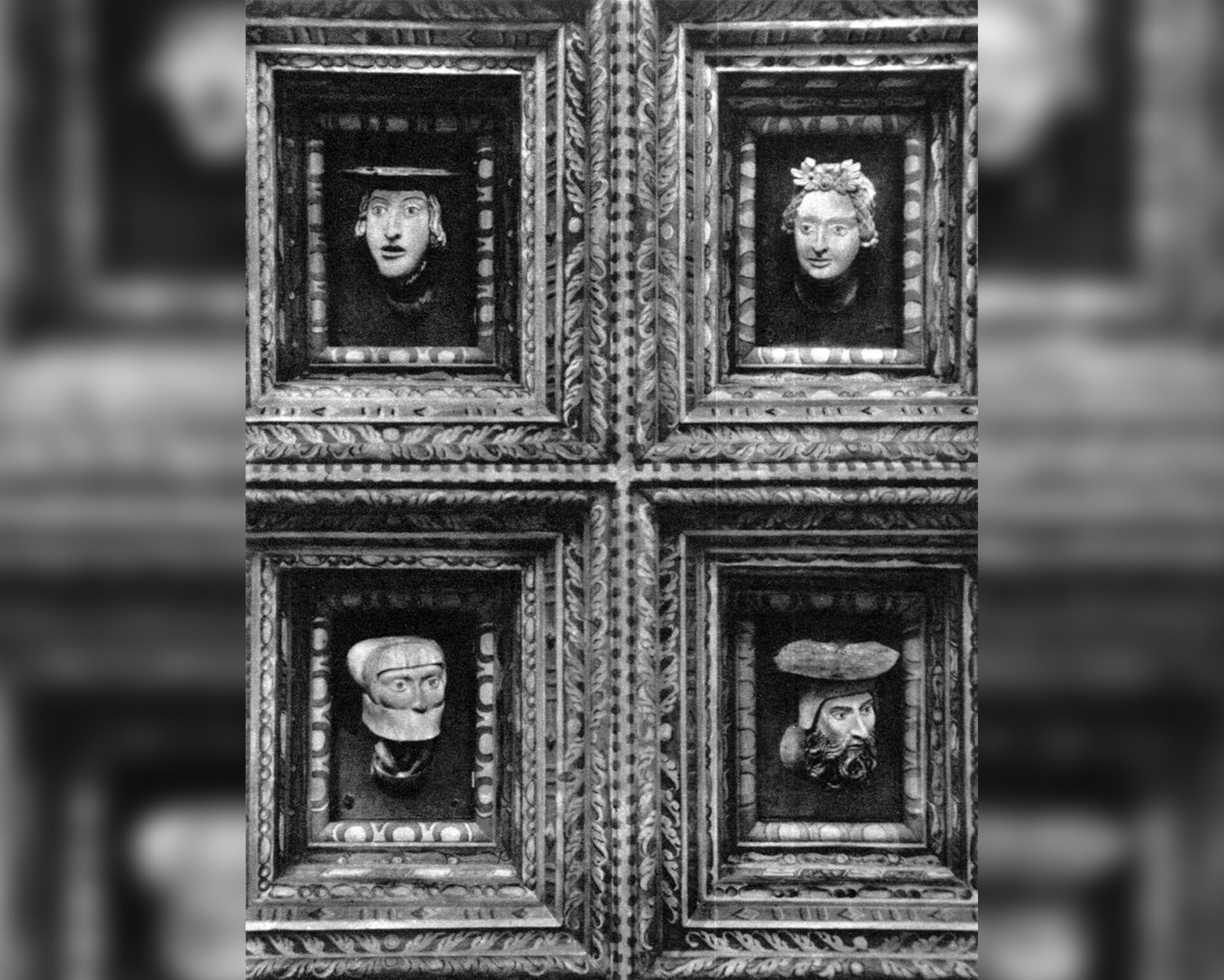
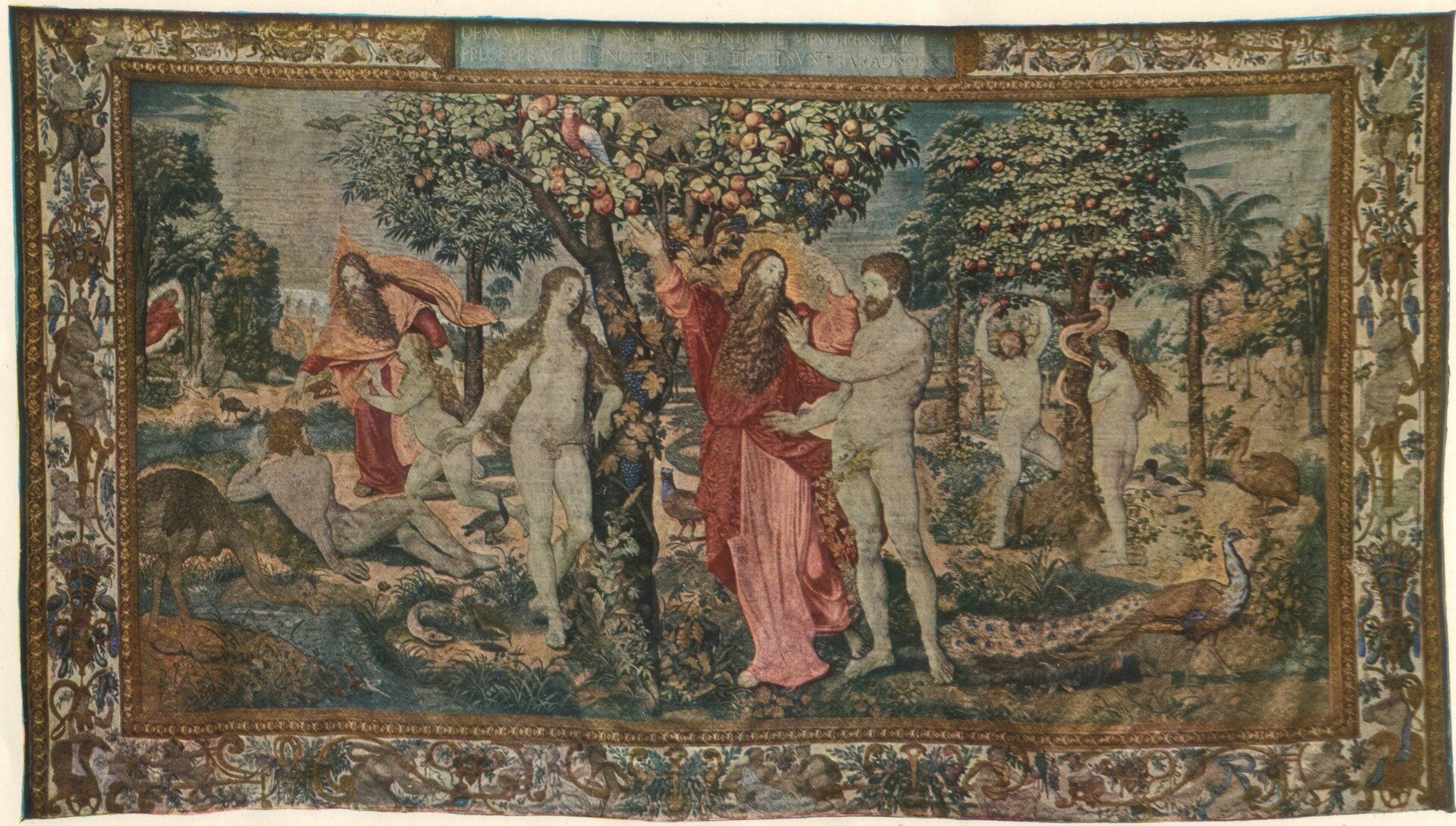
What kind of scene was shown on the tapestry?
- everyday
- Biblical
- mythological
- war
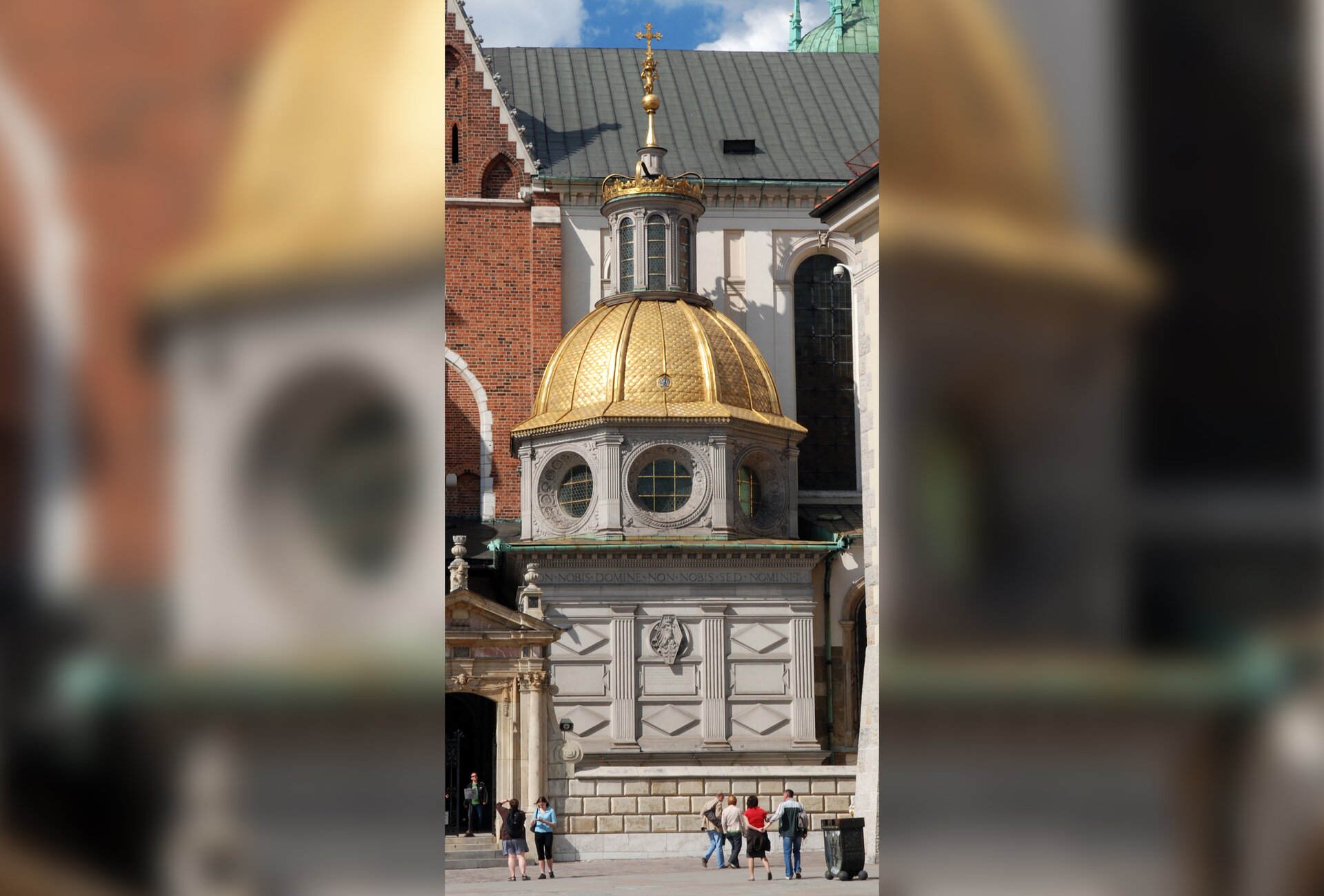
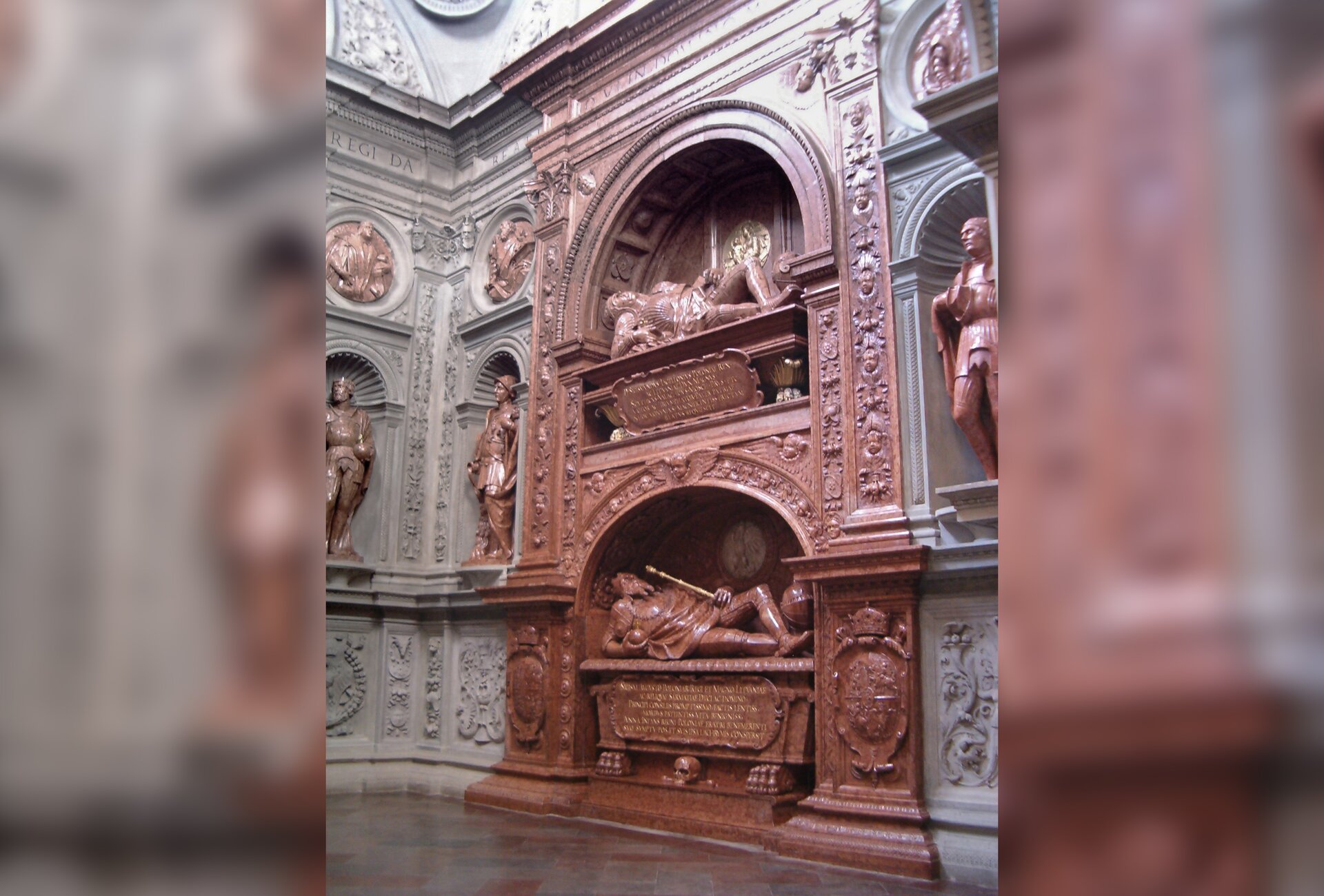
Fill the gaps.
scepters, kings, dome, Renaissance, reclined, resting, golden
A characteristic element of Sigismund’s Chapel is the ......................, ......................-shaped roof. It was a common trait of ...................... architecture. The sculptors presented the dead in a ...................... position. They looked as if they were ....................... The figures of the ...................... may be recognized by the globus cruciger and the ...................... they held.
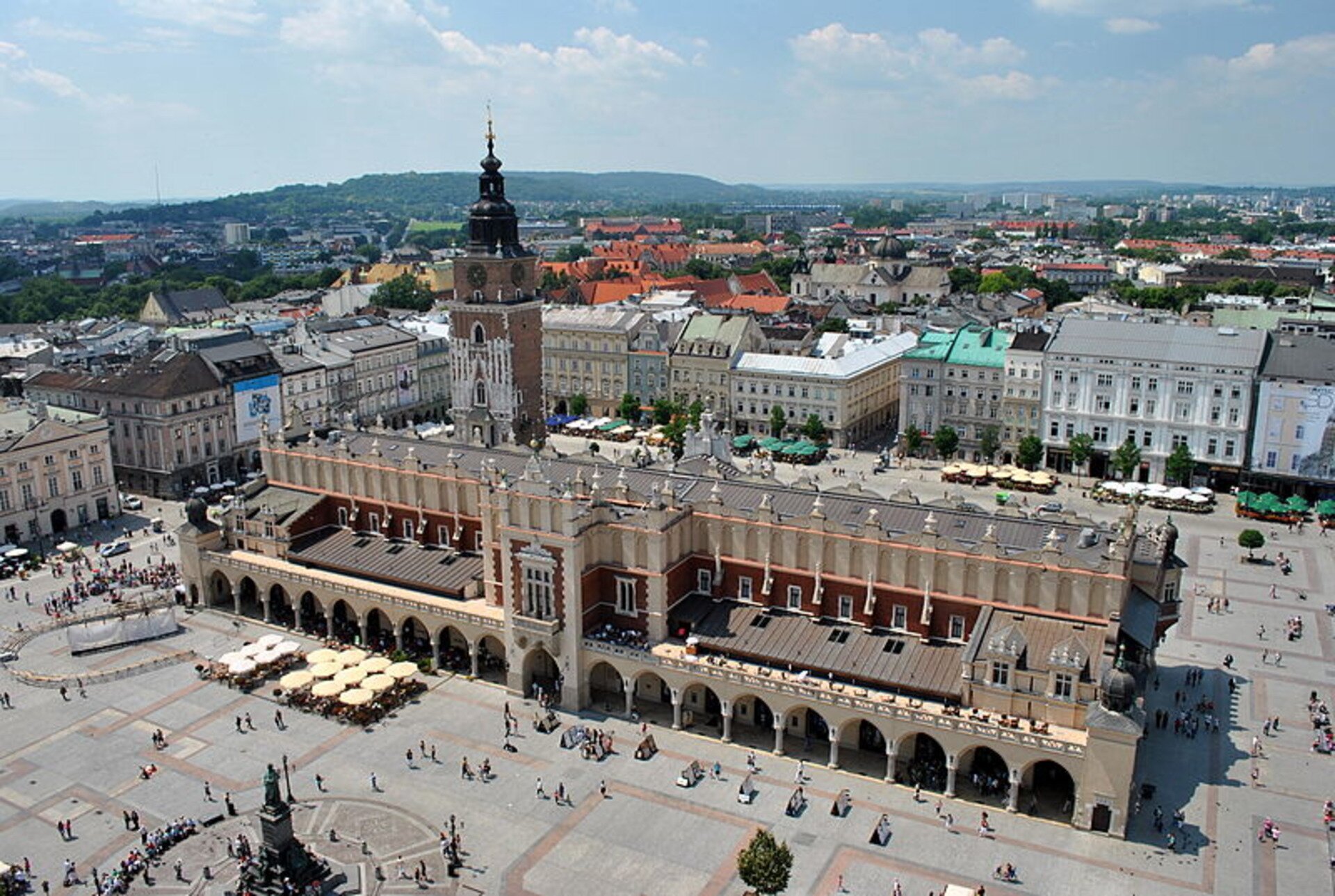
The cloisters of Sukiennice indicate that it is a building of the...
- Renaissance.
- Gothic.
The tall, pointy town hall tower with small windows hints that the building itself was built in the style of...
- Renaissance.
- Gothic.
Put the terms in their respective columns.
Cloisters, Zawisza the Black, Portal, Jan Zamoyski, Memento Mori, Gothic, Sigismund Chapel, Jan Kochanowski, Humanism, Seven liberal arts
| Medieval | |
|---|---|
| Renaissance |
Fill the gaps with the words listed below.
Wawel, Renaissance, architecture, Sigismund I the Old, Bona Sforza
The ........................................ culture reached Poland in the sixteenth century. The last two Jagiellons, ........................................ and Sigismund II Augustus, as well as the Italian-born Queen ........................................, did a great service to its diffusion. The center of the Renaissance culture was the Royal Court at ......................................... Rebuilt by Italian architects, the Wawel Castle remains a magnificent example of Polish renaissance .........................................
Keywords
Renaissance, Architect, Latin
Glossary
Renesans – epoka nazywana odrodzeniem sztuki i nauki, trwająca od XV do połowy XVII wieku w Europie. W czasie jej trwania nastąpił wzrost zainteresowania antykiem i ludzkim ciałem.
Architekt – osoba zajmująca się projektowaniem i wznoszeniem budynków. O okresie renesansu finansowany przez mecenasów i działających na ich zlecenie.
Łacina – język wywodzący się z Lacjum na terenie Italii, był językiem ojczystym starożytnego Rzymu. Nazywana językiem urzędowym, literatury, kultury i sztuki, aż do XVIII wieku była stosowana jako język międzynarodowy i dyplomacji.
żak –dawna nazwa studenta uczelni wyższej.
Dziedziniec – otwarte i niezadaszone miejsce w wewnątrz budynku lub zespole budynków. W dawnych czasach pełnił funkcje użytkową i reprezentacyjną.
Krużganek – długi korytarz na zewnątrz budynku lub jego dziedzińcu najczęściej przykryty dachem i otoczony kolumnami. Pełnił funkcję komunikacyjną, umożliwiając poruszanie się między poszczególnymi częściami budynku.
Arras – dekoracyjna tkanina sporządzona (utkana) według projektu artysty, zdobiona nićmi jedwabnymi, złotymi i srebrnymi.
Humanizm – główny prąd intelektualny epoki renesansu powstały we Włoszech w XV wieku. Zakładał, że człowiek i jego ziemskie życie jest najwyższą wartością
Mecenat – opieka wpływowych i bogatych miłośników nauki i sztuki nad artystami. Wspomagają oni finansowo artystów zatrudniając ich w swoich posiadłościach lub zlecając tworzenie dzieł sztuki, np. obrazów, rzeźb.
Kopuła – element architektoniczny o kształcie półkolistym charakterystyczny dla epoki renesansu.