The totalitarian system in the USSR
about the circumstances in which Stalin came to power and the history of the Red Terror;
about the changes in the political, social and economic life of the USSRUSSR after Stalin came to power, including the industrialisation of the country, collectivisation of the agricultural sector and its outcomes (the Holomodor), and the Great Purge;
about the characteristics of the totalitarian systemtotalitarian system.
The founder of the Soviet state was Lenin, who established its ideological foundations and made it possible for the Bolsheviks to come to power and strengthen their rule in the country. After Lenin’s death in 1924, Stalin started gradually and silently changing the party structures, and filled significant positions with people loyal to him. Having eliminated his most dangerous opponent (Leon Trotsky), Stalin started taking actions which allowed him to assume full power in 1929. Stalin preached that with the development of communism, the number of class enemies increases, and staying faithful to his theory, he killed everyone who raised the slightest doubt. Terror became the foundation of Stalin’s unlimited power and allowed him to create one of the most sinister systems in the world. From 1934, the NKVDNKVD began to play the role of the security apparatus and played a huge role in building the Stalinist regime. It spread terror and caused fear. The system of Soviet forced labour camps, also referred to as Gulags, was expanded. Thirty to forty million people had seen the inside of those camps. A planned economyplanned economy fully supervised by the state was introduced. The agricultural sector was collectivised. The development of the industrial sector claimed millions of lives. Similarly to the fascist state, ideology and propaganda played a major role in the USSR and were used to establish the cult of Stalin and indoctrinate society.
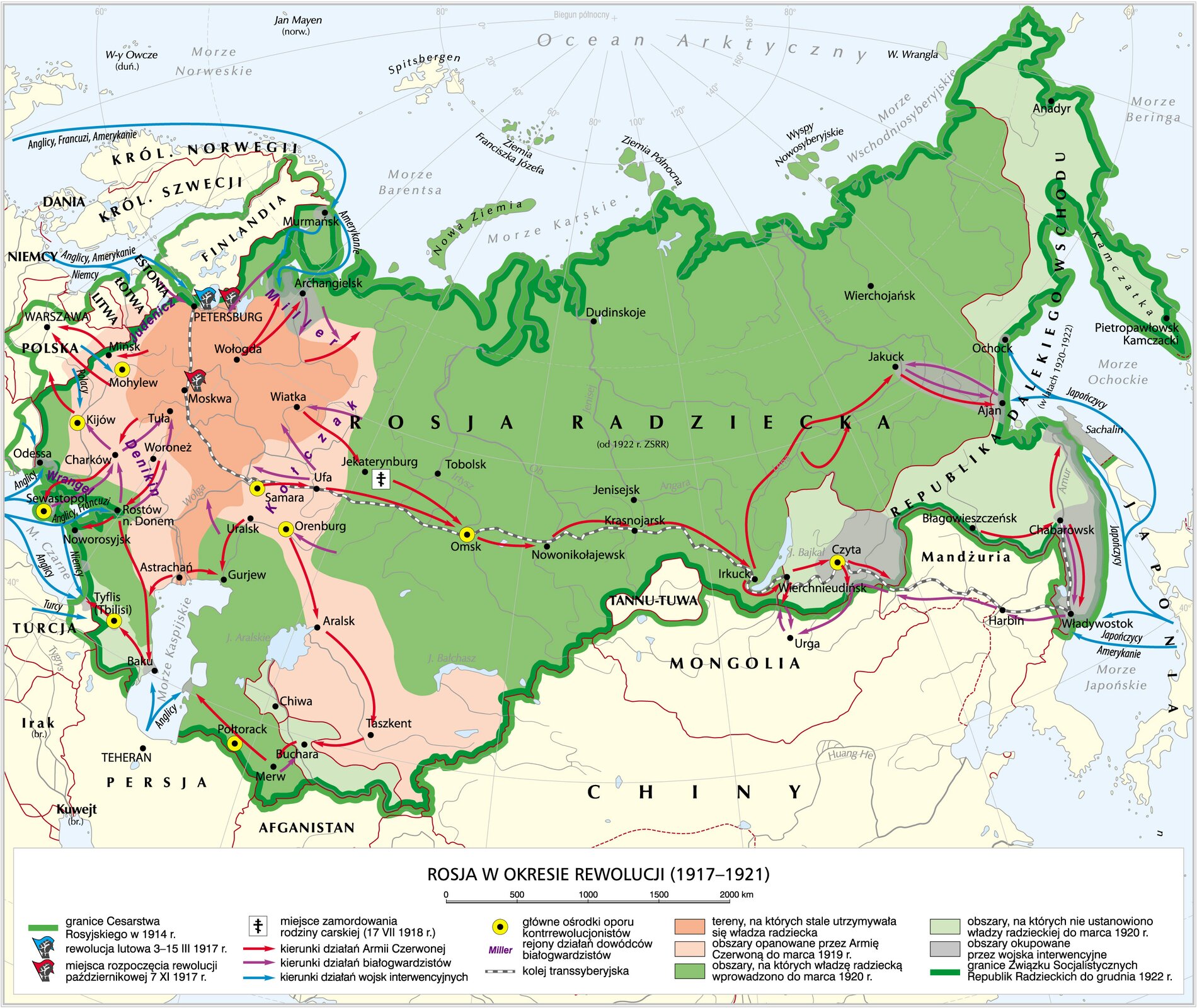
See how internal terror developed under the rule of Lenin and Stalin. Pay attention to breakthrough events.
Read the text and assess how the “social morality” of the young generation was shaped.
Rozejrzyjcie się dzieci....Stój! Skąd? Dokąd? – tak wołają miejscowi pionierzy za każdym człowiekiem, który idzie przez pole i „jeśli człowiek okazuje się złodziejem – zatrzymują go”– pisała „Pionierska Prawda” w 1933 roku. Pismo radośnie donosiło, jak dzieci podczas nieobecności dorosłych przeszukały cudze domy. Prawdziwy Pionier Pronia Kołybin odważnie zdemaskował matkę, która poszła w pole, żeby zebrać opadnięte kłosy i nakarmić właśnie jego. Matkę wsadzono do więzienia, a syna‑bohatera wysłano w nagrodę na Krym do ośrodka pionierskiego.
Uczeń spod Rostowa nad Donem, Mitia Gordijenko, kilkakrotnie chwytał w polu głodujących ludzi. Występując jako świadek przed sądem powiedział: „Demaskując złodziei kołchozowego zboża, zobowiązuję się zorganizować trzydzieścioro dzieci z naszej kolumny do ochrony plonów i objąć dowództwo tego oddziału pionierskiego…”. W rezultacie donosu Mitii na jakieś małżeństwo, męża skazano na rozstrzelanie, a żonę na 10 lat pozbawienia wolności i ścisłe odosobnienie. Mitia otrzymał zegarek z wygrawerowanym nazwiskiem, mundurek pionierski, buty i roczną prenumeratę miejscowego pisma „Leninowskie Wnuczęta”.
Source: Jurij Drużnikow, Rozejrzyjcie się dzieci...., 2000.
Read the passage from a letter written by Lenin to the party congress in January 1923. It was almost like the USSR leader’s political last will. Who are the passages below devoted to?
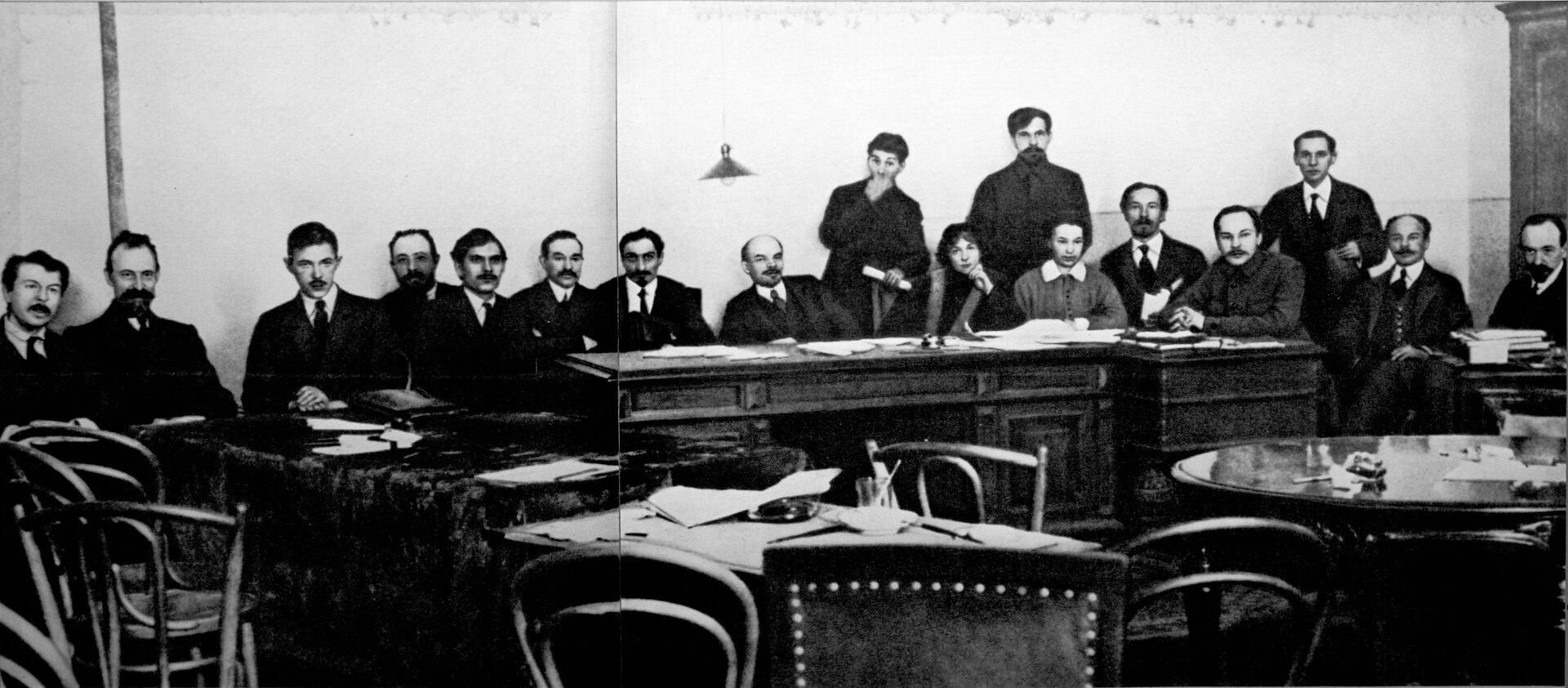
Tow. X po objęciu stanowiska sekretarza generalnego skupił w swych rękach niezmierną władzę i nie mam pewności, czy zawsze potrafi z tej władzy korzystać z należytą ostrożnością. Wobec tego proponuję towarzyszom, aby zastanowili się nad sposobem przeniesienia tow. X z tego stanowiska i wyznaczyli na to miejsce innego człowieka, który by pod wszystkimi względami różnił się od tow. X jedną tylko zaletą, a mianowicie większą tolerancyjnością, większą lojalnością, większą uprzejmością, bardziej uważnym stosunkiem do towarzyszy, mniej kapryśnym usposobieniem itd. Okoliczność ta może się wydawać nic nie znaczącą drobnostką. Myślę jednak, że z punktu widzenia zapobieżenia rozłamowi w partii nie jest to drobnostka. [...] X jest zbyt brutalny i wada ta, która jest całkiem do zniesienia w naszym środowisku i w stosunkach między nami komunistami, staje się nie do zniesienia na stanowisku sekretarza generalnego partii.
Source: Włodzimierz Lenin.
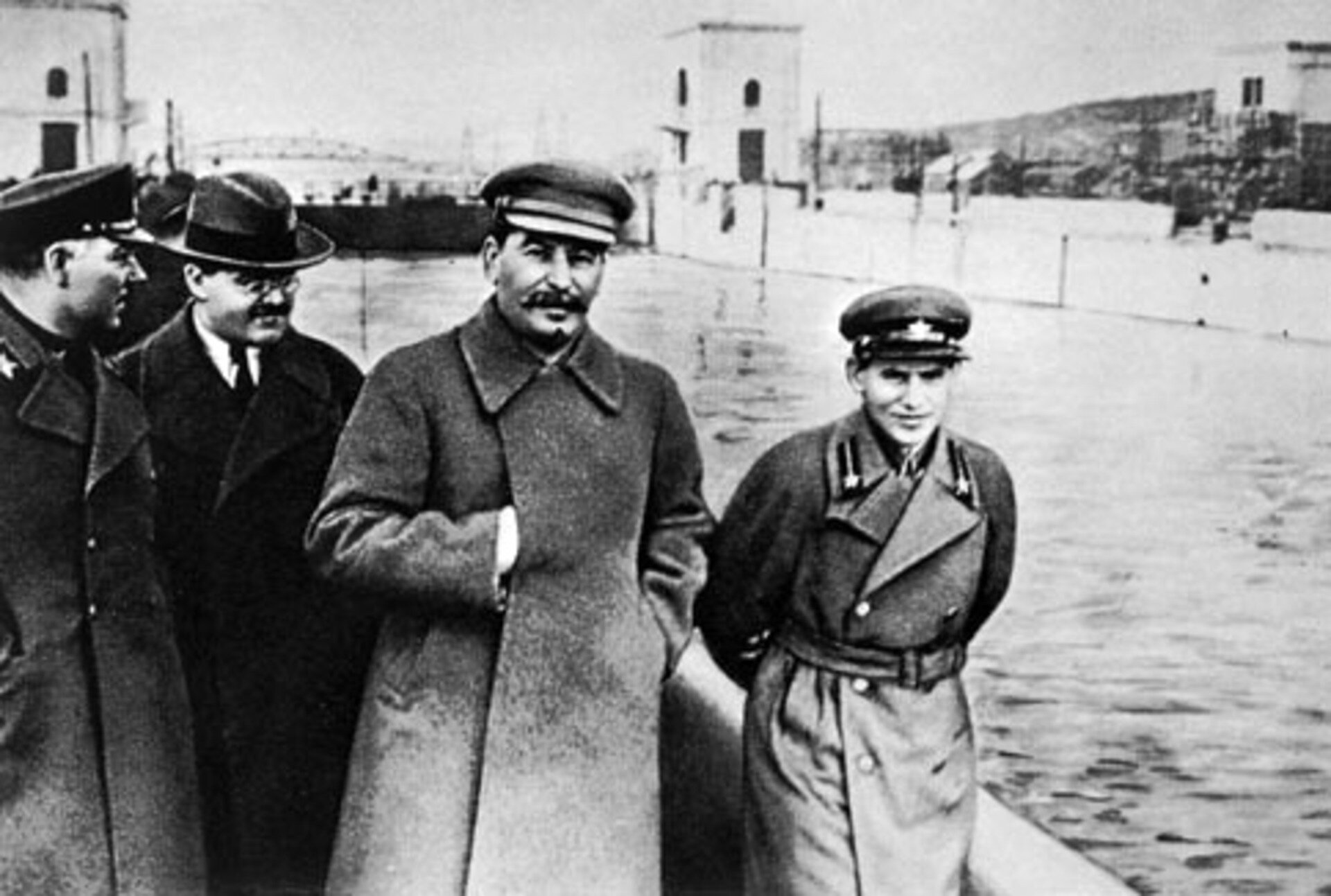
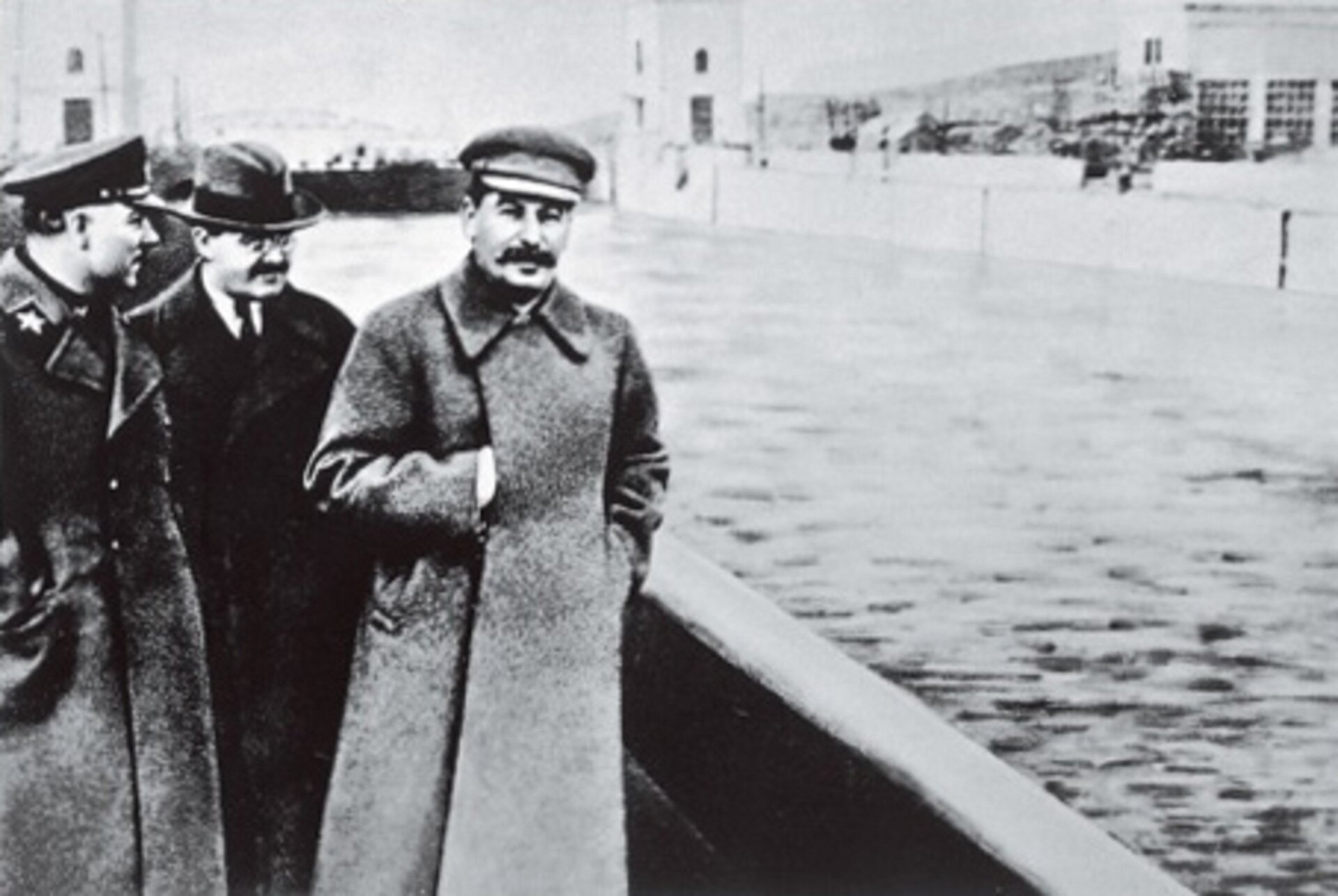
Look for information that will help you find out why the picture shown below was altered.
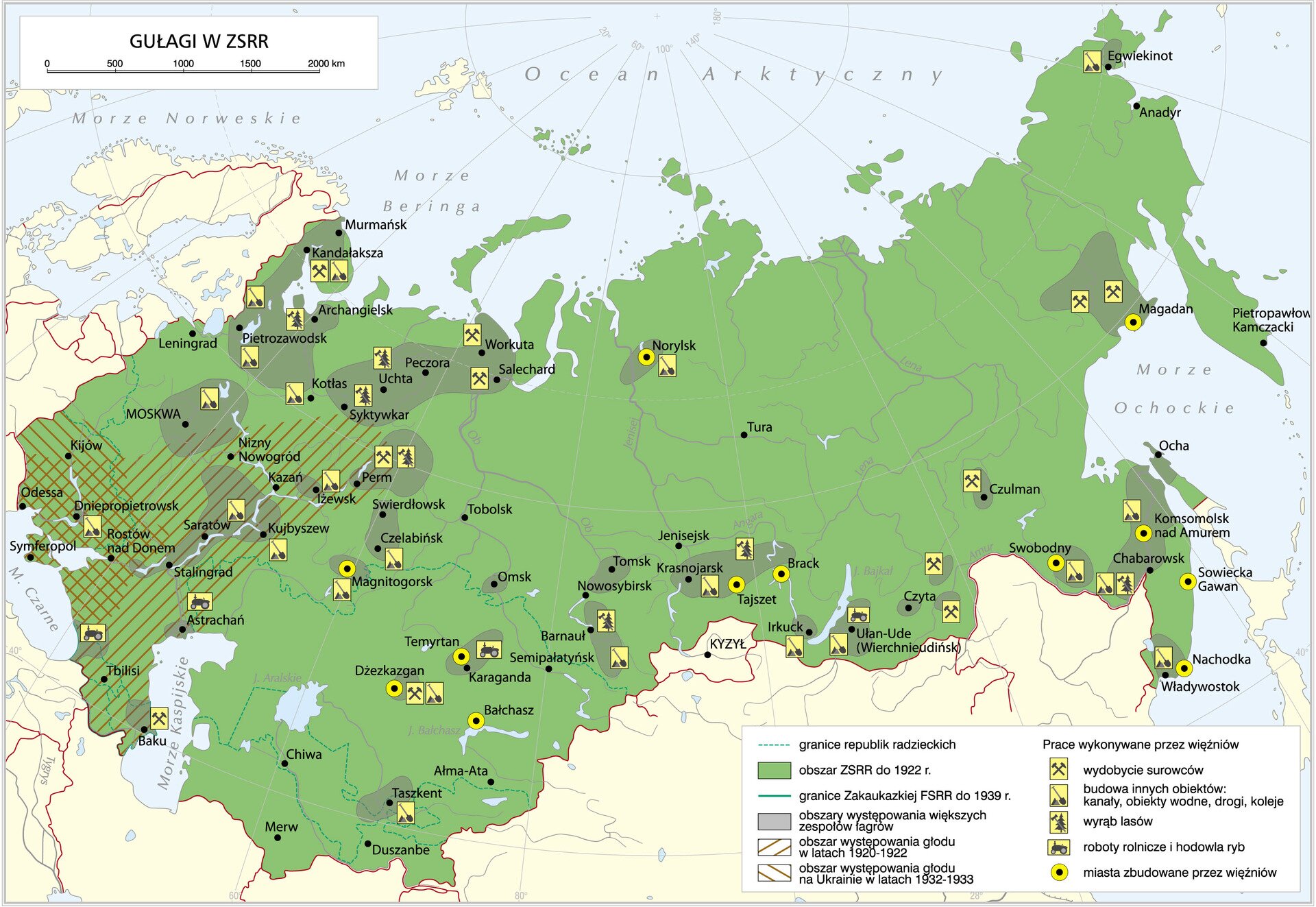
The collectivisation of the USSR took place during the following years:
- 1928–1935.
- 1917–1918.
- 1922–1924.
Check what happened to the Orthodox Church in the USSR.
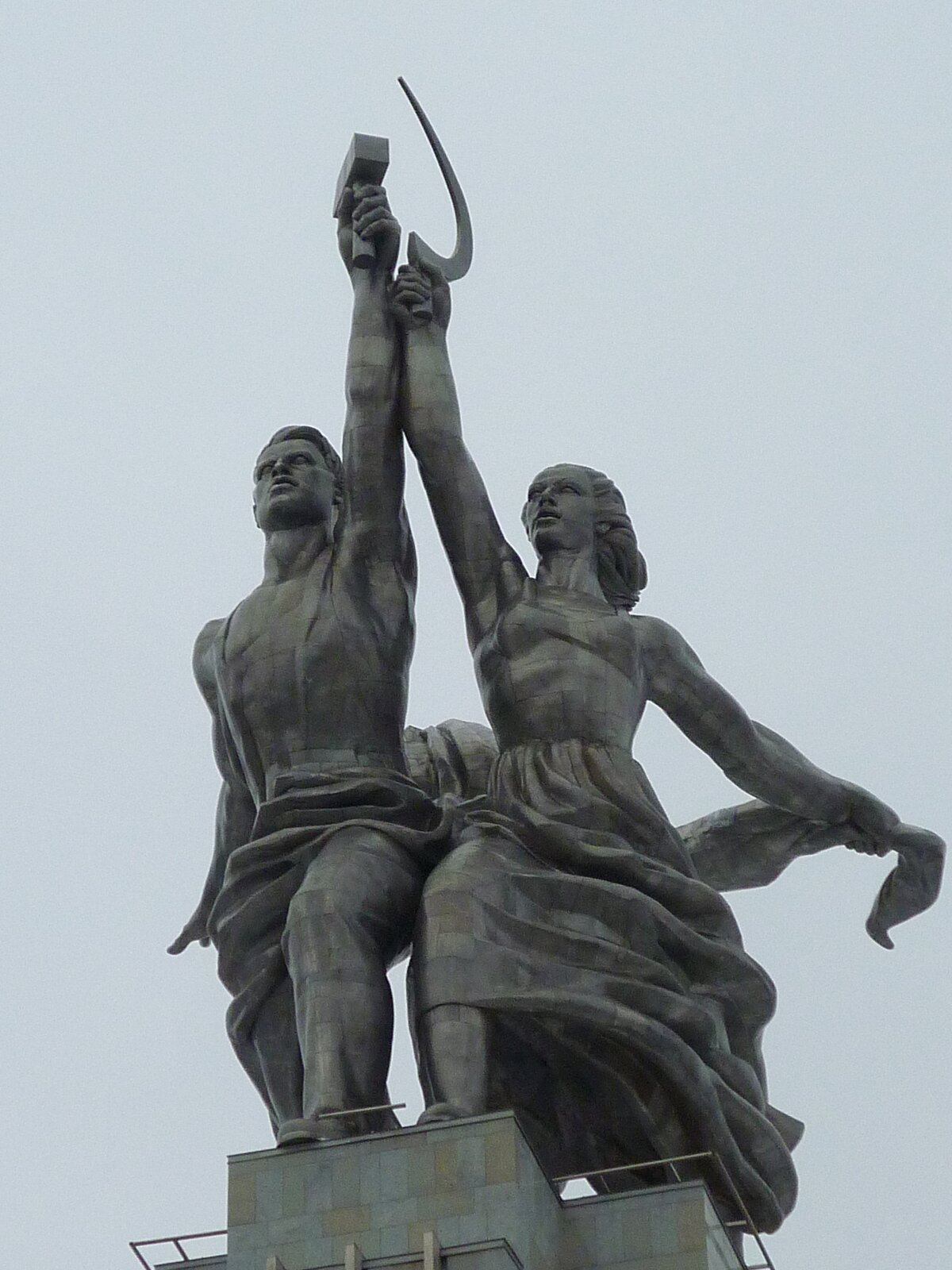
Why is this particular sculpture considered to be a model example of socialist realismsocialist realism?
Mark which sentences are correct.
- Lenin thought that after his death power should be exercised by an assembly composed of a few people, including Grigory Zinoviev, Lev Kamenev and, most of all, Leon Trotsky.
- The civil war ended with the defeat of the Red Army.
- The greatest purges were organised in the second half of the 1930s; the purge predominantly concerned party, political police, the army and the leaders of communist parties from other European countries associated with the Third International.
- The introduction of the NEP by Stalin meant that the Bolsheviks for the first time retreated due to the pressure caused by the sailors of Kronstadt and the great peasant riot in the Tambor Governorate.
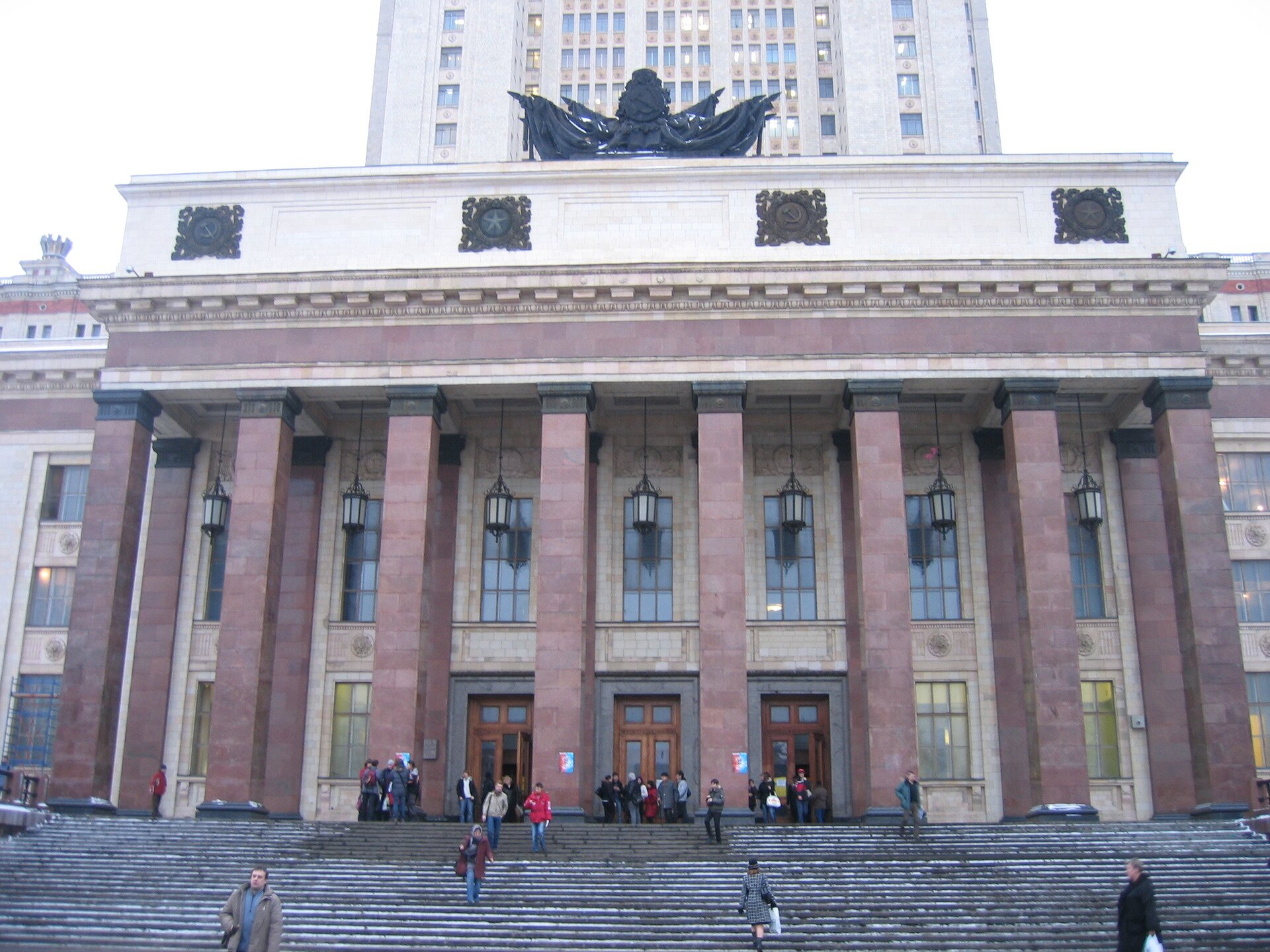
- Communism was unable to tolerate the existence of the Orthodox Church in fear that it would limit communist power over the hearts and minds of people. Therefore, the USSR imposed a new, secular religion upon its citizens, together with its sacred relics (the mummified body of Lenin) and icons; a religion which required extraordinary sacrifice and acts of faith from its followers.
- Forced-labour camps were scattered throughout the USSR.
Keywords
socialist realism, totalitarianism, war communism, planned economy
Glossary
Socrealizm – oparty na doktrynie stalinizmu kierunek w literaturze, filmie i sztukach plastycznych, podkreślajacy zaangażowanie polityczne i ideowe sztuki
Czeka – (WCzK) Wszechrosyjska Komisja Nadzwyczajna do Walki z Kontrrewolucją i Sabotażem
gospodarka planowa – gospodarka narodowa zarządzana przez administrację państwową, inaczej: centralnie sterowana, nakazowo‑rozdzielcza.
komunizm wojenny – nazwa pierwszego okresu istnienia Rosji radzieckiej, od zdobycia władzy przez bolszewików i później, w czasie wojny domowej oraz interwencji w latach 1918‑1921, a zwłaszcza realizowanej wtedy polityki gospodarczej.
NEP – wprowadzona w 1921 roku na X Zjeździe partii bolszewickiej polityka gospodarcza, zakładająca funkcjonowanie elementów wolnego rynku i prywatnej inicjatywy.
NKWD – Narodnyj Komissariat Wnutriennych Dieł – Ludowy Komisariat Spraw Wewnętrznych
RKP(b) – Rosyjska Partia Komunistyczna (bolszewików) w latach 1918‑1925, wykształcona z bolszewickiej frakcji SDPRRb, utworzonej przez Lenina w 1903.
ruch stachanowski – współzawodnictwo pracy w ZSRS (później także w państwach bloku komunistycznego), zainicjowane w 1935 przez A.G. Stachanowa, górnika z Donbasu. Przekroczenie norm wydobycia (w przypadku Stachanowa o 1475% na jednej zmianie) miało doprowadzić do lepszego wykorzystania osiągnięć technicznych i do podwyższenia produkcji gospodarczej; w rzeczywistości spowodował zwiększenie eksploatacji robotników.
Totalitaryzm – system rządów (także: wspierająca go ideologia) charakterystyczny dla XX‑wiecznych państw, w których splotły się procesy modernizacyjne, kryzys lub niedostatek demokracji i ambicje mocarstwowe; cechuje go oficjalna, obowiązująca wszystkich radykalna ideologia, cenzura i centralnie kierowana propaganda; rządy monopartii; terror na ogromną skalę przy pomocy tajnej policji; wyraźnie zdefiniowany wróg wewnętrzny i zewnętrzny; sterowane poparcie społeczne; monumentalizm w sztuce, nihilistyczny lub bardzo wybiórczy stosunek do tradycji.
WKP(b) – Wszechzwiązkowa Komunistyczna Partia (bolszewików); partia komunistyczna w Rosji od 1925, po śmierci Lenina i objęciu przywództwa w państwie przez Józefa Stalina
ZSRS – Związek Socjalistycznych Republik Sowieckich utworzony przez Lenina (30 grudnia 1922 roku). W leninowskiej koncepcji miał być to federacyjny organizm państwowy, składający się z równoprawnych republik.