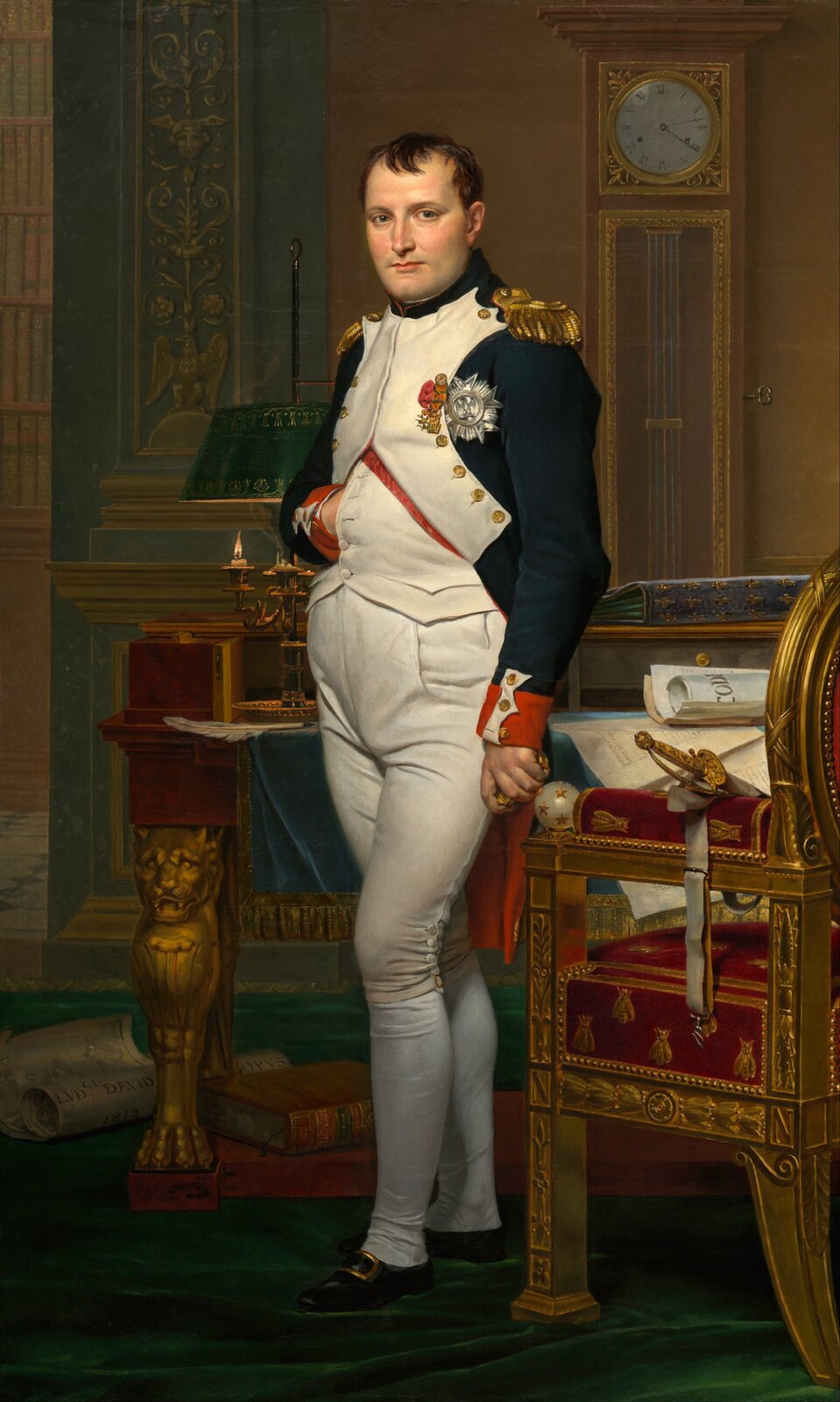
Source: Jacques Louis David, The Emperor Napoleon in His Study at the Tuileries, 1812, oil on canvas, domena publiczna.
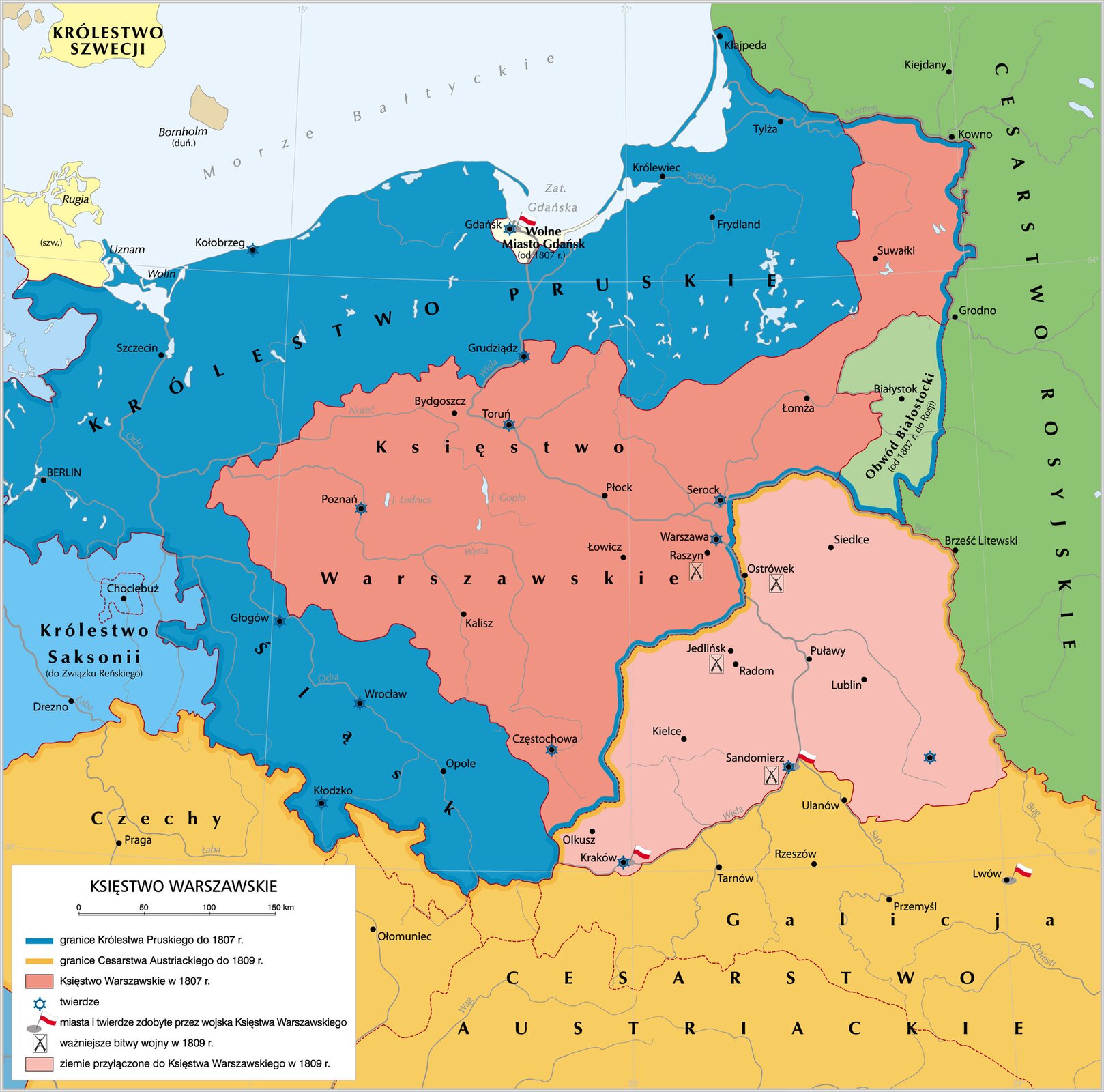
After the fall of the Commonwealth the Poles tried to regain independence by way of armed fighting. At first, they fought next to Napoleon Bonaparte. Thanks to him, the Duchy of Warsaw was established on the Polish territory in 1807. Subsequent successes of the French emperor raised the Poles’ hopes for an independent country; unfortunately, his defeat put the dream of freedom to an end. The Kingdom of Poland, established in 1815 under the scepter of the Russian Tsar, became a substitute of Poland to many compatriots. The separation of powers, civil liberties, liberal constitution and above all the adjective “Polish” in the name, gave hope for a change of the Tsar’s policy. However, the reality turned out completely different, and breaching the constitution led Poles to attempts to regain independence on their own through uprisings. The biggest were: The November Uprising (in 1830) and the January Uprising (in 1863), both outbreaking in the Russian partition. They both ended with defeats of the insurgents. The consequences of the uprisings turned out to be more serious than expected. Heavy repressionsrepressionsrepressions – harsh prison sentences, deportations and resettlements deep into the Russian territory, abolition of the constitution and eventually abolition of the autonomyautonomyautonomy of the Kingdom of Poland and the Kingdom itself, as well as political emigrationemigrationemigration made a great loss in the nation.
R1einvLLqnps51
Exercise 1
Grafika przedstawiająca oś czasu.
Grafika przedstawiająca oś czasu.
Specify the years of the following events.
Połącz wydarzenia z datami
1795,
1772,
1791,
1794,
1793
First Partition of Poland
Constitution of 3 May
Second Partition of Poland
Kościuszko Uprising
Third Partition of Poland
Re7pGYsP28xTH
Exercise 2
Following the partitions Poland ceased to exist as an independent country. Which powers shared its lands? Możliwe odpowiedzi: 1. Sweden, 2. Austria, 3. Russia, 4. France, 5. Switzerland, 6. England, 7. Prussia
Following the partitions Poland ceased to exist as an independent country. Which powers shared its lands? Możliwe odpowiedzi: 1. Sweden, 2. Austria, 3. Russia, 4. France, 5. Switzerland, 6. England, 7. Prussia
Following the partitions Poland ceased to exist as an independent country. Which powers shared its lands?
Sweden
Austria
Russia
France
Switzerland
England
Prussia
RHE3WFtnwaxvO
Exercise 3
How much time passed from the Third Partition of Poland to regaining independence? Możliwe odpowiedzi: 1. less than a century, 2. 123 years, 3. 132 years, 4. 99 years, 5. more than a century
How much time passed from the Third Partition of Poland to regaining independence? Możliwe odpowiedzi: 1. less than a century, 2. 123 years, 3. 132 years, 4. 99 years, 5. more than a century
How much time passed from the Third Partition of Poland to regaining independence?
less than a century
123 years
132 years
99 years
more than a century
R1YgmE8T5Y6A41
Exercise 4
Use the SWOT analysis and try to make a decision on starting an armed fight for independence. S - strengths Możliwe odpowiedzi: 1. Poles will decide for themselves., 2. The occupant will take revenge on Poles and they will lose even the autonomy they already have., 3. The whole world will know that Poles have not come to terms with the loss of independence., 4. The occupants do not comply with the law., 5. Occupant countries ignore the opinions of Poles., 6. The best young Poles - the nation’s hope, will die fighting., 7. Poland will regain full independence., 8. Poles enjoy some autonomy., 9. Those who want to change something in the country are persecuted, e.g. imprisoned or taken far into the Russian territory., 10. Poland has no chance to win a war with the occupant countries., 11. Poles will be even more persecuted., 12. Polish language can be used, Polish institutions are functioning., 13. Out of convenience, people prefer to collaborate with the occupant authorities and forget about their Polish identity. W - weaknesses Możliwe odpowiedzi: 1. Poles will decide for themselves., 2. The occupant will take revenge on Poles and they will lose even the autonomy they already have., 3. The whole world will know that Poles have not come to terms with the loss of independence., 4. The occupants do not comply with the law., 5. Occupant countries ignore the opinions of Poles., 6. The best young Poles - the nation’s hope, will die fighting., 7. Poland will regain full independence., 8. Poles enjoy some autonomy., 9. Those who want to change something in the country are persecuted, e.g. imprisoned or taken far into the Russian territory., 10. Poland has no chance to win a war with the occupant countries., 11. Poles will be even more persecuted., 12. Polish language can be used, Polish institutions are functioning., 13. Out of convenience, people prefer to collaborate with the occupant authorities and forget about their Polish identity. O - opportunities Możliwe odpowiedzi: 1. Poles will decide for themselves., 2. The occupant will take revenge on Poles and they will lose even the autonomy they already have., 3. The whole world will know that Poles have not come to terms with the loss of independence., 4. The occupants do not comply with the law., 5. Occupant countries ignore the opinions of Poles., 6. The best young Poles - the nation’s hope, will die fighting., 7. Poland will regain full independence., 8. Poles enjoy some autonomy., 9. Those who want to change something in the country are persecuted, e.g. imprisoned or taken far into the Russian territory., 10. Poland has no chance to win a war with the occupant countries., 11. Poles will be even more persecuted., 12. Polish language can be used, Polish institutions are functioning., 13. Out of convenience, people prefer to collaborate with the occupant authorities and forget about their Polish identity. T - threats Możliwe odpowiedzi: 1. Poles will decide for themselves., 2. The occupant will take revenge on Poles and they will lose even the autonomy they already have., 3. The whole world will know that Poles have not come to terms with the loss of independence., 4. The occupants do not comply with the law., 5. Occupant countries ignore the opinions of Poles., 6. The best young Poles - the nation’s hope, will die fighting., 7. Poland will regain full independence., 8. Poles enjoy some autonomy., 9. Those who want to change something in the country are persecuted, e.g. imprisoned or taken far into the Russian territory., 10. Poland has no chance to win a war with the occupant countries., 11. Poles will be even more persecuted., 12. Polish language can be used, Polish institutions are functioning., 13. Out of convenience, people prefer to collaborate with the occupant authorities and forget about their Polish identity.
Use the SWOT analysis and try to make a decision on starting an armed fight for independence. S - strengths Możliwe odpowiedzi: 1. Poles will decide for themselves., 2. The occupant will take revenge on Poles and they will lose even the autonomy they already have., 3. The whole world will know that Poles have not come to terms with the loss of independence., 4. The occupants do not comply with the law., 5. Occupant countries ignore the opinions of Poles., 6. The best young Poles - the nation’s hope, will die fighting., 7. Poland will regain full independence., 8. Poles enjoy some autonomy., 9. Those who want to change something in the country are persecuted, e.g. imprisoned or taken far into the Russian territory., 10. Poland has no chance to win a war with the occupant countries., 11. Poles will be even more persecuted., 12. Polish language can be used, Polish institutions are functioning., 13. Out of convenience, people prefer to collaborate with the occupant authorities and forget about their Polish identity. W - weaknesses Możliwe odpowiedzi: 1. Poles will decide for themselves., 2. The occupant will take revenge on Poles and they will lose even the autonomy they already have., 3. The whole world will know that Poles have not come to terms with the loss of independence., 4. The occupants do not comply with the law., 5. Occupant countries ignore the opinions of Poles., 6. The best young Poles - the nation’s hope, will die fighting., 7. Poland will regain full independence., 8. Poles enjoy some autonomy., 9. Those who want to change something in the country are persecuted, e.g. imprisoned or taken far into the Russian territory., 10. Poland has no chance to win a war with the occupant countries., 11. Poles will be even more persecuted., 12. Polish language can be used, Polish institutions are functioning., 13. Out of convenience, people prefer to collaborate with the occupant authorities and forget about their Polish identity. O - opportunities Możliwe odpowiedzi: 1. Poles will decide for themselves., 2. The occupant will take revenge on Poles and they will lose even the autonomy they already have., 3. The whole world will know that Poles have not come to terms with the loss of independence., 4. The occupants do not comply with the law., 5. Occupant countries ignore the opinions of Poles., 6. The best young Poles - the nation’s hope, will die fighting., 7. Poland will regain full independence., 8. Poles enjoy some autonomy., 9. Those who want to change something in the country are persecuted, e.g. imprisoned or taken far into the Russian territory., 10. Poland has no chance to win a war with the occupant countries., 11. Poles will be even more persecuted., 12. Polish language can be used, Polish institutions are functioning., 13. Out of convenience, people prefer to collaborate with the occupant authorities and forget about their Polish identity. T - threats Możliwe odpowiedzi: 1. Poles will decide for themselves., 2. The occupant will take revenge on Poles and they will lose even the autonomy they already have., 3. The whole world will know that Poles have not come to terms with the loss of independence., 4. The occupants do not comply with the law., 5. Occupant countries ignore the opinions of Poles., 6. The best young Poles - the nation’s hope, will die fighting., 7. Poland will regain full independence., 8. Poles enjoy some autonomy., 9. Those who want to change something in the country are persecuted, e.g. imprisoned or taken far into the Russian territory., 10. Poland has no chance to win a war with the occupant countries., 11. Poles will be even more persecuted., 12. Polish language can be used, Polish institutions are functioning., 13. Out of convenience, people prefer to collaborate with the occupant authorities and forget about their Polish identity.
Use the SWOT analysis and try to make a decision on starting an armed fight for independence.
Poles will decide for themselves., Occupant countries ignore the opinions of Poles., Poles enjoy some autonomy., Those who want to change something in the country are persecuted, e.g. imprisoned or taken far into the Russian territory., The whole world will know that Poles have not come to terms with the loss of independence., Polish language can be used, Polish institutions are functioning., Poles will be even more persecuted., Poland has no chance to win a war with the occupant countries., The occupants do not comply with the law., The occupant will take revenge on Poles and they will lose even the autonomy they already have., The best young Poles - the nation’s hope, will die fighting., Poland will regain full independence., Out of convenience, people prefer to collaborate with the occupant authorities and forget about their Polish identity.
S - strengths
W - weaknesses
O - opportunities
T - threats
1
Task 1
Listen to the teacher talking about the Poles fighting next to Napoleon and the establishment of the Duchy of Warsaw, and take a look at the map.
The armies of Napoleon defeated two occupants of Poland, but they did not succeed in defeating the third. The lands of which of the partitions were not included in the Duchy of Warsaw? Możliwe odpowiedzi: 1. Prussian, 2. Austrian, 3. Russian
The armies of Napoleon defeated two occupants of Poland, but they did not succeed in defeating the third. The lands of which of the partitions were not included in the Duchy of Warsaw? Możliwe odpowiedzi: 1. Prussian, 2. Austrian, 3. Russian
The armies of Napoleon defeated two occupants of Poland, but they did not succeed in defeating the third. The lands of which of the partitions were not included in the Duchy of Warsaw?
Prussian
Austrian
Russian
1
Task 2
Watch the gallery of paintings showing the November Uprising. Think about the meaning of the saying “lost chance uprising”.
Rj5Lfc91oG2lX
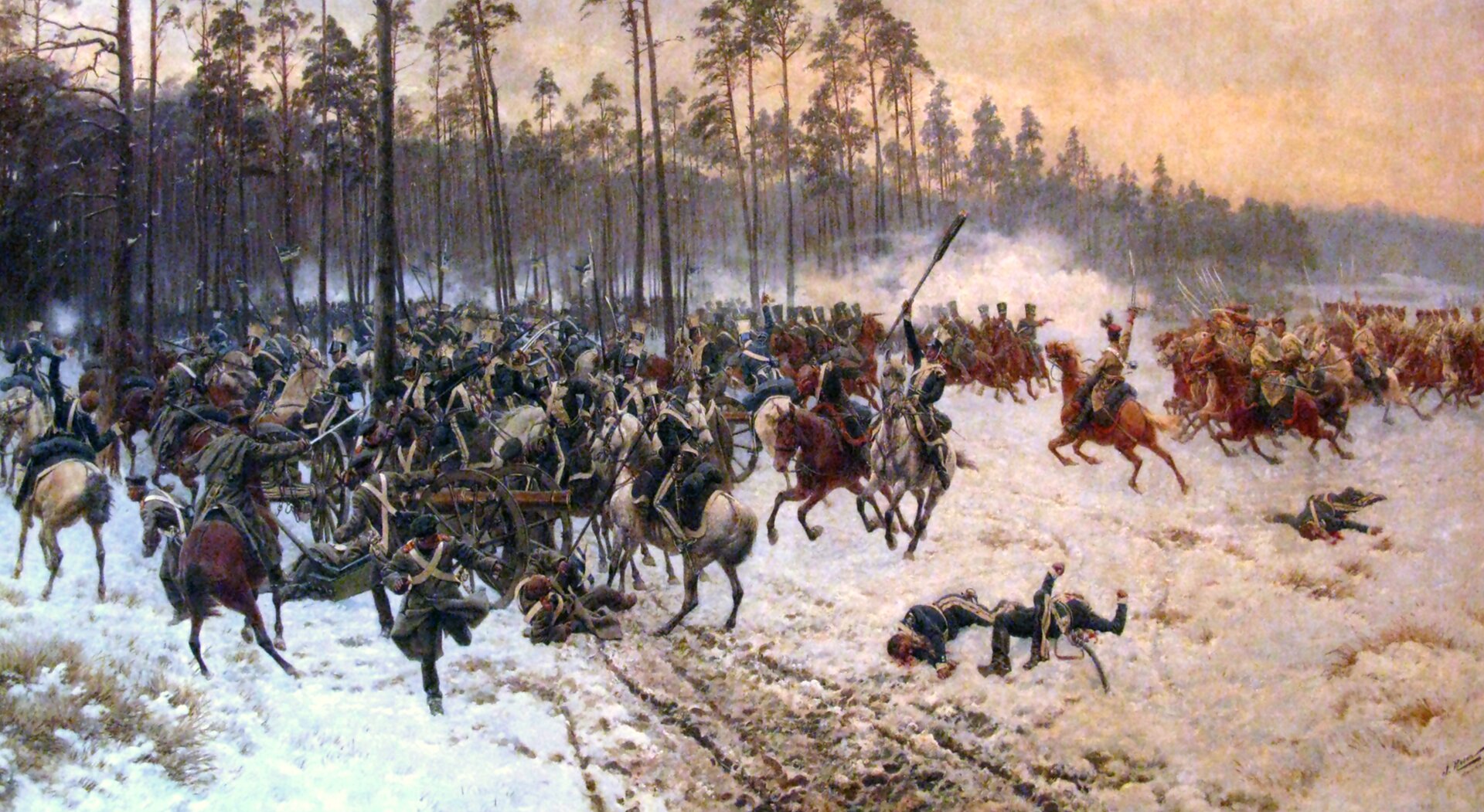
Obraz przedstawiający Bitwę pod Stoczkiem.
Battle of Stoczek (14 II 1831)
Source: Jan Rosen, Bitwa pod Stoczkiem, domena publiczna.
R2AHzm0zmj24k
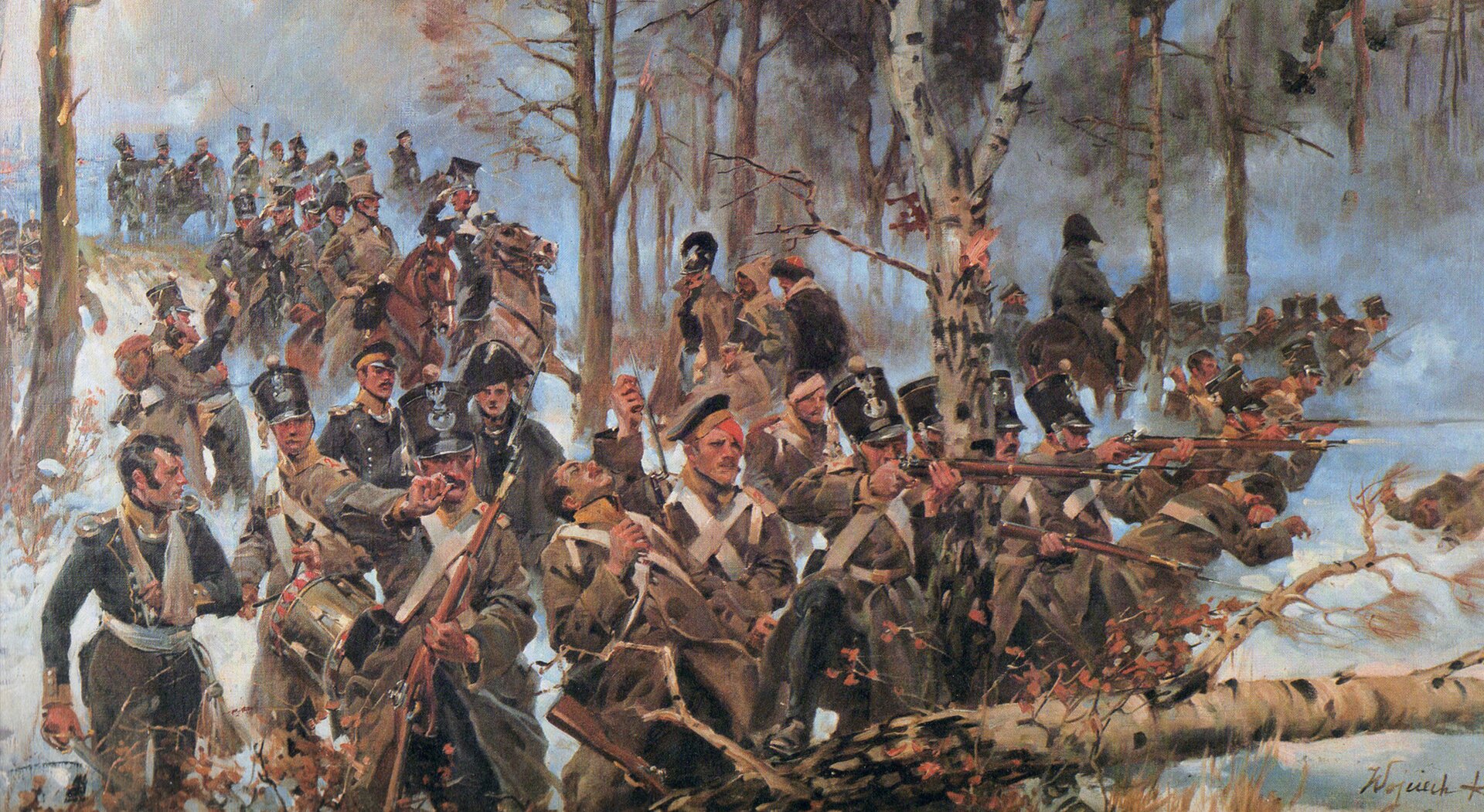
Obraz przedstawiający Bitwę pod Grochowem.
Battle of Grochów (25 II 1831)
Source: Wojciech Kossak, Olszynka Grochowska, 1928, domena publiczna.
RmygQuLhDAIL6
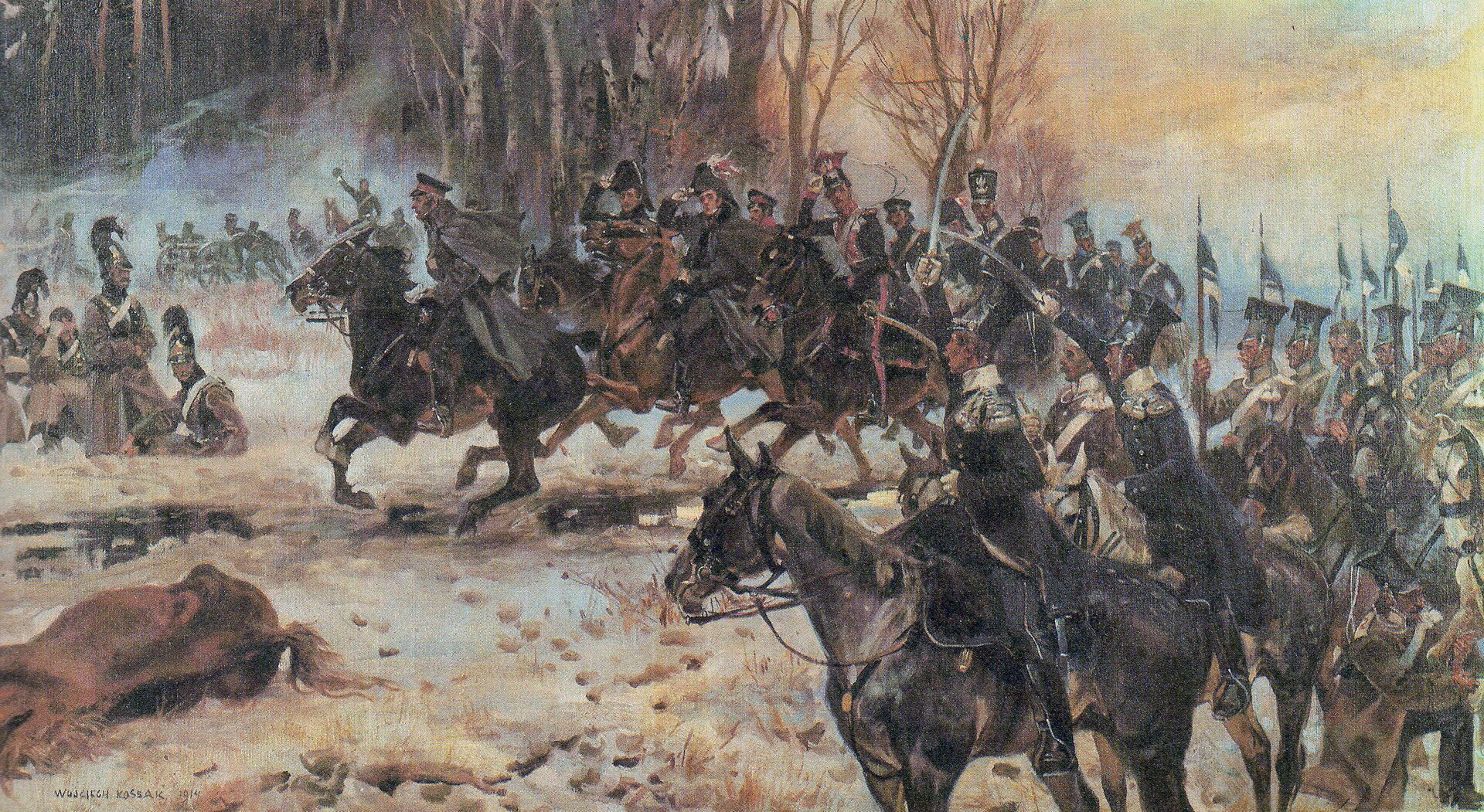
Obraz przedstawiający Chłopickiego ze sztabem pod Olszynką.
Chłopicki with his staff near Olszynka
Source: Wojciech Kossak, Chłopicki ze sztabem pod Olszynką, 1914, domena publiczna.
R1QoaF2tkSjYI
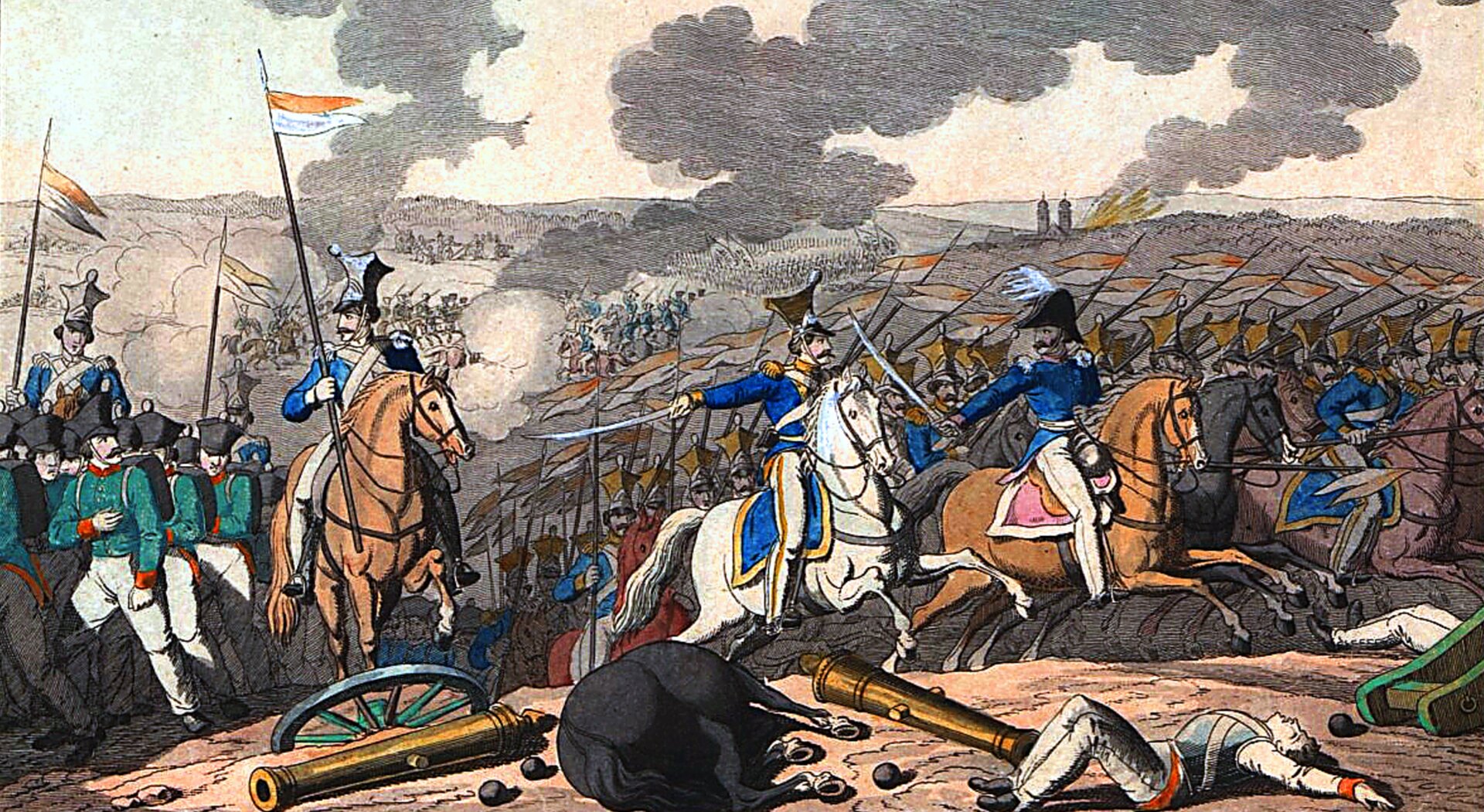
Ilustracja przedstawiająca Bitwę pod Iganiami.
Battle of Iganie (10 IV 1831)
Source: Georg Benedikt Wunder, Bitwa pod Iganiami, domena publiczna.
R4vHA4KmQnj3O
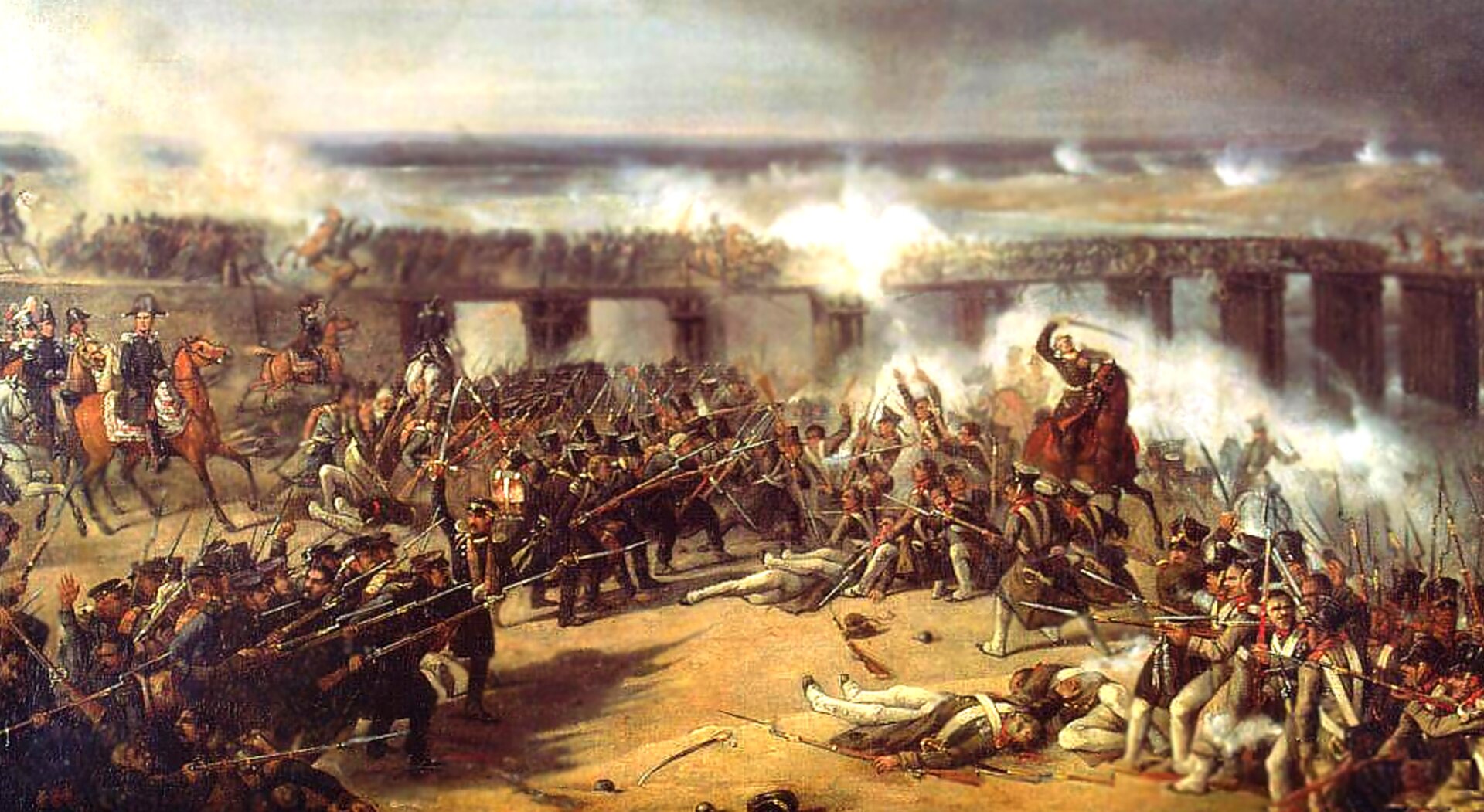
Obraz przedstawiający Bitwę pod Ostrołęką.
Battle of Ostrołęka (May 1831)
Source: Karol Malankiewicz,, Bitwa pod Ostrołęką, domena publiczna.
R17XpKGIj1DeA
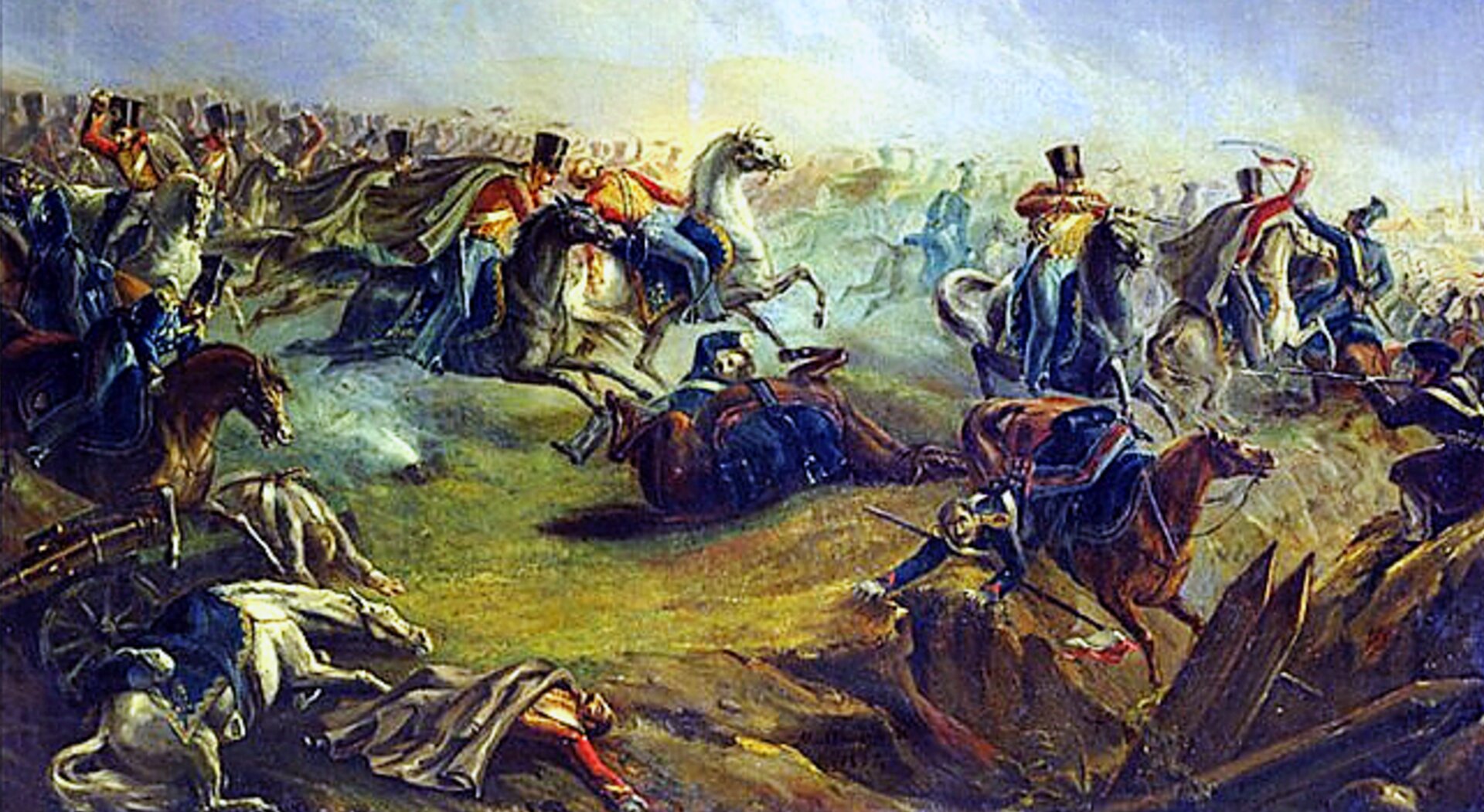
Obraz przedstawiający atak rosyjskich huzarów gwardii w czasie szturmu Warszawy.
Russian assault on Warsaw (IX 1831)
Source: Michaił Lermontow, Atak rosyjskich huzarów gwardii w czasie szturmu Warszawy, 1837, domena publiczna.
1
Task 3
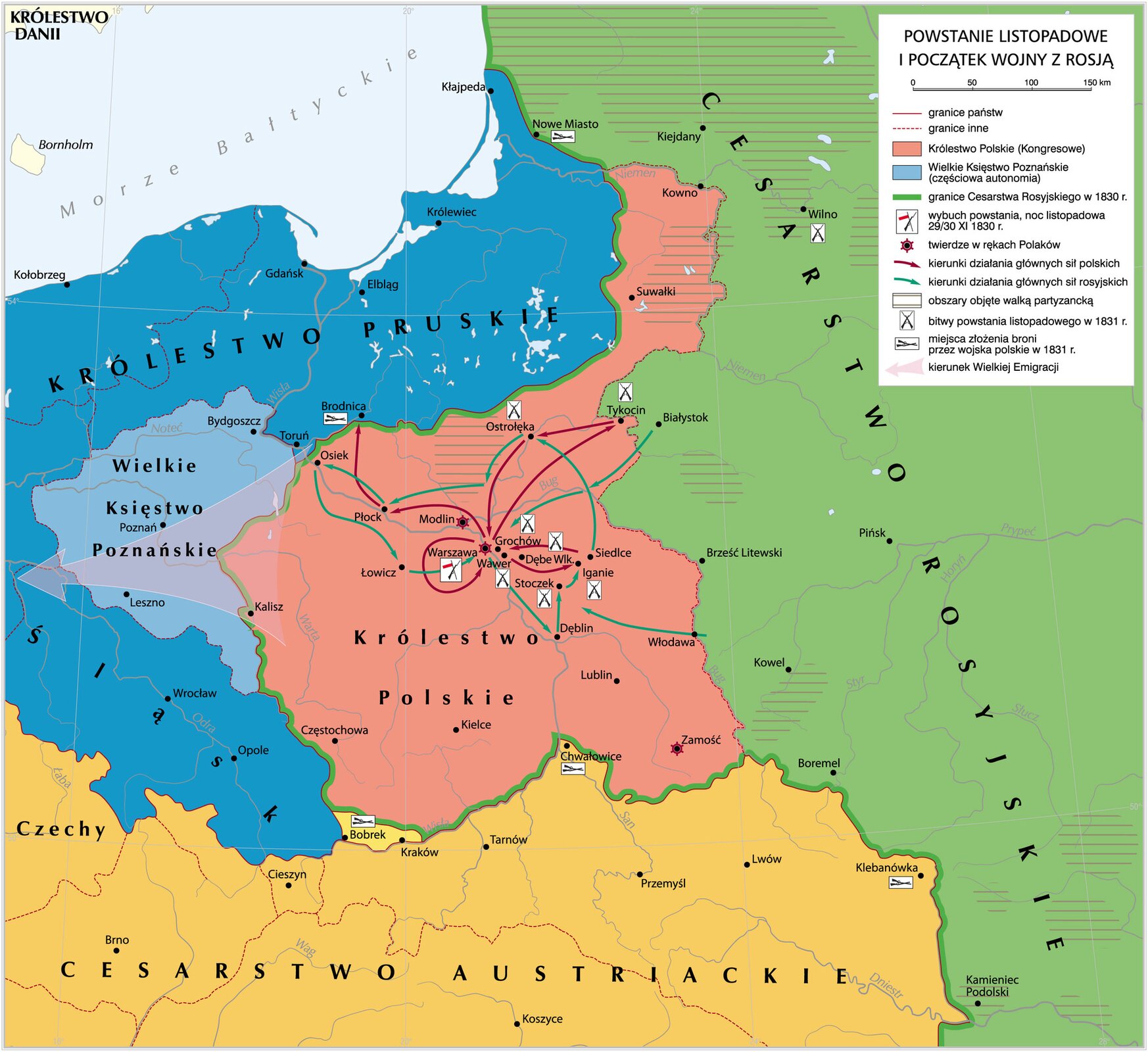
Look at the map of the November Uprising. Pay attention to the battles and the term “Great Emigration” from the legend.
R104SYyAkYIKy
Grafika mapy przedstawiającej Powstanie listopadowe i początek wojny z Rosją.
The November Uprising and the beginning of the war with Russia
Source: Krystian Chariza i zespół.
R1D3RrQnDaOYH
Exercise 6
Przypomnij sobie tytuł abstraktu, wysłuchaj nagrania i spróbuj zaproponować własny temat dla dzisiejszej lekcji.
Przypomnij sobie tytuł abstraktu, wysłuchaj nagrania i spróbuj zaproponować własny temat dla dzisiejszej lekcji.
Based on the illustrations or information you found on your own, match the military events to dates.
XII 1830, I 1831, 14 II 1831, 25 II 1831, IV 1831, V 1831, IX 1831, X 1831, Dethronement of Tsar from the Polish throne, Formation of National Government, Most insurgents and uprising leaders emigrate to the Western Europe. The uprising falls.
Date
Event
XII 1830
Dethronement of Tsar from the Polish throne
I 1831
Formation of National Government
14 II 1831
25 II 1831
IV 1831
V 1831
IX 1831
X 1831
Most insurgents and uprising leaders emigrate to the Western Europe. The uprising falls.
Task 4
Find out more about the coat of arms adopted during the November Uprising.
R1bodgDW2OBg0
Ilustracja przedstawiająca herb, który został przyjęty podczas powstania listopadowego.
Ilustracja przedstawiająca herb, który został przyjęty podczas powstania listopadowego.
Task 5
Based on the text, describe the figure of Romuald Traugutt. What can you say about the method of fighting of the insurgents?
Ewa Polak-PałkiewiczThe strangest of dictators. How was Romuald Traugutt dying
Here is a young captain of the tsarist army, decorated with orders for his bravery on the battlefield. A man who has been striving for stability and a peaceful existence within his family for all the years of his youth and adult life, with extraordinary consistency. He abandons the home where he enjoyed immense happiness. He goes to the forest. First, he becomes the commander of the insurgent partisan army in Volhynia, and then – a one‑man „national government”. He used to win battles with prevailing Russian forces; he became the terror of the area. The occupants were convinced that they were dealing with a serious military force, while there were only 192 insurgents (160 landowners and 32 clerks from Kobryn). On 17 October 1863 he took over the National (Uprising) Government. He was asked to do so, but there was no need to urge him. Titled „president” and „dictator”, he was basically the one‑man leader of the uprising. He was prepared for everything. He knew that participation in the uprising, especially taking over the helm of the National Government, would end - if the uprising did not succeed - with his martyrdom. When the Russians came to arrest him at night in a Warsaw apartment at Smolna Street, he said only two words: „That’s it…”.
traugutt Source: Ewa Polak-Pałkiewicz, The strangest of dictators. How was Romuald Traugutt dying.
RXKgsO9HY5n0R1
Exercise 7
Match the regulations implemented by Russian authorities following the fall of the January Uprising with relevant groups. Some of them may belong two both groups. Regulations ruining the autonomy of the Kingdom of Poland Możliwe odpowiedzi: 1. Those who were particularly active in the uprising shall be intended for hard works in Siberia., 2. Insurgents caught with arms shall be hanged., 3. Martial law shall be introduced., 4. Those who participated in the uprising shall be exiled to Siberia., 5. The official language shall be Russian., 6. Polish ministries shall be abolished. Martial law shall be introduced., 7. Traveling between gubernias shall require special permits and passports., 8. The name Kingdom of Poland shall be abolished. From now on the territory shall be called the Vistula Country., 9. The official language shall be Russian., 10. The head of the Vistula Country shall be governor-general., 11. Censors shall control printing, printing houses, reading rooms, bookstores and libraries, as well as theater plays and artistic exhibitions., 12. Establishing any associations shall require a special permit from the authorities. Regulations affecting the daily life of families Możliwe odpowiedzi: 1. Those who were particularly active in the uprising shall be intended for hard works in Siberia., 2. Insurgents caught with arms shall be hanged., 3. Martial law shall be introduced., 4. Those who participated in the uprising shall be exiled to Siberia., 5. The official language shall be Russian., 6. Polish ministries shall be abolished. Martial law shall be introduced., 7. Traveling between gubernias shall require special permits and passports., 8. The name Kingdom of Poland shall be abolished. From now on the territory shall be called the Vistula Country., 9. The official language shall be Russian., 10. The head of the Vistula Country shall be governor-general., 11. Censors shall control printing, printing houses, reading rooms, bookstores and libraries, as well as theater plays and artistic exhibitions., 12. Establishing any associations shall require a special permit from the authorities.
Match the regulations implemented by Russian authorities following the fall of the January Uprising with relevant groups. Some of them may belong two both groups. Regulations ruining the autonomy of the Kingdom of Poland Możliwe odpowiedzi: 1. Those who were particularly active in the uprising shall be intended for hard works in Siberia., 2. Insurgents caught with arms shall be hanged., 3. Martial law shall be introduced., 4. Those who participated in the uprising shall be exiled to Siberia., 5. The official language shall be Russian., 6. Polish ministries shall be abolished. Martial law shall be introduced., 7. Traveling between gubernias shall require special permits and passports., 8. The name Kingdom of Poland shall be abolished. From now on the territory shall be called the Vistula Country., 9. The official language shall be Russian., 10. The head of the Vistula Country shall be governor-general., 11. Censors shall control printing, printing houses, reading rooms, bookstores and libraries, as well as theater plays and artistic exhibitions., 12. Establishing any associations shall require a special permit from the authorities. Regulations affecting the daily life of families Możliwe odpowiedzi: 1. Those who were particularly active in the uprising shall be intended for hard works in Siberia., 2. Insurgents caught with arms shall be hanged., 3. Martial law shall be introduced., 4. Those who participated in the uprising shall be exiled to Siberia., 5. The official language shall be Russian., 6. Polish ministries shall be abolished. Martial law shall be introduced., 7. Traveling between gubernias shall require special permits and passports., 8. The name Kingdom of Poland shall be abolished. From now on the territory shall be called the Vistula Country., 9. The official language shall be Russian., 10. The head of the Vistula Country shall be governor-general., 11. Censors shall control printing, printing houses, reading rooms, bookstores and libraries, as well as theater plays and artistic exhibitions., 12. Establishing any associations shall require a special permit from the authorities.
Match the regulations implemented by Russian authorities following the fall of the January Uprising with relevant groups. Some of them may belong two both groups.
Censors shall control printing, printing houses, reading rooms, bookstores and libraries, as well as theater plays and artistic exhibitions., The head of the Vistula Country shall be governor-general., Insurgents caught with arms shall be hanged., Those who were particularly active in the uprising shall be intended for hard works in Siberia., Martial law shall be introduced., Polish ministries shall be abolished. Martial law shall be introduced., Those who participated in the uprising shall be exiled to Siberia., The name Kingdom of Poland shall be abolished. From now on the territory shall be called the Vistula Country., Traveling between gubernias shall require special permits and passports., The official language shall be Russian., Establishing any associations shall require a special permit from the authorities., The official language shall be Russian.
Regulations ruining the autonomy of the Kingdom of Poland
Regulations affecting the daily life of families
ReceRg90u489z1
Exercise 8
Match the dates, figures and concepts with the November or January Uprising. November Uprising Możliwe odpowiedzi: 1. November Night, 2. Arsenal, 3. Aleksander Wielopolski, 4. enfranchisement of peasants, 5. impressment, 6. Stoczek, 7. The Whites and the Reds, 8. Józef Chłopicki, 9. Romuald Traugutt, 10. Great Emigration, 11. 1863-64, 12. Vistula Country, 13. 1830-31, 14. Piotr Wysocki January Uprising Możliwe odpowiedzi: 1. November Night, 2. Arsenal, 3. Aleksander Wielopolski, 4. enfranchisement of peasants, 5. impressment, 6. Stoczek, 7. The Whites and the Reds, 8. Józef Chłopicki, 9. Romuald Traugutt, 10. Great Emigration, 11. 1863-64, 12. Vistula Country, 13. 1830-31, 14. Piotr Wysocki
Match the dates, figures and concepts with the November or January Uprising. November Uprising Możliwe odpowiedzi: 1. November Night, 2. Arsenal, 3. Aleksander Wielopolski, 4. enfranchisement of peasants, 5. impressment, 6. Stoczek, 7. The Whites and the Reds, 8. Józef Chłopicki, 9. Romuald Traugutt, 10. Great Emigration, 11. 1863-64, 12. Vistula Country, 13. 1830-31, 14. Piotr Wysocki January Uprising Możliwe odpowiedzi: 1. November Night, 2. Arsenal, 3. Aleksander Wielopolski, 4. enfranchisement of peasants, 5. impressment, 6. Stoczek, 7. The Whites and the Reds, 8. Józef Chłopicki, 9. Romuald Traugutt, 10. Great Emigration, 11. 1863-64, 12. Vistula Country, 13. 1830-31, 14. Piotr Wysocki
Match the dates, figures and concepts with the November or January Uprising.
Arsenal, Stoczek, November Night, enfranchisement of peasants, Vistula Country, 1830-31, Aleksander Wielopolski, Piotr Wysocki, 1863-64, Romuald Traugutt, The Whites and the Reds, Great Emigration, impressment, Józef Chłopicki
autonomia – możliwość samodzielnego decydowania w pewnych sprawach (najczęściej wewnętrznych) w ramach przynależności do innego, zwierzchniego państwa.
branka – potoczna nazwa poboru do wojska rosyjskiego w 1863 r. zarządzonego przez Aleksandra Wielopolskiego. Wyjątkowość polegała na jej imiennym charakterze, a nie jak zazwyczaj na losowości. Celem branki miało być niedopuszczenie do wybuchu powstania.
przymusowe przesiedlenie – przymusowe udanie się w miejsce odosobnienia, połączone było z pozbawieniem majątku z którego bez pozwolenia władzy carskiej nie można było opuścić.