Vitamins, water and mineral salts
human is a heterotrophic organism;
nourishment means absorbing nutrients which are an energy, building and reserve materials.
to talk about types, significance and sources of nutrients;
to describe the results of the lack of vitamins and minerals;
to justify the necessity for eating fruit and vegetables regularly;
Vitamins
VitaminsVitamins are regulatory compounds which are necessary for the life processes to happen correctly. Some of them can be created in the organism. These are vitamins K and of the B group, which are produced by the bacteria living in our digestive tract. Vitamins D and A are produced in our body from the so‑called provitamins. Vitamin D appears in our skin under the influence of sun rays, whereas vitamin A is produced from carotene that is included in orange vegetables and fruits. Other vitamins are compounds which cannot be produced by our body, which means they have to be provided with food.
Both lack of vitamins (hypovitaminosis) and too much vitamins (hypervitaminosis) are dangerous for our health. Hypovitaminosis can be the cause for growth disorders, problems with development and renewal of cells, lower immunity and problems with how our nervous system works. Hypervitaminosis can lead to organ damage (too much of vitamin A or D can damage our liver).
Vitamins that are soluble in fats can be stored, which is why it is not necessary to provide them daily. Vitamins that are soluble in water are expelled from the body with urine, so their presence in our daily diet is necessary.
Vitamins | Occurrence | Meaning | Results of deficiency |
A | butter, milk, liver, carrot, pumpkin, tomatoes, spinach | responsible for correct sight, maintains skin in good condition, responsible for correct height and growth, supports the immune system | problems with seeing at dusk (nyctalopia), skin conditions, problems with height and growth |
D | cod‑liver oil, seawater fish, liver | responsible for correct build of the bones and teeth, because it influences the intake of calcium and phosphorus from the digestive system into the blood | rickets in children, fragile and thin bones; in older people osteoporosis |
E | plant oils, leafy vegetables, nuts, milk, cheese, eggs | slows down ageing, ensures the correct functioning of the muscular and reproductive system | problems with muscles work, anaemia |
K | cauliflower, leafy vegetables (spinach, lettuce) | ensures correct blood clotting | longer blood clotting time |
Vitamins | Occurrence | Meaning | Results of deficiency |
CÂ (ascorbic acid) | sauerkraut, onion, redcurrant, pepper, rosehip, parsley | stengthens the immune system, gums and teeth, provides support to blood vessels | bleeding of gums, teeth loss, immunodeficiency, problems with healing of wounds |
BIndeks dolny 66 | liver, yeast, nuts, buckwheat, wholemeal baked goods | strengthens the immune system, increases the intake of magnesium in the digestive tract, supports the work on nervous system, participates in processes of amino acids transformation | problems with protein transformation, skin inflammation |
BIndeks dolny 1111 (folic acid) | green vegetables, yeast, pulses | ensures correct development of the nervous system in foetuses, stimulates the production of red blood cells | problems with foetus development, anaemia, problems with how the nervous system works |
BIndeks dolny 1212 | liver, fish, milk, cheese | ensures correct functioning of the nervous system, participates in the production of red blood cells | anaemia, problems with how the nervous system works |
Explain why a raw salad of carrot or tomatoes and bell pepper should be sprinkled with oil before consuming it.
Explain why you should not double the dosage of cod‑liver oil when using it in a preventive way.
Water and mineral salts
Water and mineral salts are inorganic compounds that are eaten by humans and necessary for the correct functioning of our body.
Water composes around 60% of the body mass, and its amount decreases with age. It is the main component of cells and organs. For example: muscles have around 75% of water, brain: 70‑80%, while teeth and bones - 20%. Water in our body is a universal solvent of chemical compounds, a substrate and product of reactions that take place in the system, it participates in thermoregulatory processes and it drains the products of metabolism. Daily demand for water is 2,5 liters and depending on the age, type of work we do and the temperature of our surroundings. Water is provided together with food we eat – 1l, with drinks we drink – 1.2 l. It is also produced in our body as a product of metabolism in cells – around 0.3 l a day. Water loss is connected with excretion (with urine – 1.5 l, faeces – 0.1 l, sweat – 0.45 ; the air we exhale – 0.45 l). The amount of water we intake and excrete should be balanced.
Mineral salts are present in small amounts and are constantly excreted (with sweat, faeces and urine), which is why they should be replenished. If there is a shortage of mineral salts, the body starts using the supply that is stored in organs, e.g. by using calcium from our bones and teeth.
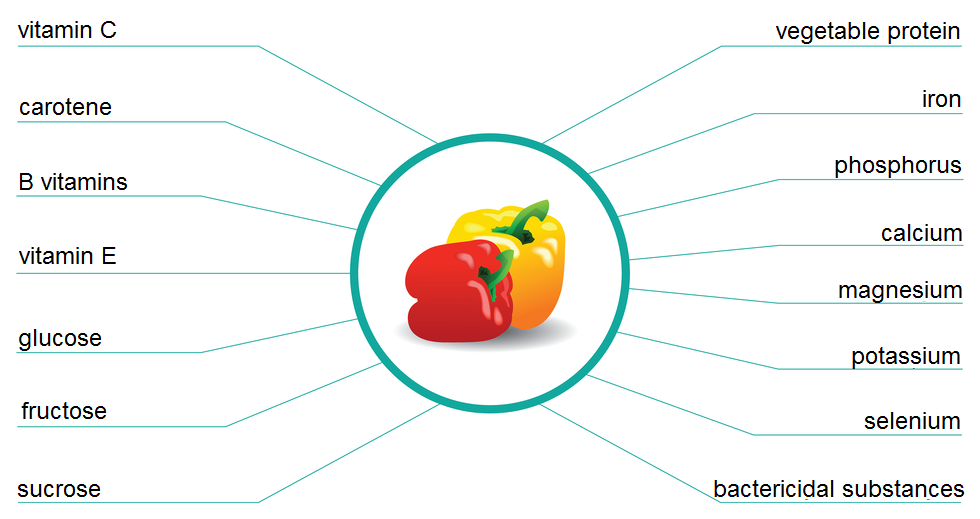
Vegetables, fruit, milk and diary, wholemeal bread are very rich in mineral salts. They have numerous elements from which 30 are vital for the correct growth and functioning of our body. They have building function (calcium in teeth and bones, iron in hemoglobin), regulatory function as ingredients of hormones (iodine in thyroid), they participate in conducting nervous impulses (sodium, potassium). The amount of fluid in the body is also dependant on them (sodium, potassium).
Element | Occurrence | Meaning | Results of deficiency |
MACROELEMENTS | |||
calcium | milk and dairy products, sauerkraut, cauliflower, broccoli | basic element of bones and teeth, participates in muscle work and blood clotting processes | problems with heart and muscle work, fragile and thin bones, rickets, teeth loss |
magnesium | wholemeal bread, bananas, nuts, beans, peas | supports the work of the nervous system, facilitates the intake of vitamin C, improves the condition of the nervous system | problems with heart work, muscle cramps, migraines |
phosphorus | green vegetables, fish, cereals, milk | ingredient of teeth, bones and ATP | rickets, caries, problems with ATP production |
MICROELEMENTS | |||
iron | meat, green vegetables, groats | ingredient of hemoglobin | anaemia, cardiac disorders |
fluorine | tea, seawater fish, wholemeal bread, tap water (fluoridated) | strengthens your bones and teeth | rickets, caries |
Explain why salt is enriched in iodine (iodized salt), whereas a toothpaste is enriched in fluoride.
Match the names of vitamins or elements with the description of how they work in the body.
one of the elements of red blood cells; lack of iron leads to anaemia, influences correct sight, healthy look of the skin, growth and development, is responsible for building bones and teeth, builds bones and participates in the blood clotting process, supports the work of the nervous system and muscles, strengthens our organism, strengthens the blood vessels
| Vitamin A | |
| Vitamin C | |
| Vitamin D | |
| Magnesium | |
| Calcium | |
| Iron |
Summary
Nutrients are organic compounds: proteins, sugars, fats, vitamins, and inorganic compounds – water and mineral salts.
Vitamins and mineral salts are the ingredients that regulate the functions of our organism.
In order for our body to function correctly, it must be provided with around 2.5 l of water daily.
Present 3 arguments that confirm the thesis that every day diet should be rich in vegetables and fruit.
Keywords
vitamins, biophile elements, dietary supplements
Glossary
witaminy – związki organiczne, które pełnią w organizmie funkcję regulacyjną