RA5bhi5AJZYYq

War Beyond Europe

A photograph taken onboard a Japanese airplane shortly before the attack on Pearl Harbor. The central part shows the explosion of a torpedo.
Source: Imperial Japanese Navy, 1941, licencja: CC 0.

Link to the lesson

You will learn
  • to describe why and when did the United States join World War Two;

  • to explain the nature and significance Lend‑Lease ActLend‑Lease ActLend‑Lease Act;

  • to define the “leapfrog” tactic;

  • to list the war operations in Africa and Asia;

  • to characterize the significance of the atomic bomb.

RHrHdrTr0Aauj
Nagranie dźwiękowe abstraktu

War operations outside of Europe have been conducted in 1940 by the Italian army. Their aim was to take control of the Suez Canal, situated in the British zone of influence. After a brief period of success, the Italian army had to acknowledge the Allied armies’ superiority, though; what’s more, the Allies took over a part of the Italian coloniesColoniescolonies (Libya). It led to the German intervention in Africa, commanded by gen. Erwin Rommel (known as the “Desert Fox”). His activities enabled the Axis to retake the territories lost by Italy and enter Egypt. However, the supplying difficulties and the activities of the British airforce put an end to the expansion (the Battle of El Alamein, 1942). In the end, due to the entry of the British and American forces into Africa (Operation Torch), the Allied forces managed to take control of Northern portion of the continent, forcing the AxisAxisAxis armies to surrendersurrendersurrender.

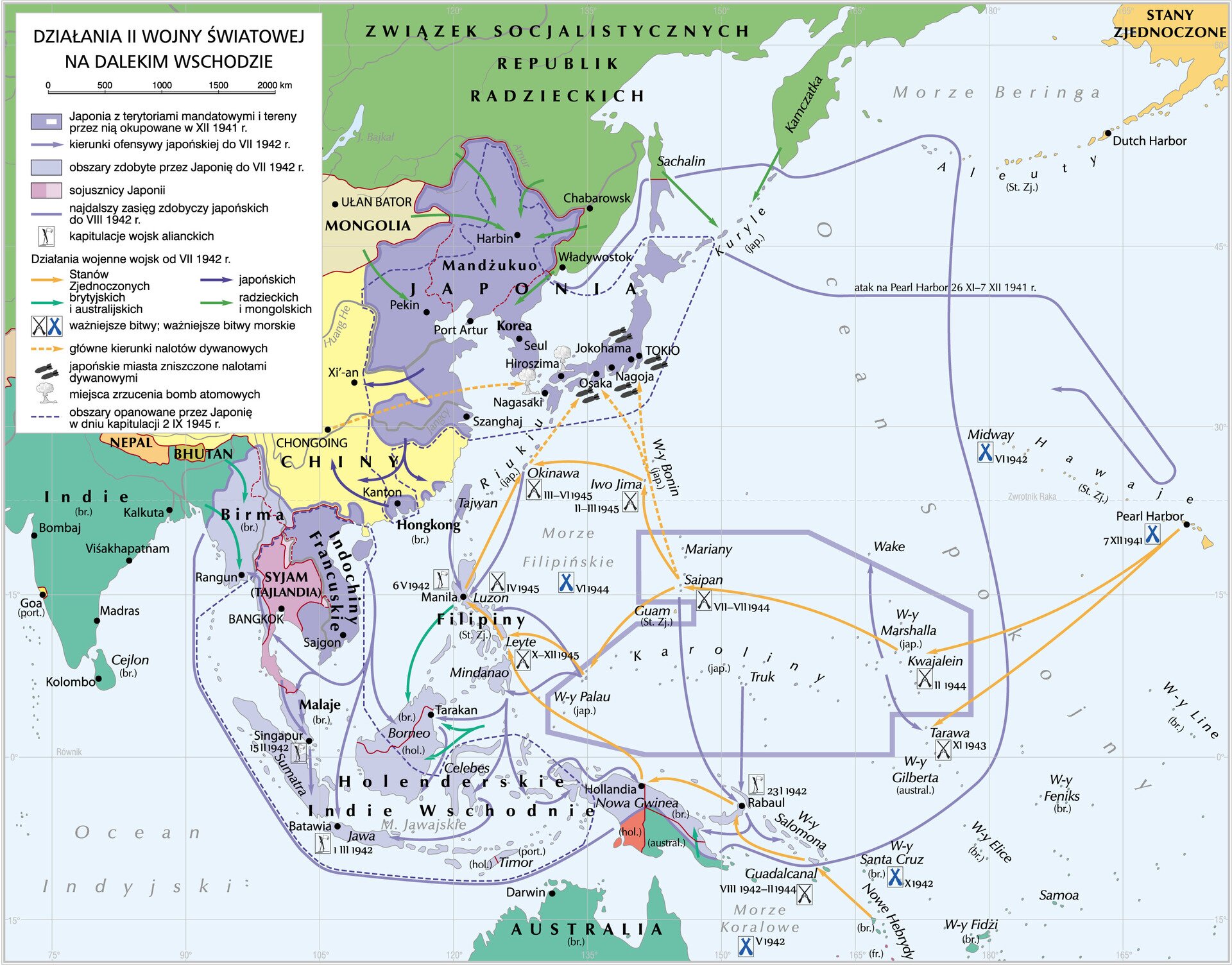
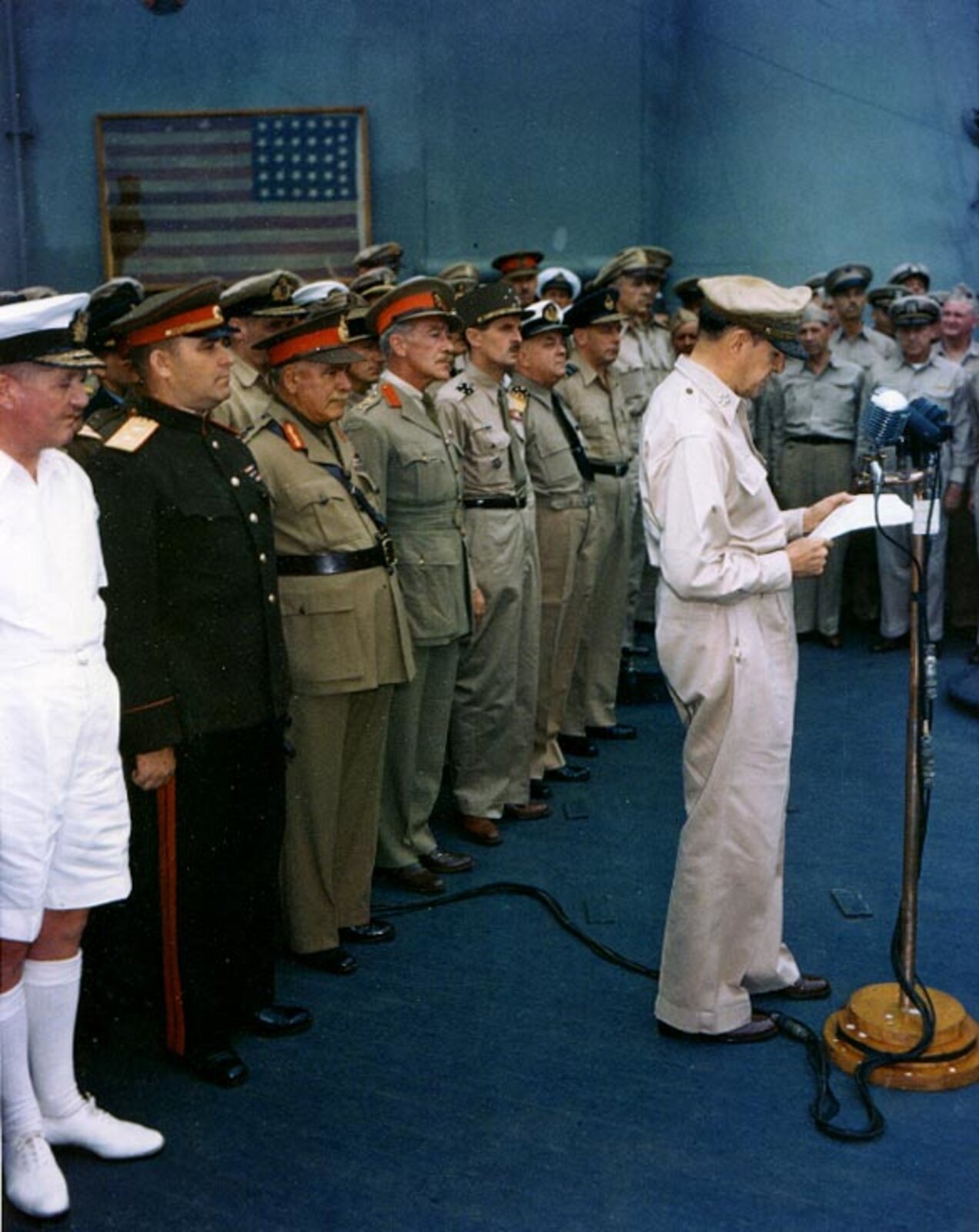
At the outset of the war in Europe in September 1939, Japan declared its neutralityneutral stateneutrality and agreed to an armistice with the Soviet Union in the war between the two states in the Far East. The United States assumed a similar stance. The situation changed dramatically on 7 December 1941. The unexpected Japanese attack on the American military base of Pearl Harbor that resulted in the sinking of 5 battleships and over 2300 American casualties caused the US to join the war on the Allied side. From that moment onwards, the main American frontfrontfront of operations was the war against Japan on the Pacific. The US achieved their first success as early as May 1942, stopping the Japanese at the Coral Sea, then in June of the same year, inflicting heavy casualties upon the enemy in the Battle of Midway. In the months that followed, owing to the so‑called “[leapfrog]”leapfrog tacticLeapfrog tactic tactic, they managed to take control of other Pacific islands, threatening Japan directly. The Empire of Japan, however, was not willing to surrender. However, after the Soviet Union’s entry into the war in the Far East (after the conclusion of the war in Europe in May 1945), and, especially, the American atomic bombings of Hiroshima and Nagasaki, the fighting ceased. The act of unconditional surrendersurrendersurrender has been signed on 2 September 1945, aboard the battleship Missouri; thus ended the bloodiest armed conflict in the history of humanity.
Task 1
Korzystając z dowolnych źródeł informacji, przygotuj kalendarium japońskich działań w regionie Pacyfiku.
RJ3lE8H6618Og
World War II in the Far East
Source: Krystian Chariza i zespół, Wikimedia Commons, licencja: CC BY 3.0.
1
Task 2

Study the most important events of the war outside of Europe and organize your knowledge. Which of the events were the most important and why?

R7qe1pN62yrK8
Wersja alternatywna: Wojna poza Europą. Linia czasu. Wrzesień 1940 – Początek działań w Afryce. 07.12.1941 – atak Japonii na Pearl Harbor. 1942 – bitwa pod El Alamein. Listopad 1942 – operacja Torch. 04.06.1942–07.06.1942 bitwa o Midway. 1942–1943 Bitwa o Guadalcanal. Maj 1943 – kampania tunezyjska i koniec zmagań w Afryce. 06.08.1945 – zrzucenie bomby atomowej na Hiroszimę. 09.08.1945 – zrzucenie bomby atomowej na Nagasaki. 09.08.1945 – przyłączenie się ZSRR do wojny na Dalekim Wschodzie. 02.09.1945 – podpisanie kapitulacji przez Japonię.
Source: Fox (Sgt), No 1 Army Film & Photographic Unit, Imperial Japanese Navy, U.S. Navy, domena publiczna.
Task 3

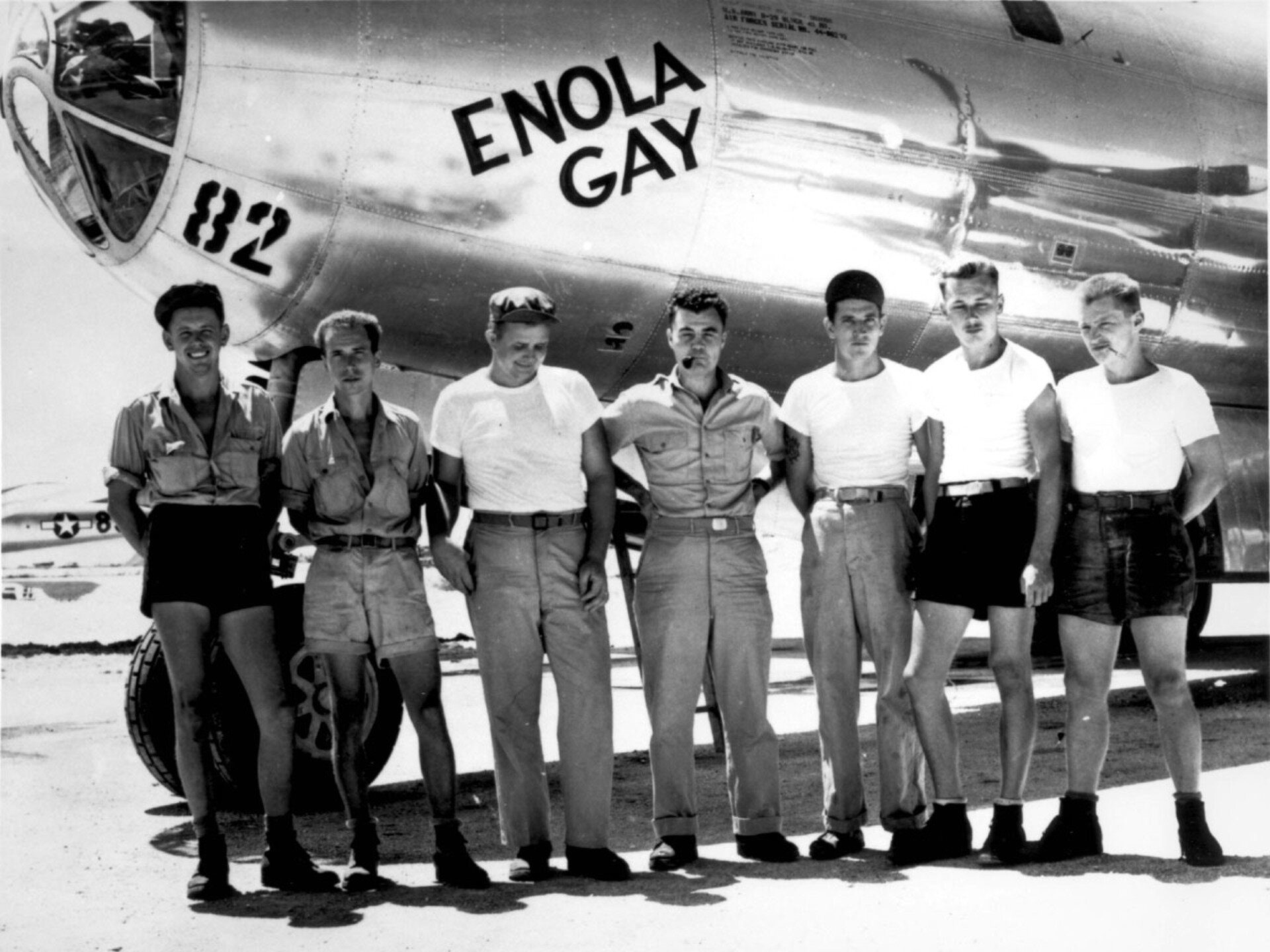
Find the information, using for example the Internet, on what were the guidelines for compiling the crew of the plane to drop the bomb on Hiroshima. Have unambiguous criteria been defined?
RzEGNENGsyXTv
In the picture, a part of the aircraft crew who dropped the bomb on Hiroshima
Source: a. nn., domena publiczna.
Rn4hcymb77LLX1
Exercise 1
Match the term with its definition. Neutral state Możliwe odpowiedzi: 1. a state that did not declare its allegiance to either of the sides of a conflict, declaring neutrality and no aid to the belligerents., 2. seeking to fulfill one’s goals by way of acts of war, with the military playing a decisive role in politics., 3. the countries fighting against the Allies on the side of the Third Reich, Italy and Japan during World War Two., 4. a territory where opposing armies fight against each other., 5. the formations of Japanese airforce units of the World War Two era, piloting specially-prepared airplanes and aiming to launch suicidal attacks on the enemy., 6. the capitulation of the entire military or parts of it against the enemy. It may be unconditional or be signed under pre-established conditions. It usually ends an armed conflict. Axis Możliwe odpowiedzi: 1. a state that did not declare its allegiance to either of the sides of a conflict, declaring neutrality and no aid to the belligerents., 2. seeking to fulfill one’s goals by way of acts of war, with the military playing a decisive role in politics., 3. the countries fighting against the Allies on the side of the Third Reich, Italy and Japan during World War Two., 4. a territory where opposing armies fight against each other., 5. the formations of Japanese airforce units of the World War Two era, piloting specially-prepared airplanes and aiming to launch suicidal attacks on the enemy., 6. the capitulation of the entire military or parts of it against the enemy. It may be unconditional or be signed under pre-established conditions. It usually ends an armed conflict. Militarism Możliwe odpowiedzi: 1. a state that did not declare its allegiance to either of the sides of a conflict, declaring neutrality and no aid to the belligerents., 2. seeking to fulfill one’s goals by way of acts of war, with the military playing a decisive role in politics., 3. the countries fighting against the Allies on the side of the Third Reich, Italy and Japan during World War Two., 4. a territory where opposing armies fight against each other., 5. the formations of Japanese airforce units of the World War Two era, piloting specially-prepared airplanes and aiming to launch suicidal attacks on the enemy., 6. the capitulation of the entire military or parts of it against the enemy. It may be unconditional or be signed under pre-established conditions. It usually ends an armed conflict. Front Możliwe odpowiedzi: 1. a state that did not declare its allegiance to either of the sides of a conflict, declaring neutrality and no aid to the belligerents., 2. seeking to fulfill one’s goals by way of acts of war, with the military playing a decisive role in politics., 3. the countries fighting against the Allies on the side of the Third Reich, Italy and Japan during World War Two., 4. a territory where opposing armies fight against each other., 5. the formations of Japanese airforce units of the World War Two era, piloting specially-prepared airplanes and aiming to launch suicidal attacks on the enemy., 6. the capitulation of the entire military or parts of it against the enemy. It may be unconditional or be signed under pre-established conditions. It usually ends an armed conflict. Kamikaze Możliwe odpowiedzi: 1. a state that did not declare its allegiance to either of the sides of a conflict, declaring neutrality and no aid to the belligerents., 2. seeking to fulfill one’s goals by way of acts of war, with the military playing a decisive role in politics., 3. the countries fighting against the Allies on the side of the Third Reich, Italy and Japan during World War Two., 4. a territory where opposing armies fight against each other., 5. the formations of Japanese airforce units of the World War Two era, piloting specially-prepared airplanes and aiming to launch suicidal attacks on the enemy., 6. the capitulation of the entire military or parts of it against the enemy. It may be unconditional or be signed under pre-established conditions. It usually ends an armed conflict. Surrender Możliwe odpowiedzi: 1. a state that did not declare its allegiance to either of the sides of a conflict, declaring neutrality and no aid to the belligerents., 2. seeking to fulfill one’s goals by way of acts of war, with the military playing a decisive role in politics., 3. the countries fighting against the Allies on the side of the Third Reich, Italy and Japan during World War Two., 4. a territory where opposing armies fight against each other., 5. the formations of Japanese airforce units of the World War Two era, piloting specially-prepared airplanes and aiming to launch suicidal attacks on the enemy., 6. the capitulation of the entire military or parts of it against the enemy. It may be unconditional or be signed under pre-established conditions. It usually ends an armed conflict.
Task 4

Explain, using various sources of knowledge, why the act of capitulation on the American side was signed by General MacArthur and why it did not take place on land.
RQQ3nSLxlxEo9
Gen. MacArthur aboard the USS Missouri battleship while signing the Japanese capitulation
Source: a. nn., domena publiczna.

Keywords

World War Two, Japan, United States, Pearl Harbor

Glossary

neutral state
neutral state
R7QQo6oAZT0vx
Nagranie dźwiękowe słówka

Państwo neutralne – państwo, które w czasie trwania konfliktu zbrojnego nie opowiedziało się po żadnej ze stron i zadeklarowało swoją neutralność oraz nieudzielanie pomocy walczącym.

Axis
Axis
R18kPiVB7GpB3
Nagranie dźwiękowe słówka

Państwa Osi – państwa należące do obozu sojuszu III Rzeszy, Włoch i Japonii, walczące przeciw aliantom podczas II wojny światowej.

Lend‑Lease Act
Lend‑Lease Act
RFXlspErDdJmv
Nagranie dźwiękowe słówka

Lend‑Lease Act – dosłownie umowa pożyczki‑dzierżawy, ustawa z 1941 r. pozwalająca prezydentowi Stanów Zjednoczonych sprzedawać i udostępniać rządom innych państw broni, amunicji i innych towarów z obszaru obronności.

Militarism
Militarism
RmgTfjvk77tpx
Nagranie dźwiękowe słówka

Militaryzm – dążenie do realizacji celów na drodze działań wojennych, w której wojsko wywiera decydujący wpływ na politykę.

Colonies
Colonies
RriVQ5WfxqZwy
Nagranie dźwiękowe słówka

Kolonie – posiadłość państwa, która znajduje się poza jego granicami, ale bezpośrednio mu podlega.

Leapfrog tactic
Leapfrog tactic
RS5FnxVFuxeip
Nagranie dźwiękowe słówka

Taktyka „żabich skoków” – taktyka walki wojsk Stanów Zjednoczonych na Dalekim Wschodzie w czasie II wojny światowej polegająca na przejmowaniu kolejnych strategicznych wysp na drodze ku Japonii.

Front
Front
R15ZOPdBuW7v9
Nagranie dźwiękowe słówka

Front – terytorium, na którym walczą ze sobą wrogie armie.

Kamikaze
Kamikaze
RrJ3M36AL2u3o
Nagranie dźwiękowe słówka

Kamikadze – formacje japońskich jednostek lotniczych z okresu II wojny światowej, pilotujące specjalnie przygotowane samoloty, których celem był samobójczy atak na przeciwnika.

Surrender
Surrender
RGHYJvolzRXi5
Nagranie dźwiękowe słówka

Kapitulacja – poddanie się części lub całości wojska przeciwnikowi. Może być bezwarunkowa lub pod pewnymi wcześniej ustalonymi warunkami. Najczęściej kończy konflikt zbrojny.