What are the characteristic features of climate zones?
that weather is a temporary state of the atmosphere in a given place and time;
that climate is a characteristic set of atmospheric processes and phenomena on a given area, determined according to observations and meteorological measurements conducted at least for 30 years;
what the reasons and consequences are for different access to sunlight for various zones on Earth’s surface.
explain the concepts of: climate zones, types of climates, non‑zonal climates;
list climate zones occurring on Earth;
discuss climate conditions in individual climate zones.
The climate on Earth is very diverse, because its features are determined by both zonal, related to latitude, and non‑zonal factors. After determining the characteristic climatic conditions, it was possible to distinguish areas with a similar climate, including a similar annual course for temperature, precipitation, humidity and atmospheric pressure. These places are arranged on Earth’s surface in latitudinal belts, which we call climate zonesclimate zones. One of the often used climate classification is the division into 5 climatic zones: equatorial, tropical, subtropical, temperate (warm and cool) and subarctic. Each has several type of climatetype of climate
In certain climate zones on Earth, there are climates with predominance of marine (oceanic), continental and transitional features; more humid, dry or extremely dry climates.
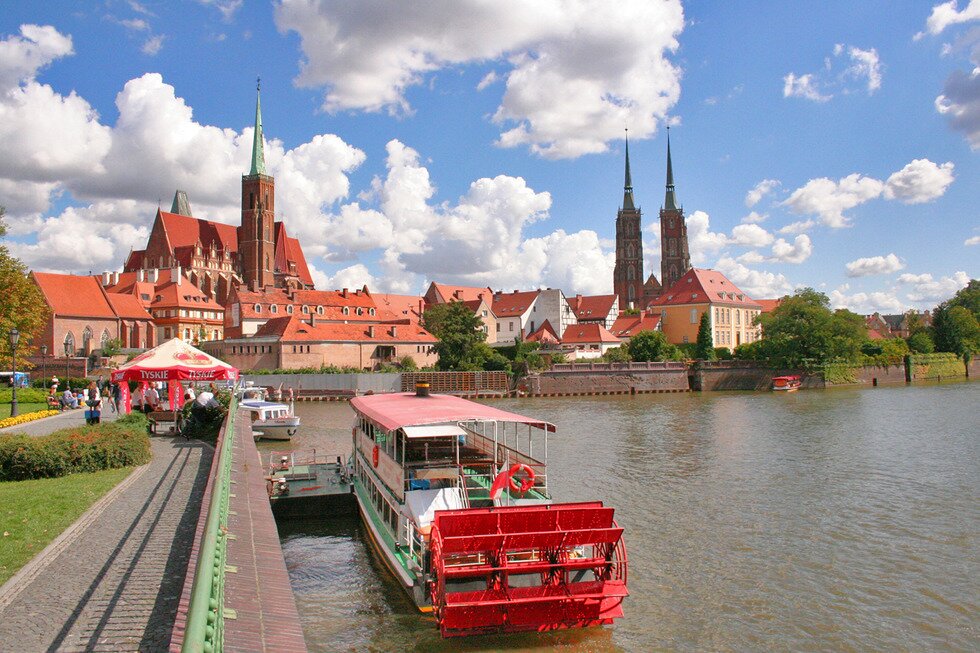
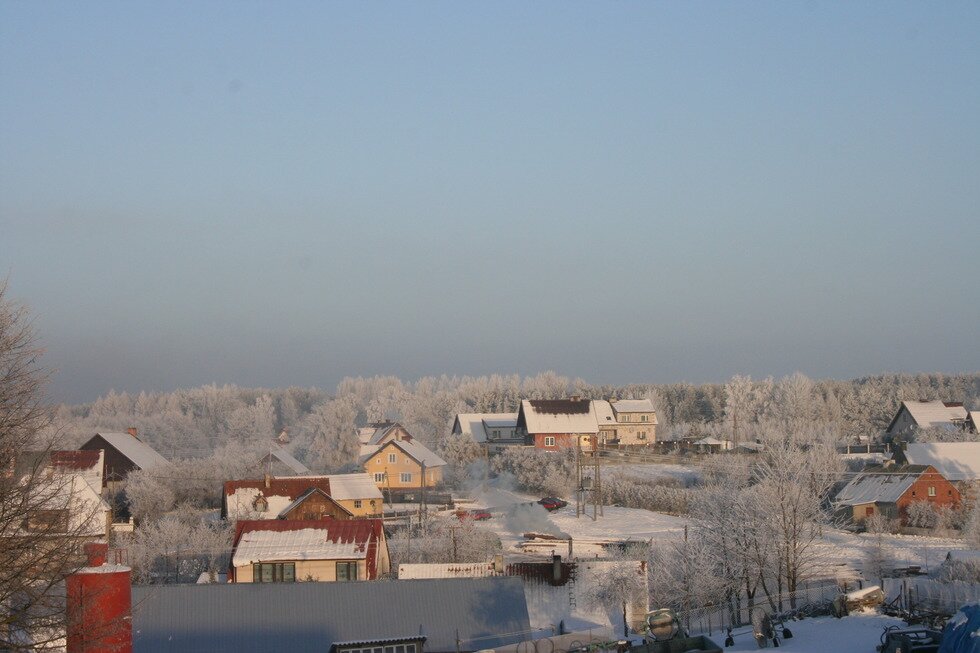
Each zone also has different types of non‑zonal climatesnon‑zonal climates, conditioned by location in relation to the seas and oceans, terrain cover, height above sea level or human activity. These include: mountain climate and urban climates. The table below presents general data on selected zones in particular climates, including air temperature, precipitation, and human living conditions.
Zone (sample climate) | Temperature course | Precipitation | Living and working conditions for people | |
equatorial climates (very humid equatorial climate) | above +20°C all year; small diurnal and annual temperature variation | high amount of precipitation almost every day all year | very hot and too humid | |
tropical climates (dry tropical climate) | above +10°C in winter and above +20°C in summer, very large diurnal and annual temperature variation | small and barely any amount of precipitation only in summer | large temperature variation, at points extremely dry, which prevents economic activity | |
subtropical climates (marine subtropical climate) | above 0°C in winter (freezing weather usually happens within the continent), above +20°C in summer | dry summers, rainy winters | the most favourable conditions, both in terms of temperature and precipitation | |
temperate climates | warm | from -10°C deep within the continent to 0°C on the coast in winter, from +15°C on the coast to +20°C deep within the continent in summer | precipitation all year, the highest in summer, snow in winter | mild climate with a short and cool winter, favourable for the economy |
cold | from -20°C deep within the continent to -10°C on the coast in winter and between +10° and +20°C in summer | precipitation all year, the highest in summer, snow in winter | temperate climate conditions with long and freezing winters, difficult for agriculture | |
subarctic climates | average annual temperature below 0°C during summer months on the coast possible temperature rise to +10°C | low precipitation, almost exclusively snow | freezing weather almost all year, short and cool summers at the end of the zone and no climate summer at all | |
Match each concept with the correct definition
e.g. air temperature, precipitation, atmospheric pressure, e.g. location in relation to land and sea, height above sea level, terrain cover, anthropogenic activity, unit of the world’s climate classification separated on the basis of diversity of climate elements inside climate zones, is shaped by local factors independent of latitude, the largest unit in the world’s climatic classification --- a part of Earth's surface shaped approximately like a latitudinal belt of variable width, within which similar climate parameters occur
| Climate zone | |
| Climate components | |
| Type of climate | |
| Non-zonal climate | |
| Local factors shaping the climate |
Summary
There have been several climates zones distinguished on Earth: equatorial, tropical, subtropical, temperate and subarctic.
Climatic conditions in each climate zone are a result of latitude, but may be modified by the presence of other climate‑forming factors.
There are different types of climates in each zone.
There are also, independently from climate zones, non‑zonal climates, e.g. on mountains.
The characteristic features of the climate can be simplified by using a climograph.
Keywords
non‑zonal climate, climate zone, type of climate
Glossary
klimat astrefowy – klimat kształtowany przez czynniki lokalne (np. położenie względem lądu i morza, wysokość nad poziomem morza, pokrycie terenu, działalność antropogeniczna) niezależne od szerokości geograficznej
strefa klimatyczna – największa jednostka w podziale klimatycznym świata – część powierzchni Ziemi przyjmująca w przybliżeniu kształt równoleżnikowego pasa o zmiennej szerokości, w obrębie którego występują podobne składniki klimatu, np. temperatura powietrza, opad, ciśnienie atmosferyczne itp.
typ klimatu – jednostka klasyfikacji klimatu świata wydzielona na podstawie zróżnicowania elementów klimatu wewnątrz stref klimatycznych