What was on the Polish Round Table?
to list the most significant polish events from the 80's;
to explain what „The Polish Round TableThe Polish Round Table” was and why it was called so;
to describe what led to the historic change in 1989;
to characterize the implications of the electionelection which took place in June 1989;
to define the consequences of the changes later known as the „Revolutions of 1989”/”Autumn of Nations”.
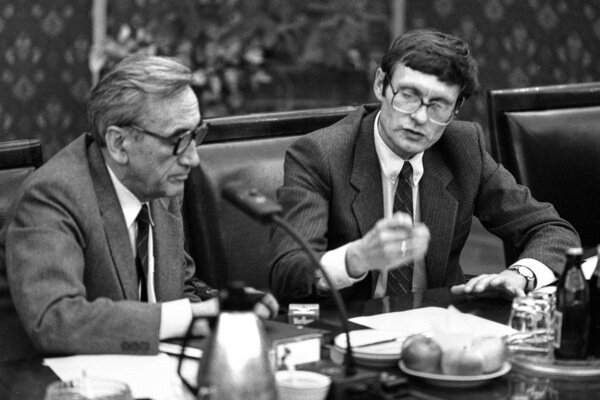
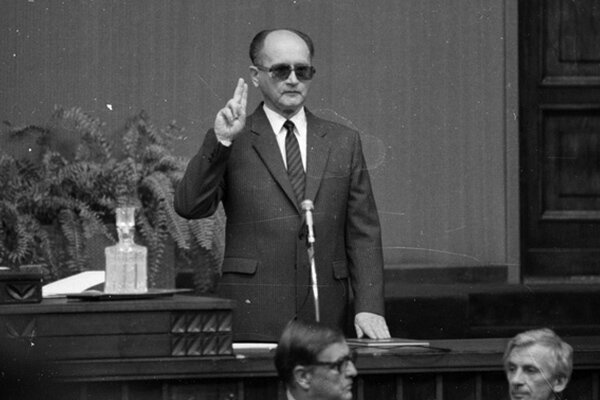
The deepening economic crisis and yet another storm of protest prompted the communistic government to take concessions. During the negotiations in „Magdalenka”, and later during The Polish Round Table, the government representatives reached an open discussion with some of the leaders of the opposition ( right‑wing activists were not invited ). As a result on the 4th of June 1989 the partially free elections to the polish Sejm were held, as well as fully democratic elections to the polish Senate, which hadn't existed since the war. The opposition attained a landslide victory. The coalition government was forged ( which included ministers from the Polish United Workers' Party ), at the helm of Tadeusz Mazowiecki, a representative of the opposition. Leszek Balcerowicz was chosen as the Treasury Secretary and given the mission to transform the Polish economy from the socialist to the capitalistcapitalist one. As a result of the agreement between the opposition and the communistic representatives, General Wojciech Jaruzelski was chosen the president of the Polish People's Republic. Poland had embarked on the path of the real democratization.
Connect each year with the respective public protest and the city in which it occur.
1980, 1980, 1970, 1956, 1976, 1968, 1970, 1976
| Poznań | |
|---|---|
| Danzig | |
| Gdynia | |
| Warsaw | |
| Radom | |
| Ursus |
The sessions of the Polish Round Table Agreement began on the 6th of February 1989, and lasted until the 5th of April 1989. How many days was it? How many months?
Analyze the most famous election poster of „Solidarity”.
The poster was made by Tomasz Sarnecki. It's referring to the movie called „High Noon”, a western with Gary Cooper as a lead. In the hand of the American actor we can find a voting sheet in place of a revolver and above his sheriff's badge there is the logo of „Solidarity”. The title of the movie itself - „High Noon” - was meant to motivate the Poles to go the polls to support „Solidarity”. The most important battle that was ever to be fought by the Polish people – the battle between good and evil.
Analyse the chart and answer the questions.
PRL | Decisions made by the Polish Round Table Agreement | Today |
Did the Senate exist? | The Senate was called together – upper chamber of Parliament | Does the Senate exist? |
Who would propose the candidates to the Parliament? | 35% of the Sejm’s representatives and all representatives of the Senate were choses in free elections; 65% of the Sejm’s representatives were proposed by the communistic authorities. | Who proposes the candidates of the Parliament? |
Was there an office of the President? | An office of the President was constituted by the Parliament – a joint session of Sejm and the Senate | Is there a President of the Republic of Poland? |
Who could issue the press? | The opposition gained access to the Media: the right to issue „Tygodnika Solidarność” and „Gazety Wyborczej” | Who can issue the press? |
Search the internet for the Solidarity election posters in 1989 and mark which symbol they represent.
- The Kotwica.
- V sign.
- White Eagle.
- Lech Wałęsa
- The logo of Solidarity
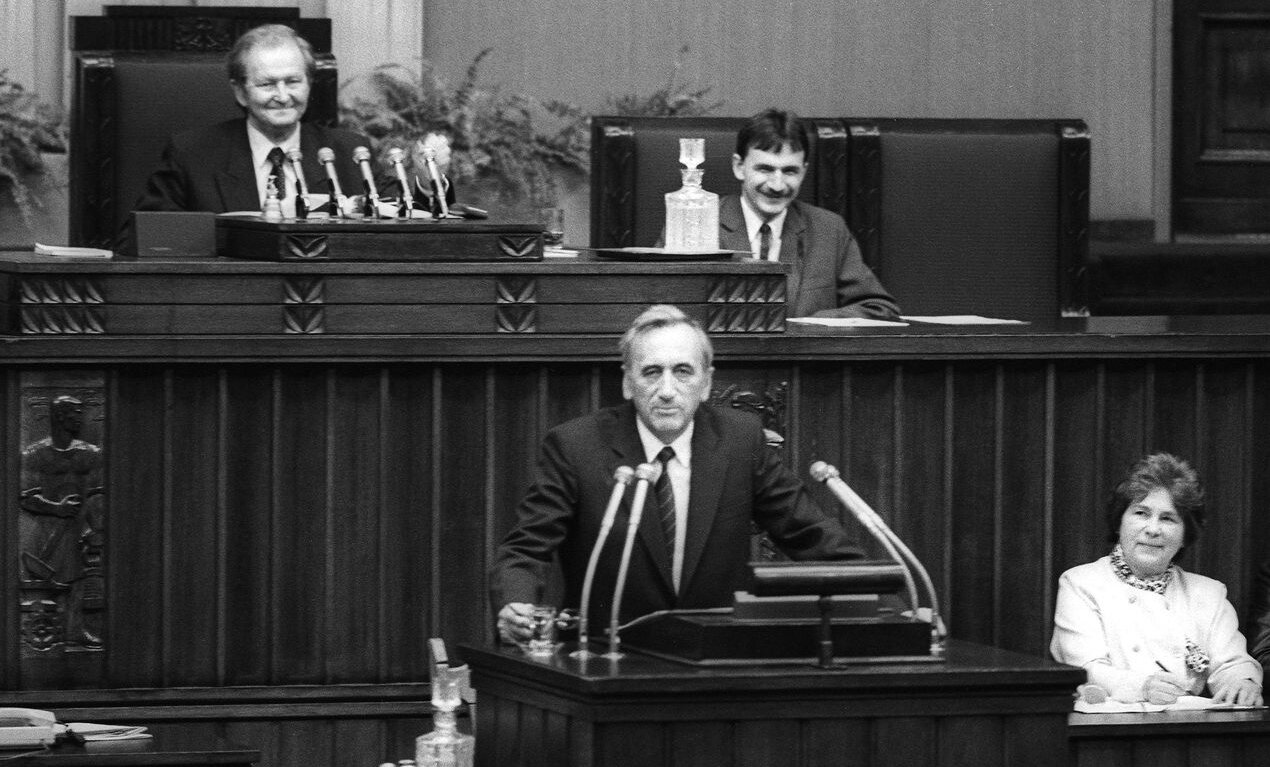
Mark the content with the right colour.
new state philosophy replacing the socialist economy with capitalism promoting entrepreneurship the rule of law and concern for human rights freedom of the media
Panie Marszałku, Wysoka Izbo! Chcę utworzyć rząd zdolny do działania dla dobra społeczeństwa, narodu i państwa. Będzie to rząd koalicji na rzecz gruntownej reformy państwa.
Musi ulec zmianie dotychczasowa filozofia państwa. Nie może ono zajmować się wszystkim i wszystkiego gwarantować, powinno ułatwiać i regulować działalność. Najważniejszą rolą rządu i administracji w tej chwili jest otwarcie możliwości działań zbiorowych i indywidualnych.
Sprawą najważniejszą dla społeczeństwa jest stan gospodarki narodowej, który dziś musi być uznany za krytyczny. Długofalowym strategicznym celem poczynań rządu będzie powrót do gospodarki rynkowej oraz roli państwa zbliżonej do rozwiniętych gospodarczo krajów.
Moim największym pragnieniem jest, by rząd obecnej koalicji otworzył Polakom możliwość podniesienia gospodarczego kraju. Potrzebujemy takich mechanizmów prawnych i ekonomicznych, które dadzą ludziom przedsiębiorczym poczucie bezpieczeństwa dla ich działalności i pozwolą wszystkim odnaleźć moralny i materialny sens pracy.
Konieczne jest wprowadzenie rządów prawa, przyznanie każdemu obywatelowi praw zgodnych z paktami, umowami i konwencjami.
W stosunkach między rządem i obywatelami niezastąpioną rolę pełnią we współczesnych warunkach środki społecznej informacji, zwłaszcza radio i telewizja. Muszą one mieć dziś charakter pluralistyczny. Przejście od monopolu do pluralizmu uważam w tej dziedzinie za niezbędne.
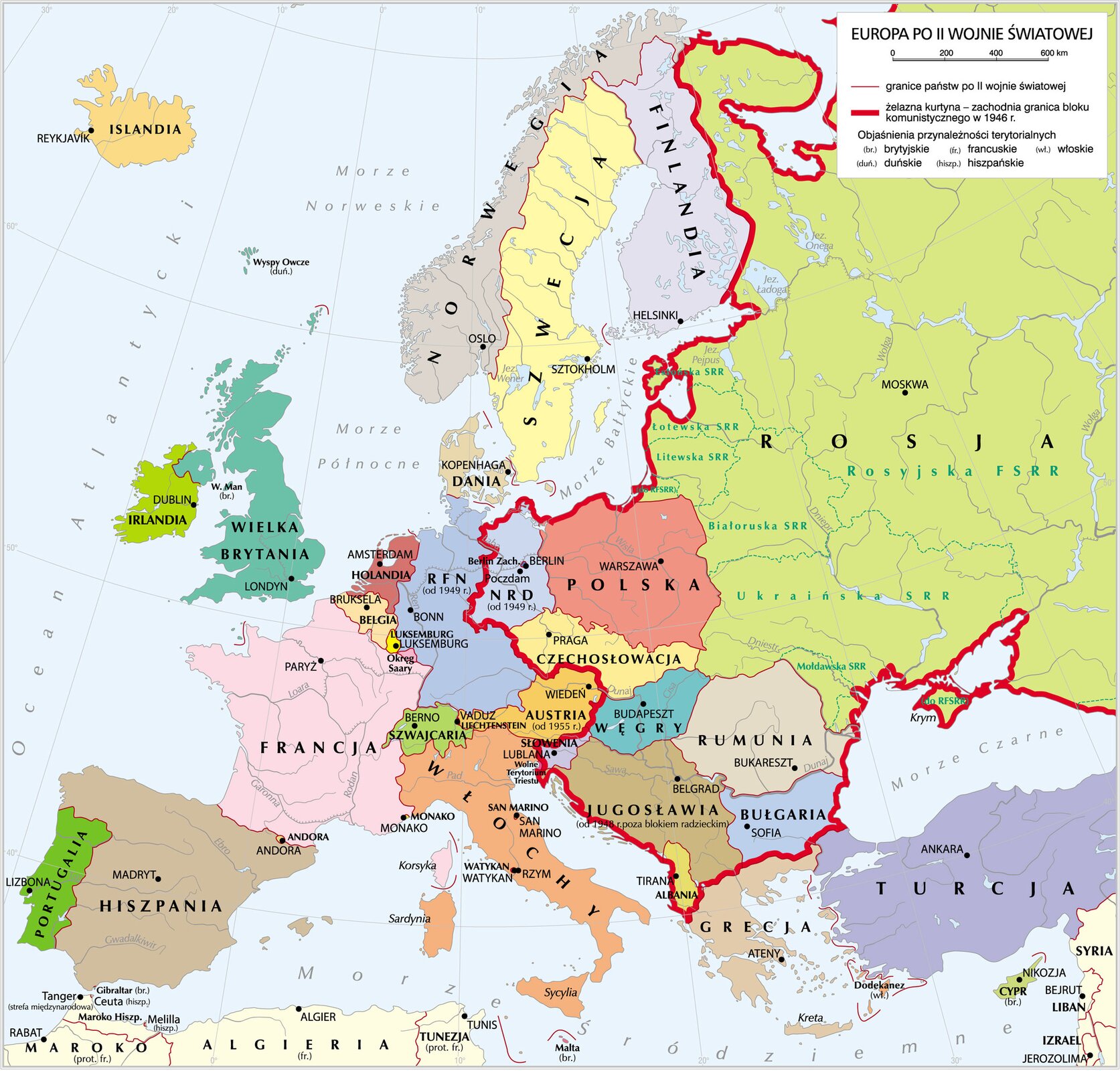
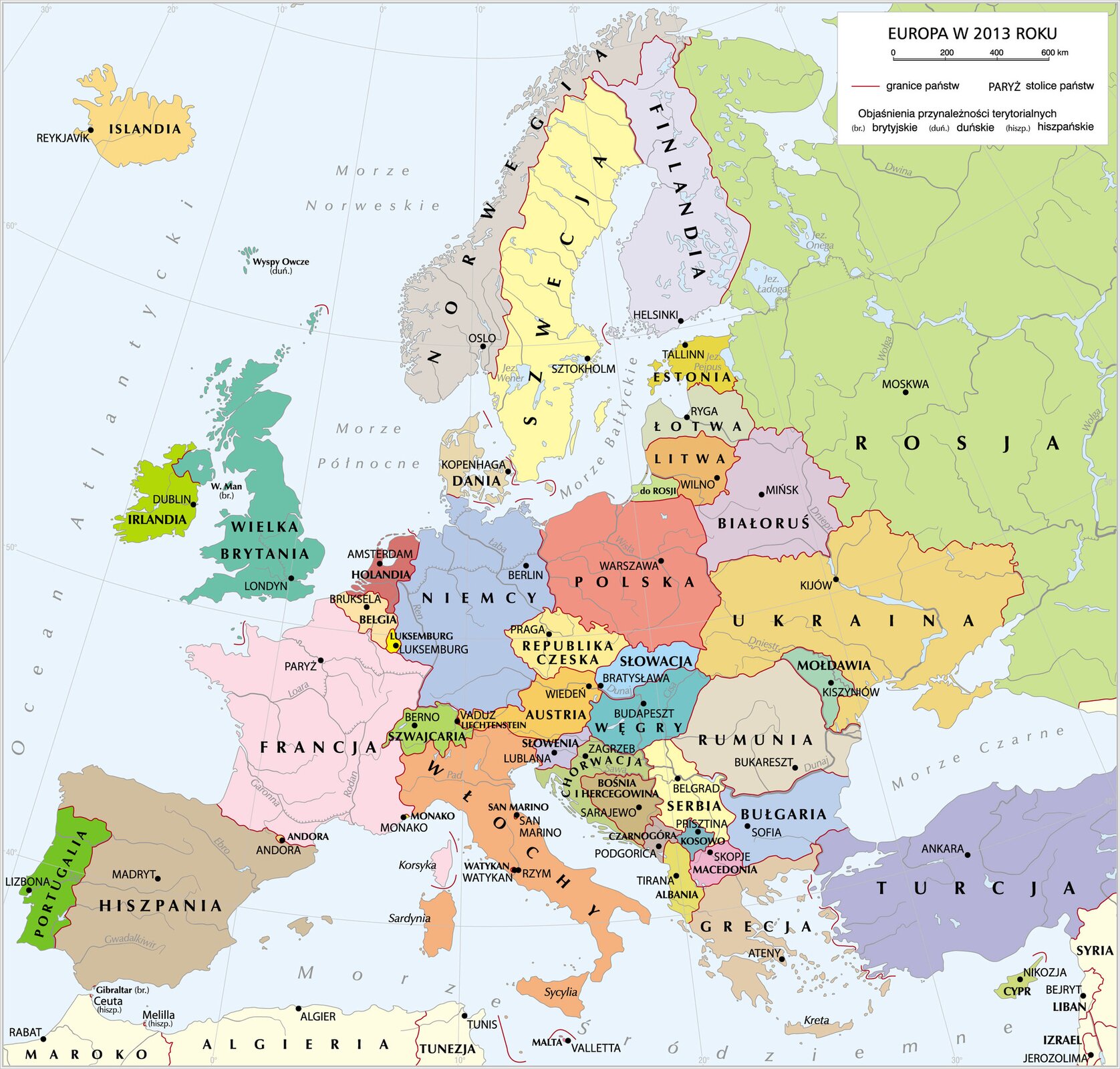
The Neighbours of Poland | |
in the year 1988 | in the year 1992 |
Connect the words to its definitions.
an extraordinary state in which the army takes control of the country’s administrative powers., control and deprivation of the freedom of speech which aims to convey only that kind of information that is in line with the government's views., civil militia which tried to fight off the demonstrations and bring back order., political system in which the majority of citizens decides in free election the fate of the state., the kind of market in which the trade between the buyer and the seller takes places on any terms agreed and decided by them., nationwide polish labour union forged in 1980 to defend the rights of workers, it became the centre of opposition in PRL., discussions between the government and the democratic opposition, their goal was to find and implement socio-political reforms in Poland
| Censourship | |
| Martial Law | |
| ZOMO | |
| The Polish Round Table Agreement | |
| Democracy | |
| Free market | |
| Solidarity |
Keywords
The Polish Round Table Agreement, transformation, democracy
Glossary
Demokracja – ustrój polityczny i system sprawowania władzy, w którym jej źródło stanowi wola większości obywateli wyrażona niezależnych w wyborach.
Niepodległość – niezależność państwa od wpływu innych państw, instytucji na swoje działania.
Negocjacje – sposób rozwiązywania sporów polegający na dobrowolnym podjęciu rozmów przez strony w celu wypracowania porozumienia i rozwiązania konfliktu.
Okrągły stół – Polish Round Table Agreement – rozmowy prowadzone przez demokratyczną opozycję z władzami PRL pomiędzy lutym a kwietniem 1989 roku. Miały na celu doprowadzenie do reform politycznych, gospodarczych i społecznych. Rozpoczęły przemiany ustrojowe Polski i doprowadziły do częściowo wolnych wyborów w czerwcu 1989 roku.
Wybory – proces polegający na wybieraniu przez obywateli swojego kandydata spośród zgłoszonych przedstawicieli, najczęściej poprzez głosowania. Jest to podstawowy mechanizm funkcjonowania demokracji.
Expose – przemówienie, w którym osoba desygnowana na premiera określa główne cele swojego rządu i działania jakie zamierza podejmować.
Senat – druga izba, tradycyjnie określana jako izba wyższa parlamentu w Rzeczypospolitej Polskiej, w której zasiadają senatorowie, w liczbie 100.
Kapitalizm – system gospodarczy, którego podstawową wartością jest własność prywatna, czerpanie z niej zysków i swobodny obród towarów i usług w ramach wolnego rynku.