Wildlife in the desert
the main characteristics of tropical and sub‑tropical climates;
what terrestrial organisms need to survive.
to recognise plants and animals that live in hot deserts;
to describe the link between the hot desert climate and the appearance of vegetation that can be found there;
to recognise selected animals that live in the hot desert.
Desert and semi‑desert vegetation
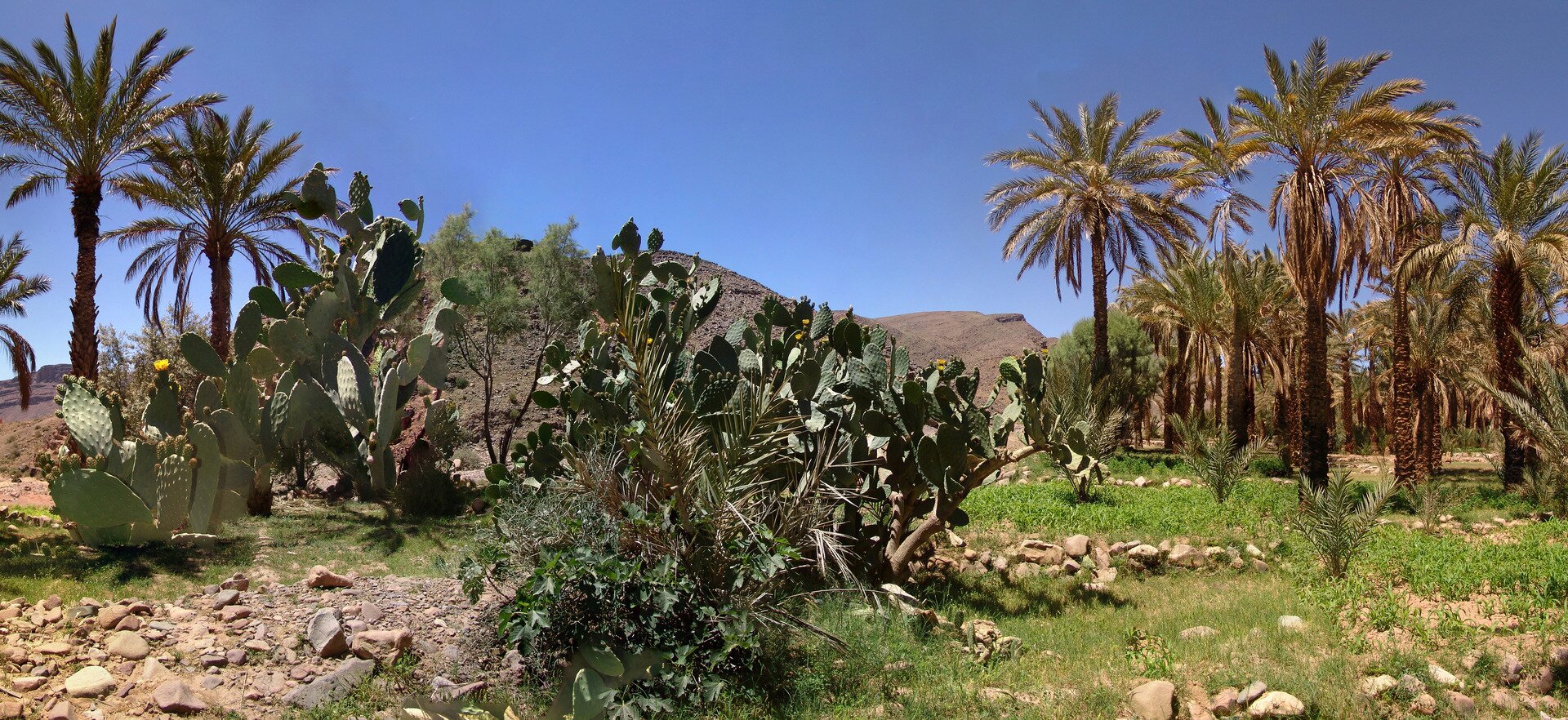
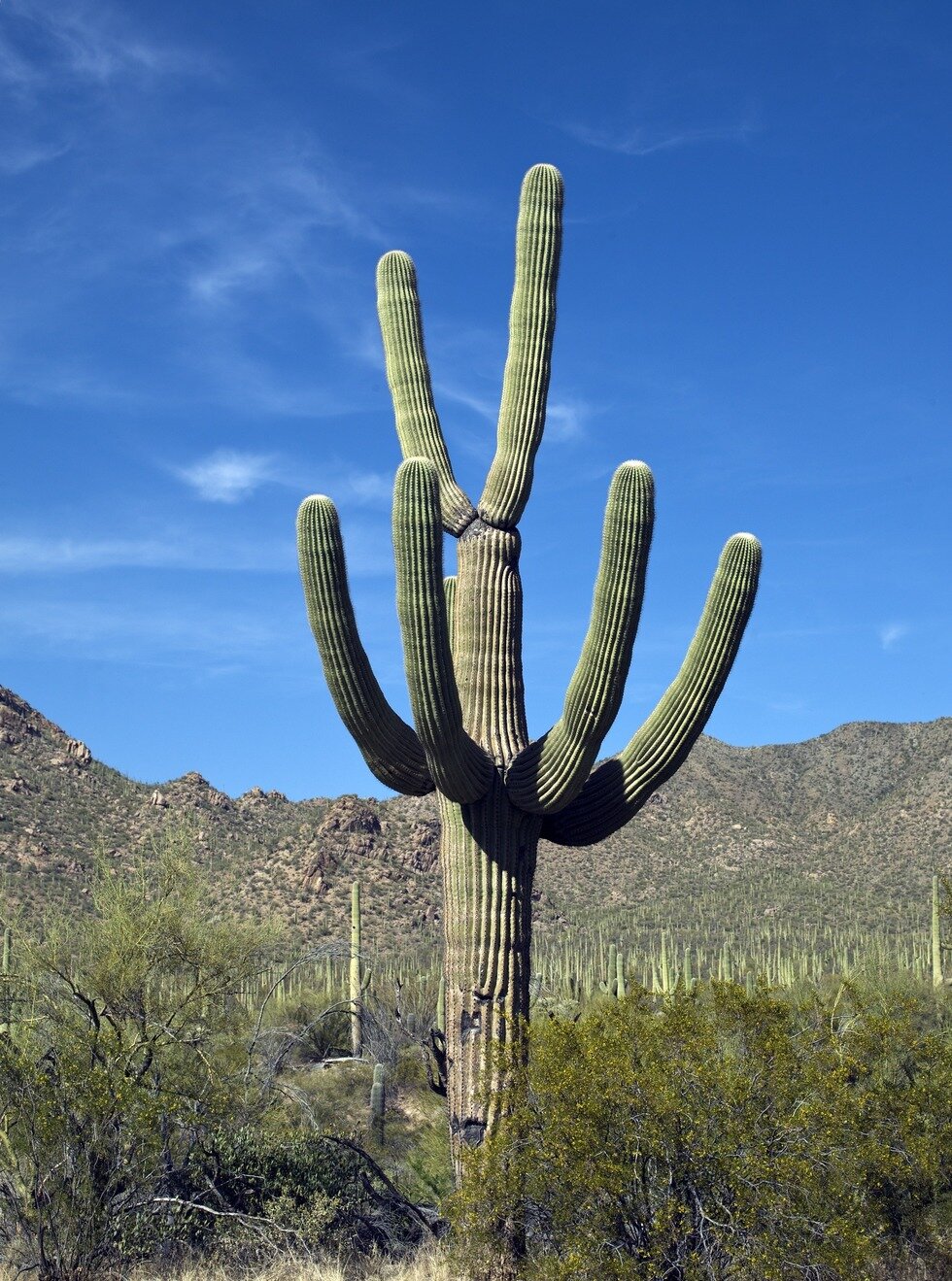
Adverse water conditons mean that desertsdeserts are characterised by extremely low vegetation. In peripheral areas of the deserts, there are often regions where total precipitation is slightly higher. They have scarce vegetation – such regions are known as semi‑desertssemi‑deserts. Deserts are also characterised by oasesoases where there is enough water for vegetation to grow and develop.
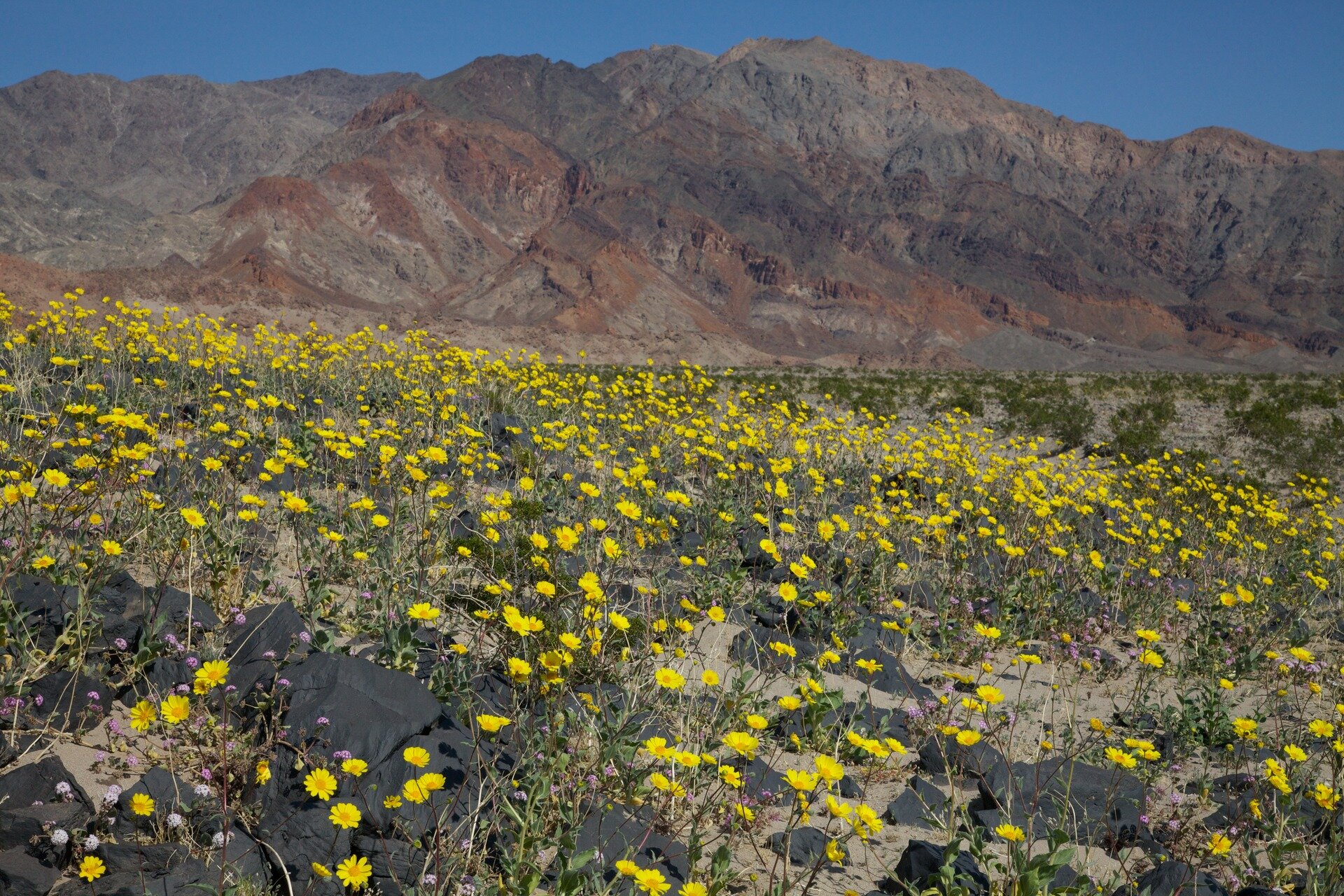
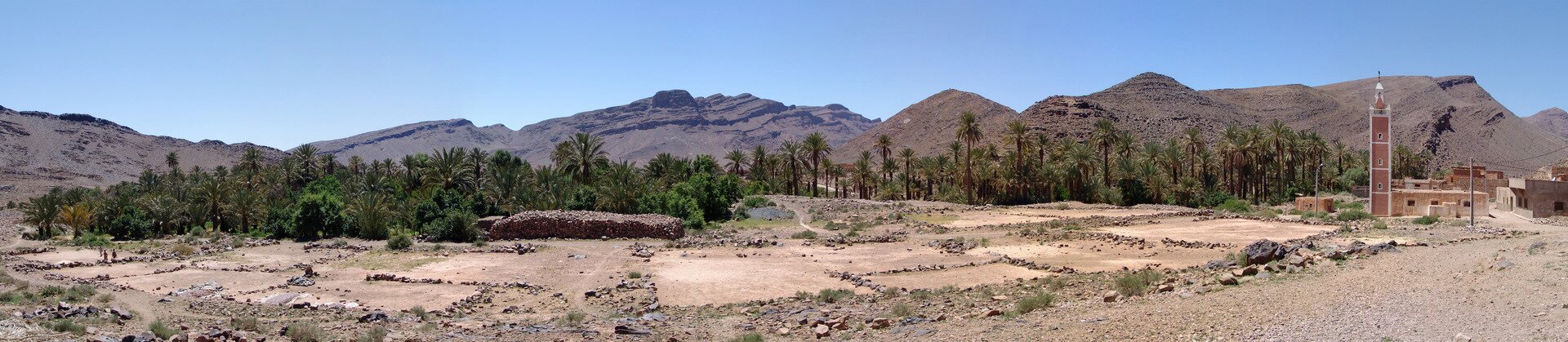
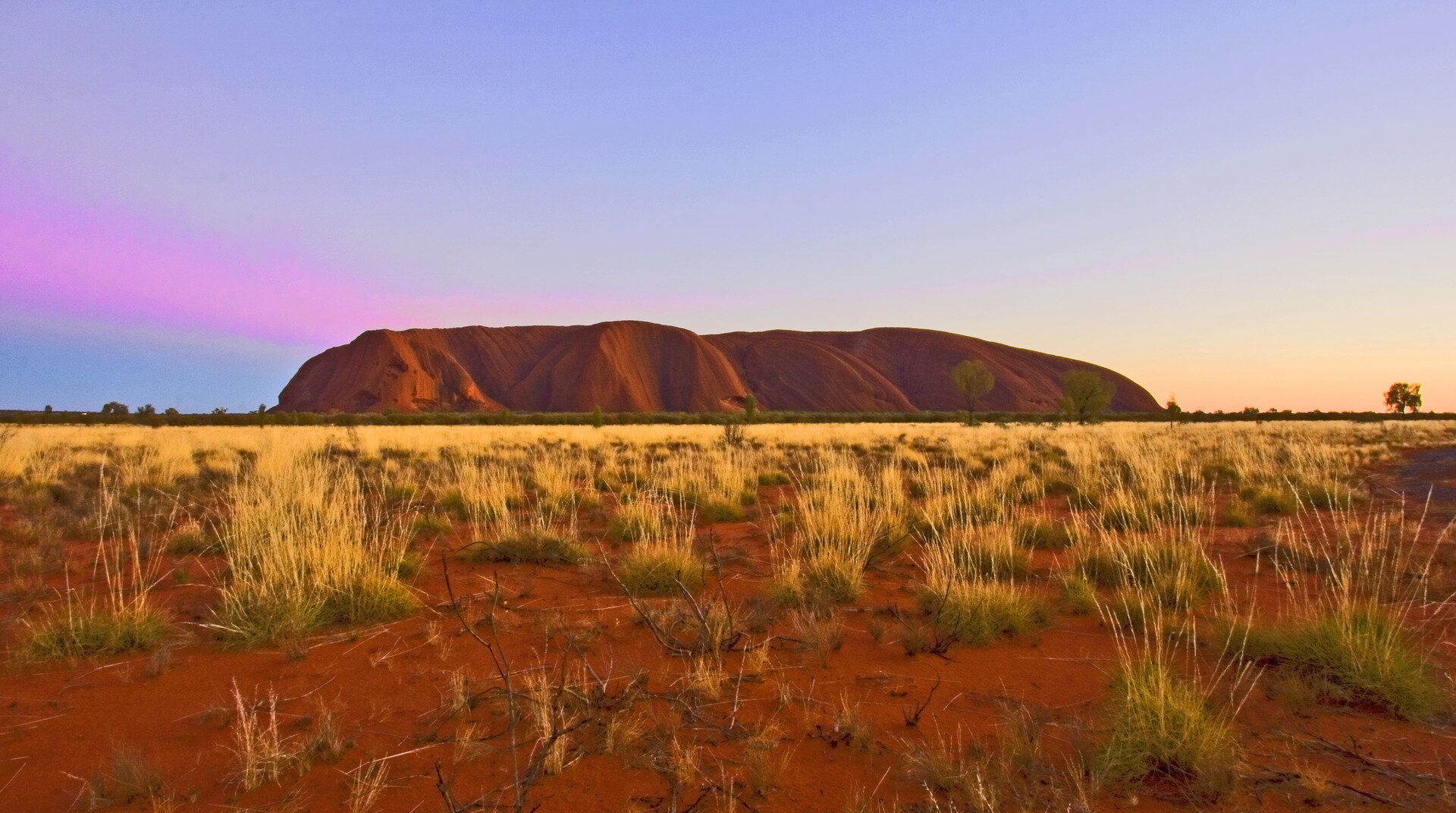
Desert and semi‑desert vegetation manage their water efficiently. They reduce water evaporation during the day and have the ability to absorb water from mildew (or fog) during the night. Their leaves are reduced in size and covered with substances that impede evaporation. They can survive long hibernation periods. After it rains, annual plants can germinate, grow, bloom and produce seeds that will survive until next rainfall, all in an incredibly short period of time. Perennial plants, on the other hand, have severely reduced the size of their leaves and developed their root systems. Some of them hibernate underground during a draught period, in the form of bulbs, rhizomes or roots, and wait for rain so that they may rapidly grow their above‑ground parts together with annual plants. Other plants live on the surface in the form of arid patches, undershrubs, shrubs or low trees covered with thorns. A number of perennial plants stores water in leaves or stems.
Animal life in the desert
Long‑term absence of water, low humidity, high air temperature during the day and low temperature at night mean that the living conditions for animal life in the desert are extremely harsh. Additionally, low vegetation means that there isn’t enough food for herbivorous animals. As a result, only a small number of animal species inhabits desets.
Deserts and semi‑deserts are inhabited by intervertabrates, but their presence is difficult to detect, as many of them hide below ground level. Termites, ants and several other species of wingless insects can also be found there. In addition, there are also beetles who are able to absorb mildrew and use condensation formed on their sheels and appendages. The most commonly known example of arachnids are venomous scorpions, but there are also many other arachnid species present.
The group of vertebrates that is well adapted to periodical water shortages are reptiles. They can store water within their body and favour high temperature. Therefore, their population in desert areas is relatively high. There is a particularly diverse population of different species of lizards and snakes. The African spurred turtle is another well‑recognised species present in such regions.
Mammals can also be found in the desert. Some of them are nocturnal and protect themselves from the heat during the day by hiding in burrows, while others live underground. There are also camels and antelopes like oryxes and addaxes, which can survive without water for several months, as they assimilate water directly from food. Despite being larger than humans, camels consue five times more water per hour than humans. The critter population, which is a source of food for reptiles and a small predator –vennec fox (fennec), is also diverse. In Australia, desert regions are inhabited by marsupials.
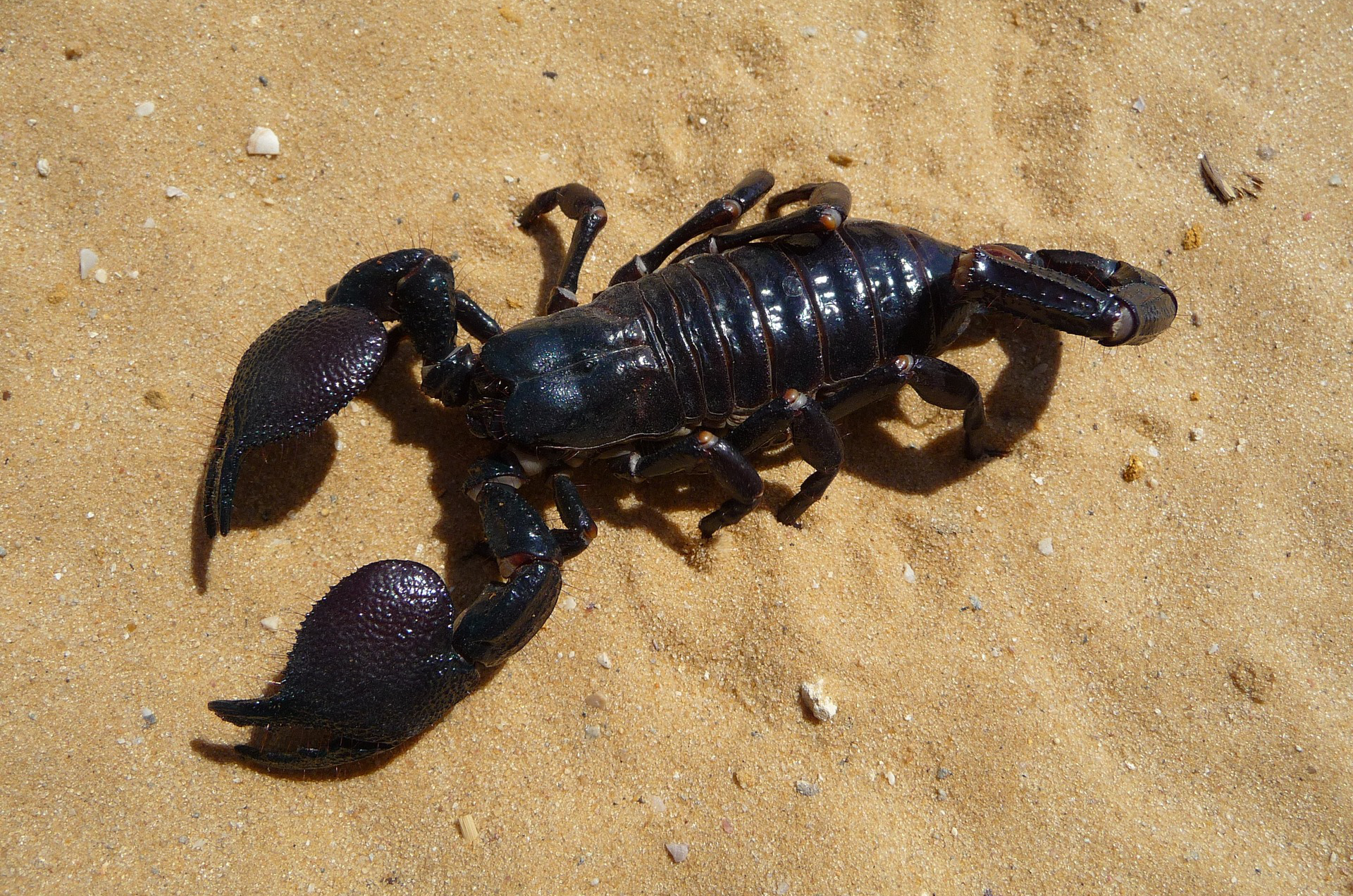
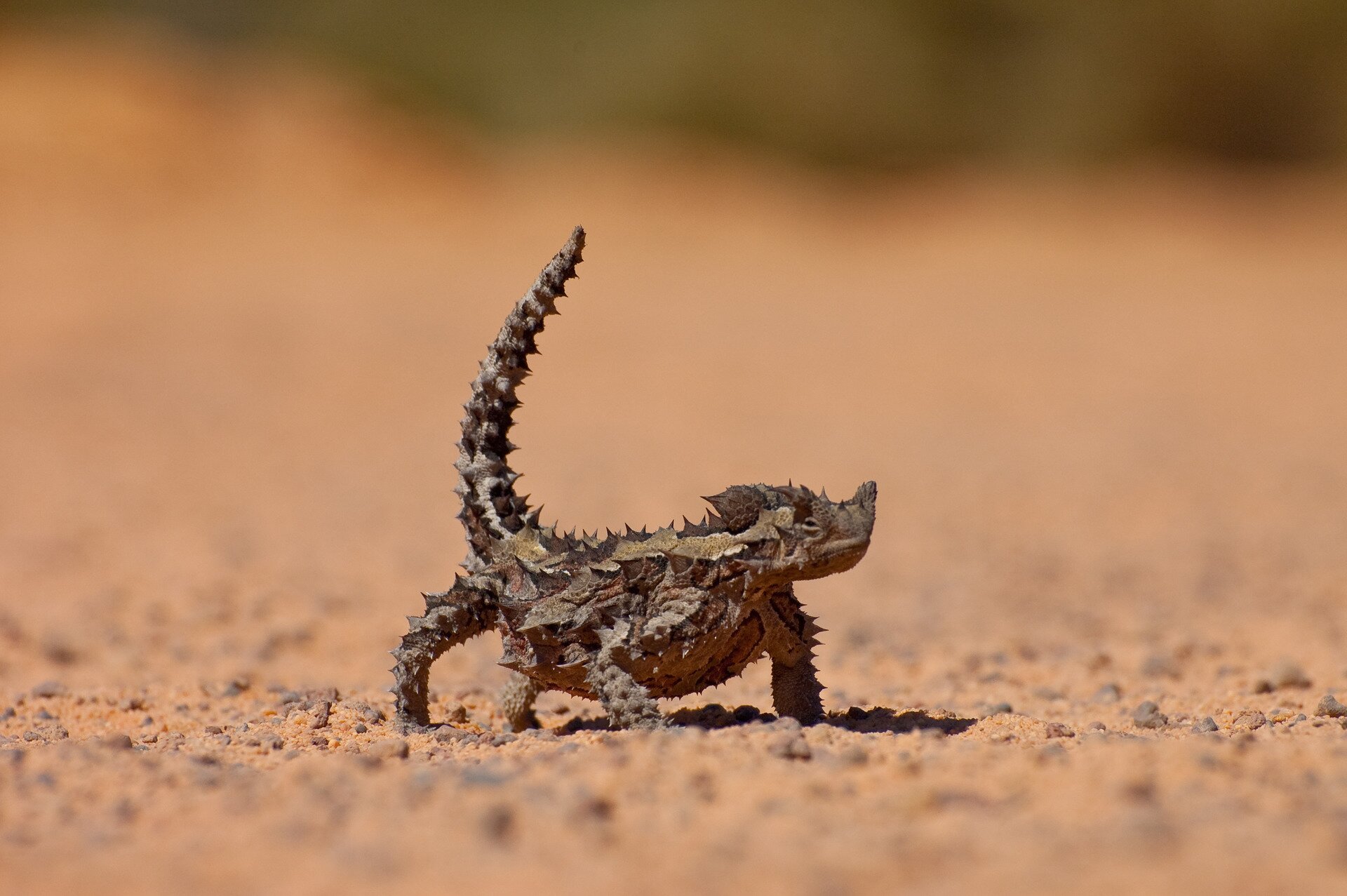
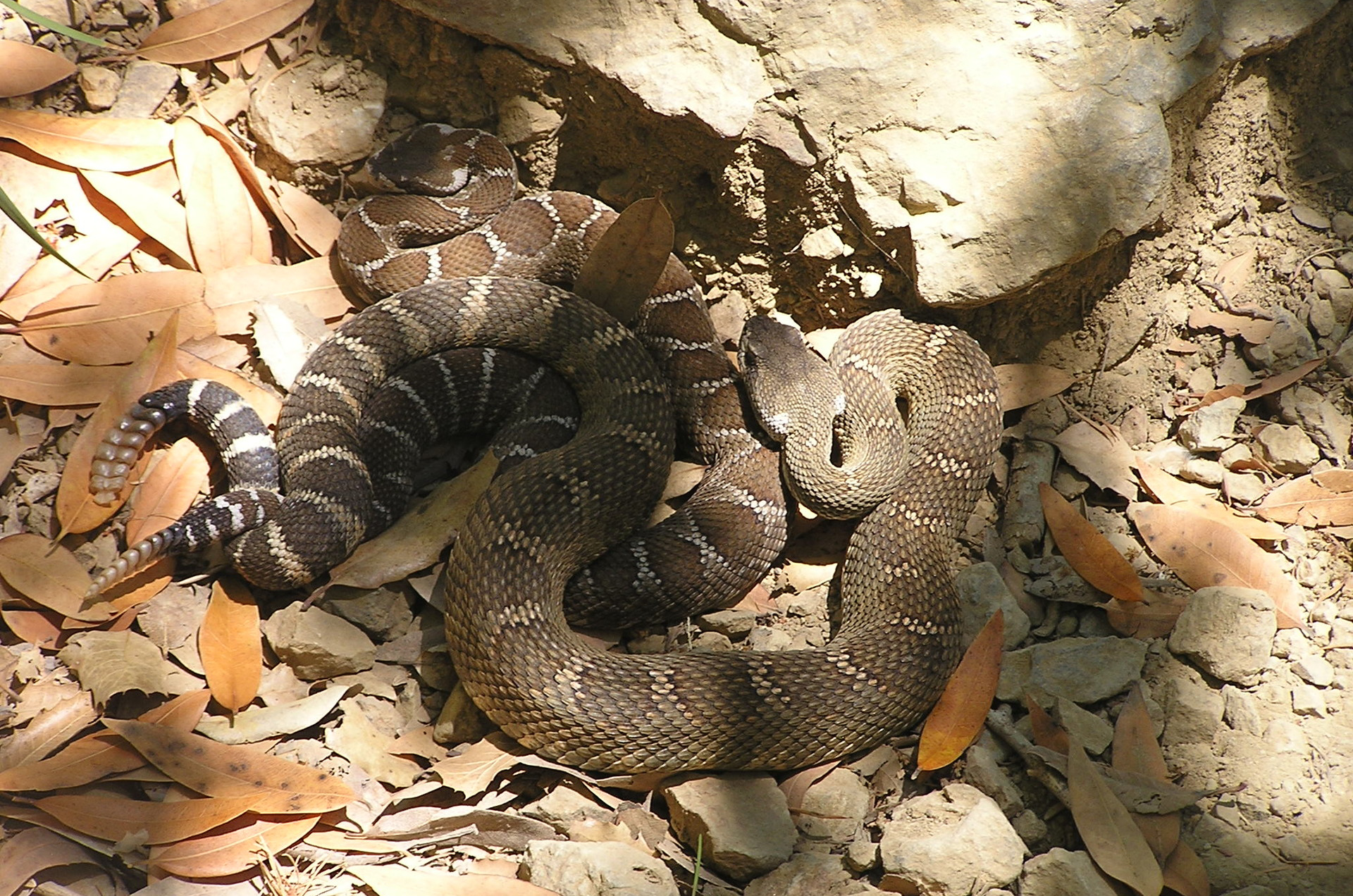
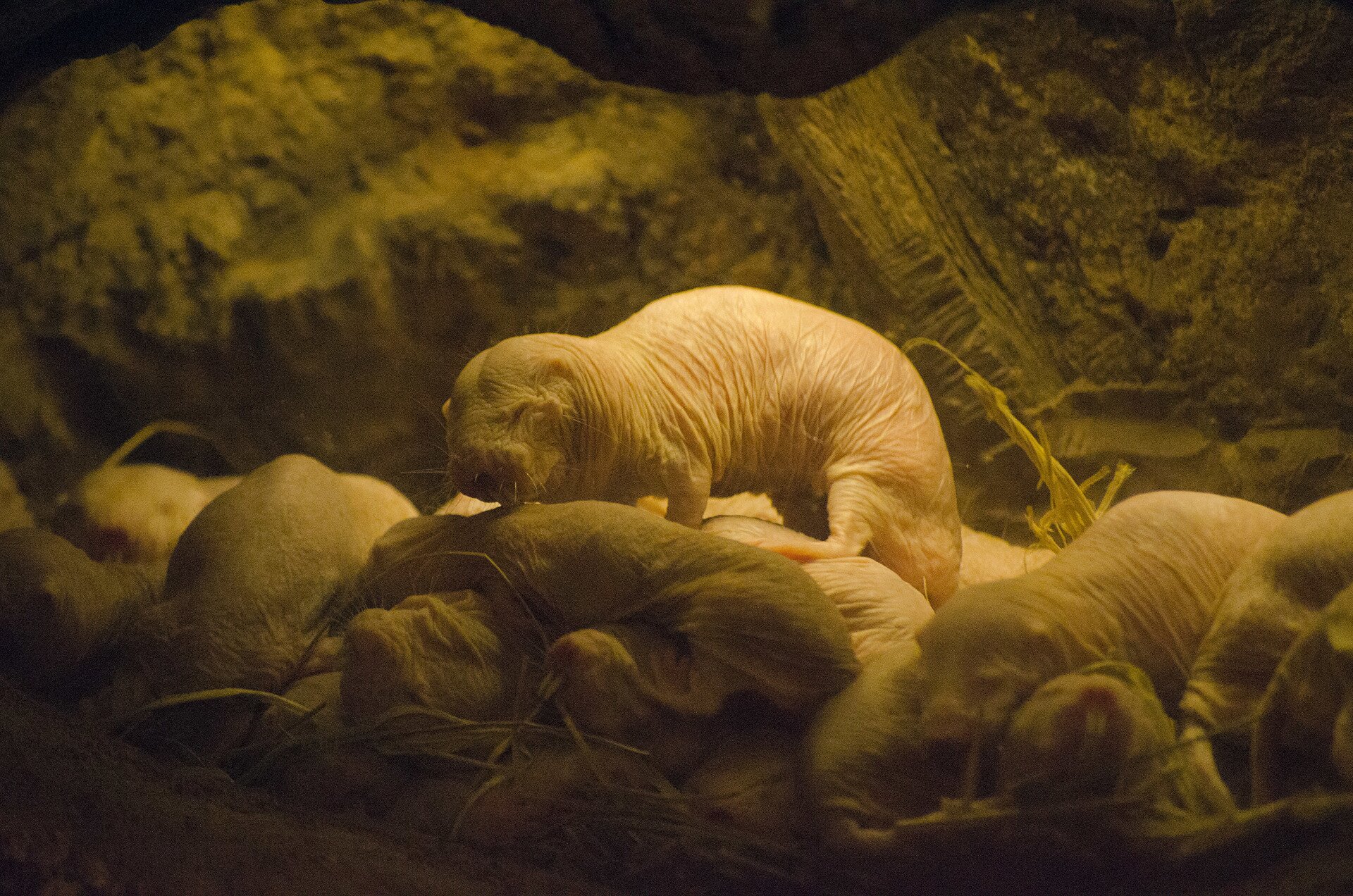
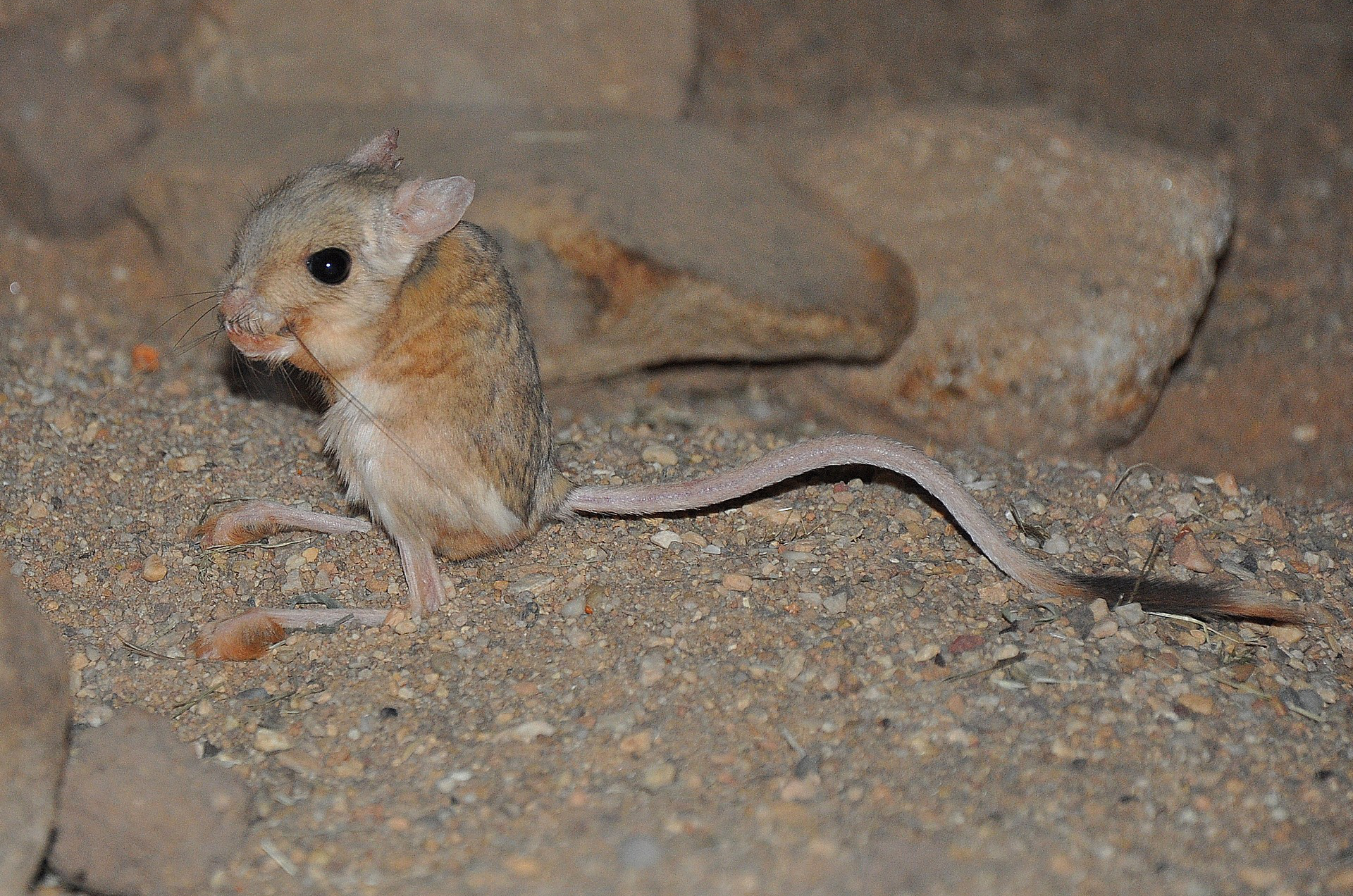
Harsh living conditions and the need to fight for survival have resulted in many desert species of venomous insects and reptiles. Their venom is dangerous even for humans.
Determine whether the statements concerning water management by desert plants are true or false.
| True | False | |
| Desert plants evaporate as much water as possible, as this allows them to lower their temperature. | □ | □ |
| Desert plants can assimilate water from mildew and fog. | □ | □ |
| Desert plants reduce water evaporation by producing small leaves or thorns. | □ | □ |
| Desert plants create deep or extensive root systems. | □ | □ |
| After rainfall, desert plants store substantial amounts of water. | □ | □ |
Summary
Deserts and semi‑desertsare characterised by similar climatic conditions.
Living conditions in the desert and semi‑deserts are extremely harsh.
A few plant species have adapted to life in the desert.
Desert animals have to overcome constant water shortages and high air temperature
Keywords
desert, cactus, fennec
Match the pairs: English words with Polish definition.
teren o ubogiej roślinności i warunkach klimatycznych zbliżonych do pustyni. Nieco większe opady umożliwiają tam jednak życie trochę większej ilości roślin, teren gdzie na skutek okresowo wysokiej temperatury powietrza i skrajnie niskich opadów nie ma zwartej pokrywy roślinnej, teren o bujnej roślinności, czerpiącej wodę z płytko zalegających wód podziemnych, otoczony przez pustynię lub półpustynię
| desert | |
| oasis | |
| semi‑desert |
Glossary
pustynia – teren gdzie na skutek okresowo wysokiej temperatury powietrza i skrajnie niskich opadów nie ma zwartej pokrywy roślinnej
oaza – teren o bujnej roślinności, czerpiącej wodę z płytko zalegających wód podziemnych, otoczony przez pustynię lub półpustynię
półpustynia – teren o ubogiej roślinności i warunkach klimatycznych zbliżonych do pustyni. Nieco większe opady umożliwiają tam jednak życie trochę większej ilości roślin