Wildlife of the steppe
the characteristic feature of the climate that lead to the formation of the steppe.
to describe the adaptation of steppe plants to living in a temperate continental climate
to identify the animals of the steppe;
to indicate how animals have adapted to life on the steppe.
Steppe vegetation
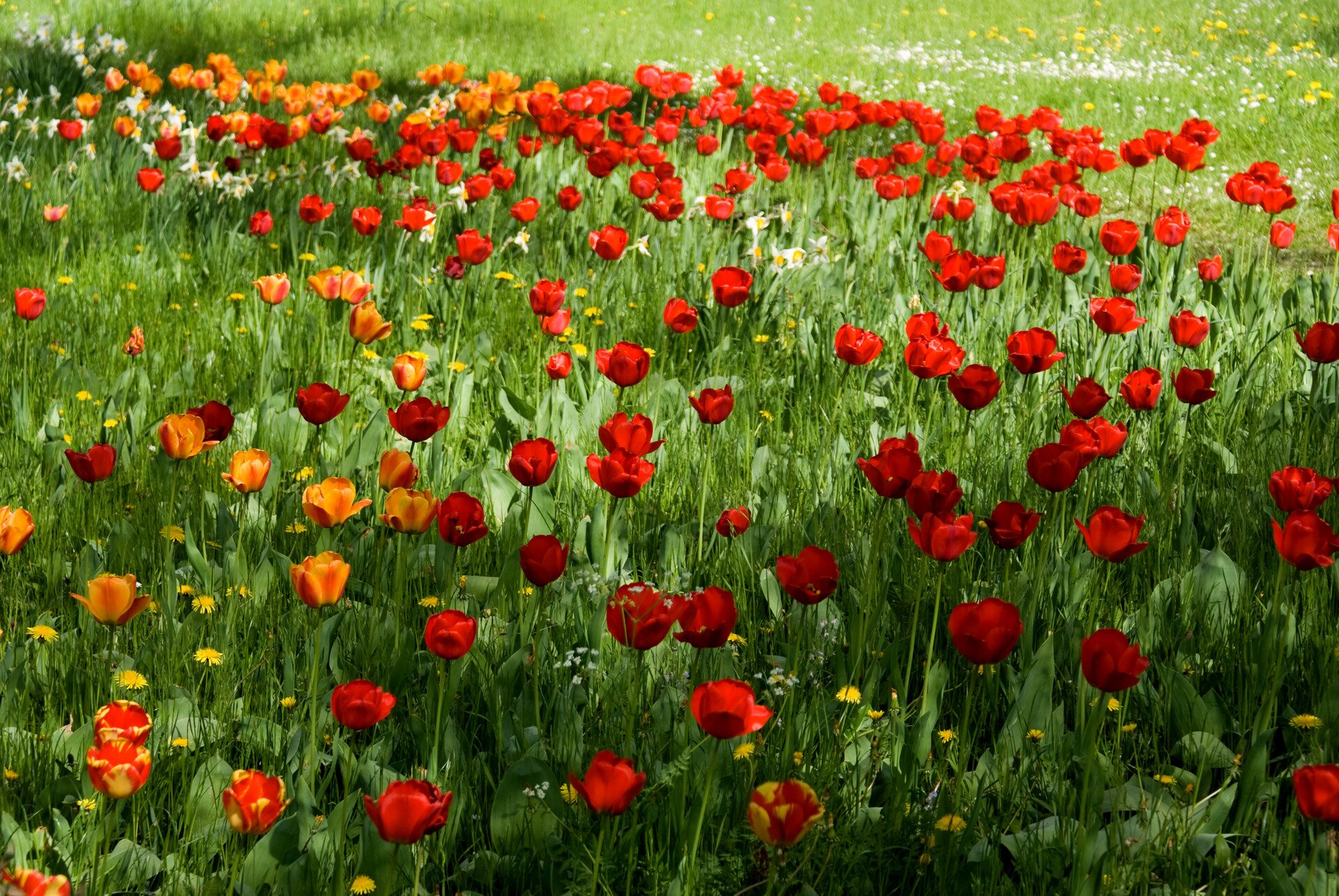
At the temperate latitude on both hemispheres there are large, woodless areas – steppessteppes. They are dominated by perennial grasses and herbaceous plants that have adapted to survive the hot, dry summer and cold winter. The most diverse vegetation is present on meadow (grass) steppes, on black soils in Eastern Europe and in North America. Rainfall on these steppes are slightly higher than on continental steppes in Asia. Apart from grasses that grow up to 2 metres tall, tulips, hyacinths, irises, pasqueflowers and pheasant's eyes also bloom there in spring. Plants store rainwater in bulbs and tubers that allow them to survive draughts. Other plants have thick, long roots and draw water from deeper layers of the soil.
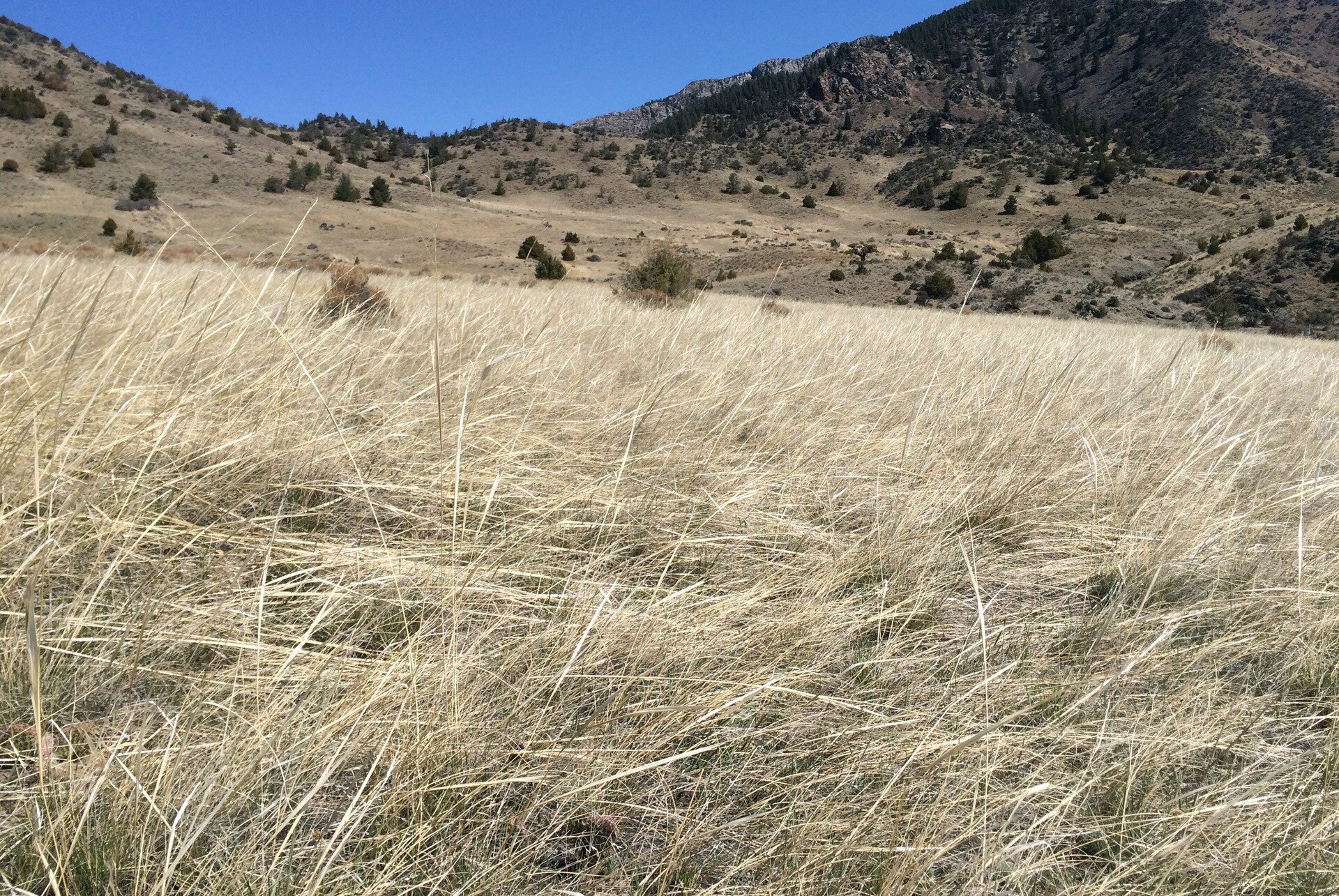
In steppe regions with a more arid climate, soils are poorer and vegetation is more scarce. Grasses are dominated by feather grass characterised by thin, arid, hard and bristle‑like leaves and beautiful, white and long inflorescences. Such steppes can be found in Central Asia and South America.
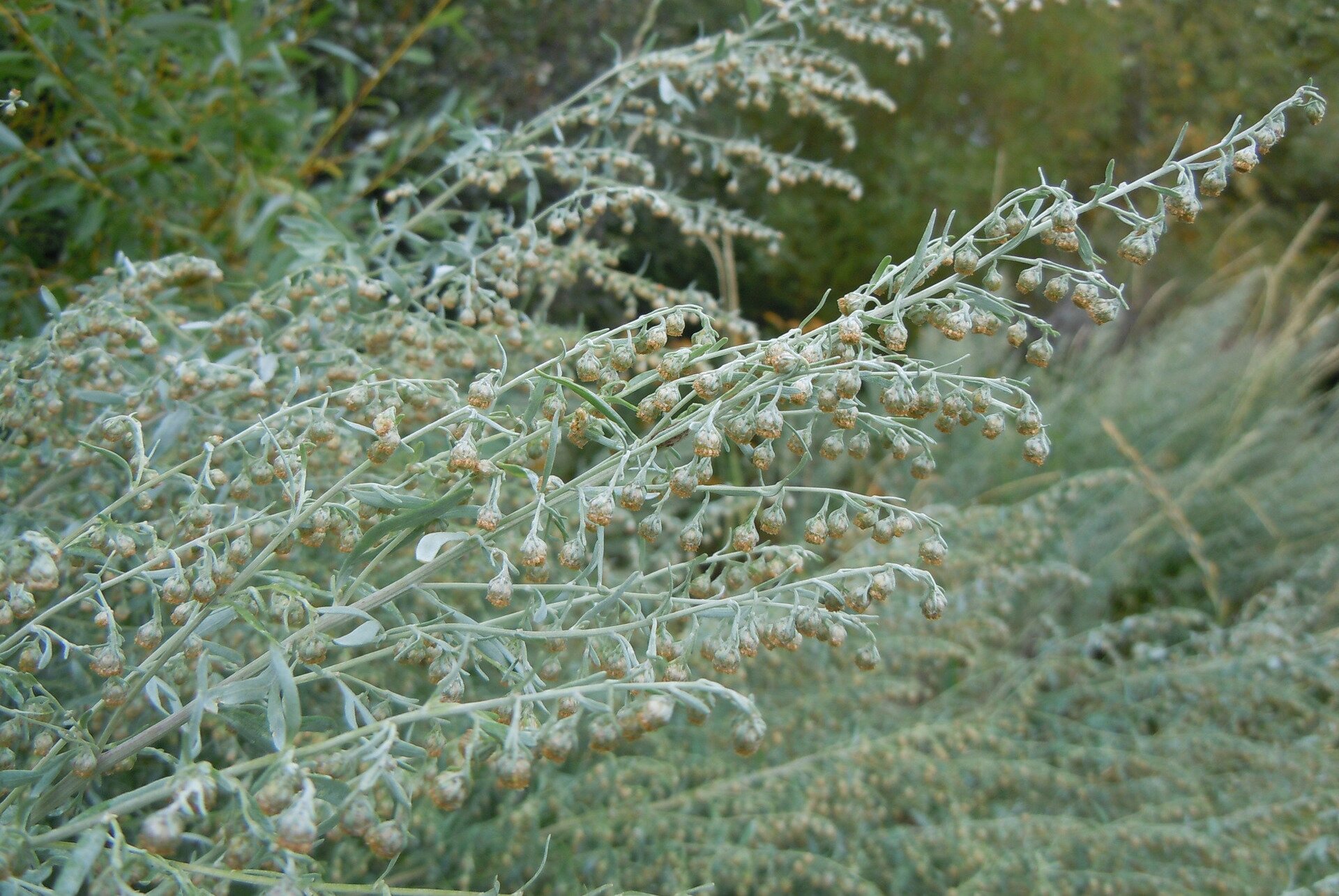
Steppes can also be found on highly salinated soils. Grass is sparse and arid, whereas other plants often have barbed leaves. They can also have a bitter taste, like wormwood for instance, so animals don’t want to eat it. Such type of steppe is called a wormwood steppe and can be found primarily on the border with saline semi‑deserts in Central Asia.

Animals of the steppe
Grasses and other herbaceous plants growing on the steppe are the primary source of nutrition for many herbivorous animals. The steppe is where large ungulates live. Due to the absence of any shelter, they have to run very fast (saiga antelopessaiga antelopes and gazelles). Other animals live in herds large enough that predators no longer represent such a huge threat (bisons, horses). There’s also many herbivorous mammals that often build burrows in soft ground and use them to hide from predators. These mammals live in large colonies (e.g. prairie dogs, groundhogs or sousliks) where some of the animals stand guard and warn the herd of any impending danger. Other critters live on their own or in small family group (mice, hamsters).
Predatory mammals are small, which allows them to come close to their victim without being spotted. They mainly include wolves, coyotes and foxes. Predatory birds that inhabit the steppe include, for instance: buzzards, hawks and kestrels as well as larger but rarely seen eagles and vultures. Due to the absence of trees, all of them have to build their nests on the ground and are also at risk of being attacked by other predators. Other birds that inhabit the steppe, like partridges, quails and bustards, also have trouble with finding shelter.
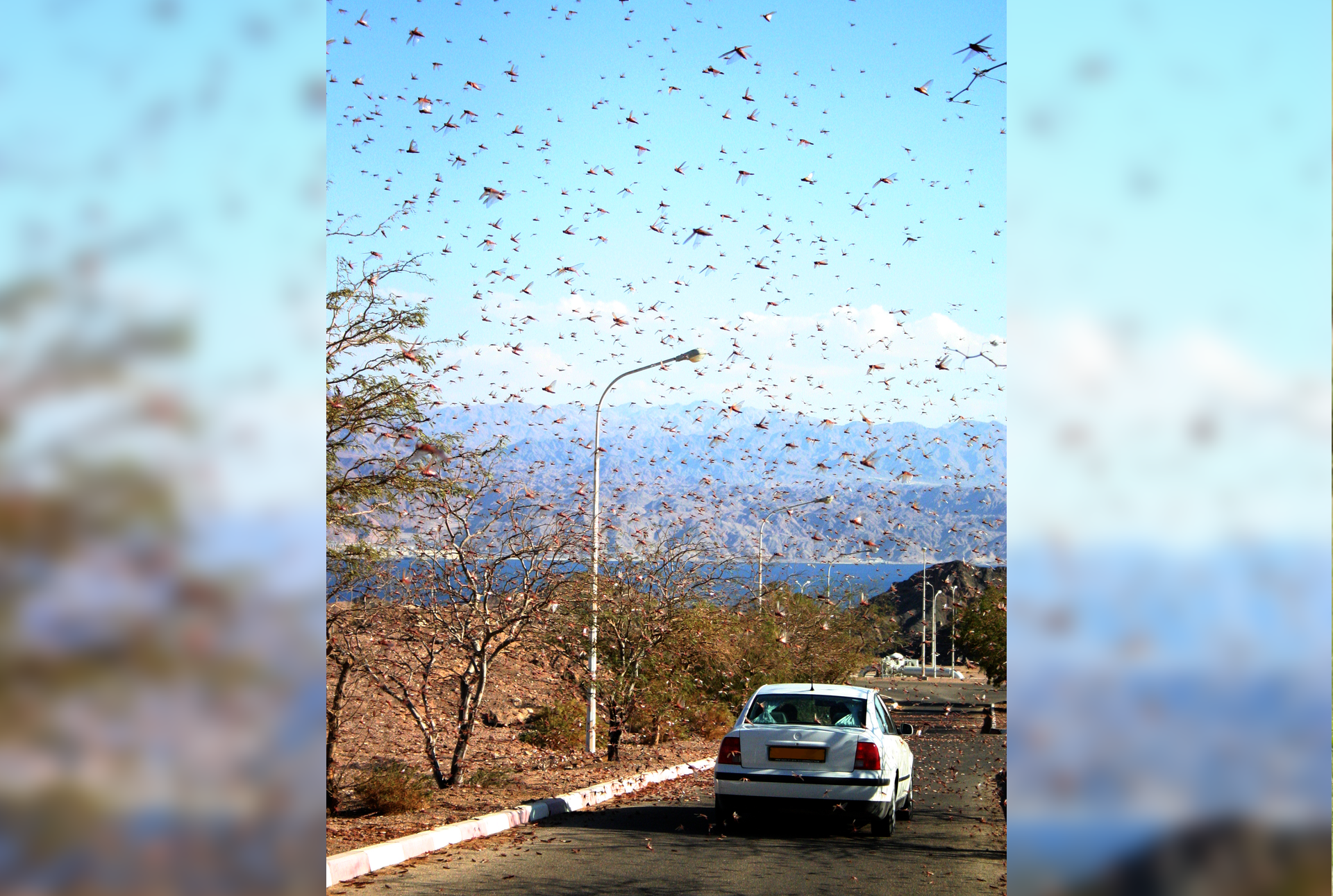
On the other hand invertabrates, especially insects (ants, grasshopper, locusts) and arachnids, are very numerous. Reptiles can be found quite rarely (turtles, snakes, lizards)
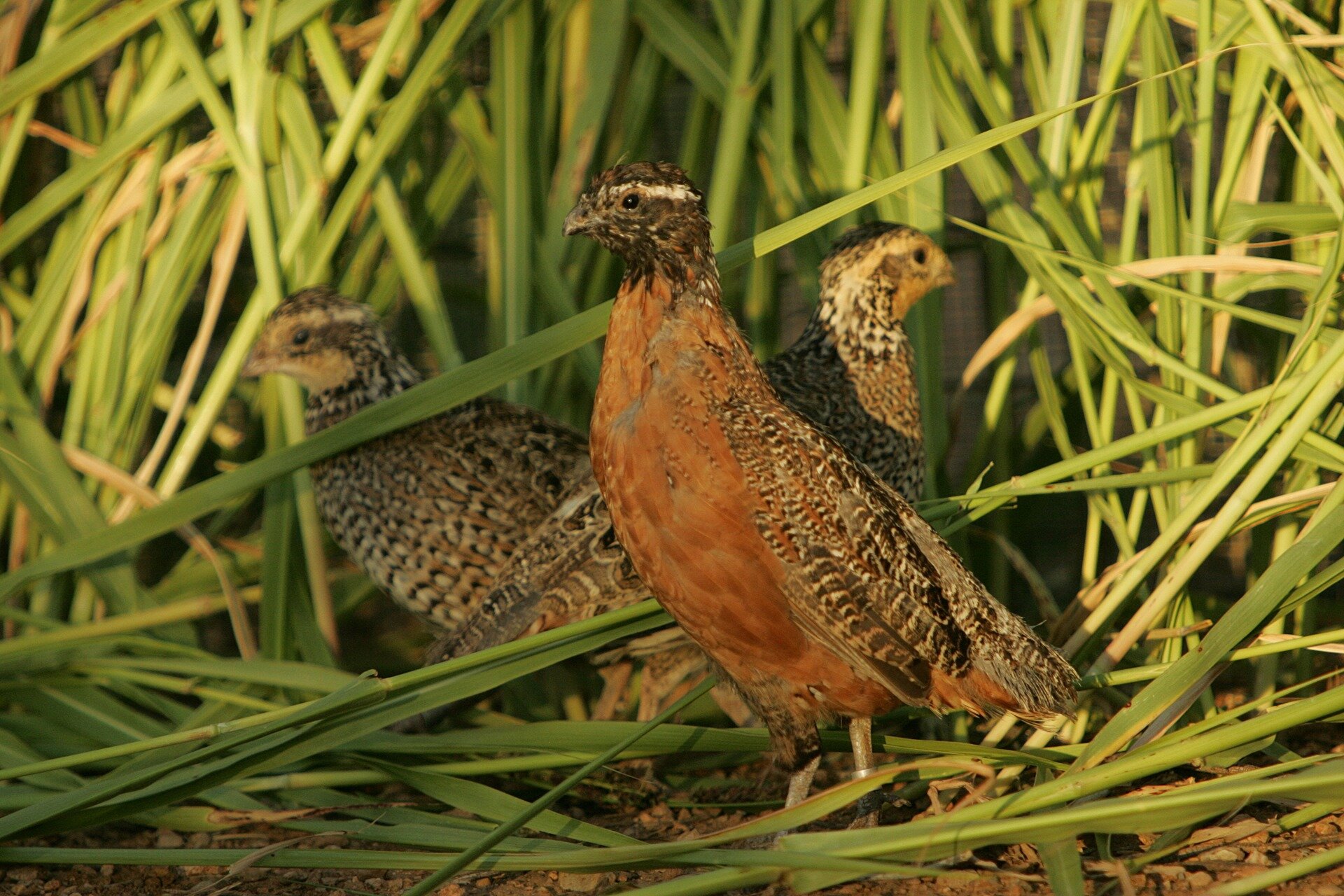

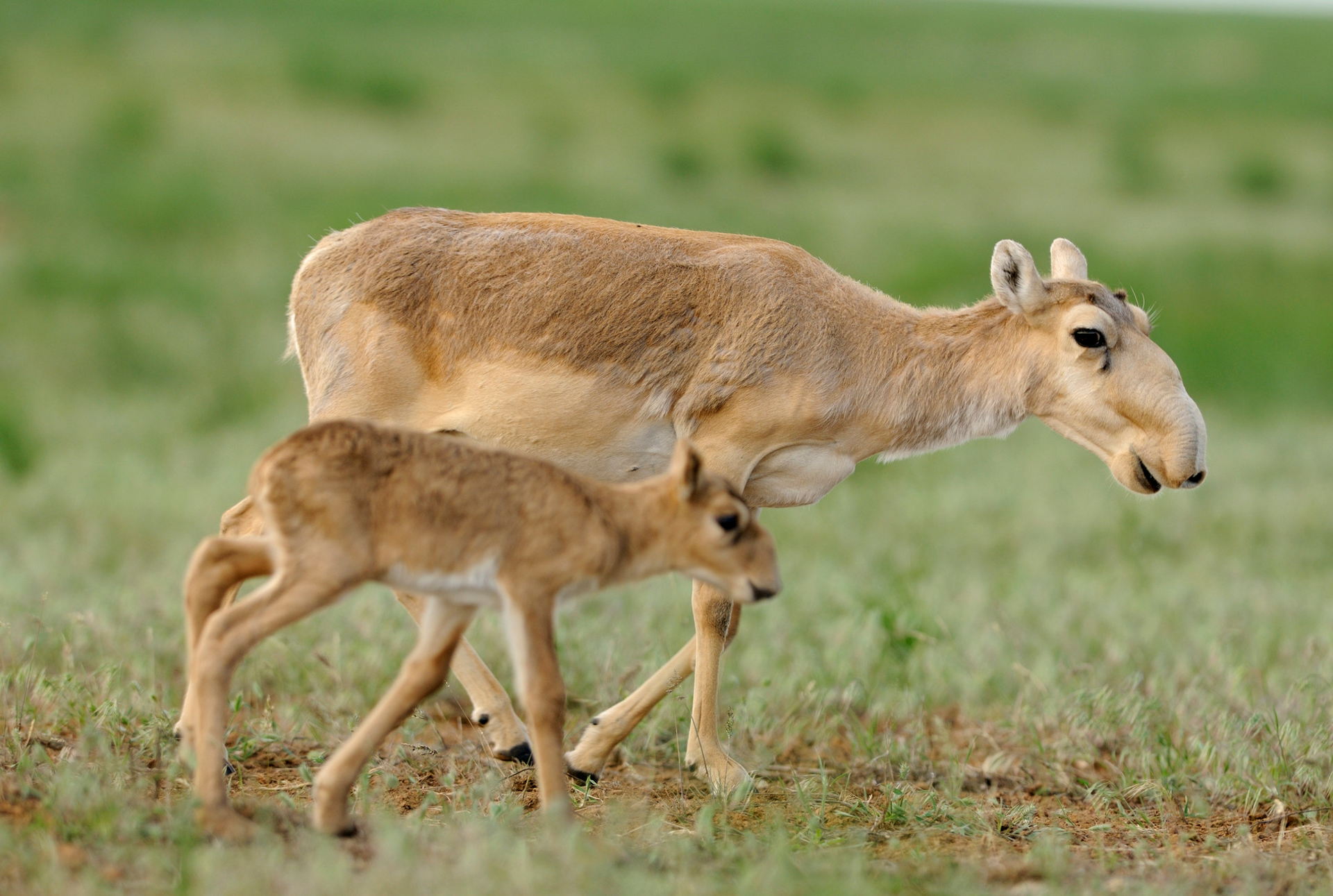


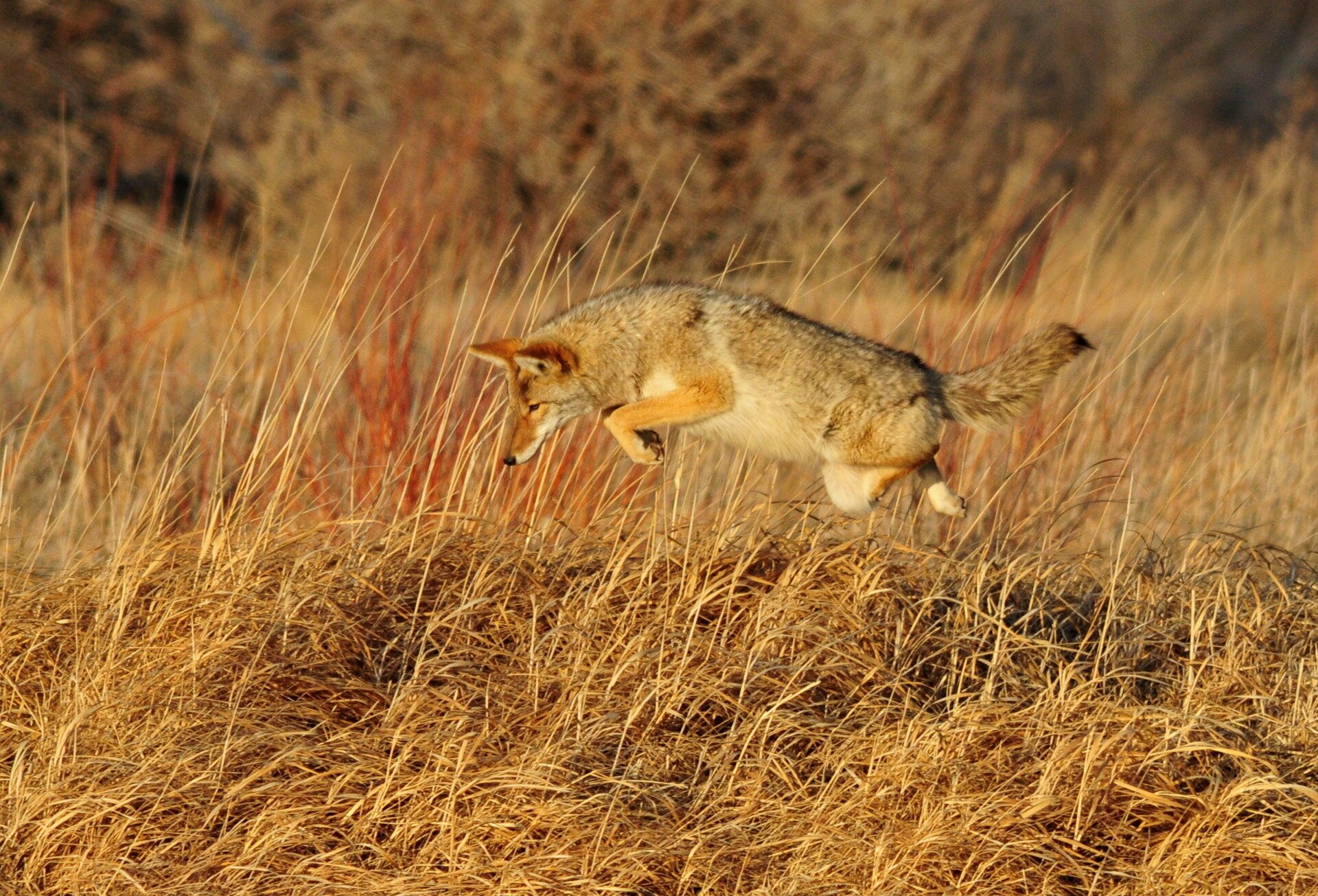
Indicate how organisms have adapted to the life on the steppe.
- They store nutrients in bulbs and tubers.
- They hibernate through cold winter.
- The move in large herds.
- They are brightly coloured to attract pollinators.
Summary
Due to the climatic conditions on the steppe, grasses and herbaceous plants are able to grow there, but trees can be found only near rivers.
Vegetation on the steppes has adapted to draw water from the deepest layers of the soil.
Animals that inhabit the steppes are large, fast‑running ungulates or small critters that live in burrows.
Keywords
steppe, bulb, tulip, souslik
Glossary
suhak – jedyny spotykany w Europie gatunek antylopy
step – biom formujący się w głębi kontynentów w klimacie umiarkowanym ciepłym, cechujący się stosunkowo niską liczbą opadów (250‑400 mm rocznie); charakteryzuje się roślinnością trawiastą z dużą domieszką roślin zielnych, zwykle tworzących zbitą darń