Your body
that in order to live, every man must, among other things, eat, sleep, and breathe;
that we are surrounded by organisms, all of which look a bit different.
to name the selected systems forming the human body and major organs building these systems;
to describe selected life activities of a human being.
Your body is a complex and fascinating mechanism that enables many important tasks to be performed. Your body allows you to move, breathe, eat and explore the world – watch the beauty of nature, listen to birds singing, smell the flowers and taste fruits.
Cells – building blocks of the body
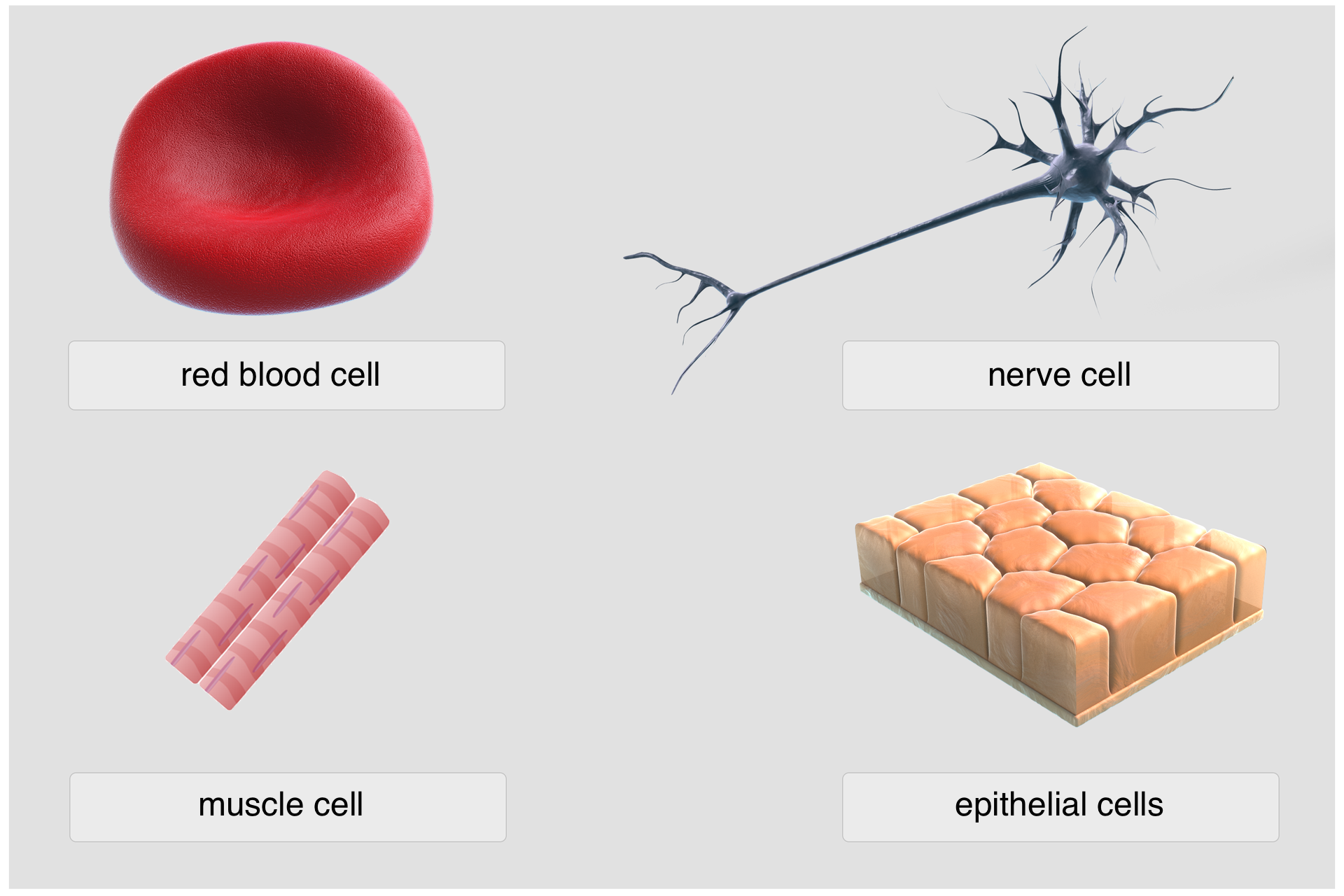
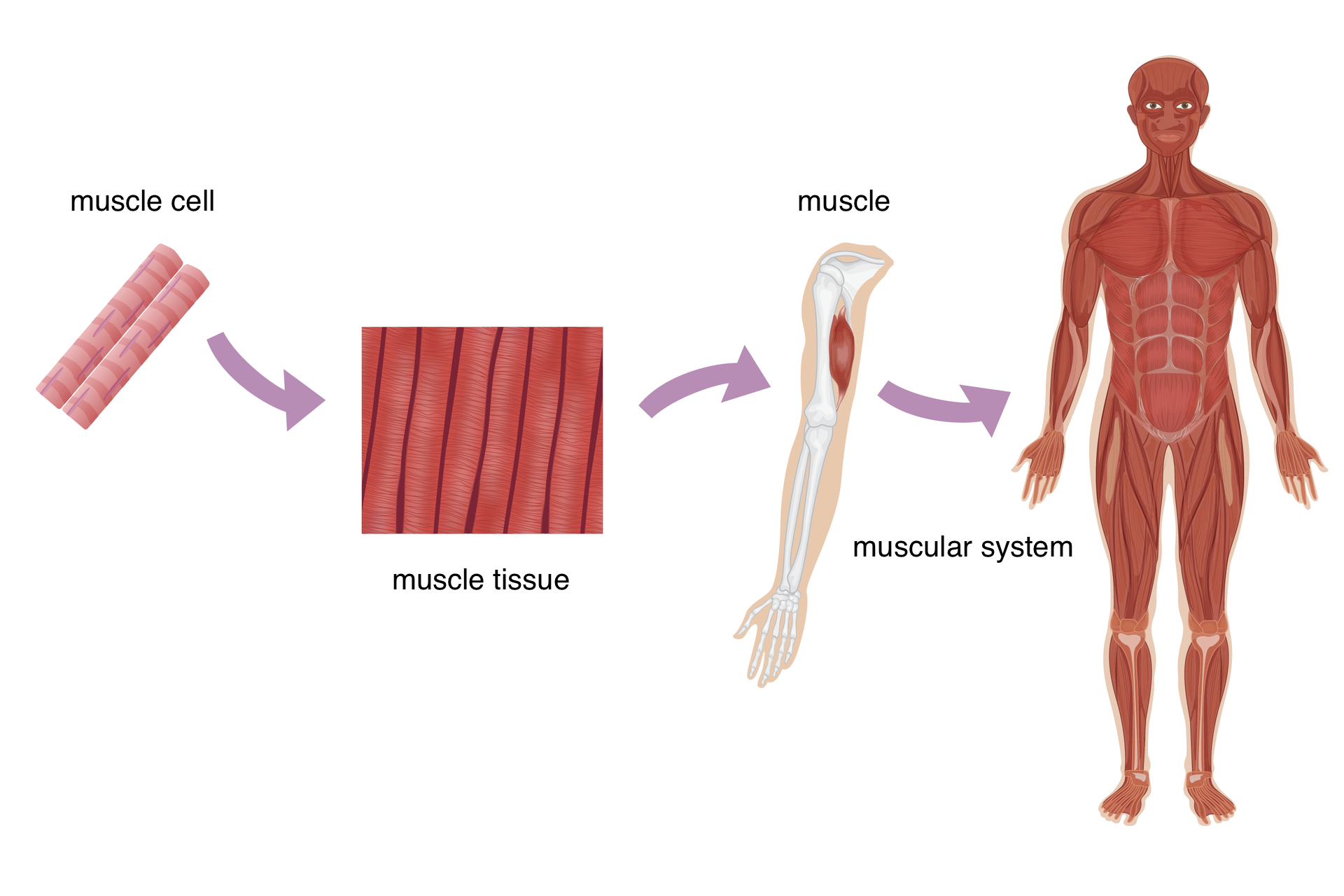
Human body consists of a huge number of cellscells. Most of them are microscopic – if you placed several dozen of them one next to the other, they would form a one millimetre long line. Some cells are larger – like nerve cells which protrusions may be up to one metre long. To put it simply, a cell is the smallest component of your body where biological processes happen: it consumes nutrients, breathes, reproduces itself and releases substances it does not need. Cells are the building blocks of tissues (e.g. muscle tissue) which, in turn, form organs, such as brain or heart. OrgansOrgans work together as organ systemsorgan systems.
Selected organs of our body
Organs perform specific functions in the body. For example, lungs enable gas exchange, i.e. the intake of oxygen and the release of carbon dioxide. Heart pumps blood and distributes it across the body. Brain supervises how all the other organs work. Kidneys act like filters intercepting harmful substances from blood and then removing them from the body with urine. Stomach is responsible for fragmentation and digestion of food. In the intestines, nutrients contained in food are absorbed into the blood and stool is formed. Bones and muscles let us move. Sense organs, i.e. eyes, nose, ears and tongue receive stimuli from the environment enabling us to explore the world.
Organ systems
Organs work together in groups called organ systems. Each system has a specific task to perform. For example, respiratory system enables the iptake of oxygen that we need to live and the release of carbon dioxide. Digestive system is responsible for providing the body with nutrients. Cardiovascular system, including heart, carries blood throughout the body distributing important substances, such as oxygen and nutrients. Nervous system, with the brain as its main organ, controls the operation of other organs and systems. Sense organs like eyes, ears, tongue, skin, and nose enable the reception of stimuli from the outside and from the inside of the body. Thanks to them we can see, hear, get to know the flavors and smells. Musculoskeletal system that enables the body to move consists of the skeleton and muscles. Reproductive system enables us to reproduce. Women’s and men’s reproductive organs are different.
Exercies
Of the organs listed below, indicate the one that directs the work of the entire body:
- brain
- lungs
- nose
- mouth
- stomach
- heart
Match the pairs: English words and Polish definitions.
zespół połączonych i współpracujących ze sobą narządów, pełniących różne, niezbędne dla organizmu funkcje, część organizmu, np. serce czy płuco, wyspecjalizowana w pełnieniu określonej funkcji, najmniejszy składnik organizmu, który przejawia podstawowe czynności życiowe, takie jak oddychanie, odżywianie, rozmnażanie, wzrost, wydalanie
| cell | |
| organ | |
| organ system |
Sort the names of the elements of the body structure from the simplest to the most complicated one.
- organ system
- organ
- organism
- cell
- tissue
Assign the names of the organs to the names of the systems that build in the human body.
digestive system, nervous system, locomotor system, circulatory system, respiratory system
| stomach | |
| brain | |
| skeleton | |
| heart | |
| lungs |
Of the organs listed below, indicate those that build the digestive system
- heart
- nose
- lungs
- stomach
- brain
- kidney
Summary
All parts of the human body consist of a huge number of different cells.
Cells similar to one another build the tissues from which the organs are made. Organ groups form systems that perform specific functions.
The human body is a team of many organ systems cooperating with each other. The brain controls the work of the whole body.
Keywords
organ, organ system
Glossary
komórka – najmniejszy składnik organizmu, który przejawia podstawowe czynności życiowe, takie jak oddychanie, odżywianie, rozmnażanie, wzrost, wydalanie
narząd – część organizmu, np. serce czy płuco, wyspecjalizowana w pełnieniu określonej funkcji
układ narządów – zespół połączonych ze sobą narządów współpracujących w pełnieniu różnych niezbędnych dla organizmu funkcji