Przeczytaj
For many years, television was the window to the world and it brought the wild corners of the world close to people. However, as travelling has become more accessible to a greater number of people, we don’t want to experience the world through the screens of electronic devices. We want to touch it and stand eye to eye with the wilderness. The picture below shows four out of a huge array of wildlife encounter possibilities you can experience. Would you like to try any of them?
Przez wiele lat telewizyjne programy przyrodnicze przybliżały nam najdalsze zakątki ziemi. Odkąd jednak podróżowanie stało się łatwiej dostępne dla wszystkich, ludzie nie chcą doświadczać świata tylko przez ekran telewizora. Chcą być blisko natury i mieć z nią bezpośredni kontakt. Poniższa ilustracja pokazuje jedynie cztery możliwości spotkania z dziką przyrodą spośród bardzo wielu, jakich możesz doświadczyć. Czy chciałbyś/chciałabyś spróbować którejś z nich?
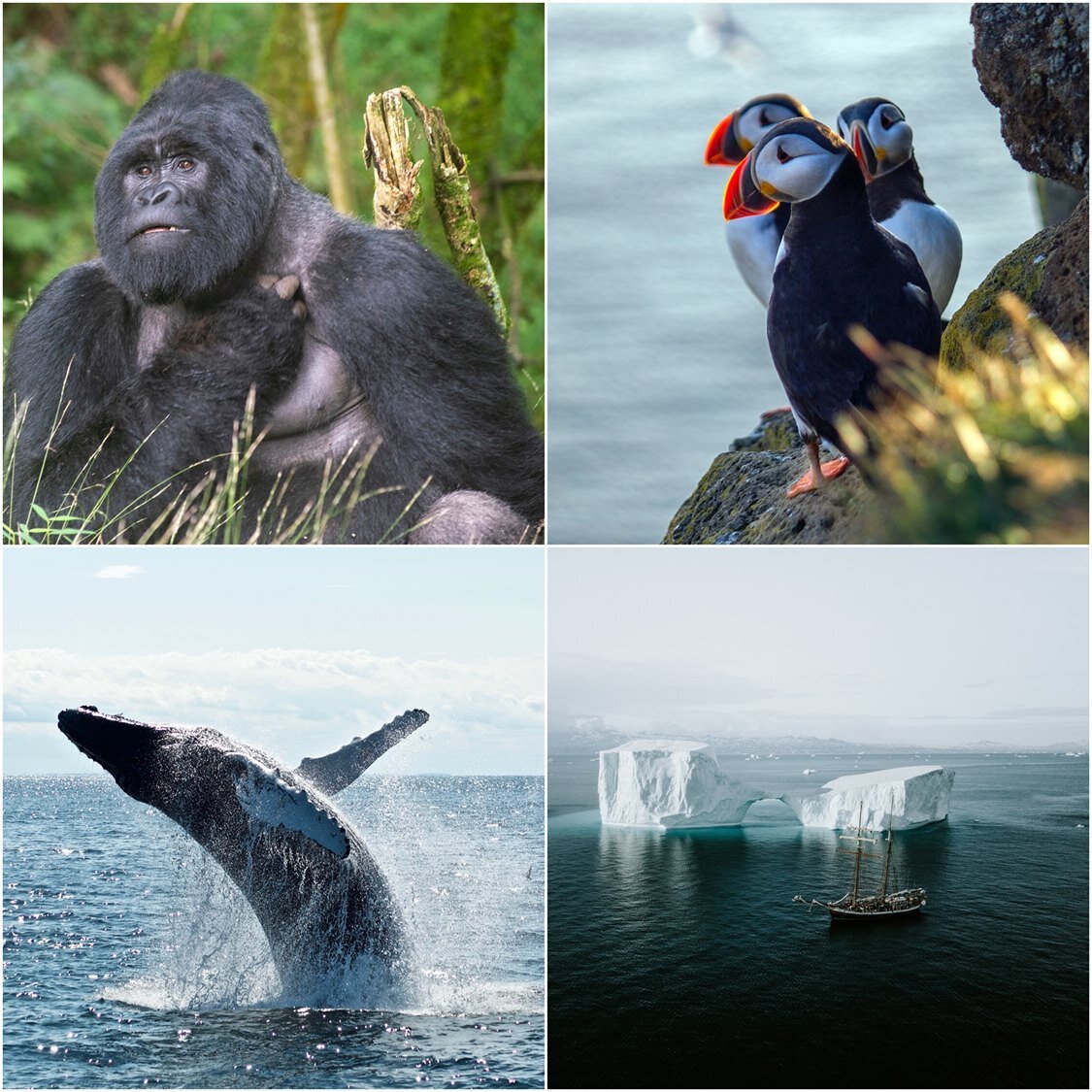
Read the text and do the exercises below.
As Close to the Wild as One Can GetHuman beings haven’t been cut out to spend their lives in concrete junglesconcrete jungles, but that’s where we seem to have ended up. According to UN estimationsestimations from 2018, 55% of the global population lives in urban areasurban areas. Although there are people who now consider cities to be their natural habitat, even diehard city‑dwellersdiehard city‑dwellers admit that contact with nature soothes the nervessoothes the nerves and restores the fragile equilibriumfragile equilibrium distorteddistorted by man‑made creations such as technology or processed food. People tired of the breakneck pace of lifebreakneck pace of life seek opportunities to get back to nature. Since demand creates supply, we’ve been observing a proliferationproliferation of tours tailored to take people to far‑flung corners of the globefar‑flung corners of the globe. A once in a lifetime experience of whale watchingwhale watching, gorilla trackinggorilla tracking, or a puffin safaripuffin safari is now at your fingertipsat your fingertips. Read four accounts of people who have already been on such close‑to‑nature outingsoutings.
A) Gorilla tracking in Uganda
As the name impliesimplies, it’s tracking and not necessarily observing. Since I watched the film Gorillas in the Mist, it has been my dream to go to Uganda and stand eye to eye with these magnificent mammalsmagnificent mammals. The experience is not cheap, but I relishrelish the fact that the fees I paid contribute to the conservation fund which is used to protect Africa's big five from extinction. I also quite like the fact that the experience isn’t given to you on a silver plattergiven to you on a silver platter and you really have to make an effort to get a glimpse ofget a glimpse of the apesapes in their natural habitat. So, getting to the point, we were woken up at about 2 a.m. and transported to the edge of the jungle, where our trek started. Obviously, the day before, we had been given detailed guidelines regarding the outfit and equipment we were supposed to have with us and, what’s even more important, the items which were strictly prohibited. The hike uphill through dense jungle vegetationdense jungle vegetation took about four hours, so it was not for the faint‑hearted.faint‑hearted. Tours are only allowed to go up to a certain point and then you just sit and wait, hoping the gorillas make an appearancemake an appearance. My heart skipped a beatheart skipped a beat every time something moved in the bushes, but the apes didn’t come that day. I was absolutely devastateddevastated when it was time to start our trek back. I think our guides saw that we were heart‑brokenheart‑broken and they decided to bend the rulesbend the rules a bit. They took us to a place where chimpanzees usually foraged for foodforaged for food and they did not disappoint us. I will never forget those smart eyes looking at us, as if they knew who we were and why we were there.
B) Whale watching
I wasn’t convinced of this idea. It was supposed to be a day trip on a cruise ship with a bunch of OAPsOAPs, and the organisers didn’t even guarantee that we would be able to see any whales. Don’t get me wrong, I have nothing against elderly people! I was actually travelling with my grandma at the time, touring the Lofoten Islands in Norway, and it was her dream and her idea to go on this marine safarimarine safari. The thing that brought me aroundbrought me around was that they offered the opportunity to watch the whales from a SUPSUP and, since I had tried that before, I decided that would be fun. Well, fun is too small a word to use! It turned out to be an absolutely electrifying experienceelectrifying experience. The boat wasn’t big. There were merely 20 of us on board. They took us to a fjord, the name of which I still cannot pronounce correctly, and just stopped the boat at some point. My nannan and I - the only ones brave enough to do some paddlingpaddling - were given wetsuitswetsuits and together with the guide we went into the water. And there they were! After about 15 minutes, we saw the huge shades just below the surface of the water swimming along our boards. They seemed unforthcomingunforthcoming at first, but then they started interacting with us! You would never believe how playful and curious they are! It was utter magicutter magic to be so close to those gentle giants. I’ve had a resolution since that encounterencounter: I never complain when my grandma comes up with an ideacomes up with an idea for a trip!
C) Puffin safari
Until that excursion, when somebody had said safari, my first associations would be Africa. Well, it turns out you can go on one to Flamborough, too! To be more specific, the place is called Bempton Cliffs and it’s part of The Yorkshire Nature Triangle, an area which gained popularitygained popularity due to its scenic character and the opportunities to do birdwatchingbirdwatching. Out of all species of birds I can think of, puffinspuffins are probably the most photogenic ones, with their corpulent bodies and colourful beaks. They chose the towering cliffs on the English east coast as their nesting area and, for decades, they have been drawing hordes of amateur photographers and professional conservationists. Me being none of them, I was rather sceptical about the trip. I had heard that puffins are rather hard to spot, as they are only 8 inches tall, but I was also told to look for tiny patches of orange. Equipped with binocularsbinoculars, we started the walk from the lighthouse and I guess we were really lucky as we managed to see a couple of adult puffins bringing food to their young chicks nested in the cliffs. I wished my phone had a long lens to take nicer pictures, but you can’t win them allyou can’t win them all!
D) Arctic cruise
This arctic cruise was my eighteenth birthday present. Knowing how keen I am on polar regions exploration and the history of former Soviet states, my parents presented me with a mysterious envelope on my birthday. In it was a plane ticket to Longyearbyen, the world’s northernmost settlement and a common starting point for cruises around the Svalbard region. A cruise ticket was there, too! While onboard the plane we were informed by our tour operatortour operator about the health and safety regulationshealth and safety regulations we were supposed to observeobserve when in town. The settlement is not very big, but the safe zone, within which you do not have to carry any equipment for polar bear protection, is even smaller. We stayed in town only long enough to see the Svalbard Global Seed VaultSvalbard Global Seed Vault. It’s an amazing place where duplicates of seedsduplicates of seeds from all around the world are stored, just in case global food security is in danger. However, I was shocked to learn that due to climate change, the future of the place itself is endangered. Its existence is threatened by melting permafrostmelting permafrost. After that, we boarded the ship to visit Pyramiden and Barentsburg, the two old Russian mining settlements, once inhabited by about 500 people each, and now both ghost towns. It was the second half of March, but due to exceptionally strong solar activity that year, we were able to see the Northern LightsNorthern Lights as late as that, which is rather exceptional. For no extra fee!
Źródło: Anna Posyniak‑Dutka, licencja: CC BY-SA 3.0.
Tu uzupełnij
2. didn’t see what he/she went to see?
Tu uzupełnij
3. wasn’t keen on the idea initially?
Tu uzupełnij
4. didn’t mind paying for the trip as he/she knew the money supported a good cause?
Tu uzupełnij
5. mentioned that you need to be in good shape to endure the difficulties of the trip?
Tu uzupełnij
6. visited a place of global importance?
Tu uzupełnij
7. was taken aback by the behaviour of the animals?
Tu uzupełnij
8. regretted not having a better quality piece of equipment?
Tu uzupełnij
9. took part in an activity, which had been his/her dream for a long time?
Tu uzupełnij
10. was constrained to a limited area due to safety regulations?
Tu uzupełnij
Answer the questions in 4–5 sentences each.
Which of the tours described above would you most like to participate in? Why?
Do you think that physically demanding tours should only be accessible to people in good shape or everyone? Why?
Listen to three short speeches outlining safety regulations tourists will have to observe on their tours and answer the questions below.
Nagranie dostępne pod adresem https://zpe.gov.pl/a/D11e8Rbet
Nagranie dźwiękowe.
a) the apes shouldn’t get used to eating human food.
b) the apes may attack if they see people eating.
c) the apes may get infected with human diseases.
d) the apes often get indigestion from human food.
2. When tourists reach the area gorillas inhabit, they are supposed to:
a) keep eye-contact with each other.
b) stick together as a group.
c) only play with the gorillas which decide to come close to them.
d) wear waterproof clothes.
Nagranie dostępne pod adresem https://zpe.gov.pl/a/D11e8Rbet
Nagranie dźwiękowe.
a) they are less disturbing to the animals.
b) tourists can see the animals better from them.
c) it’s safer for the tourists.
d) the tour operator’s code of conduct requires that.
2. When the whales or dolphins appear,
a) the tourists are supposed to stop and wait for them to go.
b) the tourists are not supposed to try to touch them.
c) the tourists are asked to paddle in the opposite direction.
d) the group should split and paddle on both sides of the animals.
Nagranie dostępne pod adresem https://zpe.gov.pl/a/D11e8Rbet
Nagranie dźwiękowe.
a) they will not be allowed to leave the town.
b) all equipment will be carried for them by their guides.
c) they will not be required to take weapons with them.
d) they are less likely to encounter polar bears.
2. It’s very important to have an additional pair of gloves during the tour because:
a) the wind in Svalbard can be very strong.
b) if you lose your gloves you will freeze your hands off.
c) local regulations require that.
d) insurance doesn’t cover frostbite.
Your friend is going on a trip to Svalbard. Give him/her some advice on how to behave to make sure it’s safe. Write 5–6 sentences.
Słownik
/ eɪps / / eɪp /
małpy człekokształtne [małpa człekokształtna] (primates that include chimpanzees, gorillas, and orangutans)
/ ət jə ˈfɪŋɡətɪps /
w zasięgu ręki (easily accessible or within reach)
/ ˌbend ðə ruːlz /
naginać zasady (to ignore rules or change them to suit one's own convenience)
/ bɪˈnɒkjʊləz /
lornetka (optical devices used for magnifying distant objects)
/ ˈbɜːdwɒtʃəɪŋ /
obserwacja ptaków (the activity of observing and identifying birds in their natural habitat)
/ ˈbreɪknek peɪs əv laɪf /
tempo życia na złamanie karku (idiom) (an extremely fast and hectic way of living)
/ ˈbrɔːt miː ˈraʊnd / / brɪŋ ˈsʌmbədi ˈraʊnd /
przekonało mnie [przekonać kogoś] (convince or persuade someone to change their opinion or attitude)
/ sɪˈteɪʃn̩s / / sɪˈteɪʃn̩ /
walenie [waleń] (a group of marine mammals including whales, dolphins, and porpoises)
/ ˈkʌmz ˈʌp wɪð ən aɪˈdɪə / / ˈkʌm ˈʌp wɪð ən aɪˈdɪə /
wpada na pomysł [wpaść na pomysł] (to think of or propose an idea)
/ ˈkɒŋkriːt ˈdʒʌŋɡl̩z / / ˈkɒŋkriːt ˈdʒʌŋɡl̩ /
betonowe dżungle [betonowa dżungla] (Refers to urban areas with a high density of buildings and infrastructure)
/ dens ˈdʒʌŋɡl̩ ˌvedʒɪˈteɪʃn̩ /
gęsta roślinność dżungli (thick and lush growth of plants in a jungle or forest)
/ ˈdevəsteɪtɪd /
tu: zdruzgotany/zdruzgotana (overwhelmed with grief, shock, or sadness)
/ ˈdaɪhɑːd ˈsɪti ˈdweləz / / ˈdaɪhɑːd ˈsɪti ˈdwelə /
zatwardziali mieszkańcy miasta [zatwardziały mieszkaniec miasta] (individuals who strongly prefer living in cities and are reluctant to leave urban areas)
/ dɪˈstɔːtɪd / / dɪˈstɔːt /
zaburzony/zaburzona [zaburzyć] (misrepresent or alter the true shape, meaning, or character of something)
/ ˈdjuːplɪkɪts əv siːdz / / ˈdjuːplɪkɪt ɒv /
duplikaty nasion [duplikat czegoś] (exact copies or replicas of seeds)
/ ɪˈlektrɪfaɪɪŋ ɪkˈspɪərɪəns /
elektryzujące doświadczenie (an exciting and thrilling experience)
/ ɪnˈkaʊntə /
spotkanie (an unexpected meeting)
/ ˌestɪˈmeɪʃn̩z / / ˌestɪˈmeɪʃn̩ /
szacunki [szacunek] (rough calculations or guesses based on available information)
/ ɪkˈsɛpʃənli strɒŋ ˈsəʊlər ækˈtɪvɪti /
niezwykle silna działalność słoneczna (very high levels of solar events or phenomena)
/ feɪnt ˈhɑːtɪd /
bojaźliwy, słabowity (Lacking courage or determination)
/ fɑː ˈflʌŋ ˈkɔːnəz əv ðə ɡləʊb /
oddalone zakątki ziemi (Remote or distant areas of the world)
/ ˈfɒrɪdʒd fə fuːd / / ˈfɒrɪdʒ fə fuːd /
szukały pożywienia [poszukiwać pożywienia] (To search for and gather food, typically in a natural environment)
/ ˈfrædʒaɪl ˌek.wɪˈlɪb.ri.əm/ /
delikatna równowaga (a delicate balance between different elements or forces)
/ ɡeɪnd ˌpɒpjʊˈlærɪti / / ɡeɪn ˌpɒpjʊˈlærɪti /
zyskała na popularności [zyskać na popularności] (to become more widely known, accepted, or admired)
/ ˈget ə ɡlɪmps ɒv /
zobaczyć przelotnie (to briefly see or catch a quick look at something or someone)
/ ɡɪvn̩ tu ju ˈɒn ə ˈsɪlvə ˈplætə / / ɡɪv ˈsʌmthetaɪŋ tu ˈsʌmbədi ˈɒn ə ˈsɪlvə ˈplætə /
podane na tacy [podane komuś na tacy] (provided or given to someone without much effort or difficulty)
/ ɡəˈrɪlə ˈtrækɪŋ /
tropienie goryli (the activity of searching for and observing gorillas in their natural habitat)
/ heltheta ənd ˈseɪfti ˌreɡjʊˈleɪʃn̩z /
zasady BHP (rules and guidelines designed to ensure the well‑being and protection of individuals in various environments)
/ ˈhɑːtˌbrəʊkən /
załamany (overwhelmed by sadness or grief)
/ ˈhɑ:t skɪpt ə biːt / / skɪp ə biːt /
serce zatrzymało się na moment [(o sercu) zatrzymać się na moment] (to suddenly feel very excited or nervous) (a momentary feeling of surprise, excitement, or fear)
/ ɪmˈplaɪ /
sugeruje (to suggest or indicate indirectly)
/ mæɡˈnɪfɪsnt ˈmæml̩z / / mæɡˈnɪfɪsnt ˈmæml̩ /
wspaniałe ssaki [wspaniały ssak] (extraordinary and impressive mammals)
/ ˈmeɪk ən əˈpɪərəns /
pojawić się (to arrive or show up in a particular place or event)
/ məˈriːn səˈfɑːri /
morskie safari (an excursion or tour focused on observing marine life and ecosystems)
/ ˈmeltɪŋ ˈpɜːməfrɒst /
rozmarzająca wieczna zmarzlina (the thawing of permanently frozen ground, typically in polar regions)
/ nɑn /
babcia (a term used to refer to one's grandmother)
/ ˈnɔːðən laɪts /
zorza polarna (a natural light display in the Earth's sky, predominantly seen in the polar regions)
/ ˈnɔːðənməʊst ˈsɛtlmənt /
najbardziej wysunięte na północ osiedle (the most northerly inhabited place)
/ əbˈzɜːv /
tu: przestrzegać (to follow the law or regulation)
/ ˌəʊˌeɪˈpiːs / / ˌəʊˌeɪˈpiː / / əʊld ˈeɪdʒ ˈpenʃnə /
emeryci [emeryt] (abbreviation for „old age pensioner,” referring to retired individuals receiving a pension)
/ ˈaʊtɪŋz / / ˈaʊtɪŋ /
wycieczki [wycieczka] (trips, excursions, or journeys taken for leisure or recreation)
/ ˈpædl̩ɪŋ / / ˈpædl̩ /
wiosłowanie [wiosłować] (to propel or navigate through water using a paddle or oar)
/ prəˌlɪfəˈreɪʃn̩ /
szybki wzrost (rapid and widespread growth, increase, or spread)
/ ˈpʌfɪn səˈfɑːri /
podglądanie maskonurów (an expedition or trip focused on observing puffins, seabirds known for their colourful beaks)
/ ˈpʌfɪnz / / ˈpʌfɪn /
maskonury [maskonur] (a type of seabird with a distinctively shaped beak)
/ ˈrelɪʃ /
cieszyć się (to enjoy or take pleasure in something)
/ suːðz ðə nɜːvz / / suːð ðə nɜːvz /
koi nerwy [koić nerwy] (to calm or relax one's emotions or anxiety)
/ sʌp / / ˈstændɪŋ ˈʌp ˈpædl̩/
SUP (przemieszczanie się po wodzie na stojąco na desce, przy pomocy wiosła) (an activity of paddling while standing on a surfboard‑like board)
/ ˈsvɑːlbɑː ˈɡləʊbl̩ ˈsi:d vɔːlt /
Globalny Bank Nasion na Svalbardzie (a secure facility in Norway that preserves and protects the world's seed collections)
/ tʊər ˈɒpəreɪtə /
organizator wycieczek (a company or individual that organizes and conducts guided tours or trips)
/ ˌʌnfɔːthetaˈkʌmɪŋ /
nieśmiały/nieśmiała, powściągliwy/powściągliwa (unwilling to share or provide information or assistance)
/ ˈʌtə ˈmædʒɪk /
czysta magia (complete enchantment or wonder)
/ ˈwetsuːts / / ˈwetsuːt /
pianki do nurkowania [pianka do nurkowania] (a close‑fitting garment made of neoprene worn for insulation in water sports)
/ weɪl ˈwɒtʃɪŋ /
obserwowanie wielorybów (the activity of observing whales in their natural habitat)
/ ˈvʌlnərəbl̩ tu ˈhjuːmən ˈeɪlmənts /
podatny/podatna na ludzkie choroby (susceptible to diseases that humans carry)
/ ju kɑːnt wɪn ðəm ɔːl /
nie można mieć wszystkiego (An expression indicating that not every endeavour or situation can be successful or favourable)
Źródło: GroMar Sp. z o.o., licencja: CC BY‑SA 3.0