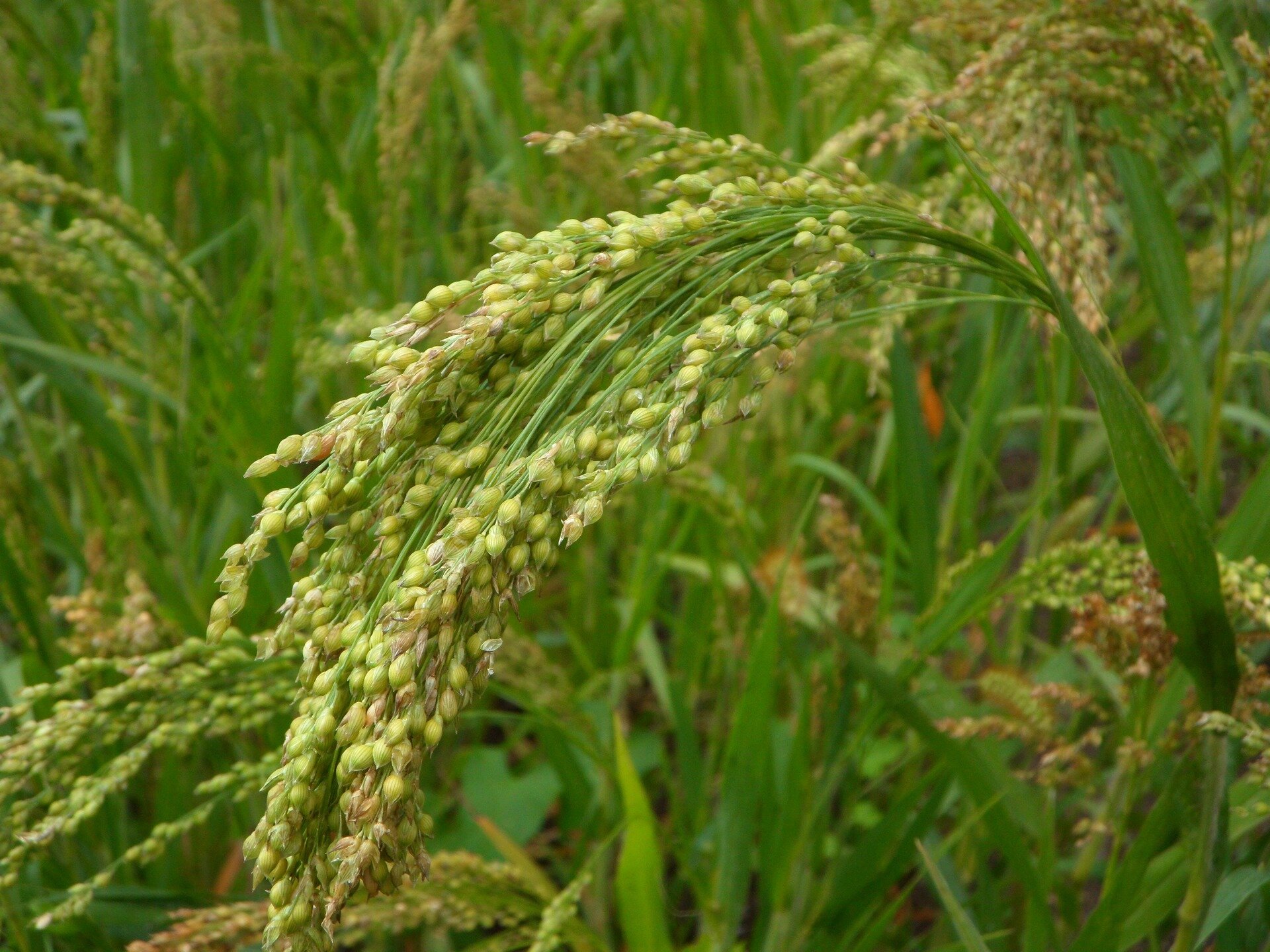
The climatic conditions of areas where savannahsavannasavannah can be found (dry season and rainy season) force the existence of specific vegetation. The largest sufraces are covered by grasses that are well adapted to survive the dry season. Their blades grow near the base, rather than on the tip. This way grass that is picked by animals from above can keep growing. Some species of grass on the savannah (e.g. elephant grass) reach impressive heights of even up to 5 metres.
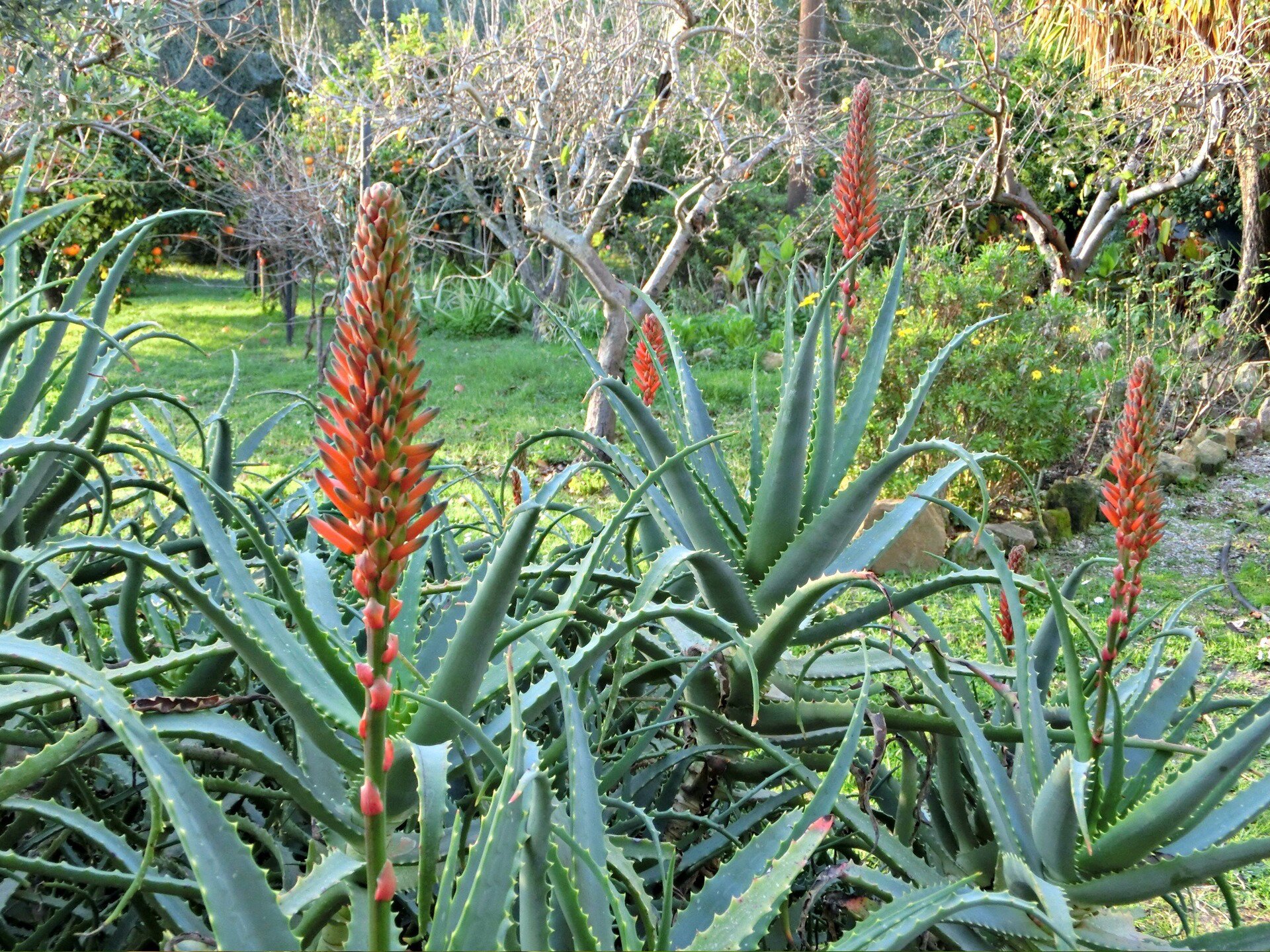
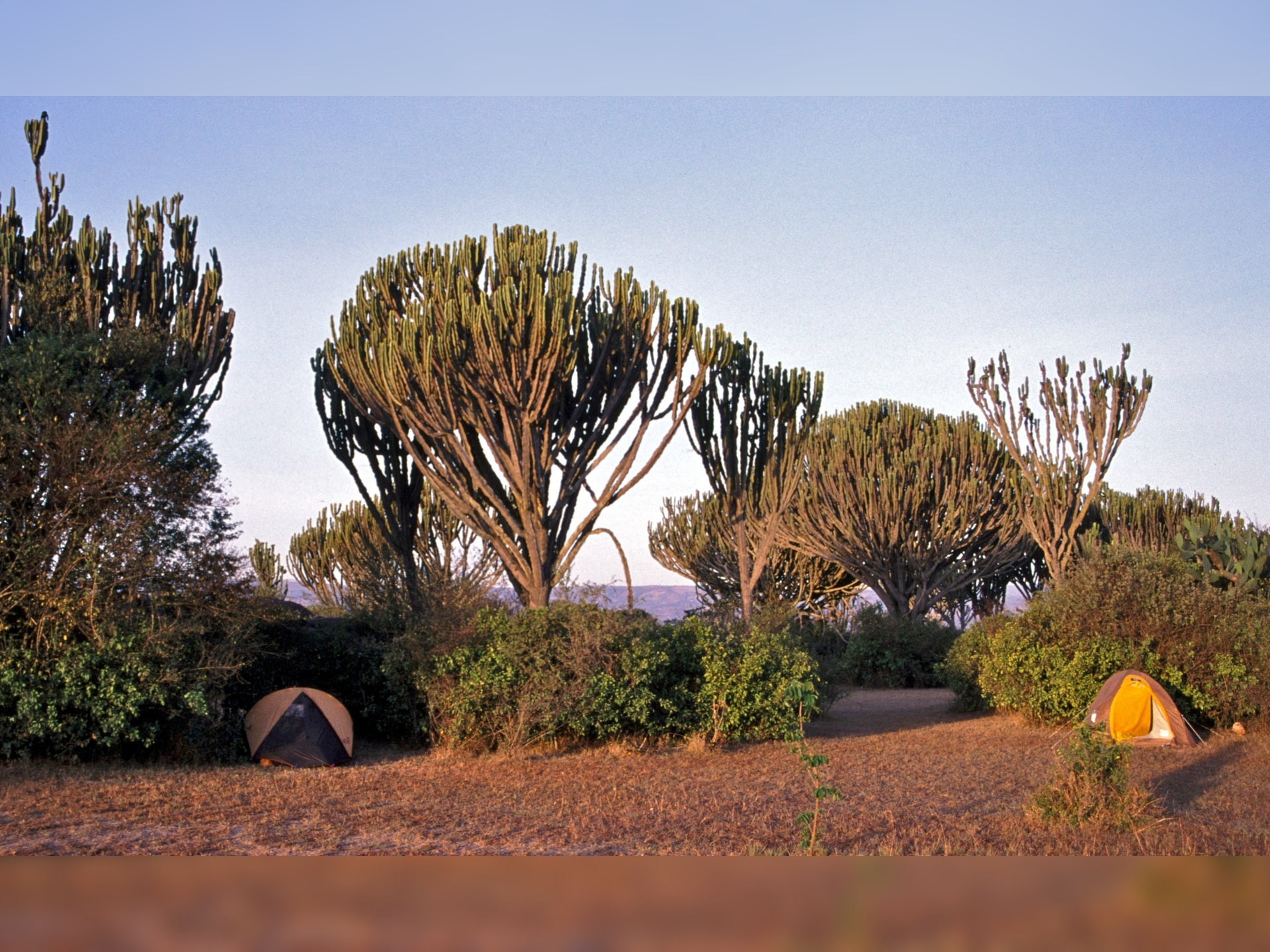
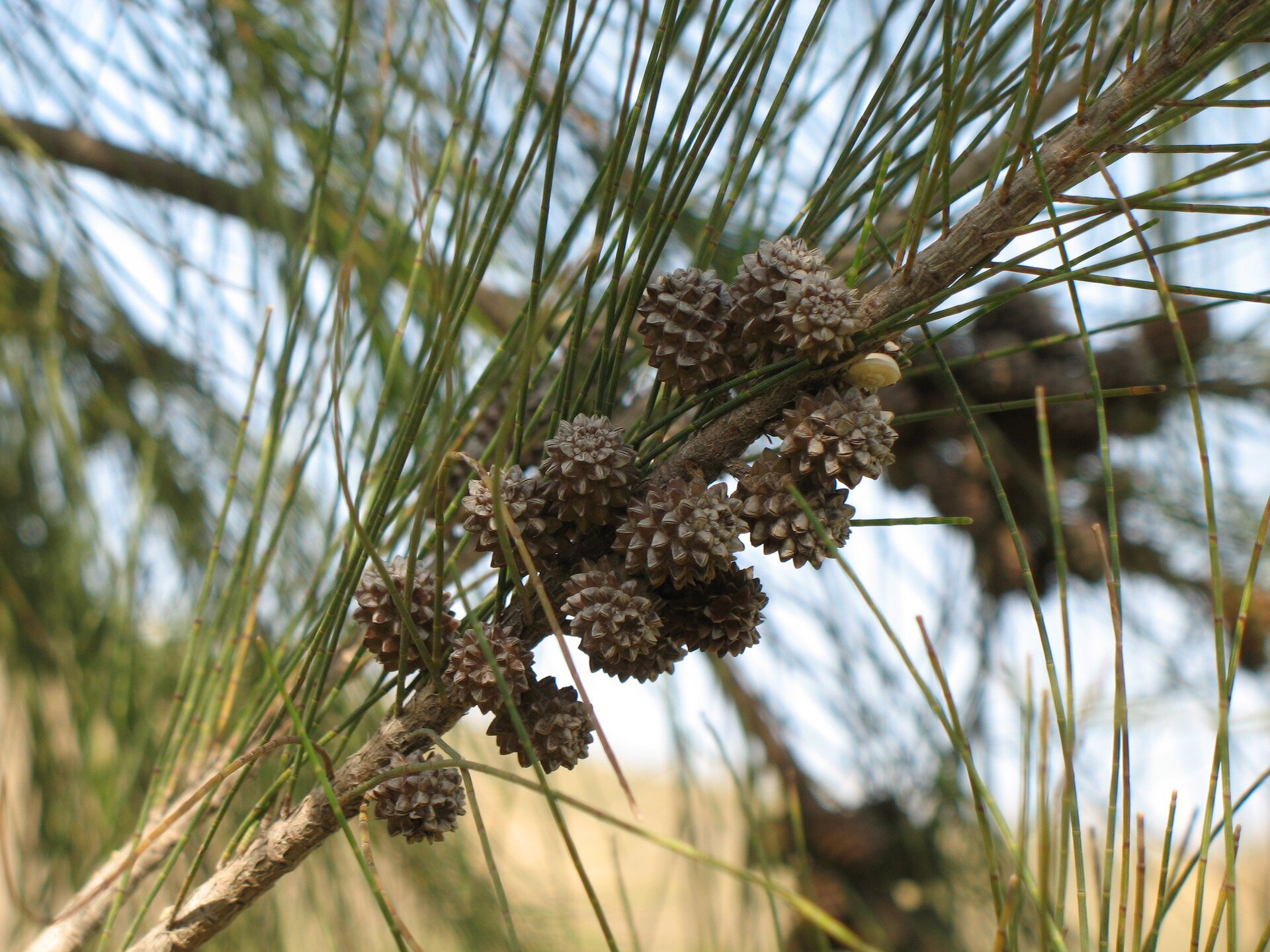
Shrubs growing on the savannah ofter store water in stem or leaf tissues. Many of them, like aloe or euphorbia, have developed thorns for protection against herbivores. Another way in which they protect themselves against the loss of precious water is the transformation of leaves into dry and hard creations that resemble long pine needles. An example of such shrub (and sometimes tree) is the Australian sheoak.
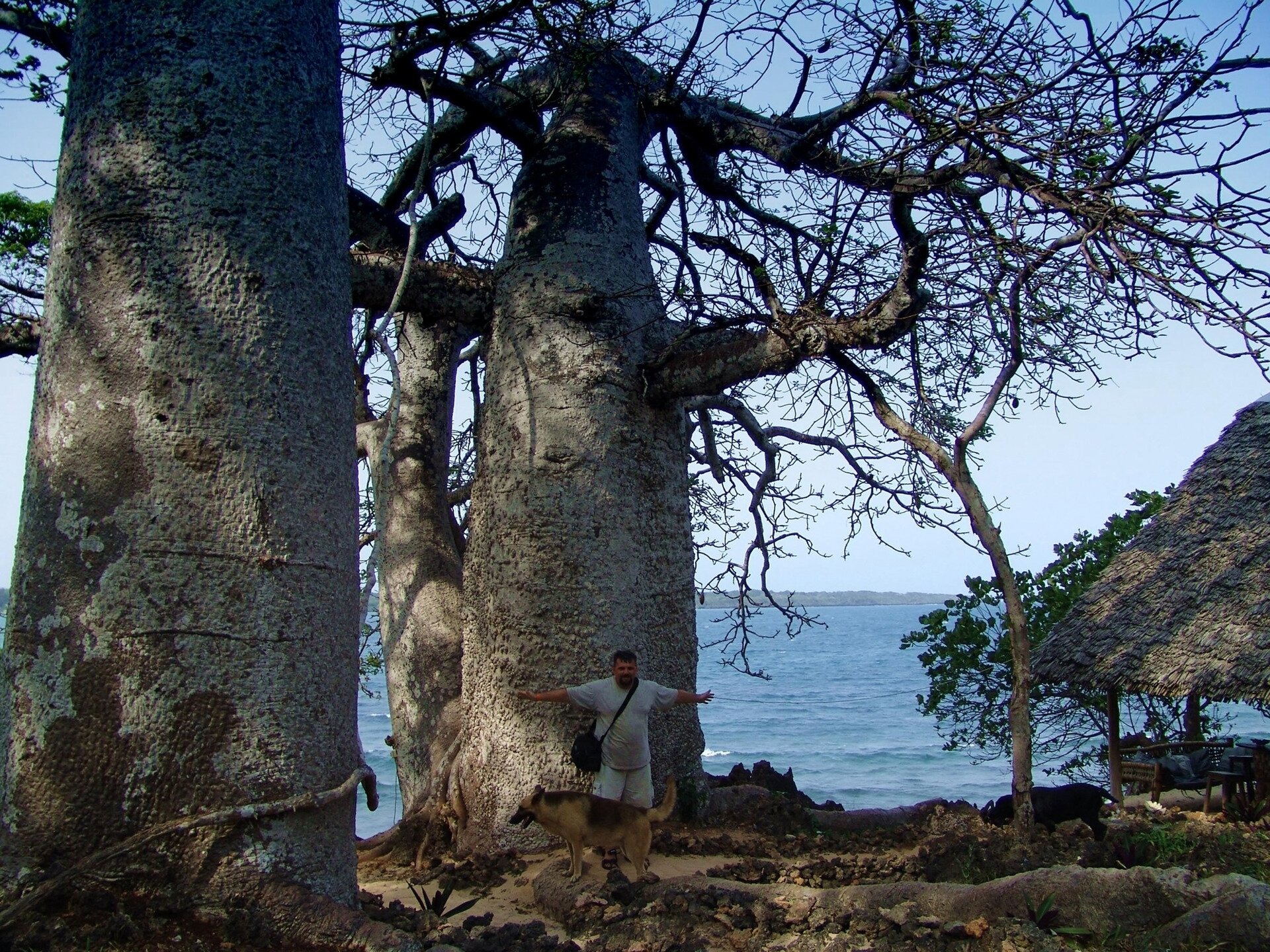
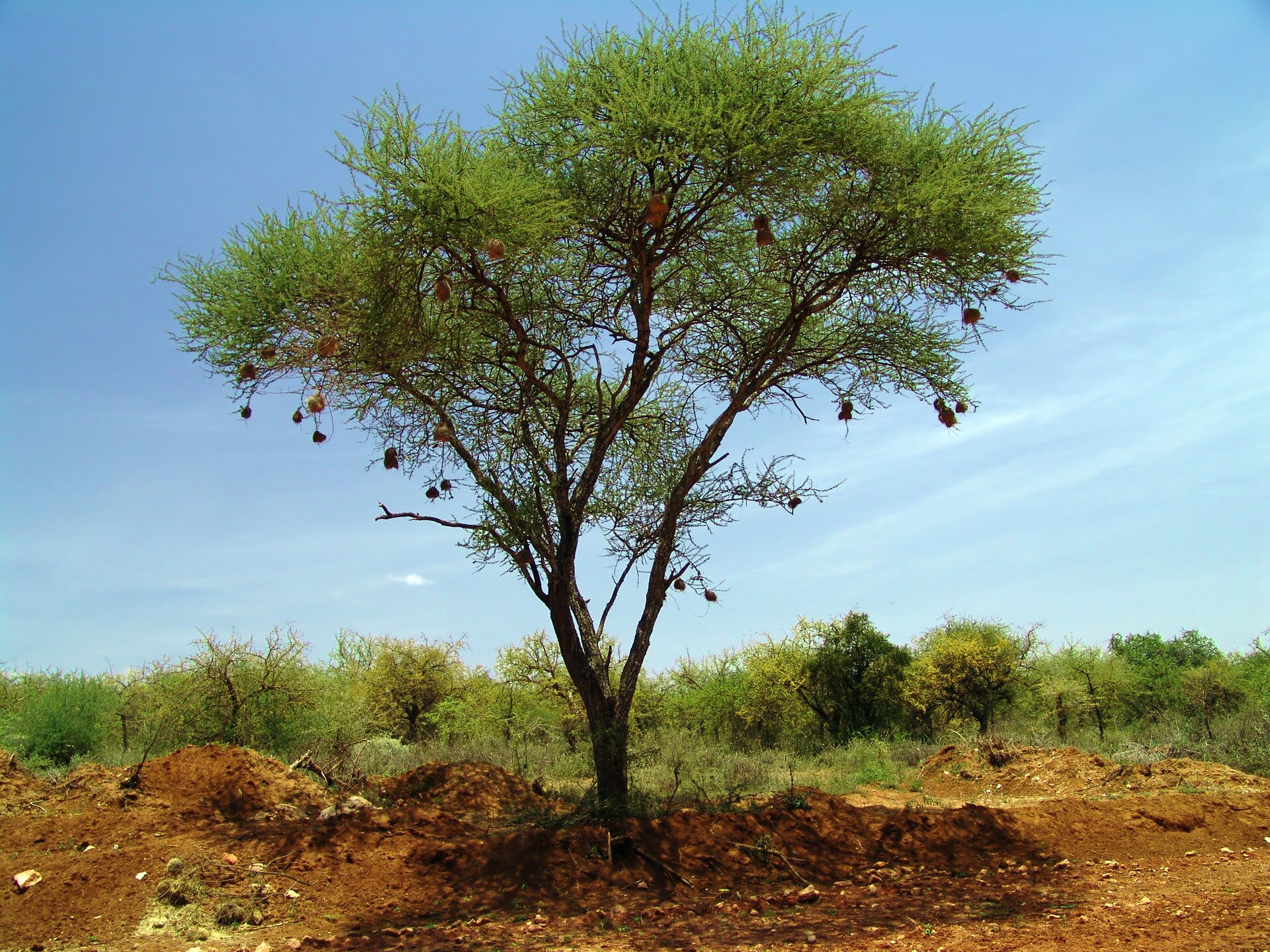
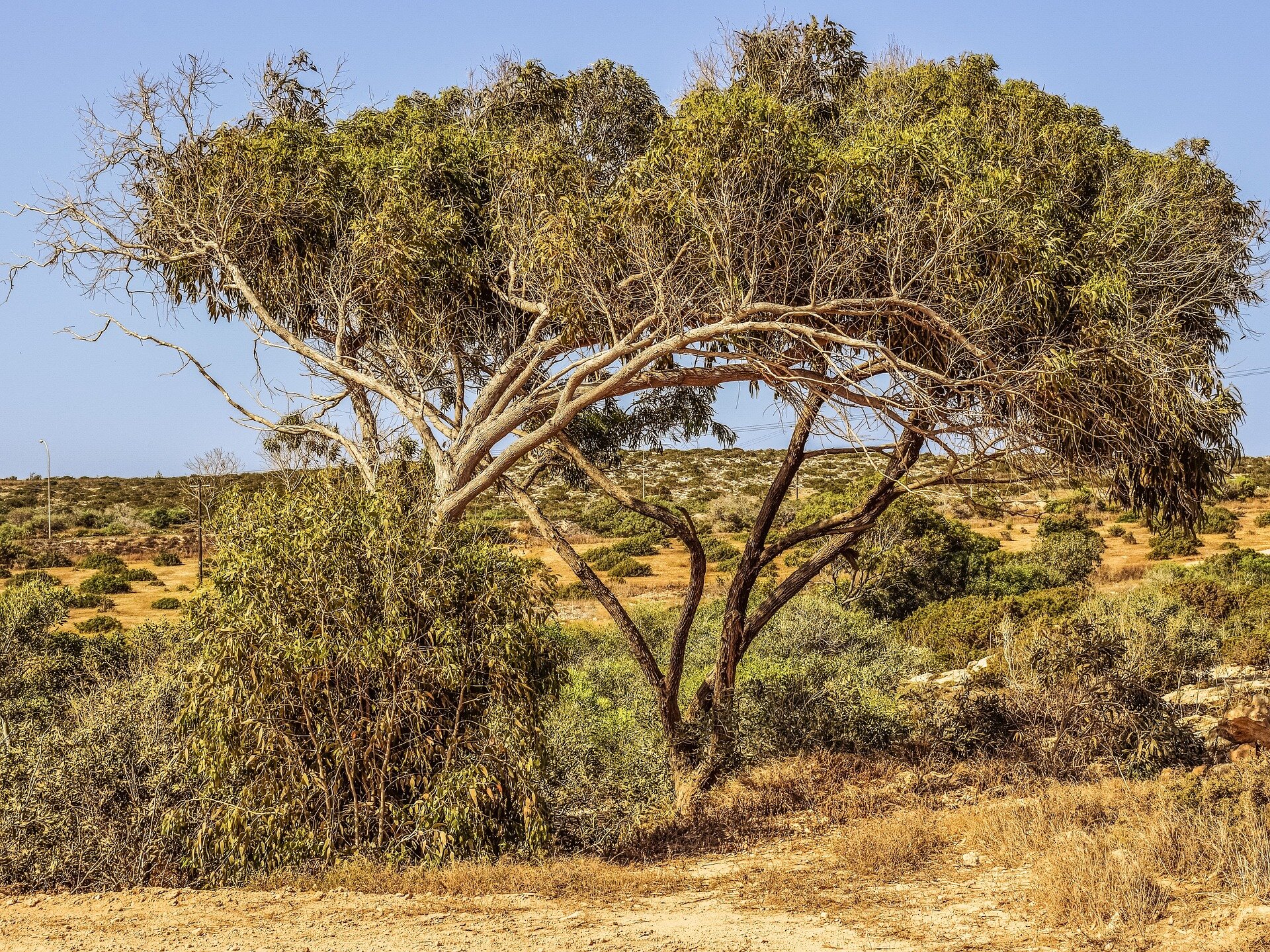
These trees are sparse on the savannah, as the herds of herbivores trample their seedlings or eat them before they can grow. However, if they do manage to grow, they often reach enormous sizes. Due to the size of their roots, which extend several metres deep and many metres wide, they have the highest potential to draw water from deeper layers. Eventually, however, even these trees run out of water during the dry season. During the rainy season, certain trees on the savannah store water in their trunks, e.g. baobabs. Other, like eucalyptus, produce draught‑resistant leathery leaves that position themselves with the edge towards the sun or have small leaves and long thorns, like acacias. Sometimes, when the draught persists for a long time, trees shed their leave to reduce evaporation.
RvLqa9CYkUG3Y
Fotografia przedstawia zbliżenie wiechy prosa. Na wiotkich szypułkach wiszą kłosy złożone z żółtych, grubych, okrągłych ziaren.
Millet
Source: Efraimstochter, http://pixabay.com, licencja: CC 0.
RXlpoNNJOHX1m
Fotografia przedstawia kwitnący aloes. Z kępy grubych liści o kolczastych brzegach wyrasta łodyga, która na końcu ma kolbowaty kwiatostan. W górnej części kwiatostanu kwiaty są nierozwinięte, zielone, a w dolnej części czerwone, rozwinięte.
Aloe
Source: 75Eisbaer, http://pixabay.com, licencja: CC 0.
R6vI7d0iMaVMS
Fotografia prezentuje wilczomlecz kandelabrowy, osadzony na wysokiej łodydze rozgałęziający się sukulent, przypominający wyglądem drzewo. Pod drzewami rozstawione dwa namioty. Na pierwszym planie woda.
Euphorbia
Source: Bernard DUPONT, www.flickr.com, licencja: CC BY-SA 2.0.
RbZkKeAdcraLt
Fotografia przedstawia kazuarynę. Ta roślina ma cienkie, wałeczkowate liście, rzadko porastające gałązki. Między nimi znajdują się żółte kolbowate kwiatostany i brązowe szyszki z białymi plamkami.
Casuarina
Source: tree-species, www.flickr.com, licencja: CC BY 2.0.
Rd0vRGfBVSqbP
Fotografia przedstawia dwa wielkie baobaby na urwisku nad morzem. Mają butelkowate, pokryte szarą korą pnie i krótkie gałęzie. Jedno z drzew ma podwójny pień. Przy prawym pniu stoi człowiek z rozłożonymi rękami.
Baobab
Source: Andrzej Boczarowski (opublikowano dzięki uprzejmości Parku Nauki i Ewolucji Człowieka w Krasiejowie), licencja: CC BY-NC 4.0.
R1JzRA1Aij6X7
Fotografia przedstawia pojedyncze drzewo akacji. Rośnie na brązowej ziemi, za nim szereg innych drzew. Ma koronę w kształcie odwróconego trójkąta i jasnozielone liście. Z gałęzi akacji zwisają liczne woreczkowate gniazda wikłaczy.
Acacion
Source: Andrzej Boczarowski (opublikowano dzięki uprzejmości Parku Nauki i Ewolucji Człowieka w Krasiejowie), licencja: CC BY-NC 4.0.
Rmglg3eaC1uWd
Fotografia przedstawia pojedyncze drzewo eukaliptusa. Ma jasnoszary pień i wzniesione gałęzie. Na ich końcach rosną kępy ciemnozielonych liści. Wokół niskie zarośla z jasnozielonymi liśćmi i niewielkie kępy trawy.
Eucalyptus
Source: dimitrisvetsikas1969, http://pixabay.com, licencja: CC 0.
Animal life on the savannah
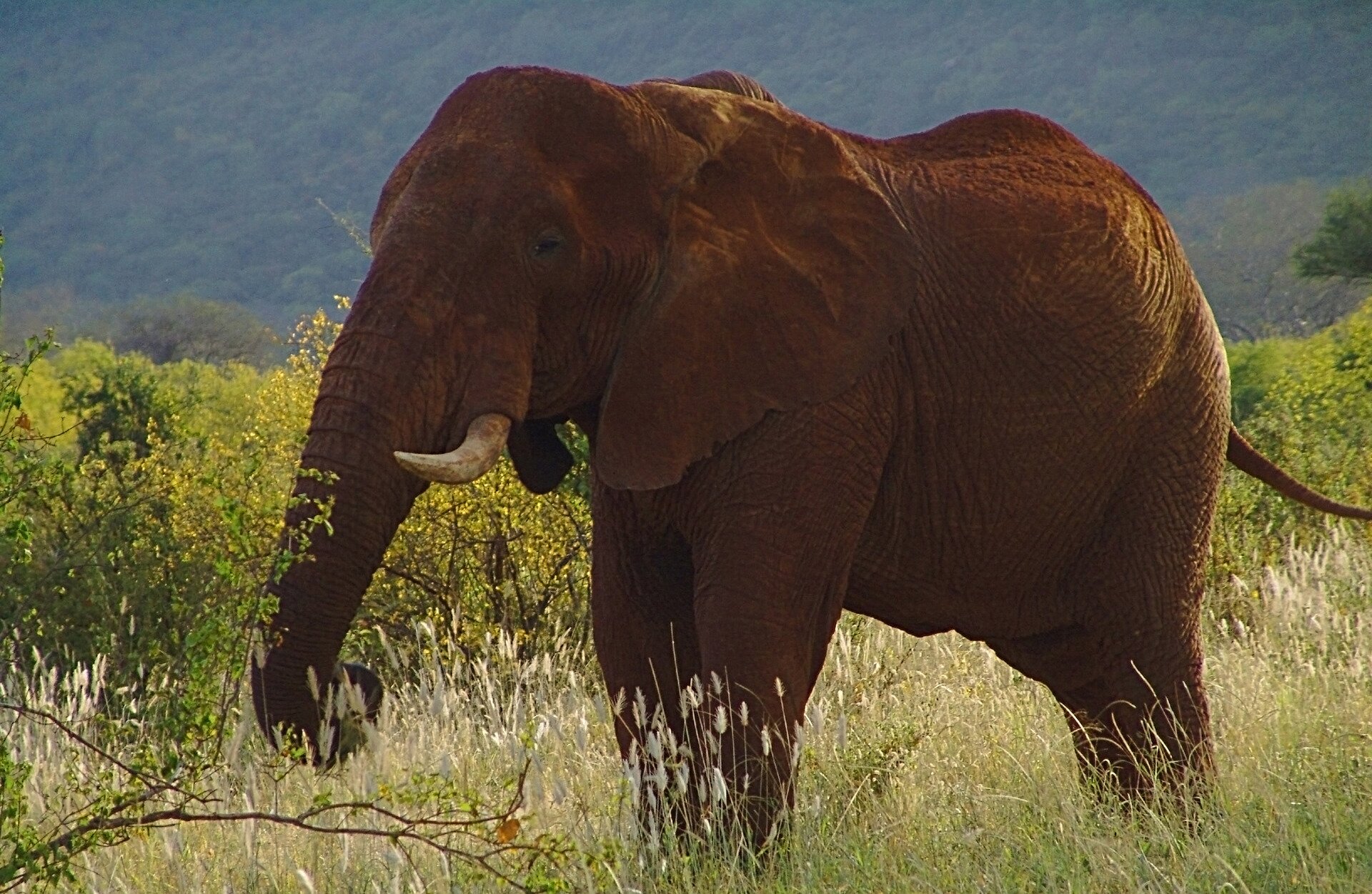
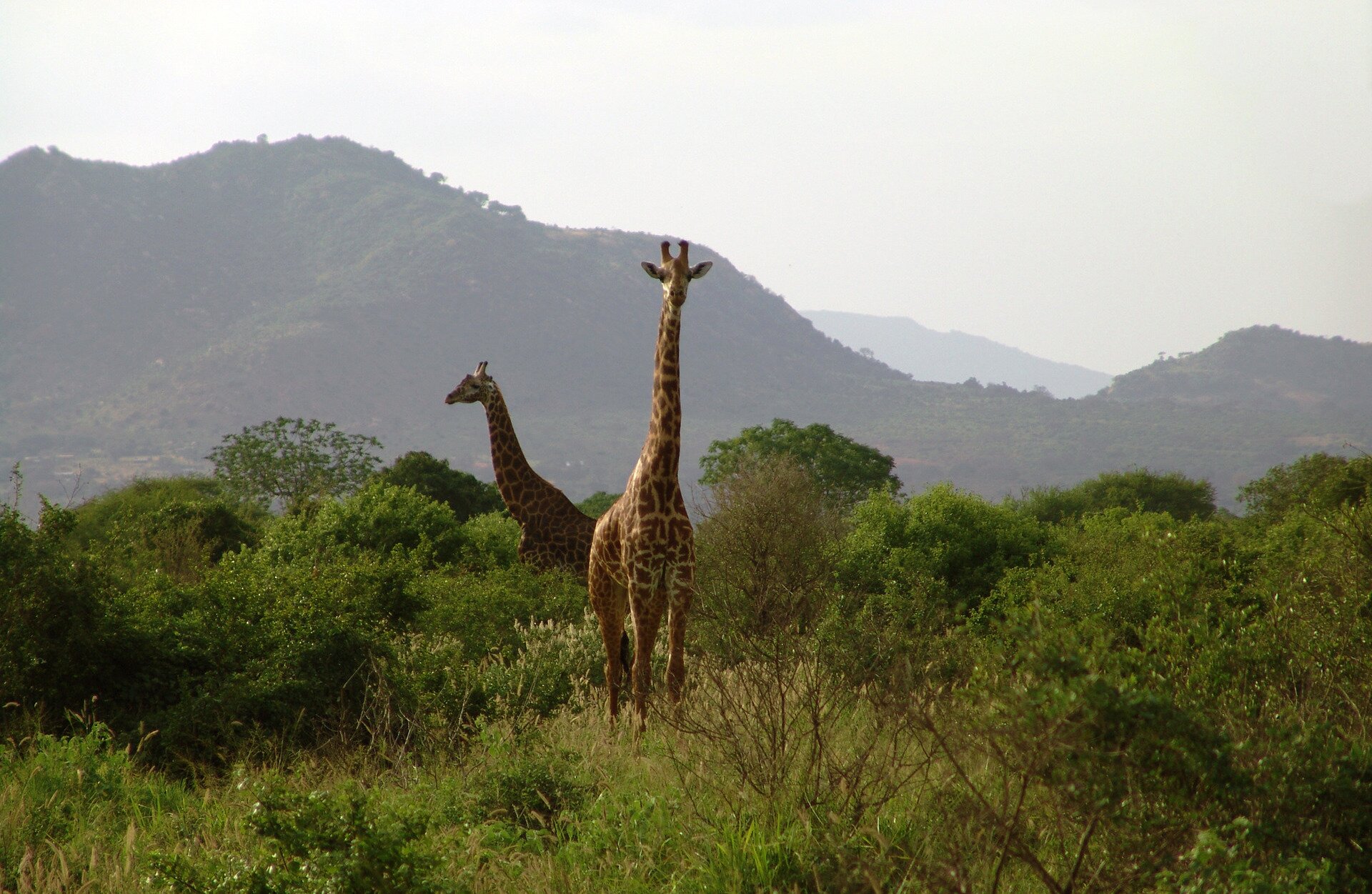
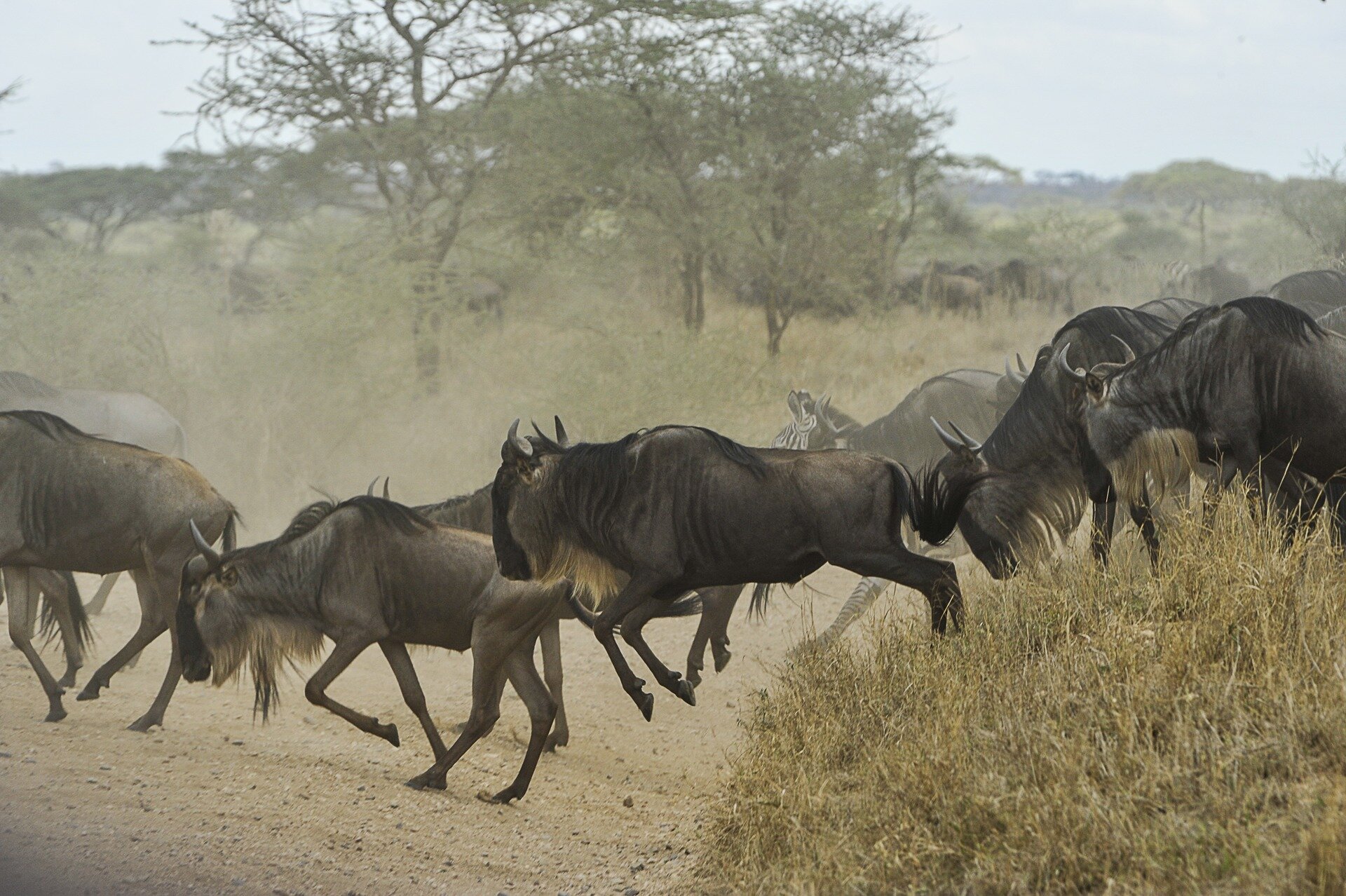
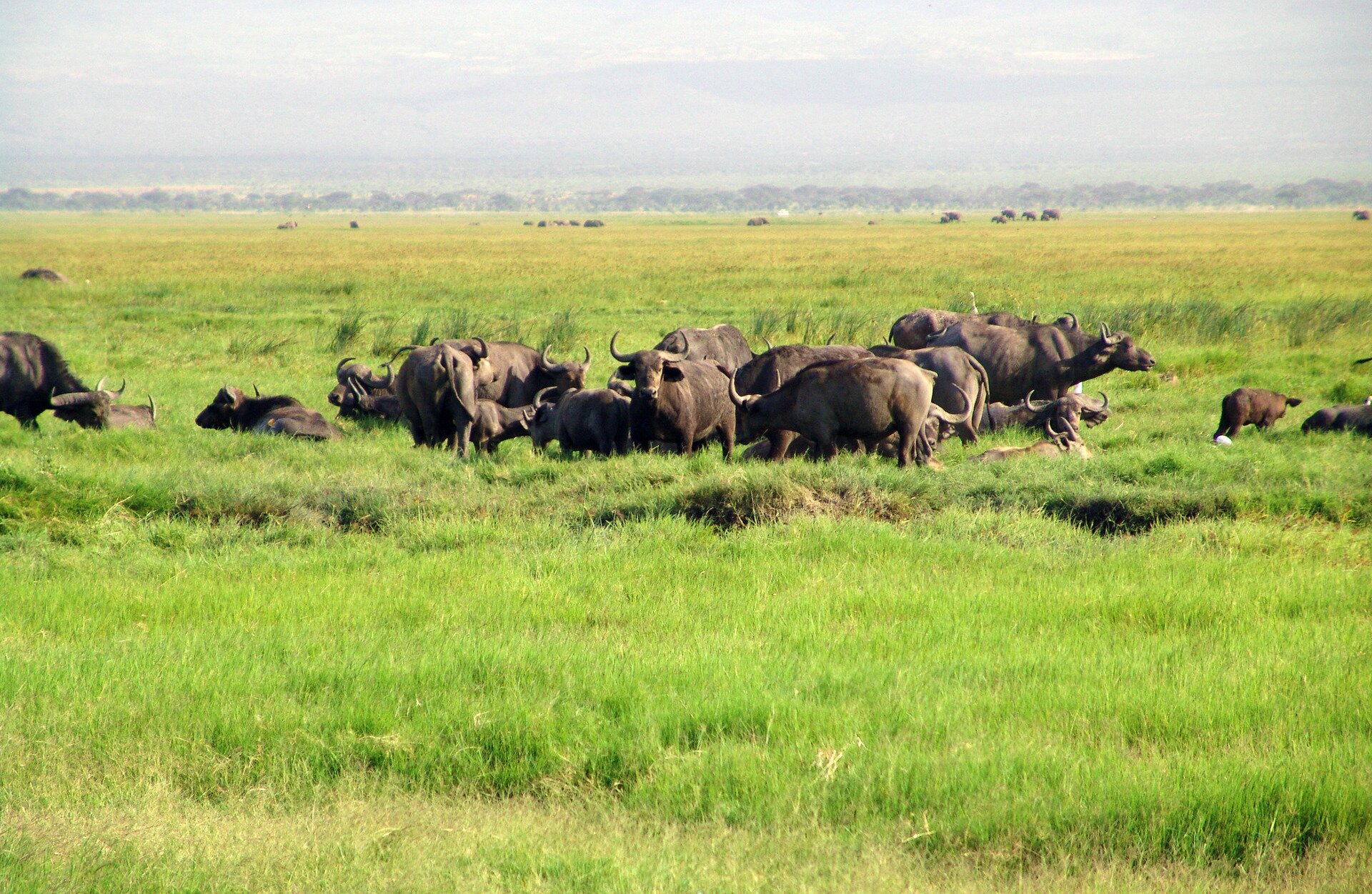
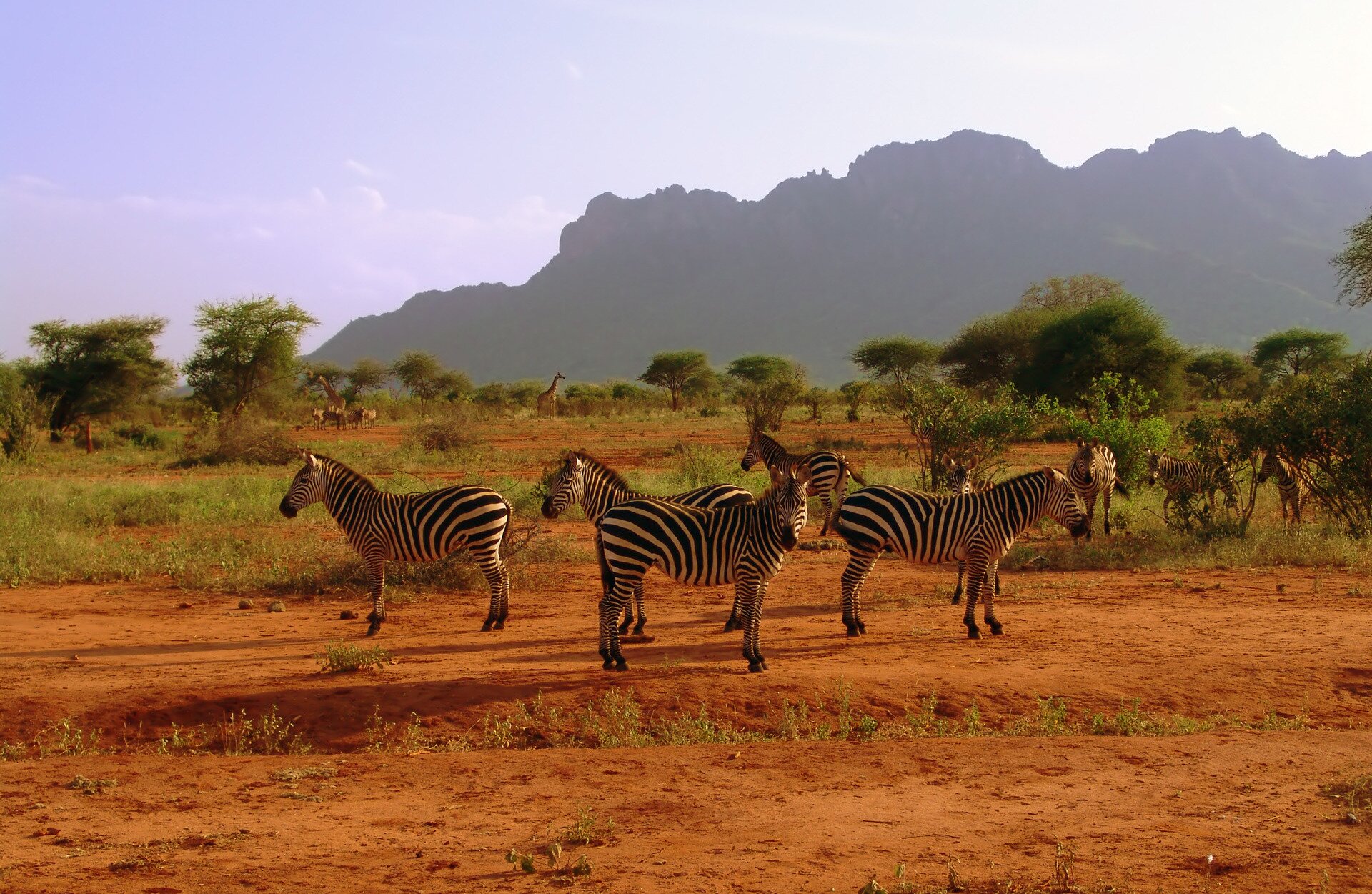
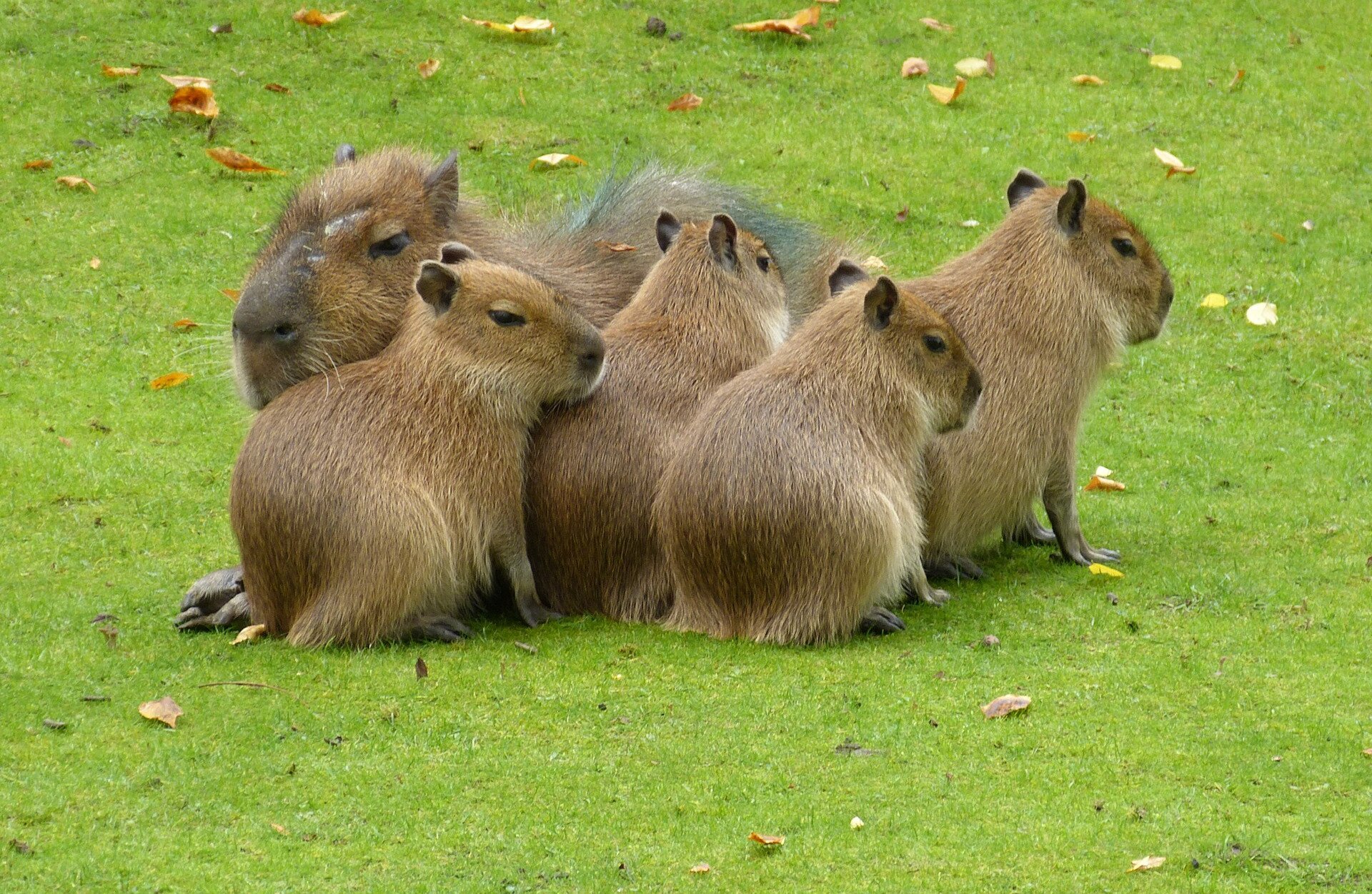
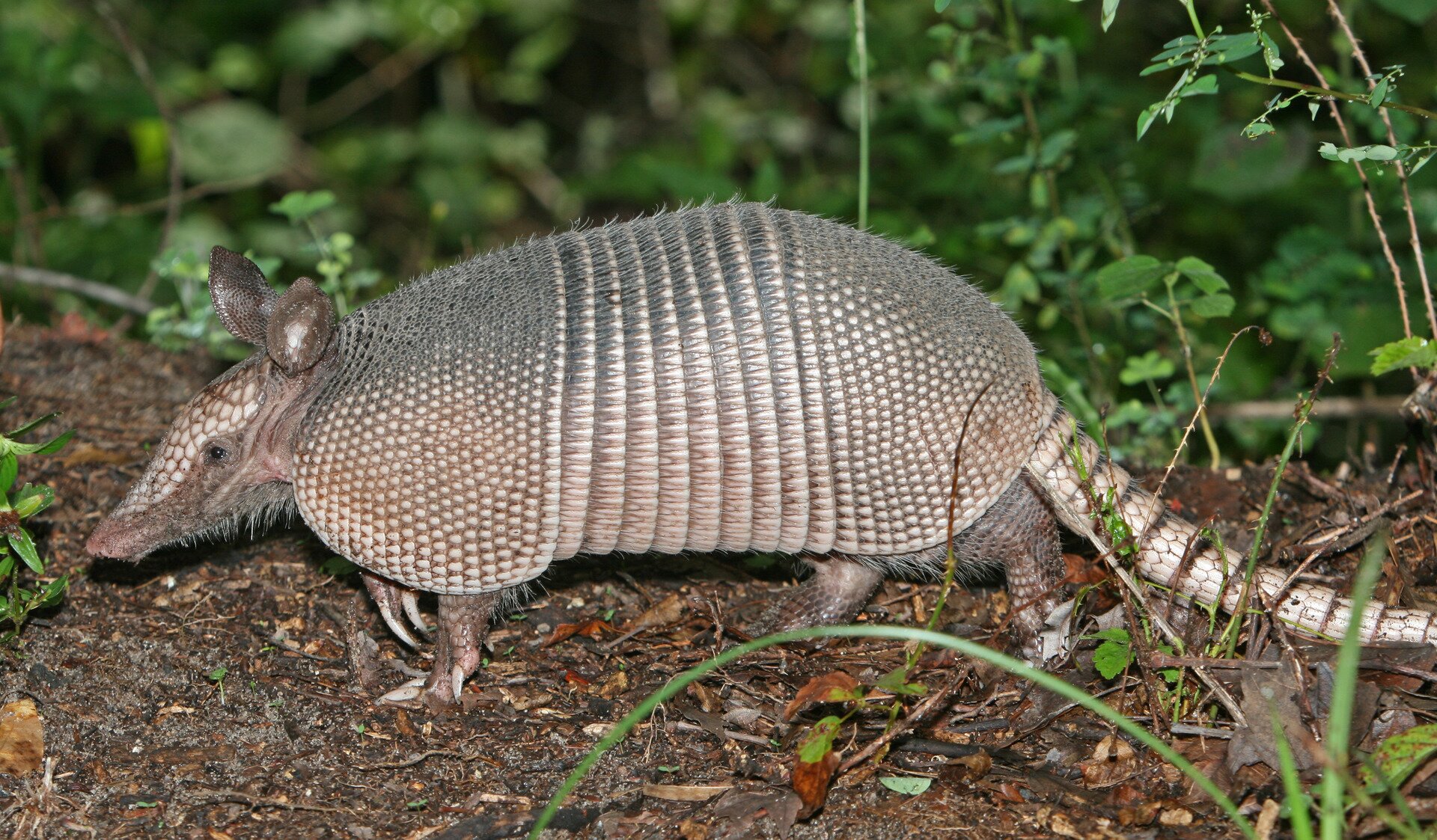
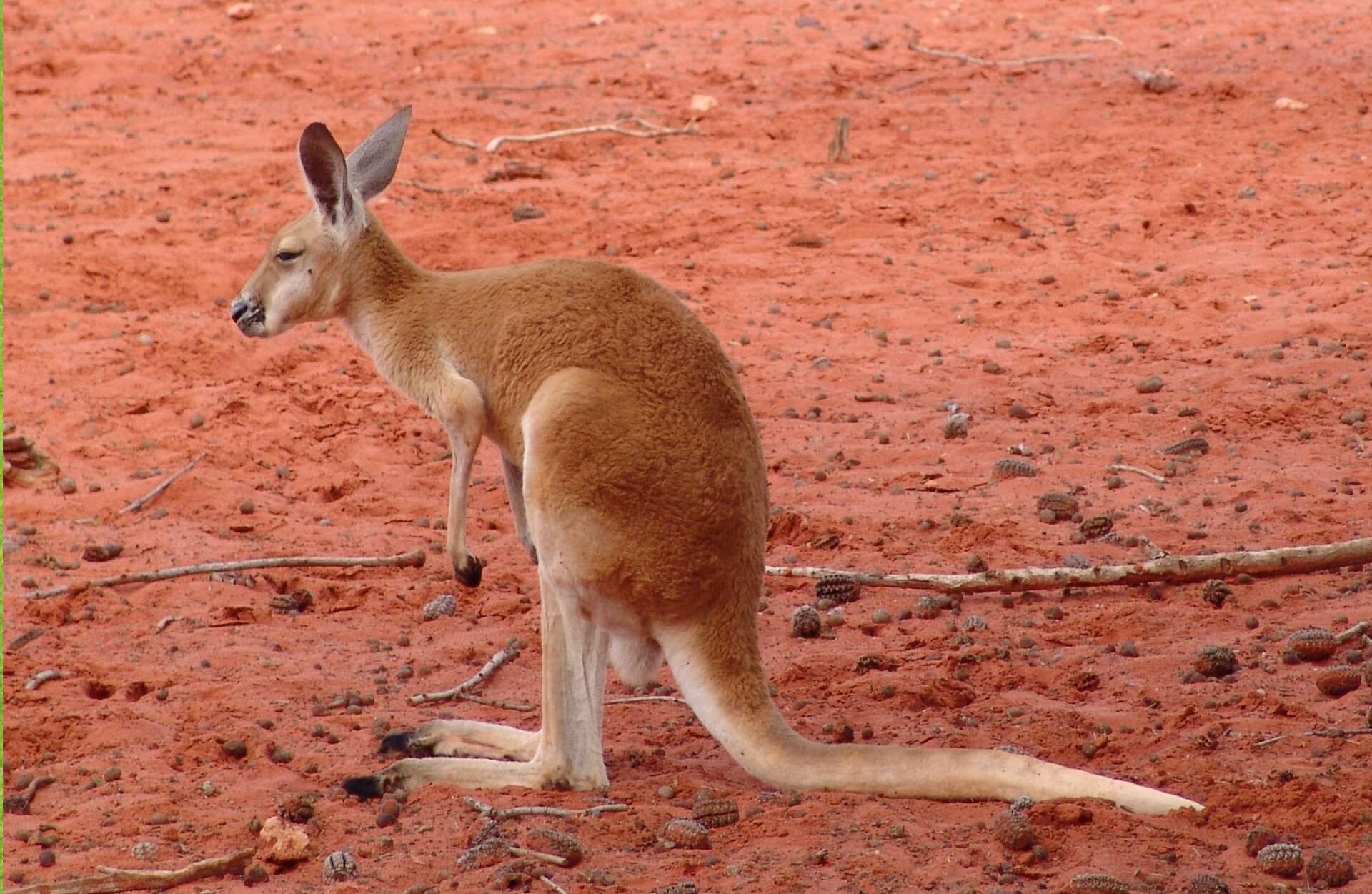
Grasses that grow rapidly during the rainy season are an enormous food source for animals. That’s why there are large herbivorous mammals on the African savannahs, such as: elephants, rhinoceri, giraffes and buffaloes. Zebras and other species of antelope travel across the savannah in large herds. On the South American savannahs, there are no large herds and no large herbivores. Among ungulates, particular attention is drawn by the pampas deer. In this biome, the vicinity of rivers is populated by the largest critters in the world – capybaras. Other interesting mentions that cannot be found on other continents include anteaters and armadillos. In Australia, the largest animals that inhabit the savannah are kangaroos. In recent years, more and more wild camels brought there by humans are sighted.
R1Jp8GorBX6WV
Fotografia przedstawia w zbliżeniu słonia, stojącego bokiem z głową skierowaną w lewo. Ma krótkie, grube kły. Trąbą zagarnia leżącą wśród traw gałąź z liśćmi. Ma małe oczy, a wielkie uszy przylegają do tułowia. Jego skóra jest czerwonobrunatna od pokrywającej go glinki. Za nim niskie zarośla i stoki gór w tle.
African bush elephant
Source: Andrzej Boczarowski (opublikowano dzięki uprzejmości Parku Nauki i Ewolucji Człowieka w Krasiejowie), licencja: CC BY-NC 4.0.
Rge3NCuSwNYai
Fotografia przedstawia dwie żyrafy. Jedna stoi przodem, druga bokiem w lewo. Ich ciało na wysokich nogach wznosi się ponad zaroślami . Na bardzo długiej szyi znajduje się mała głowa z wielkimi oczami, uszami na boki i krótkimi, sterczącymi do góry rożkami. W tle góry.
Giraffe
Source: Andrzej Boczarowski (opublikowano dzięki uprzejmości Parku Nauki i Ewolucji Człowieka w Krasiejowie), licencja: CC BY-NC 4.0.
RabM8p9CGg4Og
Fotografia prezentuje stado biegnących antylop gnu. Ciało antylopy pokryte jest szarą sierścią, na podłużnej głowie krótkie rogi. Na szyi czarna krótka grzywa, sięgającą łopatek.
Wildebeest
Source: skeeze, http://pixabay.com, licencja: CC 0.
R1YShdVt0ArCI
Fotografia przedstawia nieduże stado bawołów, pasących się na trawiastej, zielonej równinie. Zwierzęta mają masywną sylwetkę. Część ciemnobrązowych zwierząt stoi, kilka leży. Między dorosłymi znajduje się kilka młodych. Bawoły mają duże, poziomo ułożone uszy, a samce duże rogi wygięte na boki i ku górze.
Buffalo
Source: Andrzej Boczarowski (opublikowano dzięki uprzejmości Parku Nauki i Ewolucji Człowieka w Krasiejowie), licencja: CC BY-NC 4.0.
R14QUxrfVBspe
Fotografia przedstawia stado zebr. Zwierzęta mają sylwetkę podobną do konia. Zebry mają pionowe pasy białe i czarne naprzemiennie. Grzywa, koniec pyska oraz kopyta są czarne. Stoją na czerwonej ziemi, a za nimi rośnie trawa i zarośla. W tle widać góry.
Zebra
Source: Andrzej Boczarowski (opublikowano dzięki uprzejmości Parku Nauki i Ewolucji Człowieka w Krasiejowie), licencja: CC BY-NC 4.0.
R13UjANsUGVj7
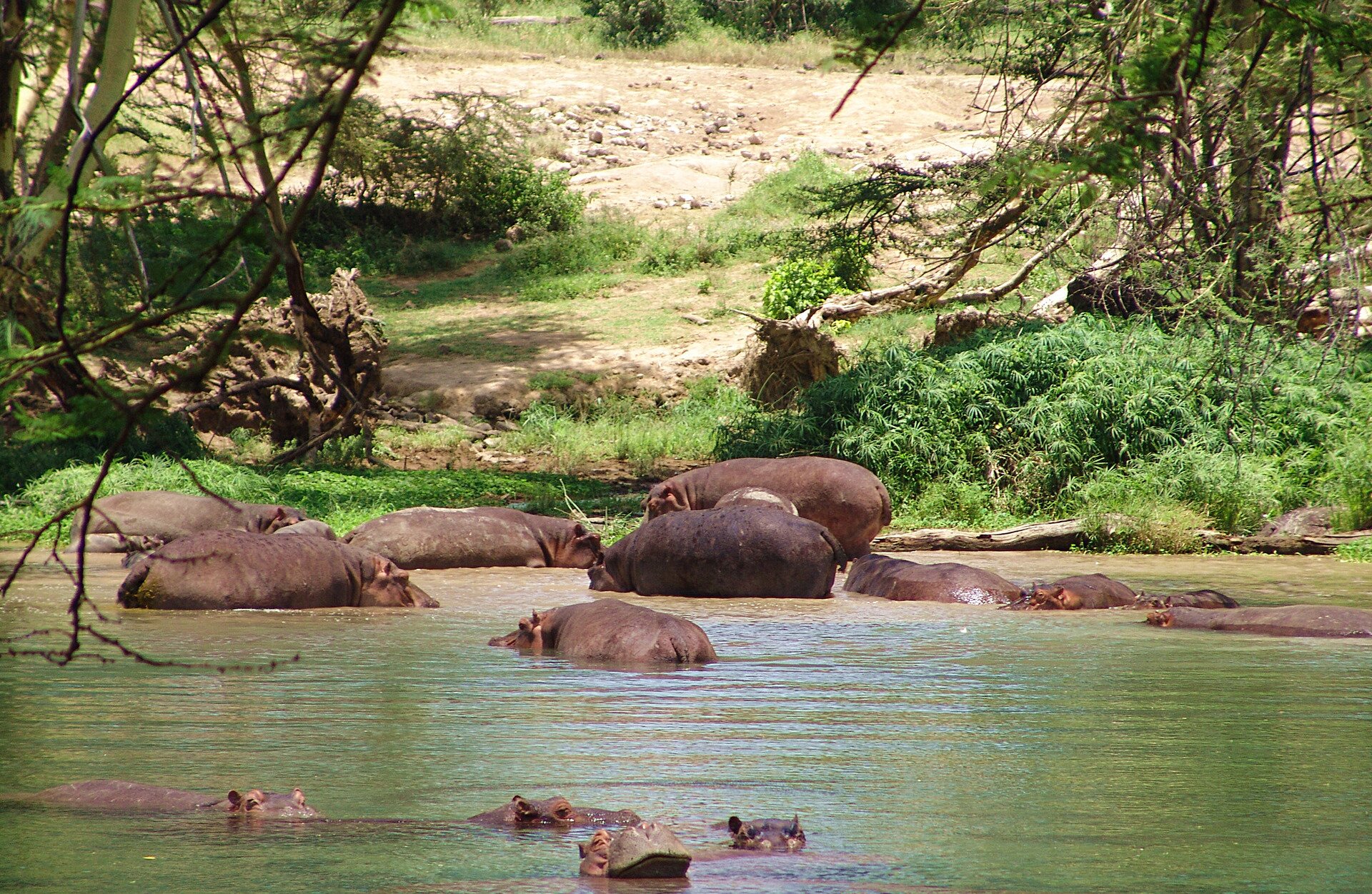
Fotografia przedstawia stadko hipopotamów w rzece. Część zwierząt leży zanurzona w wodzie, trzymając ponad powierzchnią oczy, nozdrza i uszy. Te bliżej brzegu są wynurzone do połowy. Mają podłużne, klocowate ciała na krótkich nogach. Na brzegu znajduje się wydeptana przez nie ścieżka między gęstymi roślinami i kilkoma drzewami ze zwisającymi gałęziami. Wyżej piaszczysta łacha.
Hippopotamus
Source: Andrzej Boczarowski (opublikowano dzięki uprzejmości Parku Nauki i Ewolucji Człowieka w Krasiejowie), licencja: CC BY-NC 4.0.
R1LI5Bl8II81b
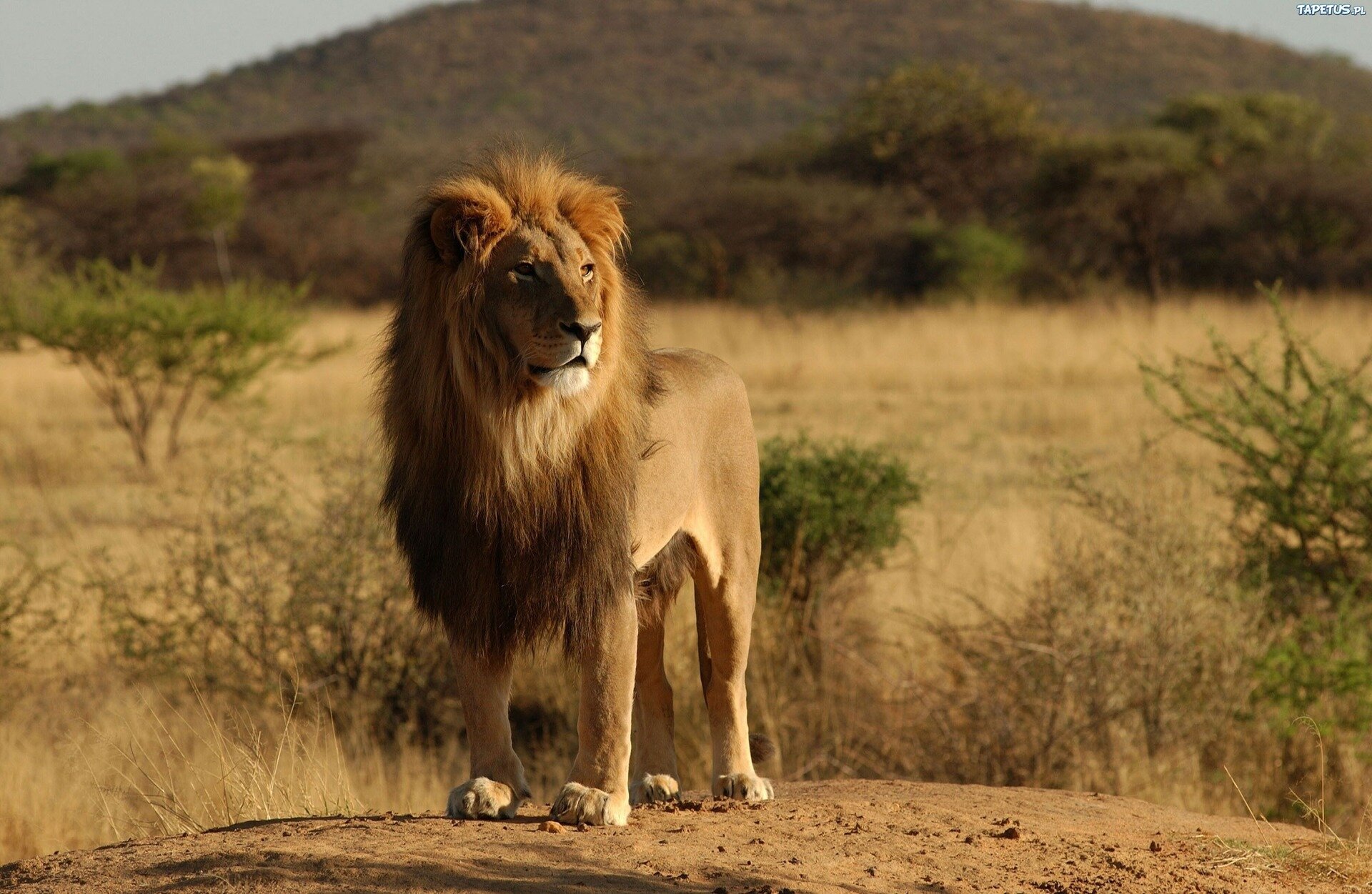
Fotografia przedstawia samca lwa z przodu. Stoi na szczycie wzniesienia na mocnych łapach. Ma żółtą sierść i potężną, gęstą grzywę, w której ukryte są uszy. Rozgląda się uważnie. W tle sawanna z kilkoma akacjami i zbocze góry.
Lion
Source: Andrzej Boczarowski (opublikowano dzięki uprzejmości Parku Nauki i Ewolucji Człowieka w Krasiejowie), licencja: CC BY-NC 4.0.
RQtRgyMvY9SIC
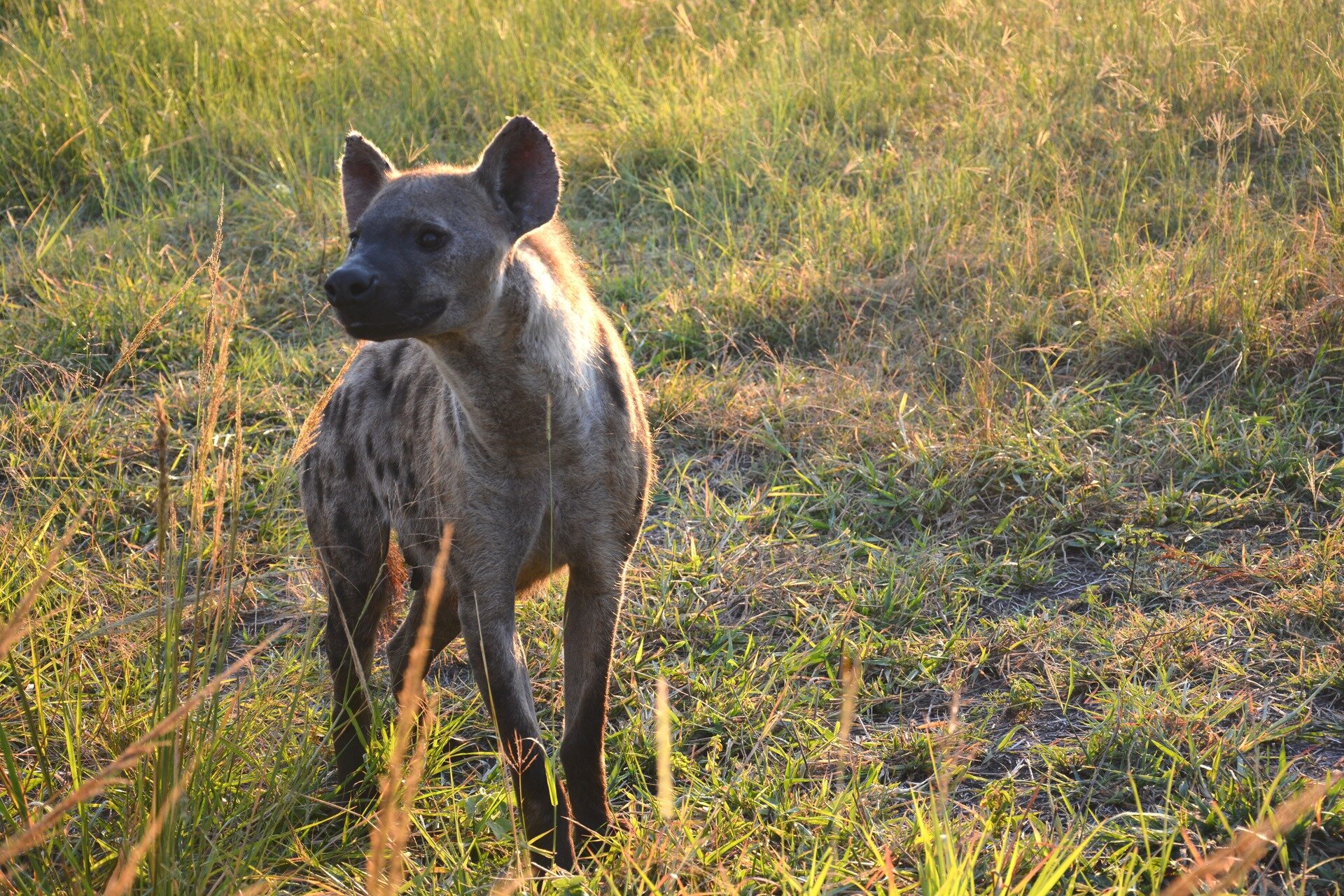
Fotografia przedstawia cętkowaną hienę, która stoi wśród traw. Hiena przypomina psa z dłuższą sierścią. Na sierści ciemnobrązowe cętki. Pysk krótki, bardzo masywny. Uszy zaokrąglone. Hiena patrzy w lewo.
Hyena
Source: Patrizia08, http://pixabay.com, licencja: CC 0.
RDn24Taj443ju
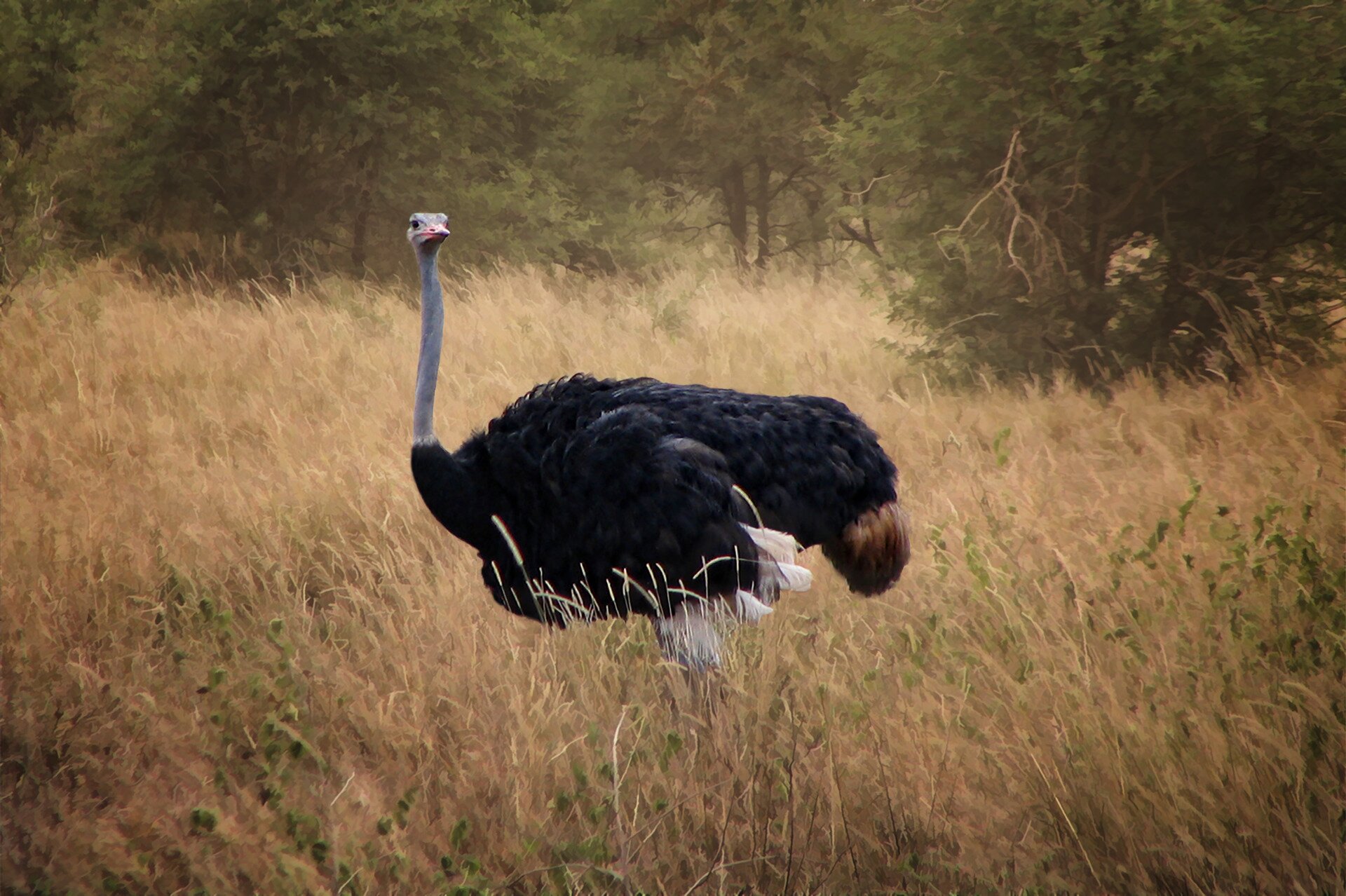
Fotografia przedstawia strusia afrykańskiego na tle zarośli sawanny. Duży ptak idzie w lewo na długich, nieopierzonych nogach. Tułów ze skrzydłami i początek szyi okryte czarnymi piórami. Jedynie przy kuprze i pod skrzydłami pióra są różowe. Długa szara szyja i mała głowa okryte puchem, dziób krótki.
Ostrich
Source: Steve Slater, www.flickr.com, licencja: CC BY 2.0.
R9oyLvYzBKoi1
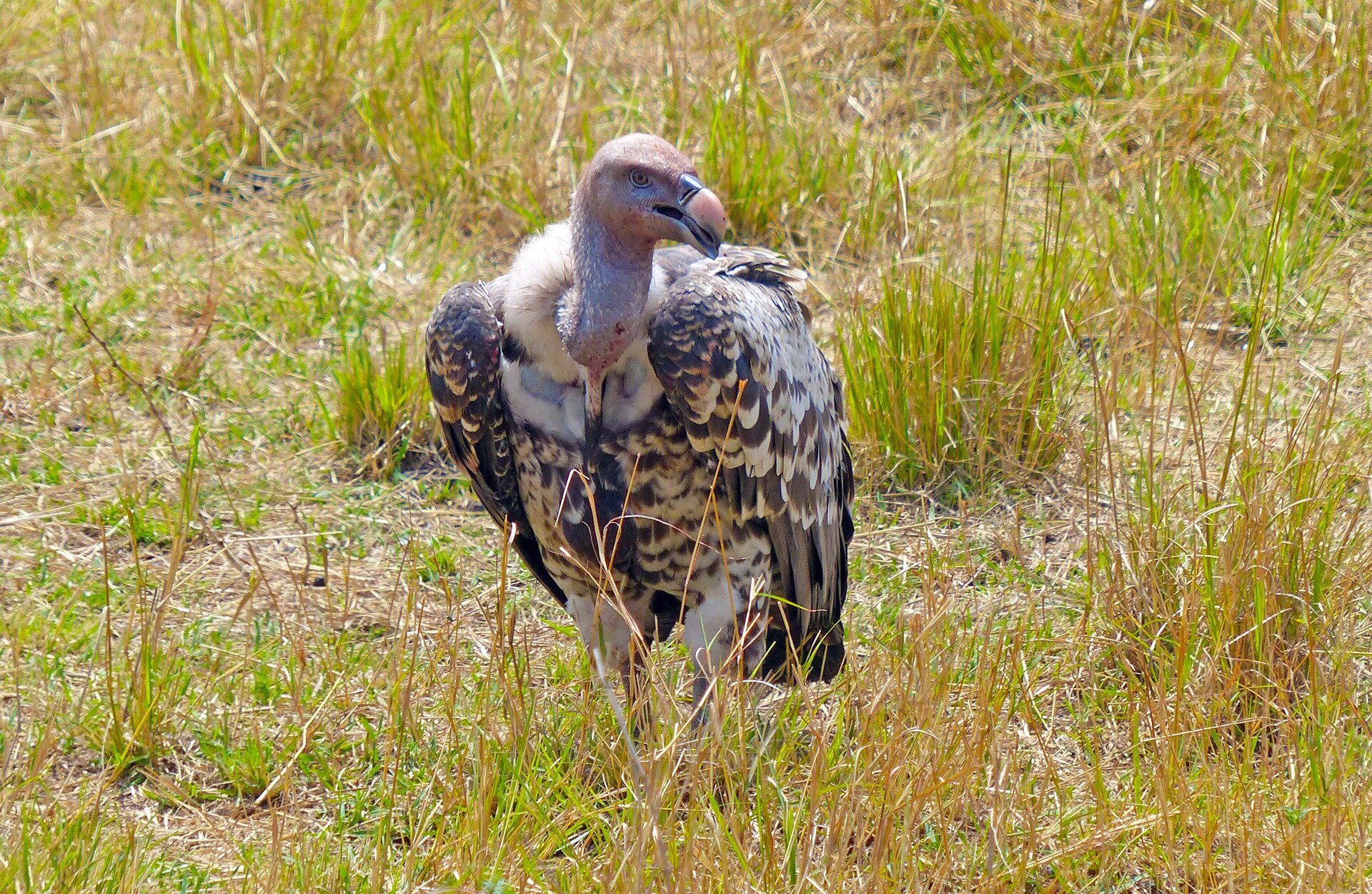
Fotografia przedstawia sępa siedzącego na trawie. Sęp ma dużą głowę zwróconą w prawo, z mocnym, czarnym dziobem. Głowa i szyja są pozbawione piór. Ptak siedzi na ziemi. Pióra są ciemnobrązowe w białymi końcówkami.
Vulture
Source: tacman10, http://pixabay.com, licencja: CC 0.
R1HVhquYfwHv5
Fotografia przedstawia stado kapibar. Zwierzęta są całe pokryte długą, brązową sierścią, na łapach ciemniejszą. Mają krótkie pyski i małe uszy.
Capybara
Source: Falco, http://pixabay.com, licencja: CC 0.
R1QIgvMFv3Vgv
Fotografia przedstawia pancernika. Ciało pokrywają czworokątne tarczki ułożone blisko siebie. Mają kolor szarobrązowy. Tarczki okrywają całe ciało z wyjątkiem brzucha. Oczy są małe, uszy duże i sterczące. Łapy krótkie, również pokryte tarczkami.
Armadillo
Source: http://www.birdphotos.com, http://commons.wikimedia.org, licencja: CC BY 3.0.
R1MffL76se5JT
Fotografia przedstawia kangura siedzącego na ziemi. Zwierzę pokryte jest jasnobrązową sierścią, jedynie na brzuchu i spodzie ogona jest biała. Ogon i tylne nogi są długie, przednie kończyny krótkie. Na głowie widoczne duże uszy.
Kangaroo
Source: steinchen, http://pixabay.com, licencja: CC 0.
R9b09oALupuEP
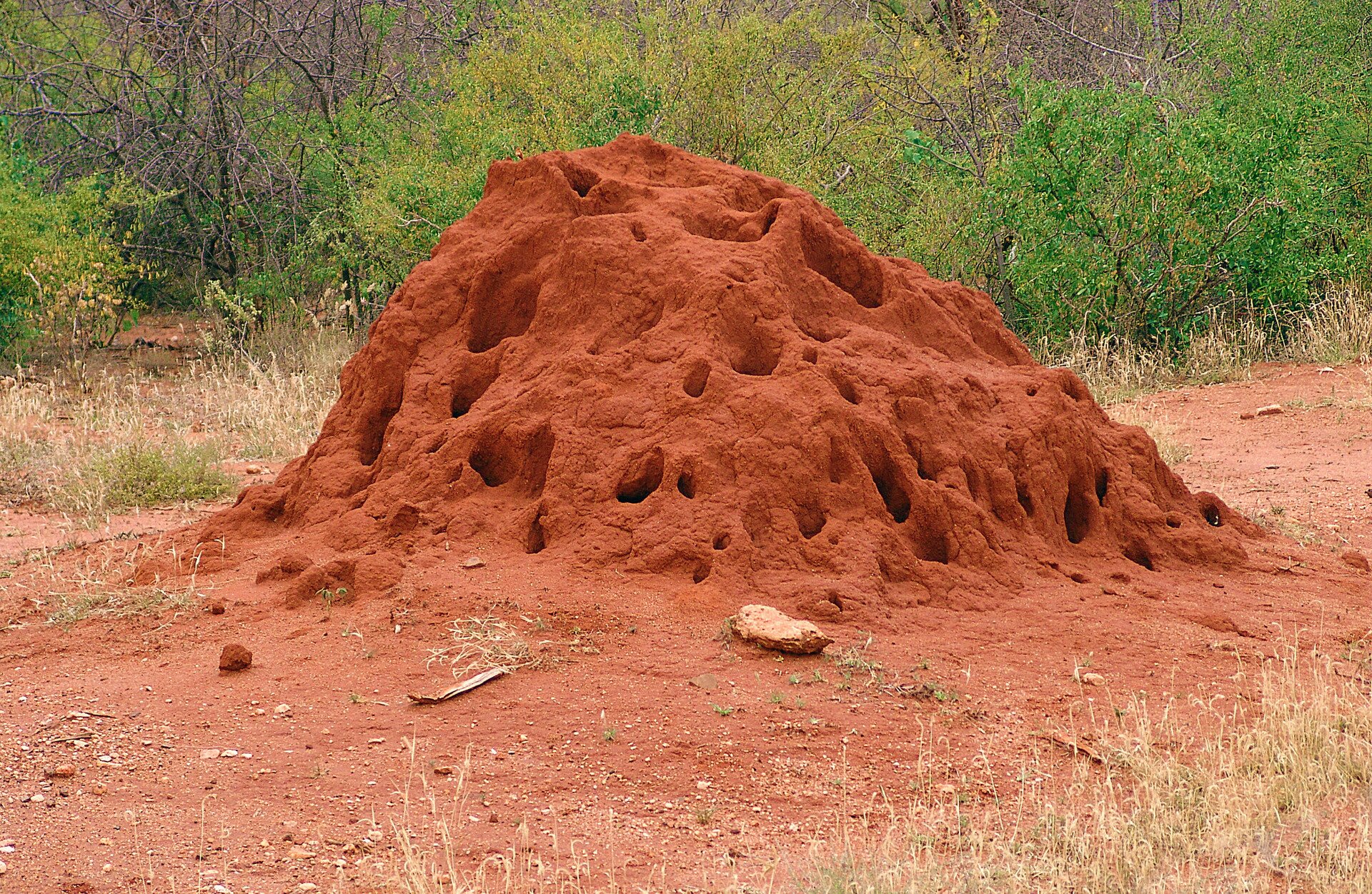
Fotografia przedstawia kopiec termitów o nieregularnym kształcie. Wznosi się wysoko ponad rudą ziemię. Ma kolor pomarańczowy i liczne duże otwory. W tle zielone krzewy, z przodu sucha trawa. Blisko kopca nic nie rośnie.
Termite mound
Source: Andrzej Boczarowski (opublikowano dzięki uprzejmości Parku Nauki i Ewolucji Człowieka w Krasiejowie), licencja: CC BY-NC 4.0.
Where there are herbivores, there are also numerous predators. In Africa, large carnivores include, among others, lions, leopards and slightly smaller, but incredibly fast cheetahs. Smaller predators include hyenas, jackals and lycaons that hunt in packs or eat scraps left by larger predators. The largest predators on the South American savannah are the jaguar and maned wolf, whereas in Australia it’s the wild dingo.
Large flightless birds, such as African ostriches and their slightly smaller counterparts: nandu in South America and emu in Australia, are typical for the savannah. Large scavengingscavengerscavenging vulchers can be found everywhere. In Africa, the bird characteristic for the savannah is the marabou stork. The savannahs on all continents are inhabited by many reptiles (especially snakes and lizards) and countless intervertabrates (termites, ants, locusts, spiders).
Savannahs are also inhabited by people who farm the land, breed goats, livestock and horses, and hunt. It’s a perfect place for grazing enormous herds of livestock.
R1VlFSRpiXw2T
Ilustracja zawiera dwie fotografie: w lewym górnym rogu aligatora, w prawym dolnym rogu krokodyla. Do ilustracji dołączono opisy:
1. A crocodile’s upper and lower jaw are the same width. When it closes them, its teeth protrude outwards.,
2. Crocodiles are very aggresive. They will not disregard anything that comes close to them.,
3. An aligator’s upper jaw is wider than the lower jaw, and its lower teeth match the small holes in its upper jaw. When the animal closes its jaws, its teeth remain hidden.,
4. Aligator skin is darker than crocodile skin.
Ilustracja zawiera dwie fotografie: w lewym górnym rogu aligatora, w prawym dolnym rogu krokodyla. Do ilustracji dołączono opisy:
1. A crocodile’s upper and lower jaw are the same width. When it closes them, its teeth protrude outwards.,
2. Crocodiles are very aggresive. They will not disregard anything that comes close to them.,
3. An aligator’s upper jaw is wider than the lower jaw, and its lower teeth match the small holes in its upper jaw. When the animal closes its jaws, its teeth remain hidden.,
4. Aligator skin is darker than crocodile skin.
Differences betweeen crocodiles and aligators
Source: GroMar Sp. z o.o., licencja: CC BY-SA 3.0.
R120TJF0I1hUd
Exercise 1
Indicate how savannah vegetation has adapted to life in draught conditions. Możliwe odpowiedzi: 1. it has thorns to protect against animal life, 2. it produces large leaves to provide shade, 3. it stores water, 4. it evaporates water through leaves, 5. high altitude, because it is colder at higher altitudes, 6. it produces roots that conduct heat, 7. it sheds leaves when dry season begins
Indicate how savannah vegetation has adapted to life in draught conditions. Możliwe odpowiedzi: 1. it has thorns to protect against animal life, 2. it produces large leaves to provide shade, 3. it stores water, 4. it evaporates water through leaves, 5. high altitude, because it is colder at higher altitudes, 6. it produces roots that conduct heat, 7. it sheds leaves when dry season begins
Indicate how savannah vegetation has adapted to life in draught conditions.
it has thorns to protect against animal life
it produces large leaves to provide shade
it stores water
it evaporates water through leaves
high altitude, because it is colder at higher altitudes
it produces roots that conduct heat
it sheds leaves when dry season begins
Raxaj8ng1VDl0
Exercise 2
Divide animals according to the type of food they consume. Match their names to appropriate groups. herbivores Możliwe odpowiedzi: 1. vulture, 2. elephant, 3. rhinoceros, 4. hyena, 5. wildebeest, 6. giraffe, 7. African wild dog, 8. zebra, 9. hippopotamus, 10. lion predators Możliwe odpowiedzi: 1. vulture, 2. elephant, 3. rhinoceros, 4. hyena, 5. wildebeest, 6. giraffe, 7. African wild dog, 8. zebra, 9. hippopotamus, 10. lion scavengers Możliwe odpowiedzi: 1. vulture, 2. elephant, 3. rhinoceros, 4. hyena, 5. wildebeest, 6. giraffe, 7. African wild dog, 8. zebra, 9. hippopotamus, 10. lion
Divide animals according to the type of food they consume. Match their names to appropriate groups. herbivores Możliwe odpowiedzi: 1. vulture, 2. elephant, 3. rhinoceros, 4. hyena, 5. wildebeest, 6. giraffe, 7. African wild dog, 8. zebra, 9. hippopotamus, 10. lion predators Możliwe odpowiedzi: 1. vulture, 2. elephant, 3. rhinoceros, 4. hyena, 5. wildebeest, 6. giraffe, 7. African wild dog, 8. zebra, 9. hippopotamus, 10. lion scavengers Możliwe odpowiedzi: 1. vulture, 2. elephant, 3. rhinoceros, 4. hyena, 5. wildebeest, 6. giraffe, 7. African wild dog, 8. zebra, 9. hippopotamus, 10. lion
Divide animals according to the type of food they consume. Match their names to appropriate groups.
sawanna – obejmuje obszar na północ od lasu równikowego do równoleżnika 15°N i na południe do 18°S. Sawanna jest formacją roślinną zajmującą największy obszar w Afryce. W zależności od długości trwania pory wilgotnej i sumy opadu różni się ona składem gatunkowym roślinności.