Przeczytaj
Space has always fascinated people. For the longest time, we couldn’t do anything but dream of it. Today, the wealthiest of us can actually leave the Earth. Space tourism is becoming more and more popular. What is it exactly? What are the costs? Read the text below to find out.
Kosmos zawsze fascynował ludzi. Przez długi czas nie mogliśmy zrobić nic więcej, niż o nim fantazjować. Dziś najbogatsi z nas mogą podróżować w kosmos. Turystyka kosmiczna staje się coraz bardziej popularna. Czym ona właściwie jest? Jakie są jej koszty? Przeczytaj poniższy tekst, aby dowiedzieć się więcej.
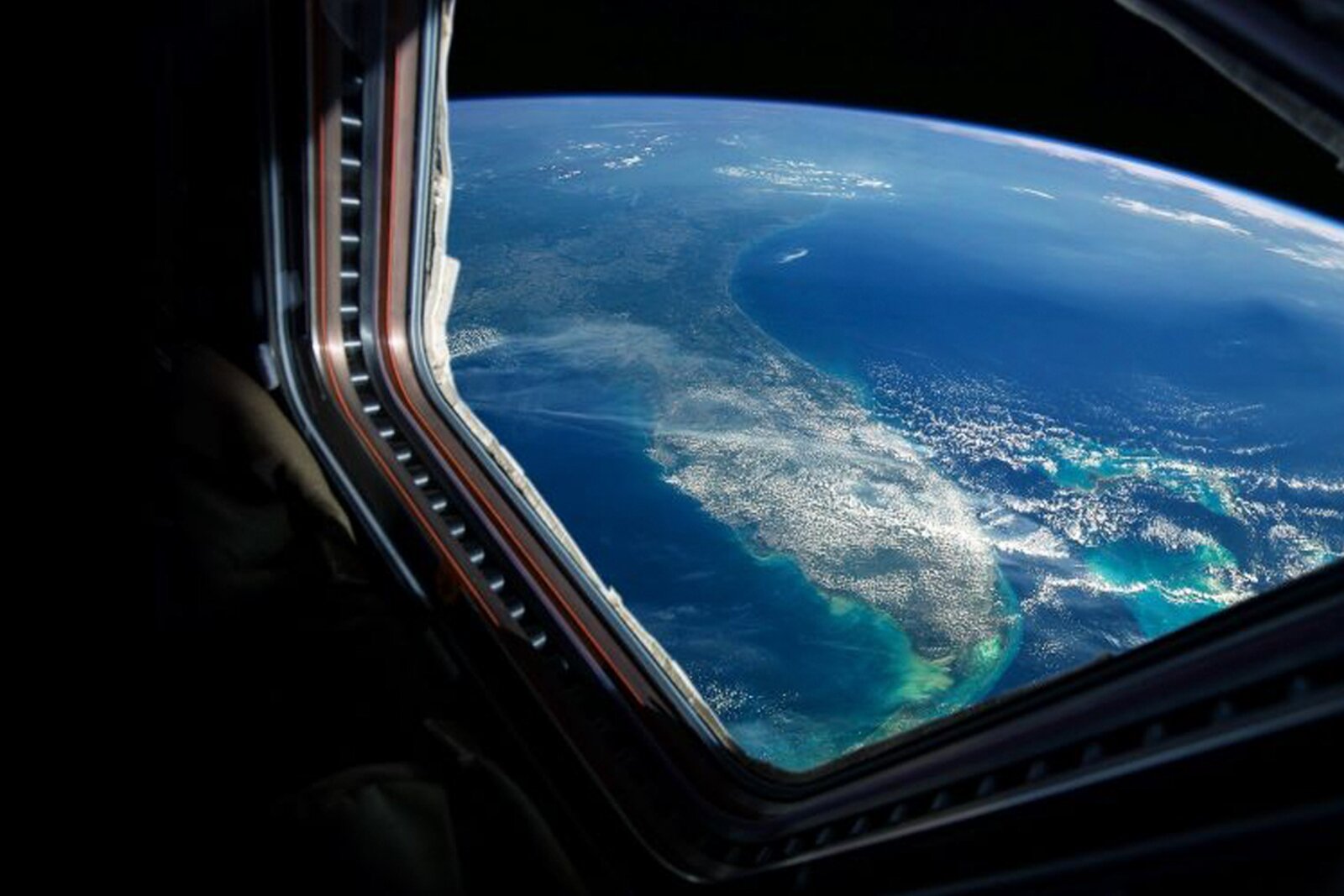
Match the words with their translations.
Połącz wyrazy z ich tłumaczeniami.
Drag the words to match them with pictures.
Przeciągnij wyrazy, aby połączyć je ze zdjęciami.
Read the text below and do the exercises.
Przeczytaj tekst poniżej i wykonaj ćwiczenia.
The Realities of Space TourismHave you ever thought of spending your holiday in spacespace? Well, if you’re wealthy enough, you can become a space tourist. What’s space tourism? How does it work? How much does it cost? Read on to find out.
In short, space tourism is recreational space travelrecreational space travel. Space tourists are people who can afford to pay extremely high prices to travel into the Earth’s orbit for fun. In reality, most of them never actually leave Earth, but they reach space. Such trips are called sub‑orbitalsub‑orbital space flightsspace flights. Sub‑orbital means that you never leave Earth’s gravitygravity. Sub‑orbital space flights usually launchlaunch, reach an altitude higher than 100 km, and then experience a free fallfree fall.
A tourist spacecraftspacecraft shuts offshuts off its enginesengines before reaching the 100 km mark, so the tourists can experience weightlessnessweightlessness. The entire sub‑orbital trip takes no more than an hour. And the cost? Approximately 250,000 thousand dollars per ticket. This means that very few people can afford a sub‑orbital space flight. In fact, only eight commercial passengerscommercial passengers have taken a sub‑orbital trip so far, but a few companies are working to make space tourism more popular.
What if you’re not satisfied with simply reaching space? If you’re wealthy enough, you can experience orbitalorbital space flight. In other words, you can fly to the International Space StationInternational Space Station. As of today, only one company offers trips to orbit. The price? Twenty million dollars. The prices are so high because space tourism is still quite a new area. However, a few more companies plan to revolutionise space travel and make it more accessibleaccessible to all people. There’s talk of reaching the Moon and even Mars. For now, however, those are just plans.
How do you become a space traveller? You already know that you have to be very wealthy to pay for your space tripspace trip. But money is not enough. You will have to be trained just like real astronauts. Sometimes space travellers carry out scientific experiments for NASA!
Although space tourism still sounds like something from a science‑fiction novel, it is the reality now. Just be patient and perhaps one day you will be able to go on a spece trip, too.
Źródło: Zuzanna Kościuk, licencja: CC BY-SA 3.0.
Read the text again and decide if the following sentences are true or false.
Przeczytaj tekst ponownie, a następnie zdecyduj, czy podane zdania są prawdziwe, czy fałszywe.
Read the text again and drag the words from the box to fill in the gaps.
Przeczytaj tekst ponownie, a następnie przeciągnij wyrazy z ramki w odpowiednie luki.
2. Sub-orbital means that you don’t leave Earth’s 1. gravity, 2. astronauts, 3. orbital, 4. recreational, 5. travellers, 6. wealthy, 7. commercial.
3. Only eight 1. gravity, 2. astronauts, 3. orbital, 4. recreational, 5. travellers, 6. wealthy, 7. commercial passengers have taken a sub-orbital trip so far.
4. If you’re 1. gravity, 2. astronauts, 3. orbital, 4. recreational, 5. travellers, 6. wealthy, 7. commercial enough, you can experience 1. gravity, 2. astronauts, 3. orbital, 4. recreational, 5. travellers, 6. wealthy, 7. commercial spaceflight.
5. Private space 1. gravity, 2. astronauts, 3. orbital, 4. recreational, 5. travellers, 6. wealthy, 7. commercial are trained like 1. gravity, 2. astronauts, 3. orbital, 4. recreational, 5. travellers, 6. wealthy, 7. commercial.
Scan the text again. Then, translate the missing words to complete the gaps in the sentences below.
Przjrzyj tekst ponownie, a następnie przetłumacz brakujące wyrazy, żeby uzupełnić luki w poniższych zdaniach.
- If you’re wealthy enough, you can become a Tu uzupełnij (turystą kosmicznym/ turystką kosmiczną).
- The spacecraft Tu uzupełnij (wyłącza) its Tu uzupełnij (silniki) before ascending to the 100 km mark.
- In other words, you can fly to the Tu uzupełnij (Międzynarodową Stację Kosmiczną).
- A few space travelers call themselves “Tu uzupełnij” (odkrywcami).
- It means that Tu uzupełnij (turystyka kosmiczna) is still a long way from what we see in fiction.
Słownik
/ ækˈsesəbl̩ /
przystępne
/ ˈkæri ˈaʊt /
przeprowadzać (coś)
/ kəˈmɝːʃl̩ ˈpæsəndʒərz / / kəˈmɝːʃl̩ ˈpæsəndʒər /
pasażerowie lotów komercyjnych [pasażer/pasażerka lotu komercyjnego]
/ ˈendʒənz / / ˈendʒən /
silniki [silnik]
/ ˈfri: ˈfɑːl /
swobodny spadek
/ ˈɡrævəti /
grawitacja
/ ˌɪntr̩ˈnæʃn̩əl speɪs ˈsteɪʃn̩ /
Międzynarodowa Stacja Kosmiczna
/ ˈlɒntʃ /
wystrzelenie (w kosmos)
/ ˈnæsə / / ðə ˈnæʃənəl ˌeəroʊˈnɔːtɪks ənd speɪs ædˌmɪnəˈstreɪʃn̩ /
NASA (Narodowa Agencja Aeronautyki i Przestrzeni Kosmicznej)
/ ˈɔːrbətl̩ /
orbitalny
/ ˌrekriˈeɪʃənəl speɪs ˈtrævl̩ /
rekreacyjna podróż kosmiczna
/ ˈsaɪəns ˈfɪkʃn̩ ˈnɑːvl̩ /
książka fantastycznonaukowa
/ ˌsaɪənˈtɪfɪk ɪkˈsperəmənts / / ˌsaɪənˈtɪfɪk ɪkˈsperəmənt /
eksperymenty naukowe [eksperyment naukowy]
/ ˈʃəts ɔːf / / ˈʃət ɔːf /
wyłącza (się) [wyłączać (się)]
/ ˈspeɪs /
kosmos, przestrzeń kosmiczna
/ speɪs ˈtrævləz / / speɪs ˈtrævlə /
podróżnicy kosmiczni [podróżnik kosmiczny]
/ speɪs trɪp /
kosmiczna wycieczka
/ ˈspeɪˌskræft /
statek kosmiczny
/ speɪs ˈflaɪts / / speɪs ˈflaɪt /
loty w kosmos [lot w kosmos]
/ ˌsʌb ˈɔːrbətl̩ /
suborbitalne (nie osiągające orbity wokół Ziemi)
/ ˈweɪtləsnəs /
stan nieważkości
Źródło: GroMar Sp. z o.o., licencja: CC BY‑SA 3.0