Przeczytaj
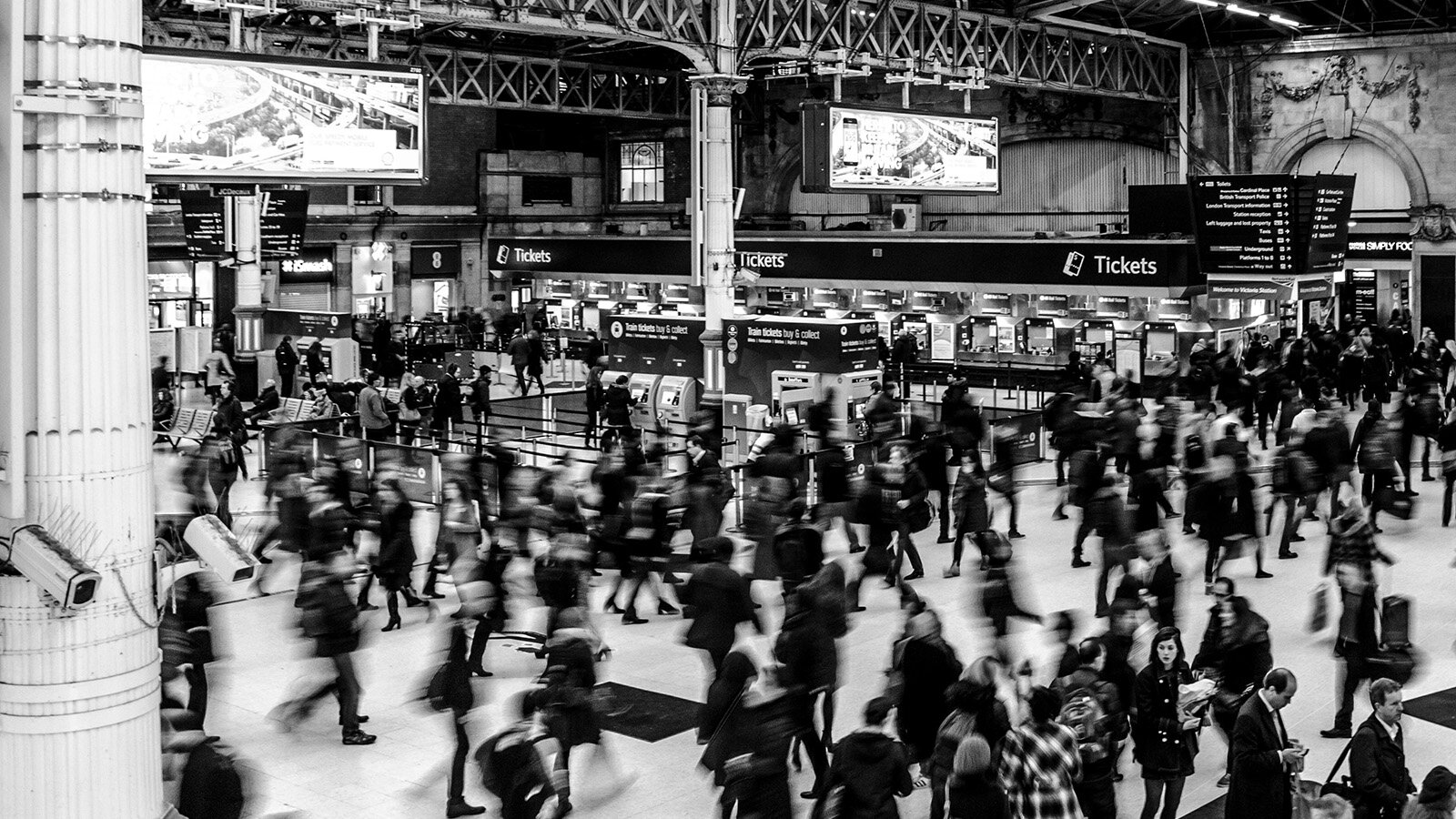
The picture below symbolizes the hectic lifestyle of today’s world. It’s increasingly difficult to find the time to do things for pleasure and satisfaction when our schedules are full. In this section, you are going to read a text about ways to free up some time. Before you read it, think: what methods do you use to save some time for your hobbies?
Poniższa ilustracja symbolizuje nasze zabiegane życie. Coraz trudniej jest znaleźć czas na przyjemności i rzeczy, które przynoszą nam satysfakcję, zwłaszcza kiedy grafik pęka w szwach. W tej części materiału przeczytasz artykuł o sposobach na znalezienie wolnego czasu. Zastanów się, jakie masz sposoby na zaoszczędzenie czasu na swoje hobby?
Read the text and find out how to make time to do the things you’d really love to do. Then do the exercises below.
How to Make Time for Leisure in a Busy Life?Have you always wanted to incorporate some exciting hobbies into your daily schedule but never knew how? Have you always wanted to learn a new language? Perhaps it has been your dream to learn scuba divingscuba diving, crochetingcrocheting or aquascapingaquascaping? Well, it’s better late than neverbetter late than never!
Our lives are packed to the brimto the brim with choreschores, things to do, various errandserrands, assignments, and tests, and we are constantly rushing against the clockagainst the clock! As times go by, our world becomes faster and spare timespare time just seems to evaporateevaporate. We have so little timelittle time to do what we love, or what we dream about. How to make time formake time for such activities in a hectichectic lifestyle if we just don’t have the timehave the time? The simple answer is: change your mindset.mindset. After all, we are never out of timeout of time – there is so much of it. All we need is to prioritiseprioritise certain activities, look closely at how we kill time, and make a few smart adjustments.
One of the ways is to analyze your daily schedule and find out what makes you waste time.waste time. Identify the activities that you spend time on unproductivelyunproductively, like hours spent scrolling through social media or mindlessmindless flicking flicking through the TV channels. Time fliesTime flies so fast when your screen is constantly on – perhaps it’s time to switch it off? Try to replace it with some valuable activities instead. After all, time is moneytime is money, and you wouldn’t want to waste money, would you?
Another way to come up with some spare timespare time for your pastimes is to change the way you plan your days. If we schedule them properly, consulting the clock and the calendar, we can plan out activities precisely so as to do them at a set timeat a set time. This will also give you an important overviewoverview of the days in which you have some time offtime off, for example from work or school. It’s usually a good idea to plan your activities on these days.
Finally, you can try to speed up some of the things you do, in order to save timesave time, or reduce the time you spend on some things. You can try to use a stopwatchstopwatch when doing repetitive tasks in order to beat your timingsbeat your timings, or cut down oncut down on sleep, especially if you love to stay in bed for excessiveexcessive hours. You can amassamass quite a capital of free hours trimming downtrimming down on all those big fat time‑wasterstime‑wasters, or unnecessary activities that eat up your time.
Źródło: Tomasz Wiśniewski, licencja: CC BY-SA 3.0.
a) exciting.
b) errand.
c) busy.
2. The word ‘evaporate’ (paragraph 2) can be meaningfully replaced with
a) disappear.
b) appear.
c) light up.
3. The text suggests we should
a) change our priorities.
b) give up on our hobbies.
c) stop making changes.
4. One of the ways to find time is to identify
a) the most exciting TV programmes.
b) the most useful smartphone apps.
c) activities you waste time on excessively.
5. Thanks to a schedule we can
a) kill some time effectively.
b) set precise times for our actions.
c) have some time off school.
6. One thing that isn’t necessary to look at when scheduling tasks is
a) a stopwatch.
b) a calendar.
c) a clock.
7. One way of reducing the time spent on activities is to
a) buy a stopwatch.
b) stay in bed less.
c) eat less fat.
Put the words in the correct order to make senetences in the Future Perfect.
Słownik
/ əˈɡenst ðə ˈklɒk /
walcząc z czasem [walczyć z czasem] (as fast as possible; before a deadline)
/ əˈmæs /
zgromadzić (to gather together or accumulate)
/ ˈɑːkwəskeɪpɪŋ / / ˈɑːkwəskeɪp /
podwodne ogrodnictwo [uprawiać podwodne ogrodnictwo] (the craft of arranging aquatic plants, as well as rocks, stones, cavework or driftwood, in an aesthetically pleasing manner within an aquarium)
/ ət ə set ˈtaɪm /
w wyznaczonym czasie (at a particular time; at an assigned time)
/ biːt jə ˈtaɪmɪŋz / / biːt wʌnz ˈtaɪmɪŋz /
pobić swoje wyniki czasowe (best or beat one’s own record)
/ ˈbetə leɪt ðən ˈnevə /
lepiej późno niż wcale (idiom) (said when you think that it is better for someone or something to be late than never to arrive or to happen)
/ tʃɔːz / / tʃɔː /
obowiązki [obowiązek] (a routine task, especially a household one)
/ tʃʌŋk /
kawałek (a part of something)
/ ˈkrəʊʃeɪɪŋ / / ˈkrəʊʃeɪ /
szydełkowanie [szydełkować] (making a piece of needlework by interlocking and looping thread with a hooked needle)
/ kʌt daʊn ˈɒn ˈsʌmthetaɪŋ /
przyciąć, zredukować coś (reduce the amount of something)
/ ˈdedlaɪn /
ostateczny termin (zrobienia czegoś) (the latest time or date by which something should be completed)
/ ɪˈfektɪv /
skuteczny/skuteczna (successful in producing a desired or intended result)
/ ˈerəndz / / ˈerənd /
sprawunki, sprawy [sprawunek, sprawa] (a short trip that is taken in the performance of a necessary task or mission)
/ ɪˈvæpəreɪt /
tu: wyparować, znikać (here: disappear)
/ ɪkˈsesɪv /
nadmierny/nadmierna, wygórowany/wygórowana (much more than is reasonable or necessary)
/ ˈflɪkɪŋ / / flɪk /
przełączanie [przełączać] (to move a switch in order to turn something such as a light or machine on or off)
/ həv ðə ˈtaɪm /
mieć czas (be available; have time; have nothing more important to do)
/ ˈhektɪk /
nerwowy/nerwowa, napięty/napięta, gorączkowy/gorączkowa (full of busy activity)
/ ˈlɪtl̩ ˈtaɪm /
mało czasu (not enough time )
/ ˈmeɪk ˈtaɪm fɔː /
znaleźć czas na (coś), znaleźć czas dla (kogoś) (cause an amount of one’s time to be available do something for or with [someone])
/ ˈmaɪndlɪs /
bezmyślny/bezmyślna (requiring little mental effort )
/ ˈmaɪndset /
sposób myślenia (a habitual or characteristic mental attitude that determines how you will interpret and respond to situations)
/ aʊt əv ˈtaɪm /
niemający/niemająca czasu (not having enough time )
/ ˈəʊvəvjuː /
przegląd (a general understanding or description of a situation as a whole)
/ praˈjɔːəˌtaɪz /
traktować priorytetowo (treat a particular job or issue as being more important than any others)
/ seɪv ˈtaɪm /
oszczędzać czas (do something efficiently)
/ ˈskuːbə daɪvɪŋ / / ˈskuːbə daɪv /
nurkowanie z butlą z powietrzem [nurkować z butlą z powietrzem] (swimming underwater with special breathing equipment)
/ ˈspeə ˈtaɪm /
czas wolny (time when you are free to do things that you enjoy)
/ ˈstɒpwɒtʃ /
stoper (a watch with buttons which you press at the beginning and end of an event, so that you can measure exactly how long it takes)
/ ˈtaɪm flaɪz /
czas leci (used to say that time passes quickly)
/ ˈtaɪm ɪz ˈmʌni /
czas to pieniądz (used to say that a person's time is as valuable as money)
/ ˈtaɪm ɒf /
czas wolny (a time period when you are not required to work)
/ ˈtaɪm ˈweɪstəz /
rzeczy, na które marnuje się czas (something that causes you to spend a lot of time doing something that is unnecessary or does not produce any benefit)
/ tu ðə brɪm /
po brzegi (very full)
/ ˈtrɪmɪŋ daʊn / / trɪm daʊn /
tu: ograniczanie [ograniczać], przycinanie [przycinać] (cut down on; make a reduction in)
/ ˌʌnprəˈdʌktɪvli /
nieproduktywnie, nieefektywnie (without achieving much)
/ ˈweɪst ˈtaɪm /
marnować czas (allow time to elapse in an unproductive manner)