Przeczytaj
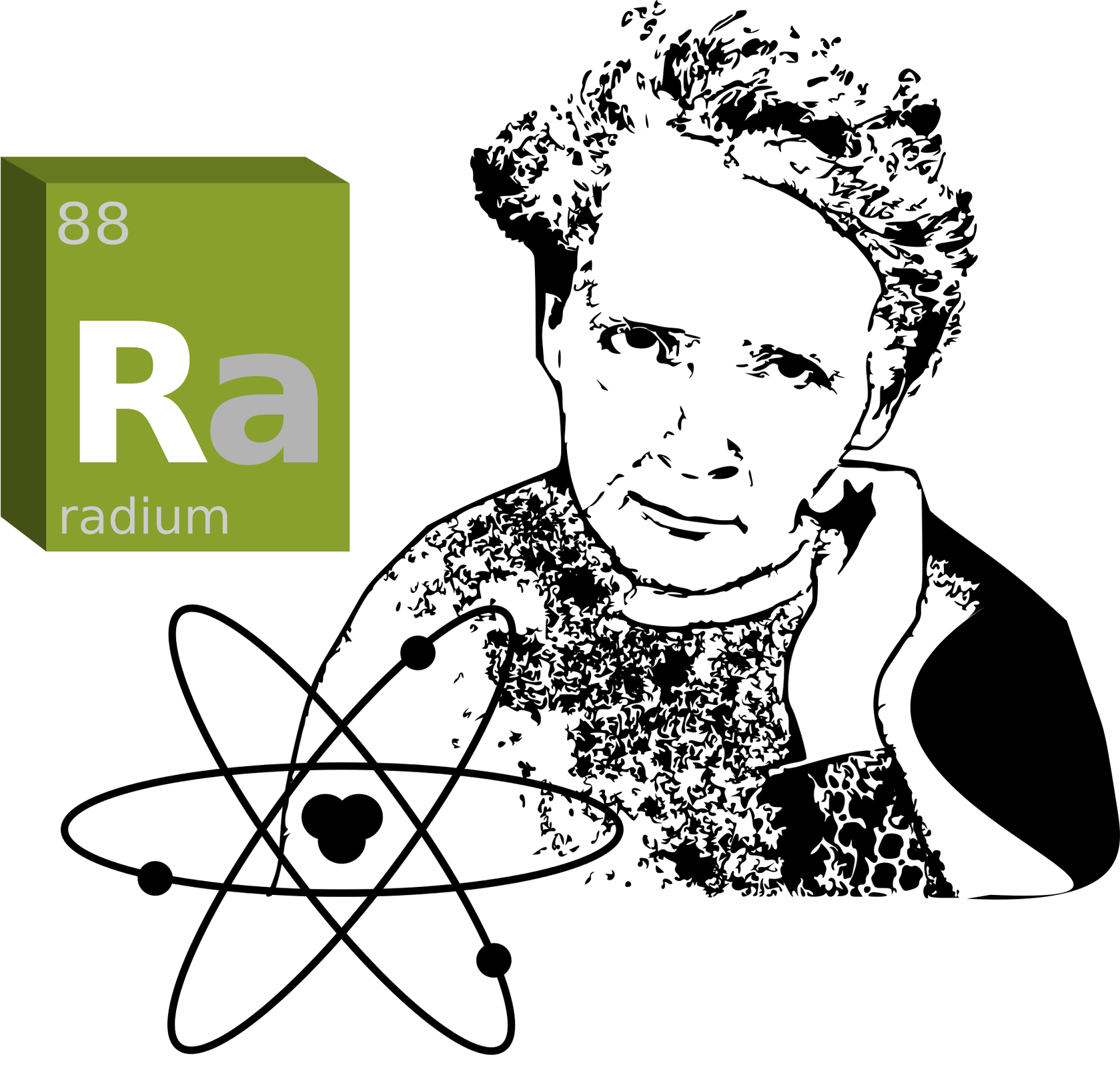
Marie Skłodowska‑Curie was a Polish scientist. She is famous for her discovery of two elements, radium and polonium. Read the text about the double winner of the Nobel Prize to learn more about her life.
Maria Skłodowska‑Curie była polską naukowczynią. Jest znana z odkrycia dwóch pierwiastków: radu i polonu. Przeczytaj tekst o podwójnej noblistce oraz jej życiu.
Match the following words to their translations.
Połącz poniższe wyrazy z ich tłumaczeniami.
Drag and drop the labels to the correct places in the picture showing a scientist’s laboratory.
Przeciągnij podpisy w odpowiednie miejsca na zdjęciu przedstawiającym laboratorium.
Read the text about Marie Skłodowska‑Curie and do the exercises.
Przeczytaj tekst o Marii Skłodowskiej‑Curie i wykonaj ćwiczenia.
Biography of Madame CurieMaria Skłodowska‑Curie, also called Marie Curie or Madame Curie, was a world famous Polish physicistphysicist and chemistchemist. She had wanted to become a scientistscientist since she was a child. She believed that science could solve problemssolve problems and change the world.
Marie was born in Warsaw in 1867. Her parents were teachers, and she was an excellent student. Polish universities didn’t accept women at the time, so in 1891 she went to Paris to her sister. She wanted to start her education in Sorbonne. She earned degreesdegrees in physics and maths. While she was studying she met her future husband, Pierre Curie. They worked together, doing researchdoing research on radioactivityradioactivity.
Marie and Pierre didn’t have a professional scientific laboratory. They did experimentsdid experiments and worked in a shedshed. Despite that, they discovereddiscovered two chemical elementselements, radiumradium and poloniumpolonium. Marie also provedproved her theory about radioactivity after she had observed Henri Becquerel at his work. They won the Nobel Prize in Physics in 1903.
In 1906 her husband died in an accident. Marie was brokenbroken. Later that year, she became the first female professor at Sorbonne university in France. Five years later, Marie won the second Nobel Prize in Chemistry. This is how she became the first person to win the Nobel prize in two scientific fieldsscientific fields and the first woman to receive the Nobel Prize in Chemistry.
She was successful, but her health was getting worse. She died in 1934, French scientists later discovered this was because of harmfulharmful radiation. In 1995, hers and her husband’s bodies were moved to the Pantheon in Paris.
Źródło: Anna Olewińska‑Byliniak, licencja: CC BY-SA 3.0.
Read the text, choose all the correct answers about Marie Skłodowska‑Curie. There are 4.
Przeczytaj tekst. Wybierz wszystkie poprawne odpowiedzi dotyczące Marii Skłodowskiej‑Curie. Jest ich cztery.
2. She was a physicist and chemist.
3. She conducted research on energy.
4. She wanted to be a scientist as a child.
5. She was born in Poland and studied there.
6. She was the only person to win the Nobel Prize twice in two scientific fields.
7. Together with her husband Pierre they discovered new elements, radium
and polonium.
Match the verbs and phrases to their definitions.
Połącz czasowniki i zwroty z ich definicjami.
Drag and drop the words to make a logical text about Marie Skłodowska‑Curie.
Przeciągnij i upuść wyrazy, aby utworzyć logiczny tekst o Marii Skłodowskiej‑Curie.
Your classmate was absent from class and asked for your notes from the English lesson. After reading the text, write him the most important facts about Marie Skłodowska‑Curie in three or four points.
Twój kolega z klasy był nieobecny i poprosił o twoje notatki z lekcji angielskiego. Po przeczytaniu tekstu napisz dla niego trzy–cztery punkty z najważniejszymi informacjami o Marii Skłodowskiej‑Curie.
Drag and drop the characteristics of past tenses into the correct categories.
Przyporządkuj cechy charakterystyczne do poszczególnych czasów.
Read the sentences below and choose the correct forms of the verbs.
Przeczytaj poniższe zdania i wybierz odpowiednie formy czasowników.
2. Marie, whose parents had beenwere being teachers, always loved science.
3. In 1891 she was movingmoved to France and beganhad begun her studies at university.
4. She discoveredhad discovered radium and polonium.
5. While she didwas doing research, she was exposed to high levels of radiation.
6. Big amounts of radiation causedwere causing a disease.
Type the verbs in the correct forms. Use Past Simple, Past Continuous or Past Perfect.
Wpisz czasowniki w odpowiednich formach. Użyj czasu Past Simple, Past Continuous lub Past Perfect.
Słownik
/ ˈbrəʊkən /
załamany/załamana
/ ˈkemɪst /
chemik/chemiczka
/ dɪˈɡriːz / / dɪˈɡriː /
stopnie naukowe [stopień naukowy]
/ dɪd ɪkˈsperɪmənts / / du: ən ɪkˈsperɪmənt /
eksperymentowali/eksperymentowały [eksperymentować]
/ dɪˈskʌvəd / / dɪˈskʌvə /
odkryli/odkryły [odkryć]
/ ˈduːɪŋ rɪˈsɜːtʃ / / kənˈdʌkt rɪˈsɜːtʃ /
prowadzenie badań [prowadzić badania]
/ ˈelɪmənts / / ˈelɪmənt /
pierwiastki [pierwiastek]
/ həd əbˈzɜːvd / / əbˈzɜːv /
obserwował/obserwowała [obserwować]
/ ˈhɑːmfəl /
szkodliwe [szkodliwy/szkodliwa]
/ ˈfɪzɪsɪst /
fizyk/fizyczka
/ pəˈləʊniəm /
polon
/ pruːvd / / pruːv /
udowodnił/udowodniła [udowodnić]
/ ˌreɪdɪəʊækˈtɪvɪti /
radioaktywność
/ ˈreɪdɪəm /
rad
/ ˌsaɪənˈtɪfɪk fiːldz / / ˌsaɪənˈtɪfɪk fiːld /
obszary naukowe [obszar naukowy]
/ ˈsaɪəntɪst /
naukowiec/naukowczyni
/ ʃed /
szopa
/ sɒlv ˈprɒbləmz / / sɒlv ə ˈprɒbləm /
rozwiązywać problemy [rozwiązać problem]
/ jʊˈreɪnɪəm /
uran
Źródło: GroMar Sp. z o.o., licencja: CC BY‑SA 3.0