Motion is the change in the position of the body relative to a reference frame. To determine whether the body is in motion or at rest, we must first select the reference frame and determine the position of the body relative to it. Typically, the reference frame is the surface of the Earth and the body that are rigidly connected to it (trees, houses, etc.) The same body can be moving relative to one reference frame, and at the same time be at rest relative to another. Such a feature is called relativity of motion.
2. What is trajectorytrajectorytrajectory of motion?
Trajectory of motion is the line along which the body moves. Due to the shape of the trajectory, the motion is divided into a rectilinear and curvilinear.
Velocity is the quotient of the displacement and time of this displacement.
In rectilinear motion, the magnitude of displacement is equal to the distance, so the magnitude of velocity (speed) can also be calculated as the quotient of the distance to the time:
Velocity is a vector quantity. In rectilinear motion the direction of velocity is the same as the direction of displacement.
The basic velocity unit in the SI system is 1 .
6. What motion is called a uniform rectilinear motionuniform rectilinear motionuniform rectilinear motion?
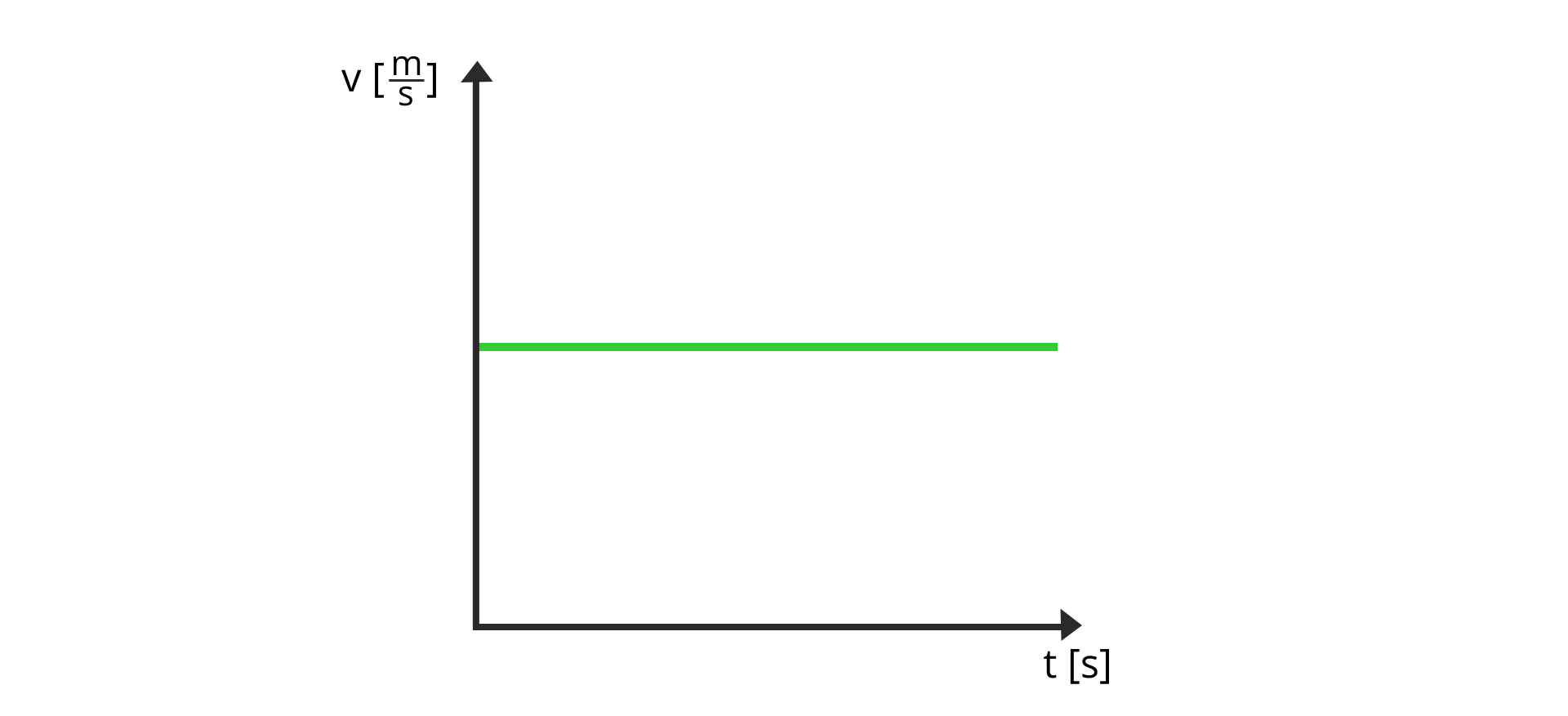
The dependence of speed on time in uniform motion can be presented in the graph:
RokfR8HPkOCca
Ilustracja przedstawia zależności wartości prędkości od czasu. Oś pozioma opisana t, w nawiasie kwadratowym s. Oś pionowa opisana v, w nawiasie kwadratowym m przez s. Wykres narysowany jest jako jeden poziomy odcinek zaczynający się od osi pionowej skierowany w prawo.
The dependence of speed on time in uniform motion
Source: GroMar, licencja: CC BY 3.0.
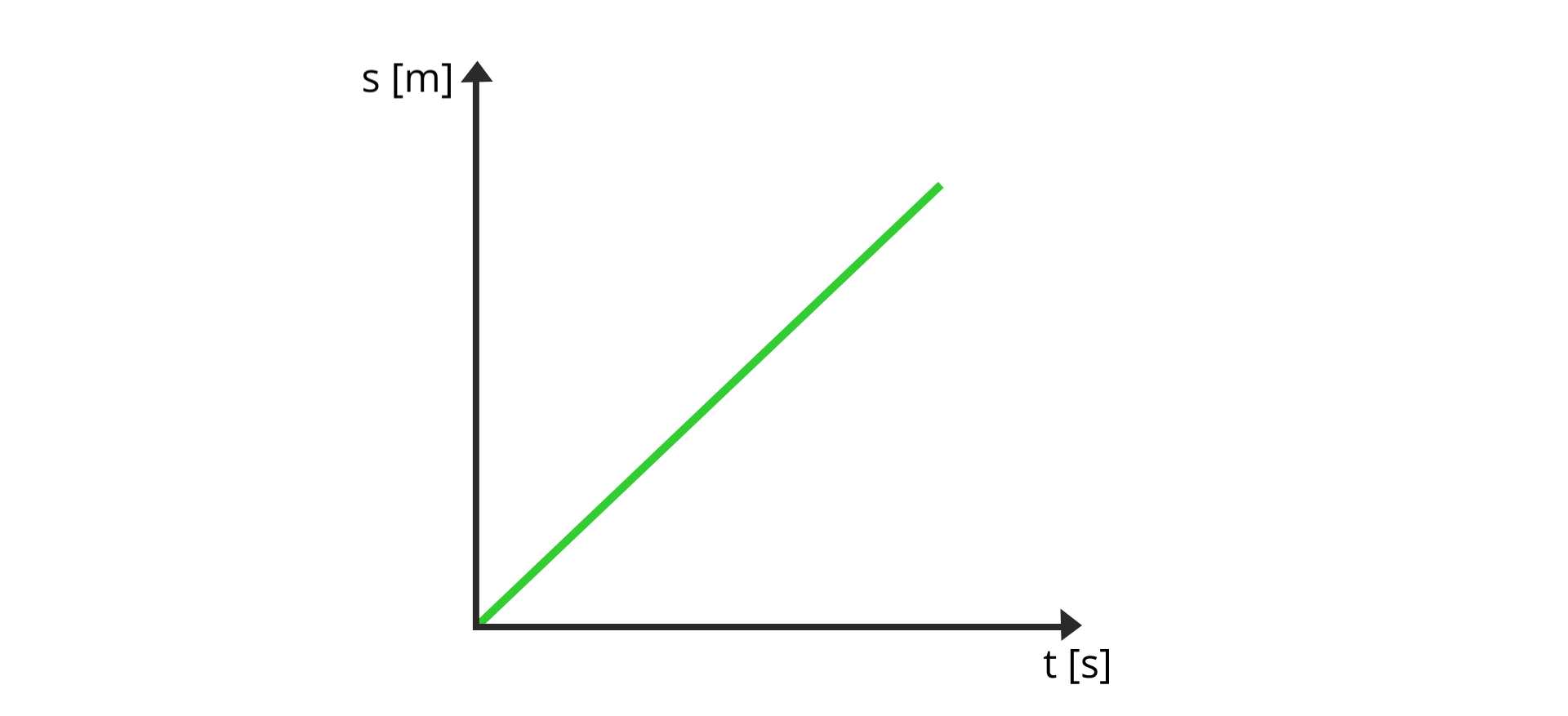
The distance in uniform motion is directly proportional to time.
The dependence of the distance on time in uniform motion is shown in the graph:
RDJEPReBE1IKN
Ilustracja przedstawia zależności drogi od czasu. Oś pozioma opisana t, w nawiasie kwadratowym s. Oś pionowa opisana s, w nawiasie kwadratowym m. Wykres narysowany jest jako jeden ukośny odcinek zaczynający się w początku układu współrzędnych.
The dependence of the distance on time in uniform motion
Source: GroMar, licencja: CC BY 3.0.
8. What motion is called uniformly accelerated motion?
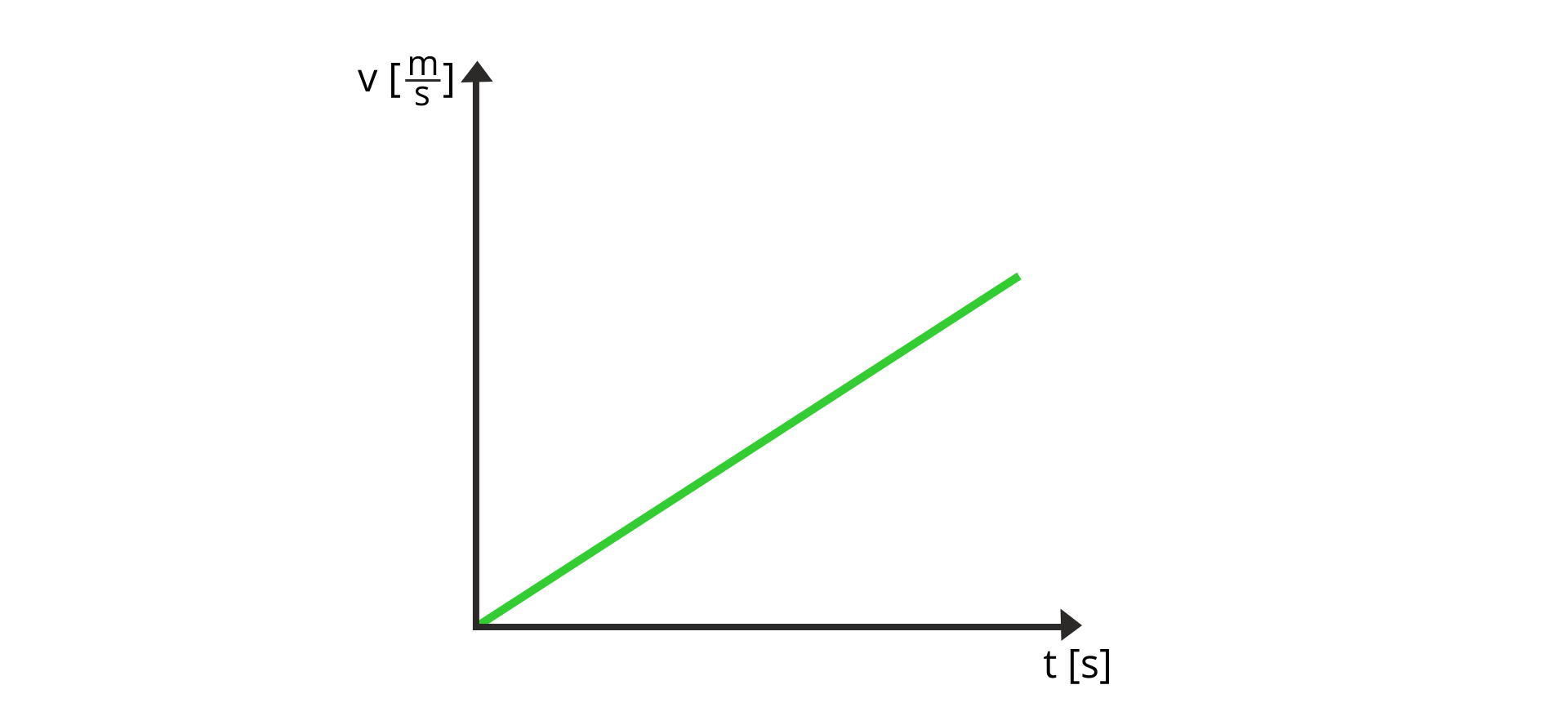
Speed in this motion is directly proportional to time. This dependence can be presented in the graph:
R5LZdWWgQ33nW
Ilustracja przedstawia zależności wartości prędkości od czasu. Oś pozioma opisana t, w nawiasie kwadratowym s. Oś pionowa opisana v, w nawiasie kwadratowym m przez s. Wykres narysowany jest jako jeden ukośny odcinek zaczynający się w początku układu współrzędnych.
Speed in this motion is directly proportional to time
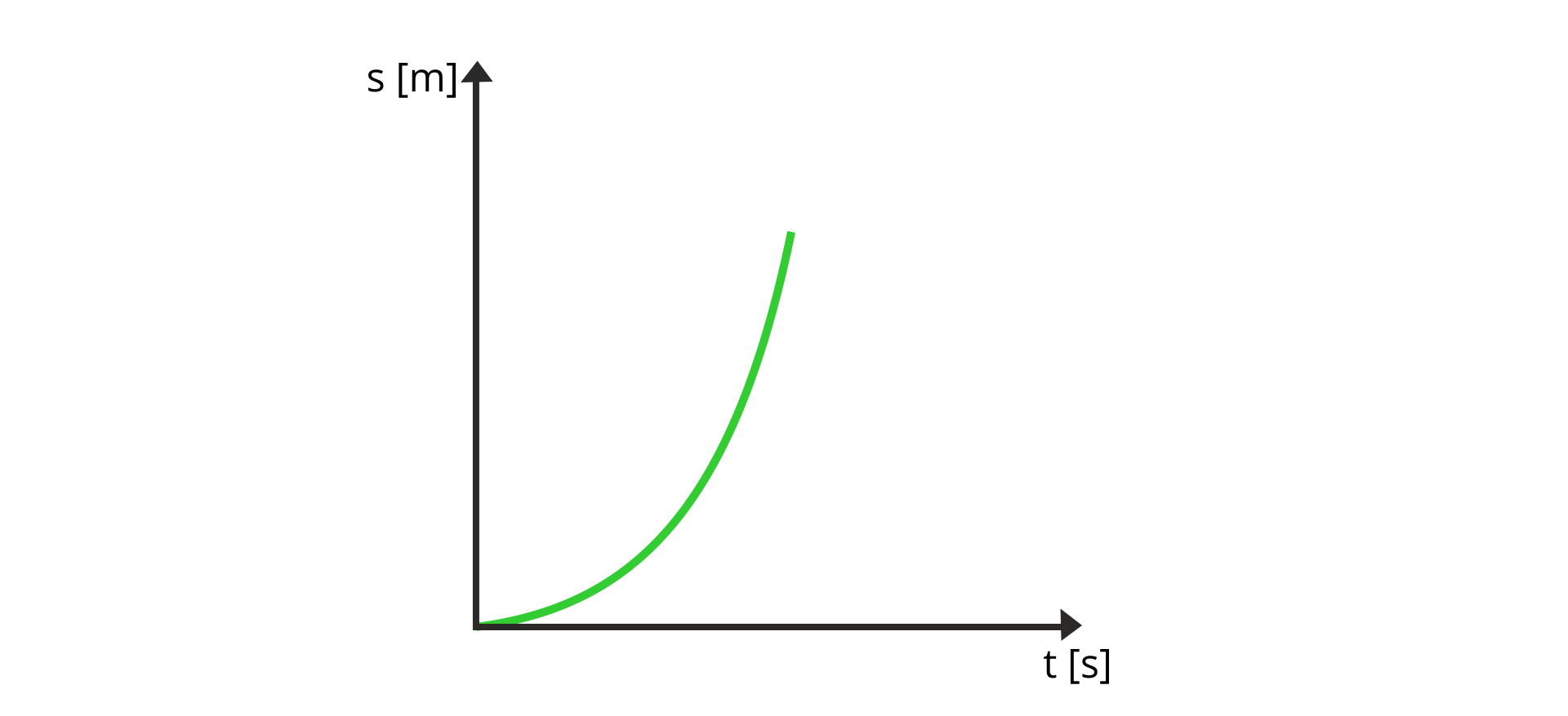
In uniformly accelerated motion, the acceleration is constant. In a uniformly accelerated motion, the distance is directly proportional to the square of time. It can be calculated using the formula (when the initial speed is 0):
The dependence of the distance on time can be presented on the graph:
RgraUuk9Oj20K
Ilustracja przedstawia zależności drogi od czasu. Oś pozioma opisana t, w nawiasie kwadratowym s. Oś pionowa opisana s, w nawiasie kwadratowym m. Wykres narysowany jest jako jedno ramię paraboli, skierowane do góry, zaczynające się w początku układu współrzędnych.
The dependence of the distance on time can be presented on the graph
The distance differences covered in the consecutive seconds in uniformly accelerated motion are related to each other like the consecutive odd numbers.
Most often we are dealing with a non‑uniform motion.
Non‑uniform motion (variable) is a motion during which the speed changes. A car that covered 60 km in 1 hour certainly did not move at a speed of 60 all the time. There were moments when it accelerated, it slowed down and moments when it moved in uniform motion. It could even stop for a moment.
13. Explain the concept of instantaneous and average velocity.
The quotient of the total distance and time in which it was covered is called the average speed.
The velocity of the body at a given instant (instantaneous velocity) is the quotient of the displacement to the very small time interval Δt in which it occurred.
From the speed vs. time graph, you can read the distance the body covered as an area under the graph (regardless of the type of motion).
RwtEj0oEAUcXx
Ilustracja interaktywna przedstawia wykresy zależności drogi od czasu. Oś pozioma opisana t, w nawiasie kwadratowym s. Oś pionowa opisana s, w nawiasie kwadratowym m. Wykres dla ruchu jednostajnie przyspieszonego oznaczony numerem 1 narysowany jest jako jedno ramię paraboli, skierowane do góry, zaczynające się w początku układu współrzędnych. Wykres dla ruchu jednostajnego oznaczony numerem 2 narysowany jest jako jeden odcinek ukośny, skierowany do góry w prawo, zaczynający się w początku układu współrzędnych. Wykres dla ciała w spoczynku oznaczony numerem 3 narysowany jest jako jeden odcinek poziomy, skierowany w prawo, zaczynający się od osi pionowej. Wykres dla ruchu opóźnionego oznaczony numerem 4 narysowany jest jako jedno ramię paraboli, skierowane w prawo, zaczynające się w początku układu współrzędnych. Na ilustracji widoczne są numery, a na nich podpisy. 1. accelerated {audio}, 2. uniform {audio}, 3. rest {audio}, 4. decelerated {audio}.
Ilustracja interaktywna przedstawia wykresy zależności drogi od czasu. Oś pozioma opisana t, w nawiasie kwadratowym s. Oś pionowa opisana s, w nawiasie kwadratowym m. Wykres dla ruchu jednostajnie przyspieszonego oznaczony numerem 1 narysowany jest jako jedno ramię paraboli, skierowane do góry, zaczynające się w początku układu współrzędnych. Wykres dla ruchu jednostajnego oznaczony numerem 2 narysowany jest jako jeden odcinek ukośny, skierowany do góry w prawo, zaczynający się w początku układu współrzędnych. Wykres dla ciała w spoczynku oznaczony numerem 3 narysowany jest jako jeden odcinek poziomy, skierowany w prawo, zaczynający się od osi pionowej. Wykres dla ruchu opóźnionego oznaczony numerem 4 narysowany jest jako jedno ramię paraboli, skierowane w prawo, zaczynające się w początku układu współrzędnych. Na ilustracji widoczne są numery, a na nich podpisy. 1. accelerated {audio}, 2. uniform {audio}, 3. rest {audio}, 4. decelerated {audio}.
The table below contains data on the motion of two cars moving in rectilinear motion, one of them moving in a uniformly accelerated motion. Based on that, complete the table, make graphs of speed vs. time. Give the name of the motion that the cars were moving. Calculate the acceleration for these motions.
The initial speed is 0.
0
1
2
3
4
5
6
0
2
4
6
8
10
12
0
1
4
9
16
25
36
0
1
2
3
4
5
6
0
2
4
6
8
10
12
0
1
4
9
16
25
36
0
2
2
2
2
2
2
0
2
4
6
8
10
12
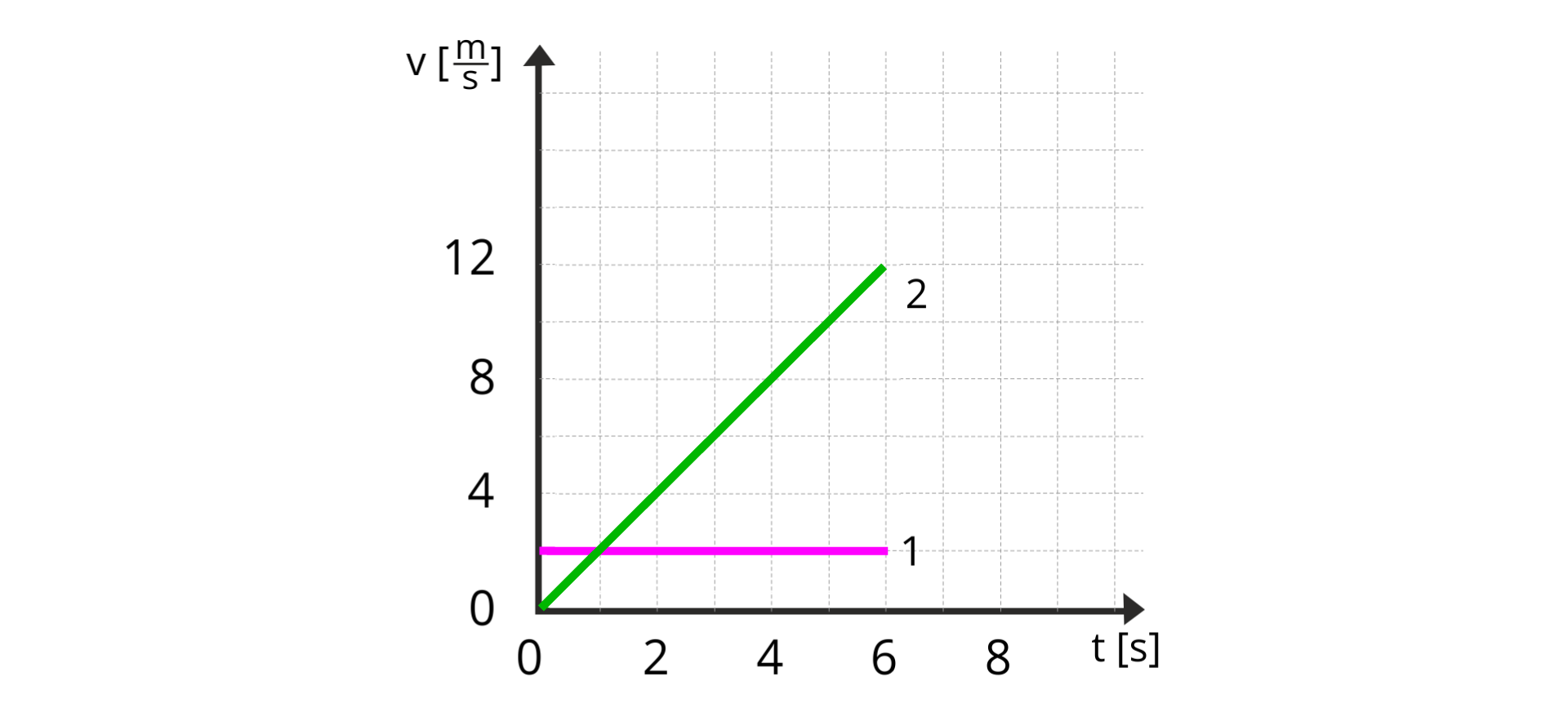
The motion of the car 1 is uniform rectilinear motionuniform rectilinear motionuniform rectilinear motion with the speed .
The motion of the car 2 is uniformly accelerated rectilinear motionuniformly accelerated rectilinear motionuniformly accelerated rectilinear motion with acceleration .
R175lk6cAHwYX
Ilustracja przedstawia dwa wykresy zależności wartości prędkości od czasu. Oś pozioma opisana t, w nawiasie kwadratowym s, zaznaczone punkty 0, 2, 4, 6, 8. Oś pionowa opisana v, w nawiasie kwadratowym m przez s, zaznaczone punkty 0, 4, 8, 12.. Wykres 1 narysowany jest jako jeden odcinek poziomy od punktu (0, 2) do punktu (6, 2). Wykres 2 narysowany jest jako ukośny odcinek od punkty (0, 0) do punktu (6, 12). Pod wykresami siatka z odcinkami jednostkowymi 1.
Marek travelled the first section at a speed of 50 in 30 min, and the second during 1,5 h at a speed of 20 . Calculate the average speed on the travelled distance.
The tram moved at 21,6 and braked in 6 seconds. Determine the braking distance and the decelerationdecelerationdeceleration of the tram.
Analysis
Given:
Unknown:
Solution:
Answer:
Distance covered by the tram is 18 m and decelerationdecelerationdeceleration is 1 .
Exercise 4
Ciało w ciągu czternastu sekund poruszało się ruchem zmiennym. Na pierwszym odcinku miało prędkość 10 metrów na sekundę, w szóstej sekundzie prędkość zmniejszyła się do zera. Od szóstej do dziesiątej sekundy prędkość wynosiła 0. Na ostatnim odcinku prędkość zwiększyła się od zera do 10 metrów na sekundę, którą osiągnęło w czternastej sekundzie. Jakim ruchem poruszało się ciało na poszczególnych odcinkach? Jaką drogę przebyło ciało na poszczególnych odcinkach? Jaka była całkowita droga?
Ciało w ciągu czternastu sekund poruszało się ruchem zmiennym. Na pierwszym odcinku miało prędkość 10 metrów na sekundę, w szóstej sekundzie prędkość zmniejszyła się do zera. Od szóstej do dziesiątej sekundy prędkość wynosiła 0. Na ostatnim odcinku prędkość zwiększyła się od zera do 10 metrów na sekundę, którą osiągnęło w czternastej sekundzie. Jakim ruchem poruszało się ciało na poszczególnych odcinkach? Jaką drogę przebyło ciało na poszczególnych odcinkach? Jaka była całkowita droga?
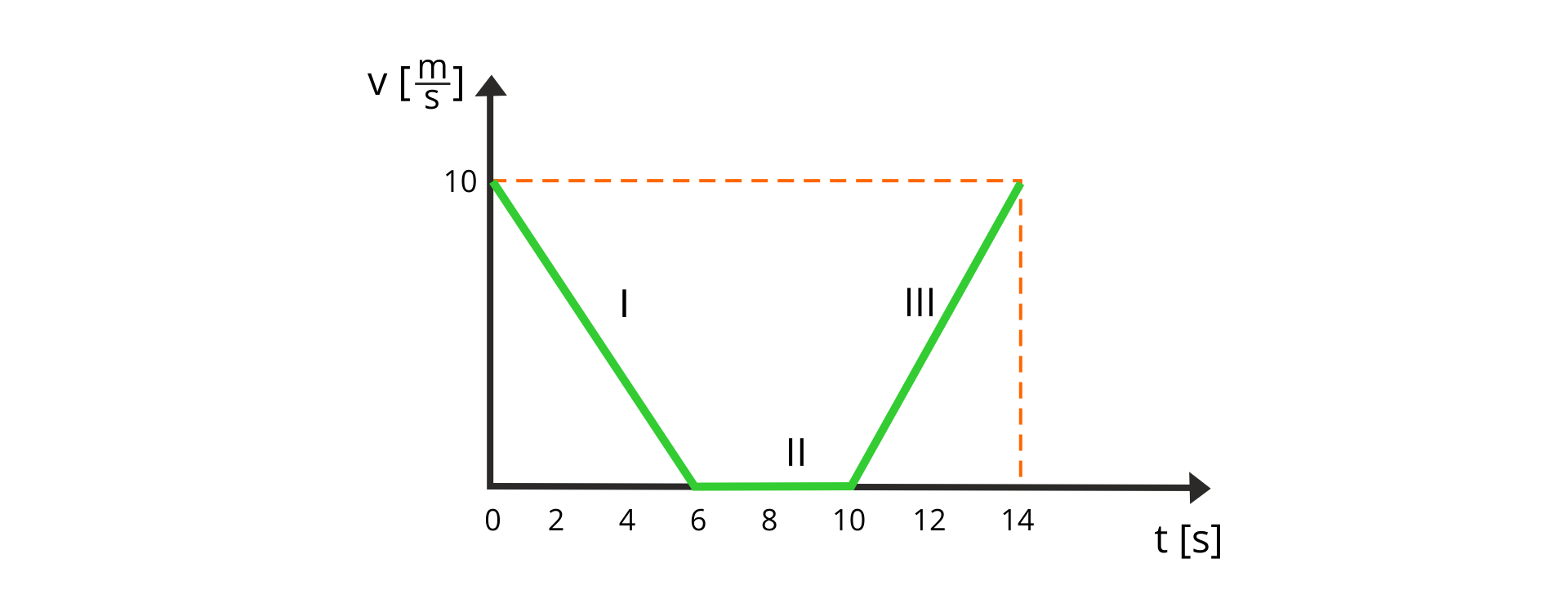
The graph shows the dependence of speed of the body on time. Specify the type of body motion in individual sections. Calculate the value of the distance the body has travelled in this motion.
R1NsmJf6CzxEW
Ilustracja przedstawia wykres zależności wartości prędkości od czasu. Oś pozioma opisana t, w nawiasie kwadratowym s, zaznaczone punkty 0, 2, 4, 6, 8, 10, 12 i 14. Oś pionowa opisana v, w nawiasie kwadratowym m przez s, zaznaczony punkt 10. Pierwsza część oznaczona I zaczyna się w punkcie (0, 10) i kończy się w punkcie (6, 0). Druga część oznaczona II zaczyna się w punkcie (6, 0) i kończy się w punkcie (10, 0). Trzecia część oznaczona III zaczyna się w punkcie (10, 0) i kończy się w punkcie (14, 10).
Complex motion of the body
Source: GroMar, licencja: CC BY 3.0.
Section I - decelerated motion, s = 30 m. Section II - the body is at rest, s = 0. Section III - accelerated motion, s = 20 m.
KinematicskinematicsKinematics deals with the description of motion. We use the concept of a reference frame to describe motion. To describe motion, it is necessary to introduce the trajectorytrajectorytrajectory.
A complex motioncomplex motioncomplex motion is a motion in which one can distinguish corresponding known types of motion - uniform rectilinear, uniformly accelerated or uniformly decelerated.
Exercises
Exercise 5
RoKaRsrMUXiwp
Ilustracja przedstawia zależności drogi od czasu. Oś pozioma opisana t, w nawiasie kwadratowym s, zaznaczone punkty 0, 5, 10, 15, 20, 25. Oś pionowa opisana s, w nawiasie kwadratowym m, zaznaczone punkty 0, 20, 40, 60, 80, 100. Pierwsza część oznaczona I zaczyna się w punkcie (0, 0) i kończy się w punkcie (10, 60). Druga część oznaczona II zaczyna się w punkcie (10, 60) i kończy się w punkcie (25, 100).
Dependence of the distance on time
Source: GroMar, licencja: CC BY 3.0.
R1IEdushQGHYb
Ciało w ciągu dwudziestu pięciu sekund poruszało się ruchem zmiennym. Na pierwszym odcinku w ciągu dziesięciu sekund przebyło drogę 60 metrów. Na drugim odcinku w ciągu kolejnych piętnastu sekund przebyło drogę 40 metrów. Wskaż poprawne odpowiedzi: 1. The speed in the section I was 6 meters per second., 2. The speed in the section I increased from 0 to 6 meters per second., 3. The speed in the section II was 2,66 meters per second., 4. The speed in the section II was 4 meters per second.
Ciało w ciągu dwudziestu pięciu sekund poruszało się ruchem zmiennym. Na pierwszym odcinku w ciągu dziesięciu sekund przebyło drogę 60 metrów. Na drugim odcinku w ciągu kolejnych piętnastu sekund przebyło drogę 40 metrów. Wskaż poprawne odpowiedzi: 1. The speed in the section I was 6 meters per second., 2. The speed in the section I increased from 0 to 6 meters per second., 3. The speed in the section II was 2,66 meters per second., 4. The speed in the section II was 4 meters per second.
The graph shows the dependence of the distance on time:
The speed in the section I was 6 .
The speed in the section I increased from 0 to 6 .
The speed in the section II was 2,66 .
The speed in the section II was 4 .
Exercise 6
Ciało w ciągu szesnastu sekund poruszało się ruchem zmiennym. Na pierwszym odcinku przez pierwsze sześć sekund miało przyspieszenie równe sześć metrów na sekundę kwadrat. Od szóstej do dziesiątej sekundy przyspieszenie wynosiło 0. Na ostatnim odcinku od dziesiątej do szesnastej sekundy przyspieszenie wynosiło minus trzy metry na sekundę kwadrat. Jakim ruchem poruszało się ciało na poszczególnych odcinkach? Jaka była prędkość początkowa i prędkość końcowa na poszczególnych odcinkach? Prędkość początkowa wynosiła zero.
Ciało w ciągu szesnastu sekund poruszało się ruchem zmiennym. Na pierwszym odcinku przez pierwsze sześć sekund miało przyspieszenie równe sześć metrów na sekundę kwadrat. Od szóstej do dziesiątej sekundy przyspieszenie wynosiło 0. Na ostatnim odcinku od dziesiątej do szesnastej sekundy przyspieszenie wynosiło minus trzy metry na sekundę kwadrat. Jakim ruchem poruszało się ciało na poszczególnych odcinkach? Jaka była prędkość początkowa i prędkość końcowa na poszczególnych odcinkach? Prędkość początkowa wynosiła zero.
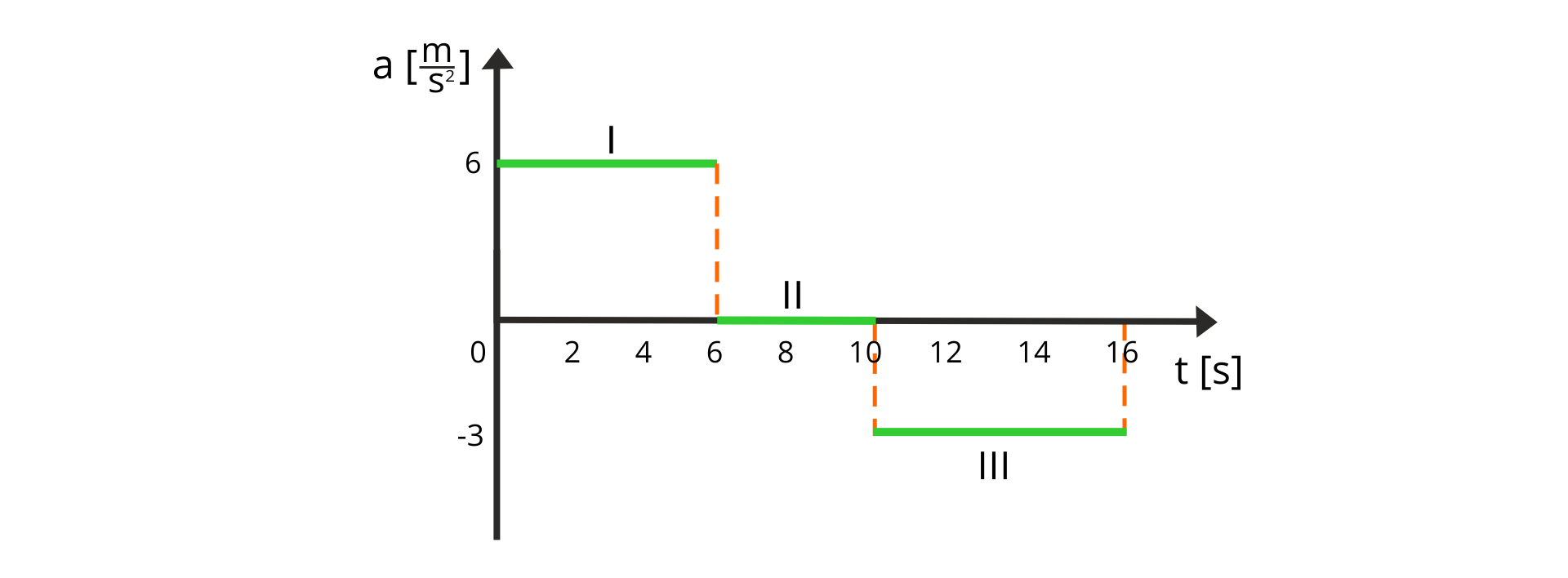
Based on the acceleration vs. time graph, determine the type of motion that the body was moving and calculate the initial and final speed on these sections. The initial speed was 0.
R1Trofq7osxAo
Ilustracja przedstawia zależności wartości przyspieszenia od czasu. Oś pozioma opisana t, w nawiasie kwadratowym s, zaznaczone punkty 0, 2, 4, 6, 8, 10, 12, 14, 16. Oś pionowa opisana a, w nawiasie kwadratowym m przez s do kwadratu, zaznaczone punkty -3, 0 i 6. Wykres narysowany jest jako trzy poziome odcinki. Pierwszy zaczyna się w punkcie (0, 6) i kończy się w punkcie (6, 6). Drugi zaczyna się w punkcie (6, 0) i kończy się w punkcie (10, 0). Trzeci zaczyna się w punkcie (10, -3) i kończy się w punkcie (16, -3). Odcinki połączone są linią przerywaną.
Acceleration in complex motion
Source: GroMar, licencja: CC BY 3.0.
Section I – accelerated motion.
Section II – uniform motion
Section III – decelerated motion .
Zapoznaj się z treścią abstraktu i wymyśl trzy pytania na kartkówkę.
Zapoznaj się z treścią abstraktu i wymyśl trzy pytania na kartkówkę.
Exercise 7
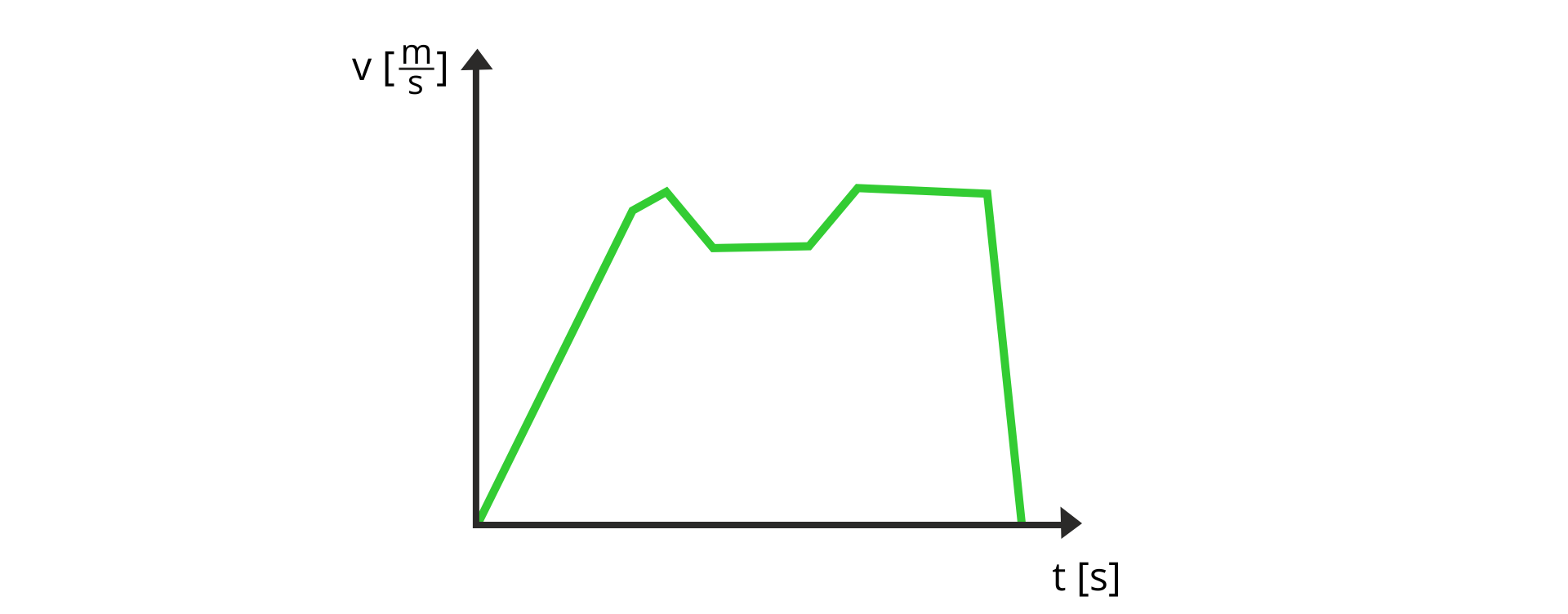
Write in English how the car, whose graph of v(t) is shown in the following figure, was moving.
RjGjkfMcAtPXd
Ilustracja przedstawia wykres zależności wartości prędkości od czasu. Oś pozioma opisana t, w nawiasie kwadratowym s. Oś pionowa opisana v, w nawiasie kwadratowym m przez s. Wykres składa się z siedmiu odcinków połączonych ze sobą. Pierwszy odcinek ukośny skierowany do góry w prawo, drugi odcinek ukośny skierowany do góry w prawo pod mniejszym kątem, trzeci odcinek ukośny skierowany do dołu w prawo, czwarty odcinek poziomy skierowany w prawo, piąty odcinek ukośny skierowany do góry w prawo, szósty odcinek ukośny skierowany do lekko do dołu w prawo, odcinek siódmy odcinek ukośny skierowany do prawie pionowo do dołu w prawo.
Speed in non-uniform motion of a car
Source: GroMar, licencja: CC BY 3.0.
The car moved off, accelerated, gently slowed down, drove at a constant speed, accelerated again, continued to drive at constant speed and braked sharply.
Rh6s4Dd7dvXHN
Exercise 8
Wersja alternatywna ćwiczenia: Indicate which pairs of expressions or words are translated correctly. Możliwe odpowiedzi: 1. kinematyka - kinematics, 2. ruch jednostajny prostoliniowy - uniform rectilinear motion, 3. tor - trajectory, 4. opóźnienie - deceleration, 5. ruch jednostajnie opóźniony prostoliniowy - uniformly accelerated rectilinear motion, 6. ruch jednostajnie przyspieszony prostoliniowy - uniformly decelerated rectilinear motion
Wersja alternatywna ćwiczenia: Indicate which pairs of expressions or words are translated correctly. Możliwe odpowiedzi: 1. kinematyka - kinematics, 2. ruch jednostajny prostoliniowy - uniform rectilinear motion, 3. tor - trajectory, 4. opóźnienie - deceleration, 5. ruch jednostajnie opóźniony prostoliniowy - uniformly accelerated rectilinear motion, 6. ruch jednostajnie przyspieszony prostoliniowy - uniformly decelerated rectilinear motion
Indicate which pairs of expressions or words are translated correctly.
kinematyka - kinematics
ruch jednostajny prostoliniowy - uniform rectilinear motion
tor - trajectory
opóźnienie - deceleration
ruch jednostajnie opóźniony prostoliniowy - uniformly accelerated rectilinear motion
ruch jednostajnie przyspieszony prostoliniowy - uniformly decelerated rectilinear motion
zadanie
Source: GroMar, licencja: CC BY 3.0.
R1QxuzR0sLk7f1
Interaktywna gra, polegająca na łączeniu wyrazów w pary w ciągu jednej minuty. Czas zaczyna upływać wraz z rozpoczęciem gry. Jeden ruch to odkrywanie najpierw jednej potem drugiej karty z wyrazem. Każdy wyraz jest odczytywany. Kolejny ruch to odkrywanie trzeciej i czwartej karty. W ten sposób odsłuchasz wszystkie wyrazy. Nawigacja z poziomu klawiatury za pomocą strzałek, odsłuchiwanie wyrazów enterem lub spacją. Znajdź wszystkie pary wyrazów.
Interaktywna gra, polegająca na łączeniu wyrazów w pary w ciągu jednej minuty. Czas zaczyna upływać wraz z rozpoczęciem gry. Jeden ruch to odkrywanie najpierw jednej potem drugiej karty z wyrazem. Każdy wyraz jest odczytywany. Kolejny ruch to odkrywanie trzeciej i czwartej karty. W ten sposób odsłuchasz wszystkie wyrazy. Nawigacja z poziomu klawiatury za pomocą strzałek, odsłuchiwanie wyrazów enterem lub spacją. Znajdź wszystkie pary wyrazów.
Match Polish terms with their English equivalents.
kinematics
complex motion
uniform rectilinear motion
deceleration
ruch złożony
uniformly accelerated rectilinear motion
opóźnienie
ruch jednostajny prostoliniowy
ruch jednostajnie przyspieszony prostoliniowy
kinematyka
Source: Zespół autorski Politechniki Łódzkiej, licencja: CC BY 3.0.