What are they like? Character description
how to name character traits, personality and appearance
how to see a variety od characterological types
how to pracice the ability to conduct discussions
how to create characterictics of a person
Before the lesson
Make an interview with someone who impresses you in some way (it can be a family member, a friend, etc.). Then make a short note from the conversation, writing down the obtained information in points. Ask this person about his or her most important character traits, interests, skills, habits, opinions and attitude towards people and animals.
Character trait description
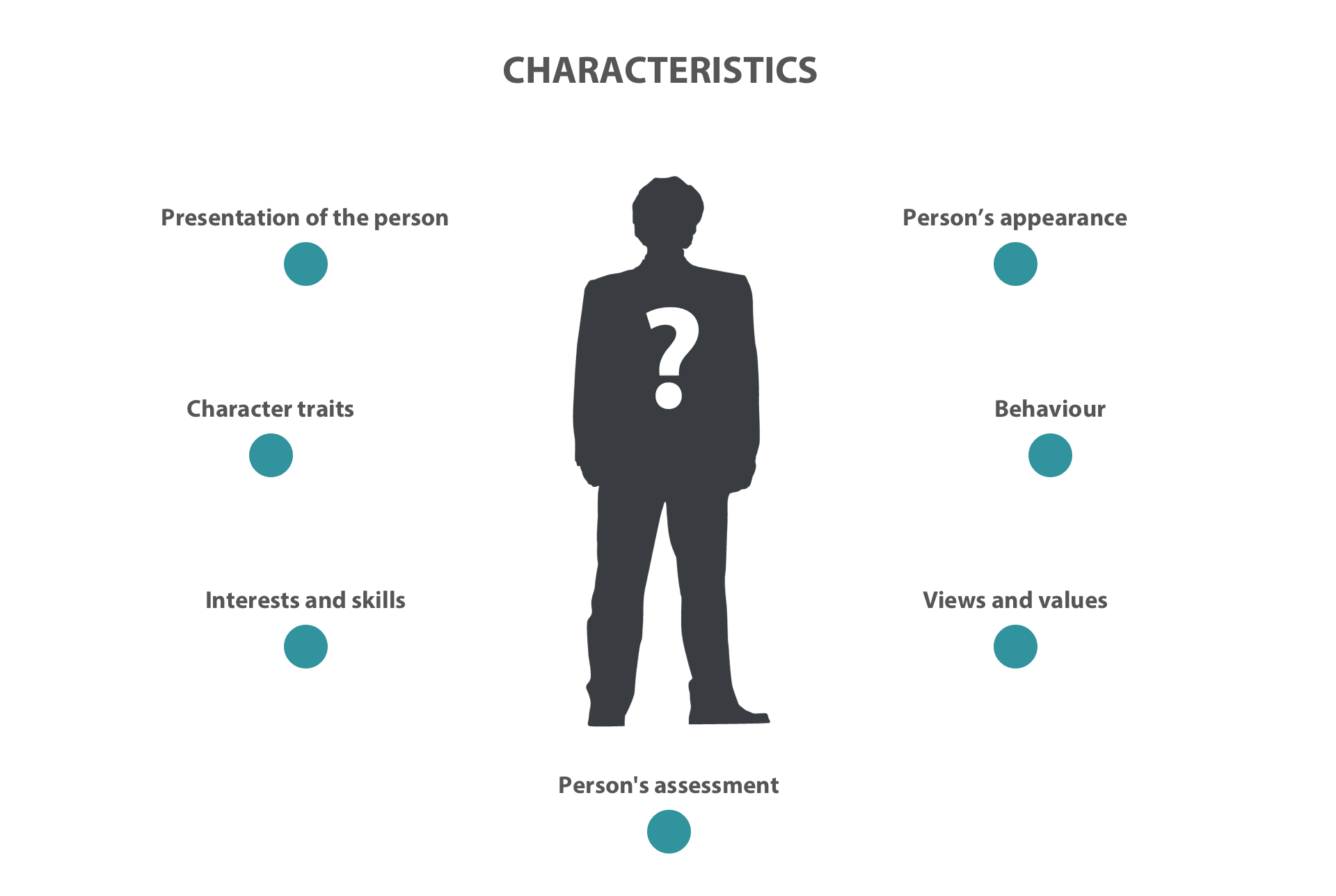
A physical description is an analysis of the appearance of a real person or a literary or fictional character. Character trait description, in turn, is a form of an oral or a written discussion of a character’s personal qualities. Such an analysis may cover character behaviour, personal and intellectual qualities, lifestyle and opinions, e.g. what positive traits does this character have? What negative character traits does he or she have? What makes this character stand out? Self‑descriptionSelf‑description, in other words an attempt to describe oneself, is a special form of character descriptioncharacter description. Character description is used in all kinds of texts: literary ones, official letters, journalists’ articles, rhetoric expressions, scientific definitions, as well as cover letters, film scripts and laudatory speeches. Depending on the author’s intention, a depiction can be serious, jocular or ironic. A full character description should include: character presentation, physical description, character trait description, description of a character’s behaviour, hobbies, skills, views and core values, and an evaluation of that character.
In the introductory part, make a brief presentation of the person and give basic information about him/her. (e.g.: What’s his/her first and last name? Where does he/she come from? How old is he/she? Where does he/she live?)
The development is the main and the most comprehensive part of the characteristics. In this part of the work one should not only focus on the external features of the person presented and on the life events important for him/her (so‑called external characteristics), but also describe his/her character, manner of behaviour, interests and professed values (so‑called internal characteristics).
The last part of the characteristics (ending) contains the opinion of the writer about the presented person.
1.
2.
3.
4.
5.
6.
7.
Take part in the game „Who are we talking about?”. To play it, please prepare – in an oral form – short characteristics (consisting of two or three sentences) of a chosen classmate. Then make a short presentation on the forum. Other people in the class team should guess who you are talking about.
While characterizing your colleagues, you used the words that describe their appearance or personality. Developing this type of vocabulary is very important, thanks to it your characteristics will be more interesting and more accurate.
Check if you understand the following Polish words. Complete the definitions in your notebook according to the example. If you are not sure, look the words up in the Polish Language Dictionary of PWN.
Example: gadatliwy – taki, który dużo mówi.
sumienny
rycerski
skromny
dociekliwy
szczodry
chciwy
awanturniczy
zręczny
mężny
chełpliwy.
Characteristics of a person do not always contain only positive feature, you can also characterize, for example, the villain of your favourite movie.
Match the appropriate antonyms (opposites) to the words given, thanks to which you will be able to assess the characters both positively and negatively.
yielding, passive, calm, impatient, lazy, helpful, phlegmatic, withdrawn
| hard-working | |
| stubborn | |
| selfish | |
| patient | |
| sociable | |
| energetic | |
| aggressive | |
| active |
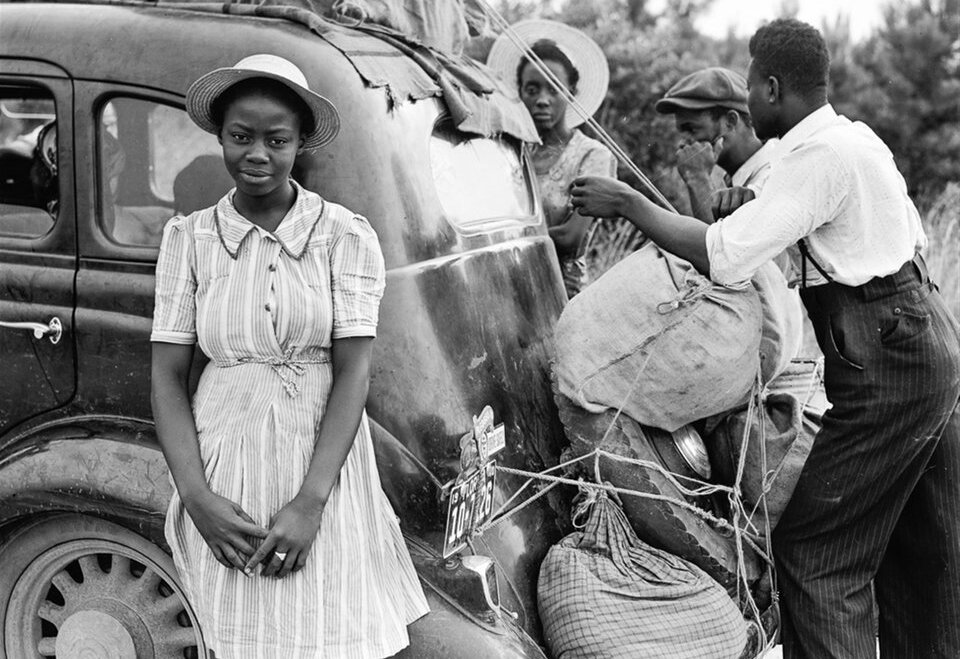
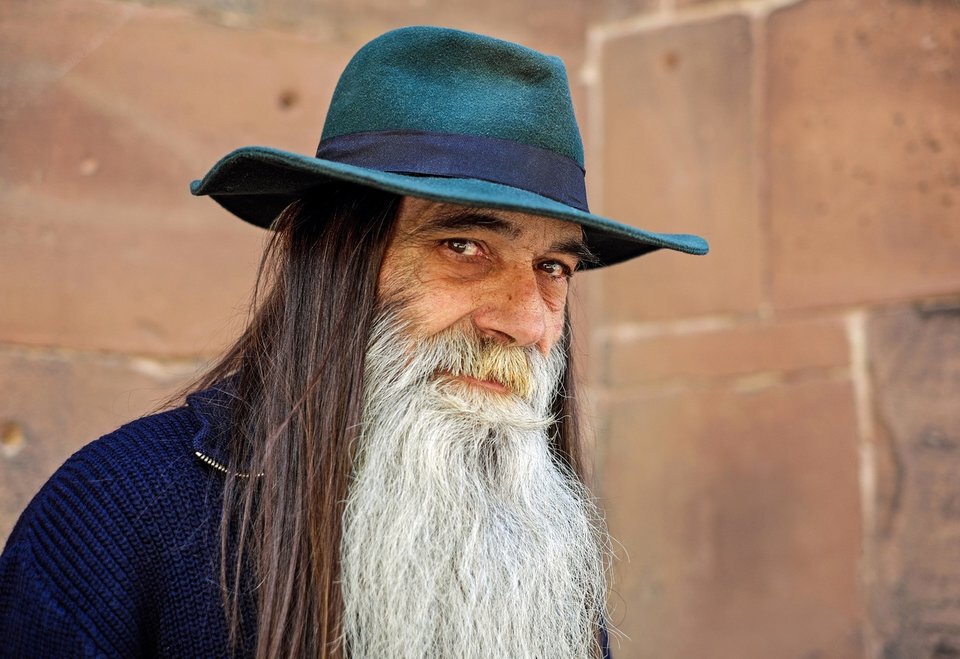
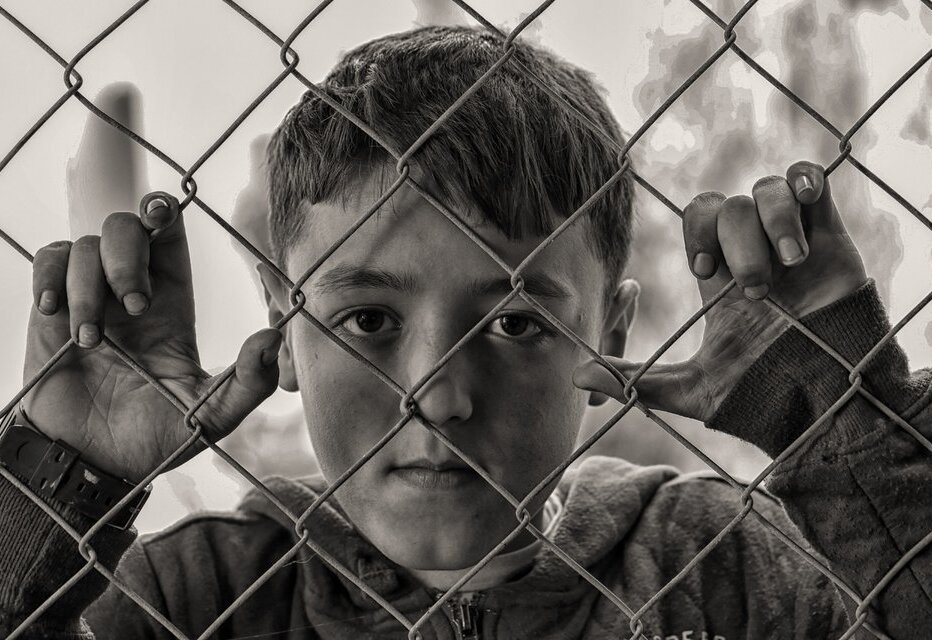
Consider whether all the features from the previous exercise can be defined as explicitly positive or negative.

A few tips
While creating the characteristics of a person, the following errors often occur:
● too extensive description of the appearance,
● omitting the description of the person's internal features (i.e. his/her psyche, character traits, interests, views),
● lack of character assessment (laconic conclusions, lack of justification of the assessment).
Other errors appearing in written works, regardless of the form of the statement, are:
● writing off topic,
● lack of a well‑thought‑out concept of the whole,
● the occurrence of sentences not connected with each other in a coherent and logical manner,
● poor vocabulary (too frequent repetition of the words „to have” and „to be”),
● grammatical, spelling and punctuation errors.
Pay attention to this while writing your characteristics.
Create the characteristics of the person you interviewed when prepared for the lesson. You can ask him/her for additional information. Remember to include all elements in the characteristic.
Keywords
characteristics, description, feature
Glossary
charakterystyka postaci
autocharakterystyka