New ideologies: liberalism and conservatism
the differences between liberalismliberalism and conservatism;conservatism;
what the views of leading representatives of liberalism and conservatism were;
what were the first feministfeminist slogans were;
who the most important ideologists of liberalism and conservatism were.
An attempt was made to understand, evaluate, and name the unprecedented experiences that people encountered at the end of the 18th and the first half of the 19th centuries. The great political ideologies of the time, liberalismliberalism and conservatism;conservatism;, tried to face this issue. LiberalismLiberalism proclaimed individual freedom, equality of all citizens before the law and economic freedom. Conservatism;Conservatism;, on the other hand, assumed the preservation of traditional values and the existing social hierarchy.
Evaluate the correctness of the sentences below, selecting those that summarize J. Baszkiewicz's theses.
- Liberals demanded equal political rights for all people, because they are equal.
- Democrats demanded equal political rights for all people, although they are different.
- Democrats believed that differences between people were an obstacle to equal political participation.
- Democrats believed that equality in human rights should lead to equality in citizens' rights.
- Liberals believed that differences between people were an obstacle to equal participation in political life.
- Liberals believed that equality in human rights should lead to equality in citizens' rights.
Look at the timeline. Pay attention to the ideological‑political and economic views of the figures presented. Think about the differences between them.
Read the following text and take the most important information out of it.
Conservatism;Conservatism; was an attempt to find practical means of preventing a revolution or restoring the old rules of government in the places which the revolution changed. Morally, it means being hostile to change, being attached to the existing state of affairs, and being an advocate of a traditional system of values. In the 19th century, neither the processes of industrialisation, democratisation, emancipation of the individual, processes of secularization, nor the formation of modern countries were accepted. As a philosophical and social doctrine, conservatism;conservatism; was formed as a result of a dispute with liberal philosophy and the legacy of the EnlightenmentEnlightenment.
A pessimistic view of human nature was the foundation of the reluctance to change. According to conservatives, its negative tendencies and its attraction to evil are best tempered by religion and upbringing. It was therefore concluded that overturning traditional institutions and laws that impede human freedom would not make it possible in any way to create a better social order. Inequalities are an inherent feature of every society, as people differ in their abilities and education, as well as in their level of wealth. Conservatism;Conservatism; has supported a social system that protects tradition (i.e. Church, religious education, property rights) and gives greater influence to elites (because of their background, education and fortune). It negated the need to introduce the universal suffrage and the principle of political equality of citizens as harmful to the state.
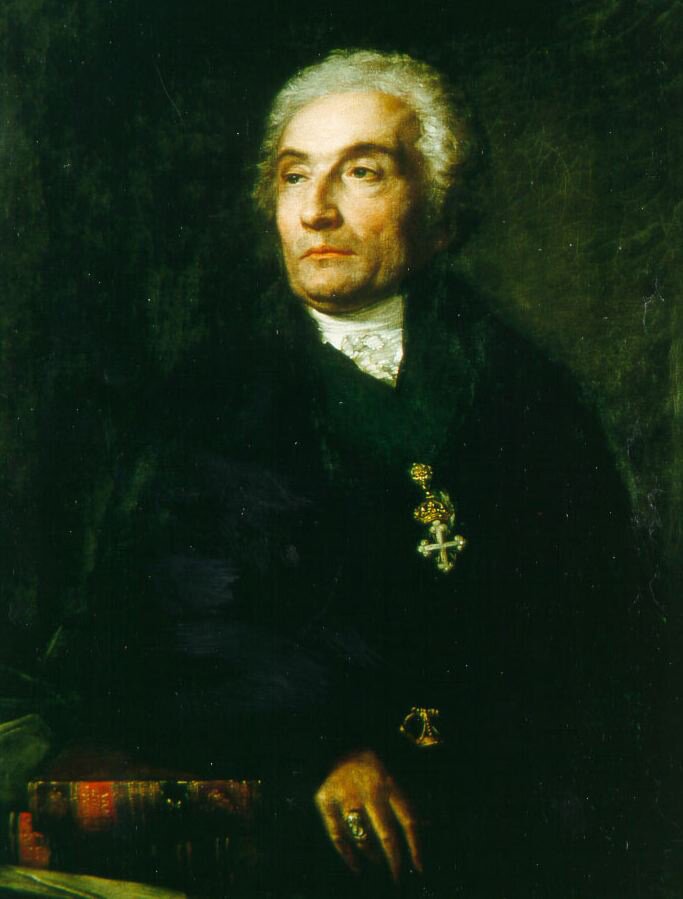
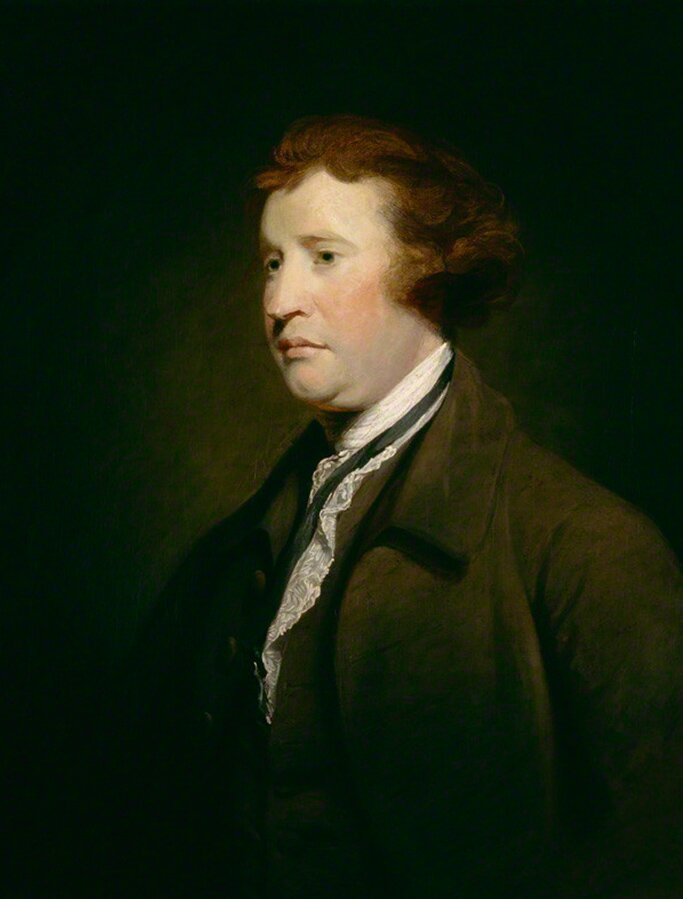
The ideological foundations of conservatism;conservatism; were laid at the end of the 18th century, and they were created mainly by elderly people who were critical of the events of the French Revolution. They were the Irish philosopher Edmund Burke (1729‑1797) and the French philosopher Joseph de Maistre (1753‑1821). Burke believed that politics (and the United Kingdom set an example) should be governed by cautious moderation, resulting from limited faith in the power of human reason. It is better to rely on the „collective reason of the ages” and on the rhythm of the generations, on which social life is supported. De Maistre, on the other hand, claimed that true social order could only be supported by the ruler's authority. In his opinion, the events of the French Revolution were a punishment imposed by Providence on a sinful society. He supported the death penalty as the best remedy for the revolutionary upheaval and a guarantee that the society would function properly.
Which of these are the works of Mary Wollstonecraft?
- A Vindication Of The Rights Of Woman
- An Inquiry into the Nature and Causes of the Wealth of Nations
- Frankenstein
- Thoughts On The Education Of Daughters
Test your knowledge of 19th century political doctrines. Which of the following statements would a conservative (K) and a liberal (L) make? Do you find any thesis common to both ideologies (K-L)? Which sentence does not fit any of them?
| K | L | K-L | none | |
| Society is and should be constructed hierarchically. | □ | □ | □ | □ |
| The state and state institutions should remove obstacles to the happiness of individuals. | □ | □ | □ | □ |
| People are different. | □ | □ | □ | □ |
| Respect for tradition and religion is the foundation of collective life. | □ | □ | □ | □ |
| The way of progress is a way of revolution, not evolution. | □ | □ | □ | □ |
| The state should be a “night watcher”. | □ | □ | □ | □ |
| Poor and uneducated people should not have the right to vote. | □ | □ | □ | □ |
| The state restricts freedom and must therefore be abolished. | □ | □ | □ | □ |
| An individual should not be limited in any way. | □ | □ | □ | □ |
| Political equality of citizens and universal suffrage are detrimental to the state. | □ | □ | □ | □ |
Keywords
liberalism, conservatism, ideology, Adam Smith
Glossary
liberalizm – ideologia i kierunek polityczny, według którego wolność jest nadrzędną wartością.
konserwatyzm – ideologia, która bazuje na hasłach obrony porządku społecznego oraz umacniania tradycyjnych wartości (religii, narodu, państwa, rodziny).
utylitaryzm – kierunek etyki, wg którego to miarą słuszności postępowania jest użyteczność skutków.
oświecenie – nurt kulturalny oraz okres w historii Europy, szerzący deizm, obojętność religijną, naturalizm i krytykę Kościoła.
absolutyzm – pogląd, wg którego bezgraniczna władza powinna przysługiwać jednemu człowiekowi lub grupie ludzi.
feminizm – ideologia, kierunek polityczny i ruch społeczny związany z równouprawnieniem kobiet.