you will tell what functions in a text the adjectivesadjectiveadjectives have
you will form comparativecomparativecomparative and superlativesuperlativesuperlative adjectives and you will indicate the different ways of comparisonscomparisoncomparisons
you will use adjectives to describe people and objects
you will explain the meaning of the chosen proverbs
RisqwdE8zQAuR
Wysłuchaj nagrania abstraktu i zastanów się, czego jeszcze chciałbyś się dowiedzieć w związku z tematem lekcji.
Wysłuchaj nagrania abstraktu i zastanów się, czego jeszcze chciałbyś się dowiedzieć w związku z tematem lekcji.
Wysłuchaj nagrania abstraktu i zastanów się, czego jeszcze chciałbyś się dowiedzieć w związku z tematem lekcji.
Exercise 1
Think about a person you love and tell the others about him or her using as many adjectives as possible.
Think about a person you love and tell the others about him or her using as many adjectives as possible.
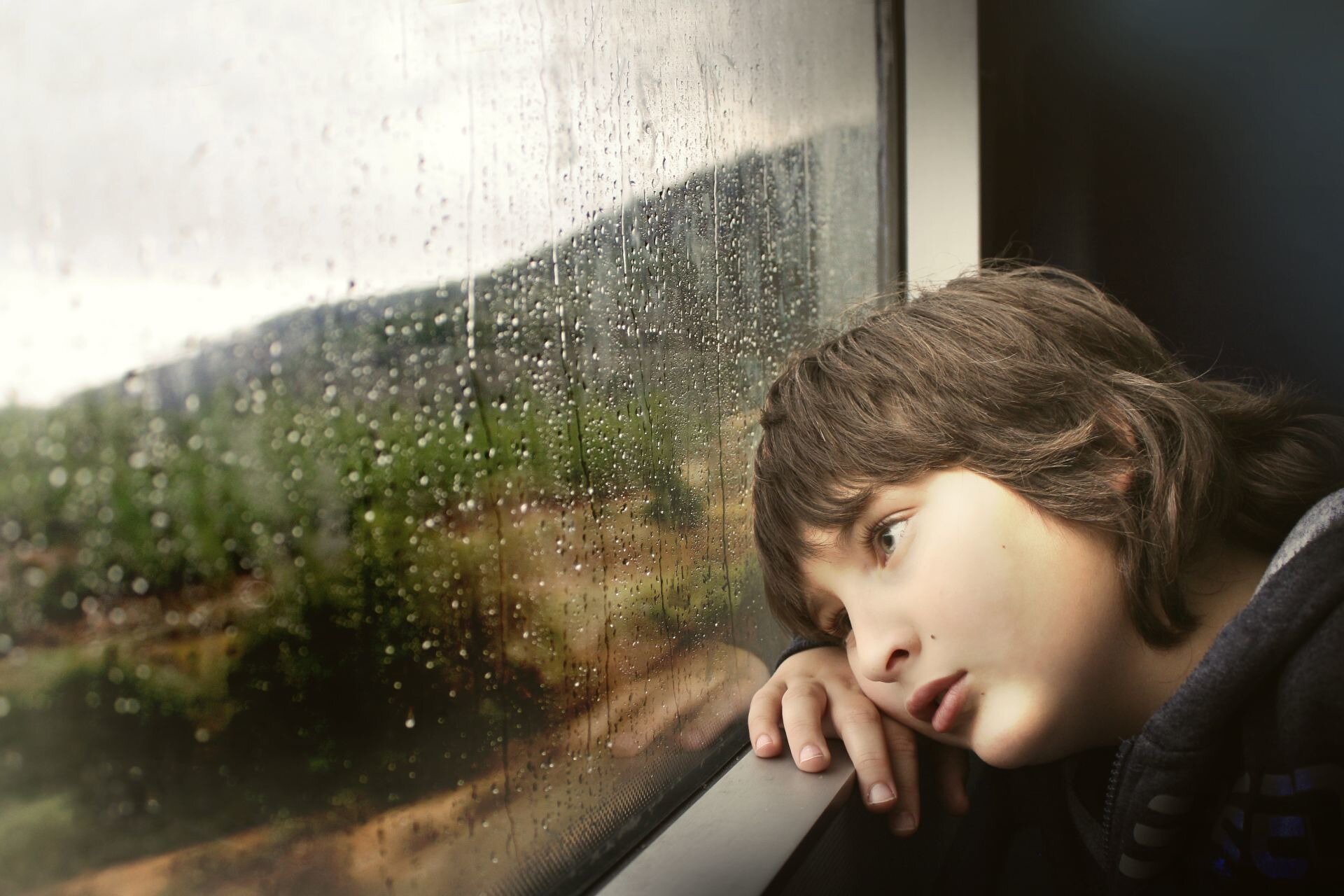
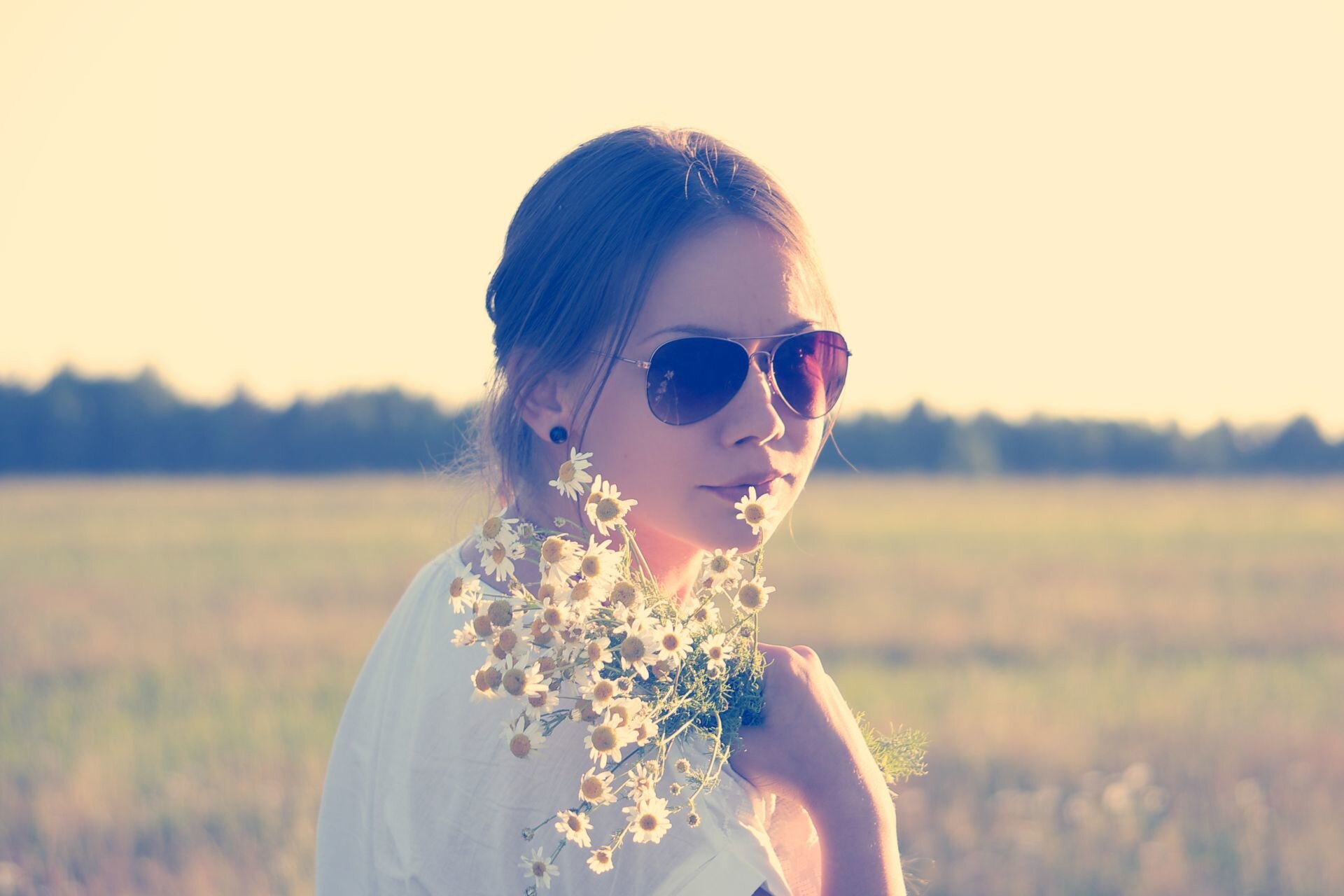
Look at the people in the photos. Try to describe them using as many adjectives as possible.
RP5hQtIkCzLQj
Zdjęcie przedstawia dziewczynę o długich blond włosach i w okularach. Ma na sobie szary gruby sweter. Uśmiecha się, głowę ma opartą o podniesioną rękę. W tle rozmazane wnętrze biblioteki.
Source: licencja: CC 0.
RtY5AeyfydiKN
Zdjęcie przedstawia chłopca jadącego pociągiem, parzącego w szybę, na której są krople deszczu. Za oknem rozmazany krajobraz.
Source: licencja: CC 0.
R59VjxhnsdmKp
Fotografia przedstawia łąkę, na której dziewczyna w okularach pozuje do zdjęcia trzymając bukiet kwiatów.
Source: licencja: CC 0.
Read the adjectives that you used to describe the people. What questions does this part of speech answer? When do we use adjectives? What do they allow us to do?
R1TFFbcsaYyyD
Describe an unusual character or a strange object. Do not use adjectives! Was it easy or difficult? Talk about it with the others.
Describe an unusual character or a strange object. Do not use adjectives! Was it easy or difficult? Talk about it with the others.
Here or in your notebook draw an unusual character or a strange object. Try to describe this drawing to your colleague so he can reproduce it. Do not use adjectives! Compare your drawings and think about how did the lack of adjectives influence the reproduction.
R12pJ43b7b96V1
Exercise 2
Read the definition of adjective and tell the others what do we use adjectives for. Adjectives name features of people, animals, plants, objects and phenomena. With adjectives we can describe how do the different things look like, how do they taste and feel to touch, what is a person, an animal or a plant like. English adjectives answer questions: which one is this?, what kind is it?, how many are there?
Read the definition of adjective and tell the others what do we use adjectives for. Adjectives name features of people, animals, plants, objects and phenomena. With adjectives we can describe how do the different things look like, how do they taste and feel to touch, what is a person, an animal or a plant like. English adjectives answer questions: which one is this?, what kind is it?, how many are there?
Complete the definition of adjective. Drag elements to the right places.
.................... name .................... of people, ...................., plants, objects and phenomena. With adjectives we can .................... how do the different things look like, how do they .................... and .................... to touch, what is a person, an animal or a .................... like. English adjectives answer questions: .................... one is this?, what kind is it?, how many are there?
An adjective adapts its form to the noun it describes, and just like the noun it declines according to case and number. Moreover, an adjective declines according to gender.
As you already know, adjectives are gradable – this featurefeaturefeature lets us signalise the intensity of a particular feature. Both in Polish and in the English language there are three kinds of possible comparisons: equalequalequal, comparative and superlative. Do you remember what are the rules for adjectives comparison in Polish? How do we call the particular ways of making comparisons?
R6ttxg066JzNH1
Exercise 3
Write the comparative and superlative forms of the following adjectives. Define the way of comparison.
Write the comparative and superlative forms of the following adjectives. Define the way of comparison.
Write the comparative and superlative forms of the following adjectives. Define the way of comparison.
irregularlyirregularirregularly (the stem is changed): equal – good, comparative – better, superlative – the best;
descriptivelydescriptivedescriptively: equal – salty, comparative – more salty, superlative – the most salty.
Important!
In Polish only four adjectives are irregularly gradable: good (dobry), bad (zły), small (mały), big (duży). In Polish, there are adjectives denoting the place of origin or material, material from which something is made. Their intensity can not be changed, therefore they aren't gradable, for example Warsaw (warszawski), iron (żelazny), paper (papierowy), wooden (drewniany). It is worth remembering that all expressions like more yoghurt (bardziej jogurtowy), more Polish (bardziej polski) are incorrect.