An ant climbing a tree trunk is unable to describe its shape or size. A man standing on the surface of the Earth finds himself in a similar situation. However, today there are no doubts about the size and shape of the Earth. How do we know that?
The shape of the Earth
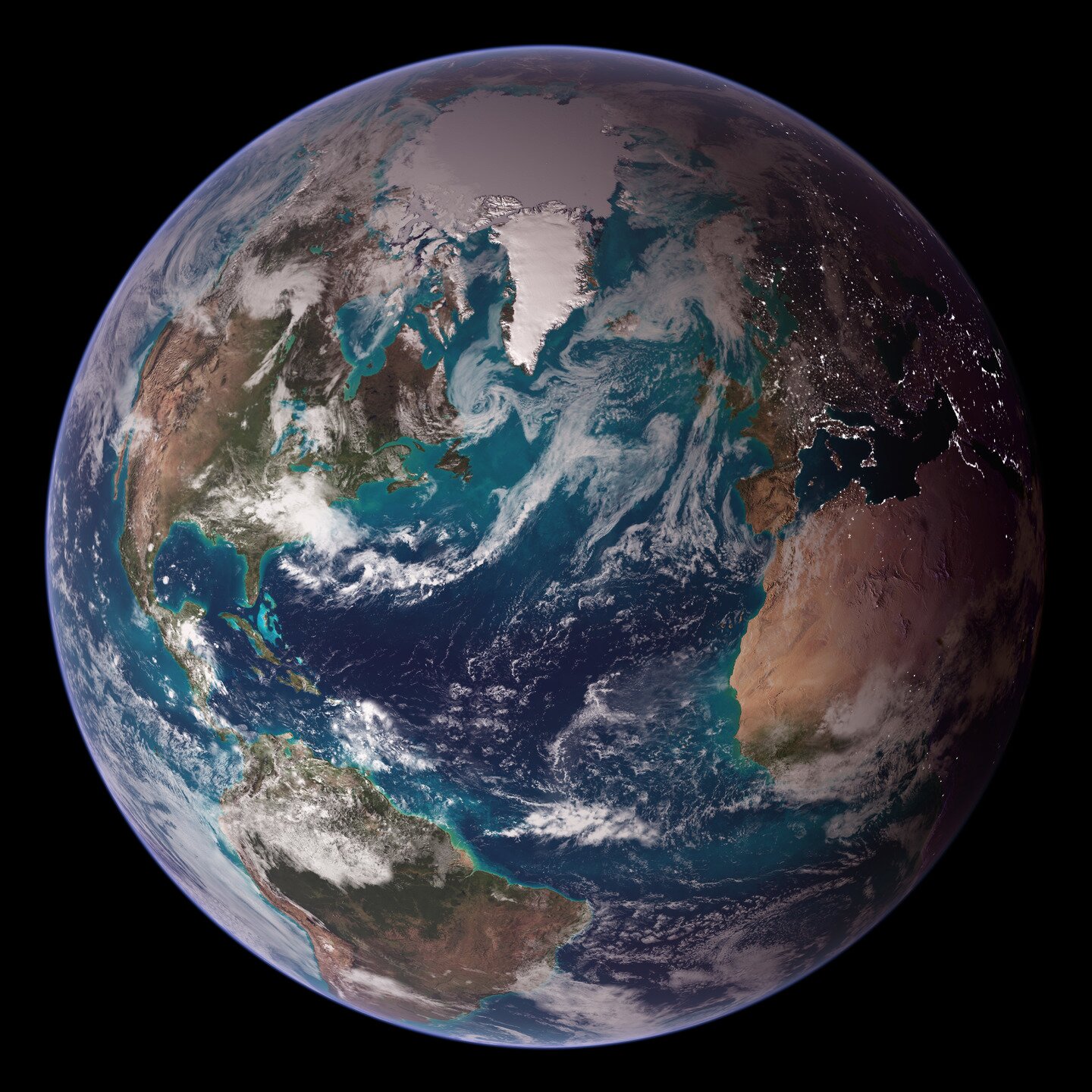
The size of a human being is so small in comparison with the whole Earth that we cannot fathom its shape or dimensions. Our ancestors thought that it was flat. It was not until a number of studies demonstrated that the Earth was spherical. It was finally proven by voyages around the world. Space flights provided us with photographs which make it possible to precisely determine the shape of the Earth.
Of course, we do not have to fly into space to convince ourselves that the Earth is round. The evidence for the spherical shape of our planet includes:
the area encircled by the horizonhorizonhorizon (apparent line that separates earth from sky) has a circular shape, which increases with increasing height above the ground,
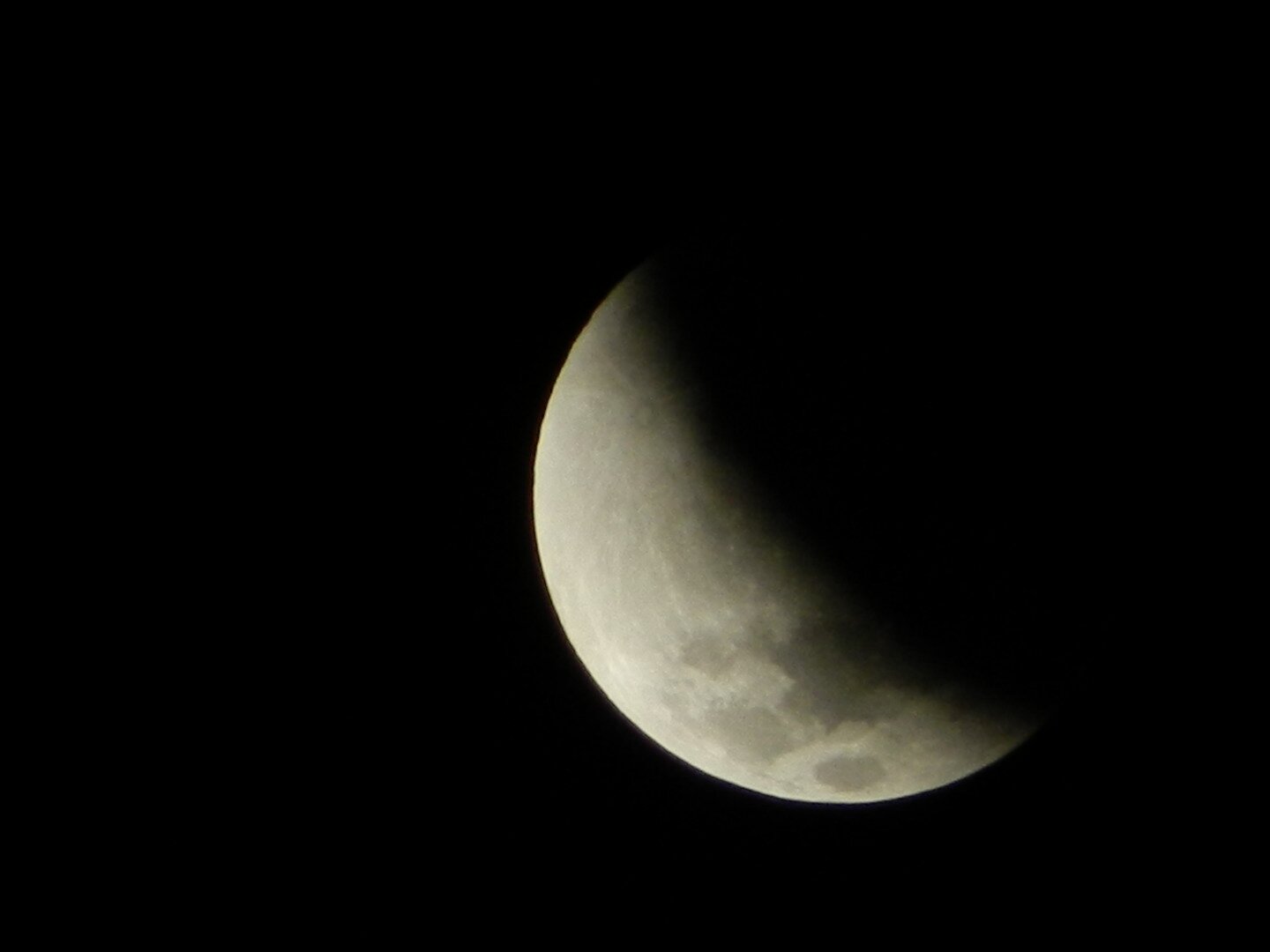
observation of the shadow of the Earth during the lunar eclipseslunar eclipsethe lunar eclipses, when the Moon passes directly behind Earth and into its shadow,
observations of ships approaching the port.
Rc8mZmiIisotq
Fotografia prezentuje okrągły biało-szary Księżyc na tle czarnego nieba. Tarcza księżyca, w przeszło połowie swojej wielkości, jest zasłonięta cieniem Ziemi.
The Earth’s shadow on the Moon during a lunar eclipse
Source: Ra fa el..., www.flickr.com, licencja: CC BY 3.0.
REIyDiFGBAmmB
Zdjęcie Ziemi wykonane z satelity okołoziemskiego. Na zdjęciu okrągła kula Ziemska pokryta niebieskimi wodami, brązowymi lądami oraz białymi pasmami chmur.
Evidence for the sphericity of the Earth - satellite images
Source: NASA Goddard Photo and Video, www.flickr.com, licencja: CC BY 2.0.
Task 1
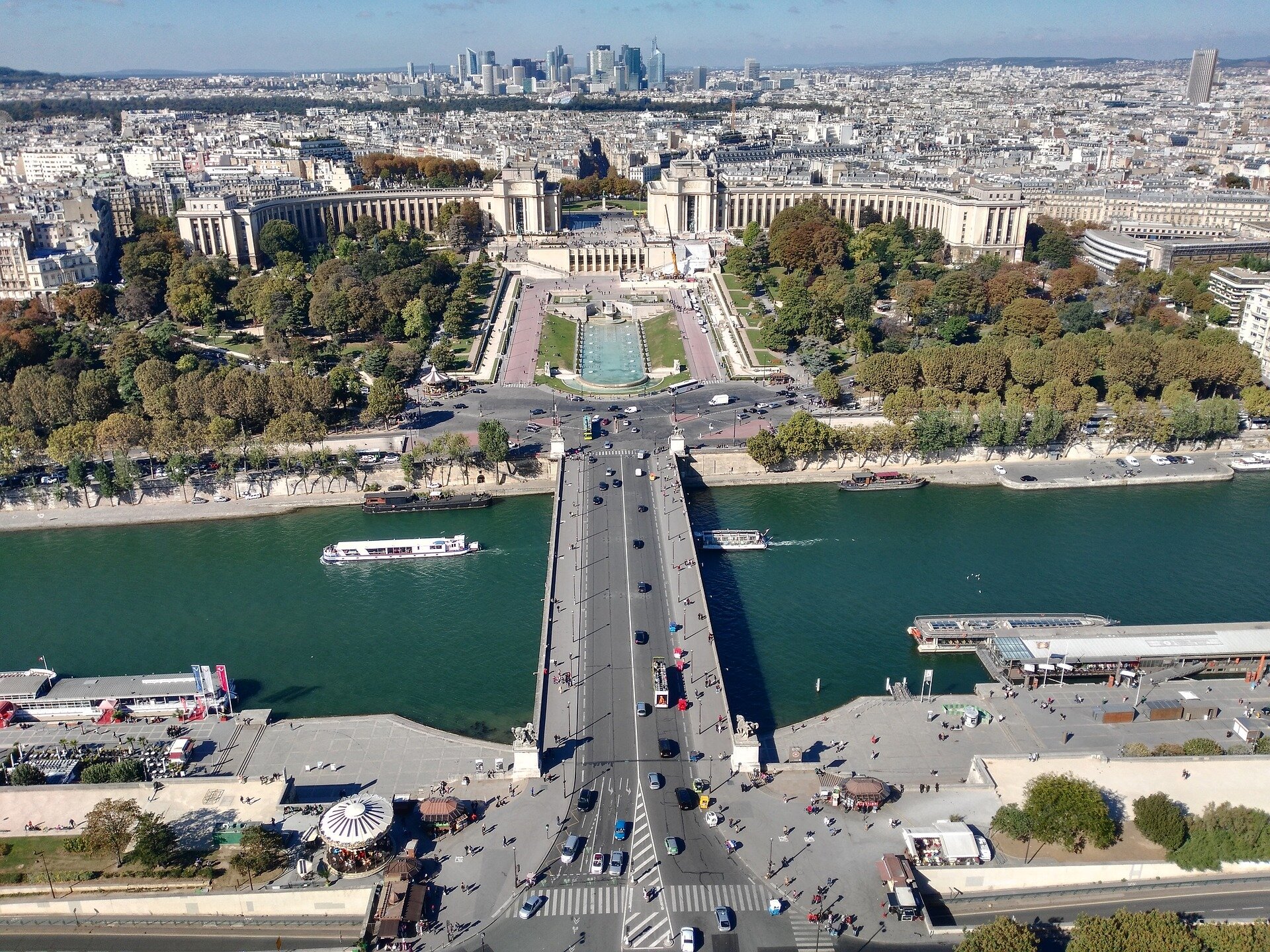
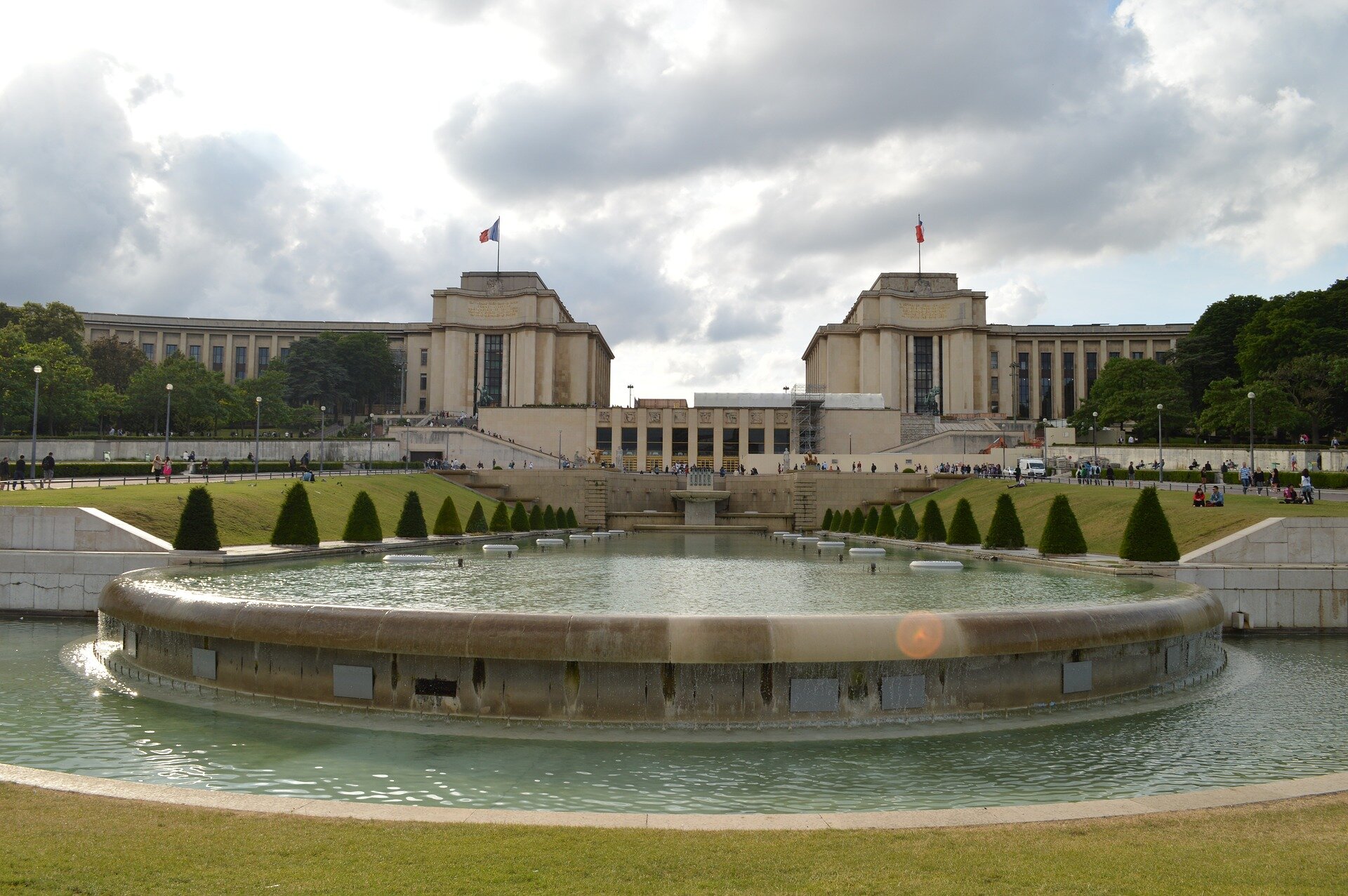
Before analyzing the following illustrations depicting the Trocadero Square in Paris from the vantage point and from the ground level, write down the research question and hypotheses. Make observations during the task, and finally write down conclusions.
RhVnXvB62ycE3
Analysis of the experiment. Research question (Uzupełnij). Hypothesis (Uzupełnij). Observations (Uzupełnij). Observations (Uzupełnij).
Analysis of the experiment. Research question (Uzupełnij). Hypothesis (Uzupełnij). Observations (Uzupełnij). Observations (Uzupełnij).
Analysis of the experiment
RsOe76toUstdO
Fotografia przedstawia widok z wieży widokowej na plac Trocadero w Paryżu. Widok na most wiodący przez rzekę. Po moście jadą samochody. Za mostem znajduje się plac z drzewami po prawej i lewej stronie. Plac kończy się po lewej i prawej stronie dwoma półkolistymi budynkami. Za nimi liczne budynki dużego miasta.
The Trocadero Square in Paris from the vantage point.
Source: marcinzlegnicy, http://pixabay.com, licencja: CC 0.
RcRRnDxTNFmkT
Fotografia przedstawia fontannę na placu Trocadero. Fontana ma dwa poziomy i jest podłużna. Po bokach fontanny rosną małe drzewka. Całość otoczona przystrzyżonym trawnikiem. Za fontanną, nieco powyżej widoczna jest centralna część pałacu. Niebo jest zachmurzone.
The Trocadero Square in Paris from the ground level.
Source: ADCG, http://pixabay.com, licencja: CC 0.
What are the dimensions of the Earth?
We already know how to prove that the Earth is spherical. And how can we find out what size it is? The size of the Earth can be calculated by making precise measurements. Already in antiquity, scholars noticed that the Sun observed in one location is higher above the horizon than in another location further to the north. By making very accurate measurements of sun‑ray angles, they calculated that the circumference of the Earth was about 40 000 km. Today we know that the Earth's circumference is 40 075 km, and the average radiusradiusradius – is about 6371 km. This means that its diameter is approximately 12 742 km.
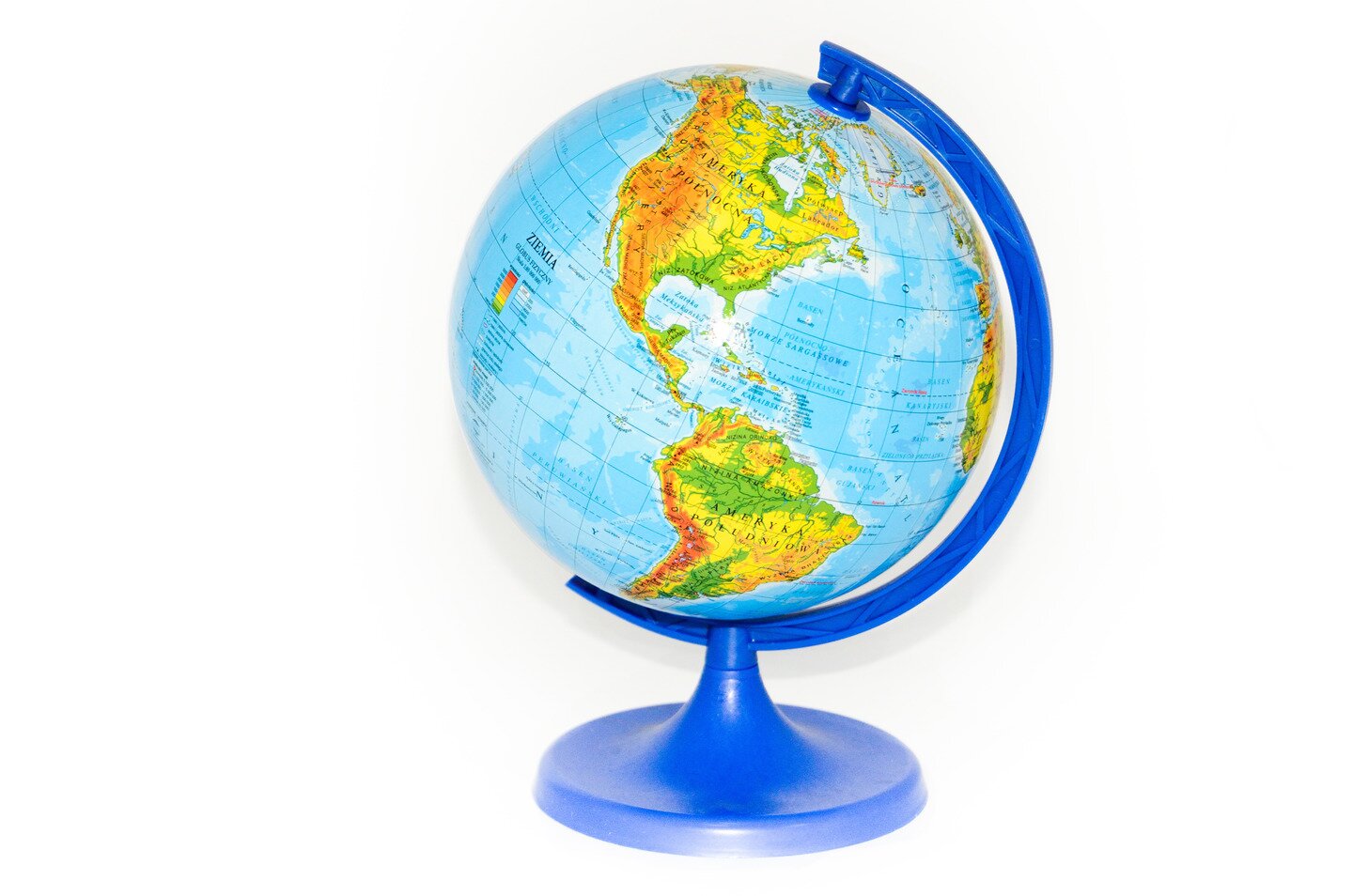
Due to its enormous dimensions, we cannot see the entire Earth. Therefore, a model was created which shows the Earth in a much diminished form. We call it a globeglobeglobe. The globe is indispensable in any life sciences classroom. It shows not only the shape of the Earth – but also where land masses and oceans are.
R1CwAzPnsIjaj
Fotografia prezentuje model Ziemi – globus. Na powierzchni globusa widoczne żółto- brązowo-zielone kontynenty otoczone niebieskimi wodami. Globus stoi na niebieskiej podstawce.
Globe
Source: jarmoluk, http://pixabay.com, licencja: CC 0 1.0.
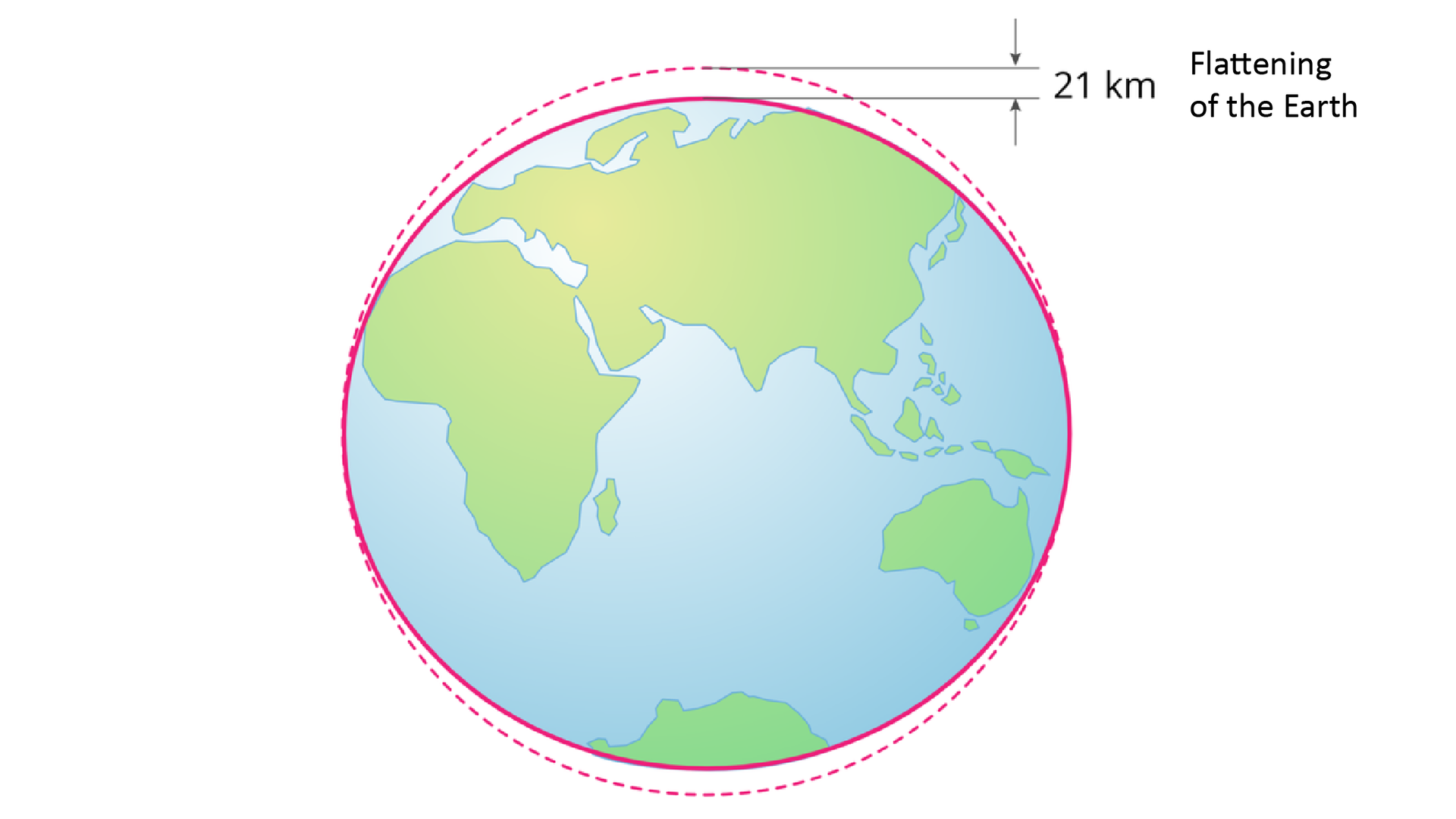
Precise measurements and observations have shown that the Earth is not exactly a sphere. The movement around its own axis creates a centrifugal force. As a result, the Earth is slightly flattened. Such a flattened sphere is called an ellipsoid.
R1Nndgk7yCC4c
Ilustracja Ziemi. Ziemia jest nieco spłaszczona na biegunach (Flattening of the Earth) Z prawej strony umieszczono zapis 21 km oznaczający różnicę między średnicą Ziemi mierzoną najszerszym i największym miejscu. Na ilustracji jest napis: Flattening of the Earth
Ellipsoid
Source: Andrzej Bogusz, licencja: CC BY 3.0.
R1DovovluMOha
Exercise 1
The evidence proving that the Earth is round. Complete the sentences. The evidence that the Earth is a sphere or closely resembles a sphere includes: observations of the 1. sea level, 2. horizon, 3. Sun, 4. Earth carried out at an increasing height above the ground, observations of the Earth’s shadow during eclipses of the 1. Earth, 2. Sun, 3. stars, 4. Moon, observations of 1. fish, 2. planes, 3. submarines, 4. ships moving away from the shore, voyages around 1. Poland, 2. Europe, 3. the world, 4. own municipality and flights of 1. space, 2. ships, 3. passenger, 4. planes, 5. insect, 6. skites.
The evidence proving that the Earth is round. Complete the sentences. The evidence that the Earth is a sphere or closely resembles a sphere includes: observations of the 1. sea level, 2. horizon, 3. Sun, 4. Earth carried out at an increasing height above the ground, observations of the Earth’s shadow during eclipses of the 1. Earth, 2. Sun, 3. stars, 4. Moon, observations of 1. fish, 2. planes, 3. submarines, 4. ships moving away from the shore, voyages around 1. Poland, 2. Europe, 3. the world, 4. own municipality and flights of 1. space, 2. ships, 3. passenger, 4. planes, 5. insect, 6. skites.
The evidence proving that the Earth is round. Complete the sentences.
The evidence that the Earth is a sphere or closely resembles a sphere includes: observations of the {sea level}{#horizon}{Sun}{Earth} carried out at an increasing height above the ground, observations of the Earth’s shadow during eclipses of the {Earth}{Sun}{stars}{#Moon}, observations of {fish}{planes}{submarines}{#ships} moving away from the shore, voyages around {Poland}{Europe}{#the world}{own municipality} and flights of {#spaceships}{passenger planes}{insects}{kites}.
R1CfUoZkwlL6I
Exercise 2
Views on the shape of the Earth. Are these statements true or false? People have always known that the Earth is spherical. Możliwe odpowiedzi: True, False. Flights into space have made it possible to observe the shape of the Earth. Możliwe odpowiedzi: True, False. Solar eclipses provide evidence for the spherical shape of the Earth. Możliwe odpowiedzi: True, False. An average man can see as far away as 5.7 km. Możliwe odpowiedzi: True, False
Views on the shape of the Earth. Are these statements true or false? People have always known that the Earth is spherical. Możliwe odpowiedzi: True, False. Flights into space have made it possible to observe the shape of the Earth. Możliwe odpowiedzi: True, False. Solar eclipses provide evidence for the spherical shape of the Earth. Możliwe odpowiedzi: True, False. An average man can see as far away as 5.7 km. Możliwe odpowiedzi: True, False
Views on the shape of the Earth. Are these statements true or false?
True
False
People have always known that the Earth is spherical.
□
□
Flights into space have made it possible to observe the shape of the Earth.
□
□
Solar eclipses provide evidence for the spherical shape of the Earth
□
□
An average man can see as far away as 5.7 km.
□
□
R47gVusMJhPN3
Exercise 3
Indicate which part of the ship can be seen the longest when it moves away from the shore. Możliwe odpowiedzi: 1. anchor, 2. tops of masts, 3. board, 4. rudder
Indicate which part of the ship can be seen the longest when it moves away from the shore. Możliwe odpowiedzi: 1. anchor, 2. tops of masts, 3. board, 4. rudder
Indicate which part of the ship can be seen the longest when it moves away from the shore.
anchor
tops of masts
board
rudder
R1Ka6Q93xFM1H
Exercise 4
Podaj wymiary średnicy i promienia Ziemi.
Podaj wymiary średnicy i promienia Ziemi.
Summary
Because of its size, the Earth seems flat to an observer standing on its surface.
Observations prove that the Earth has a spherical shape.
The circumference of the Earth is approximately 40 000 km and its diameter is 12742 km.