Be careful with current!
how to give first aid;
that an electrical outlet is a source of electricity.
how to use the instruction manual for electrical devices;
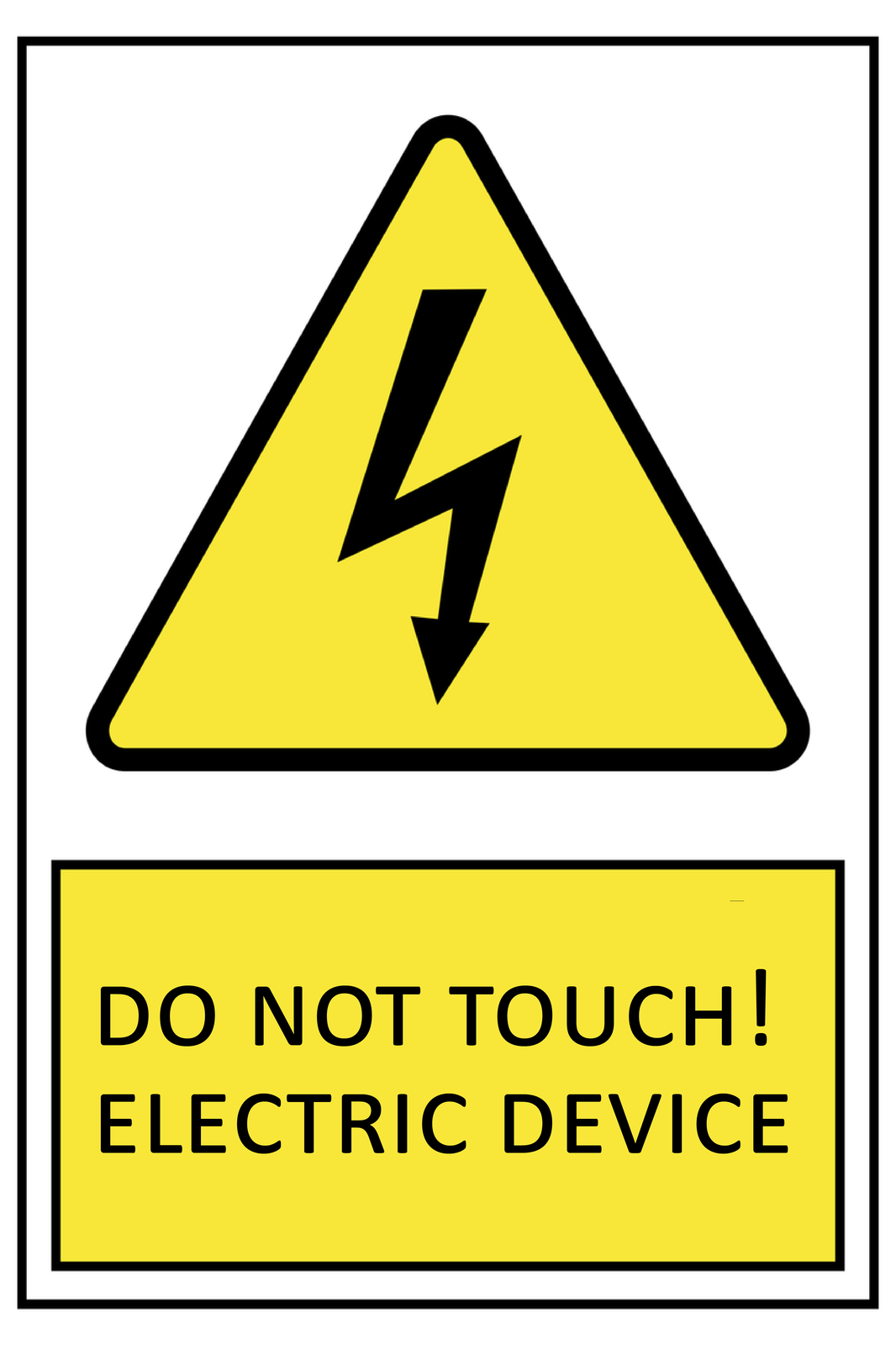
recognize the sign „Do not touch! Electrical device”.
Safety with electrical devices
More and more devices around us are powered by electricityelectricity. We often find out how important these devices are for us when, for example, we can not take the elevator during power outages or when the battery in our phone is flat. Electrical devices, however, require special attention - especially those that need to be plugged into an electrical outlet. The electricity supply is 230 voltsvolts. That's enough for paralysis and to harm our health and even take our lives.
Always follow the safety rules when using electrical devices, both inside and outside the home. Most of these rules are listed in the instruction manual for electrical equipment.
Before using the electric device, read the instructions and familiarize yourself with it’s safety rules.
Use the electrical device only when it is fully functional and correctly (according to the instructions) connected to an electrical system.
When the device is out of order, discontinue use and have it repaired by a service technician or an authorized person. Do not carry out any repairs yourself, because it may cause electric shock.
If you smell burning after switching on the device, it means it is damaged. Turn them off immediately.
If you notice that the cable is damaged, for example a metal wire protrudes from the rubber wrap, do not connect the device to the power supply.
Do not put the electric appliance in water or touch it with wet hands, as it may cause an electric shock.
Before you remove the plug from the socket, turn the device off. Otherwise, you can damage them and you risk being paralyzed.
Electrical equipment outside the home
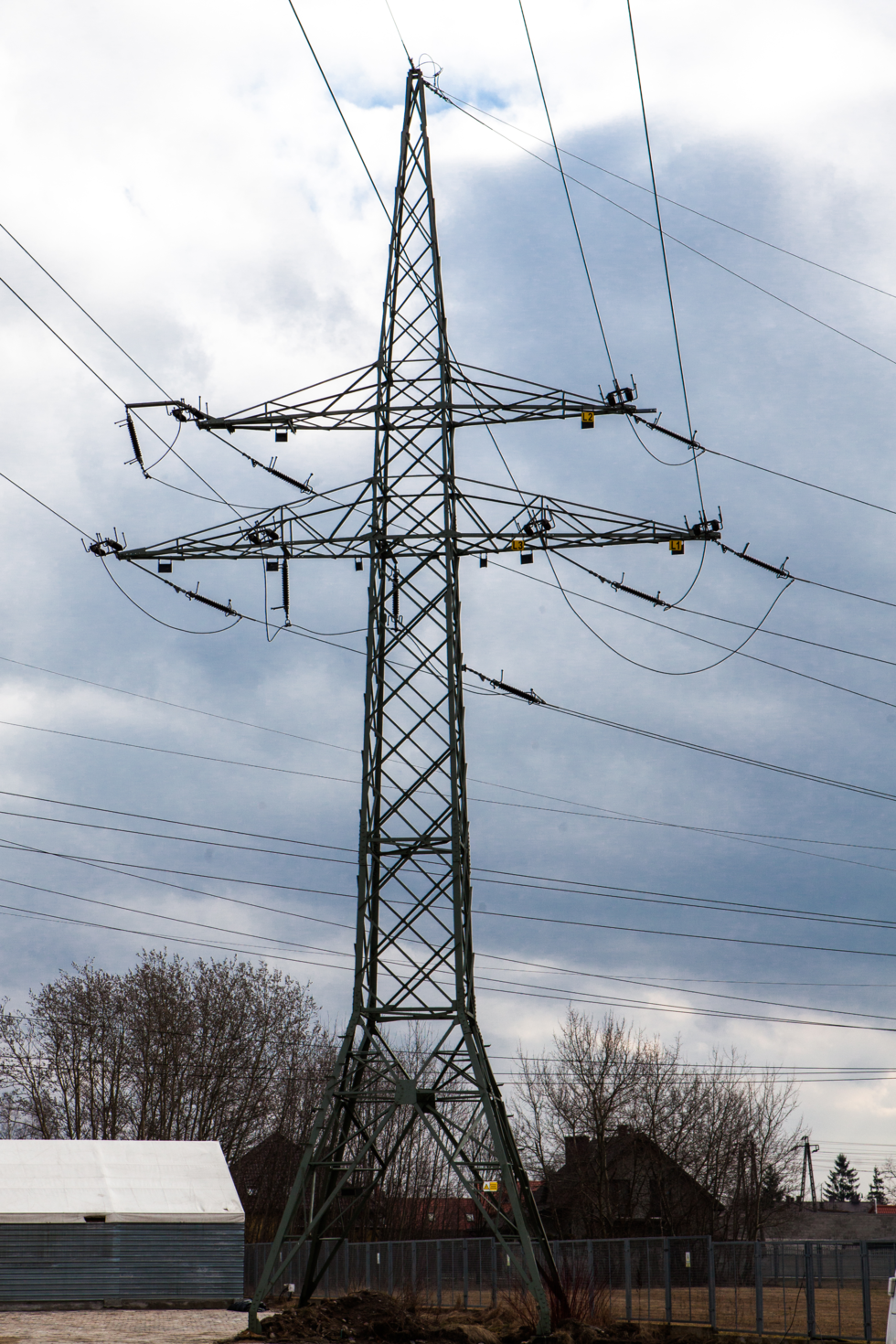
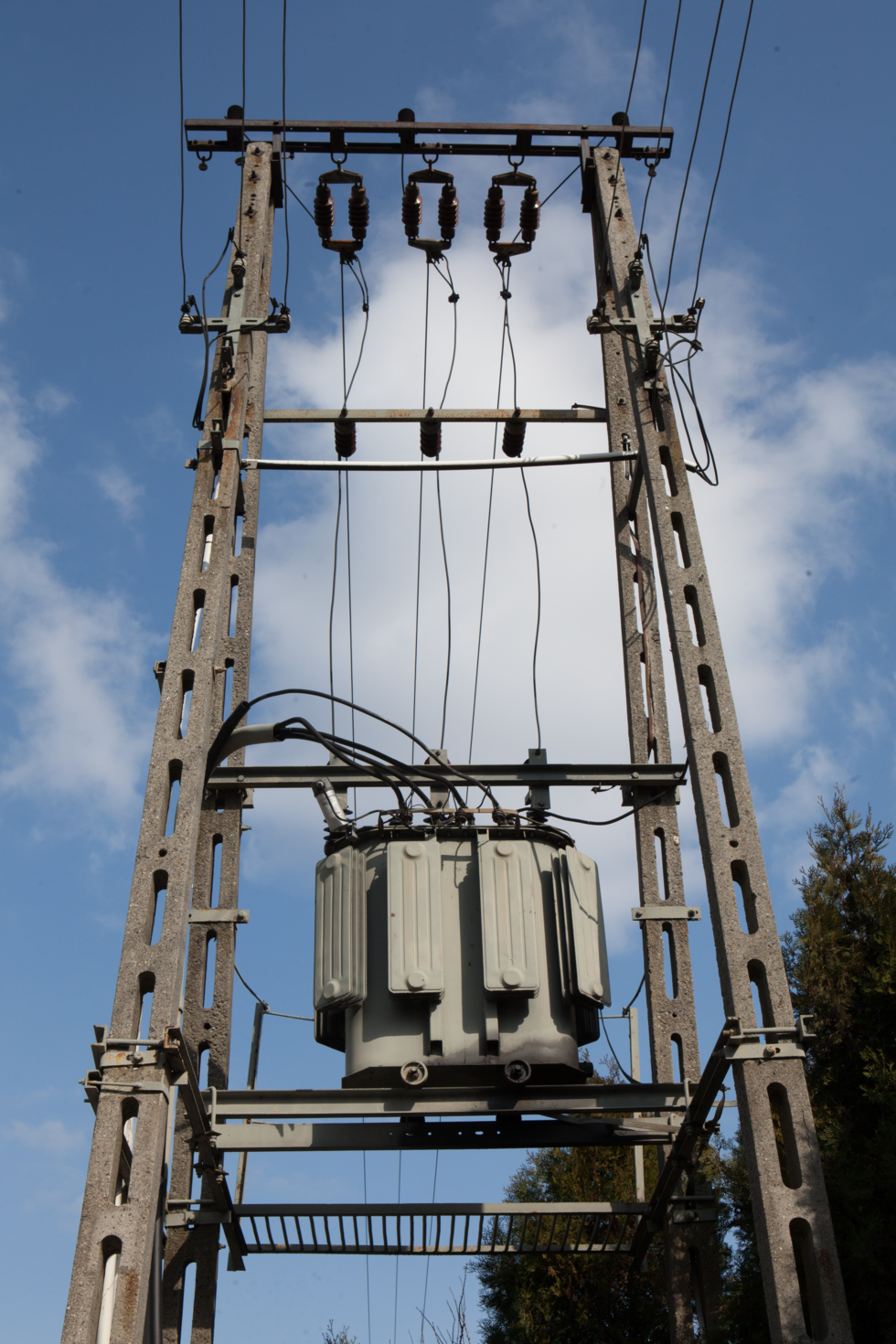
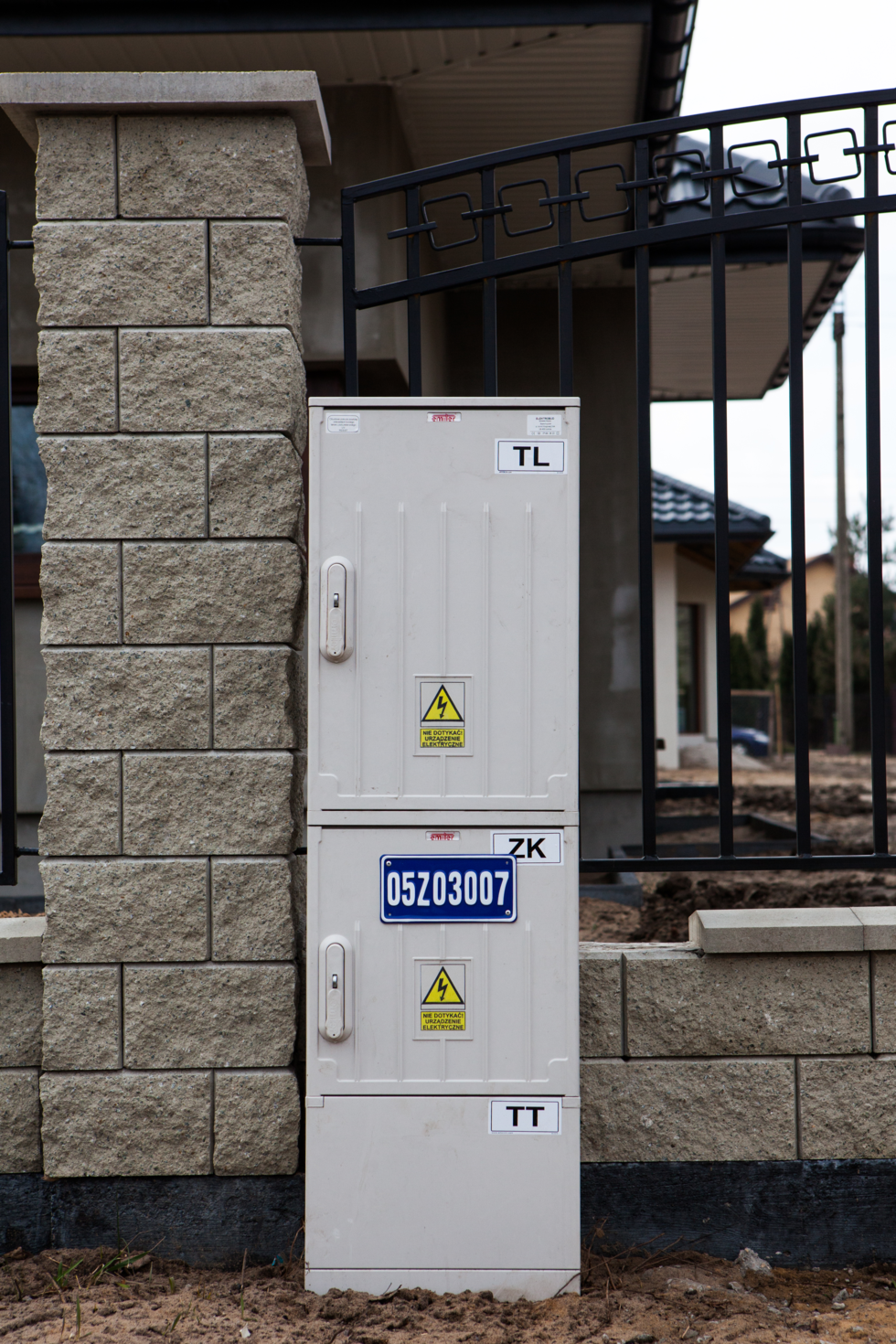
There are also many electrical devices outside the house, eg high‑voltage cables and poles, power boxes. There are also rules for the safe use of these devices, which we should know, even though we do not use them directly. There may be a strong discharge between the electrical device and the person who is close enough to such a device, called an electric arc. That's why it's worth remembering a few rules.
Never climb electrical poles and do not approach broken electrical wires on the ground. If you see someone trying to climb a pole, inform an adult immediately.
Never enter a transformer station.
Never underestimate the warning signs on electrical devices. Do not touch the poles and power cords of trains and trams.
If an electric shock occurs, do not touch the person who has suffered it. If there is such a possibility, immediately disconnect from the socket the plug of the device, which electric shock, or wooden, a long object pull the affected person away from the power source. Immediately call for help by calling 112 and accurately describing the situation to the ambulance service.
Summary
When using domestic electrical appliances, be sure to use them as intended and in accordance with the instructions for use.
Do not touch electrical devices outside the home.
In the event of an electric shock, call for help and inform an adult.
Keywords
electricity, hazards, electrical device
Match the pairs: English words with Polish definition.
ukierunkowany ruch nośników ładunków elektrycznych., jednostka napięcia w układzie SI, symbol V.
| electricity | |
| volt V |
Glossary
prąd elektryczny – ukierunkowany ruch nośników ładunków elektrycznych.
wolt V – jednostka napięcia w układzie SI, symbol V.