Przeczytaj
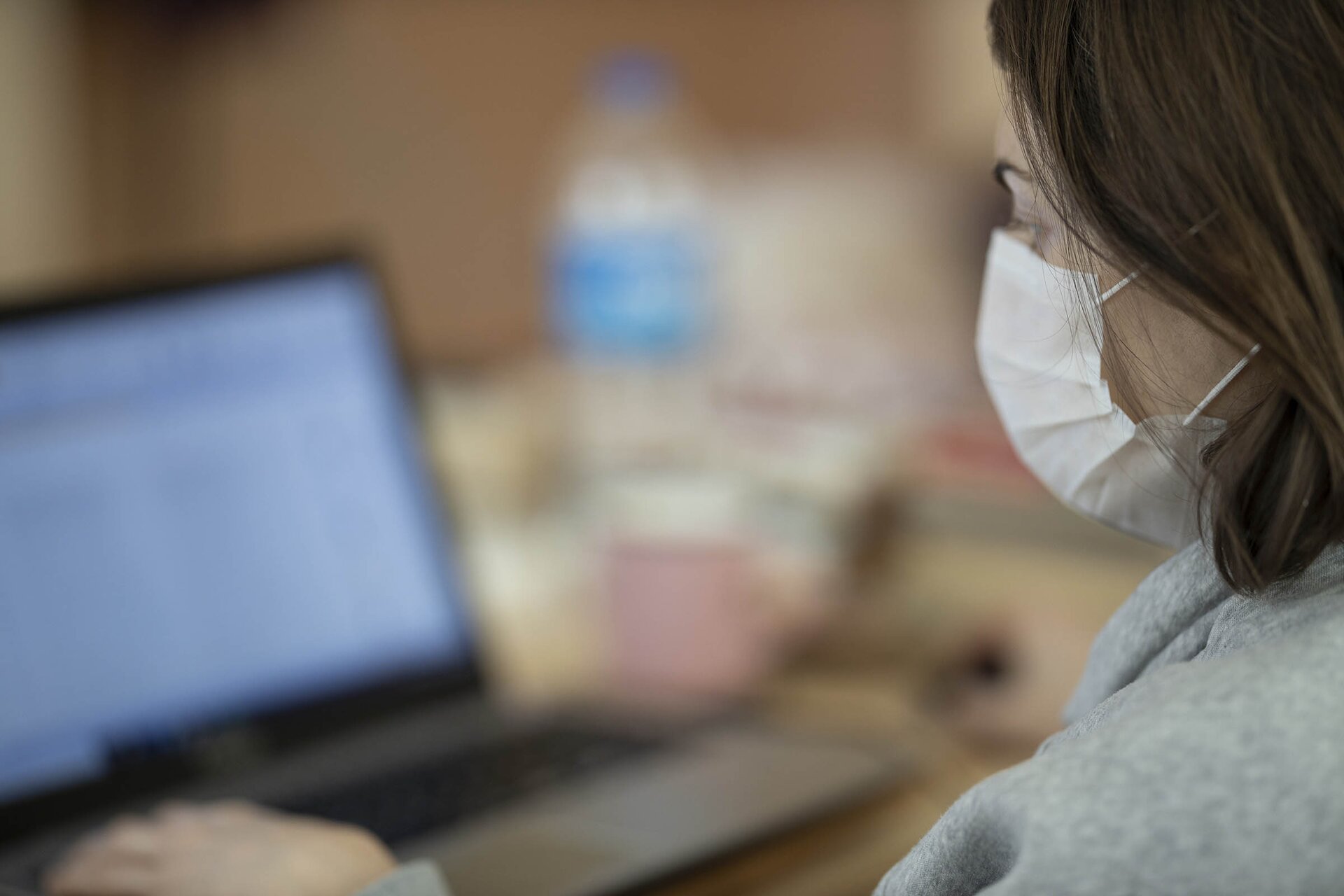
The picture below shows a girl who is sick. She’s wearing a face mask so as not to infect other people around her. She’s using her laptop to check the symptoms of her disease. Have you ever done it? Is it safe? Read the text below to find out.
Na poniższym obrazku przedstawiono chorą dziewczynę. Ma ona na sobie maseczkę, aby nie zarażać innych osób w swoim otoczeniu. Korzysta z laptopa, sprawdzając objawy swojej choroby. Czy kiedykolwiek też to robiłeś/robiłaś? Czy jest to bezpieczne? Przeczytaj poniższy tekst, aby się dowiedzieć.
Read the text to learn more about the problem of cyberchondria. Have you ever heard about it?
Next Patient Please!Picture this: you’ve had a headache for two days now. You go online and enter the symptomssymptoms. DiagnosisDiagnosis? Something is wrong with your mental healthmental health. Another search. Your liverliver is in a bad state. Dear God! Does it look familiar? Another scenario: you go into your local clinicclinic and walk into your doctor’s consulting roomconsulting room to seek medical advice. You’ve been feeling under the weatherfeeling under the weather for a few days. You tell your GP (general practitioner)GP (general practitioner) that it must be something serious. (1)___. He examinesexamines you properly and writes a referralreferral for some tests. Phew! Thanks to professional healthcarehealthcare, you will no longer have to feel anxious about your health.
The Internet has changed the way we seek medical advice.seek medical advice. Most people consult a virtual doctorconsult a virtual doctor first before seeing their family doctorfamily doctor or a specialist. This trend is called cyberchondriacyberchondria — a habit of looking up symptoms on the Internet as a way of getting a quick diagnosis. (2)___. People with cyberchondria exhibitexhibit the following behaviours:
they compulsivelycompulsively look for medical information online,
they spend an excessiveexcessive amount of time looking for information on the Internet,
they mistrust medical professionalsprofessionals,
(3)___.
The above‑mentioned practices have a lot of negative consequences. Firstly, virtual doctors might have not gone to medical schoolsmedical schools at all or have not practised medicinemedicine for many years. They don’t need to pass any medical examsmedical exams. (4)___. They don’t know what the patients might be suffering fromsuffering from and what kind of treatmenttreatment they should choose. Not to mention, all the horrible stories of malpracticemalpractice from all kinds of doctors, which put people offput people off from a real visit to the nearest outpatient clinicoutpatient clinic. Thirdly, people tend to self‑treatself‑treat and misdiagnosemisdiagnose their condition. If your condition is not diagnosed properly, you may take some medicine which you have in your first aid kitfirst aid kit and hurt yourself. You may also not realise that you suffer from something else and failfail to notice the symptoms. This, in turn, may lead to long‑term health problems.
So, next time you have a fever or a stomachache, have some more faith in an offline medical caremedical care provided by your local clinic.
Źródło: Dorota Giżyńska , dostępny w internecie: https://dailytrust.com/dr-google-will-see-you-now [dostęp 14.03.2022], licencja: CC BY-SA 3.0.
2.2. 1. Fortunately, your doctor is a specialist., 2. Secondly, there are so many comments from different people on health blogs and websites that people who look for medical information feel lost., 3. The problem was definitely exacerbated by the lockdown and fear of COVID-19., 4. they worry and panic about their health., 5. Unfortunately, your doctor is not available in his office.
2.3. 1. Fortunately, your doctor is a specialist., 2. Secondly, there are so many comments from different people on health blogs and websites that people who look for medical information feel lost., 3. The problem was definitely exacerbated by the lockdown and fear of COVID-19., 4. they worry and panic about their health., 5. Unfortunately, your doctor is not available in his office.
2.4. 1. Fortunately, your doctor is a specialist., 2. Secondly, there are so many comments from different people on health blogs and websites that people who look for medical information feel lost., 3. The problem was definitely exacerbated by the lockdown and fear of COVID-19., 4. they worry and panic about their health., 5. Unfortunately, your doctor is not available in his office.
a) don’t feel well.
b) have got problems with your stomach.
c) think that the weather affects the way you feel.
2. When a doctor writes a referral, he/she
a) writes a sick leave.
b) gives you a prescription for some medicine.
c) wants you to consult a specialist.
3. If you do something compulsively, you
a) don’t know how to do it.
b) do it too much.
c) do it unconsciously.
4. Malpractice is
a) doing a job skillfully.
b) offering money for something.
c) not doing a job properly.
5. If you misdiagnose your condition, you
a) find the cure for your illness.
b) find out what’s wrong with you.
c) don’t analyse the symptoms correctly.
6. If you fail to do something, you
a) do it slowly.
b) don’t do it at all.
c) delay doing it.
Answer the questions. Use 2–3 sentences.
When was the last time you went to a doctor? What symptoms did you have? What was the visit like?
Do you ever consult Dr Internet? Why/Why not?
What do you think about healthcare in your country?
Słownik
/ ˈklɪnɪk /
klinika, przychodnia
/ kəmˈpʌlsɪvli /
kompulsywnie, nałogowo
/ kənˈsʌlt ə ˈvɜːtʃʊəl ˈdɒktə /
poradzić się doktora w internecie
/ kənˈsʌltɪŋ ruːm /
gabinet lekarski
/ ˌsʌɪbəˈkɒndrɪa /
cyberchondria (nieuzasadnione martwienie się symptomami choroby spowodowane szukaniem informacji w internecie)
/ ˌdaɪəɡˈnəʊsɪs /
diagnoza
/ ɪɡˈzæmɪnz / / ɪɡˈzæmɪn /
bada [badać]
/ ɪɡˈzæsəbeɪtɪd / / ɪɡˈzæsəbeɪt /
nasilone, pogłębione [nasilać, pogłębiać]
/ ɪkˈsesɪv /
nadmierny/nadmierna
/ ɪɡˈzɪbɪt /
wykazywać
/ feɪl /
nie udać się
/ ˈfæmli ˈdɒktə /
lekarz rodzinny
/ ˈfiːlɪŋ ʌndə ðə ˈweðə / / fiːl ʌndə ðə ˈweðə /
idiom: czujesz się źle [czuć się źle]
/ ˈfɜ:st eɪd kɪt /
apteczka
/ ˌdʒiːˈpiː / / ˈdʒenr̩əl prækˈtɪʃənə /
lekarz pierwszego kontaktu
/ heltheta keə /
opieka zdrowotna
/ ˈlɪvə /
wątroba
/ ˌmælˈpræktɪs /
postępowanie niezgodne z praktyką zawodową
/ ˈmedɪkl̩ keə /
opieka medyczna
/ ˈmedɪkl̩ ɪɡˈzæmz / / ˈmedɪkl̩ ɪɡˈzæm /
egzaminy medyczne [egzamin medyczny]
/ ˈmedɪkl̩ skuːl /
szkoła medyczna
/ ˈmedsn̩ /
medycyna
/ ˈmentl̩ heltheta /
zdrowie psychiczne
/ ˌmɪˌsdaɪɪɡˈnos /
postawić niewłaściwą diagnozę
/ ˈaʊtpeɪʃnt ˈklɪnɪk /
przychodnia
/ prɪˈskrɪpʃn̩ /
recepta
/ prəˈfeʃnəlz / / prəˈfeʃnəl /
profesjonaliści [profesjonalista/profesjonalistka]
/ ˈpʊt ˈpiːpl̩ ɒf / / ˈpʊt ˈsʌmbədi ɒf /
zniechęcać ludzi do czegoś [zniechęcać kogoś do czegoś]
/ rɪˈfɜːrəl /
skierowanie
/ siːk ˈmedɪkl̩ ədˈvaɪs /
szukać pomocy medycznej
/ self triːt /
leczyć się na własną rękę
/ ˈsʌfərɪŋ frɒm / / ˈsʌfə frɒm /
cierpieć na [cierpienie na/przez]
/ ˈsɪmptəmz / / ˈsɪmptəm /
objawy [objaw]
/ ˈtriːtmənt /
leczenie
Źródło: GroMar Sp. z o.o., licencja: CC BY‑SA 3.0