Angiosperms
flowering plants are perfectly adapted to different living conditions thanks to the modification of their organs;
modifications to the structure are the result of adaptation to the environment;
multicellular seed with the seed coat and the nutritive tissue provides much better protection for the young plant than the spore.
to indicate the living environments of angiosperms;
to describe the characteristic features of angiosperms;
when observing specimens, to distinguish between environmental adaptations of plants;
to present the significance of angiosperms.
Living environment and characteristic features of angiosperms
Flowering plants, known in biology as angiospermsangiosperms are common throughout the world. They are the most numerous and diverse group of plants. They can be found in every climate zone, from equatorial zone to polar regions. They cannot be found only in the Antarctica. They have adapted to almost all terrestrial environments except the highest parts of mountains and craters of active volcanoes. They also live in water.
Explain what it means that angiosperms dominate on the Earth.
They owe their dominant position to the production of flowers and fruits, organs unprecedented in other plants. The ovules hidden in the flowers and closed in the seed fruit are very well protected, therefore these plants are more resistant to environmental changes than gymnospermsgymnosperms. As a result, in the past, angiosperms displaced gymnosperms in most environments. Since flowering plants appeared, pollination can be carried out not only using wind but also animals.
The leaves with wide, broad blades are perfectly suited for efficient photosynthesisphotosynthesis, although needles are better suited to moderate cold climate. Shedding leaves for winter or during drought has enabled many plants to master harsh environments in which it would be difficult for them to survive in the leafy state. Many angiosperms have occupied habitats that are not accessible to gymnosperms, such as tree trunks and shallow waters. Angiosperms form compact communities, such as forests or meadows. There, thanks to various modifications of the structure, many species may exist simultaneously in a limited area.
Most of the plants around us are angiosperms. After watching video 1, specify the forms in which they spend the winter period.
Different ways of surviving in unfavourable conditions
Angiosperms show numerous adaptations to the environment. One of these is the production of durable organs. Based on these organs, distinguished are trees, shrubs and herbaceous plants.
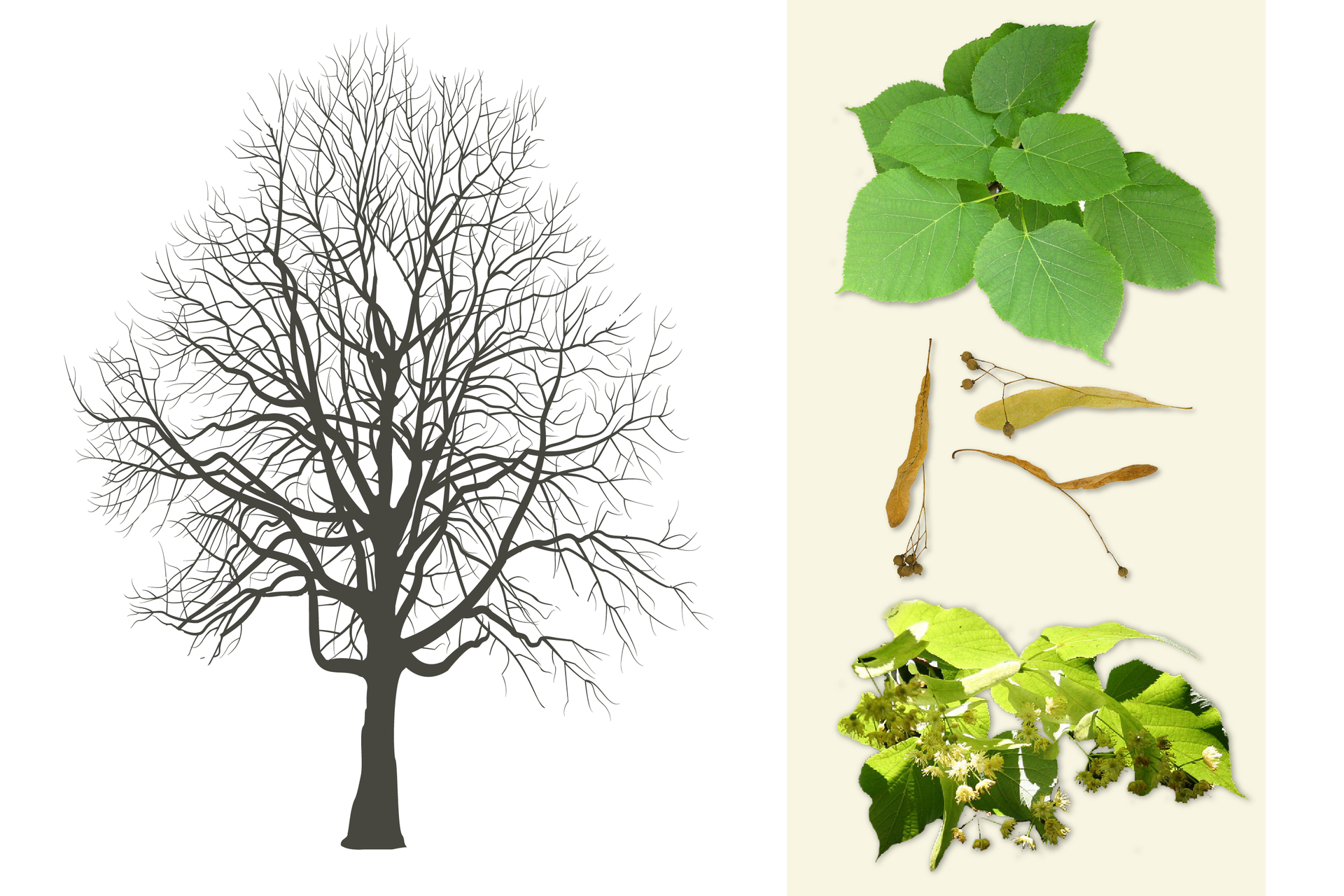
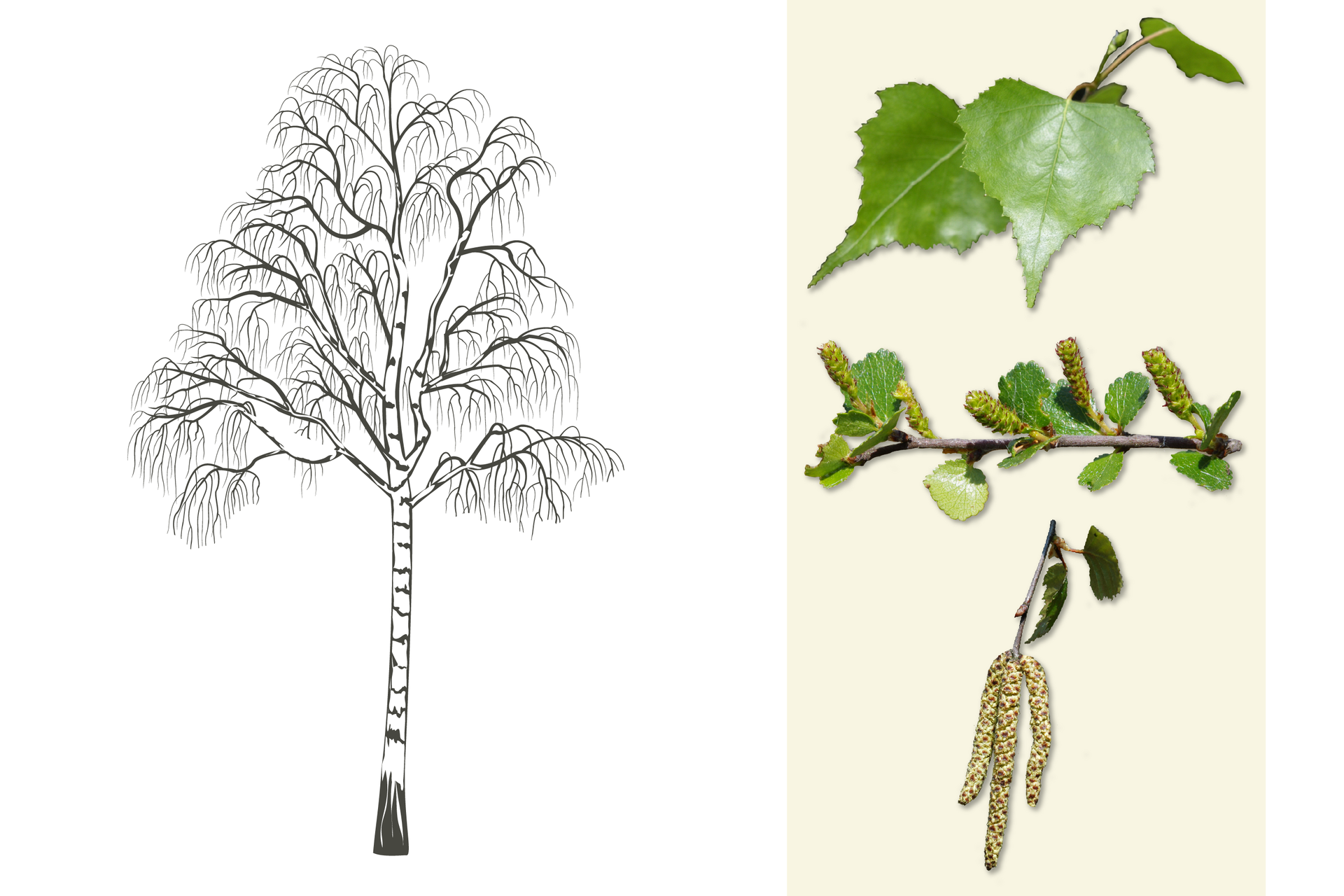
Trees are long‑lived plants with a woody and corked stem called trunk. Its branches overgrown with leaves form a crown, the shape of which is characteristic for a given species. Flowering trees form deciduous and mixed forests in the temperate zone and tropical forests rich in species. Among the trees there are specimens of very large sizes. One of the highest trees is the Australian eucalyptus, which is more than 120 m high. The thickest trees are baobabs, the trunk’s diameter of which can be as large as 11 m.
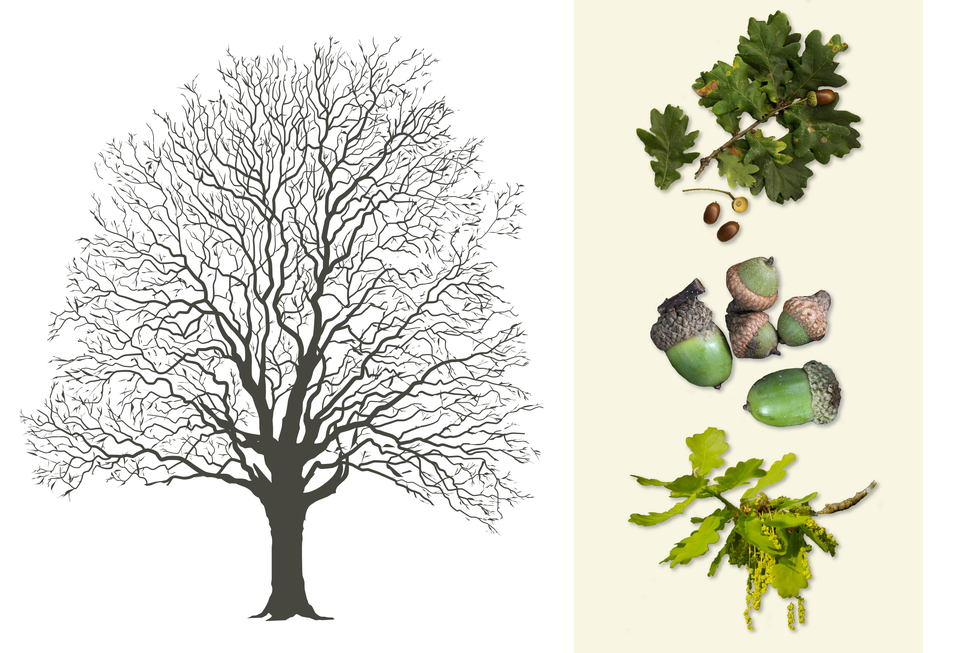
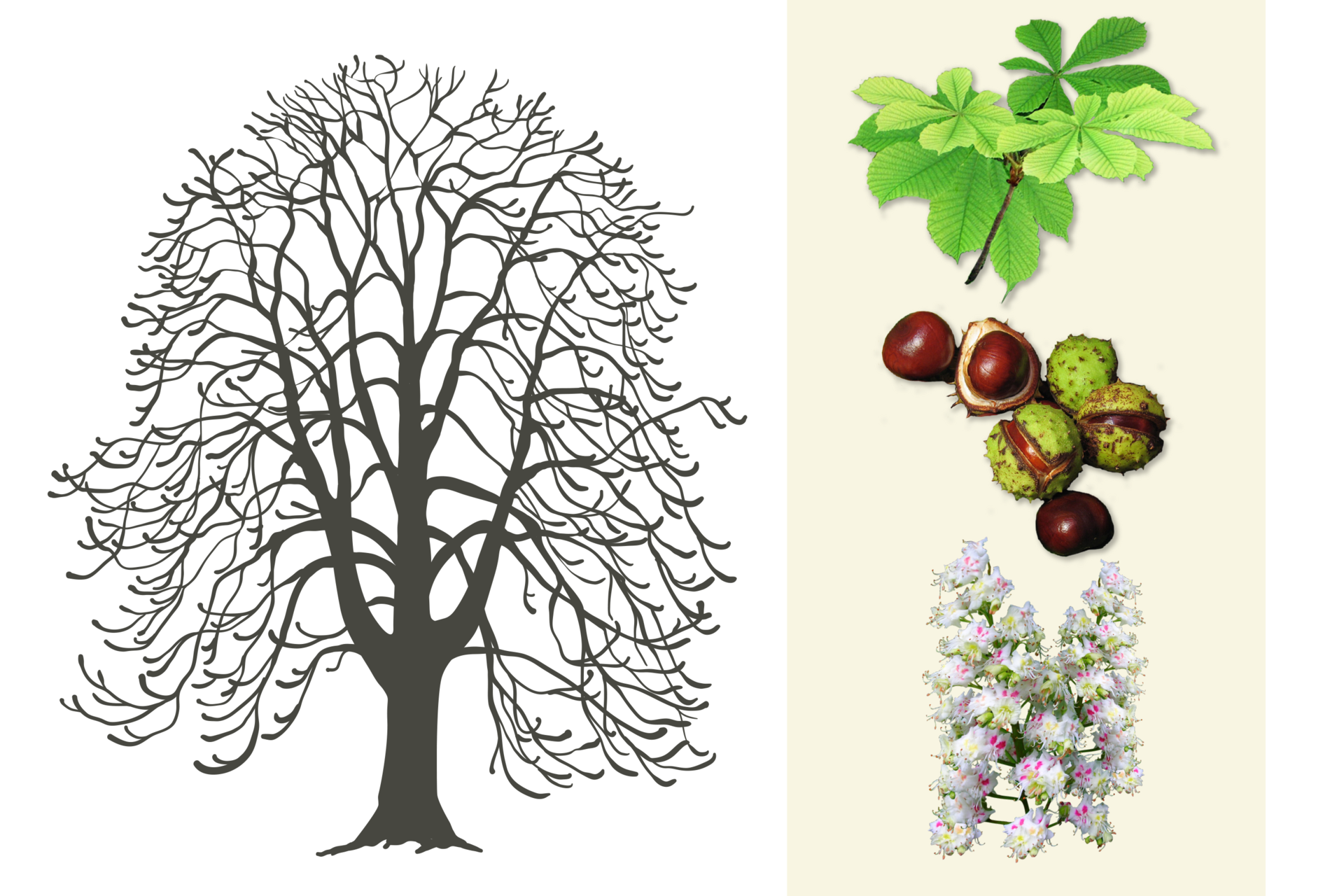
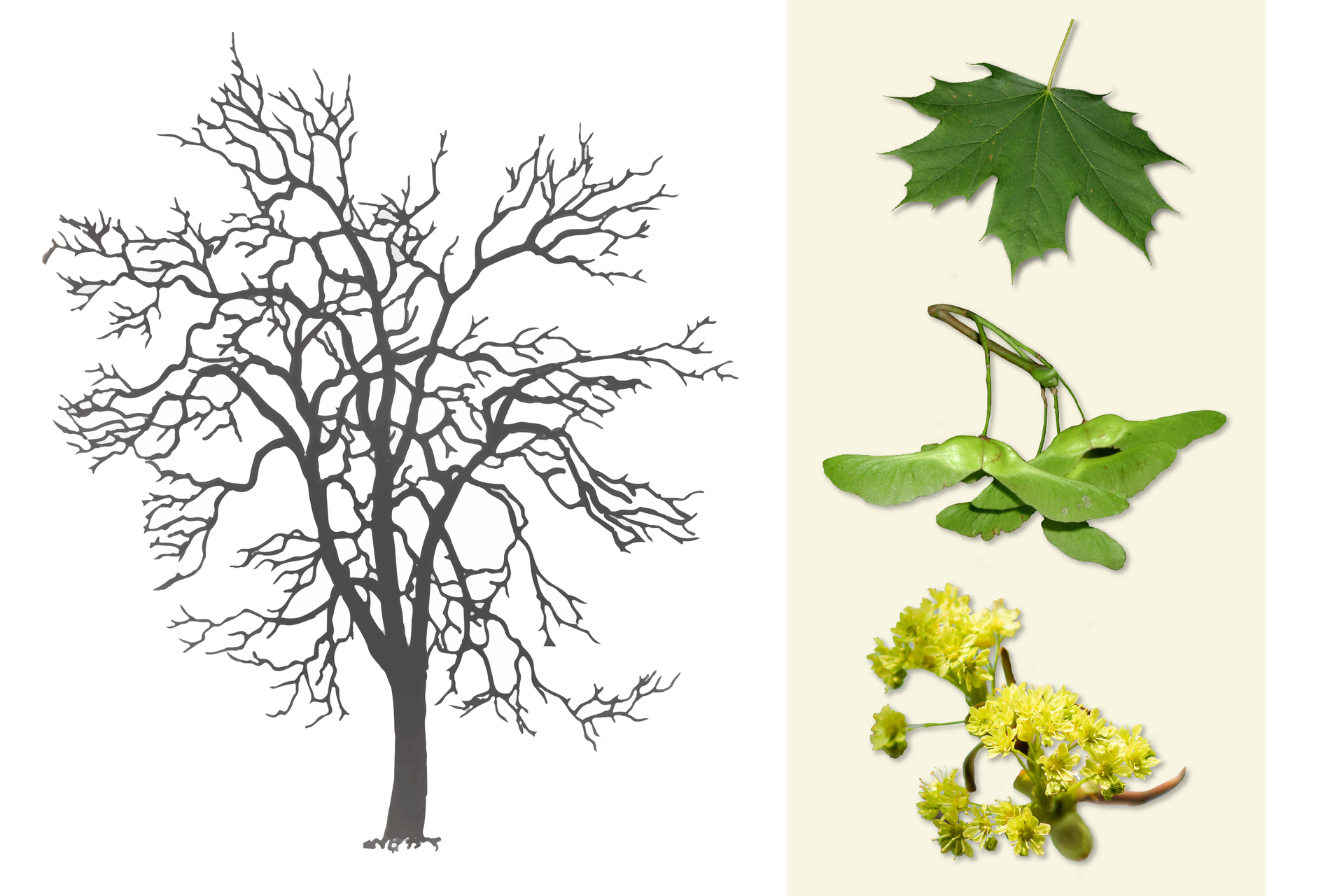
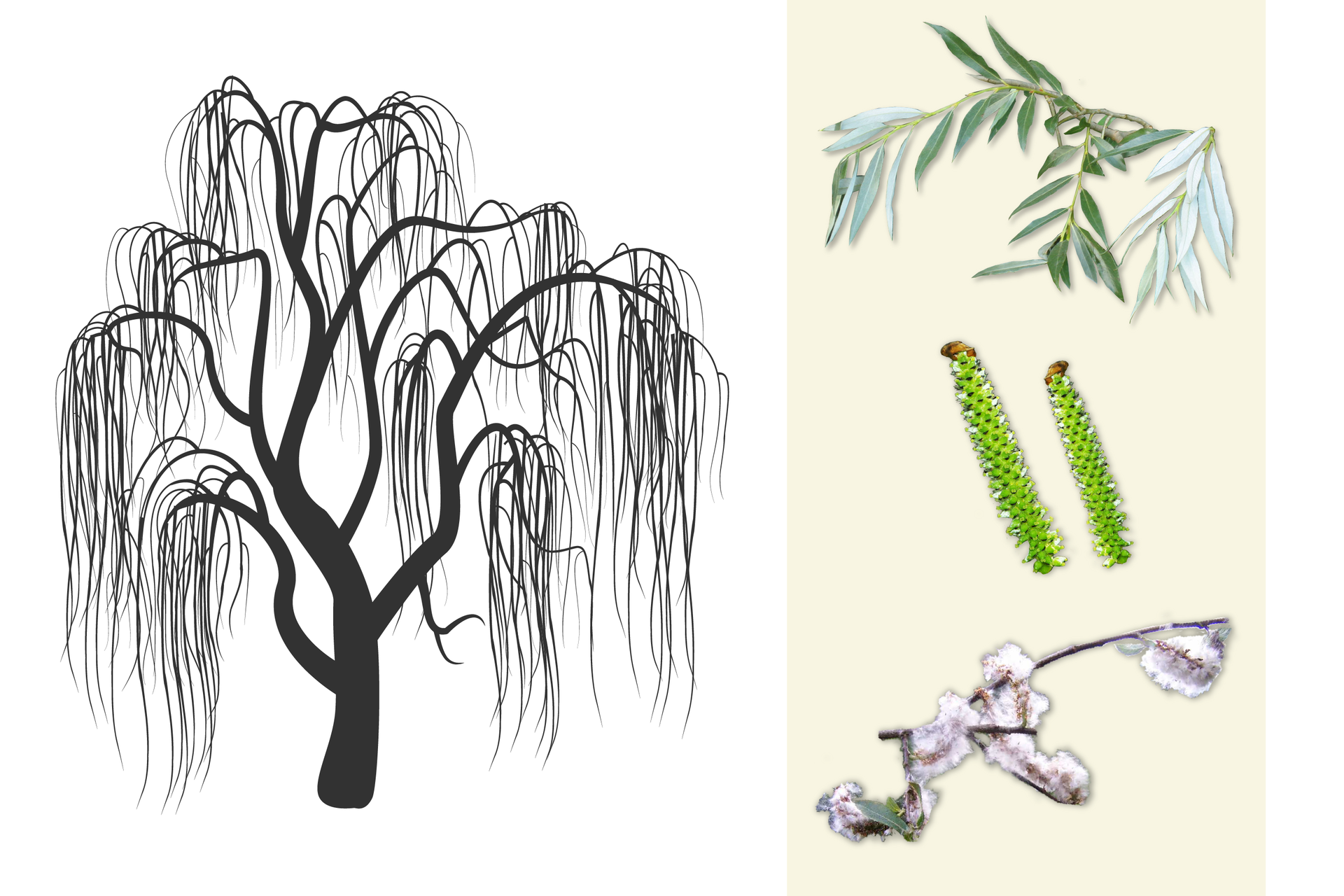
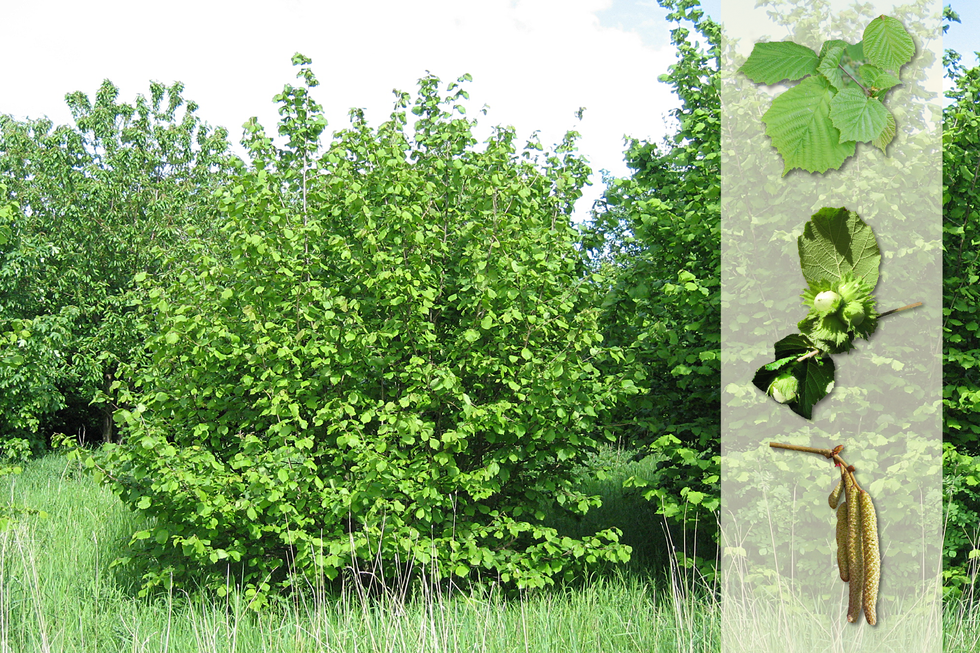
Shrubs reach a height of up to 5 m. They do not have a main trunk (or it is very short) and instead produce a bunch of shoots of similar thickness. Natural shrubs, such as hazel, euonymus, black elder, viburnum, form a layer of undergrowth in deciduous and mixed forests. In parks and gardens, shrubs are planted as ornamental plants, for example common lilac and forsythia.
In the leafless state, trees and shrubs can survive frost because their trunks are covered with a multilayer cork (bark), whose dead cells are filled with air. It forms an insulation layer against frost and protects against water loss. However, in the vicinity of the polar circle, this is not enough. Only species which, thanks to their small size, are completely covered with snow that isolates them from frost in winter, may survive in the conditions prevailing there. Therefore, in tundra, trees and shrubs have a low (dwarf) shape.
Among the woody perennial plants, there are prostrate shrubs – low (up to 50 cm) perennial plants with permanent, quite thin shoots. Some of them are hardy, such as cowberry, whose thick, leathery leaves can survive winter. Others, such as European blueberry, remain leafless in autumn and winter. Prostrate shrubs are common in deciduous and coniferous forests as well as on peatlands.
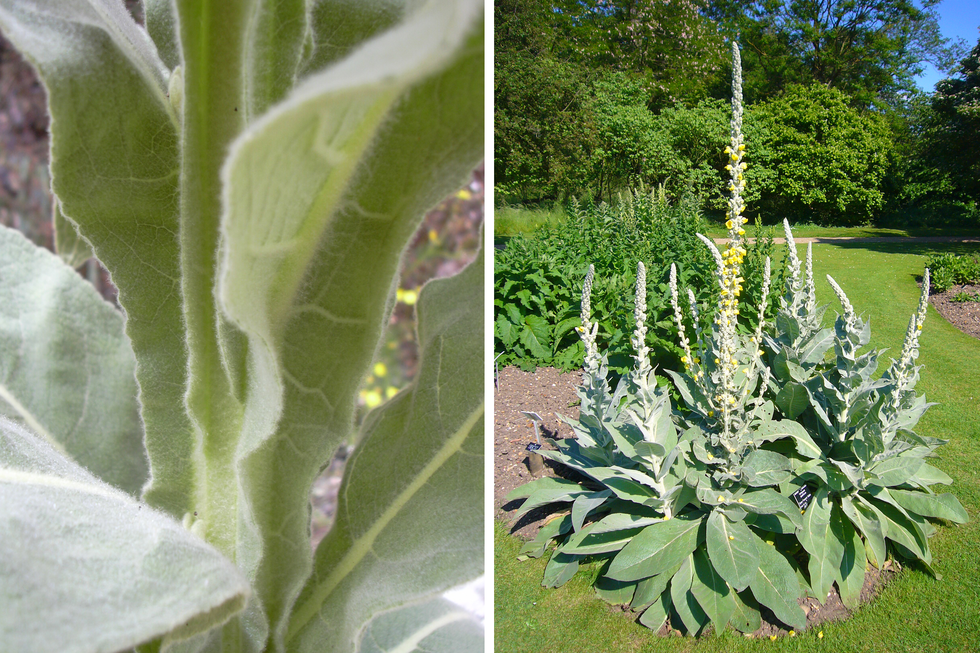
Unlike trees and shrubs, herbaceous plants have shoots with non‑wooden stems and a delicate structure. Among these plants, there are many annual species that, when finishing vegetation, produce seeds and die. Biennial and perennial plants which, thanks to the underground organs, survive the winter, live longer.
List 3 examples each of herbaceous plants, trees and shrubs.
Mark the features that give the angiosperms an advantage over the gymnosperms.
- naked seeds lying on the shells of cones
- seeds hidden in the fruit
- covered ovule
- spore production
Compare angiosperms and gymnosperms. Assign the descriptions to the appropriate plant groups.
no fruit, herbaceous plants, shrubs and trees, flowers, seeds hidden in the fruit, seeds are not covered, only shrubs and trees, egg cell hidden in the pistil, flowers pollinated by wind and insects, pollination by wind
| angiosperms | |
|---|---|
| gymnosperms |
Conclusion
Angiosperms are the most numerous group of plants, most diversified in terms of species, in the world.
They live in many terrestrial environments, and also in water.
Among the angiosperms, there are herbaceous plants, trees and shrubs.
Angiosperms are used by humans in many areas of life.
Keywords
angiosperms, trees, shrubs
Glossary
fotosynteza – proces syntetyzowania związków organicznych z dwutlenku węgla i wody, zachodzący w organizmach samożywnych pod wpływem światła, z udziałem chlorofilu i enzymów
okrytonasienne – rośliny, które po zapyleniu i zapłodnieniu wytwarzają owoce; ich nazwa pochodzi od tego, że w przeciwieństwie do roślin nagonasiennych ich nasiona ukryte są we wnętrzu owoców.
nagonasienne – inaczej nagozalążkowe; wiatropylne rośliny naczyniowe, których nieosłonięte zalążki spoczywają na łuskach szyszek żeńskich, a nasiona nie są zamknięte w owocu.