Przeczytaj
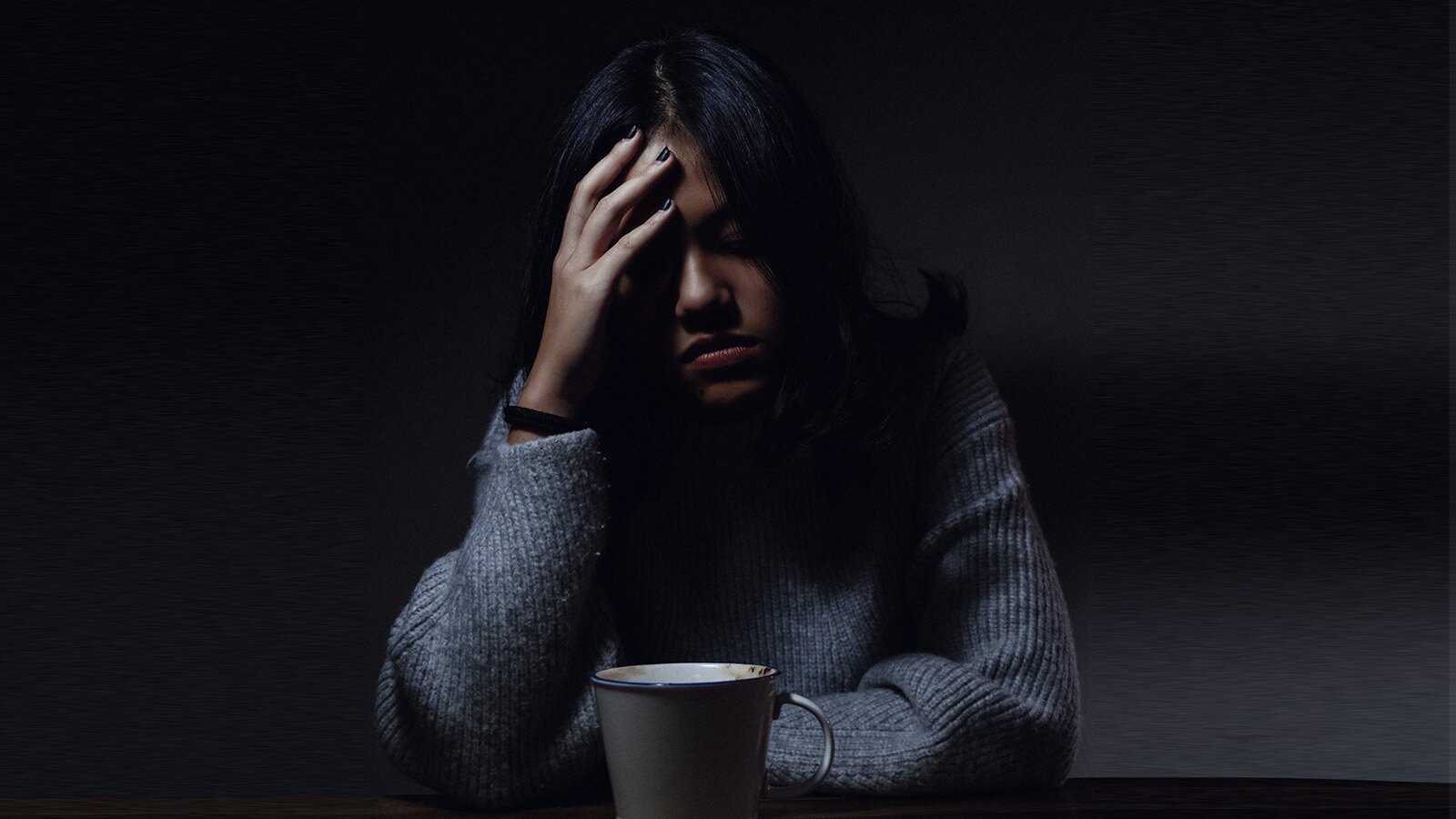
The picture below shows a girl who seems to be sad or worried about something. Have you ever felt so bad or sad that you didn’t want to go out and see anybody? What do you do to boost your mood? In this part you are going to read a text about Seasonal Affective Disorder (SAD) and find out what can be done about it.
Poniższa ilustracja przedstawia młodą dziewczynę, która wydaje się bardzo smutna lub czymś zmartwiona. Czy kiedykolwiek czułeś/czułaś się tak źle, że nie miałeś/ nie miałaś ochoty wychodzić z domu ani z nikim się spotykać? Co robisz, by poprawić swój nastrój? W tej części materiału dowiesz się, czym jest depresja sezonowa, oraz znajdziesz wskazówki, co można zrobić, by jej zapobiec.
1. People with seasonal affective disorder feel sad only during the winter.
TRUE FALSE
2. Women and teens are more likely to develop SAD than others.
TRUE FALSE
3. SAD can be hard to diagnose because its symptoms are like those of other illnesses.
TRUE FALSE
4. The hormone estrogen may play a role in SAD.
TRUE FALSE
5. SAD is more common in northern regions of the world.
TRUE FALSE
6. One symptom of summer SAD is weight loss.
TRUE FALSE
7. A good way to feel better when you have winter SAD is to get outdoors every day.
TRUE FALSE
8. For more severe cases of SAD, treatment might be “light therapy”.
TRUE FALSE
Read the text about SAD and find out how to recognise the symptoms.
Fall Is Here… and SAD Might Be as WellDon’t feel like walking your dog? Have no energy during the day and wake up already tired? If you happen to experience this, you might be suffering from Seasonal Affective Disorder (SAD). To find out more about it, read the information below.
There are six signs you might suffer from SAD.
(1)
Seasonal Affective Disorder is caused by the reduction of sunlightreduction of sunlight we are exposed toare exposed to, and the change in our circadian rhythmcircadian rhythm, as well as melatoninmelatonin and serotoninserotonin levels. The faster it gets dark outside, the more it disturbs our inner clock. Melatonin and serotonin governgovern our sleep and wake cycles, so when the levels change, it is hard to get a good night's sleep.
What might help?
If you struggle with falling asleepstruggle with falling asleep, a nice warm bath before going to bed is worth trying out. Drink a cup of hot tea or light some lavender candles to help your body and mind relax.(2)
In winter, you may crave sweetscrave sweets and salty snacks packed with carbohydrates more than usual. It is tempting to enjoy crisps on a gloomy day. But be careful as this is how SAD gets you and can make you gain extra weight.
What might help?
Try to avoid snacks and eat more fruit and veggies instead. And if you need to eat something with carbs, you’d better grab whole grain carbs and oatmeal with fruits. That will trigger your serotonin levels. Don’t forget to add foods high in Omega‑3 fatsfoods high in Omega‑3 fats such as fish or walnuts, which fight low moodfight low mood.(3)
It is natural that sometimes we have less energy and want to get some rest after a hard day at school. But when you lack concentrationlack concentration and quit your hobbies for a longer period, it should be cause for alarmcause for alarm.
What might help?
Go outside! Every time you walk in the fresh air, you deliver a portion of Vitamin Ddeliver a portion of Vitamin D, which helps avoid tiredness and body aches. You will be surprised how much a 10‑minute‑walk can do for you! Try investing inTry investing in a safe daylight lamp for light therapylight therapy.(4)
If you happen to have seasonal mood variationsseasonal mood variations, quickly switch from feeling happy and upbeat to feeling sad, irritable, or angry, it might be SAD.
What might help?
When you battle a mood disorderbattle a mood disorder, don’t hesitate to reach out to loved ones or specialists. Your family can be a great support and comfort you in hard times. Give them a chance.(5)
If you avoid meeting people and stay alone behind closed doors 24/7, something is definitely wrong. You feel you let everybody down and worry about what others think of you. The longer you let yourself keep thinking this way, the worse your condition will get.
What might help?
Don’t wait and call your family or friends. They do care about you and are ready to help. If you tell them how you feel, they will understand. There is no better cure than the support from the ones who love you!(6)
This is the worst symptom of all. If it feels like a dead enddead end is getting closer, long, dark days seem to last forever, and you focus mainly on the negative things, it is high time to call for helpcall for help.
What might help?
If you have ever had negative thoughtsnegative thoughts, talk to someone you trust and get professional helpget professional help immediately. You are not alone in your feeling hopelessfeeling hopeless as there are many people who suffer from depressive disordersdepressive disorders and mental health issuesmental health issues.Remember, there are specialists who know how to help you with their great knowledge and extensive experienceextensive experience, so you will be okay!
Źródło: Anna Faszcza, licencja: CC BY-SA 3.0.
2. 1. You have frequent mood swings., 2. You sleep too much or too little., 3. You feel low-spirited., 4. You withdraw from others., 5. You experience no hormonal stress responses., 6. You don’t enjoy activities you usually find fun., 7. You experience appetite and weight changes.
3. 1. You have frequent mood swings., 2. You sleep too much or too little., 3. You feel low-spirited., 4. You withdraw from others., 5. You experience no hormonal stress responses., 6. You don’t enjoy activities you usually find fun., 7. You experience appetite and weight changes.
4. 1. You have frequent mood swings., 2. You sleep too much or too little., 3. You feel low-spirited., 4. You withdraw from others., 5. You experience no hormonal stress responses., 6. You don’t enjoy activities you usually find fun., 7. You experience appetite and weight changes.
5. 1. You have frequent mood swings., 2. You sleep too much or too little., 3. You feel low-spirited., 4. You withdraw from others., 5. You experience no hormonal stress responses., 6. You don’t enjoy activities you usually find fun., 7. You experience appetite and weight changes.
6. 1. You have frequent mood swings., 2. You sleep too much or too little., 3. You feel low-spirited., 4. You withdraw from others., 5. You experience no hormonal stress responses., 6. You don’t enjoy activities you usually find fun., 7. You experience appetite and weight changes.
2. not to be able to focus 1. lack concentration, 2. circadian rhythm, 3. struggle with falling asleep, 4. mood swings, 5. sound the alarm, 6. crave sweets
3. have a strong desire for something made with sugar 1. lack concentration, 2. circadian rhythm, 3. struggle with falling asleep, 4. mood swings, 5. sound the alarm, 6. crave sweets
4. have difficulty in getting inactive at night 1. lack concentration, 2. circadian rhythm, 3. struggle with falling asleep, 4. mood swings, 5. sound the alarm, 6. crave sweets
5. rapid changes of emotions 1. lack concentration, 2. circadian rhythm, 3. struggle with falling asleep, 4. mood swings, 5. sound the alarm, 6. crave sweets
6. to warn against something 1. lack concentration, 2. circadian rhythm, 3. struggle with falling asleep, 4. mood swings, 5. sound the alarm, 6. crave sweets
In 5–6 sentences write what symptoms associated with SAD syndrome should be cause for alarm.
Słownik
/ ər ɪkˈspəʊzd tuː / / bi ɪkˈspəʊzd tuː /
jesteśmy narażeni, eksponowani na [być narażonym/narażoną na, być eksponowanym/eksponowaną na] (be able to experience something)
/ ˈbætl a muːd dɪsˈɔːdə /
walczysz z zaburzeniami nastroju [zwalczać zaburzenia nastroju] (fight abnormalities of emotional state)
/ kɔːl fə help /
wezwać pomoc (ask for help)
/ kɔːz fər əˈlɑːm /
powód do niepokoju (reason to feel concerned)
/ sɜːˈkeɪdiən ˈrɪðəm /
rytm dobowy (a daily cycle of activity observed in many living organisms)
/ kreɪv swiːts /
mieć ochotę na słodycze (want sweets very much and in a way that is very hard to control)
/ ded end /
ślepa uliczka (a situation in which no progress can be made or no advancement is possible)
/ dɪˈpresɪv dɪsˈɔːdəz / / dɪˈpresɪv dɪsˈɔːdə /
zaburzenia depresyjne [zaburzenie depresyjne] (a severe state of depression)
/ ɪkˈstensɪv ɪkˈspɪərɪəns /
bogate doświadczenie (very broad experience)
/ ˈfiːlɪŋ həʊpləs /
poczucie beznadziei (being without hope)
/ faɪt ləʊ muːd /
zwalczają zły nastrój [zwalczać zły nastrój] (help deal with low mood)
/ ˈget prəˈfeʃnəl help /
otrzymać fachową pomoc (work with a psychiatrist or psychologist to resolve mental health problems)
/ ˈɡʌvn̩ /
zarządzają [zarządzać] (control the way that things happen)
/ ˈlæk ˌkɒnsənˈtreɪʃn̩ / / ˈlæk ˌkɒnsənˈtreɪʃn̩ /
brakuje ci koncentracji [brakować (komuś) – o koncentracji] (not have concentration)
/ laɪt ˈthetaerəpi /
światłoterapia (a type of therapy which includes exposure to daylight or artificial light sources)
/ ˌmeləˈtəʊnɪn /
melatonina (a hormone – natural substance produced in your body – that helps regulate cycles of sleeping and waking)
/ ˈmentl̩ heltheta ˈɪʃuːz / / ˈmentl̩ heltheta ˈɪʃuː /
problemy ze zdrowiem psychicznym [problem ze zdrowiem psychicznym](problems with mental health)
/ muːd swɪŋz / / muːd swɪŋ /
huśtawki nastrojów, wahania nastrojów [huśtawka nastrojów, wahnięcie nastroju](sharp and inexplicable changes in mood)
/ ˈneɡətɪv ˈthetaɔːts / / ˈneɡətɪv ˈthetaɔːt /
negatywne myśli [negatywna myśl] (harmful, bad, or critical thoughts)
/ rɪˈdʌkʃn̩ əv ˈsʌnlaɪt /
ograniczenie światła słonecznego (lower amounts of sunlight)
/ ˈsiːzənl̩ muːd ˌveərɪˈeɪʃn̩z / / ˈsiːzənl̩ muːd ˌveərɪˈeɪʃn̩ /
sezonowe zmienności nastrojów [sezonowa zmienność nastrojów] (a condition where your mood depends on the current season)
/ ˌserəˈtəʊnɪn /
serotonina (a hormone – natural substance produced in your body – that affects your moods and the flow of messages through your nerves)
/ ˈstrʌɡl̩ wɪð ˈfɔːlɪŋ əˈsliːp /
mieć problemy z zasypianiem (have problems with falling asleep)
Źródło: GroMar Sp. z o.o., licencja: CC BY‑SA 3.0