Przeczytaj
Sometimes we go through a bad day. Maybe our friend keeps us at arm’s length or maybe we need to get something off our chest? This section focuses on idioms that help us put our feelings into words.
Każdy z nas ma czasami zły dzień. Powodem może być to, że przyjaciel trzyma nas na dystans, a może po prostu potrzebujemy zrzucić ciężar z serca? Ta sekcja skupia się na idiomach pozwalających wyrażać przeżywane przez nas emocje.
Complete the crossword by translating the words. What’s the hidden word?
Uzupełnij krzyżówkę poprzez tłumaczenie podanych wyrazów. Jakie jest ukryte słowo?
Complete the crossword. What is the hidden word?
Uzupełnij krzyżówkę. Jakie jest hasło?
Read the text about someone’s bad day and do the exercises.
Przeczytaj tekst o złym dniu pewnej osoby i wykonaj ćwiczenia.
The Cold Shoulder from Your Friend? It’s a Bad DayYesterday was the worst day ever. It all started in the morning. I left my house and walked to the bus stop. That’s where I usually meet with my best friend, Sally. Sally is a great person. She is friendlyfriendly and helpfulhelpful, and my best friend in the world. But that morning, Sally wasn’t at the bus stop.
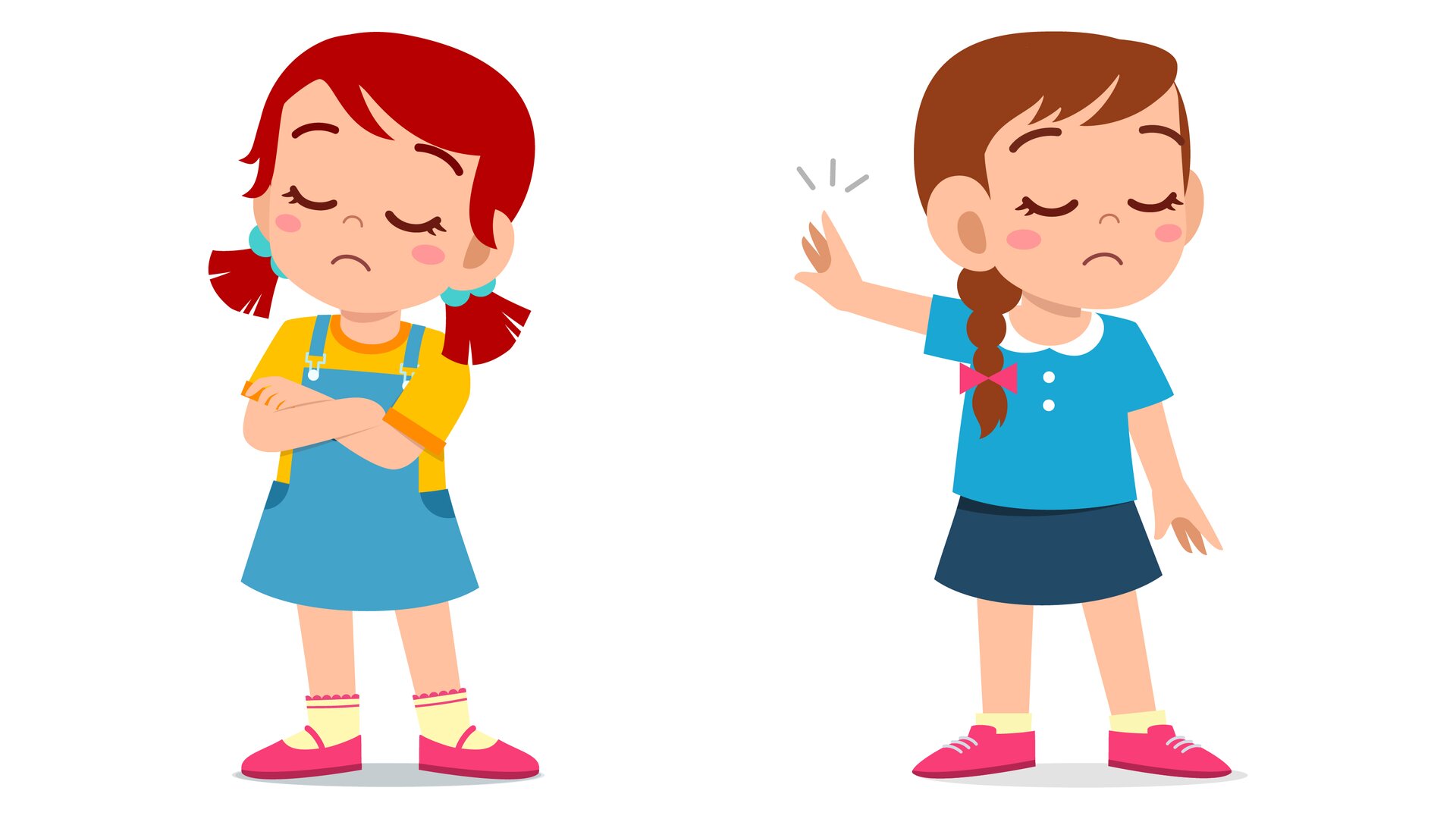
Off the top of my headOff the top of my head, I tried to guess why. Maybe, she oversleptoverslept again? Maybe, she forgot her backpack and had to run backrun back home? I was sure it wasn’t serious. But when I got off the busgot off the bus by my school, Sally was there and she wasn’t alone. She was walking with our neighbour, Annie. Annie was talking and Sally was all earswas all ears. She was coveringcovering her mouth and laughing. I waved in her directionwaved in her direction, but she gave me the cold shouldergave me the cold shoulder. It felt awful, but I kept my chin upkept my chin up and said hello to her.
“What do you want, Janine?” she asked. She was angry at me and I had no idea why. I took a step in her direction, but she kept me at arm’s lengthkept me at arm’s length.
“What’s wrong?” I asked, but she was quiet. “Please, give me a handgive me a hand here. I don’t know why you’re upset,” I said.
“That’s too bad,” she said and walked away.
I was lost. Sally was my best friend and now she didn’t want to talk to me. It was awful! When I came home, all I wanted was to get it off my chestget it off my chest. I told my mum about Sally and she shook her head in disbeliefdisbelief.
“You forgot about her recitalrecital,” she said. “Look, the invitationinvitation is on the countercounter.”
I thought she was joking, but she wasn’t. Sally’s recital was next Thursday. I was sure of it. But I was wrong. It had already happened. Yesterday was the worst day ever and it was because of me. I needed to call Sally and apologise.
Źródło: Zuzanna Kościuk, licencja: CC BY-SA 3.0.
Based on the information from the text, match phrases with their translations.
Na podstawie informacji z tekstu połącz wyrażenia z ich tłumaczeniami.
Search for the information in the text and choose the correct answer.
Odszukaj informacje w tekście, a następnie wybierz prawidłową odpowiedź.
Fill in the gaps with the correct phrases. Use no more than 4 words including the provided word.
Uzupełnij luki prawidłowymi wyrażeniami. Użyj nie więcej niż 4 wyrazów, wliczając w to ten już podany.
Słownik
/ ˈkaʊntə /
blat
/ ˈkʌvərɪŋ / / ˈkʌvə /
zakrywając [zakryć]
/ ˌdɪsbɪˈliːf /
niedowierzanie, nieufność
/ ˈfrendli /
przyjazny/przyjazna
/ ɡeɪv miː ðə kəʊld ˈʃəʊldər / / ɡɪv ˈsʌmwʌn ðə kəʊld ˈʃəʊldər /
potraktował/potraktowała mnie ozięble [potraktować kogoś ozięble]
/ ˈget ˈɪt ɒf maɪ tʃest /
zrzucić kamień z serca, wyrzucić coś z siebie
/ ɡɪv miː ə hænd / / ɡɪv ˈsʌmwʌn ə hænd /
pomóż mi [pomóc komuś, podać komuś pomocną dłoń]
/ ˈɡɒt ɒf ðə bʌs / / ˈget ɒf ðə bʌs /
wysiadłem/wysiadłam z autobusu [wysiadać z autobusu]
/ ˈhelpfəl /
pomocny/pomocna
/ ˌɪnvɪˈteɪʃn̩ /
zaproszenie
/ kept miː ət ˈɑːmz leŋtheta / / kiːp ˈsʌmwʌn ət ˈɑːmz leŋtheta /
trzymał/trzymała mnie na dystans [trzymać kogoś na dystans]
/ kept maɪ ˈtʃɪn ˈʌp / / kiːp wʌnz ˈtʃɪn ʌp /
trzymałem/trzymałam głowę do góry [trzymać głowę do góry]
/ ɒf ðə tɒp əv maɪ hed /
na oko, bez zastanowienia
/ ˌəʊvəˈslept / / ˌəʊvəˈsliːp /
zaspał/zaspała [zaspać]
/ rɪˈsaɪtl̩ /
występ solisty/solistki
/ ˈrʌn ˈbæk /
wrócić
/ wəz ɔ:l ɪəz / / bi ɔ:l ɪəz /
zamienił/zamieniła się w słuch [zamieniać się w słuch]
/ weɪvd ɪn hə daɪˈrekʃn / / weɪv ɪn ˈsəˌmwənz daɪˈrekʃn̩ /
pomachałem/pomachałam w jej kierunku [pomachać w kierunku kogoś]
Źródło: GroMar Sp. z o.o., licencja: CC BY‑SA 3.0