States of matter
Zmiany stanów skupienia i ich wpływ na kształt i objętość ciał
what are the states of matter and their properties,
to distinguish between the states of matter based on their properties in English.
Look at the illustrations in the slideshow.
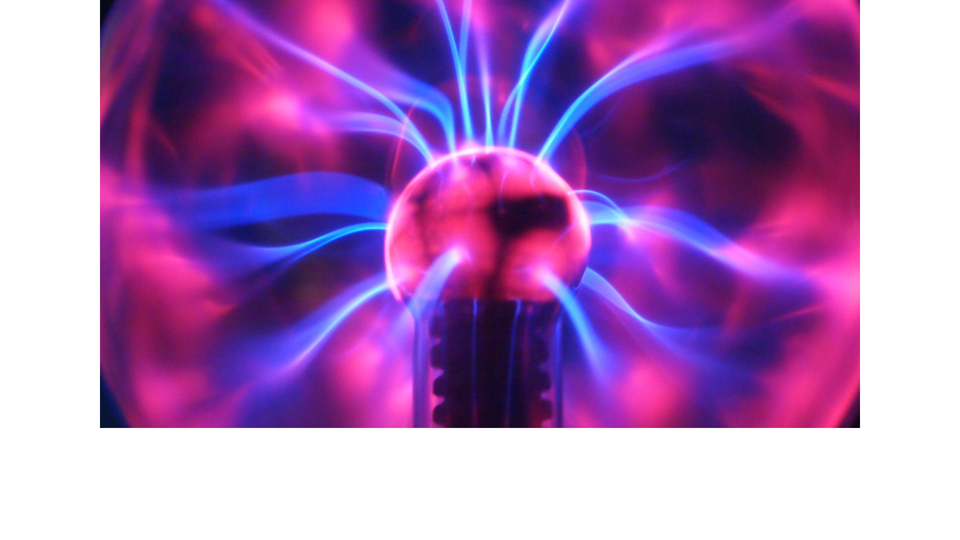
Zasób interaktywny dostępny pod adresem https://zpe.gov.pl/a/DIxnbyiWd
Answer the questions.
a) What states of matter do you know? Give some examples.
b) What substance is present on the Earth in three states?
c) What determines the state of matter?
d) Do you know the fourth state of matter? What is its name?
Look at figure „States of matter of bodies and their molecular models”.
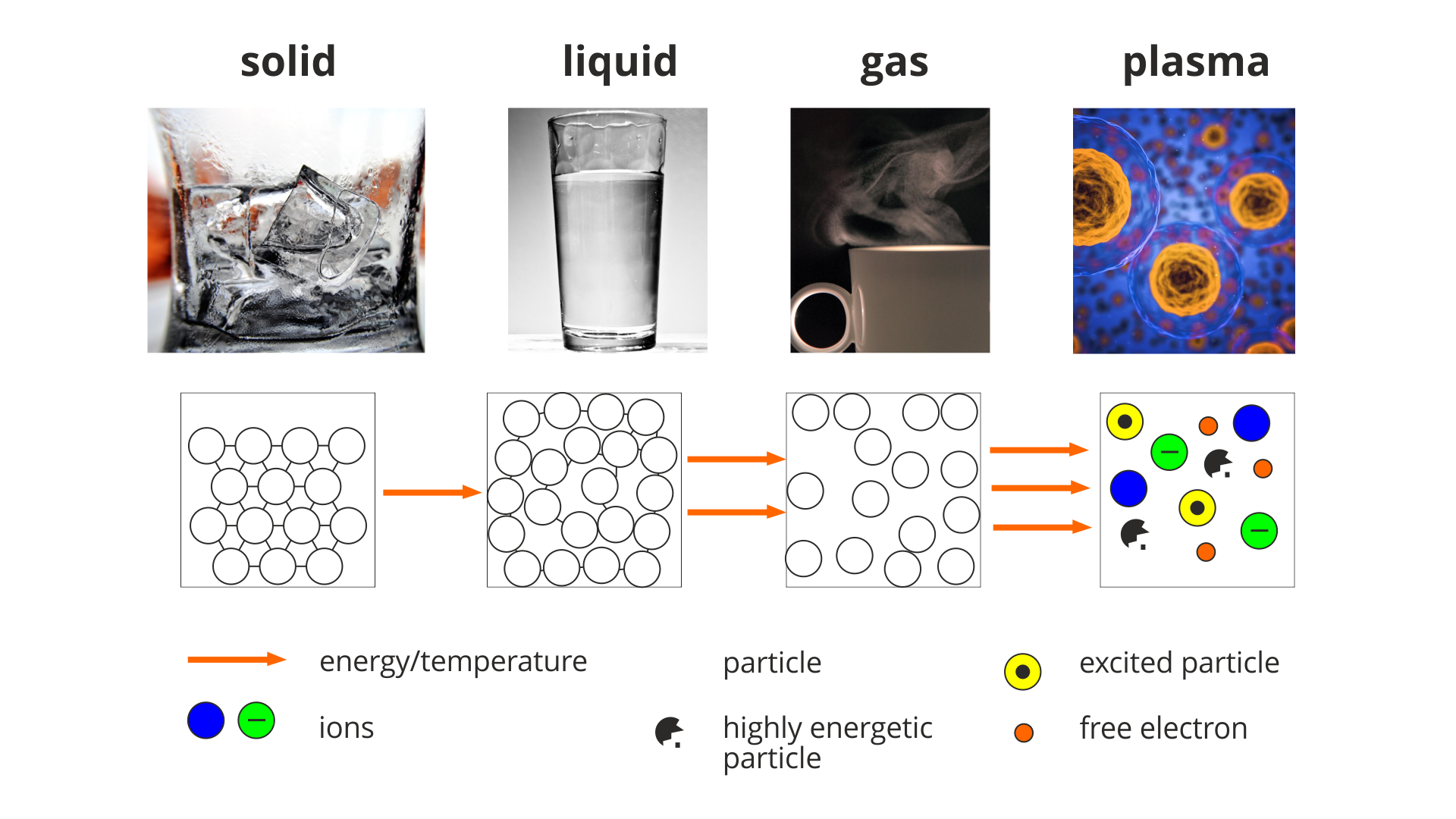
Based on the illustration, answer the question about:
what solids, liquids and gases have in common?
Presentation of mechanical properties common to solids.
1. three cuboids made of various materials, e.g. wood, iron, plastic,
2. two vessels of various shapes and small and large volumes.
1. Place cuboids once in a first and then in a second vessel.
2. Try to change the shape of the cuboids by squeezing them firmly.
Solids have a stable and definite shape and a definite volume.
Presentation of mechanical properties common to liquids.
Liquids are characterized by a variable shape and a definite volume.
1. two liquids, e.g. water and oil,
2. two vessels of various shapes,
3. syringe.
1. Pour the liquidliquid into one and then into the other vessel.
2. Repeat the same for the second liquid.
3. Get the first liquid into the syringe, try squeezing it with the syringe plunger.
4. Repeat the same operation for the second liquid.
Liquids take the shapeshape of the vessel they are in, but their volume does not change under pressure.
Presentation of mechanical properties common to gases.
The gases are characterized by a variable shape and a variable volumevolume.
1. two gases, e.g. carbon dioxide from exhaled air and atmospheric air,
2. balloon, syringe.
1. Blow the balloon.
2. Fill the syringe with air.
3. Try to squeeze the air in the syringe using a plunger.
4. Try to squeeze the balloon.
The gases take the shapeshape of the vessel they are in, they fill the entire volume and it is easy to change their volume. They are compressible and expandable.
Determine whether the following statements are true or false.
a) Solids have their own definite shape and volume.
b) Solids, liquids and gases consist of molecules.
c) The interactions between gasgas molecules are very strong.
d) Gases take the shape of a vessel and have a definite volume independent of the volume of the container in which they are closed.
Summary
Bodies can have three different states: solidsolid, liquid and gaseous.
Solids have a defined shape and a defined volume.
Liquids take the shape of the vessel they are in but retain their volume.
Gases - like liquids - take the shapeshape of the vessel in which they are, but unlike liquids, they fill the entire volumevolume.
The properties of bodies result from their molecular structure.
Exercises
Determine which sentences are true.
- Water cannot simultaneously occur in three states.
- Fog is water in a liquid state.
- A common property of liquids and gases is a definite volume.
- The body that retains its volume and shape is liquid.
- After pouring water to a vessel of a different shape, its volume changed.
- If we significantly reduce the oxygen temperature, we get liquid.
Can substances such as lead, gold or iron be liquids? If so, what needs to be done to change them into liquids?
Based on the molecular structure of a substance, explain in English what is the difference between hot and cold water?
Indicate which pairs of expressions or words are translated correctly.
- ciało stałe - solid
- ciecz - liquid
- para wodna - water vapour
- plazma - plasma
- objętość - shape
- kształt - volume
- ciało stałe
- solid
- shape
- volume
- ciecz
- liquid
- gas
- gaz
- kształt
- objętość
Glossary
prędkość średnia
Nagranie dostępne na portalu epodreczniki.pl
wymowa w języku angielskim: average speed
gaz
Nagranie dostępne na portalu epodreczniki.pl
wymowa w języku angielskim: gas
lód
Nagranie dostępne na portalu epodreczniki.pl
wymowa w języku angielskim: ice
ciecz
Nagranie dostępne na portalu epodreczniki.pl
wymowa w języku angielskim: liquid
cząsteczka
Nagranie dostępne na portalu epodreczniki.pl
wymowa w języku angielskim: molecule
plazma
Nagranie dostępne na portalu epodreczniki.pl
wymowa w języku angielskim: plasma
kształt
Nagranie dostępne na portalu epodreczniki.pl
wymowa w języku angielskim: shape
ciało stałe
Nagranie dostępne na portalu epodreczniki.pl
wymowa w języku angielskim: solid
objętość
Nagranie dostępne na portalu epodreczniki.pl
wymowa w języku angielskim: volume
para wodna
Nagranie dostępne na portalu epodreczniki.pl
wymowa w języku angielskim: water vapour
Keywords
gasgas
liquidliquid
shapeshape
solidsolid
volumevolume