Europe as a tourist area
that large physico‑geographical regions vary in terms of the characteristics of their natural environment;
that geographical maps are an excellent source of information;
that it is worth travelling in order to learn about the natural environment of a given area, people and their culture.
to indicate on a map the most attractive places in Europe in terms of leisure time, sight‑seeing and special values;
to indicate on a map the countries which are most visited by tourists from all over the world;
to plan a trip across Europe;
what the Schengen Agreement is.
You know that Europe is the continent which is visited by tourists the most frequently. While planning a tourist trip to Europe, it is worth to learn about legal arrangements considering the movement of people within our continent.
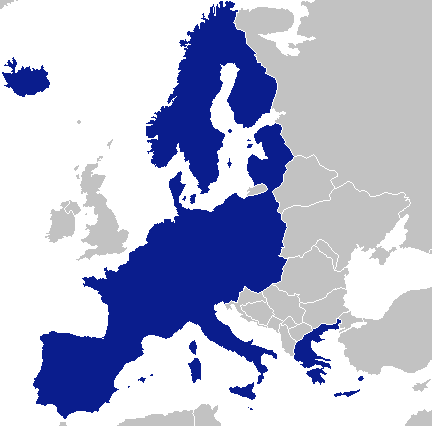
Since 1 May 2004, the Republic of Poland has been a full member of the European Union, which currently has 28 member states.
On the territory of 22 states of the European Union, the Schengen Agreement is in force, which abolishes the border control for the EU citizens. The countries belonging to the EU but not covered by the agreement from Schengen are: Bulgaria, Croatia, Cyprus and Romania, as well as the United Kingdom and Ireland. The countries not belonging to the European Union, but belonging to the Schengen area are: Iceland, Norway, Switzerland and Lichtenstein.
When travelling, exercise your rights and always take care of the safety of all participants of the trip, but also comply with the regulations which are applicable in a given area.
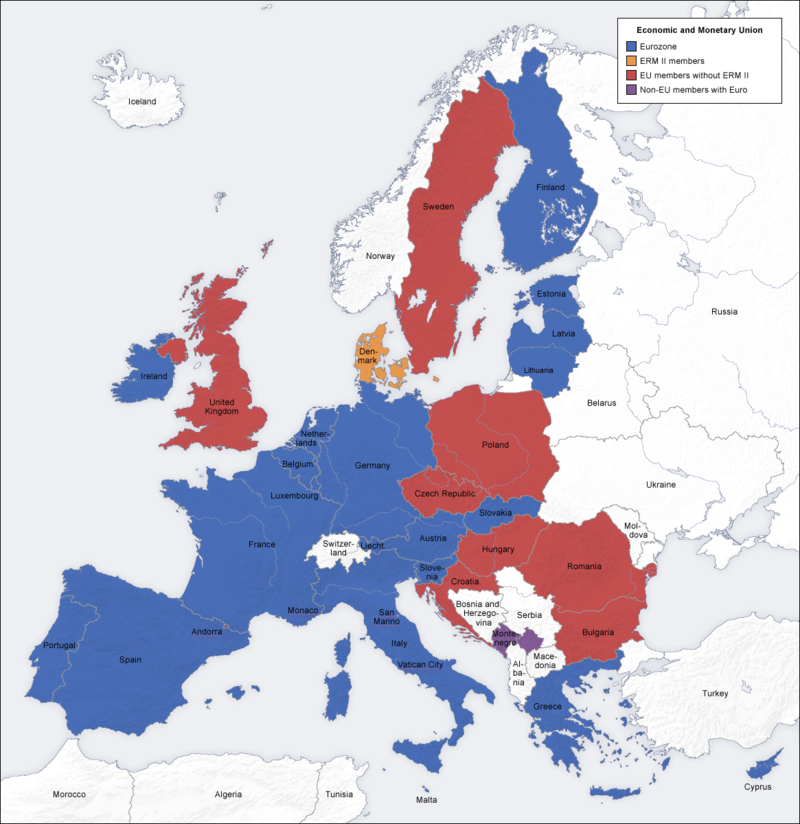
Important Community provisions of the European Union include civil and political rights. Each EU citizen has the right to move and reside freely within any Member State. While visiting a country outside the EU, the EU citizen receives diplomatic and consular protection from each of the EU Member States, if Poland has no representation in a given country.
Within the whole territory of the European Union, the 112 phone number allows you to call for medical assistance or any other kind of help in the event of an accident.
It is advisable to save on your mobile phone or write down in your travel documents the number accompanied by letters ICE (In Case of Emergency). The number facilitates the contact with a person of your choice, who may inform the doctor, for example, on your blood group, illnesses, medication, etc.
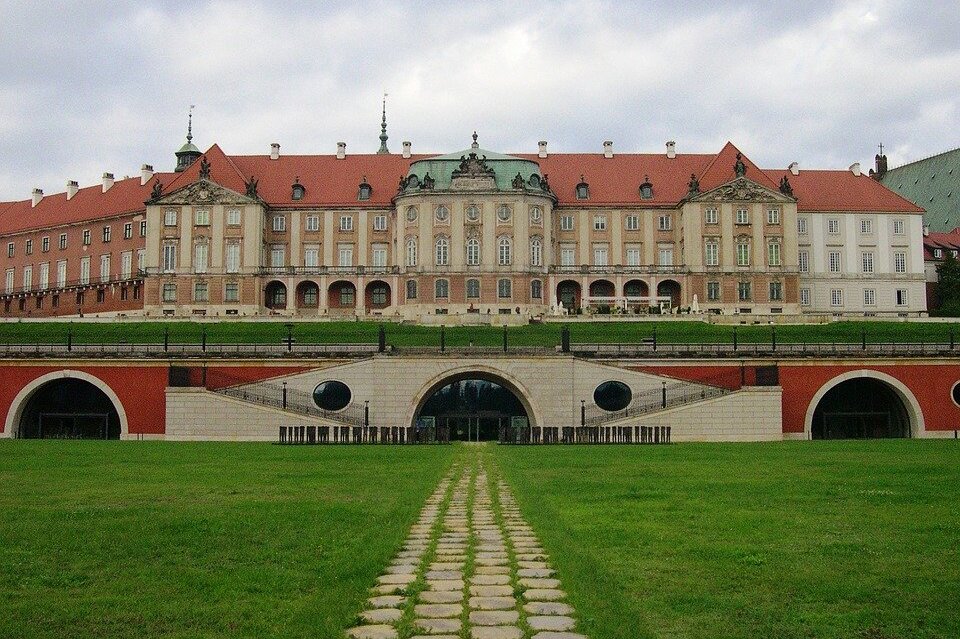
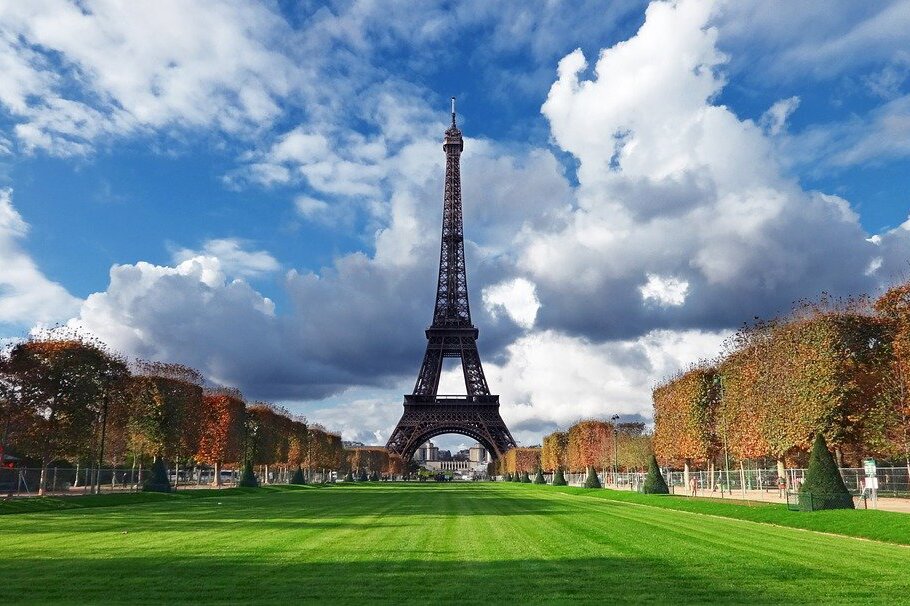
Match tourist attractions with the country in which they are located.
Czech Republic, Spain, France, Germany, Great Britain, Italy, Hungary, Croatia, Greece, Poland, Norway
| Big Ben | |
| Colosseum | |
| Cathedral of Santiago de Compostela | |
| Eiffel Tower | |
| Białowieża Forest | |
| Prague Castle | |
| Acropolis | |
| Plitvice Lakes | |
| Lake Balaton | |
| fjords | |
| Berlin Wall |
Analyse the chart below and answer the questions.
Preparing a plan for a trip in Europe
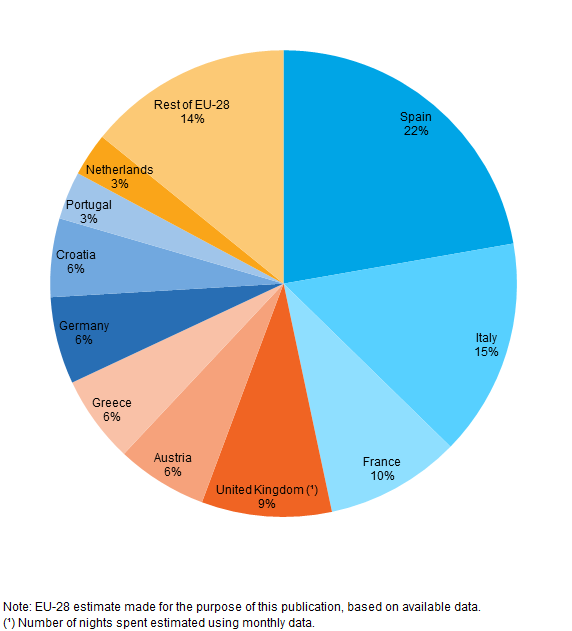
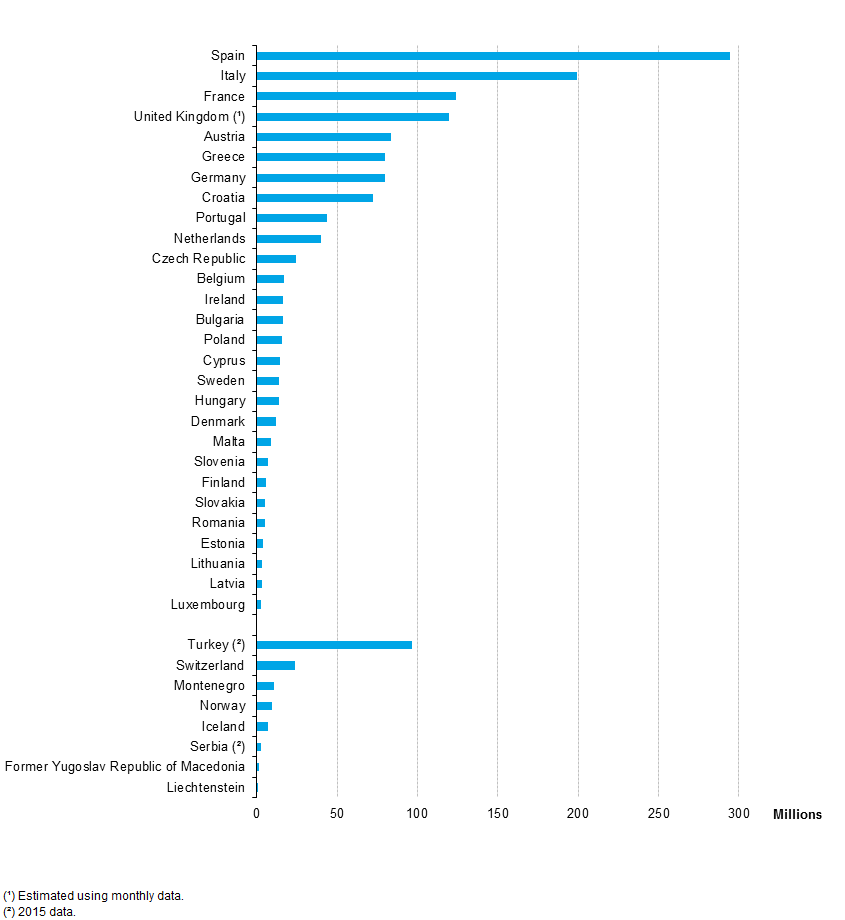
The chart below presents the most frequently chosen holiday destinations in Europe. Analyse it and plan a trip to one of those countries.
The tips below will be useful while preparing a plan of a short trip across Europe. Divide preparations into several stages.
Stage 1 – determine the main destination of your travel, indicate means of transport you want to use and the time of the journey.
Stage 2 – collect information on the main destination of the travel and the route; order them according to the key issues:
key issues
Key issues
Stage 3 – determine the exact plan of your stay on a given area; prepare a detailed plan for each day of your stay; plan which objects you will see, where you will take rest, which documentation you want to prepare (photo‑shooting, filming, collecting specimen).
while preparing the rout, use various thematic maps, not only those typically meant for tourists.
Stage 4 – you are on a trip and you implement your plan; remember to take precautions in each situation.
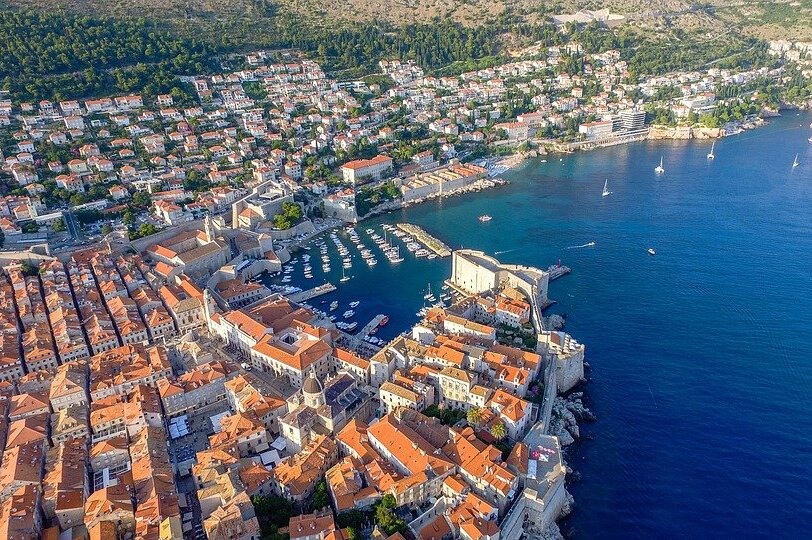
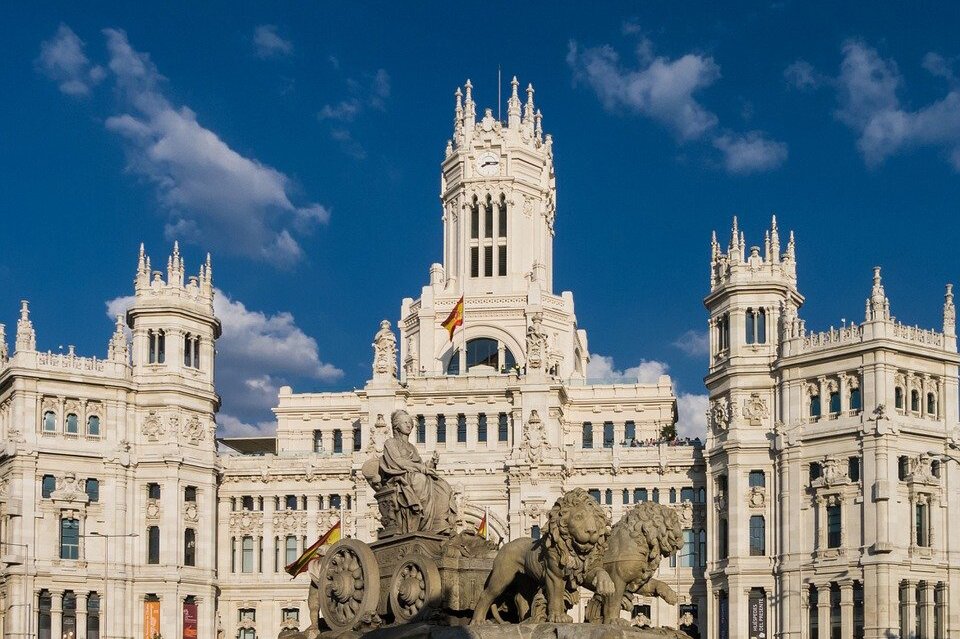
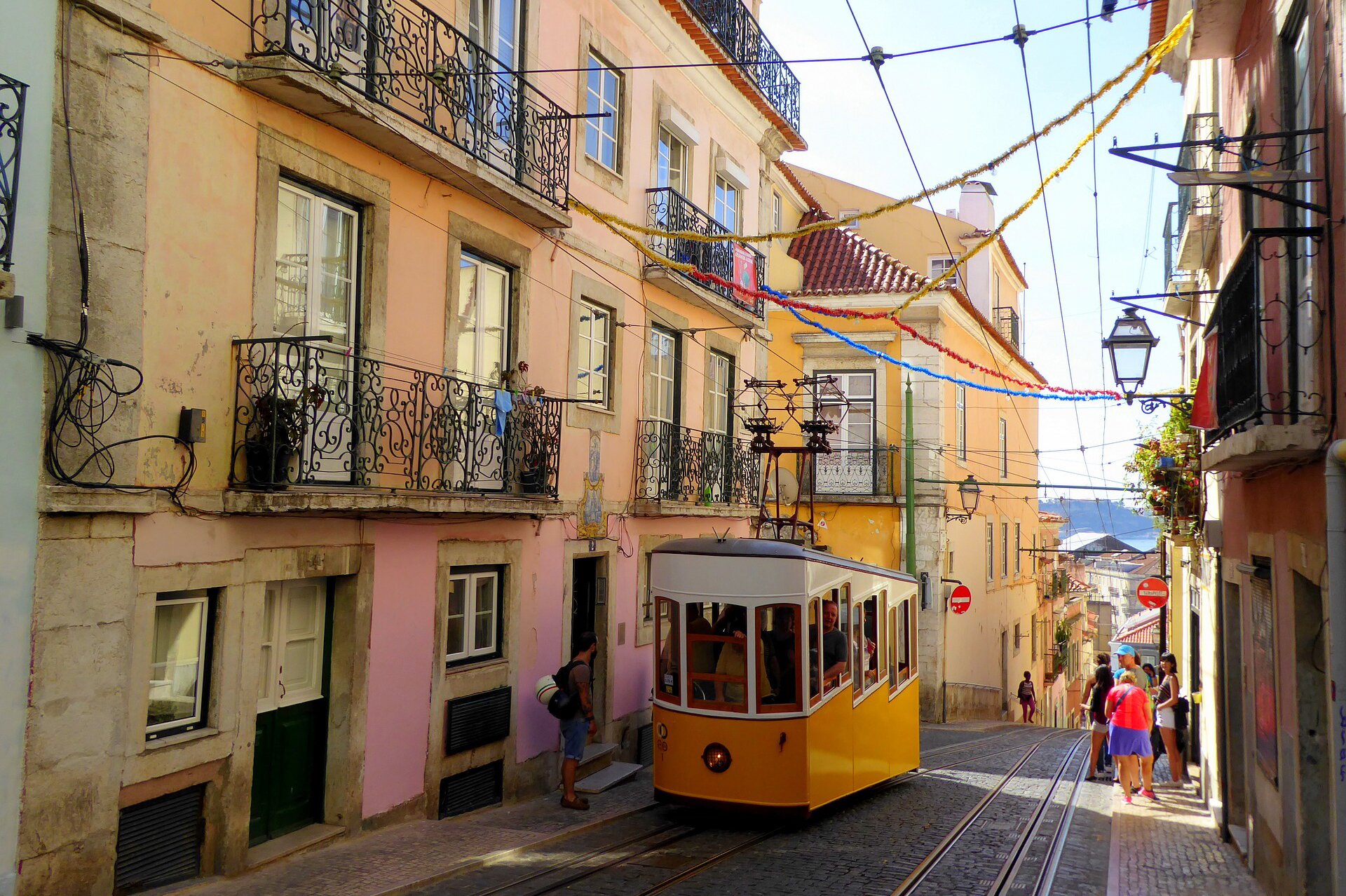
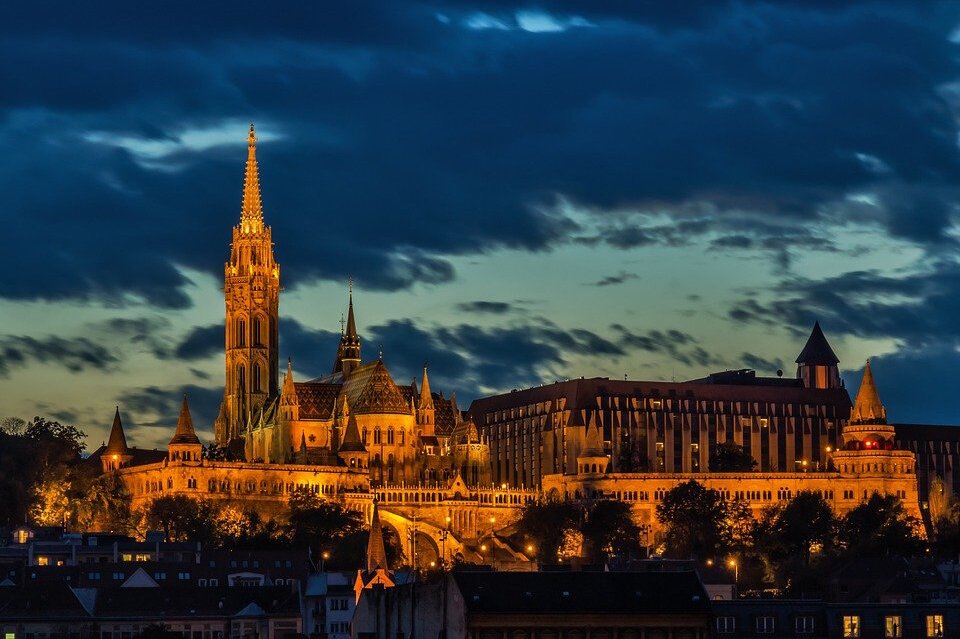
On the basis of the knowledge you acquired, perform the following tasks
Combine the country with the currency used on its territory.
Forint, Kuna, Euro, Franc, Lek, Leu, Krone, Hryvnia, Lev, Ruble
| Denmark | |
| Croatia | |
| Ukraine | |
| Switzerland | |
| Russia | |
| Germany | |
| Hungary | |
| Romania | |
| Bulgaria | |
| Albania |
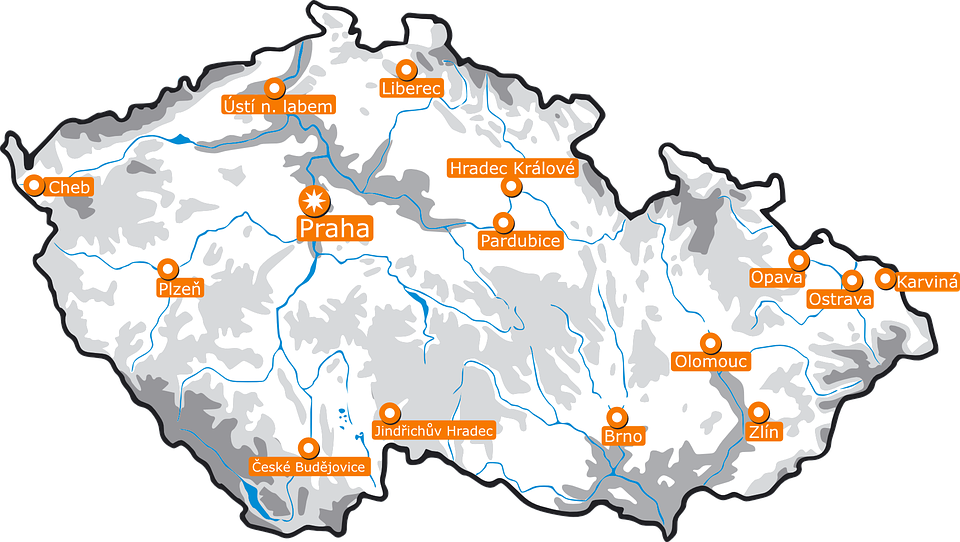
Insert the names of the countries bordering the Czech Republic in the appropriate places.
Austria, Germany, Slovakia, Poland
With the use of the UNWTO (United Nations World Tourism Organization) World Tourism Barometer, rank the countries in Europe which are most visited by tourists from all over the world.
- France
- Great Britain
- Austria
- Spain
- Italy
- Germany
Keywords
trip, Europe, European Union, tourism
Glossary
migracja - zmiana miejsca zamieszkania lub czasowego pobytu.
Układ z Schengen - porozumienie z 1985 znoszące kontrole na granicach wewnętrznych państw sygnatariuszy. Porozumienie zostało zawarte 14 czerwca 1985 roku w miejscowości Schengen w Luksemburgu. Jego stronami jest obecnie 26 państw.
Unia Europejska - gospodarczo‑polityczny związek 28 demokratycznych państw europejskich. Unia powstała 1 listopada 1993 na mocy podpisanego 7 lutego 1992 traktatu z Maastricht jako efekt wieloletniego procesu integracji politycznej, gospodarczej i społecznej.