Reforms of the State During the Times of Stanisław II Augustus
what was the political situation of Poland in the late seventeenth and the eighteenth century;
what kind of king was Stanisław II Augustus;
what were the characteristicts of the Polish culture during the EnlightenmentEnlightenment;
what reforms did Stanisław II Augustus attempt to introduce;
what was the history of adopting the ConstitutionConstitution of 3 May 1791, and what were its consequences;
what was the significance of the May Constitution.
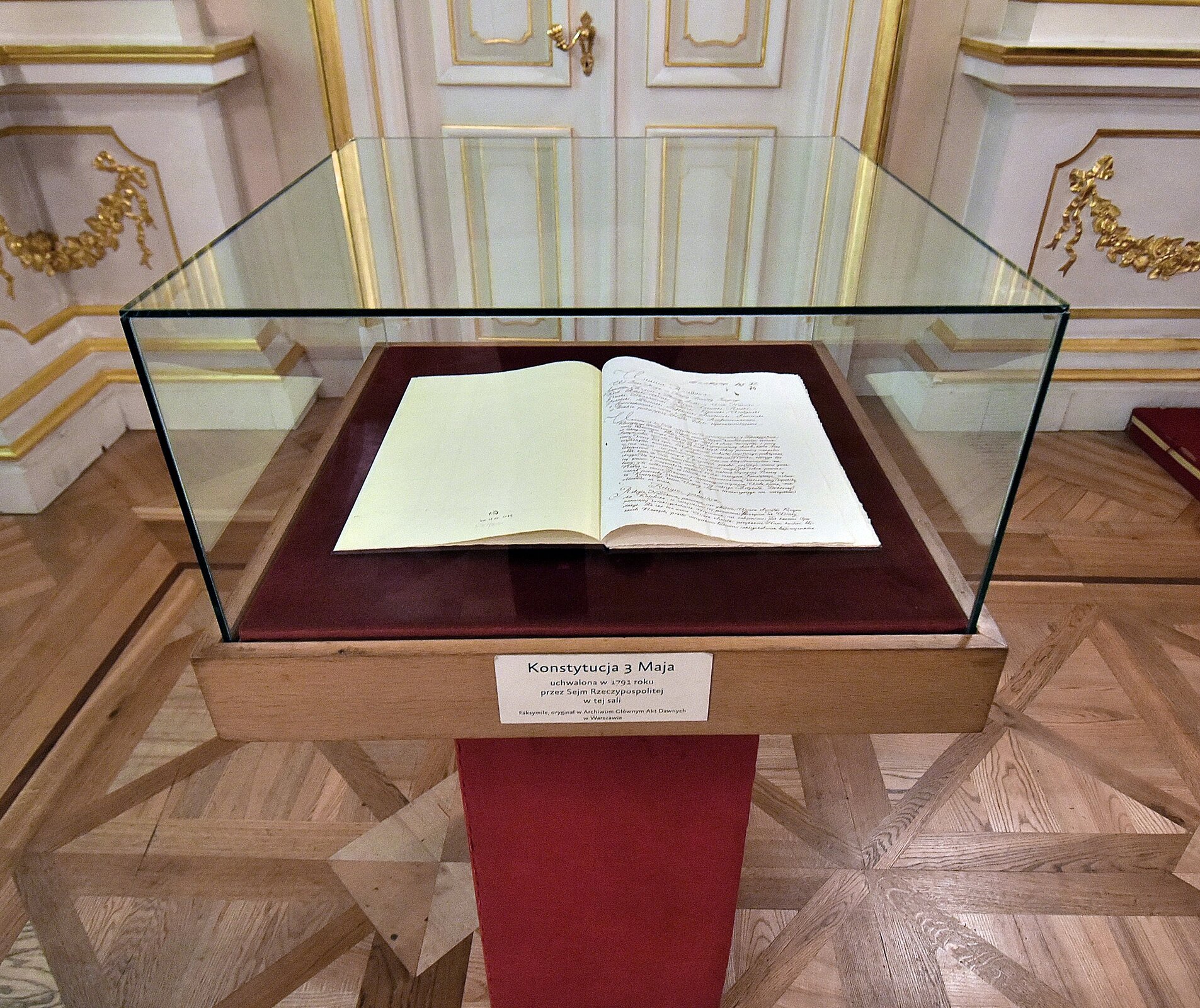
In the eighteenth century, Poland’s political system was anachronic. The Polish‑Lithuanian state was growing weaker. It did not pursue an active foreign policy; it was more of an object than a subject on the international stage. The nobility kept blocking the reform project by abusing the liberum vetoliberum veto. All it took to dissolve a Sejm session was one deputy voicing his opposition to a single proposed law. Representatives of the nobility often accepted bribes from foreign powers that wished to render Poland weak. Russia had ever more say in the Polish matters. When Staniław August Poniatowski was elected King, some of the patriotic nobility revolted and formed the Bar ConfederationConfederation. The portions of the Polish army loyal to the King quelled the uprising. Using the opportunity, Russia, Austria, and Prussia took parts of the Polish territory (the First Partition of Poland). The reign of Stanisław II Augustus saw a number of reforms aiming to reinforce the state. The ideas of Enlightenment, popular in the West, gained ever more traction. On 3 May 1791, Poland adopted its Constitution, that is a law of the Sejm that regulated the state’s political system. Free electionFree election and the liberum veto have been abolished. The burgesses received political rights. This led to a war with Russia in defence of the Constitution – a war Poland lost. The Constitution was abolished, and Russia, together with Prussia, conducted the Second Partition of Poland in 1793.
Provide answers to the questions based on the table.
The height of the taxes and the military numbers of Poland and her neighbors in the eighteenth century
COUNTRY | Military numbers | Population | Yearly income of the country in tons of silver | Taxes paid by one citizen per year |
Poland | 12 thousand | 12 million | 60 tons | 1 zł |
Russia | 250 thousand | 24 million | 900 tons | 6 zł |
Austria | 290 thousand | 16 million | 960 tons | 21 zł |
Prussia | 150 thousand | 4 million | 420 tons | 6 zł |
Order the countries by population, starting from the largest.
- Poland
- Prussia
- Austria
- Russia
Order the countries by the size of their armies, from largest to smallest.
- Russia
- Austria
- Prussia
- Poland
List the countries by amount of taxes paid by the citizens, starting at the highest.
- Austria
- Russia
- Poland
- Prussia
Order the yearly incomes of the listed countries. Start with the highest.
- Poland
- Austria
- Russia
- Prussia
Based on the picture by Jan Piotr Norblin titled Oath of confirmation of Constitution of the 3rd May 1791 portraying the Sejm session room, complete the exercise.
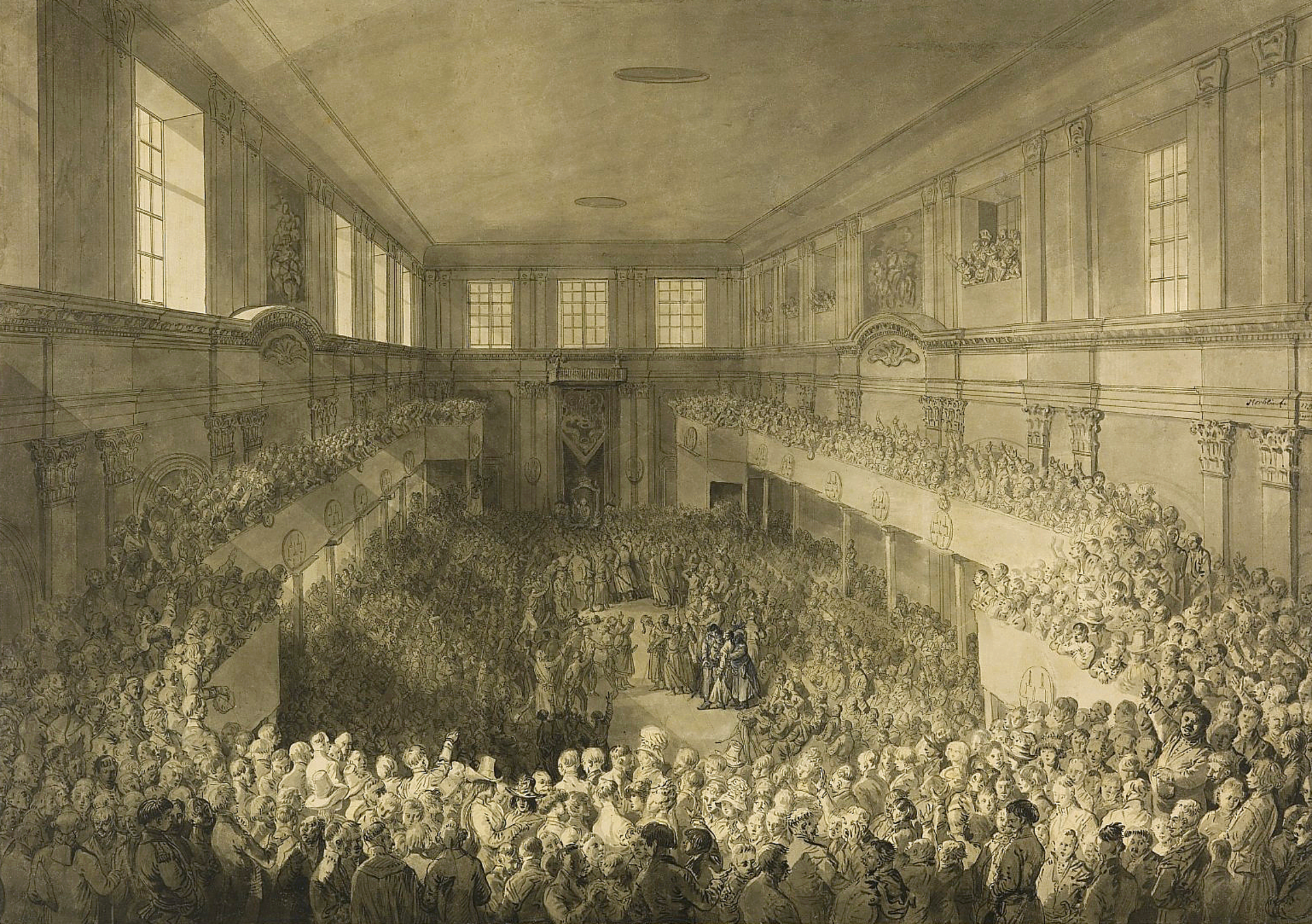
Mark the truthful sentences.
- The sessions of the Sejm were met with enormous interest.
- The balconies for the observers were full.
- The Royal throne is empty, as the King did not participate in the sessions.
The drawing below shows the building of the National Theatre in Warsaw and its vicinity. Take a close look and complete the exercise.
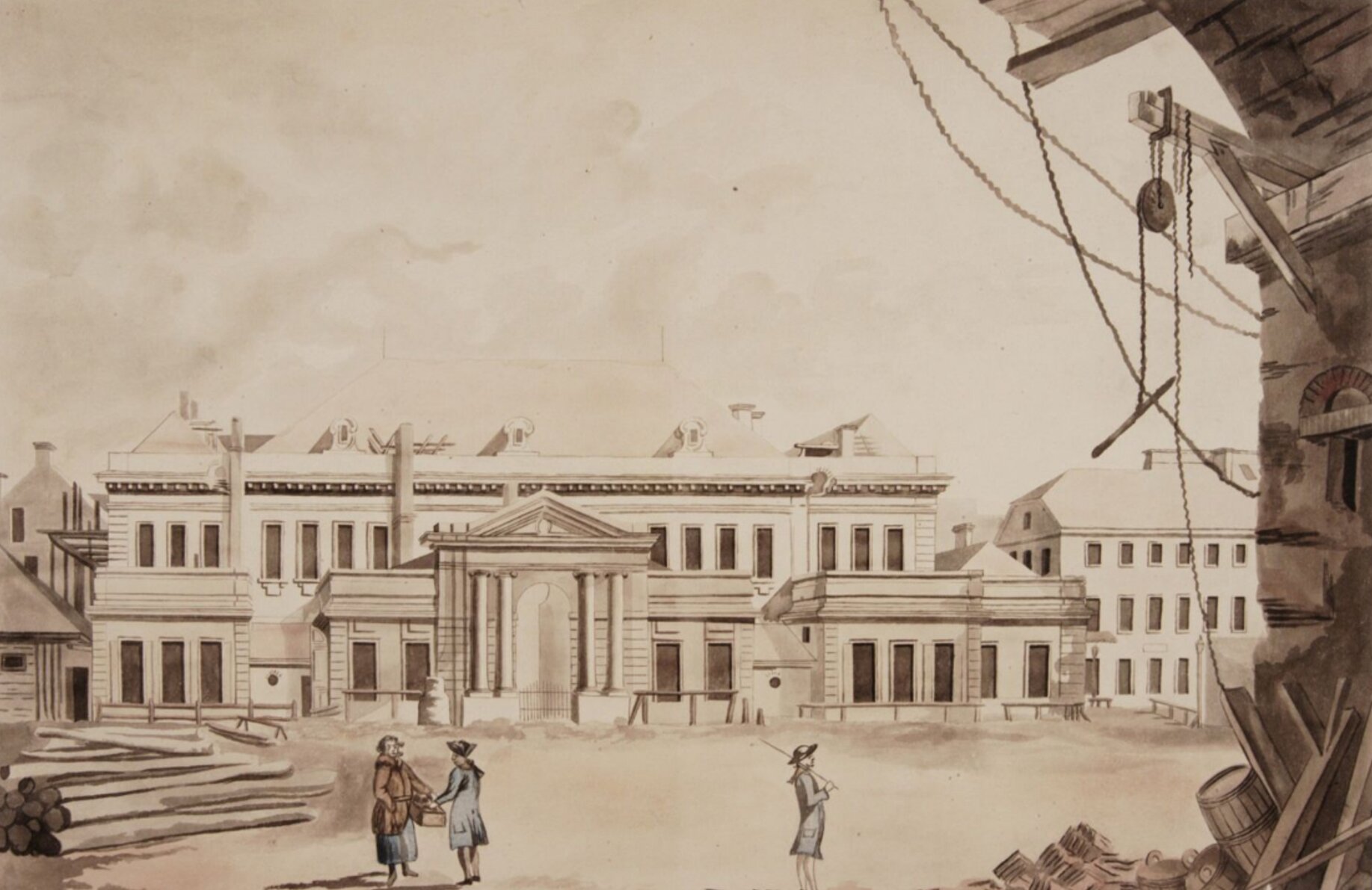
Which of the sentences below would be a fitting description of the illustration?
- The National Theatre has been built in the Classicist style.
- The streets of Warsaw were well-taken care of, and the city’s center was clean and orderly.
- By that time, all of the buildings in Warsaw were made of bricks already.
Keywords
Stanisław II Augustus, reforms, Constitution of 3rd May 1791
Glossary
Wolna elekcja – w Rzeczypospolitej Obojga Narodów był to wybór monarchy przez szlachtę, nieprzestrzegający zasad sukcesji dynastycznej. Pierwsza wolna elekcja miała miejsce w 1573 roku i wybrano na króla Polski Henryka Walezego.
Demokracja szlachecka – panujący na ziemiach polskich system polityczny, gwarantujący stanowi szlacheckiemu prawo głosowania i decydowania o sprawach państwa. Był przykładem równości praw w stanie szlacheckim bez względu na pochodzenie, majątek czy zasługi szlachcica.
Elektor – tytuł książęcy przysługujący władcom posiadającym prawo wyboru cesarza. Tytuł taki nosili władcy Saksonii, w tym polscy królowie elekcyjni z dynastii Wettinów.
Absolutyzm – forma rządów, w której monarcha sprawuje pełną władzę nad wszystkimi dziedzinami administracji państwowej. Monarcha ogłaszając się „pierwszym sługą państwa” dąży do umocnienia swoich rządów.
Unia personalna – związek dwóch lub węcej państw posiadających wspólnego władcę przy zachowaniu odrębności państwowej.
Liberum veto – zasada panujące na sejmach w dawnej Rzeczypospolitej dająca prawo zrywania i unieważniania podjętych na nich uchwał każdemu posłowi – przedstawicielowi szlachty.
Oświecenie – epoka w kulturze i sztuce, przypadająca na koniec XVII wieku do początku XIX wieku, ceniąca rozum i głosząca, że ma być on drogą do poznania prawdy o świecie i człowieku.
Konstytucja – inaczej zwana ustawą zasadniczą Jest to akt prawny, który najczęściej jest najważniejszym i najwyższym dokumentem stanowiącym prawo w państwie. Polska Konstytucja 3‑go Maja z 1791 roku była pierwszą w Europie i drugą, po amerykańskiej, na świecie.
Klasycyzm – styl w architekturze wzorujący się na formach antycznej Grecji i Rzymu. Rozwinął się w przede wszystkim w XVIII wieku.
Manufaktura – zakład produkcyjny, w którym produkcja opiera się na pracy ręcznej wyspecjalizowanych w etapie (elemencie) wytwórstwa specjalistów. W Polsce pojawiły się na początku XVII wieku, a rozwinęły za panowania Stanisława Augusta Poniatowskiego, jako próba ożywienia gospodarczego kraju.
Konfederacja – zawiązywany przez szlachtę, duchowieństwo lub miasta czasowy związek zbrojny (do osiągnięcia swoich celów), którego celem była realizacja własnych postulatów.
Virtuti Militari – order wojenny ustanowiony po zwycięskiej bitwie pod Zieleńcami w 1792 roku przez króla Stanisława Augusta Poniatowskiego. Jego dewizą były słowa – Rex et Patria (Król i Ojczyzna). Jest najwyższym polskim odznaczeniem wojskowym i najstarszym na świecie orderem nadawanym do chwili obecnej.