Nature in a Mediterranean climate
what climate prevails in the zones of equatorial forest, desert, savannah and steppe;
what is the relationship between the climate and the living conditions of plants and animals in these landscapes;
what are the characteristics of the Mediterranean climate.
indicate adaptation of plants to living in a Mediterranean climate;
discuss the human influence on the vegetation in the Mediterranean;
describe plants grown in the Mediterranean;
recognize selected wild animals of this region.
Plants of the Mediterranean zone
Trees and shrubs of the Mediterranean zone have adapted to the survival of several months of drought. Their leaves are hard, leathery and covered with wax to reduce water loss. They do not fall seasonally, forests and thickets in the Mediterranean are, therefore, evergreen. Often, there are spiny bushes and low trees: thorny holly, spiny oak, oleander, wild olives, pistachio and juniper. They form a characteristic plant cluster called maquismaquis. Nowadays, more and more often imported from America, drought‑resistant prickly pear and agaves and Australian eucalyptus. In the place of former fields, pastures were formed, where sheep and goats graze.
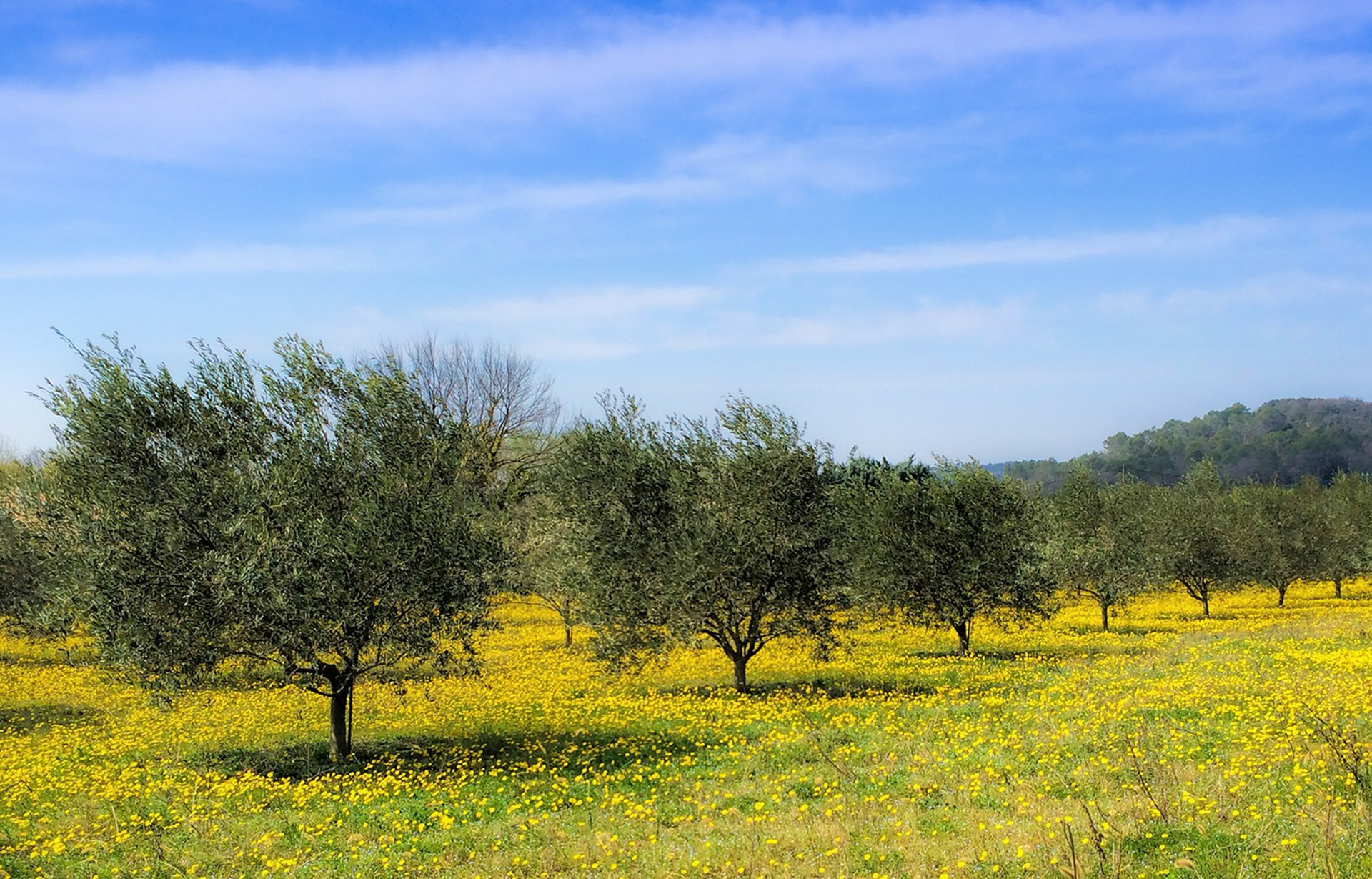
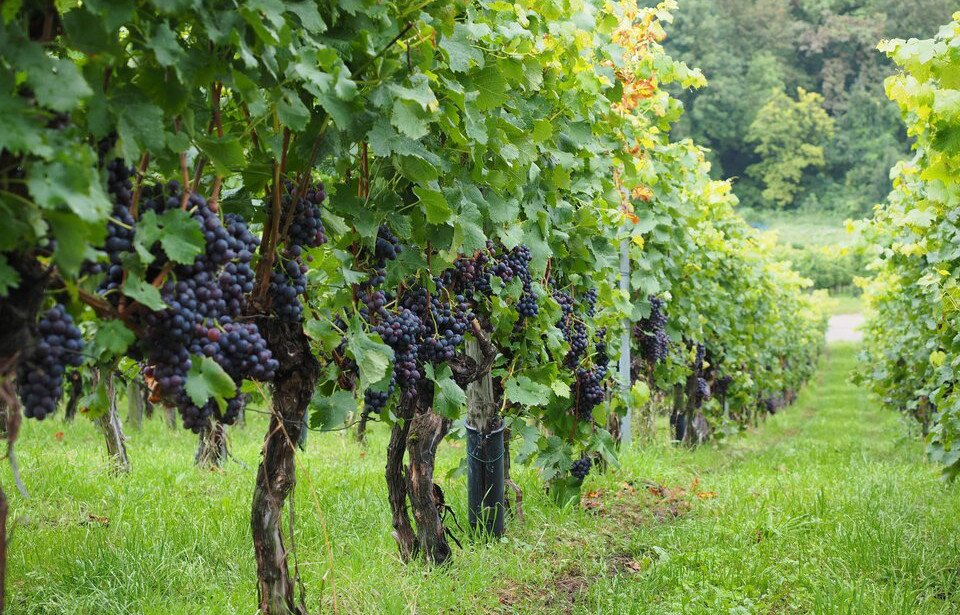
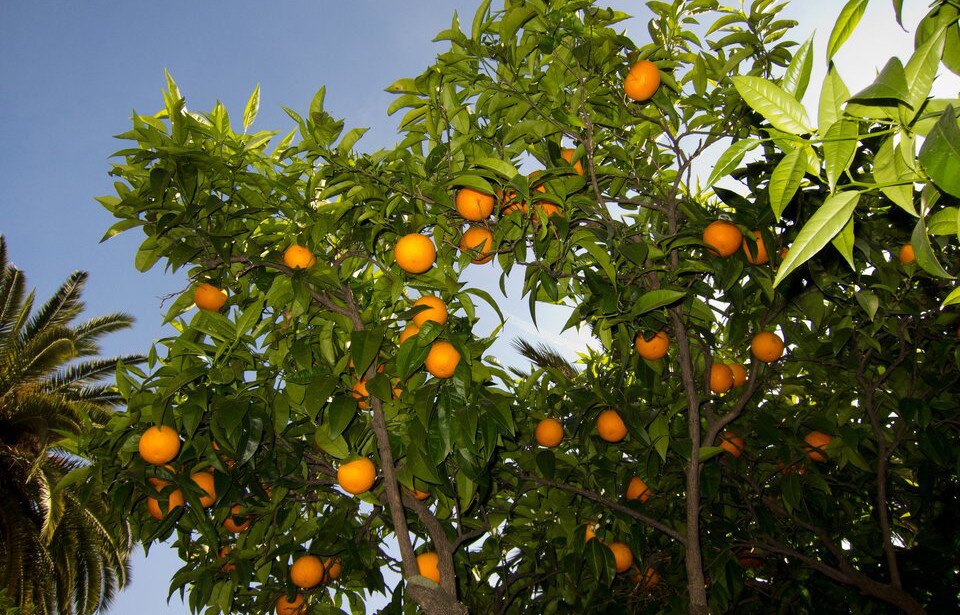
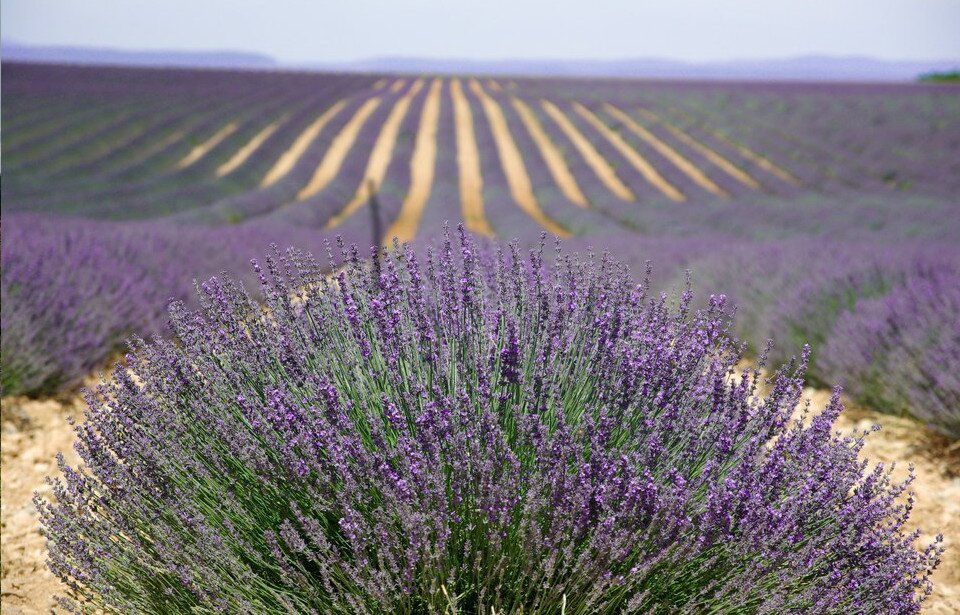
Many plants in this region are planted for ornamental purposes or for shade, for example cypresses. Characteristic of the Mediterranean landscape are the cultivation of olive trees, vines, fig trees, chestnuts and trees giving citrus fruit, that is, oranges, lemons and mandarins. It also grows many plants that serve as spices (laurel giving bay leaf, marjoram, rosemary, sage, basil, fennel, thyme and others) or giving aromatic oils (lavender, rose, mint).
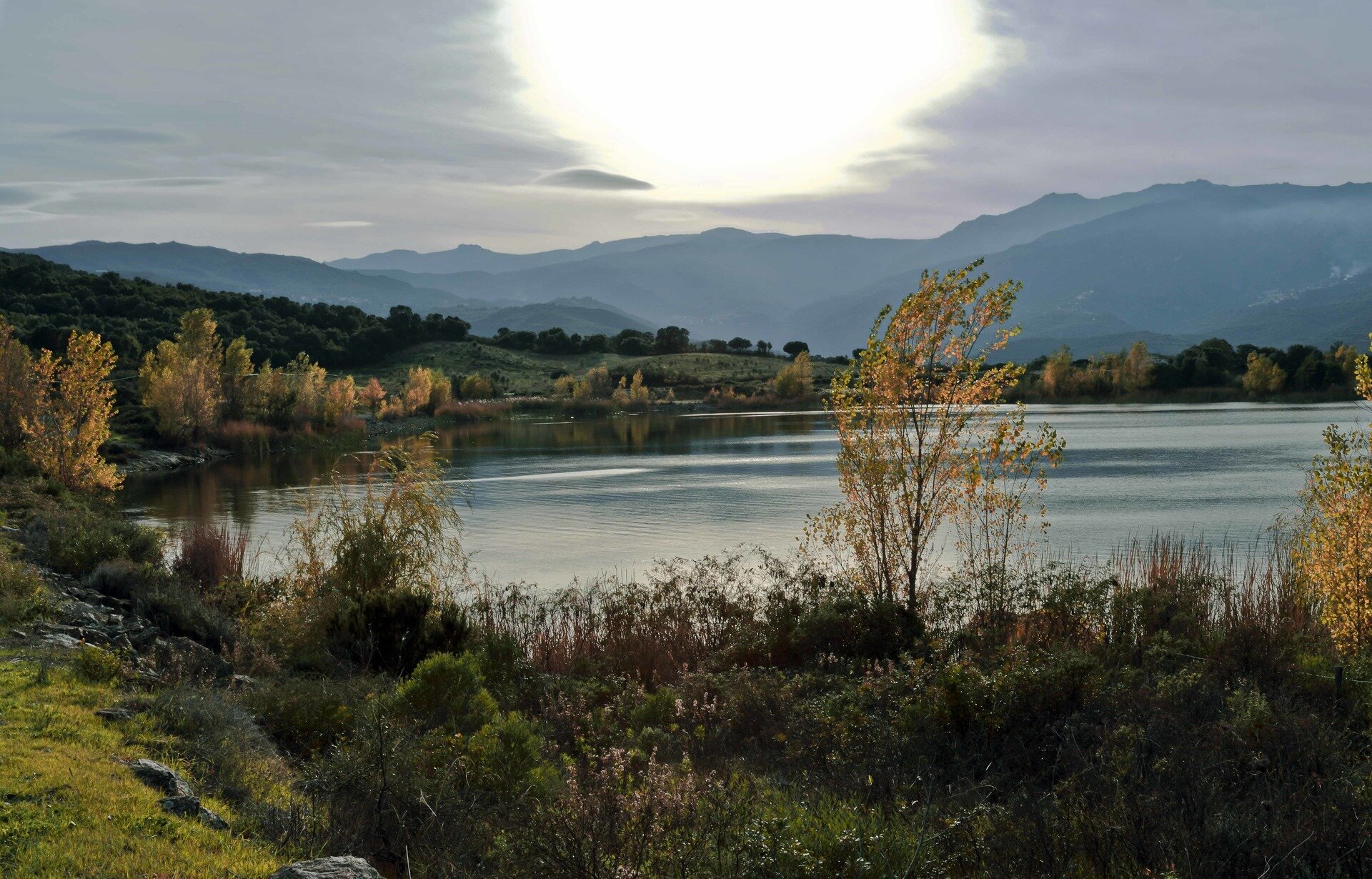
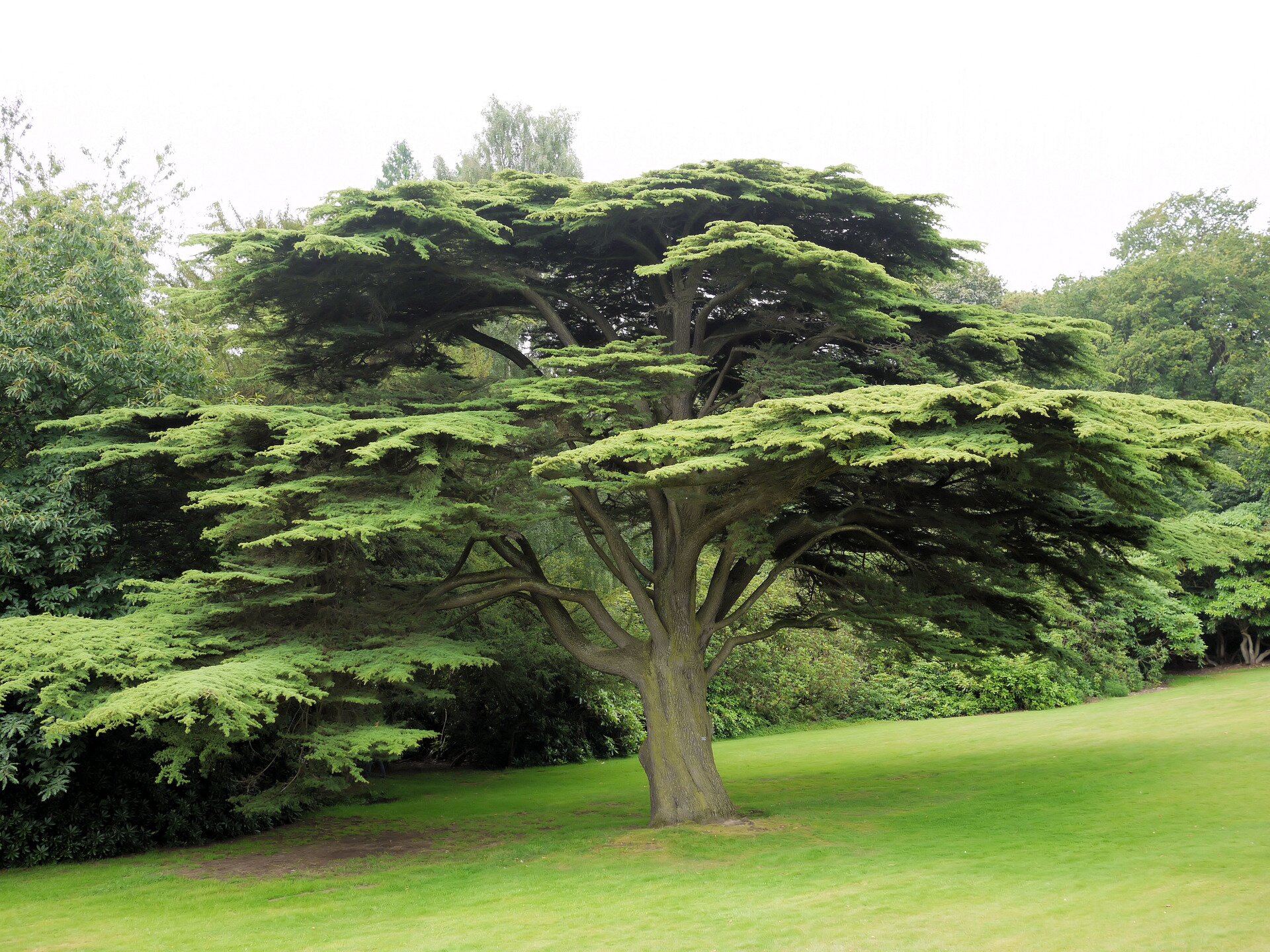
Maquis shrub‑land was created as a result of human activity. Originally this area was covered with cedar and oak forests. They have been almost completely cut down to create a place for growing food and to obtain good quality wood. A similar fate was also met by the largest trees in other areas with a Mediterranean climate. In California, most of the redwoods growing there are cut down, and in southern Australia, most eucalyptus.
Mediterranean zone animals
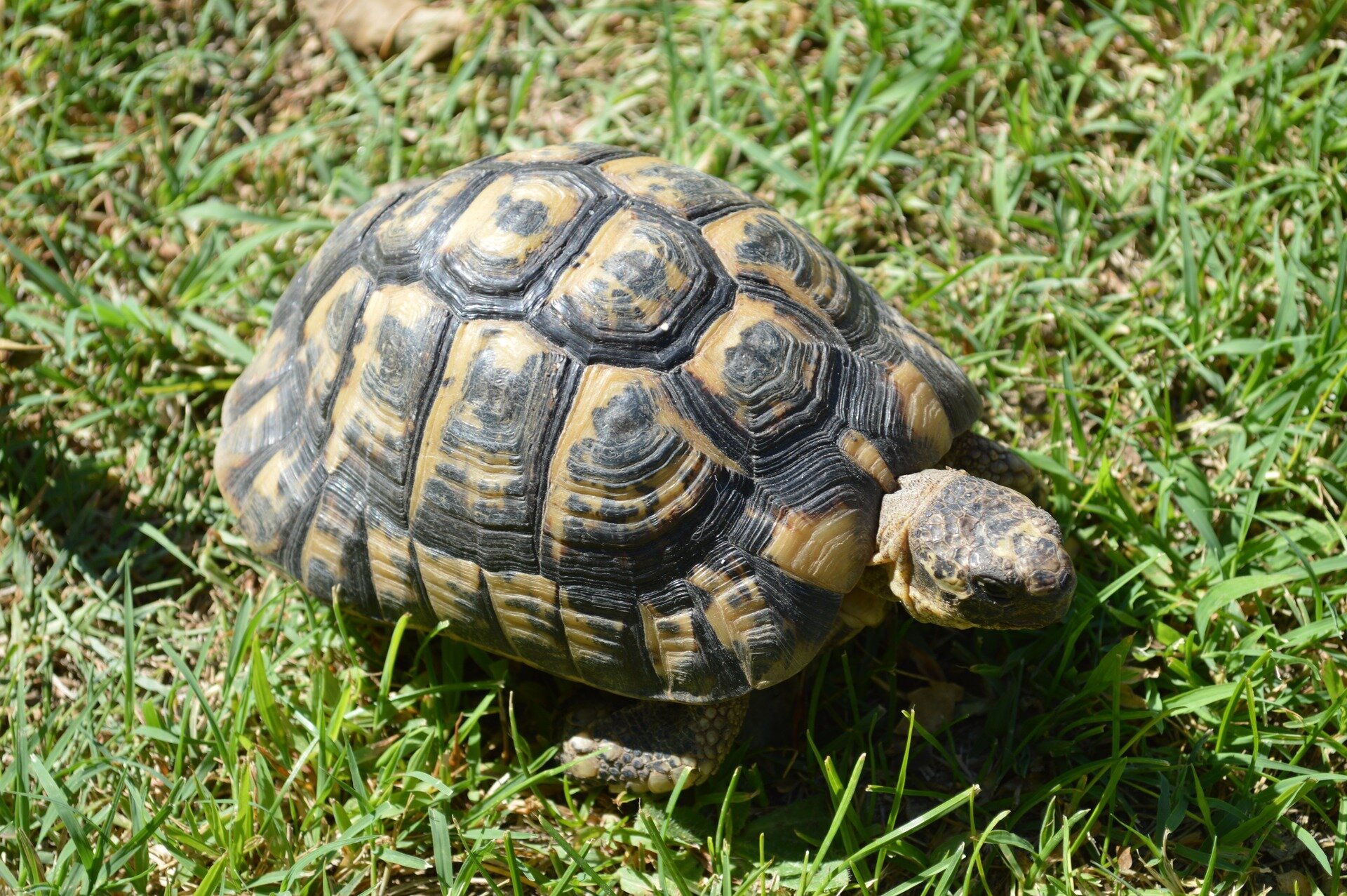
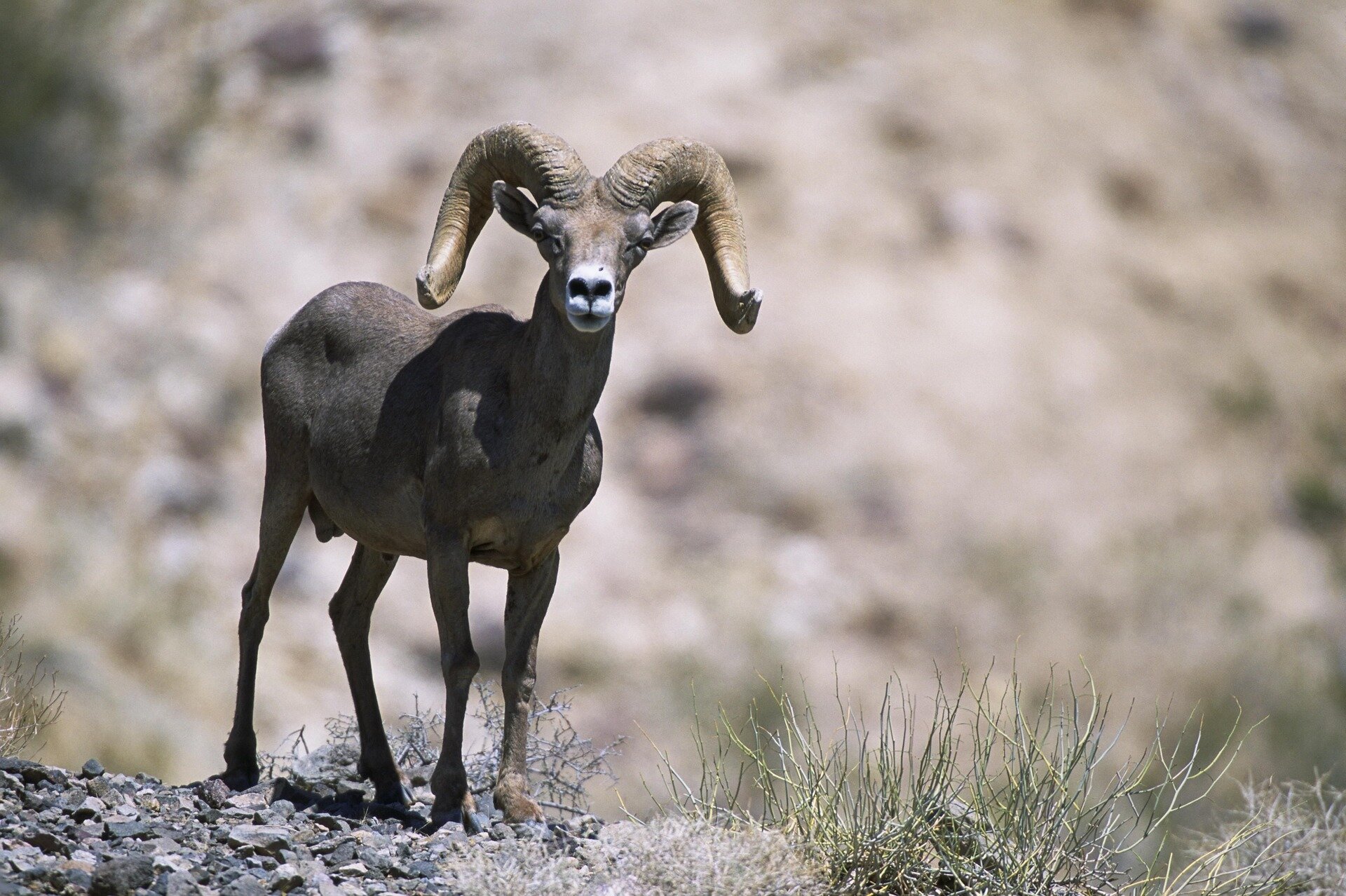
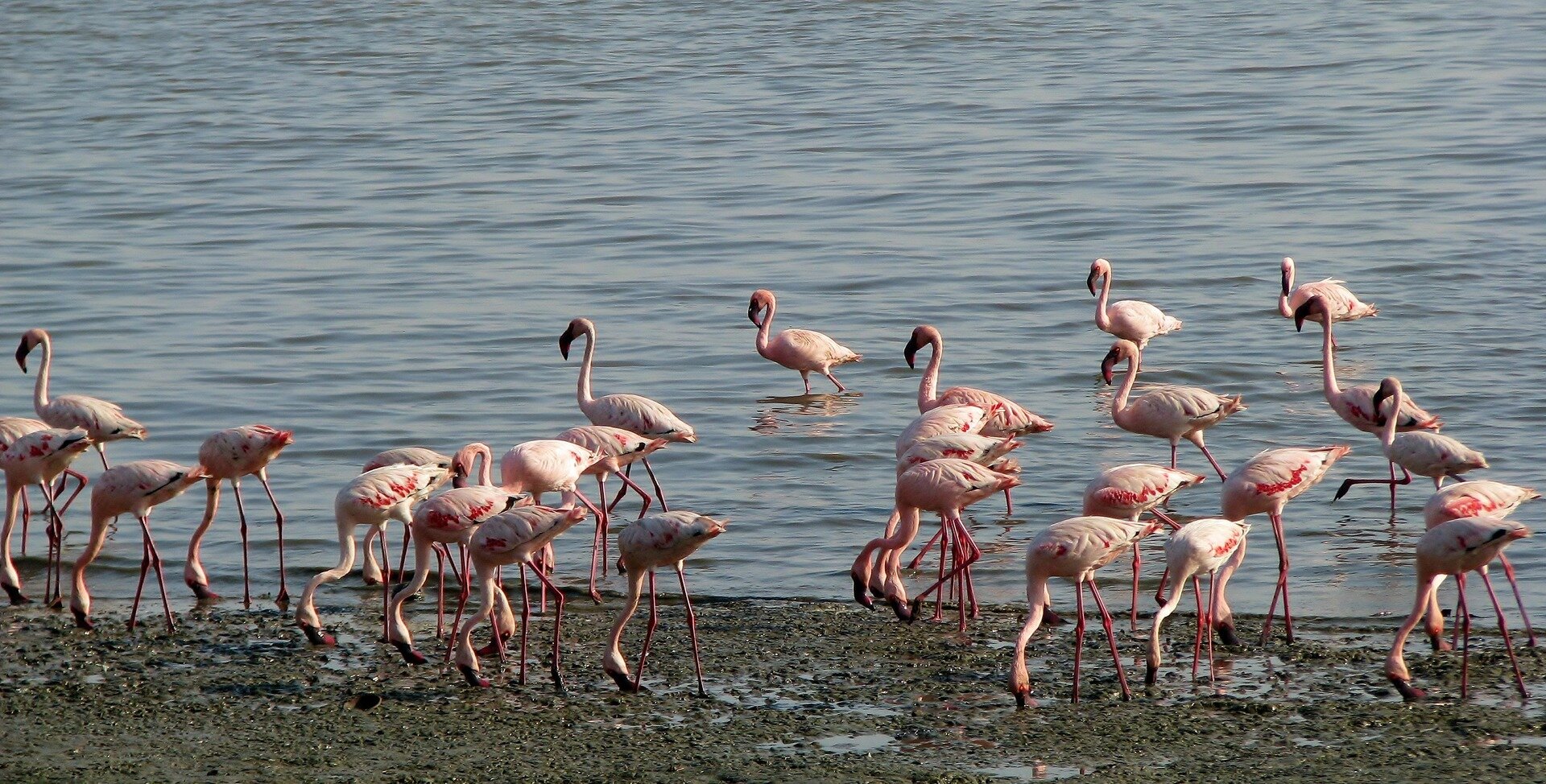
Thousands of years of cultivation of fields, and grazing herds, caused almost no places where the natural environment has survived, apart from the rocky mountains. Therefore, among land vertebrates, we mainly meet reptiles and birds. Among the reptiles there are numerous turtles and snakes, as well as chameleons, geckos and other lizards. Many birds of our region (especially swimming and insectivorous) spend the winter on the Mediterranean, because in our conditions they do not find adequate food. From Poland to the Mediterranean, for example, starlings, skylarks, lapwings, grebes and herons fly off for winter. Among the land mammals, the wild, hedgehogs, rabbits and foxes are characteristic of the region, and at higher altitudes – sousses, chamois, moufflons and ibexes. Life at the coast is thriving. Among the underwater plants and coral reefs live numerous marine invertebrates, such as lobsters, crabs, oysters and octopuses. These animals are massively fished for culinary purposes.
There are quite a lot of animals dangerous for bathers in the Mediterranean. Stings by jellyfish, wounds caused by stepping on sea urchins and the venom of some snails and fish can be dangerous for human life. The official bathing facilities are safe, but you should always be careful. Try not to touch unknown animals.
Indicate the sentence describing the adaptation of plants to climatic conditions on the Mediterranean.
- they grow multi-species, dense forests
- shrubs with spikes
- dropping leaves for the winter
- large, soft leaves
- Tall trees prevail
- leaves covered with a protective layer
- hard leaves
Summary
Vegetation in the Mediterranean basin usually has thick, leathery leaves covered with a protective layer to prevent excessive evaporation.
In the Mediterranean climate grows many plants commonly used in cooking – spices and fruit.
Many cultivated plants have been imported to Poland from Mediterranean countries.
Keywords
maquis, olives, turtle, sea urchin
Glossary
makia – zarośla wiecznie zielonej roślinności twardolistnej w klimacie podzwrotnikowym typu śródziemnomorskiego