Read carefully the three fragments. Under each of them write its literary genre, then do the next exercise.
Henryk Sienkiewicz"Potop" tom I
Rozdział I Przyszedł nowy rok 1655. Styczeń był mroźny, ale suchy; zima tęga przykryła Żmudź świętą grubym na łokieć białym kożuchem; lasy gięły się i łamały pod okiścią, śnieg olśniewał oczy w dzień przy słońcu, a nocą przy księżycu migotały jakoby iskry niknące po stężałej od mrozu powierzchni; zwierz zbliżał się do mieszkań ludzkich, a ubogie, szare ptactwo stukało dziobami do szyb szedzią i śnieżnymi kwiatami okrytych. [...] Wtem we drzwiach pojawiła się wyniosła jakaś postać w szubie i czapce futrzanej na głowie. Młody mężczyzna postąpił na środek izby i poznawszy, że znajduje się w czeladnej, spytał dźwięcznym głosem, nie zdejmując czapki: — Hej! A gdzie to wasza panna? — Jestem odpowiedziała dość pewnym głosem Billewiczówna.
potop1 Source: Henryk Sienkiewicz, "Potop" tom I.
R1P3nbY8WZkln
Wykonaj ćwiczenie zgodnie z poleceniem.
Literary genre (Uzupełnij).
Wykonaj ćwiczenie zgodnie z poleceniem.
Literary genre (Uzupełnij).
Juliusz SłowackiRozłączenie
Rozłączeni — lecz jedno o drugim pamięta; Pomiędzy nami lata biały gołąb smutku I nosi ciągłe wieści. Wiem, kiedy w ogródku, Wiem, kiedy płaczesz w cichej komancie zamknięta;
Wiem, o jakiej godzinie wraca bólu fala, Wiem, jaka ci rozmowa ludzi łzę wyciska. Tyś mi widna jak gwiazda, co się tam zapala I łzę różową leję, i skrą siną błyska.
A choć mi teraz ciebie oczyma nie dostać, Znając twój dom — i drzewa ogrodu, i kwiaty, Wiem, gdzie malować myślą twe oczy i postać, Między jakimi drzewy szukać białej szaty.
rozlaczeni Source: Juliusz Słowacki, Rozłączenie.
R4hpZfII6GRgw
Wykonaj ćwiczenie zgodnie z poleceniem.
Literary genre (Uzupełnij).
Wykonaj ćwiczenie zgodnie z poleceniem.
Literary genre (Uzupełnij).
MolièreSkąpiec
AKT I SCENA PIĄTA
HARPAGON; ELIZA i KLEANT rozmawiają z sobą w głębi
HARPAGON myśląc, że jest sam Mimo to, nie wiem, czy dobrze uczyniłem, zakopując w ogrodzie dziesięć tysięcy talarów, które mi wczoraj oddano. Dziesięć tysięcy talarów w złocie, to suma dosyć...(Na stronie, spostrzegając Kleanta i Elizę) O nieba! sam się zdradziłem! Zapał mnie uniósł; lękam się, iż rozprawiając sam ze sobą, mówiłem za głośno. (Do Kleanta i Elizy) Co się stało?
KLEANT Nic, ojcze.
HARPAGON Dawno jesteście tutaj?
ELIZA Weszliśmy właśnie.
HARPAGON Słyszeliście...
skapiec Source: Molière, Skąpiec.
R10cm7O1OztT0
Wykonaj ćwiczenie zgodnie z poleceniem.
Literary genre (Uzupełnij).
Wykonaj ćwiczenie zgodnie z poleceniem.
Literary genre (Uzupełnij).
REcSdd8AFeih9
Exercise 2
Assign the texts to their literary genre, and formal features that allow their distinction. In your own words explain the differences between them. H. Sienkiewicz, „Potop” Możliwe odpowiedzi: 1. lyrical subject describes his/her experiences and emotions, 2. written in prose, 3. divided into acts and scenes, 4. literary genre: epic, 5. literary genre: drama, 6. stage directions (didascalia), instructions for the actors, 7. divided into verses and stanzas, 8. many threads consisting to the plot, 9. literary genre: lyric, 10. main text consists of the character’s statements, 11. the story is told by the narrator, 12. written in verse, 13. intended to be performed on a stage J. Słowacki, „Rozłączenie” Możliwe odpowiedzi: 1. lyrical subject describes his/her experiences and emotions, 2. written in prose, 3. divided into acts and scenes, 4. literary genre: epic, 5. literary genre: drama, 6. stage directions (didascalia), instructions for the actors, 7. divided into verses and stanzas, 8. many threads consisting to the plot, 9. literary genre: lyric, 10. main text consists of the character’s statements, 11. the story is told by the narrator, 12. written in verse, 13. intended to be performed on a stage Moliere, „Skąpiec” Możliwe odpowiedzi: 1. lyrical subject describes his/her experiences and emotions, 2. written in prose, 3. divided into acts and scenes, 4. literary genre: epic, 5. literary genre: drama, 6. stage directions (didascalia), instructions for the actors, 7. divided into verses and stanzas, 8. many threads consisting to the plot, 9. literary genre: lyric, 10. main text consists of the character’s statements, 11. the story is told by the narrator, 12. written in verse, 13. intended to be performed on a stage
Assign the texts to their literary genre, and formal features that allow their distinction. In your own words explain the differences between them. H. Sienkiewicz, „Potop” Możliwe odpowiedzi: 1. lyrical subject describes his/her experiences and emotions, 2. written in prose, 3. divided into acts and scenes, 4. literary genre: epic, 5. literary genre: drama, 6. stage directions (didascalia), instructions for the actors, 7. divided into verses and stanzas, 8. many threads consisting to the plot, 9. literary genre: lyric, 10. main text consists of the character’s statements, 11. the story is told by the narrator, 12. written in verse, 13. intended to be performed on a stage J. Słowacki, „Rozłączenie” Możliwe odpowiedzi: 1. lyrical subject describes his/her experiences and emotions, 2. written in prose, 3. divided into acts and scenes, 4. literary genre: epic, 5. literary genre: drama, 6. stage directions (didascalia), instructions for the actors, 7. divided into verses and stanzas, 8. many threads consisting to the plot, 9. literary genre: lyric, 10. main text consists of the character’s statements, 11. the story is told by the narrator, 12. written in verse, 13. intended to be performed on a stage Moliere, „Skąpiec” Możliwe odpowiedzi: 1. lyrical subject describes his/her experiences and emotions, 2. written in prose, 3. divided into acts and scenes, 4. literary genre: epic, 5. literary genre: drama, 6. stage directions (didascalia), instructions for the actors, 7. divided into verses and stanzas, 8. many threads consisting to the plot, 9. literary genre: lyric, 10. main text consists of the character’s statements, 11. the story is told by the narrator, 12. written in verse, 13. intended to be performed on a stage
Assign the texts to their literary genre, and formal features that allow their distinction. In your own words explain the differences between them.
intended to be performed on a stage, stage directions (didascalia), instructions for the actors, written in verse, literary genre: lyric, the story is told by the narrator, lyrical subject describes his/her experiences and emotions, literary genre: drama, divided into acts and scenes, main text consists of the character’s statements, many threads consisting to the plot, divided into verses and stanzas, literary genre: epic, written in prose
H. Sienkiewicz, „Potop”
J. Słowacki, „Rozłączenie”
Moliere, „Skąpiec”
Important!
R1YoCKSbKOrhs
Literary genres. Epic: Epic is a type of literary composition in which a narrator tells the story, describes the world. Epic compositions are usually written in prose., Lyric. Lyric is a group of literary texts written in verse in which the character describes his/her feelings and emotions. Lyric composition is divided into verses and sometimes into stanzas. It can include rhymes., Drama. Drama is a specific group of literary works intended to be performed on a stage. Drama is usually divided into acts and scenes. The main text consists of dialogues and monologues. No narrator. Apart from the main text it includes also the stage directions (didascalie, the author’s instructions for the people who stage this drama).
Literary genres. Epic: Epic is a type of literary composition in which a narrator tells the story, describes the world. Epic compositions are usually written in prose., Lyric. Lyric is a group of literary texts written in verse in which the character describes his/her feelings and emotions. Lyric composition is divided into verses and sometimes into stanzas. It can include rhymes., Drama. Drama is a specific group of literary works intended to be performed on a stage. Drama is usually divided into acts and scenes. The main text consists of dialogues and monologues. No narrator. Apart from the main text it includes also the stage directions (didascalie, the author’s instructions for the people who stage this drama).
Literary genres:
Literary genres
Epic Epic is a type of literary composition in which a narrator tells the story, describes the world. Epic compositions are usually written in prose.
Lyric Lyric is a group of literary texts written in verse in which the character describes his/her feelings and emotions. Lyric composition is divided into verses and sometimes into stanzas. It can include rhymes.
Drama Drama is a specific group of literary works intended to be performed on a stage. Drama is usually divided into acts and scenes. The main text consists of dialogues and monologues. No narrator. Apart from the main text it includes also the stage directions (didascalie, the author’s instructions for the people who stage this drama).
Exercise 3
Give some examples of the epic, lyriclyriclyric and dramatic literary compositions different from the examples cited above. Write their titles here or in your notebook.
RzWpTramyVV2A
Epic composition (Uzupełnij). Lyric composition (Uzupełnij). Drama composition (Uzupełnij).
Epic composition (Uzupełnij). Lyric composition (Uzupełnij). Drama composition (Uzupełnij).
RuyLtvpaUpsY1
Exercise 4
Wysłuchaj nagrania abstraktu, ułóż do niego pytania i zadaj je koledze.
Wysłuchaj nagrania abstraktu, ułóż do niego pytania i zadaj je koledze.
Decide if the titles were assigned to the right literary genres.
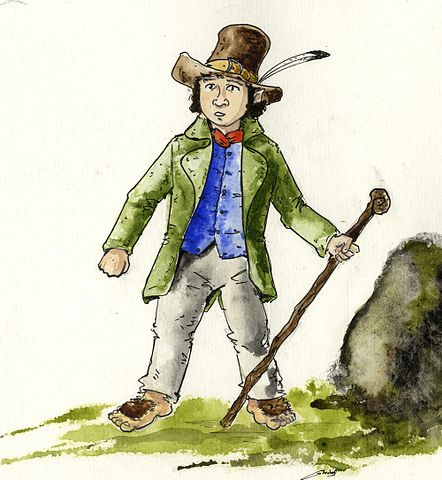
Hobbit
a myth
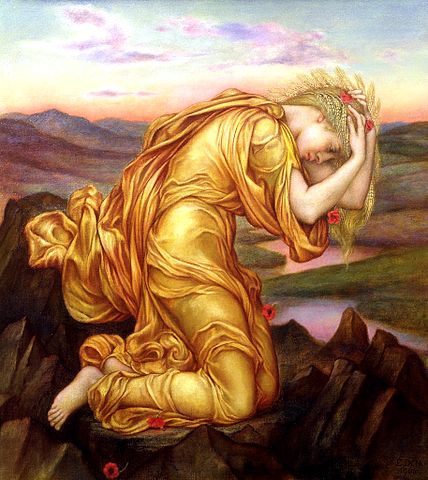
Demeter and Persefone
fantasy novel
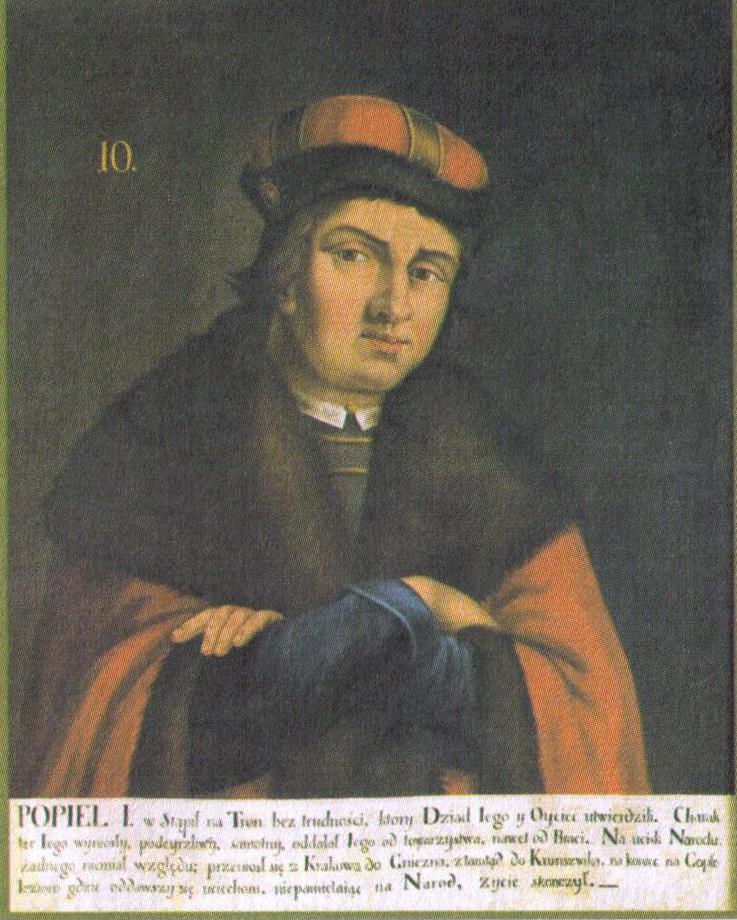
About the King Popiel
a legend
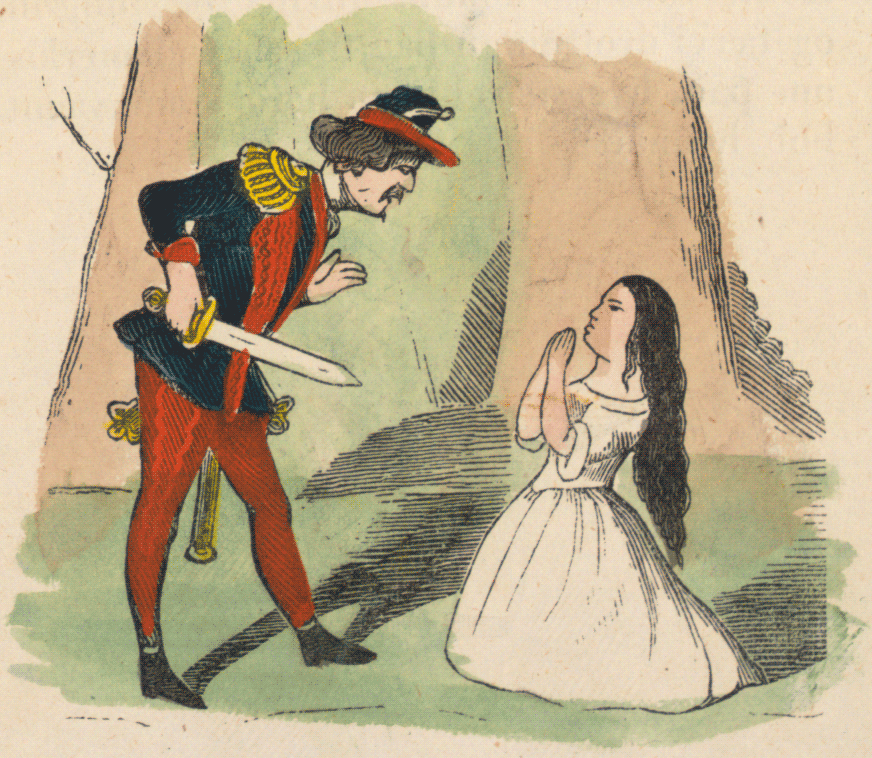
Snow White
science-fiction stories
Tales of the Robots
a novel
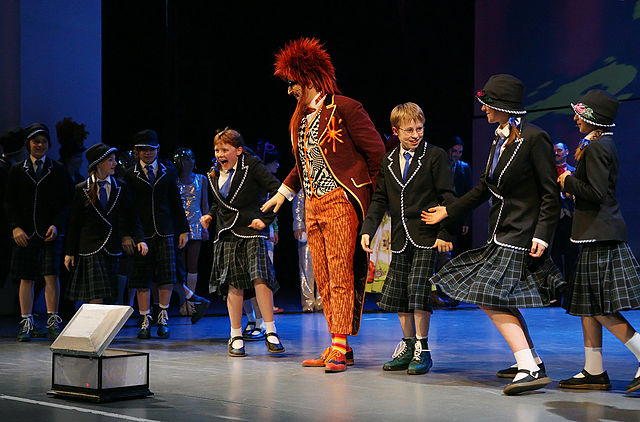
Academy of Mr. Kleks
a tale
Important!
Epic consists of many literary genres. Each one is characterised by the different formal features.
RjxnJQLsVqRZB
Legend Legend is a folk story about unusual events and characters, passed orally from generation to generation, finally written. Usually with elements of historical truth. Tells about establishing a city or a country, shows historical events and very often there appear some historical figures., Myth Myth is a fantasy story about gods, legendary heroes, beginning of the world, laws of nature. Myth tries to explain the existence of mankind, life and death, good and evil and the meaning of life. The collection of myths of a given society is called mythology., Novel Novel is a longer work of fiction written in prose. It allows multiple themes, threads and motives. In a novel there are many threads, many events, many characters with different importance. The story is told by the narrator., Tale Tale is a story with fantasy elements - about supernatural beings and amazing events, fairies, spells etc. or about things that are beyond experience and stimulate imagination such as kings, princesses, treasures.
Legend Legend is a folk story about unusual events and characters, passed orally from generation to generation, finally written. Usually with elements of historical truth. Tells about establishing a city or a country, shows historical events and very often there appear some historical figures., Myth Myth is a fantasy story about gods, legendary heroes, beginning of the world, laws of nature. Myth tries to explain the existence of mankind, life and death, good and evil and the meaning of life. The collection of myths of a given society is called mythology., Novel Novel is a longer work of fiction written in prose. It allows multiple themes, threads and motives. In a novel there are many threads, many events, many characters with different importance. The story is told by the narrator., Tale Tale is a story with fantasy elements - about supernatural beings and amazing events, fairies, spells etc. or about things that are beyond experience and stimulate imagination such as kings, princesses, treasures.
Epic consists of many literary genres. Each one is characterised by the different formal features.
Legend Legend is a folk story about unusual events and characters, passed orally from generation to generation, finally written. Usually with elements of historical truth. Tells about establishing a city or a country, shows historical events and very often there appear some historical figures.
Myth Myth is a fantasy story about gods, legendary heroes, beginning of the world, laws of nature. Myth tries to explain the existence of mankind, life and death, good and evil and the meaning of life. The collection of myths of a given society is called mythology.
Novel Novel is a longer work of fiction written in prose. It allows multiple themes, threads and motives. In a novel there are many threads, many events, many characters with different importance. The story is told by the narrator.
Tale Tale is a story with fantasy elements - about supernatural beings and amazing events, fairies, spells etc. or about things that are beyond experience and stimulate imagination such as kings, princesses, treasures.
Exercise 5
Give some examples of the following literary compositions: mythmythmyth, legendlegendlegend, taletaletale, novelnovelnovel. Write their titles here or in your notebook.
RPvJysyO39SE1
Wykonaj ćwiczenie zgodnie z poleceniem.
Example of a myth (Uzupełnij). Example of a legend (Uzupełnij). Example of a tale (Uzupełnij). Example of a novel (Uzupełnij).
Wykonaj ćwiczenie zgodnie z poleceniem.
Example of a myth (Uzupełnij). Example of a legend (Uzupełnij). Example of a tale (Uzupełnij). Example of a novel (Uzupełnij).
RTSFn2L8c02uX
Exercise 6
Assign the titles to the right groups. Historical novels Możliwe odpowiedzi: 1. Ten obcy, 2. Dynastia Miziołków, 3. Charlie i fabryka czekolady, 4. Krzyżacy, 5. Cyberiada, 6. Opium w rosole, 7. Opowieści z Narni: Srebrne krzesło, 8. Potop, 9. Władca pierścieni, 10. Harry Potter i kamień filozoficzny Modern novels Możliwe odpowiedzi: 1. Ten obcy, 2. Dynastia Miziołków, 3. Charlie i fabryka czekolady, 4. Krzyżacy, 5. Cyberiada, 6. Opium w rosole, 7. Opowieści z Narni: Srebrne krzesło, 8. Potop, 9. Władca pierścieni, 10. Harry Potter i kamień filozoficzny Fantasy novels Możliwe odpowiedzi: 1. Ten obcy, 2. Dynastia Miziołków, 3. Charlie i fabryka czekolady, 4. Krzyżacy, 5. Cyberiada, 6. Opium w rosole, 7. Opowieści z Narni: Srebrne krzesło, 8. Potop, 9. Władca pierścieni, 10. Harry Potter i kamień filozoficzny
Assign the titles to the right groups. Historical novels Możliwe odpowiedzi: 1. Ten obcy, 2. Dynastia Miziołków, 3. Charlie i fabryka czekolady, 4. Krzyżacy, 5. Cyberiada, 6. Opium w rosole, 7. Opowieści z Narni: Srebrne krzesło, 8. Potop, 9. Władca pierścieni, 10. Harry Potter i kamień filozoficzny Modern novels Możliwe odpowiedzi: 1. Ten obcy, 2. Dynastia Miziołków, 3. Charlie i fabryka czekolady, 4. Krzyżacy, 5. Cyberiada, 6. Opium w rosole, 7. Opowieści z Narni: Srebrne krzesło, 8. Potop, 9. Władca pierścieni, 10. Harry Potter i kamień filozoficzny Fantasy novels Możliwe odpowiedzi: 1. Ten obcy, 2. Dynastia Miziołków, 3. Charlie i fabryka czekolady, 4. Krzyżacy, 5. Cyberiada, 6. Opium w rosole, 7. Opowieści z Narni: Srebrne krzesło, 8. Potop, 9. Władca pierścieni, 10. Harry Potter i kamień filozoficzny
Assign the titles to the right groups.
<em>Ten obcy</em>, <em>Opowieści z Narni: Srebrne krzesło</em>, <em>Charlie i fabryka czekolady</em>, <em>Krzyżacy</em>, <em>Cyberiada</em>, <em>Opium w rosole</em>, <em>Władca pierścieni</em>, <em>Dynastia Miziołków</em>, <em>Harry Potter i kamień filozoficzny</em>, <em>Potop</em>
Historical novels
Modern novels
Fantasy novels
Important!
Considering the time when the literary composition was written, and the time of the plotplotplot, we can divide the epic compositions into:
RDJPBrimaXdVk
Historical compositions When the author sets the events in the historical time that he knows only from the chronicles, diaries, handbooks and other source texts., Modern compositions When the author sets the action in times that he knows from his own experience., Fantasy compositions When the author invents the world in which there are laws different than in the real world. The action is set in the distant past (fantasy) or future (science fiction).
Historical compositions When the author sets the events in the historical time that he knows only from the chronicles, diaries, handbooks and other source texts., Modern compositions When the author sets the action in times that he knows from his own experience., Fantasy compositions When the author invents the world in which there are laws different than in the real world. The action is set in the distant past (fantasy) or future (science fiction).
Taking under consideration time when the literary composition was written and the time of the plot, we can divide the epic compositions into:
Historical compositions When the author sets the events in the historical time that he knows only from the chronicles, diaries, handbooks and other source texts.
Modern compositions When the author sets the action in times that he knows from his own experience.
Fantasy compositions When the author invents the world in which there are laws different than in the real world. The action is set in the distant past (fantasy) or future (science fiction).
R1I7g4PqPHqTw
Exercise 7
Check what have you remembered from this lesson. Match the terms to the literary genres. lyric Możliwe odpowiedzi: 1. main text and stage directions, 2. the story is told by the narrator, 3. lyrical subject describes his/her experiences, emotions, 4. poetical images, 5. longer compositions are divided into chapters, volumes, 6. i.e. Romeo i Julia by Wiliam Shakespeare, 7. i.e. Hobbit by J.R.R. Tolkien, 8. division into acts and scenes, 9. the world presented (the time, place, characters, plot), 10. composition that is meant to be played on stage, 11. i.e. Ojciec objaśnia by Czesław Miłosz, 12. division into verses, 13. usually written in prose epic Możliwe odpowiedzi: 1. main text and stage directions, 2. the story is told by the narrator, 3. lyrical subject describes his/her experiences, emotions, 4. poetical images, 5. longer compositions are divided into chapters, volumes, 6. i.e. Romeo i Julia by Wiliam Shakespeare, 7. i.e. Hobbit by J.R.R. Tolkien, 8. division into acts and scenes, 9. the world presented (the time, place, characters, plot), 10. composition that is meant to be played on stage, 11. i.e. Ojciec objaśnia by Czesław Miłosz, 12. division into verses, 13. usually written in prose drama Możliwe odpowiedzi: 1. main text and stage directions, 2. the story is told by the narrator, 3. lyrical subject describes his/her experiences, emotions, 4. poetical images, 5. longer compositions are divided into chapters, volumes, 6. i.e. Romeo i Julia by Wiliam Shakespeare, 7. i.e. Hobbit by J.R.R. Tolkien, 8. division into acts and scenes, 9. the world presented (the time, place, characters, plot), 10. composition that is meant to be played on stage, 11. i.e. Ojciec objaśnia by Czesław Miłosz, 12. division into verses, 13. usually written in prose
Check what have you remembered from this lesson. Match the terms to the literary genres. lyric Możliwe odpowiedzi: 1. main text and stage directions, 2. the story is told by the narrator, 3. lyrical subject describes his/her experiences, emotions, 4. poetical images, 5. longer compositions are divided into chapters, volumes, 6. i.e. Romeo i Julia by Wiliam Shakespeare, 7. i.e. Hobbit by J.R.R. Tolkien, 8. division into acts and scenes, 9. the world presented (the time, place, characters, plot), 10. composition that is meant to be played on stage, 11. i.e. Ojciec objaśnia by Czesław Miłosz, 12. division into verses, 13. usually written in prose epic Możliwe odpowiedzi: 1. main text and stage directions, 2. the story is told by the narrator, 3. lyrical subject describes his/her experiences, emotions, 4. poetical images, 5. longer compositions are divided into chapters, volumes, 6. i.e. Romeo i Julia by Wiliam Shakespeare, 7. i.e. Hobbit by J.R.R. Tolkien, 8. division into acts and scenes, 9. the world presented (the time, place, characters, plot), 10. composition that is meant to be played on stage, 11. i.e. Ojciec objaśnia by Czesław Miłosz, 12. division into verses, 13. usually written in prose drama Możliwe odpowiedzi: 1. main text and stage directions, 2. the story is told by the narrator, 3. lyrical subject describes his/her experiences, emotions, 4. poetical images, 5. longer compositions are divided into chapters, volumes, 6. i.e. Romeo i Julia by Wiliam Shakespeare, 7. i.e. Hobbit by J.R.R. Tolkien, 8. division into acts and scenes, 9. the world presented (the time, place, characters, plot), 10. composition that is meant to be played on stage, 11. i.e. Ojciec objaśnia by Czesław Miłosz, 12. division into verses, 13. usually written in prose
Check what have you remembered from this lesson. Match the terms to the literary genres.
lyrical subject describes his/her experiences, emotions, the world presented (the time, place, characters, plot), main text and stage directions, division into acts and scenes, i.e. <em>Romeo i Julia</em> by Wiliam Shakespeare, poetical images, the story is told by the narrator, longer compositions are divided into chapters, volumes, i.e. <em>Ojciec objaśnia</em> by Czesław Miłosz, usually written in prose, division into verses, i.e. <em>Hobbit</em> by J.R.R. Tolkien, composition that is meant to be played on stage
lyric
epic
drama
Exercise 8
Change the text by Tadeusz Śliwiak so it can be classified as an epic or dramadramadrama.
Tadeusz ŚliwiakTest
Powiedziałem sześcioletniemu narysuj dom — narysował mrówkowiec Powiedziałem narysuj ptaka — narysował samolot Powiedziałem narysuj niedzielę — narysował ogromny stadion wypełniony po brzegi A gdzie ty jesteś — spytałem — tu — odpowiedział stawiając jeszcze jedną kropkę
R1erbsePzB8qt
Epic version (Uzupełnij). Drama version (Uzupełnij).
Epic version (Uzupełnij). Drama version (Uzupełnij).
Epic versionDrama version
sliwiak Source: Tadeusz Śliwiak, Test.
R1QmCkgPReoVF
Grafika przedstawiająca tablicę szkolną, na której znajdują się zdania do dokończenia. Finish selected sentences. 1 It was easy for me (uzupełnij). 2 It was difficult for me (uzupełnij). 3 Today I learned (uzupełnij). 4 I understood that (uzupełnij). 5 It surprised me (uzupełnij).
Grafika przedstawiająca tablicę szkolną, na której znajdują się zdania do dokończenia. Finish selected sentences. 1 It was easy for me (uzupełnij). 2 It was difficult for me (uzupełnij). 3 Today I learned (uzupełnij). 4 I understood that (uzupełnij). 5 It surprised me (uzupełnij).
How was this lesson? Did you like it? Finish selected sentences.
Keywords
literary genre, literary typeliterary typeliterary type, epic, lyric, drama