Metabolism
what is the role of nutrition;
what functions the circulatory system has;
what lung ventilation and excretion is.
to explain where metabolism takes place and what it is.
Metabolism
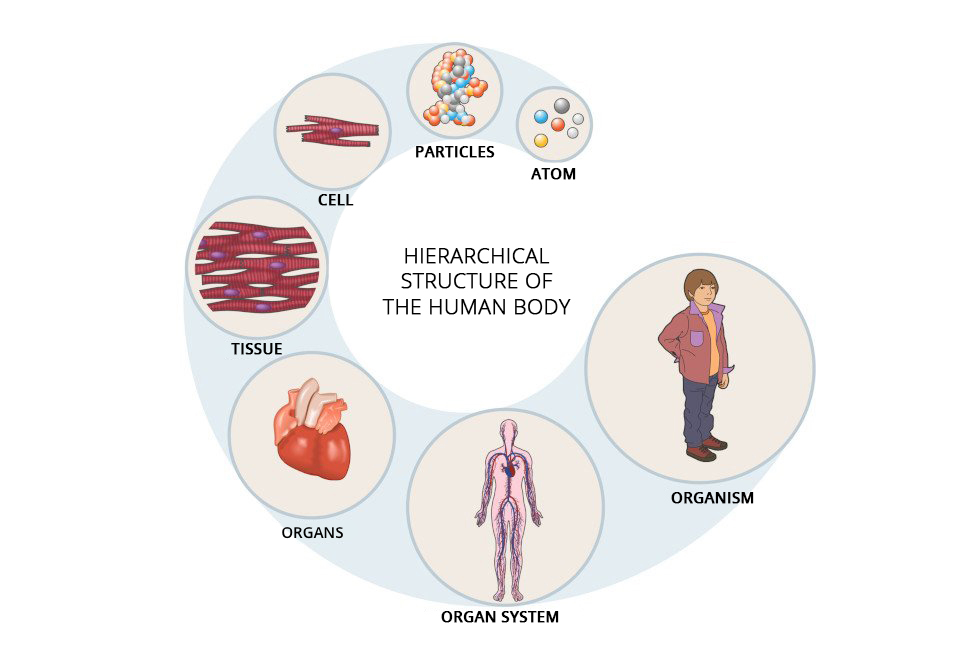
Every organ and biological system that builds the body fulfils certain tasks. The digestive system collects, digests and absorbs food and removes undigested residue from the body. The respiratory system provides gas exchange. The role of the urinary tract is to cleanse the body of unnecessary and harmful substances formed as a result of metabolism. The circulatory system deals with the transport of substances between these systems. However, the immune system associated with it is responsible for protecting the body against pathogens. Different systems enable efficient functioning of cells in which metabolic changesmetabolic changes take place.
I remember and understand
Provide examples of nutrients that can supply energy to cells.
Compare the structure and functions of veins, arteries and lymph vessels.
Describe how the lymph is formed, what its composition is and what functions it has.
The diagram illustrates the processes occurring in erythrocytes.

Indicate where processes I and II occur in the body. OR What processes do occur in erythrocytes?
Describe metabolism, include examples.
I read and interpret
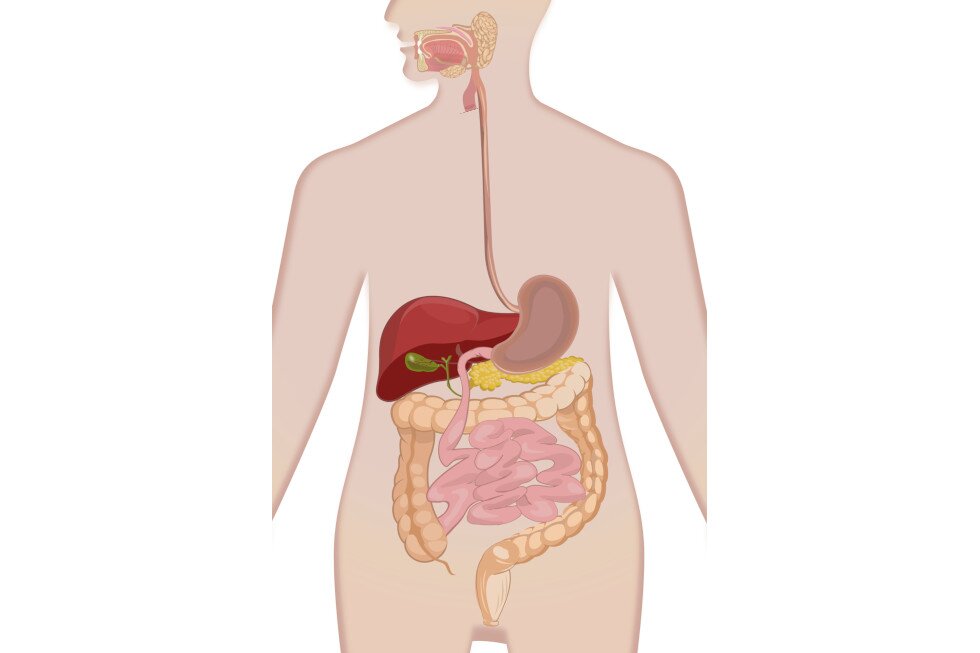
Analyze the pattern of the human digestive system, identify and indicate the subsequent sections passed by food and undigested residue. OR Indicate the subsequent sections passed by food and undigested residue.
Read the description and give the name of the blood component it concerns.
Women usually have fewer of them than men. They have the shape of biconcave discs. They are produced in the red bone marrow and destroyed in the spleen. Mature ones do not have a cell nucleus, their lifespan is about 120 days.
Read the description of the lung ventilation process and determine whether it involves inhalation or exhalation. Justify your answer.
contraction of the intercostal muscles
contraction and lowering of the diaphragm
lifting the ribs up
Determine which of the items (A‑C) represents the composition of the final urine, primary urine and plasma. Justify your answer.
A. water, urea, mineral salts, sugars, proteins, amino acids, vitamins, fatty acids, hormones, carbon dioxide, antibodies
B. water, urea, mineral salts
C. water, urea, mineral salts, sugars, amino acids, vitaminse body's energy demand depends on many factors.
What are the factors that depend on human`s energy?
Sex | ||
male | female | |
Children (1–4 years old) | 1300 | 1300 |
Youth (15–19 years old) | 3000 | 2400 |
Adult office worker | 2400 | 2000 |
Adult physical worker | 3600 | 3200 |
I solve problems
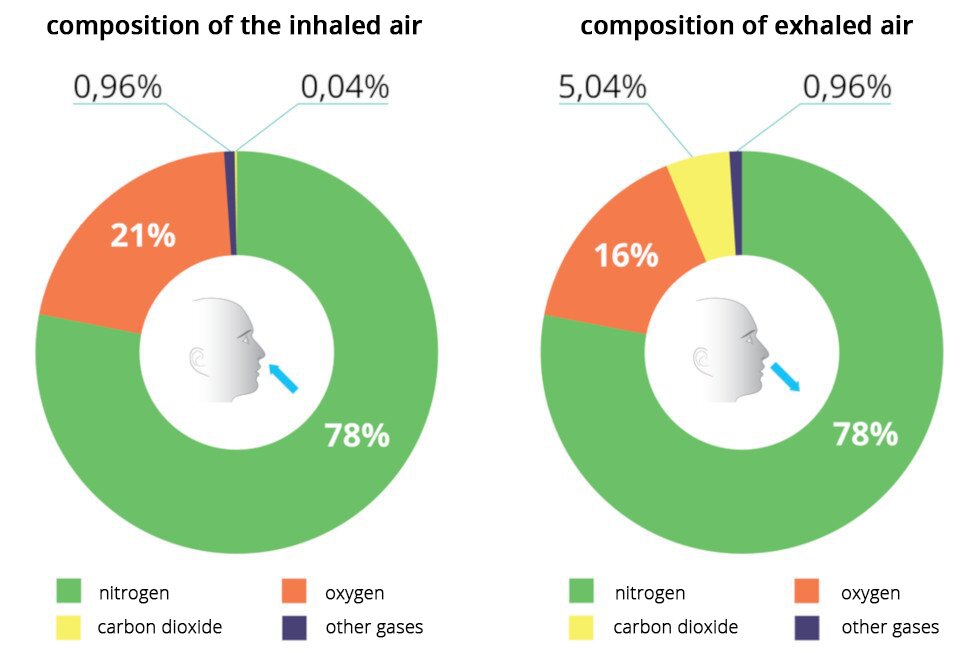
Based on the analysis of the composition of inhaled and exhaled air, explain why mouth – to mouth breathing is an effective way of helping people who have had a cardiac arrest.
Describe the path of sucrose molecules swallowed with juice in your body, briefly indicating the organs they encounter and the potential changes they undergo.
Male and female students decided to check experimentally whether physical effort accelerates the heart rate. Three male and three female students from a lower grade were invited to race over a distance of 100 m. Immediately after the run, the blood pressure of each of them was measured and the results were recorded along with the names of the children. Evaluate the preparation and conduct of the experiment. Formulate advice for the authors.
Doctors have examined several people who lead the same lifestyle for a long period of time, consumed large amounts of food every day and were never hungry. The examination proved that these people were undernourished. Explain how it was possible and what malnutrition might be in their case.
Ola, Gosia and Aga walked slowly for 3 minutes, then quickly ran for 4 minutes, then walked again. Each of them was wearing a device for measuring the heartbeat. The measurement results are shown in the graph. OR What is the name of device measuring the heartbeat?
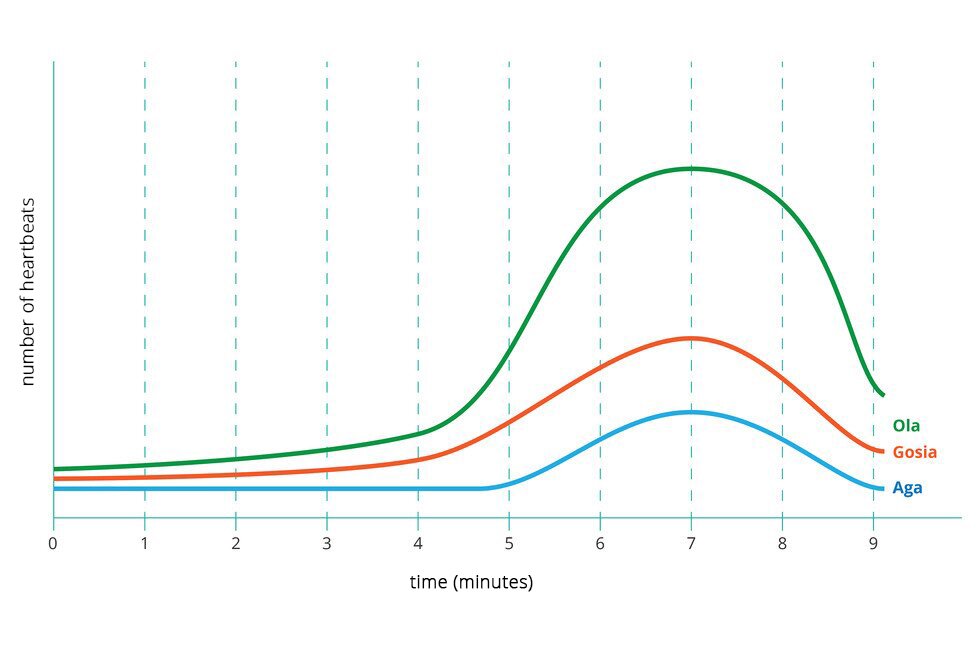
Using the chart, indicate the person who is the most physically efficient and justify your choice with three arguments.
How was this lesson? Did you like it? Finish selected sentences.

The whole of the chemical reactions taking place in the cells of the body and related energy transformation, which is the basis for all biological phenomena, is called:
- metabolism.
- breathing.
- digestion.
Keywords
metabolism, energy conversion, basal metabolic rate
Glossary
metabolizm – całokształt zachodzących w komórkach żywego organizmu reakcji chemicznych i związanych z nimi przemian energetycznych, stanowiący podłoże wszelkich zjawisk biologicznych.