The Enduring Soldiers
Every citizen has certain obligations towards his state.
Nowadays, patriotism is usually manifested in the form of modern patriotism: cherishing the cultural heritage, being socially and environmentally responsible, and in the form of economic patriotism.
During wartimes and communist oppression patriotism required much more sacrifice.
You will know the history of the Enduring Soldiers.
You will be able to explain why they are called “Enduring” and “Doomed”, and what the difference between these two expressions is.
You will be able to name and tell the stories of some of the Enduring Soldiers.
You will understand why the Enduring Soldiers deserve to be remembered, and why the communist regime wanted them to be forgotten.
In recent years, the memory of soldiers of the anti‑communist underground – the Enduring or the Doomed – has been restored. The national holiday celebrations become a tradition. You can take a look at how tribute is being paid to the heroes and heroines.
The Enduring Soldiers, and among them many women, spent years in Polish prisons during communism, tortured and humiliatedhumiliated. They paid the highest price for their dedication to their Homeland and her independence. They were anti‑communist underground soldiers recruited from the Home Army and the National Armed Forces, who from 1944, keeping their oathkeeping their oath, kept fighting against the Soviet terror and oppression in Poland.
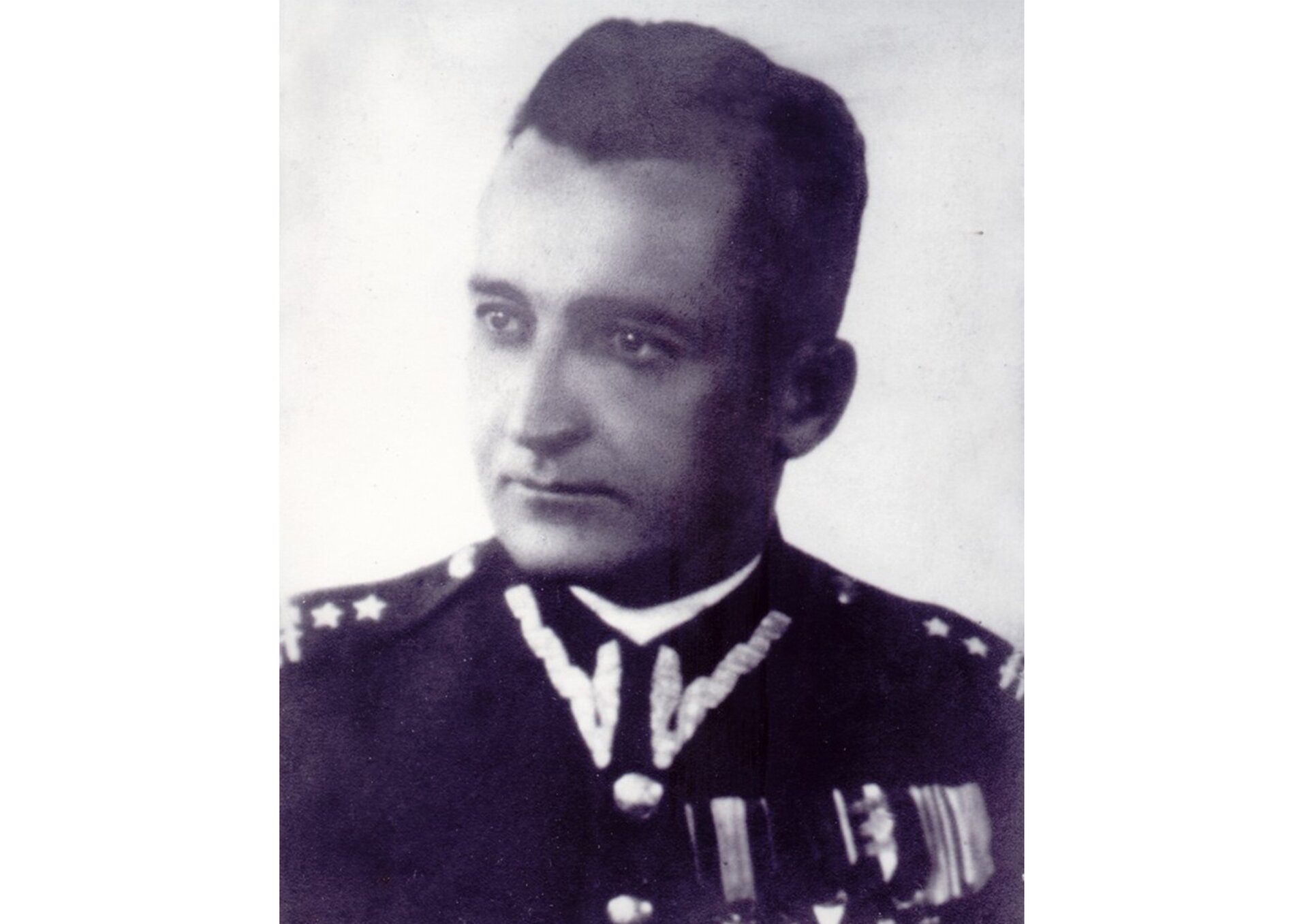
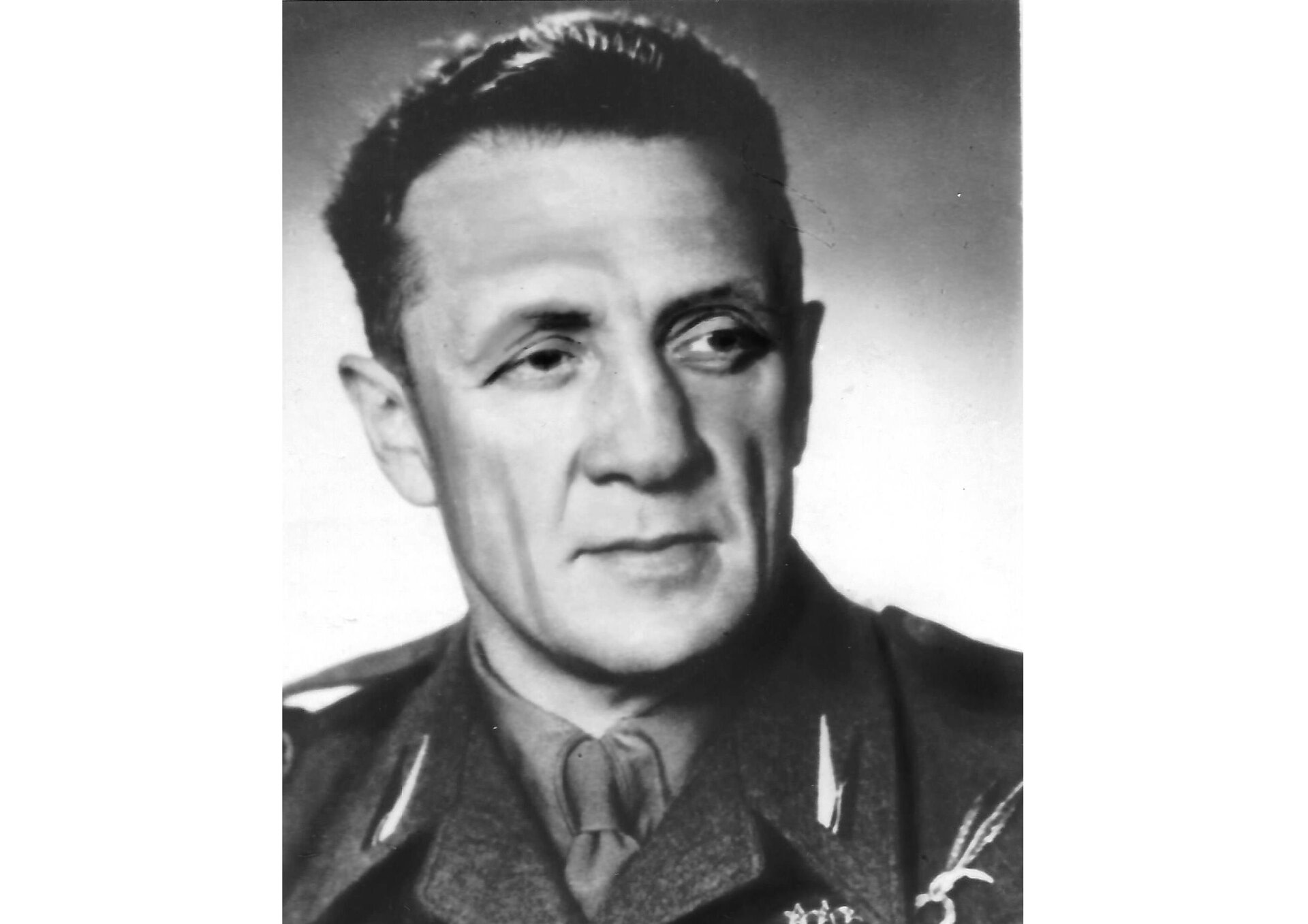
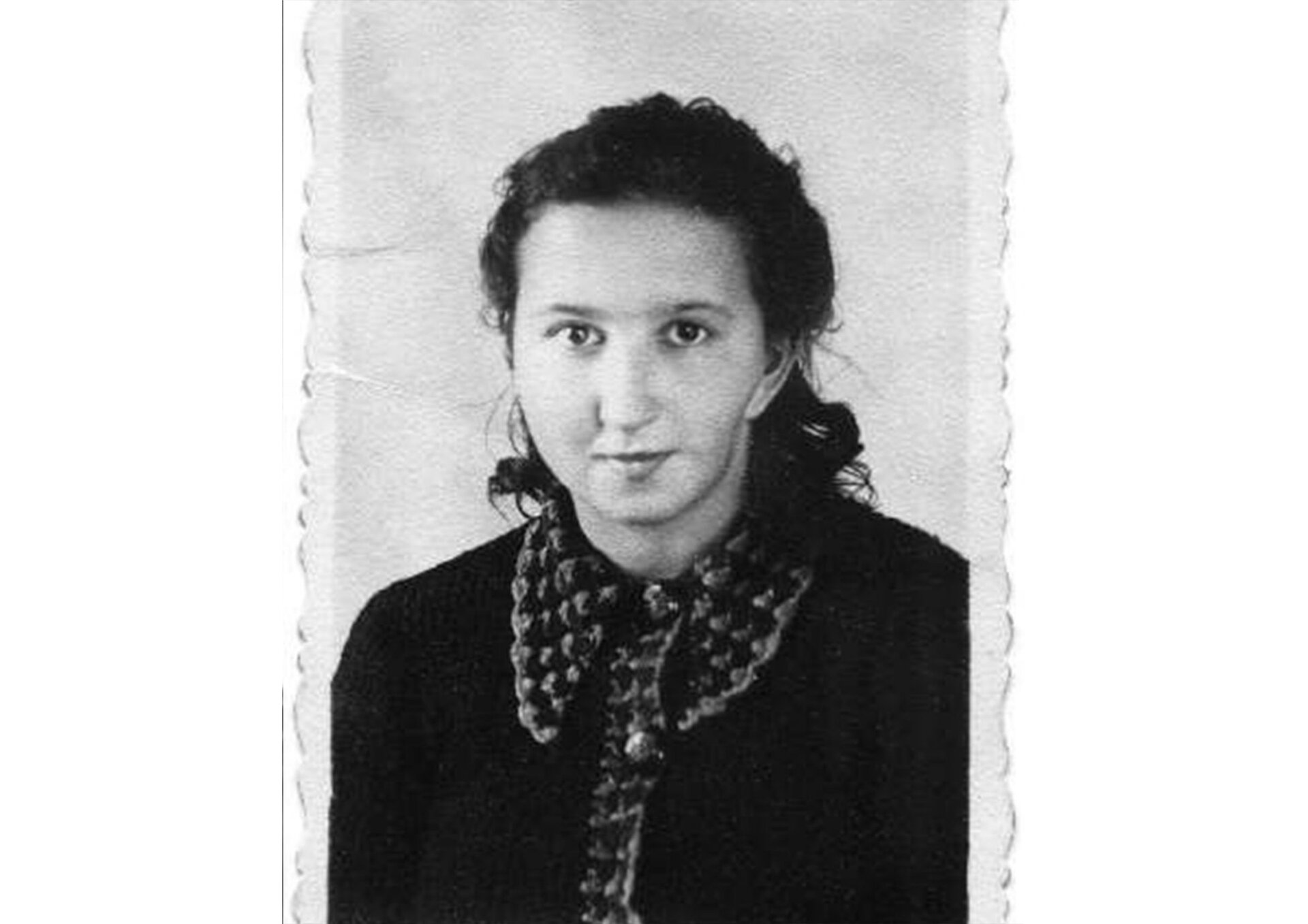
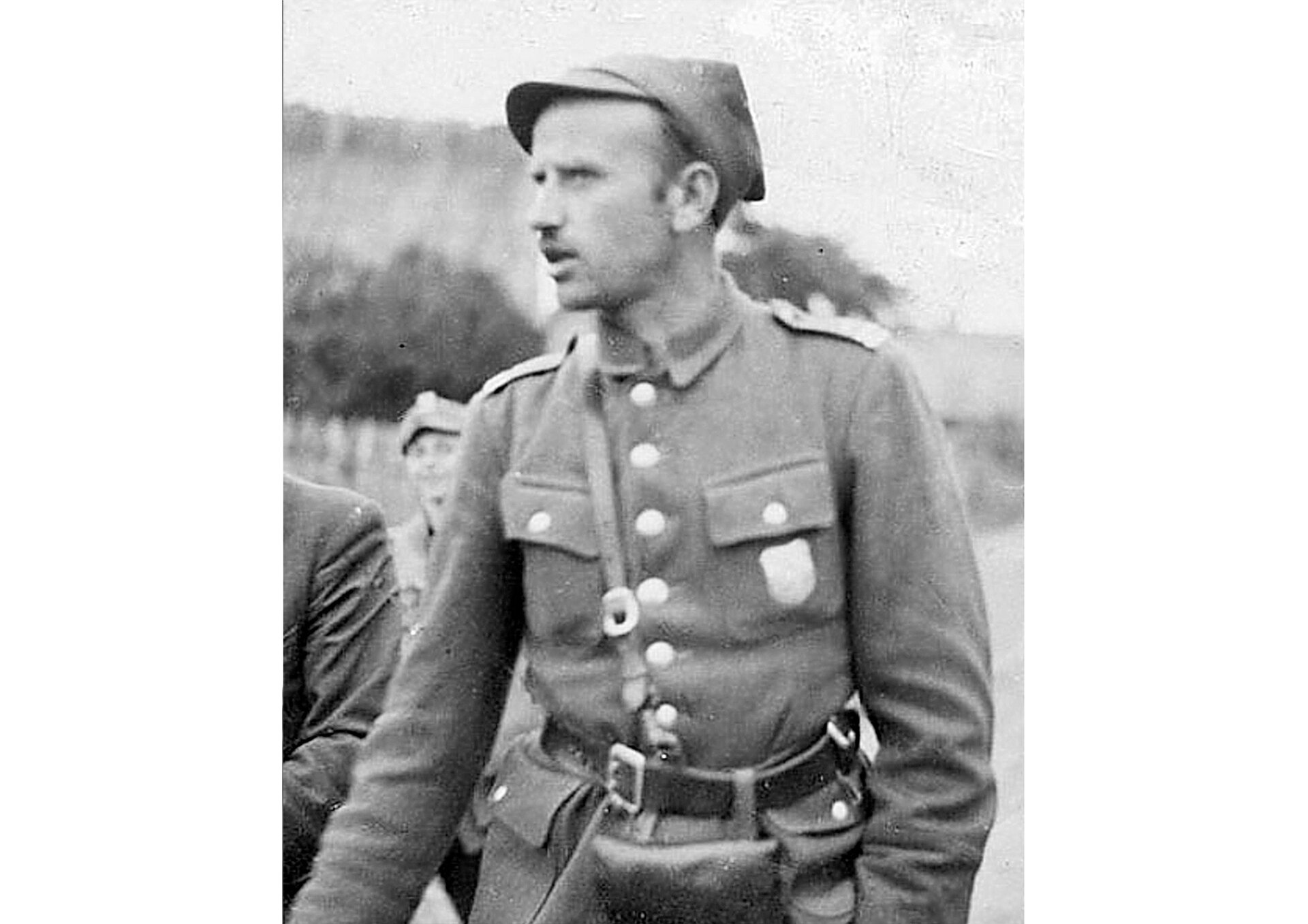
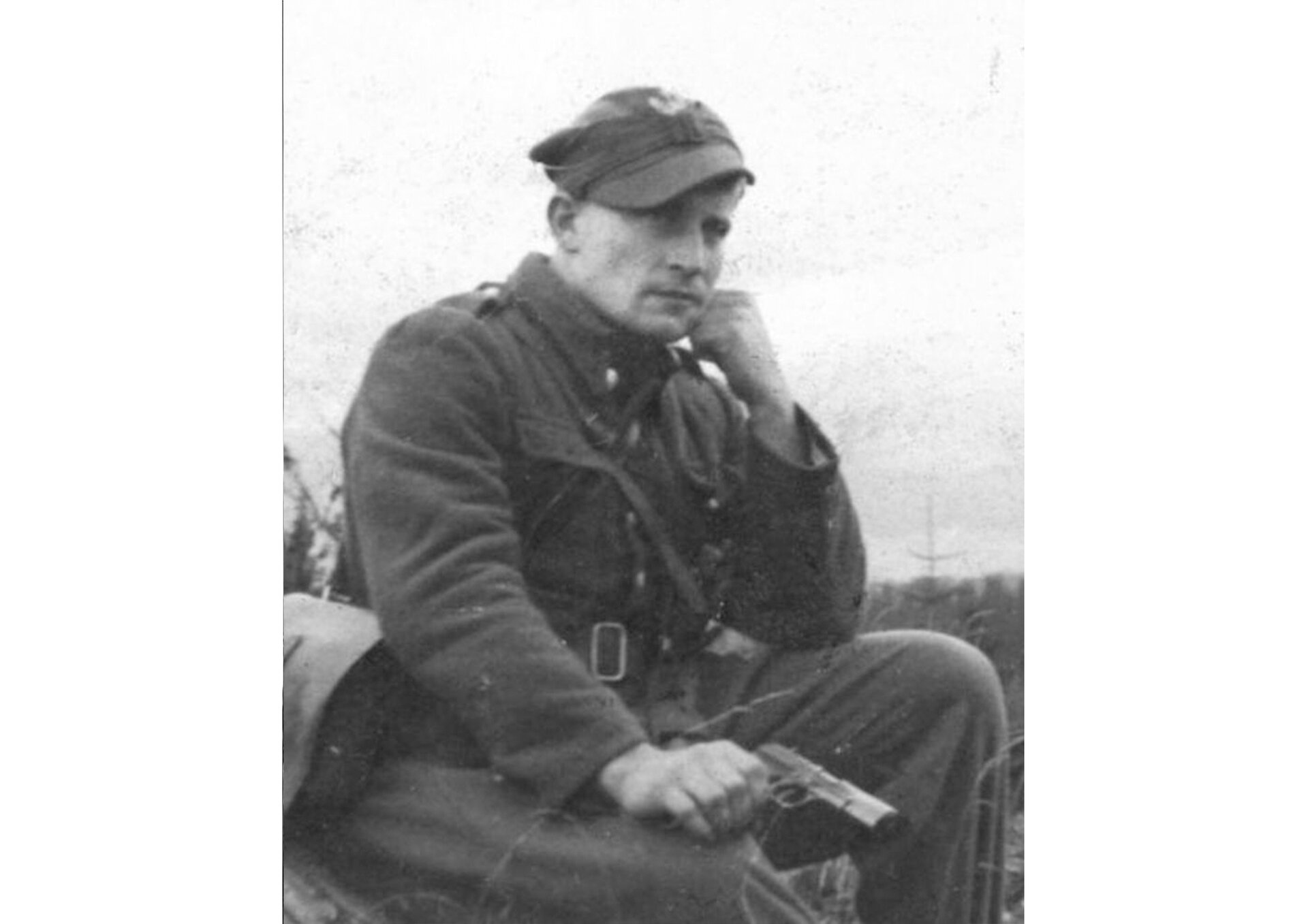
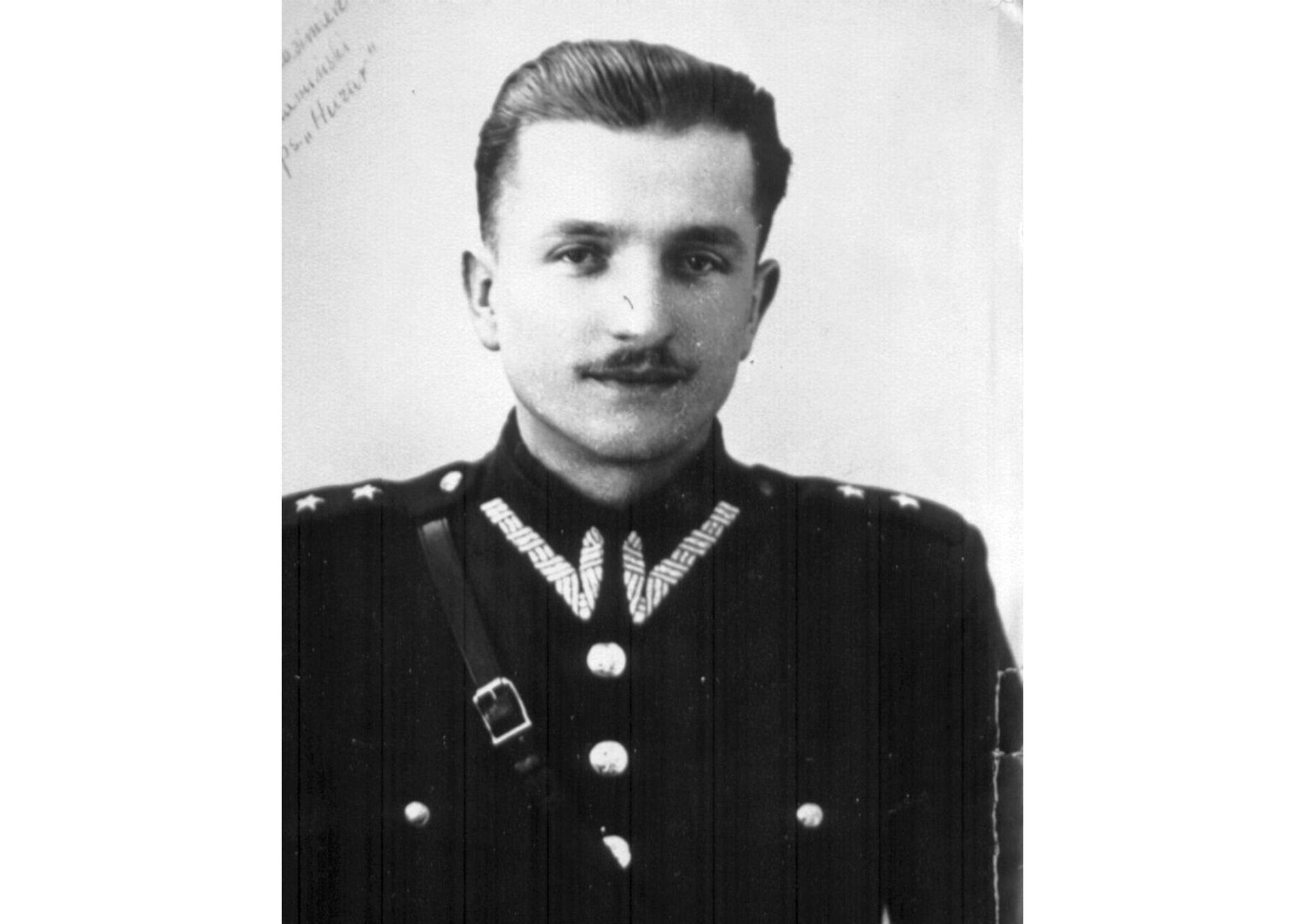
According to the Institute of National Remembrance over five thousand underground soldiers were sentenced to death by military courts, and over twenty‑one thousand were murdered in prisons. It is impossible to say, how many people were killed during roundups and pacifications or murdered without trial in Security Office buildings. Over 250 thousand were sentenced to prison for political reasons, several hundred thousand were treated like second‑class citizens.
The murdered heroes were doomed to be forgotten by the communist regime. Their graves are hidden in woods, they are buried next to official cemeteries, or the burial siteburial site is unknown. Most of the people who were responsible for those atrocitiesatrocities avoided the consequences and were not held responsibleheld responsible for their actions. They were never put on trial. It is a tragic paradox in the Polish history and a great injustice. After all these years the memory of the Enduring Soldiers is being restored. Poems are being written, movies are being filmed, songs recorded, websites created (e.g. Wilcze tropy).
Poet Zbigniew Herbert paid a remarkable homage to the heroes with his poem „Wilki” / “Wolves” (transl. Alissa Valles; the original text of the poem can be found in the e‑textbook):
WolvesBecause they lived by a wolfish law
history will grant them no place
they left behind them in piling snow
a yellowish moisture a wolfish tracevengeful despair reached their hearts
before a traitor’s shot hit their napes
they drank homebrew ate dire straits
and so attempted to meet their fates“Dawn” will never make an accountant
“Dark” will not be an agronomist now
“Marusia” a mother or “Thunder” a poet
their young heads will whiten with snowthey didn’t leave an Electra singing
nor were they buried by Antigone
and now they will be forever dying
deep in snow through all eternitythey lost their homes in birch forests
where the snow drifts in a whitish blur
to grieve for them is not a labor for us
nor for us to stroke their ruffled furBecause they lived by a wolfish law
history will grant them no place
they left behind them in piling snow
a yellowish moisture a wolfish traceSource: Zbigniew Herbert, Wolves, tłum. Alissa Valles.
On 1, March 2011 – on the day of the 60th anniversary of the murder of the leaders of Freedom and Sovereignty (Wolność i Niezawisłość, WiN) – the Sejm established the Day of Remembrance of the Doomed Soldiers. It is now a patriotic responsibility to restore the memory ofrestore the memory of the heroes and to look for their burial sites.
Keywords
enduring, Doomed Soldiers, anti‑communist underground, Freedom and Sovereignty, Home Army, National Armed Forces, Institute of National Remembrance, roundup, pacification, second‑class citizen
Glossary
oddać hołd
miejsce pochówku
okrucieństwo
przywrócić pamięć
poniżony
dotrzymać przysięgi
ponieść odpowiedzialność