The Polish Cause in 1917
to characterize the views of the supporters of various political orientations;
to esplain the international context of the Polish cause;
to describr the causes and effects of the Oath crisisOath crisis.
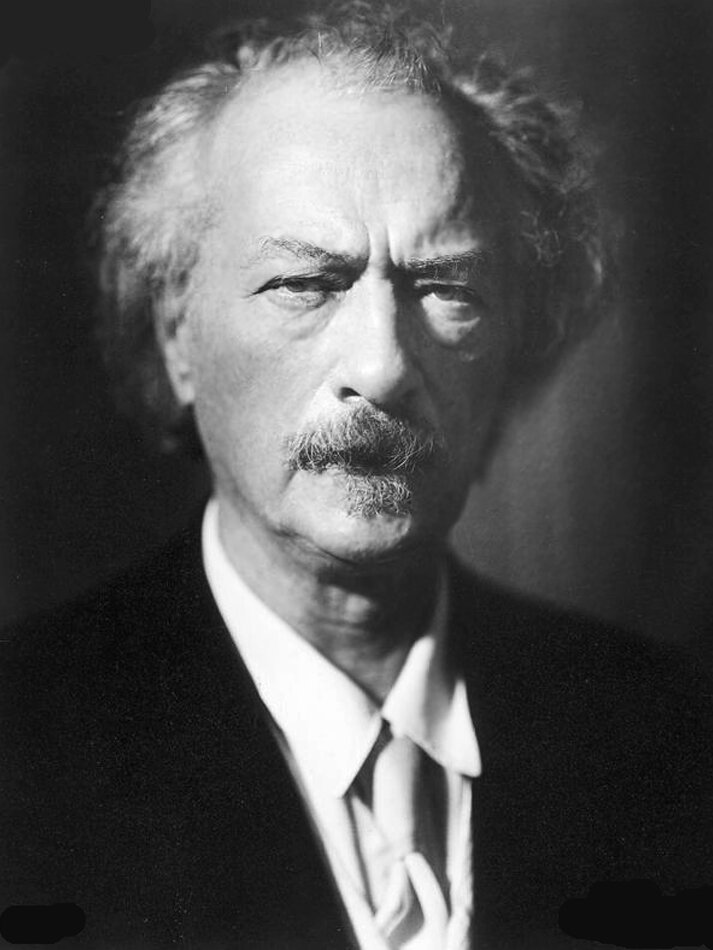
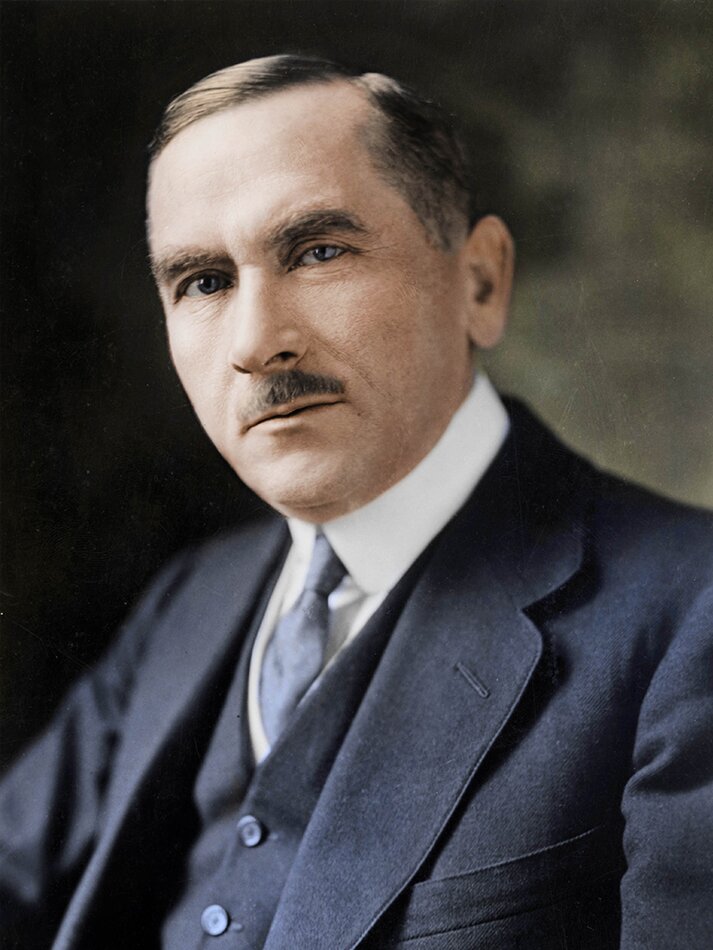
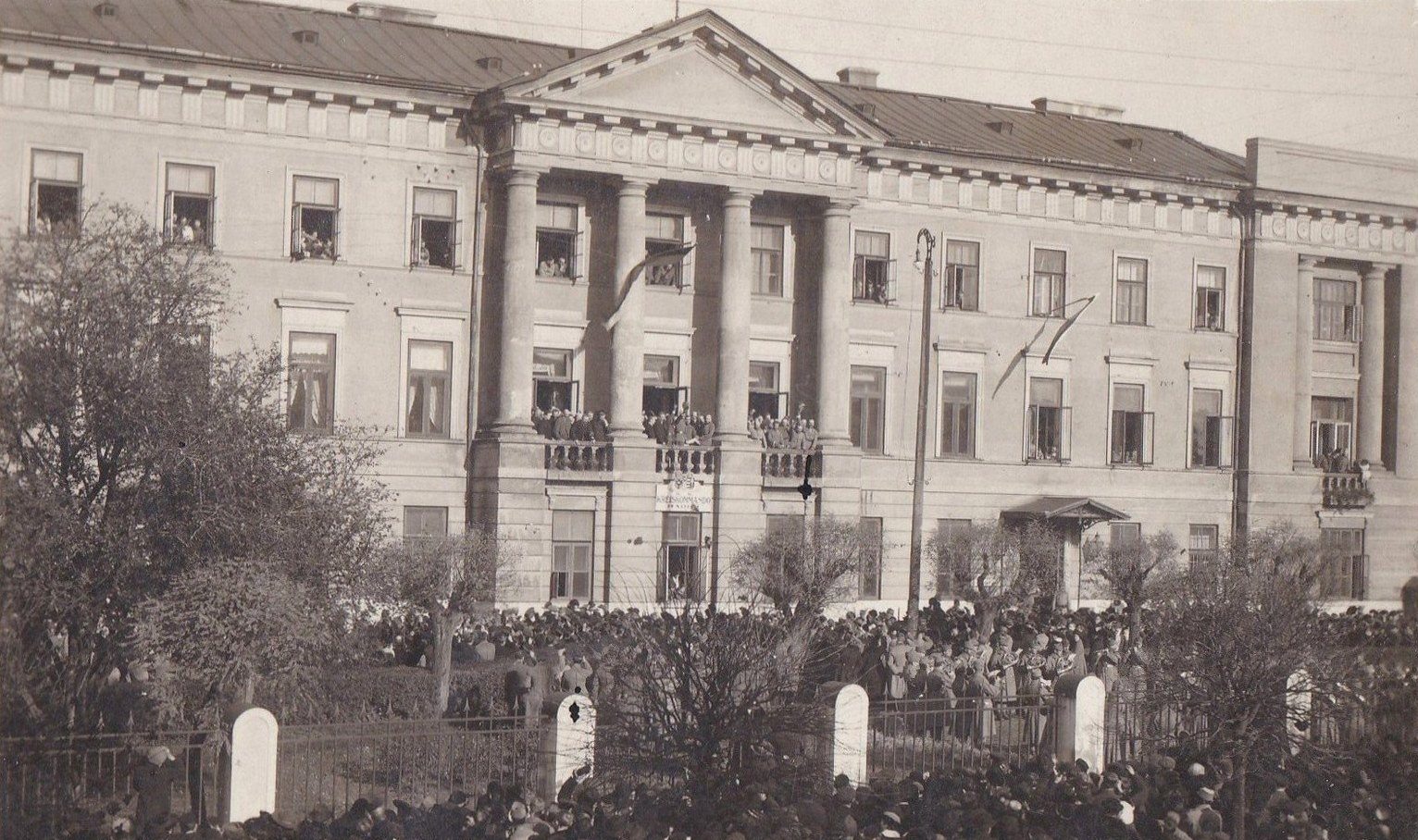
At the beginning of the war, the Partitioning states did not raise the question of Polish independence. It was only the stance of the United States that made a breakthrough. On 22 January 1917, President Wilson addressed the Congress, stating that an united, independent, “autonomous” Poland needed to be created. A great role in this was played by the exceptional Polish pianist and politician, Ignacy Jan PaderewskiIgnacy Jan Paderewski. As a consequence of the Act of 5th November, the Provisional Council of State (TRS) was instituted in the Kingdom of Poland on 14 January 1917. German authorities agreed to create a new military formation under the name Polnische Wehrmacht (Polish Armed Forces). As a condition for one to enter their ranks, he had to swear an oath. In July 1917, Piłsudski refused to swear the oath of loyalty to the German Emperor. This event became known in history as the Oath crisisOath crisis. In August 1917, the official Polish representation – the Polish National CommitteePolish National Committee – was created in Lausanne (in neutral Switzerland), with Roman Dmowski as its chairman. Paderewski became his close collaborator. The Polish National Committee commenced endeavors to create Polish units in France.
Based on your knowledge and information found online, make a SWOT analysis of the decision to refuse an oath of loyalty to the German Emperors made by Piłsudski and the Polish Legions.
Weaknesses
Opportunities
Threats
Read a passage from the recollections of Wincenty Witos. Based on it, assess the Central Powers’ attitude towards the Poles.
Why did the 5th November Act and the Poles’ ability to organize their own state structures in the territory of the restored Kingdom of Poland possess such great significance to the Polish society? Why did the Poles count on uniting it with Galicia? Use appropriate passages from the text to answer the question.
Moje wspomnieniaWiadomości dochodzące nas z terenów przyfrontowych były wprost okropne. Wojsko już nie tylko rabowało i niszczyło, ale zaczęło masowo wieszać zupełnie niewinnych ludzi, i to najczęściej bez sądu. Według wiadomości, jakie w tym czasie mieliśmy, ilość powieszonych, przeważnie chłopów polskich i ruskich, wynosiła mnogie tysiące [w 1918 roku oceniono, że ogólna liczba powieszonych wyniosła około 30 000 osób]. Liczba ta wciąż się powiększała w sposób zastraszający. Rekwizycje stawały się coraz bardziej bezwzględne, poniewieranie ludźmi niedające się opisać. […] Patrząc na to dzieło zniszczenia, odnosiło się wrażenie, że niektóre komendy wojskowe zmierzają celowo do zupełnego wytępienia ludności polskiej. […] Zarzutów zdrady nie szczędzono i polskim żołnierzom, choć dobrze wiedziano, że z tej zbieraniny narodów, z jakiej się armia austriacka składała, najbardziej bitnymi i wiernymi okazali się żołnierze polscy. Krwią polskich żołnierzy szafowano też bez opamiętania, wysyłając pułki z Polaków złożone najczęściej na pewną śmierć. Prawdą przecież jest niezbitą, a jednocześnie bardzo smutną, że jeszcze w pierwszych miesiącach wojny wiele polskich pułków zostało prawie doszczętnie wybitych, tak na froncie rosyjskim, jak i serbskim […]. Trzecim wreszcie powodem była wcale nieukrywana chęć przetrzebienia Polaków w Galicji. Pewni zwycięstwa Niemcy z zachodnich krajów państwa austriackiego marzyli o utworzeniu z Galicji wojskowego pasa, odgradzającego żelaznym murem niemieckim resztę krajów austriackich od Rosji. Zamiary te ujawniły się nawet w prasie codziennej, która zachęcała do przymusowego wywłaszczania tej ziemi celem masowego osadzania kolonistów Niemców. Rozumowała ona rzeczywiście po germańsku, że jeśli wojsko zacznie wieszać zdrajców, to ziemi za darmo będzie o tyle więcej, o ile ich więcej powiesi.
Source: Wincenty Witos, Moje wspomnienia, [w:] Wincenty Witos, Józef Piłsudski, O państwie i armii. W świetle wspomnień i innych dokumentów, Warszawa 1985, s. 14–15.
Match the dates with the events.
President Wilson addresses the US Senate, stating the need for an united, independent, and “autonomous” Poland., The Prime Ministers of Great Britain, France, and Italy acknowledge the Poles’ right to reconstruct an independent Polish state after the war, The Polish National Committee, chaired by Roman Dmowski, is created in Lausanne, Józef Piłsudski is arrested, The Central Powers institute the Regency Council. It exercised authority in the name of a future king., The Petrograd Soviet, then the Provisional Government, make their declarations on the Polish cause
| 22 I 1917 | |
| III 1917 | |
| VI 1917 | |
| VII 1917 | |
| VIII 1917 | |
| IX 1917 |
Compare the Great War‑era two flyers. Note the difference between the fact and the opinion on it. Afterwards, complete the task below.
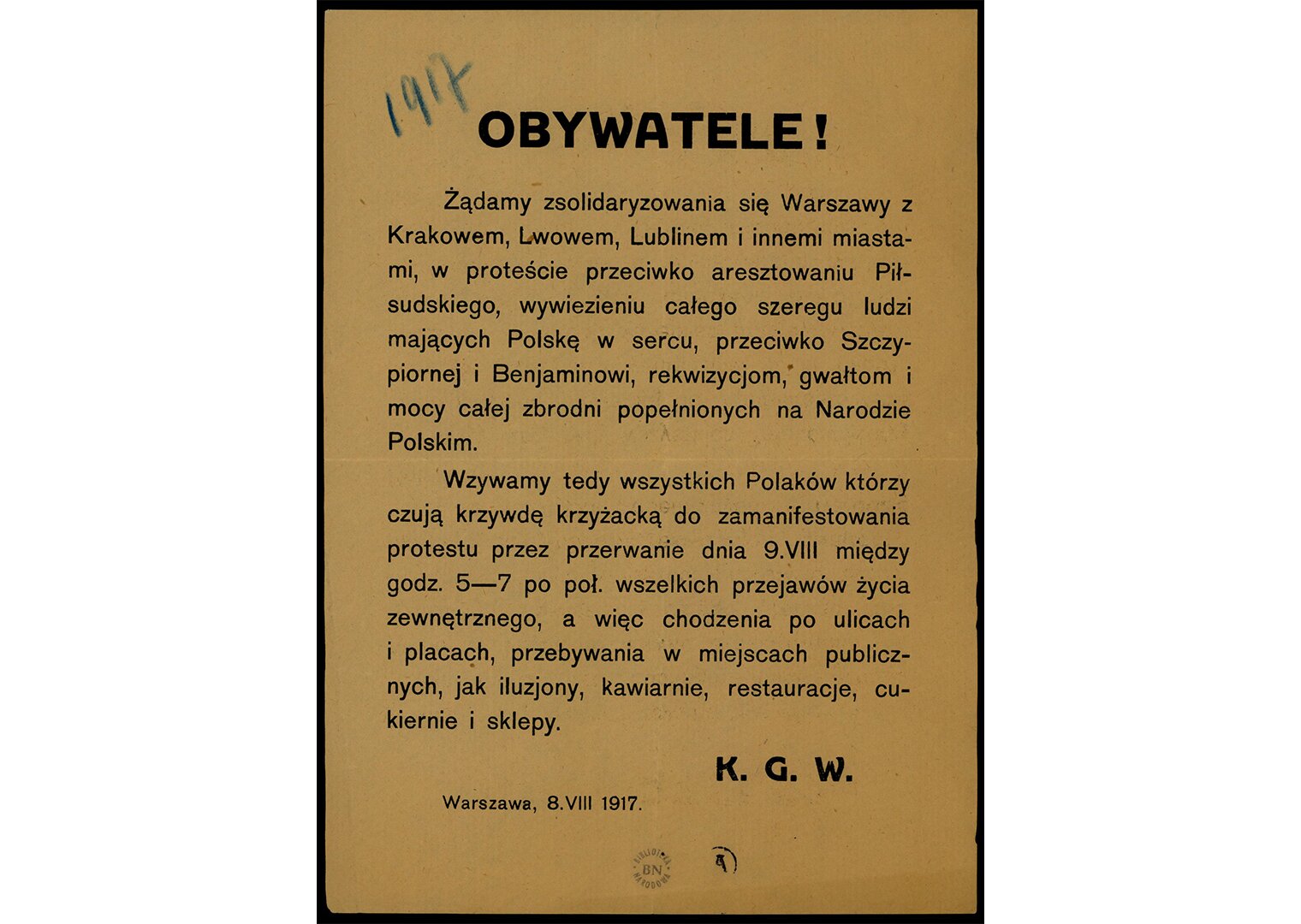
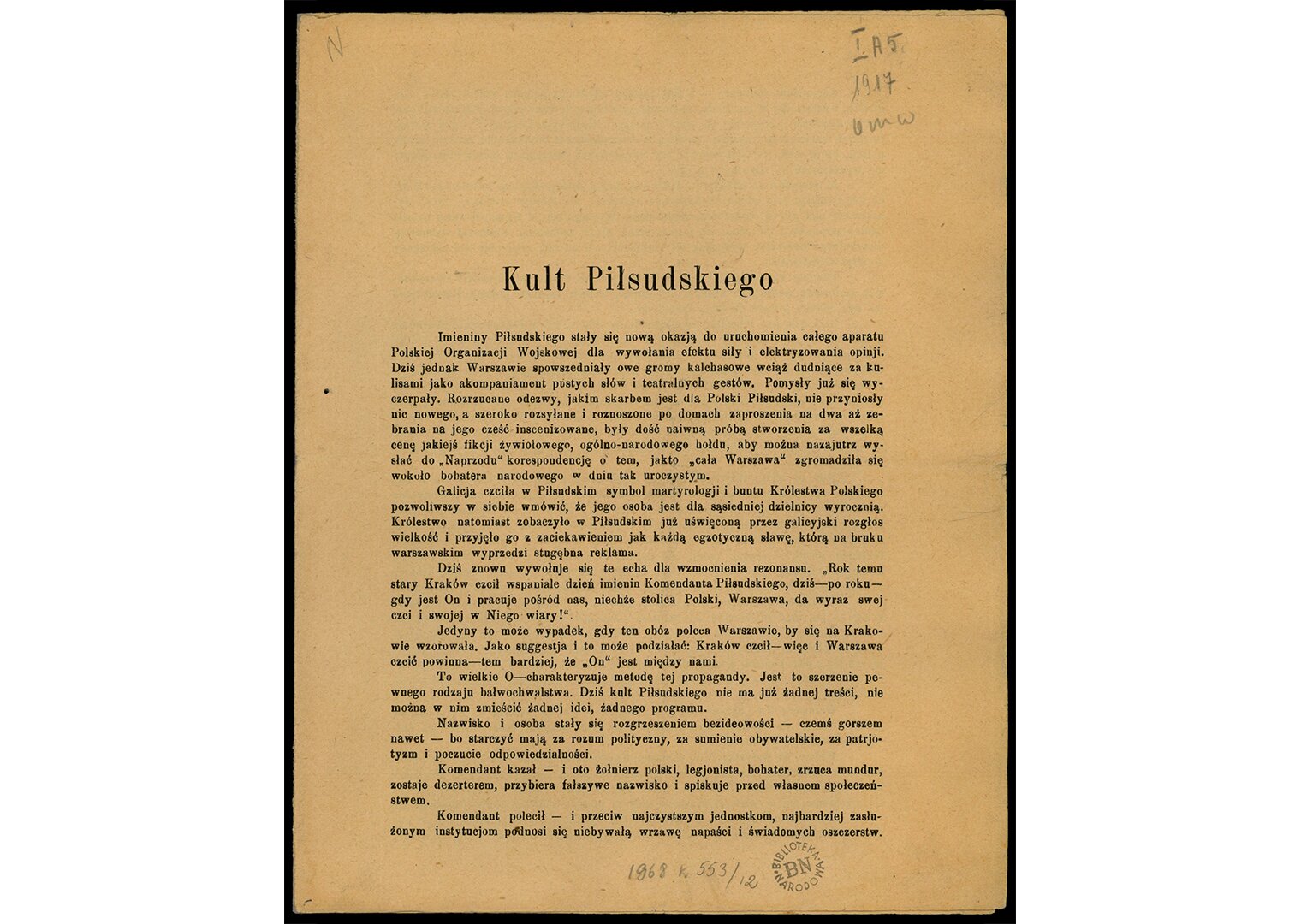
Indicate the truthful statements.
- The contents of Flyer 1 are more favorable towards Piłsudski than the contents of Flyer 2.
- The contents of Flyer 2 are more favorable towards Piłsudski than the contents of Flyer 1.
- Both flyers come from 1917, but only one of them has a date on it.
- Piłsudski’s name day became a new opportunity to launch the entire Polish Military Organization’s apparatus in order to use force. This is a fact, not an assessment.
- Józef Pilsudski celebrated his name day in March. For his supporters, it constituted an opportunity to recall his contributions to the Polish cause.
- Flyer 1 makes a reference to Piłsudski’s arrest in July 1917 by the Germans, encouraging the readers to protest.
- Flyer 2 was written in an ironic style, while the tone of Flyer 1 is serious.
- Both of the flyers refer to the same event.
The source text passages below present two angles on the question of the Legions. Which of those views is closer to your own, or seems better justified in the light of historical facts? Explain your choice.
Idea PolskiNa szczęście zatem dla idei niepodległości i dla twórców Legionów ogół Polaków nie poparł Legionów. Twórcy Ci mylnie przypisywali to tchórzostwu i ugodowości tego ogółu. Było dużo tchórzów wszędzie, ale nie oni byli siłą decydującą. Ogół nie poparł Legionów właśnie w imię instynktu narodowego, patriotycznego, który nakazywał trzymać się z dala od akcji popierającej wojskowo Austrię, uzależnioną od Niemiec, czyli akcję zakrawającą na sojusz wojskowy z Niemcami, którego tylko skutkiem dalszego biegu spraw szczęśliwie uniknięto. […] Gdy widoczne się stało, że Legiony to garstka bez większej dla Niemców militarnej wartości, Niemcy przedwcześnie dla siebie, a w sam raz dla Polski, zdemaskowały swoje negatywne oblicze wobec idei wojska prawdziwie polskiego, co otworzyło oczy Józefowi Piłsudskiemu na rzeczywistość dziejową, którą zresztą on najlepiej ze wszystkich dostrzegł i co poprowadziło go do Magdeburga. […] Twórców tego ruchu [tj. legionowego] uważam za bohaterów. Ale od takiego mojego sądu do tego, by uznać Legiony i POW za jedyne wcielenie idei niepodległości Polski, jest bardzo daleko.
Source: W. Grabski, Idea Polski, [w:] W. Grabski, Józef Piłsudski, O państwie i armii. W świetle wspomnień i innych dokumentów, Warszawa 1985, s. 26–27.
Rozmowy z Piłsudskim 1916–1931U podstaw decyzji polskich [Piłsudski] natykał się przede wszystkim na bierność i tchórzostwo, brak wyższych aspiracji i zadowalanie się małością życia. „Trudno – mówił – odszukać w tym społeczeństwie i uchwycić jakieś prawdziwe, istotne wartości moralne. Brak mu zaufania we własne siły. Przy powierzchownej bucie, a przy istotnej zarozumiałości, mającej świadczyć niby o honorze i odwadze, stosunek do siły i zaborców cechuje służalstwo i gotowość do ustępstw”. […] Gdym wchodził zbrojny do Królestwa, miałem pewne iluzje, że naszym czynem obudzę odruch bohaterstwa czy dumy narodowej, gdzieś głęboko tkwiącej w zakamarkach duszy polskiej. Aczkolwiek nadzieje z tym złączone nie były nazbyt wielkie, to zawiodły jednak najskromniejsze oczekiwania. Było mi wstyd przed moimi chłopcami, których ku tym nadziejom wiodłem, lecz wstyd jeszcze większy obcych.
Source: W. Baranowski, Rozmowy z Piłsudskim 1916–1931, [w:] W. Baranowski, Józef Piłsudski, O państwie i armii. W świetle wspomnień i innych dokumentów, Warszawa 1985, s. 27–28.
Keywords
Polish National Committee, Ignacy Jan Paderewski
Glossary
kryzys przysięgowy – kryzys polityczny z lipca 1917 r., związany z odmową złożenia przysięgi na wierność cesarzowi Niemiec przez żołnierzy Legionów Polskich, głównie I i III Brygady.
Komitet Narodowy Polski – organizacja założona w Lozannie przez Romana Dmowskiego, działała w latach 1917–1919, z siedzibą w Paryżu; uznana przez rządy Francji, Wielkiej Brytanii i Włoch za namiastkę rządu polskiego na emigracji
Nagranie dostępne na portalu epodreczniki.pl
Nagranie słówka: Petrograd Soviet of Workers' and Soldiers' Deputies
Rada Delegatów Robotniczych i Żołnierskich – utworzona w trakcie rewolucji lutowej 1917 r. władza rewolucyjna, element systemu dwuwładzy w Rosji w okresie po rewolucji lutowej.
Ignacy Jan Paderewski (1860–1941) – wybitny pianista, kompozytor, polityk; w latach 1917–1918 był przedstawicielem paryskiego Komitetu Narodowego Polskiego w USA; w 1917 roku złożył prezydentowi USA memoriał o Polsce i potrzebie jej odbudowy.