Przeczytaj
Undoubtedly, dry periods are hard for people, animals and plants. When they last for too long, they might lead to a natural disaster. In extreme cases, people even face a lack of food and drinking water. In this part of the material, you will learn how droughts are caused and what their consequences are.
Okres suszy jest jest bez wątpienia ciężkim doświadczeniem dla ludzi, zwierząt i roślin. Kiedy się przedłuża, może doprowadzić do klęski żywiołowej. W skrajnych przypadkach ludzie borykają się z brakiem dostępu do wody pitnej i pożywienia. W tej części materiału dowiesz się, czym jest susza, jak powstaje i jakie niesie za sobą konsekwencje oraz czy ulewne deszcze mogą jej zapobiec.
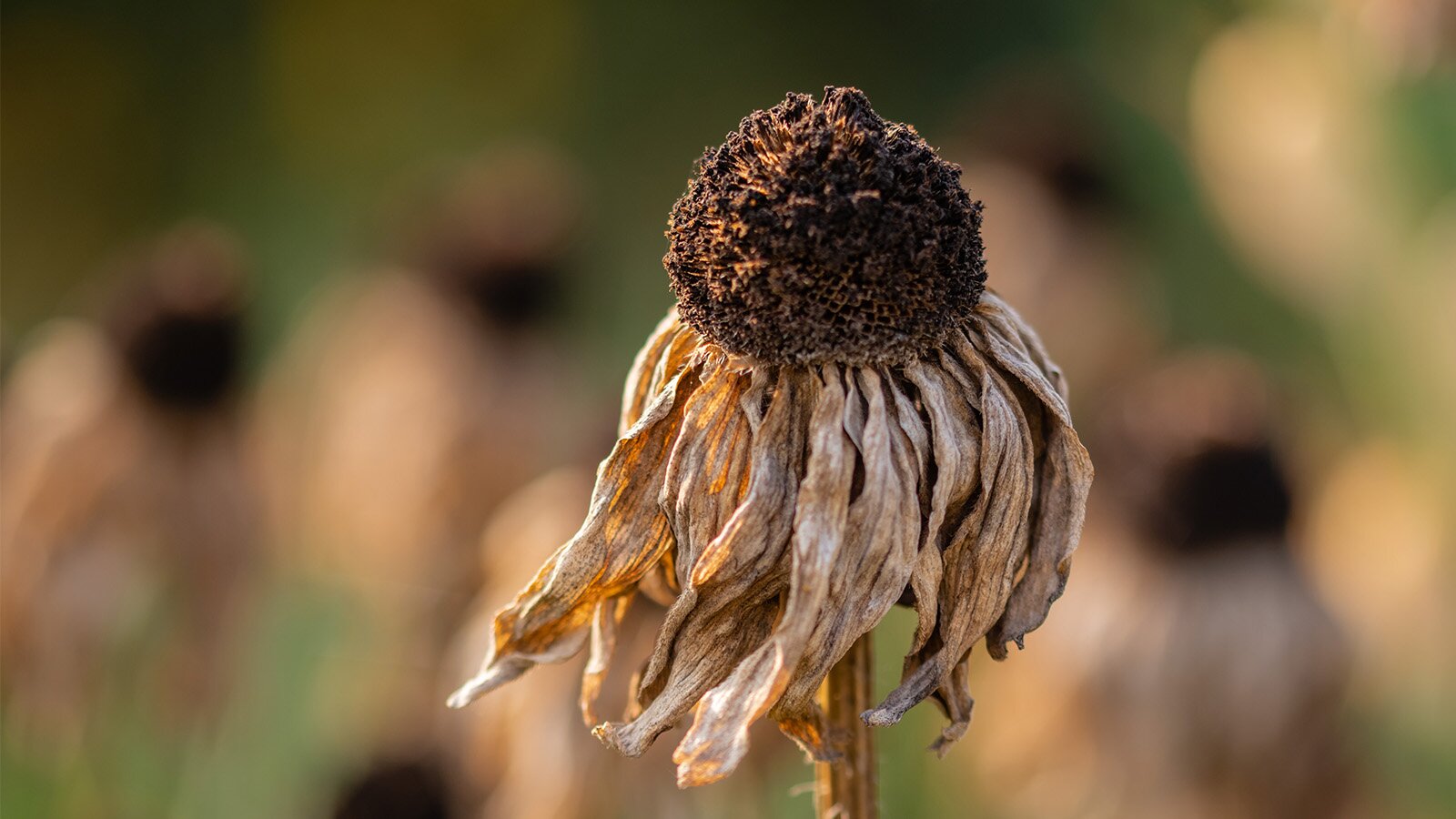
Read the text and do the exercises below.
Drought on the GoDroughts are one of the most commonly faced threats nowadays. Some countries struggle withstruggle with them more often than others. Undoubtedly, water supplywater supply determinesdetermines people's lives and its prolonged shortageprolonged shortage is greatly dangerous.
A.
A drought is a long period of time when there is little or no rain in a certain area. During this time, the region receivesregion receives less precipitationprecipitation (rain, snow, sleet). Its impact is uneasy and affects the whole community. Droughts can vary in the size, the intensity or how long they last.B.
When the region receives less rain than usual, it has a rainfall deficiencyrainfall deficiency. Low rainfalls lead tolead to less runoffrunoff, which results in a hydrological drought. It happens usually with high temperatures. The river level falls, water storagewater storage drops and soils get dry. When this happens, an agricultural drought seems to be the tragic consequence of it, which means reduced productivity in crops. A flash droughtflash drought, on the other hand, influences the crops when there are no rainfalls in the growing season for a few weeks.C.
Different regions receive different amounts of rain in seasons across the world. For instance, the average precipitation in the deserts of the American Southwest turns out to be less than about 76 mm a year, while in Atlanta, it is about 1270 mm of water. When the soil gets less moisture and there is a lack of groundwatergroundwater, it dries outdries out and consequently plants fadeplants fade and die. When this time prolongsprolongs, a problem with the water supply appears and the dry perioddry period becomes a drought.D.
Scientists found a way to analyse past weather conditions. They pull out a sliver of a trunksliver of a trunk and examine tree ringstree rings. Thick rings are a sign of wet years when there was enough water for the trees to grow faster. This way they revealed that in 2014, California faced “extreme drought”. Between 2011 and 2015, there was very little rain and, to make things worse, the area was affected by violent heat wavesviolent heat waves, which destroyed almost all the moisture in the soilmoisture in the soil. The study from the University of Minnesota and the Woods Hole Oceanographic Institution claimed 2014 to have been the most severesevere drought in 1200 years.E.
Yes and no. Rain obviously helps but it doesn’t stop the drought straight away. The shower rainshower rain helps plants to green up again in contrast to a heavy rainheavy rain which is not absorbedabsorbed into the soil and evaporatesevaporates quickly into the air. Moreover, a sudden thunderstorm with heavy rains can cause a flash floodflash flood, which makes it impossible for the water to soaksoak into the soil.F.
The GOES‑R Weather Satellite makes it a great tool for all the farmers who fear sudden and destructive droughts. It provides information about the amount of heat on Earth by registering the thermal infrared imagesthermal infrared images. This way, scientists may predictpredict and calculate the risk of flash drought in a particular region and warn farmers about upcoming heatupcoming heat.It is obvious that we can neither control the weather nor droughts, but there is something we all should keep in mind. It is our duty to learn to conserve water supplyconserve water supply and use it reasonably in everyday life.
Źródło: Anna Faszcza, licencja: CC BY-SA 3.0.
B. 1. Is it possible to measure drought?, 2. What is a drought?, 3. How do droughts differ?, 4. Does rain solve the problem of a drought?, 5. Can we monitor droughts?, 6. What dangers does evaporation bring?, 7. What is precipitation?, 8. What leads to a drought?
C. 1. Is it possible to measure drought?, 2. What is a drought?, 3. How do droughts differ?, 4. Does rain solve the problem of a drought?, 5. Can we monitor droughts?, 6. What dangers does evaporation bring?, 7. What is precipitation?, 8. What leads to a drought?
D. 1. Is it possible to measure drought?, 2. What is a drought?, 3. How do droughts differ?, 4. Does rain solve the problem of a drought?, 5. Can we monitor droughts?, 6. What dangers does evaporation bring?, 7. What is precipitation?, 8. What leads to a drought?
E. 1. Is it possible to measure drought?, 2. What is a drought?, 3. How do droughts differ?, 4. Does rain solve the problem of a drought?, 5. Can we monitor droughts?, 6. What dangers does evaporation bring?, 7. What is precipitation?, 8. What leads to a drought?
F. 1. Is it possible to measure drought?, 2. What is a drought?, 3. How do droughts differ?, 4. Does rain solve the problem of a drought?, 5. Can we monitor droughts?, 6. What dangers does evaporation bring?, 7. What is precipitation?, 8. What leads to a drought?
A. turns into vapour
B. flashes
C. flows away.
2. Children at kindergartens learn how to conserve water supplies.
A. increase
B. double
C. protect
3. Shower rains frequently fall in spring in Poland.
A. violent rains
B. the rains of variable intensity
C. long lasting rains
4. The best way to fill up underground waters is by regular precipitation.
A. the fall of snow, rain or hail
B. the fall of rain
C. the fall of rain and snow
5. Scientists take a sliver of tree ring to find out how old the tree is and when the droughts happened in the past.
A. a piece of the root
B. a piece of the leaf
C. a piece of the trunk
6. Rainfall deficiency might be a threat to plants and crops.
A. demand
B. shortage
C. appearance
7. When the drought lasts longer than usual, plants and crops fade.
A. prolongs
B. absorbs
C. determines
8. It’s common knowledge that water decides about people’s lives.
A. conserves
B. leads
C. determines
Based on the information from the text give your opinion on how we can take care of water supply in everyday life. Give examples of actions. Write 4–5 sentences.
Słownik
/ əbˈzɔːbd / / əbˈzɔːb /
wchłaniany/wchłaniana [wchłaniać]
/ kənˈsɜːv ˈwɔ:tə səplaɪ /
chronić zapas wody
/ dɪˈtɜːmɪnz / / dɪˈtɜːmɪn /
determinuje [determinować], decyduje o [decydować o]
/ draɪz ˈaʊt / / draɪ ˈaʊt /
wysycha [wysychać]
/ draɪ ˈpɪərɪəd /
okres suszy
/ ɪˈvæpəreɪts / / ɪˈvæpəreɪt /
paruje [parować]
/ flæʃ ˈdraʊt /
gwałtowna susza
/ flæʃ flʌd /
nagła powódź
/ ˈɡraʊndwɔːtə /
woda gruntowa
/ ˌhevi ˈreɪn /
ulewny deszcz
/ hʌɪdrəˈlɒdʒɪk(ə)l dɪˈfɪʃnsi /
niedobór hydrologiczny (a deficiency of precipitation)
/ liːd tuː /
prowadzić do
/ ˈmɔɪstʃər ɪn sɔɪl /
wilgotność w glebie
/ plɑːnts feɪd / / feɪd /
rośliny więdną [więdnąć (o roślinach)]
/ prɪˌsɪpɪˈteɪʃn̩ /
opady atmosferyczne [opad atmosferyczny]
/ prɪˈdɪkt /
przewidywać
/ prəˈlɒŋz / / prəˈlɒŋ /
przedłuża się [przedłużać się]
/ prəˈlɒŋd ˈʃɔːtɪdʒ /
przedłużający się niedobór
/ ˈreɪnfɔːl dɪˈfɪʃnsi /
niedobór opadów
/ ˈriːdʒən rɪˈsiːvz / / rɪˈsiːv /
obszar uzyskuje, przyjmuje; (tu: na obszarze występuje – w kontekście ilości opadów)
/ ˈrəˌnɒf /
spływ wody
/ sɪˈvɪə /
srogi/sroga
/ ˈʃaʊə ˈreɪn /
przelotny deszcz
/ ˈslɪvər əv ə trʌŋk /
kawałek pnia
/ səʊk /
sączyć
/ ˈstrʌɡl̩ wɪð /
borykają się z [borykać się z]
/ ˈthetaɜːml̩ ˌɪnfrəˈred ˈɪmɪdʒɪz / / ˈthetaɜːml̩ ˌɪnfrəˈred ˈɪmɪdʒ /
zdjęcia termowizyjne w podczerwieni [zdjęcie termowizyjne w podczerwieni]
/ tri: rɪŋz / / tri: rɪŋ /
pierścienie/słoje w pniu drzewa [pierścień/słój w pniu drzewa]
/ ˈʌpkʌmɪŋ hiːt /
nadchodzący upał
/ ˈvaɪələnt hi:t weɪvz / / ˈvaɪələnt hi:t weɪv /
gwałtowne fale upałów [gwałtowna fala upału]
/ ˈwɔ:tə ˈstɔːrɪdʒ /
magazyn wody
/ ˈwɔ:tə səplaɪ /
zapas wody
/ wel /
studnia
Źródło: GroMar Sp. z o.o., licencja: CC BY‑SA 3.0