HOST 1: Hello. Today with us is Gary Smith, an expert on sustainable houses. Welcome, Gary, and thanks for finding the time to talk to us.
GARY: Hello everyone, I’m glad to be here.
HOST 2: Gary, our impact on the environment is an important topic and I’d like to ask you if there’s anything our environmentally‑aware listeners could do to make their current, often quite old, homes are as sustainable as possible.
GARY: I’m so happy we’re talking about this. There’s so much talk about building sustainable houses but, obviously, we can’t all just leave our old homes and move into newly built ones. To me, teaching people how to make old houses more energy efficient is actually more important, precisely because there are so many of them. Hardly any house that’s older than two decades has energy saving solutions, but it doesn’t mean you can’t improve even a really old building.
HOST 2: I feel like I should say “teach us, master.” [laughs]
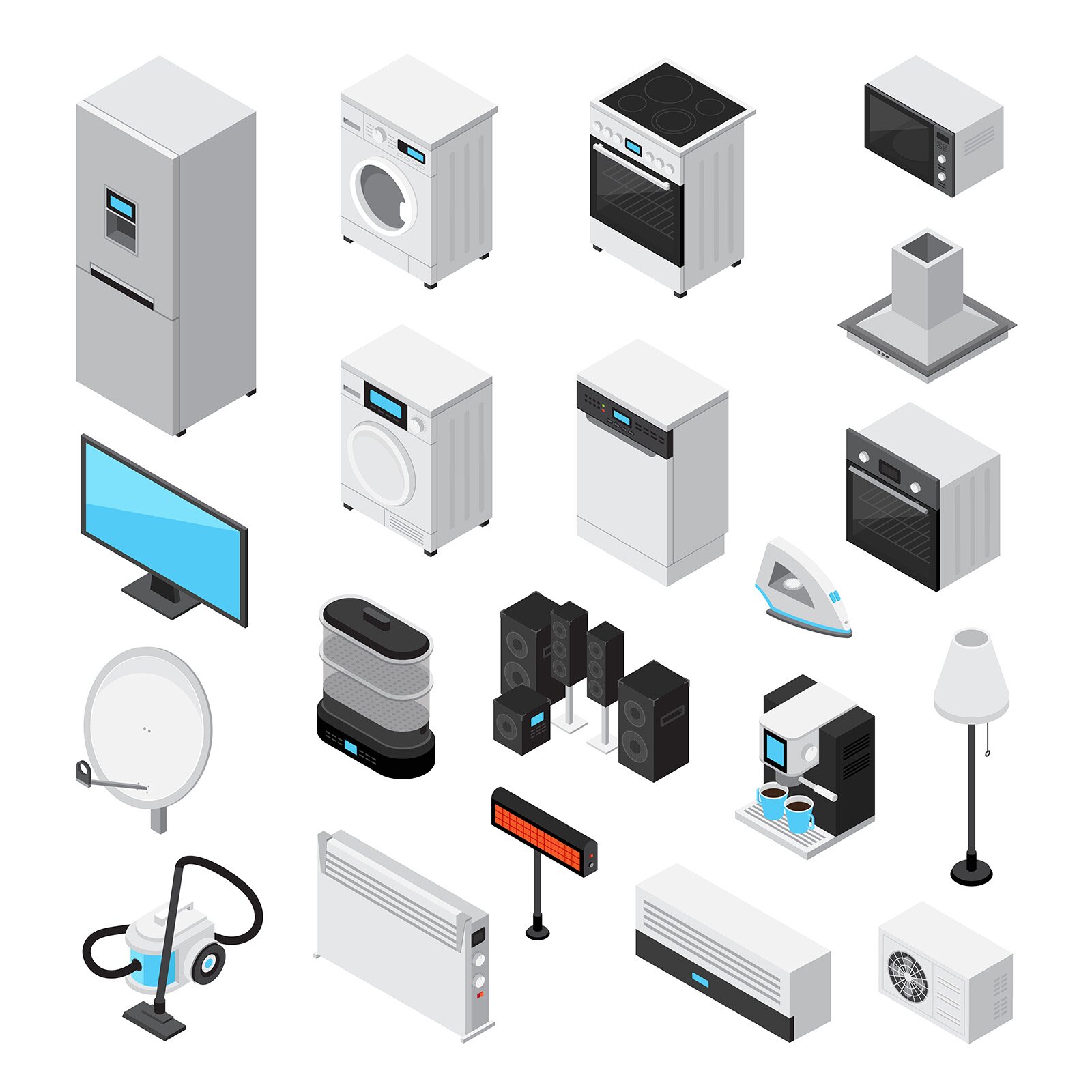
GARY: And teach you I shall [laughs as well]. The first and the easiest thing to do, though of course costly, is to take a look at your appliances. Chances are, they’re old and eat up energy. Consider replacing your fridge or dishwasher with the latest models with energy labels that say A – very efficient. Obviously, LED lighting instead of old‑fashioned light bulbs. And if you decide to replace any furniture in the process, whether it’s beds or countertops in your kitchen – try to buy products made of recycled materials.
HOST 2: So, saving energy is the first thing. First, on our appliances and equipment. Anywhere else?
GARY: Definitely. Heating up our homes also requires energy and energy loss in old homes contributes not just to your bills but also to your energy consumption. The more heat your house leaks, the more you need to put in it. To prevent that, you need to insulate your house. Whether your walls have no cracks or are too thin, it doesn’t matter – just put some insulation on them. Windows also leak lots of energy unless they’re at least double glazed.
HOST 2: OK, more things you can replace with more eco‑friendly ones. So, now that all our energy is consumed, not wasted, what’s next?
GARY: Producing your own energy, of course. The worst thing you can do is heat your house the old way by burning coal or trash and contributing to air pollution. Various renewable energy sources are now available that produce energy not just for heating but powering up your devices. If you have a garden, you might want to look at wind turbines, especially if you live in windy climates or open spaces. Then there are solar panels that can be fitted on your walls or roofs. There are many programmes that help finance such investments.
HOST : Walls and windows, got it. Gary, we’re almost out of time, but what about another resource that’s running out – water?
GARY: So glad you said that. Water conservation can be done on many levels. We all know to turn off the faucet when brushing our teeth, but you can actually install – money again, I know – new faucets and toilet flushes which have a water saving option and simply let out less water. There are also installations which collect rainwater that can be later used for flushing your toilet or watering your garden. And as a final thought let me just say – you don’t have to do all these things at once, but step by step, you can hugely improve the sustainability of your house, so do try!