Catholic Reformation
when the religious wars started and how they finished;
what were the decisions of the CouncilCouncil of Trent;
who was Ignatius of Loyola and what he founded.
In the course of time the papacy realized that staving the crisis off by discussion was impossible, so they tried to prevent development of Protestantism using politics. It did not do any good and between 1530–1555 there was a religious war. It finished with the Peace of Augsburg, where “whose realm, his religion” principle was established.
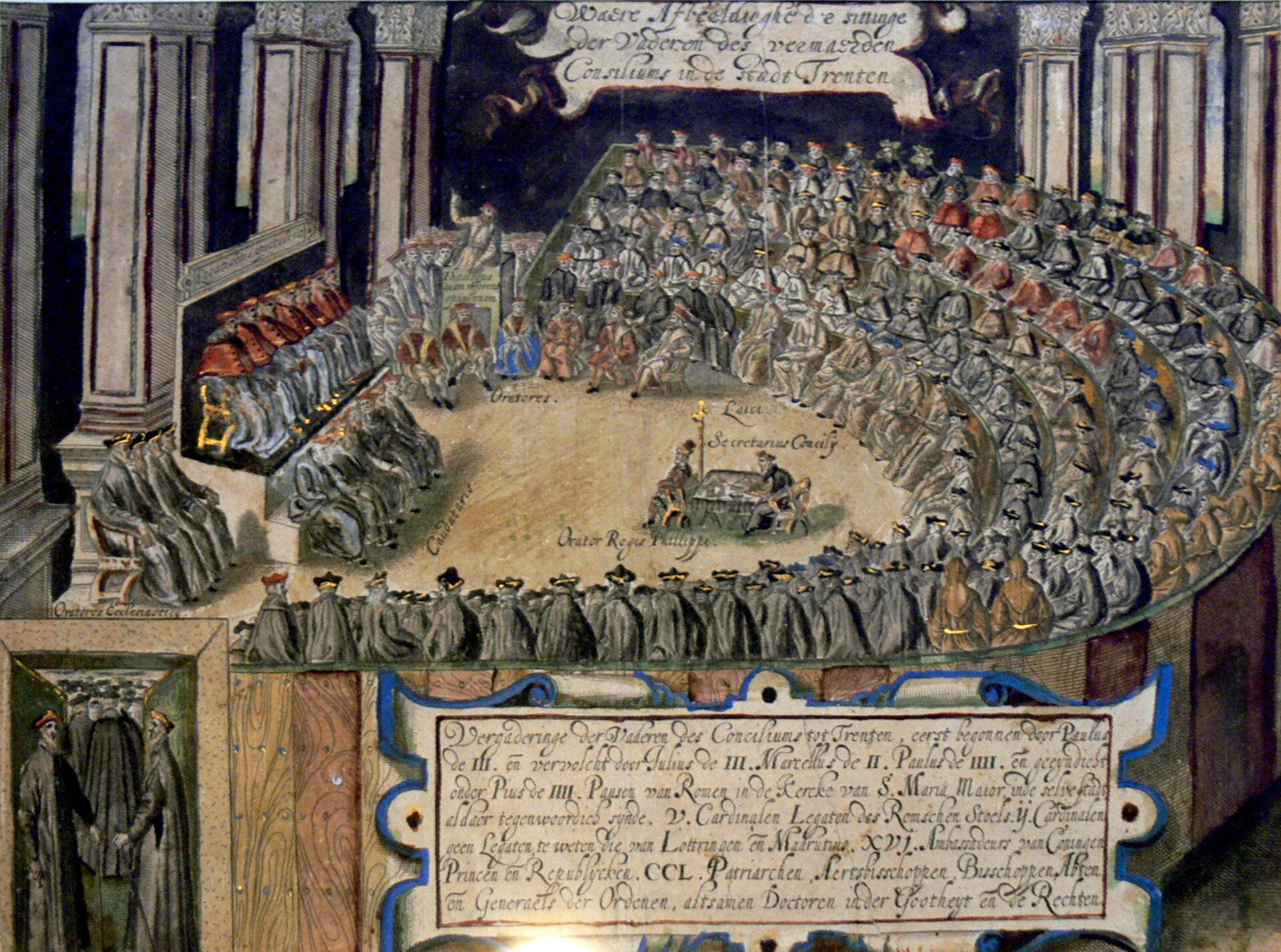
A few years earlier in 1545 in the Italian city of Trent one of the greatest councilscouncils in the history of the Church was held. It was tried to reach agreement with protestants. The Pope invited representatives of reformed faiths but they refused to come. Participants of the councilcouncil introduced many catholic reforms.
Decisions of the councilcouncil include: keeping celibacy of priests, the cult of saints, the Virgin Mary and relics, keeping Latin as a liturgical language, the Pope as the head of the Church. Greater attention was paid to clergymen education. It was obligatory for them to attend seminaries. Apart from that the List of Prohibited Books was worked out (recognized as heretic, inconsistent with catholic doctrine). The Holy Inquisition was reorganised. Its task was to combat heretics.
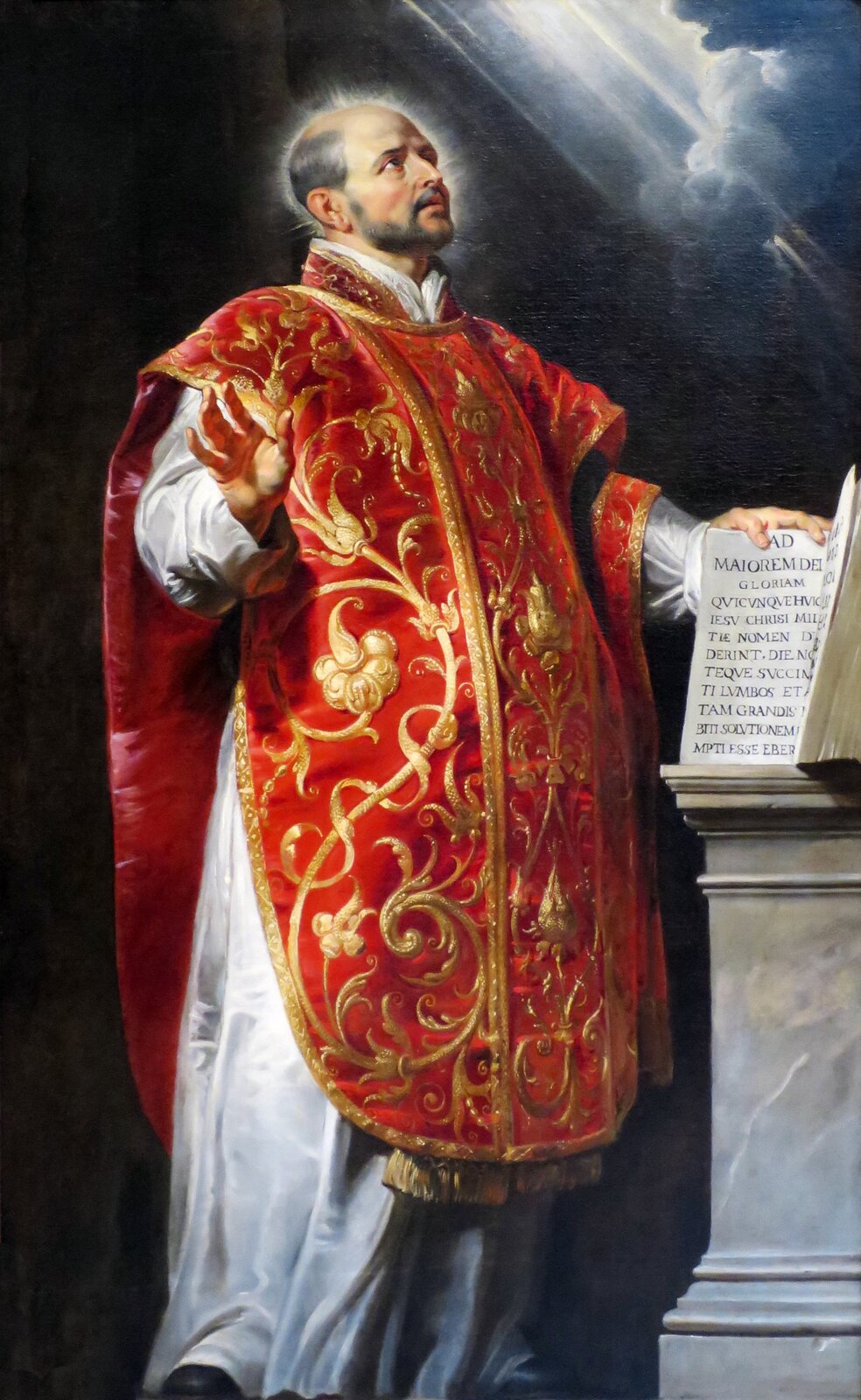
The Society of Jesus, so called JesuitsJesuits, founded by the Spanish Ignatius of Loyola, played a great role in the catholic revival. There was severe discipline in the order. The vows of obedience were made to the Pope and the mission of the order was to combat heresyheresy, run schools and christianize other continents.
Learn the most important events of the Reformation. Which of the events were the most important and why?
Find information and answer the question, how the Gregorian calendar differs from Julian calendar.
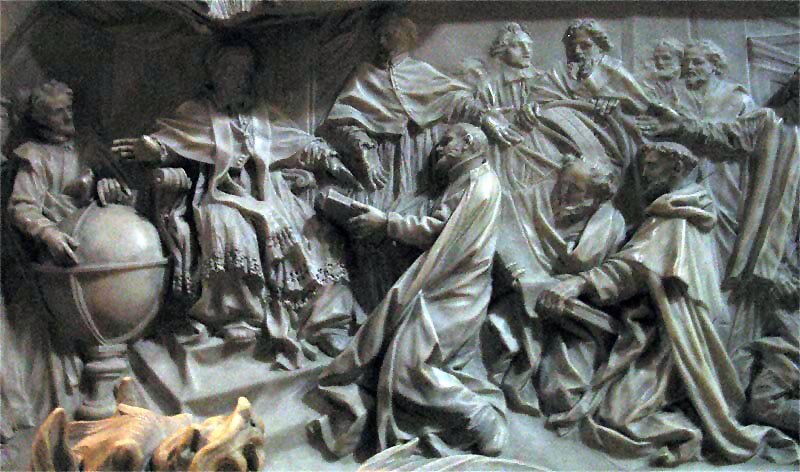
Characterize the provisions of the Council of Trent.
Characterize the missionary achievements of the Jesuits.
Match terms and definitions
religious view inconsistent with dogmas of dominant religion, a gathering of bishops of all Church with the Pope who presides, prosecuting and judging institution founded for seeking, converting and punishing heretics (suspects were tortured, kept in prison and even burnt at the stake), short summary of religious doctrine, monks of the Society of Jesus, founded by Ignatius of Loyola, a tax paid to the Church which amounted to one-tenth of crops or revenue, Catholic Church movement aiming at the Church revival and counteracting the Reformation
| a tithe | |
| Heresy | |
| Jesuits | |
| Catechism | |
| Counter-Reformation | |
| Council | |
| Holy Inquisition |
Keywords
reformation, counter‑reformation, Ignatius of Loyola, council
Glossary
Dziesięcina – podatek płacony przez ludność na rzecz Kościoła katolickiego, wynoszący dziesiątą część zbiorów lub dochodów.
Herezja – pogląd religijny sprzeczny z dogmatami religii panującej.
Jezuici – zakonnicy Towarzystwa Jezusowego założonego przez Ignacego Loyolę.
Katechizm – zwięzły wykład zasad wiary.
Kontrreformacja – ruch w Kościele katolickim mający na celu odnowę Kościoła oraz zwalczanie reformacji.
Sobór – zgromadzenie biskupów całego Kościoła z papieżem jako przewodniczącym.
Święta Inkwizycja – instytucja śledcza i sądownicza stworzona w celu wyszukiwania, nawracania i karania heretyków (podejrzani byli poddawani torturom, więzieni, a nawet paleni na stosie).