bg‑azure

You’ve surely experienced extreme weather before. Even if not, you probably have basic knowledge of such weather events like hurricanes, floods or wildfires. Do you know what causes them? More importantly, can you tell whether they’ll get more frequent in the future? Read the text in this section to find out what climate experts have to say about this.

Zapewne doświadczyłeś/doświadczyłaś kiedyś ekstremalnych zjawisk pogodowych. A nawet jeśli nie, to prawdopodobnie znasz najważniejsze fakty dotyczące tego, jak powstają huragany, powodzie lub pożary lasów. Czy wiesz, co jest ich przyczyną? I wreszcie: czy potrafisz ocenić, czy w przyszłości takie sytuacje będą zdarzały się częściej? Przeczytaj tekst w tej sekcji, aby dowiedzieć się, co eksperci do spraw klimatu mają do powiedzenia na ten temat.
R13qP1bLvqwsZ
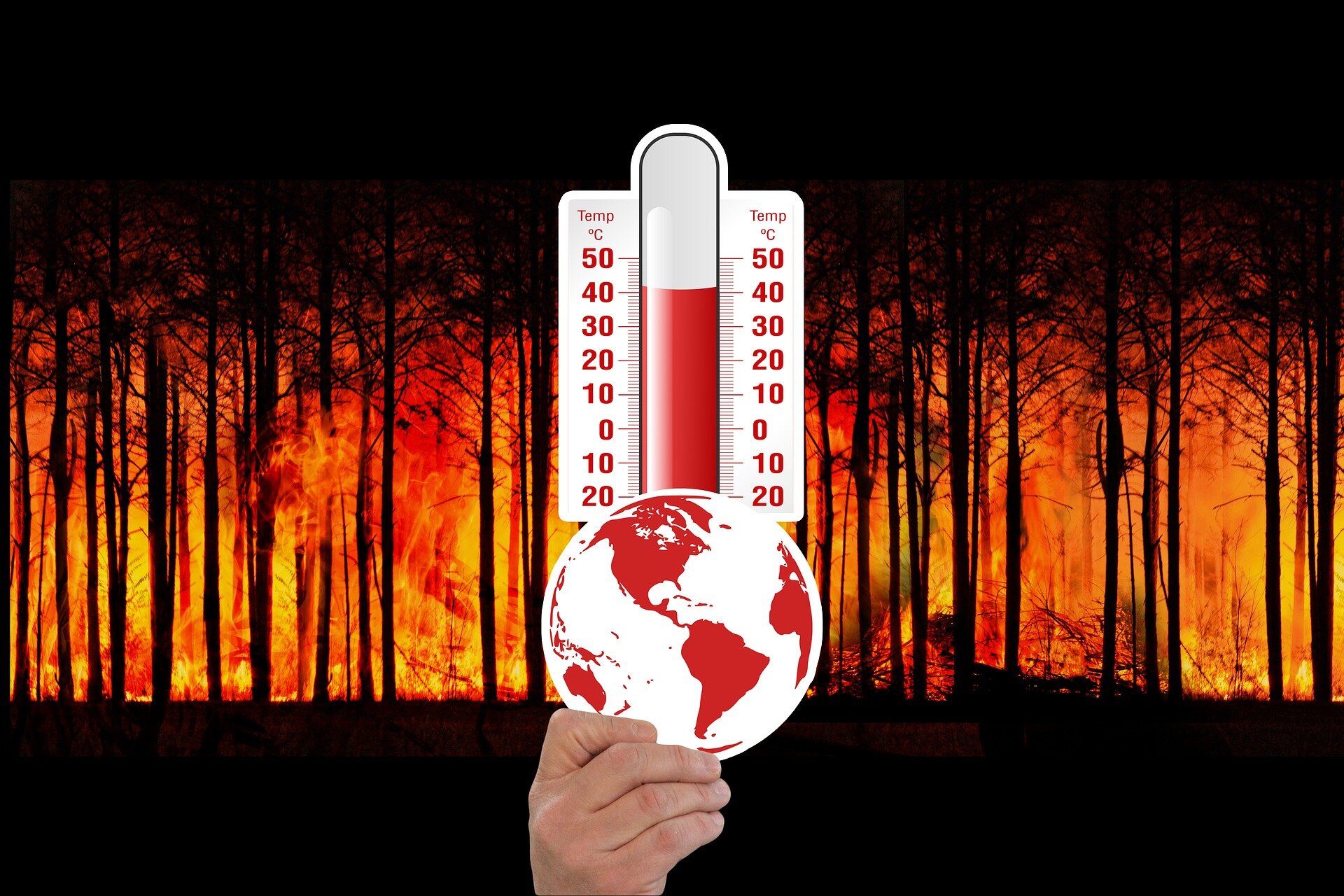
Do you understand the relationship between climate change and extreme weather conditions?
Czy rozumiesz związek między zmianami klimatu a ekstremalnymi zjawiskami pogodowymi?
Źródło: GroMar Sp. z o.o., licencja: CC BY-SA 3.0.
Exercise 1

How much do you know about extreme weather? Pick the answers that seem true to you.

R3aORzF5f4dHj
Which of the extreme weather events show little or no increase in frequency over the decades?
Źródło: GroMar Sp. z o.o., licencja: CC BY-SA 3.0.
RWemzO8yYmPuH
What type of extreme weather is least affected by human influence?
Źródło: GroMar Sp. z o.o., licencja: CC BY-SA 3.0.
RAjPbfnHDtcGx
Overall, the most intensely studied extreme weather is
Źródło: GroMar Sp. z o.o., licencja: CC BY-SA 3.0.
Exercise 1

Analyse the graphs about extreme weather and choose the correct answer in each point.

R14wjduywIyhM
Which of the extreme weather events show little or no increase in frequency?
Źródło: dostępny w internecie: metoffice.gov.uk [dostęp 19.04.2022], domena publiczna.
RZd1jb6IHU2Ec
What type of extreme weather is least affected by human influence?
Źródło: dostępny w internecie: carbonbrief.org, domena publiczna.
R6LQcAAj8eWxO
Overall, the most intensely studied extreme weather is
Źródło: dostępny w internecie: carbonbrief.org [dostęp 19.04.2022], domena publiczna.

Read the text about the causes and effects of extreme weather. Then do the exercises below.

Will Extreme Weather Get Worse?
Zuzanna Kościuk Will Extreme Weather Get Worse?

No matter where you live on Earth, you’ve probably experienced extreme weatherextreme weatherextreme weather. Maybe you’ve suffered through a heatwaveheatwaveheatwave or maybe you’ve looked outside the window and said “it looks like it will snow” only to be greeted bybe greeted bybe greeted byblizzardblizzardblizzard.

Some extreme weather events happen due to natural causesnatural causes [natural cause]natural causes, such as changes in the atmospheric pressurechanges in the atmospheric pressure [change in the atmospheric pressure]changes in the atmospheric pressure or in the movement of airmovement of airmovement of air. However, research shows that human activityhuman activityhuman activity has an immense effect onhas an immense effect on [have an immense effect on]has an immense effect on the climate and, as a consequence, on extreme weather. In fact, things are only going to get worse unless we do something to halt climate changehalt climate changehalt climate change.

So, how does climate affectaffectaffect weather? SeverelyseverelySeverely, experts say. Over the past century, humans have polluted the atmospherepolluted the atmosphere [pollute the atmosphere]polluted the atmosphere with carbon dioxidecarbon dioxidecarbon dioxide, methanemethanemethane and other greenhouse gasesgreenhouse gases [greenhouse gas]greenhouse gases. They have caused global temperatureglobal temperatureglobal temperature to rise. In turn, the temperature spiketemperature spiketemperature spike has started affecting extreme weather events, especially those linked to heat, which now happen more frequently and are more dangerous. Unfortunately, experts predictpredictpredict that we’re going to experience a climate catastropheclimate catastropheclimate catastrophe within the next 50 years if nothing changes.

What will the weather look like if no changes occur? In short, the dry areas of the world will only get drier and the wet areas will only get wetter. Places affected byaffected byaffected by extreme weather, such as droughtsdroughts [drought]droughts, will have to deal with megadroughtsmegadroughts [megadrought]megadroughts that leave the soil unusableleave the soil unusableleave the soil unusable. Sea levels will rise and lead to floodingflooding [flood]flooding. We will also experience frequent torrential raintorrential raintorrential rain that has similarly dire consequencessimilarly dire consequencessimilarly dire consequences. Regions dealing with wildfireswildfires [wildfire]wildfires will see more and more severe fire seasons which affect humans and nature alike. Those who experience heatwaves will have to brace themselvesbrace themselves [brace oneself]brace themselves for temperatures that many humans simply cannot withstandcannot withstandcannot withstand. Not to mention hurricaneshurricanes [hurricane]hurricanes and cyclonescyclones [cyclone]cyclones which will happen more frequently and lead to massive lossesmassive losses [massive loss]massive losses both in people and infrastructureinfrastructureinfrastructure.

In short, extreme weather will get worse and we will suffer the consequencessuffer the consequencessuffer the consequences. That’s why it’s so important for us to act now. Moving beyond fossil fuelsmoving beyond fossil fuels [move beyond fossil fuels]Moving beyond fossil fuels and investing in clean energyinvesting in clean energy [invest in clean energy]investing in clean energy are some of the most important steps to take. However, we’re going to have to do more than that. If we want to survive, we should also do our best to protect climate forestsprotect climate forests [protect a climate forest]protect climate forests, including the Amazon, and promote an eco‑lifestylepromote an eco‑lifestylepromote an eco‑lifestyle that can and will affect how our future looks.

1 Źródło: Zuzanna Kościuk, licencja: CC BY-SA 3.0.
Exercise 2
ReXBjpnWQ6RgK
natural causes Możliwe odpowiedzi: 1. they include atmospheric pressure and wind movement, 2. it’s one of the major factors in extreme weather changes, 3. because of it, heat-related extreme weather events happen more often, 4. it’s the type of extreme weather that can cause floods, 5. it’s a result of such weather events as droughts and megadroughts, 6. carbon dioxide is one of their most notable examples, 7. along with limiting fossil fuel use, it’s one of the best ways to fight climate change human activity Możliwe odpowiedzi: 1. they include atmospheric pressure and wind movement, 2. it’s one of the major factors in extreme weather changes, 3. because of it, heat-related extreme weather events happen more often, 4. it’s the type of extreme weather that can cause floods, 5. it’s a result of such weather events as droughts and megadroughts, 6. carbon dioxide is one of their most notable examples, 7. along with limiting fossil fuel use, it’s one of the best ways to fight climate change greenhouse gases Możliwe odpowiedzi: 1. they include atmospheric pressure and wind movement, 2. it’s one of the major factors in extreme weather changes, 3. because of it, heat-related extreme weather events happen more often, 4. it’s the type of extreme weather that can cause floods, 5. it’s a result of such weather events as droughts and megadroughts, 6. carbon dioxide is one of their most notable examples, 7. along with limiting fossil fuel use, it’s one of the best ways to fight climate change temperature spike Możliwe odpowiedzi: 1. they include atmospheric pressure and wind movement, 2. it’s one of the major factors in extreme weather changes, 3. because of it, heat-related extreme weather events happen more often, 4. it’s the type of extreme weather that can cause floods, 5. it’s a result of such weather events as droughts and megadroughts, 6. carbon dioxide is one of their most notable examples, 7. along with limiting fossil fuel use, it’s one of the best ways to fight climate change unusable soil Możliwe odpowiedzi: 1. they include atmospheric pressure and wind movement, 2. it’s one of the major factors in extreme weather changes, 3. because of it, heat-related extreme weather events happen more often, 4. it’s the type of extreme weather that can cause floods, 5. it’s a result of such weather events as droughts and megadroughts, 6. carbon dioxide is one of their most notable examples, 7. along with limiting fossil fuel use, it’s one of the best ways to fight climate change torrential rain Możliwe odpowiedzi: 1. they include atmospheric pressure and wind movement, 2. it’s one of the major factors in extreme weather changes, 3. because of it, heat-related extreme weather events happen more often, 4. it’s the type of extreme weather that can cause floods, 5. it’s a result of such weather events as droughts and megadroughts, 6. carbon dioxide is one of their most notable examples, 7. along with limiting fossil fuel use, it’s one of the best ways to fight climate change clean energy Możliwe odpowiedzi: 1. they include atmospheric pressure and wind movement, 2. it’s one of the major factors in extreme weather changes, 3. because of it, heat-related extreme weather events happen more often, 4. it’s the type of extreme weather that can cause floods, 5. it’s a result of such weather events as droughts and megadroughts, 6. carbon dioxide is one of their most notable examples, 7. along with limiting fossil fuel use, it’s one of the best ways to fight climate change
Źródło: GroMar Sp. z o.o., licencja: CC BY-SA 3.0.
Exercise 3
R3Sv1BROPfB4s
Drag the words and phrases to fill in the gaps.
Źródło: GroMar Sp. z o.o., licencja: CC BY-SA 3.0.
Exercise 4

Answer the question below in 3–4 sentences.

In your opinion, what can we do to stop climate change and avoid even more extreme weather?

R7t6QqZnBCdND
(Uzupełnij).
Źródło: GroMar Sp. z o.o., licencja: CC BY-SA 3.0.
Show hintazurewhite
Show answerazurewhite
GRAMATYKA: willgoing to

W języku angielskim o przyszłości można mówić na wiele sposobów. Jeden z nich to używanie czasu Future Simple (will/shall + bezokolicznik), a drugi stosowanie konstrukcji z wyrażeniem be going to + bezokolicznik.

Future Simple

Twierdzenia

Twierdzenia z will tworzymy według wzoru: osoba + will + bezokolicznik.

Przykłady:

I think it will rain later.Wydaje mi się, że później będzie padać.

I’m not an expert, but I can bet we will have to deal with a heatwave.Nie jestem specjalistą/specjalistką, ale mogę się założyć, że będziemy musieli poradzić sobie z falą upałów.

It’s simply a fact that the global temperature will rise.Jest faktem, że globalna temperatura wzrośnie.

Przeczenia

Przeczenia z will tworzymy przy użyciu wyrazu not według wzoru: osoba + will + not + bezokolicznik. Uwaga! Najczęściej w konstrukcji tej stosuje się formę skróconą will not, czyli won’t.

Przykłady:

Just look at the weather! I won’t go outside during a storm.Spójrz na pogodę! Nie wyjdę na dwór podczas burzy.

I believe we won’t be able to stop global warming.Wydaje mi się, że nie uda nam się zatrzymać globalnego ocieplenia.

He hates the cold, so I gather he won’t go out when it snows.On nienawidzi zimna, więc zakładam, że nie wyjdzie, gdy pada śnieg.

Pytania

Pytania z will tworzymy poprzez inwersję według wzoru: will + osoba + bezokolicznik.

Przykłady:

Will you please watch my presentation on extreme weather?Czy obejrzysz, proszę, moją prezentację dotyczącą ekstremalnej pogody?

In your opinion, will the hurricane reach the east coast?Czy twoim zdaniem huragan dotrze do wschodniego wybrzeża?

Will you ask the teacher about the California wildfires?Czy spytasz nauczyciela o pożary w Kalifornii?

UŻYCIE CZASU FUTURE SIMPLE:

Gdy mówimy o decyzjach podjętych w chwili mówienia

It’s raining again, so I guess I won’t go out after all.Znowu pada, więc raczej nie wyjdę z domu.

Gdy mówimy o przypuszczeniach i przewidywaniach opartych na przeczuciach

The weather looks nice, but I still think it will rain.Pogoda jest ładna, ale nadal mam wrażenie, że będzie padać.

What do you predict will happen with climate in the next ten years?Jak ci się wydaje, co stanie się z klimatem w ciągu najbliższych dziesięciu lat?

Gdy składamy propozycje, obietnice lub prośby

I promise I won’t leave the house during the blizzard.Obiecuję, że nie opuszczę domu w trakcie śnieżycy.

Will you please help me write my climate change article?Czy pomożesz mi, proszę, napisać artykuł dotyczący zmian klimatu?

Shall we discuss the changes in weather?Czy chcesz przedyskutować zmiany pogodowe?

Gdy mówimy o faktach i prawdach ogólnych

Even with all the available data, you will never predict all the extreme weather events.Nawet posiadając wszystkie dostępne informacje, nigdy nie będziesz w stanie przewidzieć wszystkich ekstremalnych zjawisk pogodowych.

The fact is that the climate will keep on changing.Faktem jest, że klimat będzie się zmieniał.

BUDOWAbe going to

Twierdzenia

Twierdzenia z be going to tworzymy poprzez dodanie czasownika to be oraz bezokolicznika według wzoru: osoba + be + going to + bezokolicznik.

Przykłady:

Experts argue that we’re going to experience more extreme weather. – Eksperci twierdzą, że doświadczymy więcej przypadków ekstremalnej pogody.

I’ve already decided that I’m not going to leave the house during the heatwave.Już zdecydowałem/zdecydowałam, że nie opuszczę domu podczas fali upałów.

According to our forecasts, the hurricane is going to strike in a few hours.Według naszych prognoz, huragan uderzy za kilka godzin.

Przeczenia

Przeczenia z be going to tworzymy według wzoru: osoba + be + not + going to + bezokolicznik.

Przykłady:

You aren’t going to leave the cellar due to the tornado.Nie opuścisz piwnicy ze względu na tornado.

I agree with the specialists who claim that we aren’t going to survive the climate catastrophe.Zgadzam się ze specjalistami, którzy twierdzą, że nie przetrwamy katastrofy klimatycznej.

Based on all the predictions, we’re going to see massive wildfires this summer.Na podstawie wszystkich prognoz przewidujemy, że tego lata doświadczymy ogromnych pożarów.

Pytania

Pytania z be going to tworzymy poprzez inwersję, z wykorzystaniem czasownika to be, według wzoru: be + osoba + going to + bezokolicznik.

Przykłady:

Are you going to leave the town during the tornado season like you planned?Czy opuścisz miasto podczas sezonu tornad, tak jak planowałeś/planowałaś?

Are things really going to get as bad as climate scientists predict?Czy sytuacja naprawdę stanie się tak zła, jak przewidują klimatolodzy?

Are we going to stay inside during the blizzard as we’ve discussed? – Czy zostaniemy w środku podczas śnieżycy, tak jak się umawialiśmy?

UŻYCIE KONSTRUKCJI BE GOING TO

Gdy mówimy o wcześniej podjętych decyzjach.

As planned, I’m going to leave before the heatwave hits this region.Tak jak zaplanowałam/zaplanowałam, wyjadę, zanim fale upałów dotkną ten region.

Gdy mówimy o przewidywaniach opartych na dowodach i doświadczeniach

According to experts, we’re going to see severe climate change within the next decade.Zdaniem ekspertów w ciągu najbliższej dekady zobaczymy dramatyczną zmianę klimatu.

Based on my experiences, the heatwaves are only going to get worse.Na podstawie moich doświadczeń [mogę stwierdzić, że] fale upałów staną się jeszcze gorsze.

Gdy wydajemy polecenia lub mówimy, że coś jest obowiązkowe

We’re going to save the Amazon forest whether you like it or not.Uratujemy las amazoński bez względu na to, czy ci się to podoba, czy nie.

Podczas tornada obowiązkowo należy się schować, więc teraz zostaniesz w piwnicy.It’s obligatory to hide during a tornado, so you’re going to stay in the cellar for now.

Exercise 5
R1MaABzwVASO4
1. You believe the weather may get worse, but you’ve got no proof. What do you say?
a) The weather is going to get worse.
b) I believe the weather will get worse.

2. After years of research, weather experts can predict the future of extreme weather events. What do you say?
a) According to experts, extreme weather events are going to be more frequent.
b) According to experts, extreme weather events will be more frequent.

3. You’re making a promise to your friend to visit them after the blizzard passes. What do you say?
a) I promise I’ll visit you as soon as the blizzard passes.
b) I promise I’m going to visit you as soon as the blizzard passes.

4. The tornado is coming and you order your friends to stay in the cellar. What do you say?
a) You’re going to stay in the cellar.
b) You will stay in the cellar.

5. Your friend is asking you to come out despite the heatwave. They convinced you. What do you say?
a) OK, I’ll come out.
b) I’m going to come out.

6. Your grandma is asking you to come over, but you’ve already made plans to stay home due to the weather. What do you say?
a) I’m sorry but I’m going to stay home due to the weather.
b) I’m sorry but I’ll stay home due to the weather.
Źródło: GroMar Sp. z o.o., licencja: CC BY-SA 3.0.
Exercise 6
RPeO5yAHR7wes
  1. Look at the weather! We won’taren’t going to go out unless it gets better.
  2. The fact is that dry areas willare going to get drier with time.
  3. We’ve already established we willare going to stay home during the heatwave.
  4. I think the heatwave this year willis going to be terrible.
  5. Based on the available data, extreme weather willis going to get worse with time.
  6. I don’t care what anyone says. You won’taren’t going to go out during the blizzard.
  7. Will youare you going to stay inside since it rains heavily, please?
Źródło: GroMar Sp. z o.o., licencja: CC BY-SA 3.0.

Słownik

affect
affect

/ əˈfekt /

R1FKYf5tDQ94K1
Nagranie dźwiękowe

oddziaływać na, mieć wpływ na

R67ppTSUuEBOO1
Nagranie dźwiękowe
affected by
affected by

/ əˈfektɪd baɪ /

R1JYvTS6WzQFH1
Nagranie dźwiękowe

dotknięty/dotknięta (np. klęską)

RbPKfLL7jwwpd1
Nagranie dźwiękowe
be greeted by
be greeted by

/ bi ˈɡriːtɪd baɪ /

RpzmkMgxNGL1M1
Nagranie dźwiękowe

być przywitanym/przywitaną przez

R1u85Y0kSx9Cf1
Nagranie dźwiękowe
blizzard
blizzard

/ ˈblɪzəd /

RZerARJIjR95B1
Nagranie dźwiękowe

zamieć śnieżna, śnieżyca

R11oQD7vzJmok1
Nagranie dźwiękowe
brace themselves [brace oneself]

/ breɪs ðəmˈselvz / / breɪs wʌnˈself /

RD8imTuqtd4951
Nagranie dźwiękowe

przygotowują się na [przygotować się na]

R1afhog5mpPJ11
Nagranie dźwiękowe
cannot withstand
cannot withstand

/ ˈkænɒt wɪðˈstænd /

R5yhGIn5D8NkY1
Nagranie dźwiękowe

nie być odpornym/odporną (tu: na wysokie temperatury)

R3US9WE4gkULg1
Nagranie dźwiękowe
carbon dioxide
carbon dioxide

/ ˈkɑ:bən daɪˈɒksaɪd /

R16gtDaBmwZ1F1
Nagranie dźwiękowe

dwutlenek węgla

RSIPkJOa8Slo71
Nagranie dźwiękowe
changes in the atmospheric pressure [change in the atmospheric pressure]

/ ˈtʃeɪndʒɪz ɪn ði ˌætməsˌferɪk ˈpreʃə / / tʃeɪndʒ ɪn ði ˌætməsˌferɪk ˈpreʃə /

RlISg8ei2r67X1
Nagranie dźwiękowe

zmiany w ciśnieniu powietrza [zmiana w ciśnieniu powietrza]

R1aOwgTkO4C4t1
Nagranie dźwiękowe
climate catastrophe
climate catastrophe

/ ˈklaɪmət kəˈtæstrəfi /

R1QO2BGbBMHJW1
Nagranie dźwiękowe

katastrofa klimatyczna

R1XthWVRsE7iz1
Nagranie dźwiękowe
cyclones [cyclone]
cyclones [cyclone]

/ ˈsaɪkləʊnz / / ˈsaɪkləʊn /

R1Q84rc1OtGuT1
Nagranie dźwiękowe

cyklony [cyklon]

RjIo044aICSHR1
Nagranie dźwiękowe
dire consequences [dire consequence]

/ ˈdaɪə ˈkɒnsɪkwənsɪz / / ˈdaɪə ˈkɒnsɪkwəns /

R1bqQRi7JWANW1
Nagranie dźwiękowe

tragiczne konsekwencje [tragiczna konsekwencja]

R19aiQr85HLzF1
Nagranie dźwiękowe
droughts [drought]
droughts [drought]

/ ˈdraʊts / / ˈdraʊt /

Ri9D9LzAmJRQD1
Nagranie dźwiękowe

susze [susza]

RfsPPdN1qhcc11
Nagranie dźwiękowe
extreme weather
extreme weather

/ ɪkˈstriːm ˈweðə /

RLSajrXPLLTU51
Nagranie dźwiękowe

ekstremalna pogoda

RvszExPKO7h6O1
Nagranie dźwiękowe
flood
flood

/ flʌd /

RszuBLg2An1zm1
Nagranie dźwiękowe

powódź

RDo98LXQP038z1
Nagranie dźwiękowe
flooding [flood]
flooding [flood]

/ ˈflʌdɪŋ / / flʌd /

RzNDs3Y1OVBQQ1
Nagranie dźwiękowe

zalanie [zalewać]

RW51LYuAJ589m1
Nagranie dźwiękowe
global temperature
global temperature

/ ˈɡləʊbl̩ ˈtemprətʃə /

R17592XqzdZ8S1
Nagranie dźwiękowe

globalna temperatura

RMYGilWGHtKSU1
Nagranie dźwiękowe
greenhouse gases [greenhouse gas]

/ ˈɡriːnhaʊs ˈɡæsɪz / / ˈɡriːnhaʊs ɡæs /

RTMkG67O6bYJL1
Nagranie dźwiękowe

gazy cieplarniane [gaz cieplarniany]

Rdo63MWdCGh5G1
Nagranie dźwiękowe
halt climate change
halt climate change

/ hɔːlt ˈklaɪmət tʃeɪndʒ /

R7HDfSPeADwV91
Nagranie dźwiękowe

zatrzymać zmianę klimatu

RygqfkxCyrZ5W1
Nagranie dźwiękowe
has an immense effect on [have an immense effect on]

/ ˈhæz ən ɪˈmens ɪˈfekt ɒn / / həv ən ɪˈmens ɪˈfekt ɒn /

RkmCPCO2kkGr11
Nagranie dźwiękowe

ma olbrzymi wpływ na [mieć olbrzymi wpływ na]

RjIZBnGILPqsA1
Nagranie dźwiękowe
heatwave
heatwave

/ ˈhiːtweɪv /

Reg2lTMc7s9S81
Nagranie dźwiękowe

fala upałów

RmyCcsexGn6J51
Nagranie dźwiękowe
human activity
human activity

/ ˈhjuːmən ækˈtɪvəti /

R12yaOToNMO4r1
Nagranie dźwiękowe

ludzka działalność

RXaBrmXbLOnOv1
Nagranie dźwiękowe
hurricanes [hurricane]

/ ˈhʌrɪkənz / / ˈhʌrɪkən /

R9Ic5XEVN3Qrp1
Nagranie dźwiękowe

huragany [huragan]

R1ZyQXMNzg13s1
Nagranie dźwiękowe
infrastructure
infrastructure

/ ˈɪnfrəstrʌktʃə /

RRdFlxF8CKcjc1
Nagranie dźwiękowe

infrastruktura

R2Z2e9V7uabl71
Nagranie dźwiękowe
investing in clean energy [invest in clean energy]

/ ɪnˈvestɪŋ ɪn ˈkli:n ˈenədʒi / / ɪnˈvest ɪn ˈkli:n ˈenədʒi /

RnELqtxJ7SLOG1
Nagranie dźwiękowe

inwestowanie w czystą energię [inwestować w czystą energię]

RrrrAnXnq3kXg1
Nagranie dźwiękowe
leave the soil unusable

/ ˈli:v ðə soɪl ˌʌnˈjuːzəbl̩ /

RlbbMLl30b5rV1
Nagranie dźwiękowe

pozostawić glebę niezdatną do użycia

RuZa7MXy2iA9b1
Nagranie dźwiękowe
massive losses [massive loss]

/ ˈmæsɪv ˈlɒsɪz / / ˈmæsɪv lɒs /

R15brXj6OMifs1
Nagranie dźwiękowe

wielkie straty [wielka strata]

RWy14twsXMIhi1
Nagranie dźwiękowe
megadroughts [megadrought]

/ ˈmɛg əˌdraʊts / / ˈmɛg əˌdraʊt /

R1HeBK1DcHaOs1
Nagranie dźwiękowe

megasusze [megasusza] (droughts which last for a long time)

RFK3mgp3lS7GL1
Nagranie dźwiękowe
methane
methane

/ ˈmiːthetaeɪn /

R1OwOBp8moXDC1
Nagranie dźwiękowe

metan

RjHWSVOg8uhQX1
Nagranie dźwiękowe
movement of air
movement of air

/ ˈmuːvmənt əv ˈeə /

R1JkKGLcnoOY01
Nagranie dźwiękowe

ruch powietrza

R1OJbtKfckpJd1
Nagranie dźwiękowe
moving beyond fossil fuels [move beyond fossil fuels]

/ ˈmuːvɪŋ bɪˈjɒnd ˈfɒsl̩ ˈfjuːəlz / / muːv bɪˈjɒnd ˈfɒsl̩ ˈfjuːəlz /

RREHRnr21kYRw1
Nagranie dźwiękowe

wykraczanie poza paliwa kopalne [wykraczać poza paliwa kopalne]

RCieBnQEFeQnN1
Nagranie dźwiękowe
natural causes [natural cause]

/ ˈnætʃrəl ˈkɔːzɪz / / ˈnætʃrəl kɔːz /

R1OVQLHfOwK0S1
Nagranie dźwiękowe

przyczyny naturalne [przyczyna naturalna]

RtPNqshjGU9Ld1
Nagranie dźwiękowe
polluted the atmosphere [pollute the atmosphere]

/ pəˈluːtɪd ði ˈætməsfɪə / / pəˈluːt ði ˈætməsfɪə /

RxVXux11PW60l1
Nagranie dźwiękowe

zanieczyściły atmosferę [zanieczyścić atmosferę]

R1Borpqu2KX981
Nagranie dźwiękowe
predict
predict

/ prɪˈdɪkt /

R1V33k2m1Fjr71
Nagranie dźwiękowe

przewidzieć

RItumZsv6kVYx1
Nagranie dźwiękowe
promote an eco‑lifestyle

/ prəˈməʊt ən ˈiːkəʊ ˈlaɪfstaɪl /

RMeaPJyfZ1dBU1
Nagranie dźwiękowe

propagować ekologiczny styl życia

R6umuJEWVAh1O1
Nagranie dźwiękowe
protect climate forests [protect a climate forest]

/ prəˈtekt ˈklaɪmət ˈfɒrɪsts / / prəˈtekt ə ˈklaɪmət ˈfɒrɪst /

Rj1bjVjREP1mw1
Nagranie dźwiękowe

chronić lasy klimatyczne [chronić las klimatyczny]

RZzGuCnyQmYgC1
Nagranie dźwiękowe
severely
severely

/ sɪˈvɪəli /

Rajw24fCFbJPJ1
Nagranie dźwiękowe

ciężko, poważnie

R14e76rZvpfug1
Nagranie dźwiękowe
suffer the consequences

/ ˈsʌfə ðə ˈkɒnsɪkwənsɪz /

RixD4x8rOtmUC1
Nagranie dźwiękowe

ponosić konsekwencje

RkvImggim8ZXq1
Nagranie dźwiękowe
temperature spike
temperature spike

/ ˈtemprətʃə ˈspaɪk /

R3Eu8PVlxY6Tu1
Nagranie dźwiękowe

nagły wzrost temperatury

R1XHDZQs3ViCp1
Nagranie dźwiękowe
torrential rain
torrential rain

/ təˈrenʃl̩ ˈreɪn /

Raoh57R0w8Pt21
Nagranie dźwiękowe

rzęsisty deszcz

R1JYW6Ap835gB1
Nagranie dźwiękowe
wildfires [wildfire]

/ ˈwaɪldfaɪəz / / ˈwaɪldfaɪə /

R1byJSsrvLtDM1
Nagranie dźwiękowe

pożary [pożar] (lasów)

R1dHs5k7fj0ud1
Nagranie dźwiękowe

Źródło: GroMar Sp. z o.o., licencja: CC BY‑SA 3.0

RLyalUurlSCJh
(Uzupełnij).
Źródło: GroMar Sp. z o.o., licencja: CC BY-SA 3.0.