Przeczytaj
The economic growth has led to the increase of wealth in developed societies. People buy not only essential goods but they reach for luxury items or simply products which satisfy their cravings and not just basic needs. How much do you know about the mechanisms operating in a consumer society? Are you aware of the traps you can fall into if you do not manage your personal finance carefully and indulge in spending too much? Read the text below and learn the ropes of consumerism.
Wzrost gospodarczy doprowadził do zwiększenia dobrobytu w rozwiniętych społeczeństwach. Ludzie kupują już nie tylko podstawowe produkty zapewniające przeżycie, ale również dobra luksusowe lub po prostu gadżety, które zaspokajają ich chęć posiadania. Ile wiesz na temat mechanizmów rządzących społeczeństwem konsumenckim? Czy jesteś świadom/świadoma pułapek, w które możesz wpaść, jeśli nie będziesz uważnie zarządzać swoimi finansami osobistymi i pozwolisz sobie na nadmiarowe wydatki? Przeczytaj poniższy tekst i poznaj arkana konsumpcjonizmu.
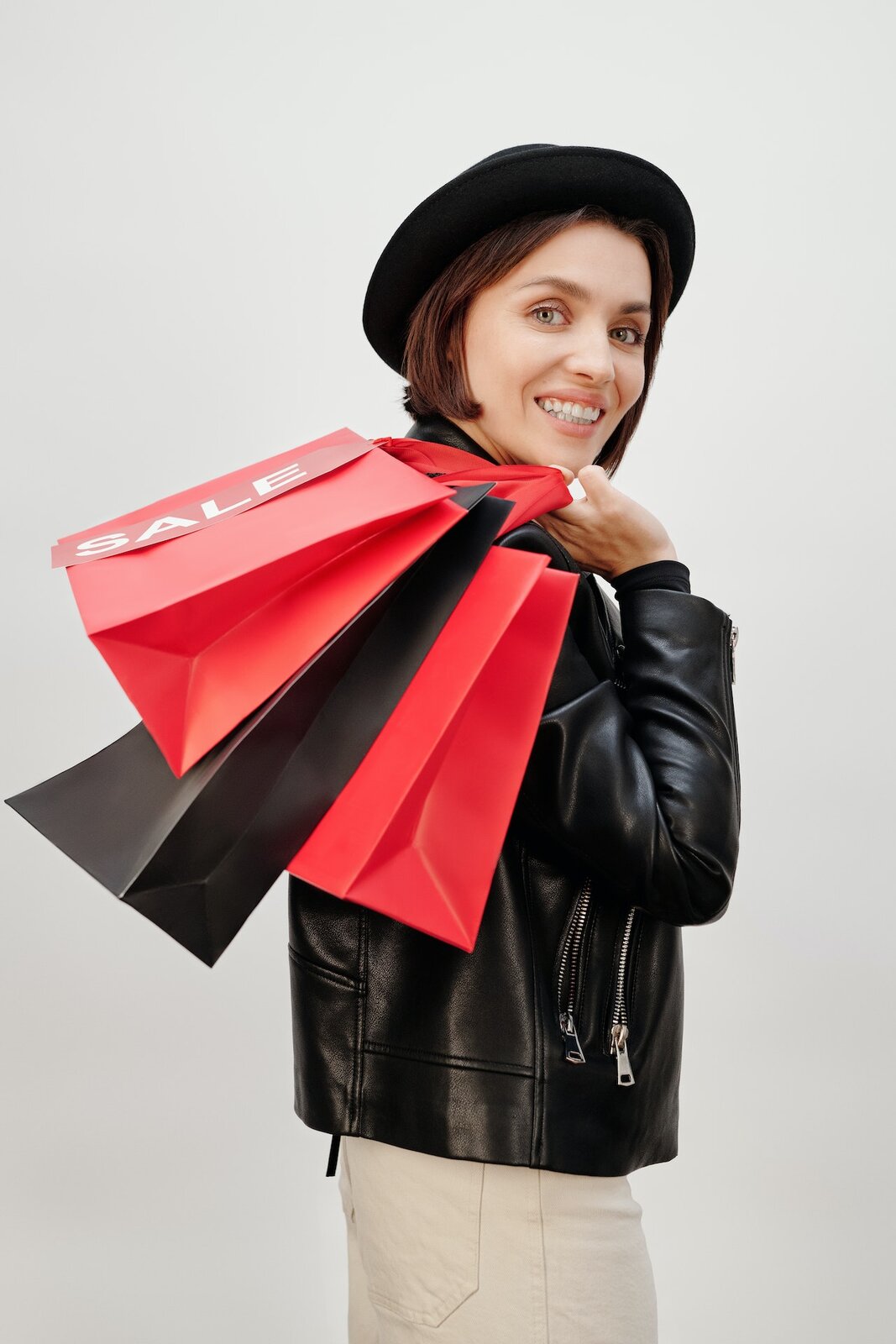
Your parents have sent you to a supermarket to buy one product, for example butter. They’ve given you more money than you will need to pay for it. You:}
a)buy butter and go home.
b) buy butter and some snacks which are currently offered at a lower price. After all, “buy one, get one free” doesn’t happen every day.
Re7p3HkGvTh0L Źródło: GroMar Sp. z o.o., licencja: CC BY-SA 3.0.It’s your pocket money payday. You:
a) put it all in your piggy bank. You’re saving money for something big.
b) spend it on some treats the same day.
RosxJ7cmgIQXn Źródło: GroMar Sp. z o.o., licencja: CC BY-SA 3.0.Which statement do you subscribe to more:
a) It’s better to set some money aside for a rainy day, you never know when it comes.
b) Spend it all today! You only live once!
R1AfXgTjHSg28 Źródło: GroMar Sp. z o.o., licencja: CC BY-SA 3.0.Your gym membership will cost 30% more from next month. You:
a) resign from it. You may as well go jogging or just exercise outdoors for free.
b) keep it and pay more. It’s a nice gym worth the money.
RmkfuZH90ChBu Źródło: GroMar Sp. z o.o., licencja: CC BY-SA 3.0.You see a nice jacket you’d like to buy but it’s quite expensive. You:
a) wait for the seasonal sale and then buy it at a discounted price.
b) buy it immediately. They may be out of stock by the time the price is reduced.
RBw6dK9ih075c Źródło: GroMar Sp. z o.o., licencja: CC BY-SA 3.0.Which is more true about you:
a) I buy new things when the old ones are worn out and need to be replaced.
b) There are so many nice things to buy and retail therapy is definitely something that cheers me up, so I buy new things quite often.
Ro6oLbDU6tE5z Źródło: GroMar Sp. z o.o., licencja: CC BY-SA 3.0.If somebody asked you how much money there is in your piggy bank or your bank account, you:
a) would be able to answer the question quite precisely. You have full control of your personal finance.
b) would have no idea whatsoever. Money comes and goes, who can keep track of it?
RE3D37VqHxFbQ Źródło: GroMar Sp. z o.o., licencja: CC BY-SA 3.0.
Read the text and do the exercise(s) below.
Shop Till You DropIs consumer societyconsumer society a derogatory termderogatory term? Its most basic definition impliesimplies so. It states that it’s a type of society which prioritises commercial exchangecommercial exchange of goods and services over all other activities. It definitely does not reflect well on people who subscribe to the ideasubscribe to the idea of consumer society in this pure meaning. When did it start and what is its position nowadays?
Not everyone realises that pervasive materialismpervasive materialism and conspicuous consumptionconspicuous consumption are relatively new additions to the history of mankind. For centuries, most people owned next to nothingnext to nothing and traded only what they absolutely needed to get byget by. To state it differently, most of us were hard‑uphard‑up most of our lives. Obviously, there have always been rare individuals that were lucky enough to amass fortunesamass fortunes, but they’ve been few and far betweenfew and far between.
How have we ended up as slaves to materialism entertaining ourselves by going on shopping spreesshopping sprees? The Industrial Revolution and gradual mechanisation, on the one hand, put more financial meansfinancial means into people’s hands and, on the flip side, led to the supply of goods largely exceedingexceeding the demand. As their wages grew, people could, after satisfying their basic needs, occasionally treat themselves totreat themselves to something redundantredundant or frivolous, such as a toy for a child or a labour‑saving utensil. Material goods started to have not only practical but also decorative function, or they simply brought pleasure.
Economic development brought about a revolution in values. Initially, shopping for pleasure was looked down onlooked down on by religious leaders who called it vanityvanity and classified as a sin. However, as economics, as a branch of science, gained more prominencegained more prominence, more and more scholars acknowledged that it was pleasure shopping that led to the emergence of stable states through the creation of employment and welfare. National prosperityprosperity was propelledpropelled by the consumers’ urge to buyurge to buy. Although philosophers, such as J.J. Rousseau, strongly opposed the idea of unlimited consumption as a way to build strong nations, one look around us nowadays leaves no doubt that we have chosen the pleasure of shopping over the virtue of a simple and ascetic life.
Since more products are made than the society can ever absorb, consumers started to be manipulated intobe manipulated into buying ever‑increasing amounts of commoditiescommodities. It was an advent ofadvent of advertising and later such phenomena as planned obsolescenceplanned obsolescence. The first one coaxes people intocoaxes people into believing that they need products whose existence they didn’t even realise. The latter forces people to replace their electronic devices and household applianceshousehold appliances more often than they would like to. Both have led to the emergence of a new type of consumer.
Financial freedom in combination with a huge arrayarray of products and their accessibility have significantly affected contemporary people’s spending habitsspending habits. Nowadays, not only cashed‑upcashed‑up employees of big business can afford to buy on a whim.buy on a whim. Clothes which are easy on the pocketbookeasy on the pocketbook or bric‑a-bracbric‑a-brac which are inexpensive and soon land at the bottom of the cupboard have their irresistible appealirresistible appeal to people with lower incomes at their disposalat their disposal.
Financial institutions happily support consumers in this madness. Services offered by banks, such as credit cardscredit cards and overdraftoverdraft, encourage careless spendingcareless spending. More and more consumers end up as victims of credit card debt, which they find increasingly difficult to pay off. There is a lot of social pressure to keep up with the Joneseskeep up with the Joneses, but it’s not impossible to leave this vicious circlevicious circle of earning to spendearning to spend. Financial stability ensures mental and physical well‑being. People need to learn how to relish it and use it to their benefit and not demisedemise.
Źródło: Anna Posyniak-Dutka, dostępny w internecie: https://www.debt.org/faqs/americans-in-debt/demographics/ [dostęp 26.07.2022], https://en.wikipedia.org/wiki/Consumerism [dostęp 26.07.2022], https://www.youtube.com/watch?v=Y-Unq3R--M0 [dostęp 26.07.2022], https://en.wikipedia.org/wiki/Planned_obsolescence#Software_lock-out [dostęp 26.07.2022], https://en.wikipedia.org/wiki/Slow_living [dostęp 26.07.2022], https://www.oxfordlearnersdictionaries.com [dostęp 26.07.2022], https://languages.oup.com/google-dictionary-en [dostęp 26.07.2022], licencja: CC BY-SA 3.0.
A) only its fundamental meaning is taken into account.
B) it is used to describe a society for which buying and selling commodities is the most important activity.
C) it describes people for whom trading goods has superior value over all other activities.
D) all of the above.
2. For the biggest part of the history of humankind:
A) the majority of people were poor.
B) most people possessed absolutely nothing.
C) many people made a living selling everything they had.
D) people who made fortunes lived far away from each other.
3. As a result of the Industrial Revolution:
A) many people were sold into slavery.
B) people’s financial wellbeing started to improve.
C) people’s needs were finally satisfied.
D) people produced many unnecessary things.
4. The opinions about the importance of economic growth
A) were unanimously negative at the beginning.
B) were mostly formed and spread by the church.
C) varied quite significantly.
D) were all criticised by J.J. Rousseau.
5. Advertising was introduced in order to
A) sell obsolete products to people.
B) help companies sell the growing amounts of products.
C) fulfil people’s needs to possess more household appliances.
D) help people exchange their electronic devices for new ones.
6. How have people’s spending habits changed?
A) There are more rich people who spend large amounts of money.
B) People who don’t earn much started to spend more on unnecessary items.
C) People who earn a lot spend less.
D) There are more poor people who don’t have enough money to satisfy their needs.
a) pay a regular subscription to
b) agree with the concept of
c) debunk the myth of
2. Not everyone realises that conspicuous consumption is a relatively new addition to the history of mankind.
a) extravagant spending
b) overuse of resources
c) eating in public places
3. How have we ended up slaves to materialism entertaining ourselves by going on shopping sprees?
a) many-hour expeditions in shopping centres
b) retail therapies
c) second-hand goods sales
4. However, economics, as a branch of science, gained more prominence.
a) was studied by more students
b) earned more money for universities
c) became more important
5. Clothes which are easy on the pocketbook have their irresistible appeal.
a) are easily available
b) are very tempting
c) look good
Answer the question in 6–7 sentences.
Do you agree that the downsides of consumerism outweigh its advantages? Why? Why not?
What is planned obsolescence? Study the recording about planned obsolescence, a method of forcing consumers to buy certain devices more often than their standard wear and tear would require. Then, do the exercises below.
Nagranie dostępne pod adresem https://zpe.gov.pl/a/DfzljwyxE
Nagranie dźwiękowe
Explain in your own words what planned obsolescence is. Where do you stand regarding such practices? Write 7–8 sentences.
Słownik
/ əˈmæs ˈfɔːtʃuːnz / / əˈmæs ə ˈfɔːtʃuːn /
zgromadzić fortuny [zgromadzić fortunę] (to collect something/money, especially in large quantities over a period of time)
/ ət ðeə dɪˈspəʊzl̩ / / ət wʌnz dɪˈspəʊzl̩ /
do swojej dyspozycji [do czyjejś dyspozycji] (available for use as somebody prefers)
/ bi fjuː ənd ˈfɑː bɪˈtwiːn /
rzadko spotykany (not very many or not appearing very frequently)
/ bi məˈnɪpjʊleɪtɪd ˈɪntə / / məˈnɪpjʊleɪt ˈsʌmbədi ˈɪntə /
być wmanipulowanym w coś [wmanipulować kogoś w coś] (to control or influence somebody/something, often in a dishonest way so that they do not realise it)
/ ˈbrɪk ə bræk /
bibeloty (ornaments and other small attractive objects of little value)
/ baɪ ˈɒn ə wɪm /
kupować pod wpływem impulsu (to buy something because of a sudden desire, especially when it is something unusual or unnecessary)
/ ˈkeələs ˈspendɪŋ /
nierozważne wydawanie pieniędzy (shopping in a wasteful way)
/ ˌkæʃt ˈʌp /
nadziani/nadziane, bogaci/bogate (having a lot of money available to spend)
/ ˈkəʊksɪz ˈpiːpl̩ ˈɪntə / / kəʊks ˈsʌmwʌn ˈɪntə /
nakłania ludzi do [nakłaniać ludzi do] (to persuade somebody to do something by talking to them in a kind and gentle way)
/ kəˈmɜːʃl̩ ɪkˈstʃeɪndʒ /
wymiana handlowa (an act of giving something to somebody and receiving something in return connected with the buying and selling of goods and services)
/ kəˈmɒdɪtɪz / / kəˈmɒdɪti /
towary [towar] (products or a raw materials that can be bought and sold)
/ kənˈspɪkjʊəs kənˈsʌmpʃn̩ /
szpan, ostentacyjna konsumpcja, ostentacyjne wydawanie pieniędzy (expenditure on or consumption of luxuries on a lavish scale in an attempt to enhance one's prestige)
/ kənˈsjuːmə səˈsaɪəti /
społeczeństwo konsumenckie (a society in which the buying and selling of goods and services is the most important social and economic activity)
/ ˈkredɪt kɑːdz / / ˈkredɪt kɑːd /
karty kredytowe [karta kredytowa] (a small plastic card issued by a bank, building society, etc., allowing the holder to purchase goods or services on credit)
/ dɪˈmaɪz /
upadek, schyłek (the end or failure of an institution, an idea, a company, etc)
/ dɪˈrɒɡətr̩i tɜːm /
obraźliwy termin (a phrase showing a critical attitude and lack of respect for somebody)
/ ˈɜːnɪŋ tu spend / / ɜːn tu spend /
zarabianie, żeby wydawać [zarabiać, żeby wydać] (making money with the aim of spending it all)
/ ˈiːzi ˈɒn ðə ˈpɒkɪtbʊk /
tani/tania, niedrogi/niedroga (cheap, affordable)
/ ɪkˈsiːdɪŋ / / ɪkˈsiːd /
przewyższający/przewyższająca [przewyższać] (greater than a particular number or amount)
/ faɪˈnænʃl̩ miːnz /
środki finansowe (money to buy something)
/ ɡeɪnd mɔː ˈprɒmɪnəns / / ɡeɪn ˈprɒmɪnəns /
zyskały na znaczeniu [zyskiwać na znaczeniu] (become important, famous, or noticeable)
/ ˈget baɪ /
radzić sobie finansowo, przeżyć przy niewielkich dochodach (to manage to live or do a particular thing using the money, knowledge, equipment, etc. that you have)
/ ˌhɑːd ˈʌp /
spłukany/spłukana (having very little money, especially for a short period of time)
/ ˈhaʊshəʊld əˈplaɪənsɪz / / ˈhaʊshəʊld əˈplaɪəns /
urządzenia gospodarstwa domowego [urządzenie gospodarstwa domowego] (devices or pieces of equipment designed to perform a specific task, such as cooking or cleaning, in the home)
/ ɪmˈplaɪz / / ɪmˈplaɪ /
sugeruje [sugerować] (to suggest that something is true or that you feel or think something, without saying so directly)
/ ˌɪrɪˈzɪstəbl̩ əˈpiːl /
nieodparty urok (serious, urgent, or heartfelt request too attractive and tempting to be resisted)
/ kiːp ˈʌp wɪð ðə ˈdʒəʊnzəz /
nadążać za innymi (try to emulate or not be outdone by one's neighbours or other people)
/ ˈlʊkt daʊn ɒn / / ˈlʊk daʊn ɒn /
krytykowane [patrzeć z góry, krytykować] (to think that you are better than somebody)
/ nekst tu ˈnʌthetaɪŋ /
prawie nic (almost nothing)
/ pəˈveɪsɪv məˈtɪərɪəlɪzəm /
wszechobecny materializm (the belief that money, possessions and physical comforts are more important than spiritual values spreading widely throughout an area or a group of people.
/ plænd ˌɒbsəˈlesns /
zakładana żywotność urządzenia, planowane starzenie się (produktu), amortyzacja sprzętu (a business strategy to deliberately make products that rapidly become obsolete: unfashionable or no longer usable)
/ prɒˈsperɪti /
dobrobyt (the state of being successful, especially in making money)
/ rɪˈdʌndənt /
zbędnym [zbędny/zbędna] (not needed or useful)
/ ˈʃɒpɪŋ spriː /
zakupowe szaleństwo (a short period of time in which someone buys a lot of often unnecessary things)
/ ˈspendɪŋ ˈhæbɪts / / ˈspendɪŋ ˈhæbɪt /
zwyczaje związane z wydawaniem pieniędzy [zwyczaj związany z wydawaniem pieniędzy] (the usual way people spend money)
/ ˈspendthetarɪft /
osoba rozrzutna (a person who spends too much money or who wastes money)
/ səbˈskraɪb tu ði aɪˈdɪə /
zgadzają się z tym konceptem [zgadzać się z konceptem] (to express or feel agreement with an idea or a proposal)
/ triːt ðəmˈselvz tuː / / triːt wʌnˈself tuː /
uraczyć się czymś (to pay for something that somebody/you will enjoy and that you do not usually have or do)
/ ɜːdʒ tu baɪ /
chęć kupowania (a strong desire to buy something)
/ ˈvænɪti /
próżność (the fact of being too proud of your own appearance, abilities or achievements)
/ weər ənd teə /
normalne zużycie w trakcie eksploatacji [the damage that happens to an object in ordinary use during a period of time]
/ ˈvɪʃəs ˈsɜːkl̩ /
błędne koło (a situation in which one problem causes another problem which then makes the first problem worse)
Źródło: GroMar Sp. z o.o., licencja: CC BY‑SA 3.0