Search the Internet, the textbook and the e‑textbook for the information on bonds in the water molecule. Build such molecule on the interactive board using the Lewis structure for hydrogen and oxygen.
RiDZUWIQha7U3
Write the electron formula for the water molecule.
Write the electron formula for the water molecule.
Write the electron formula for the water molecule.
Task 2
Watch the presentation „The formation of a hydrogen chloride molecule” and pay attention to how hydrogen and chloride atoms bond.
RIZXmmyzmnQ1l
Ilustracja przedstawia tytuł prezentacji: Tworzenie cząsteczki chlorowodoru. Ilustracja zawiera anglojęzyczne nazwy the formation of a hydrogen chloride molecule.
How is a hydrogen chloride molecule formed? We will show it step by step.
Source: GroMar Sp. z o.o., licencja: CC BY-SA 3.0.
RAOcUjBtbSDX8
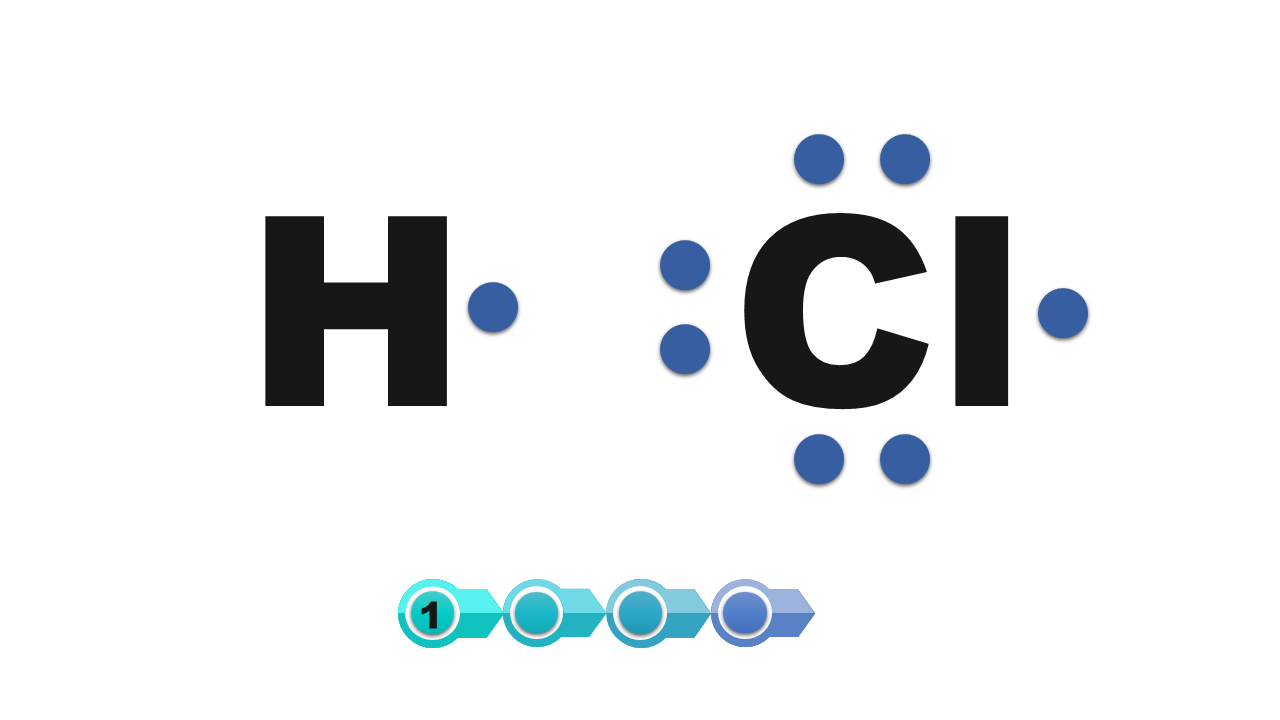
Ilustracja przedstawia symbol atomu wodoru z jednym elektronem i symbol atomu chloru z siedmioma elektronami walencyjnymi.
First step. We determine the number of valence electrons in the atoms of hydrogen and chlorine. Hydrogen is in the first group of the periodic table of elements, therefore it has 1 valence electron. Chlorine is in the 17th group of the periodic table of elements, therefore it has 7 valence electrons.
Source: GroMar Sp. z o.o., licencja: CC BY-SA 3.0.
R1KkU7Ukvtd3Y
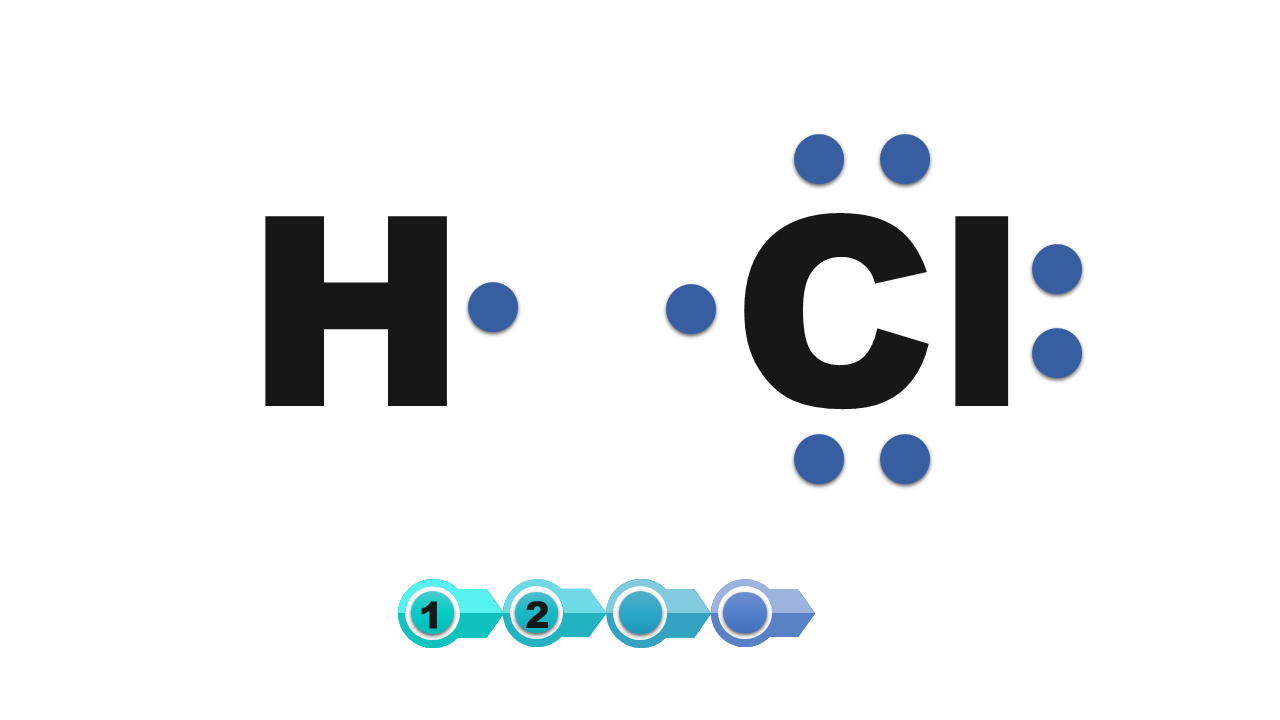
Ilustracja przedstawia symbol atomu wodoru z jednym elektronem i symbol atomu chloru z siedmioma elektronami walencyjnymi
Step two. We determine how many electrons are missing to create electron pairs. The hydrogen atom has 1 valence electron, so one electron is missing to create an electron pair. It will be shared with one chlorine atom in which one of the seven valence electrons is unpaired. Thus, in the molecule of the hydrogen chloride formed, the atoms form the following configurations on the last coatings: a hydrogen atom - a pair of electrons, or two, a chlorine atom - eight electrons.
Source: GroMar Sp. z o.o., licencja: CC BY-SA 3.0.
Ru3hN2LP0XkUf
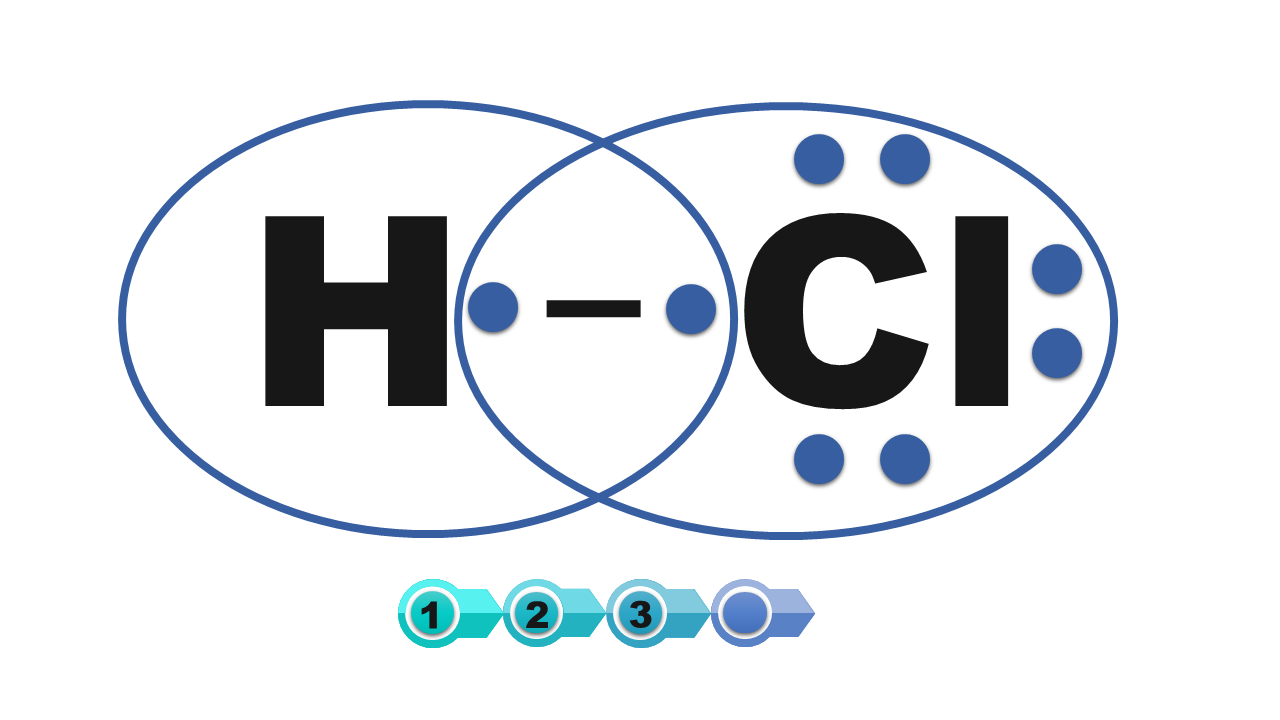
Ilustracja przedstawia połączenie elektronu atomu wodoru z elektronem atomu chloru. Na skutek czego powstaje wiązanie chemiczne.
Step three. Let's now write an electron formula and determine the number of common electron pairs. The molecule of hydrogen chloride produces 1 single bond. As a result, a durable electron configuration of noble gas is created: the hydrogen atom - helium, the chlorine atom - argon.
Source: GroMar Sp. z o.o., licencja: CC BY-SA 3.0.
R12qExglR81Fm
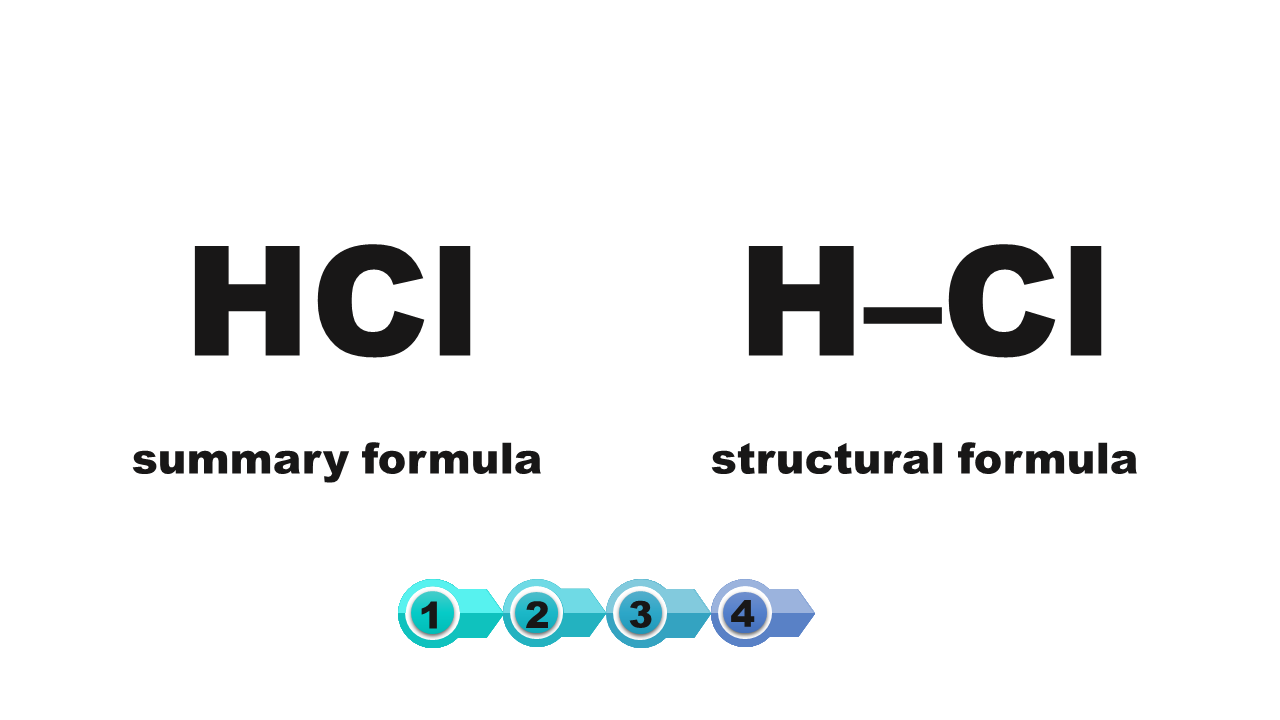
Ilustracja przedstawia wzory sumaryczny i strukturalny związku kwasu solnego, ha ce el. Wzór sumaryczny to ha ce el. Wzór strukturalny zapisany jest jako atom wodoru połączony pojedynczym wiązaniem z atomem chloru.
The fourth and last step: we write the summary and structural formulas of hydrogen chloride.
Source: GroMar Sp. z o.o., licencja: CC BY-SA 3.0.
R9YqrfMnZTpAK
Nagranie audio prezentujące the formation of HCI molecule.
Nagranie audio prezentujące the formation of HCI molecule.
Nagranie audio prezentujące the formation of HCI molecule.
The electron pair between the atoms of hydrogen and chlorine in the hydrogen chloride molecule does not belong equally to both atoms, but is shifted towards the one that more strongly attracts electrons, in this case – towards the chlorine atom. The described bond is a special type of covalent bond, called polar covalent bond (polar atomic bond)polar covalent bond (polar atomic bond)polar covalent bond (polar atomic bond).
The polar covalent bond is formed between atoms belonging to different nonmetals. They share electrons, and the formed bonding pair or pairs of electrons are shifted towards the atom with a greater electron attracting capacity. Most often it is an atom with a higher number of electrons on the last energy level.
RXv5UUU6nYtf0
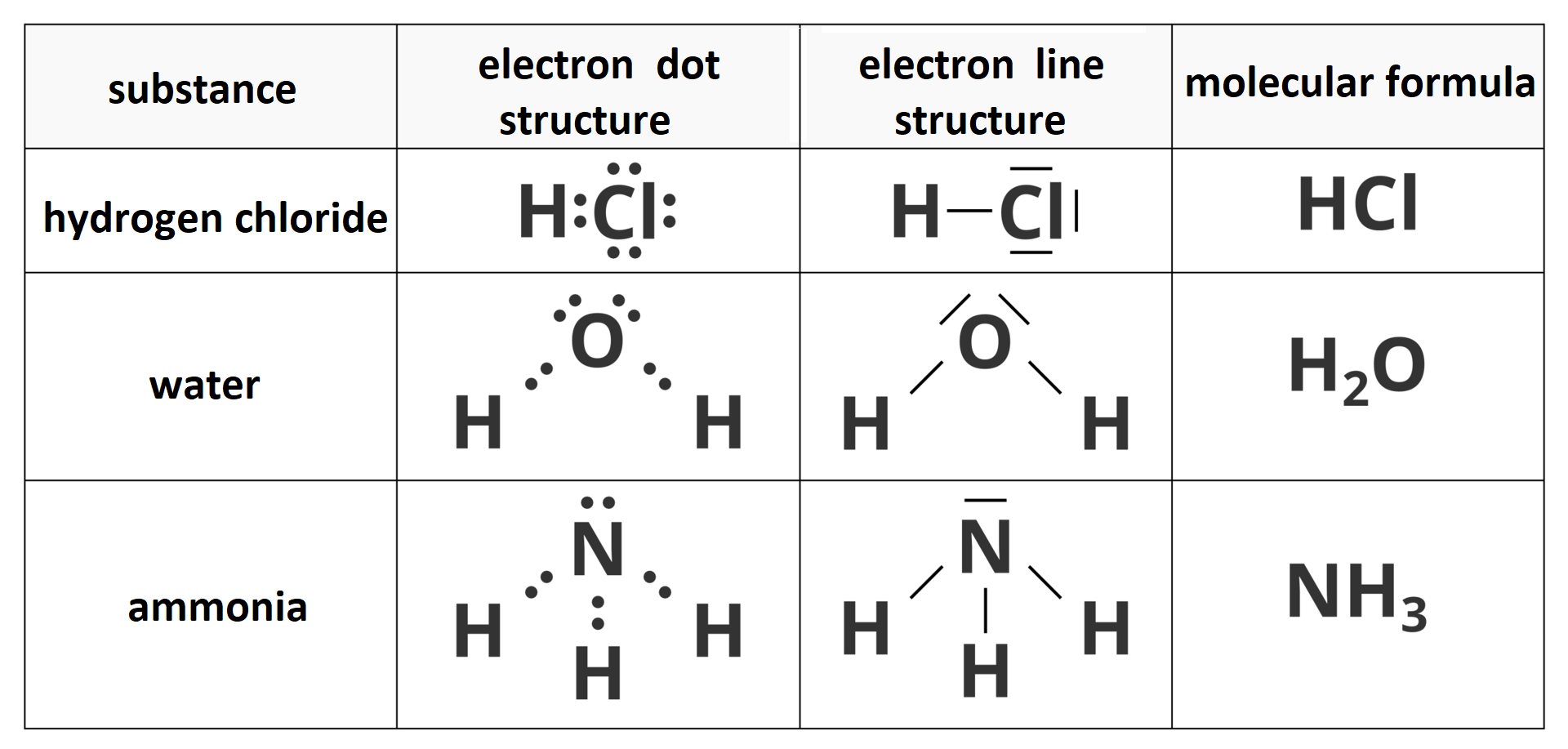
Ilustracja przedstawia tabelę z rodzajami substancji (chlorek wodoru, ha ce el - hydrogen chloride, woda ha dwa o - water, amoniak en ha trzy - ammonia) oraz poszczególnymi wzorami elektronowymi, a także wzorami sumarycznymi. Wzór elektronowy chlorowodoru: narysowane osiem elektronów - dwa pomiędzy atomem wodoru i chloru, pozostałe po dwa nad atomem chloru, pod i po prawej stronie, wody narysowano osiem elektronów - po dwa pomiędzy atomem tlenu a dwoma atomami wodoru, cztery nad atomem tlenu, amoniaku narysowano osiem elektronów - po dwa od atomu azotu do trzech atomów wodoru, dwa nad atomem azotu. Wzory strukturalne: w miejscu par elektronów kreski - wiązania pojedyncze. Ilustracja zawiera anglojęzyczne słownictwo: substance, electron dot structure, electron line stucture, molecular formula, hydrogen chloride, water, ammonia.
Formulas of illustrative chemical compounds built from molecules with polar covalent bonds
Carbon dioxide molecular structure
Atoms of various nonmetals can share more than 1 pair of electrons. An example of a chemical compound in whose molecules this process occurs is carbon dioxide. Its molecules are composed of 2 oxygen atoms connected to one carbon atom.
The carbon atom is in the 14th group of the periodic table and its last electron energy level is formed by 4 electrons. Oxygen atoms have 6 valence electrons. Each of the atoms in the carbon dioxide molecule complements its last energy level to 8 electrons: oxygen atoms give 2 electrons each for shared use with a carbon atom, and a carbon atom shares also 2 electrons with each of them. It can be calculated that for the formation of bonds, oxygen atoms use 2 electrons, while the carbon atom – a total of 4 electrons.
R1JThI2i1ytLT
Ilustracja przedstawia wzór elektronowy dwutlenku węgla. Atom tlenu ma sześć elektronów walencyjnych, atom węgla cztery elektrony walencyjne, kolejny atom tlenu sześć.
Lewis dot structure of the carbon dioxide molecule
A molecule of carbon dioxide has the following molecular formula: .
RpWdyMKuEzNCa
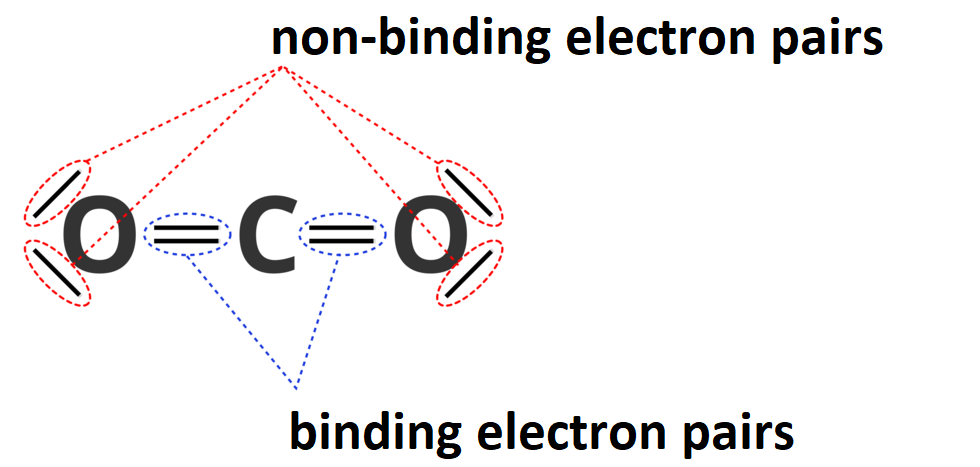
Ilustracja przedstawia wiążące i niewiążące (wolne) pary elektronów w dwutlenku węgla. Pary wiążące: to te znajdujące się pomiędzy symbolem atomu węgla a symbolami atomów tlenu. Niewiążące to te leżące na zewnątrz symboli atomów tlenu. Ilustracja zawiera anglojęzyczne nazwy: non-binding electron pairs, binding electron pairs.
The atoms of oxygen and carbon differ in the ability to attract electrons, the oxygen atom has stronger properties in this respect. For this reason, in the carbon dioxide molecule, bonding pairs of electrons are closer to the atoms of oxygen.
R1XmsDpZgENtN
Ilustracja pokazuje, że przyciąganie elektronów przez atomy tlenu w cząsteczce dwutlenku węgla jest większe niż atomu węgla. Elektrony między symbolami atomów tlenu a symbolem atomu węgla są wzięte w strzałkę skierowaną w stronę: od symbolu atomu węgla do symbolu atomu tlenu.
Atoms of oxygen in the molecule of carbon dioxide attract electrons stronger than an atom of carbon
RqkMXwCsypXVZ
Ilustracja przedstawia tabelę przedstawiającą charakterystykę dwutlenku węgla: elektronową strukturę, typ wiązania, liczbę atomów w cząsteczce oraz wzór sumaryczny. Struktura elektronowa (electron dot structure): atom tlenu ma sześć elektronów walencyjnych, atom węgla cztery elektrony walencyjne, kolejny atom tlenu sześć. Elektronowy wzór kreskowy: atom węgla połączony jest podwójnymi wiązaniami z dwoma atomami tlenu. Typ wiązania (type of chemical bonds): kowalencyjne spolaryzowane (covalent polarized). Liczba atomów w cząsteczce - trzy. Wzór sumaryczny (total molecular formula): ce o dwa.
Carbon dioxide molecular structure
Tasks
R15hh3YSZbv6A
Exercise 1
Mark true statements. Możliwe odpowiedzi: 1. The chemical bond consisting in the joining of atoms by means of shared electron pairs which are shifted towards the atom that attracts electrons stronger, is a polar covalent bond., 2. The ammonia molecule has one triple chemical bond., 3. Dipole is a molecule with two similarly charged poles., 4. A water molecule is a dipole., 5. There are two double bonds in the carbon dioxide molecule., 6. There is one double bond in the water molecule.
Mark true statements. Możliwe odpowiedzi: 1. The chemical bond consisting in the joining of atoms by means of shared electron pairs which are shifted towards the atom that attracts electrons stronger, is a polar covalent bond., 2. The ammonia molecule has one triple chemical bond., 3. Dipole is a molecule with two similarly charged poles., 4. A water molecule is a dipole., 5. There are two double bonds in the carbon dioxide molecule., 6. There is one double bond in the water molecule.
Mark true statements.
The chemical bond consisting in the joining of atoms by means of shared electron pairs which are shifted towards the atom that attracts electrons stronger, is a polar covalent bond.
The ammonia molecule has one triple chemical bond.
Dipole is a molecule with two similarly charged poles.
A water molecule is a dipole.
There are two double bonds in the carbon dioxide molecule.
There is one double bond in the water molecule.
Summary
The chemical bond bind atoms together.
When atoms are connected by a covalent (atomic) bond, they share 1, 2 or maximum 3 pairs of electrons.
Each chemical element, if possible, strives to attain electron configuration of the noble gas closest in the periodic table.
Atoms of nonmetals form covalent bonds.
Atoms belonging to different nonmetals form polar covalent bonds.
Structures built of atoms connected by a covalent (atomic) bond are called molecules.
Atoms in the following molecules: , , form covalent (atomic) bonds and their bonding pairs of electrons are equally shared by both atoms in the molecule.
In the molecules: , , , there are polar covalent bonds, formed by common pairs of electrons located closer to atoms with a greater number of valence electrons.
RtumI0RxylD611
Grafika przedstawiająca tablicę szkolną, na której znajdują się zdania do dokończenia. Finish selected sentences. 1 It was easy for me (uzupełnij). 2 It was difficult for me (uzupełnij). 3 Today I learned (uzupełnij). 4 I understood that (uzupełnij). 5 It surprised me (uzupełnij).
Grafika przedstawiająca tablicę szkolną, na której znajdują się zdania do dokończenia. Finish selected sentences. 1 It was easy for me (uzupełnij). 2 It was difficult for me (uzupełnij). 3 Today I learned (uzupełnij). 4 I understood that (uzupełnij). 5 It surprised me (uzupełnij).
Source: GroMar Sp. z o.o., licencja: CC BY-SA 3.0.
Homework
Task 3.1
Fluoride is a chemical element that at room temperature occurs in the form of diatomic molecules. Draw the Lewis dot and dash structure and the molecular formula for its molecule. Indicate bonding and nonbonding pairs of electrons in the Lewis dash structure.
wiązanie kowalencyjne spolaryzowane (wiązanie atomowe spolaryzowane) – wiązanie chemiczne polegające na tworzeniu wspólnych par elektronowych (maksymalnie trzech), które są przesunięte w kierunku atomu silniej przyciągającego elektrony
wzór sumaryczny – wzór przedstawiający liczbę i rodzaj atomów wchodzących w skład najmniejszej struktury zbudowanej z atomów połączonych ze sobą za pomocą wiązań chemicznych, np. wzór cząsteczki