The Tatra Mountains – the landscape of high mountains
the characteristic features of mountains of medium height;
the characteristics of the mountain weather
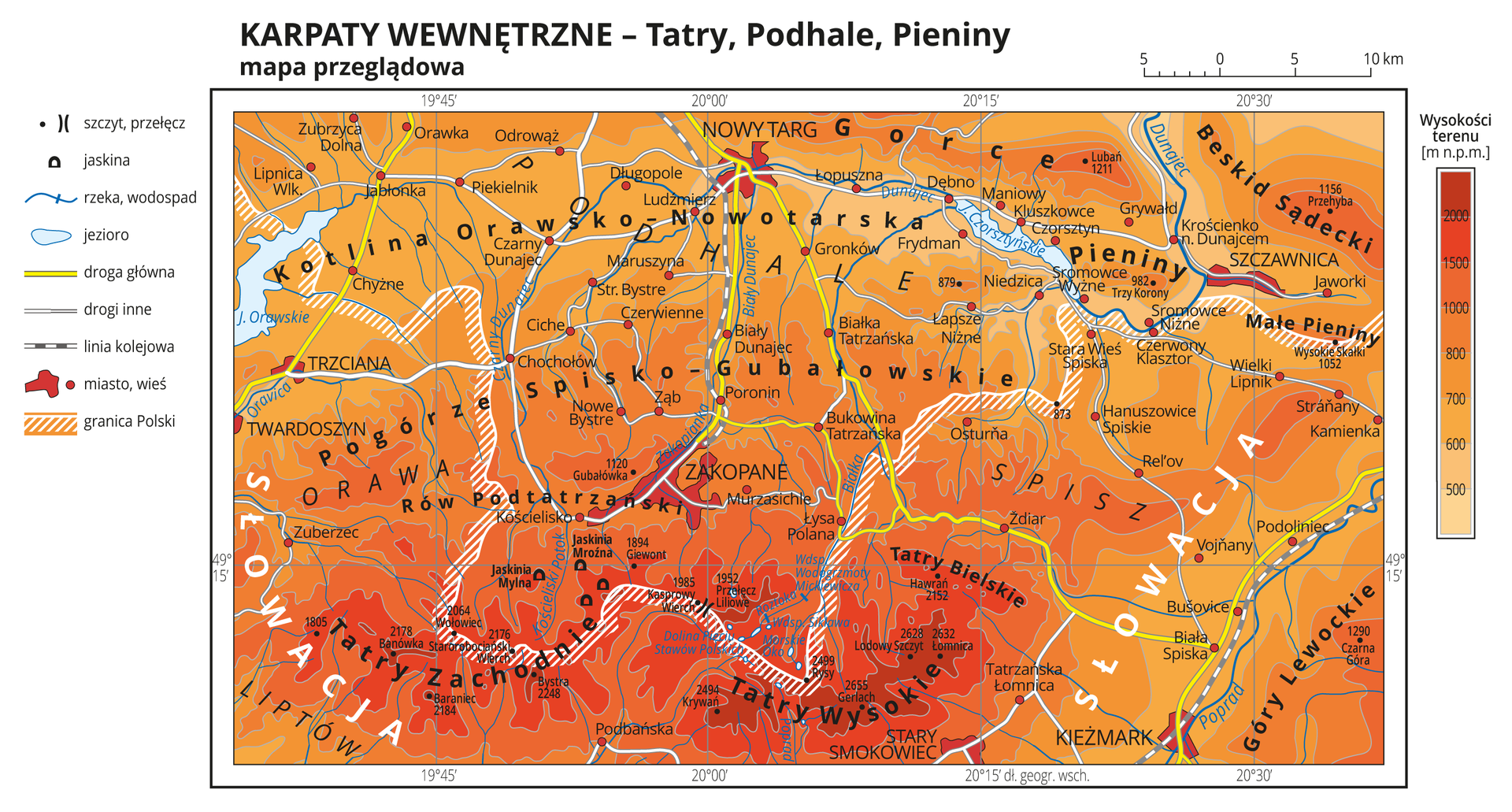
to show the location of the Tatra Mountains and their highest peaks on the map;
to describe the main features of the landscape of high mountains;
to discuss climatic phenomena occurring in high mountains.
The location and environment of the Tatra Mountains
In southern Poland, there is the only fragment of high mountainshigh mountains in our territory – the Tatra Mountains. They are the highest mountain range in the Carpathian Mountains. A larger part of these mountains with the highest peak (Gerlach, 2655 metres above mean sea level) is situated in the neighbouring Slovakia. One of the summits of the Rysy mountain is the highest point in Poland with an altitude of 2499 metres above mean sea level.
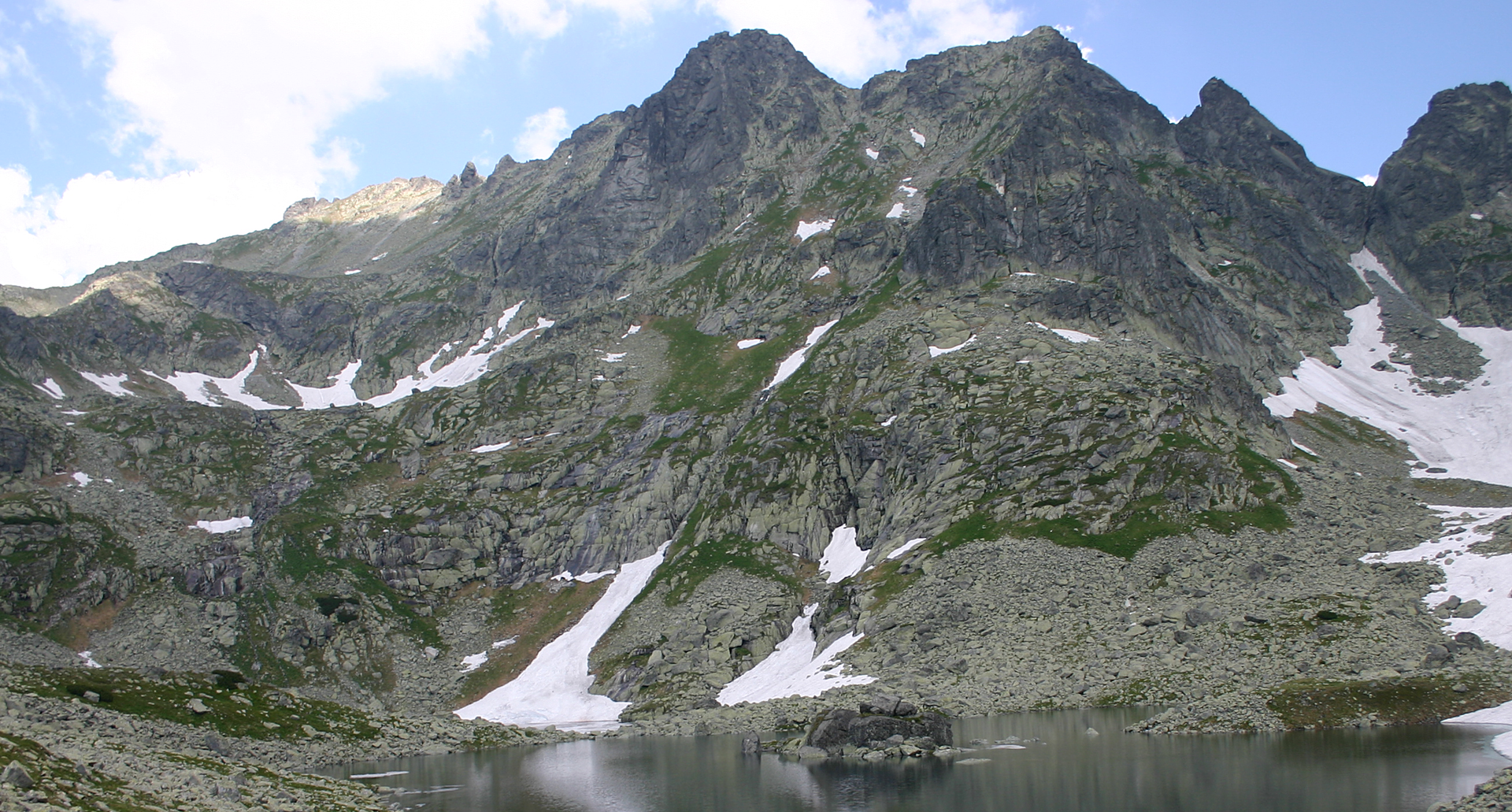
The landscape of the Tatras differs from the landscape of medium‑height mountains that we are already familiar with. In high mountains, there are deep valleys, some of them have a characteristic U‑shape. The Tatra slopes are steep. In the lower part, they are often covered by broken rock fragments which in these mountains are called screescree. Scree consists of rock fragments which ascend downwards in couloirscouloirs - steep gullies in the mountainside. Between some peaks, there are rocky ridges called arêtesarêtes. Similar forms can be encountered in the Alps, and this is why both the Tatras and other high mountains with similar terrain characteristics are called alpine mountains.
The highest parts of the Tatra Mountains, called the High Tatras are mainly made of granite‑like rocks. The lower parts are dominated by metamorphic and sedimentary rocks. In the Western Tatras, where limestones and dolomites occur, various karstic phenomena are clearly visible, including the largest caves in Poland.
To enjoy hiking trips in the Tatras, you need to be fit and you must be able to move carefully. Hikers are not allowed to stray from designated routes there, as it can be extremely dangerous.
The Tatra Mountains have the lowest mean annual air temperature in Poland, the highest rainfall and strong winds. A special type of wind is halnyhalny - foehn wind. Due to the phenomena that take place in these masses of air, when it snows or rains on the Slovakian side of the Tatras, a turbulent, warm and dry wind blows on the Polish side.
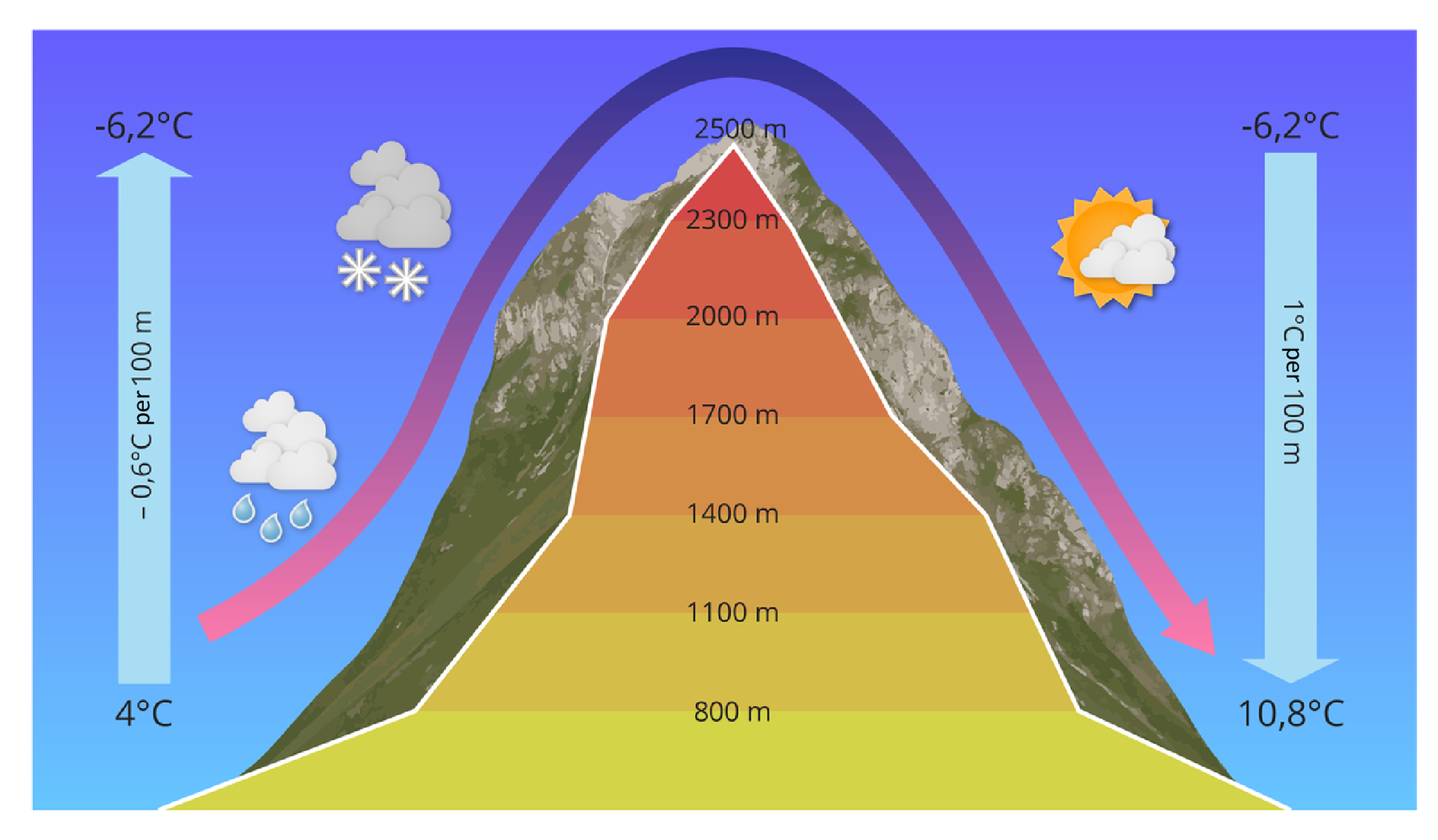
The foehn wind (halny) can be dangerous: it quickly destroys the snow cover and sometimes even blows away roofs from houses. When halny blows many people find it difficult to fall asleep or have problems with their blood pressure.
Human activity in the Tatra Mountains
In the Tatra Mountains, there are many plants and animals that are not found anywhere else in Poland. In order to limit human activity and its impact on nature, the whole area of the Tatras is protected as the Tatra National Park.
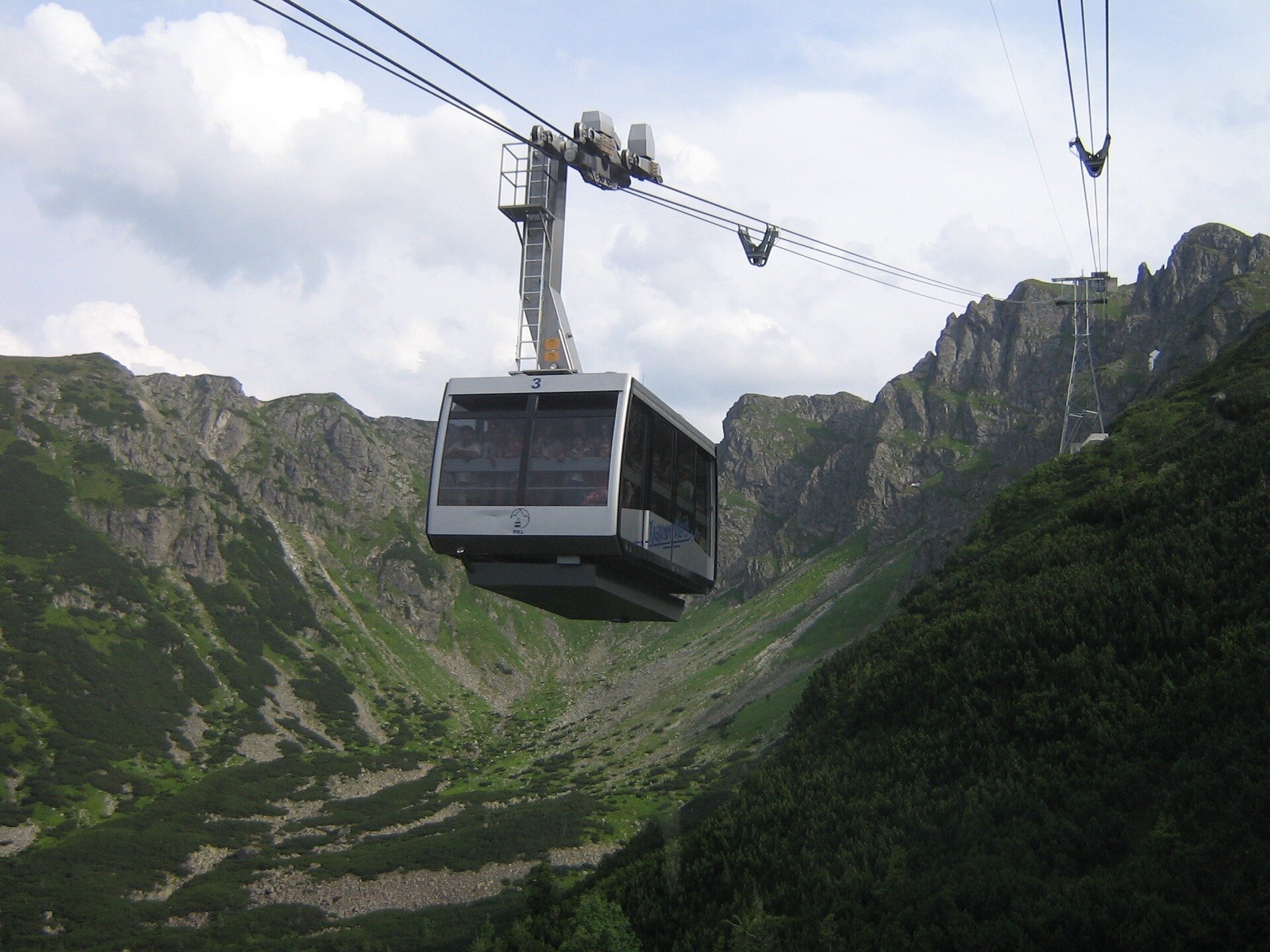
Today, human activity in the Tatras takes into account environmental protection and tourism related objectives. There are no industrial plants here, tree felling was stopped and former logging sites have been reforested as much as possible. The number of sheep grazing in the valleys and in the mountain pastures is limited. Mountain animals are protected. Cable cars, ski‑lifts, ski slopes and ski jumping hills have been left in their original locations and have not been expanded to new areas.
Match the pairs: English words with Polish definition.
(wiatr halny) --- polska nazwa gwałtownego, porywistego, ciepłego i suchego wiatru wiejącego w kierunku dolin u podnóży gór; w Polsce szczególnie silny u podnóża Tatr, długa, wąska, wklęsła forma na stromym stoku ukształtowana przez płynącą wodę i zsuwające się lawiny kamienne, zwykle ostry i skalisty grzbiet z wyraźną krawędzią, na której zbiegają się strome stoki, góry o wysokościach bezwzględnych przekraczających 1500 m n.p.m., zwykle o stromych stokach i ostro zakończonych szczytach, w górnych partiach pozbawione roślinności, używana w Tatrach nazwa skalnego rumowiska na stoku stromej góry i u jej podnóża
| arête | |
| high mountains | |
| halny | |
| scree | |
| couloir |
Summary
The Tatras are the only high mountains in Poland; their larger part is located in Slovakia.
In the Tatras, you can see typical forms of a high‑mountain landscape, such as scree, gullies and arêtes.
The Tatra National Park has been established to ensure protection for nature that can be found nowhere else.
Keywords
the Tatras, high mountains, Zakopane
Glossary
grań – zwykle ostry i skalisty grzbiet z wyraźną krawędzią, na której zbiegają się strome stoki
góry wysokie – góry o wysokościach bezwzględnych przekraczających 1500 m n.p.m., zwykle o stromych stokach i ostro zakończonych szczytach, w górnych partiach pozbawione roślinności
halny – (wiatr halny) – polska nazwa gwałtownego, porywistego, ciepłego i suchego wiatru wiejącego w kierunku dolin u podnóży gór; w Polsce szczególnie silny u podnóża Tatr
piarg – używana w Tatrach nazwa skalnego rumowiska na stoku stromej góry i u jej podnóża
żleb – długa, wąska, wklęsła forma na stromym stoku ukształtowana przez płynącą wodę i zsuwające się lawiny kamienne