Destroying, transporting and building the activity of rivers and seas
what is inside the Earth;
how the internal forces of the Earth work, shaping its surface;
what is mass wasting and how it shapes the surface of our planet;
how winds form the terrain.
to explain the terms: erosion, accumulation, abrasion;
to give examples of destructive, transporting or constructive action of rivers and seas;
to explain how a river or the sea impacts the terrain in your neighbourhood.
Nagranie dostępne na portalu epodreczniki.pl
nagranie abstraktu
Destructive, transporting and constructive action of rivers and seas
Moving waters can destroy rocks mechanically. This process is called erosionerosion. Fragments of rocks transported by water hit the bottom and the banks, destroying them more extensively than the water itself. At first, sharp‑edged chips of rock are polished and rounded, becoming pebbles, then gravel, sand, and finally even finer grains. Water can transport fragmented pieces of rock over vast distances, finally to deposit them on the way or at the end of the flow, which is called accumulationaccumulation.
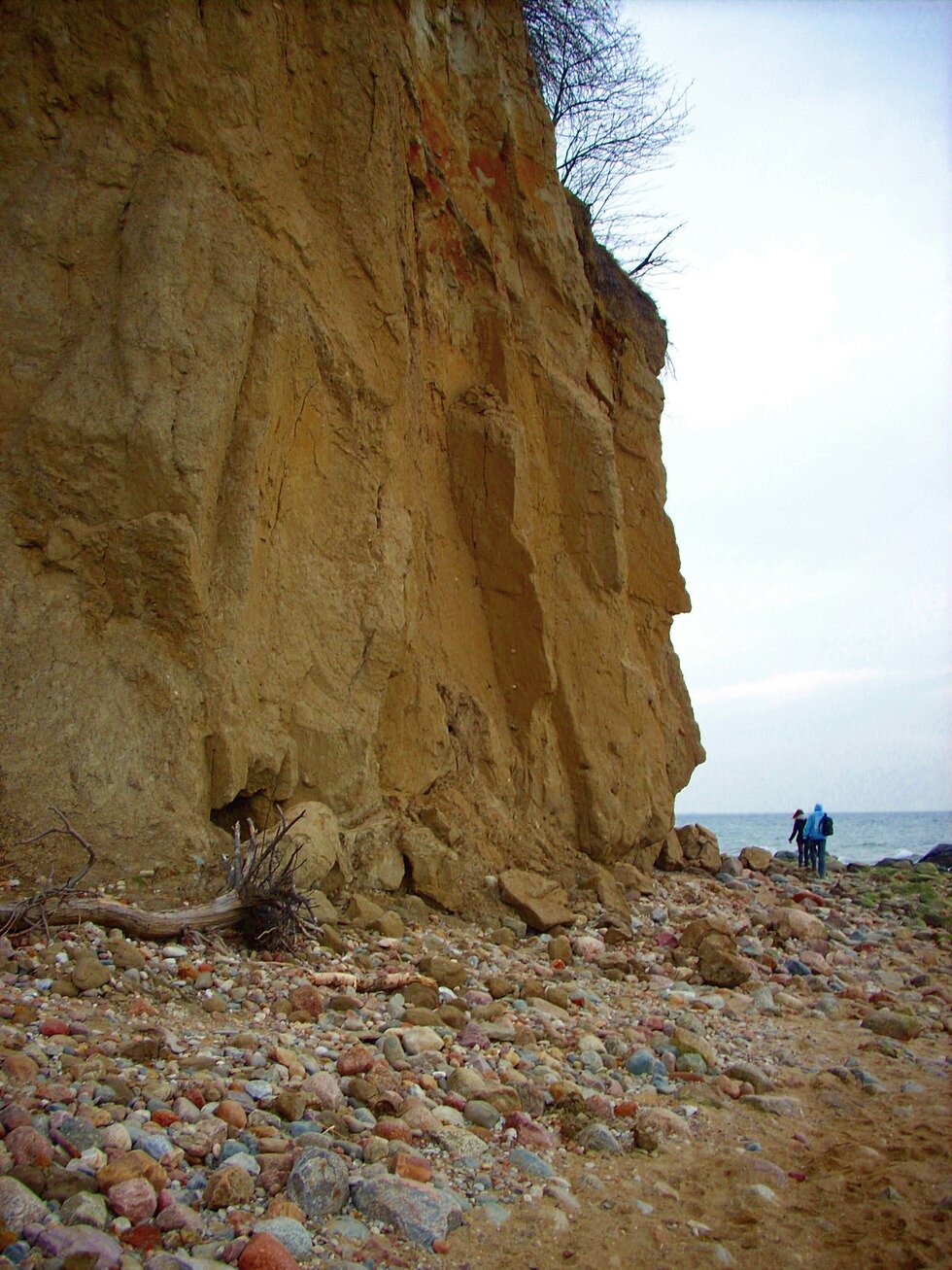
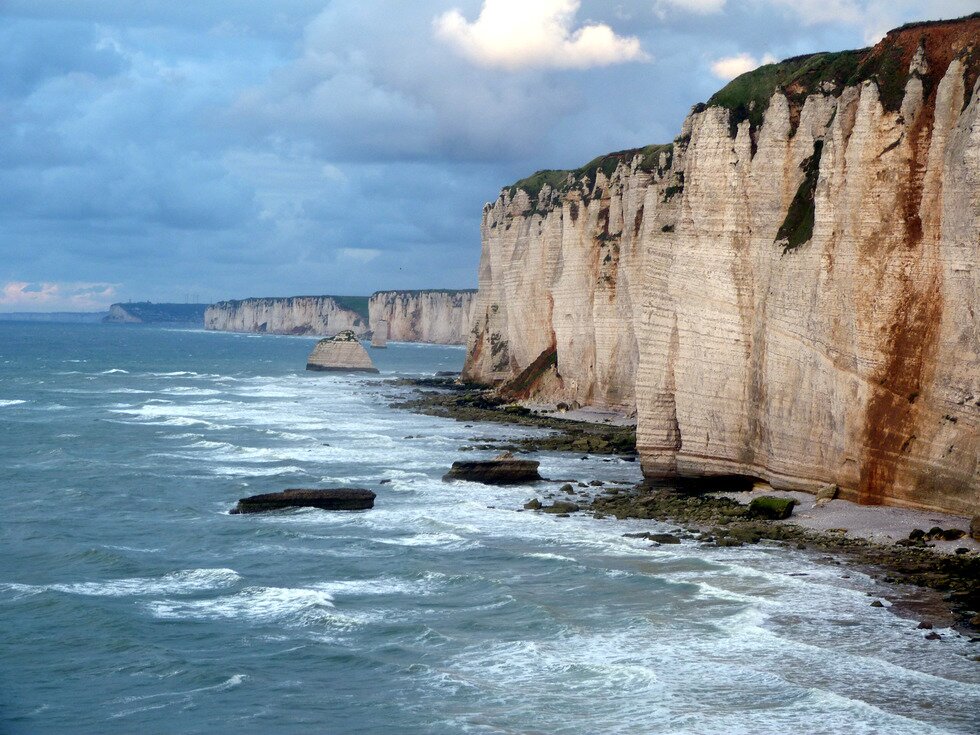
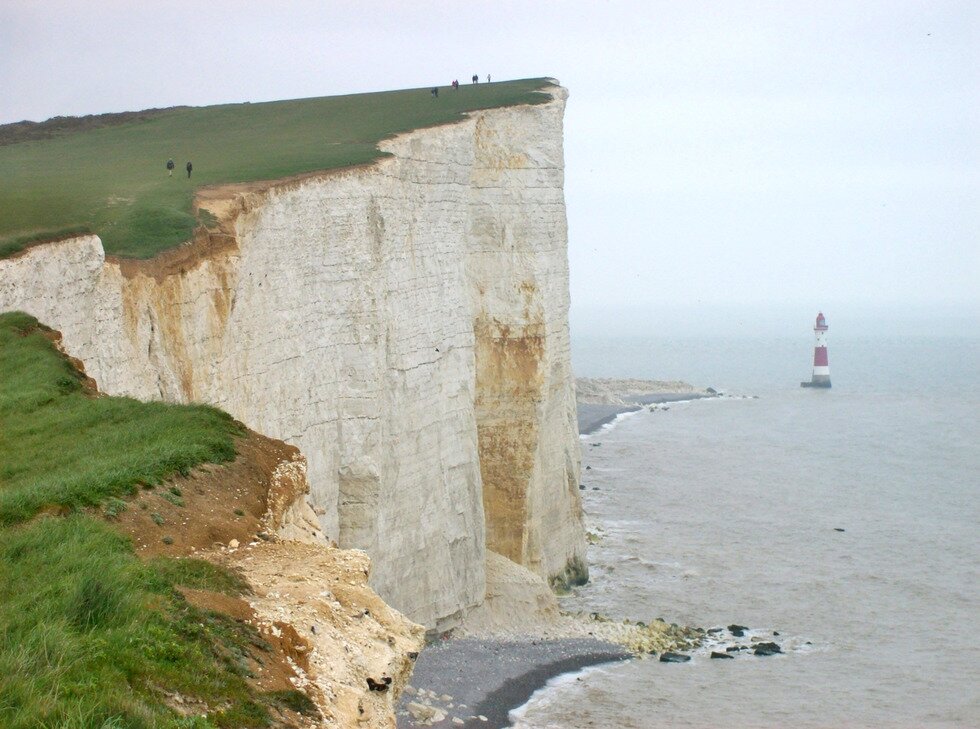
Almost every river starts flowing from a sourcesource (or sources), and ends with an outlet into the sea, a lake or another river. There are some exceptions, though. Some rivers do not have precisely defined sources. They flow out of caves, swamps or lakes. Others do not have a definite outlet and seem to disappear into cave systems or soak into desert sands. However, in reality caves and lakes are connected to their sources, and water disappearing there surfaces flow many kilometers further, in the form of a river.
The rippling waters of seas and oceans can also transform the shape of coastal areas. Waves hit the coastal rocks relentlessly, breaking them down, and accumulating sand and gravel on the shore; in this way, a beach if formed. At the time of high tide or storm, the waves flood the beach and reach the shore, damaging it and causing high cliffscliffs to emerge. This process is called abrasionabrasion. Material from damaged shore can be transported by sea currents which accumulate it at other places on their way along the coast.
Complete the crossword puzzle.
- Can be destroyed by abrasion
- Natural and spontaneous discharge of underground waters on the surface
- A small fragment of rock, polished and rounded when transported by water
- A type of reservoir formed as a result of damming a river valley due to mass wasting
- Process of shoreline destruction by waves of water
- A lake formed in the craters of extinct volcanoes and in valleys blocked by streams of lava
- Collected in the process of accumulation
| 1 | |||||||||||||||||
| 2 | |||||||||||||||||
| 3 | |||||||||||||||||
| 4 | |||||||||||||||||
| 5 | |||||||||||||||||
| 6 | |||||||||||||||||
| 7 |
Keywords
erosion, accumulation, abrasion, cliff, sea currents
Match the pairs: English words with Polish definition.
proces niszczenia brzegów przez falującą wodę, wysoka, stroma, czasem nawet pionowa ściana brzegu morskiego, ukształtowana w wyniku abrazji, proces gromadzenia osadów w wyniku działalności wody, wiatru lub lodowca, procesy niszczenia skorupy ziemskiej, polegające na żłobieniu i rozcinaniu powierzchni przez wody, lodowce i wiatr, połączone z usuwaniem powstających produktów niszczenia, naturalny i samoczynny wypływ wód podziemnych na powierzchnię
| abrasion | |
| accumulation | |
| erosion | |
| cliff | |
| source |
Glossary
abrazja - proces niszczenia brzegów przez falującą wodę
akumulacja - proces gromadzenia osadów w wyniku działalności wody, wiatru lub lodowca
erozja - procesy niszczenia skorupy ziemskiej, polegające na żłobieniu i rozcinaniu powierzchni przez wody, lodowce i wiatr, połączone z usuwaniem powstających produktów niszczenia
klif - wysoka, stroma, czasem nawet pionowa ściana brzegu morskiego, ukształtowana w wyniku abrazji
źródło - naturalny i samoczynny wypływ wód podziemnych na powierzchnię