bg‑azure

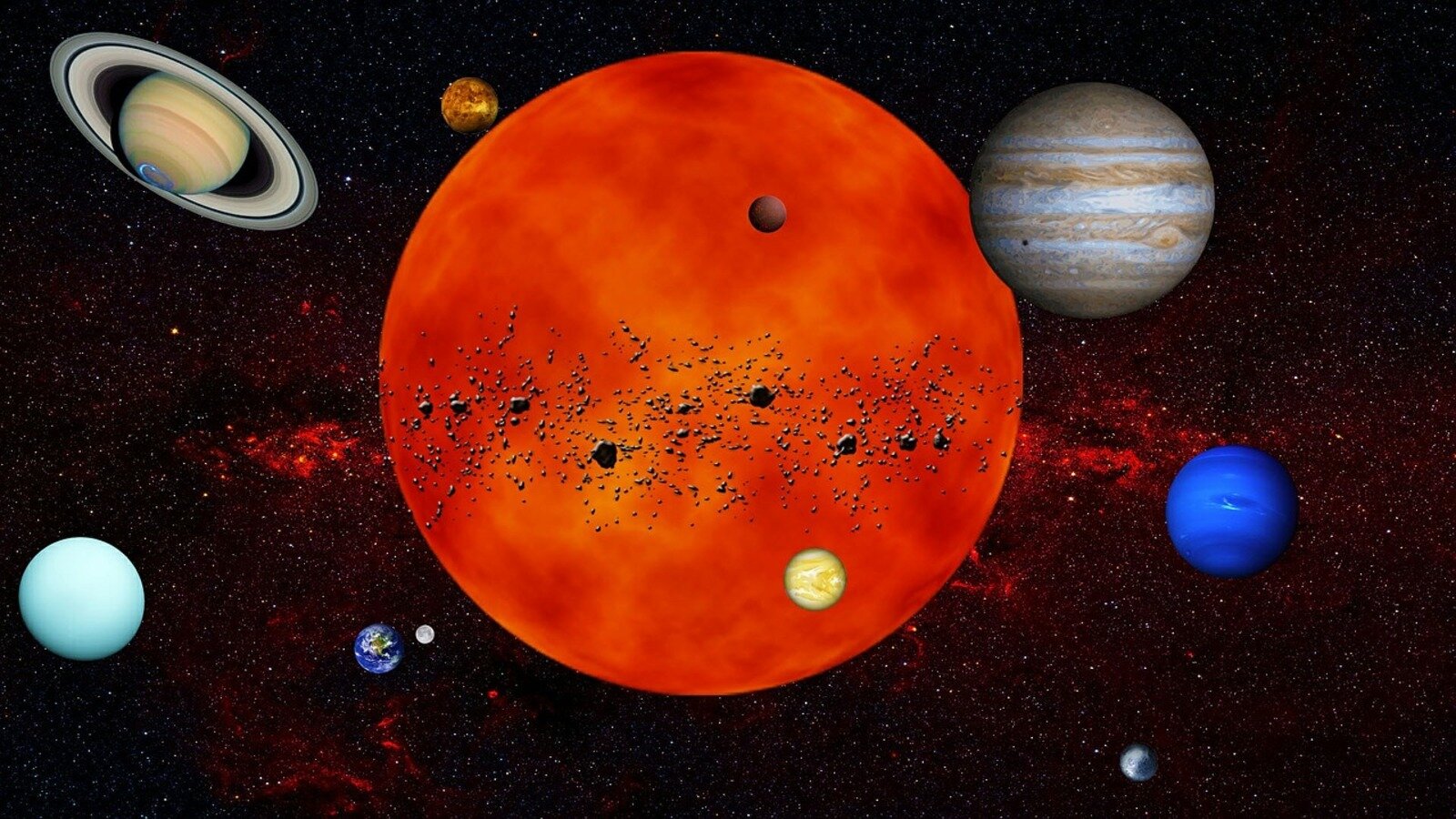
The picture below shows planets which belong to our solar system. Is there life on other planets besides Earth? It’s a difficult question to answer, but it’s something scientists and astronomers have wanted to find out for a long time. In this section, you are going to read a text about the ways scientists look for life in our galaxy.

Na poniższym zdjęciu widać planety należące do naszego Układu Słonecznego. Czy na którejś z tych planet istnieje życie? Trudno odpowiedzieć na to pytanie, ale to coś, czego naukowcy chcą się dowiedzieć od dawna. W tej sekcji przeczytasz tekst o różnych sposobach poszukiwania życia w naszej Galaktyce.
RviyQE9A8H9aE
Do you think there’s life on other planets?
Czy uważasz, że istnieje życie na innych planetach?
Źródło: dostępny w internecie: www.freepik.com [dostęp 19.08.2022], domena publiczna.
Exercise 1

What system do we live in? Pick the correct answer.

W jakim układzie żyjemy? Wybierz prawidłową odpowiedź.

R6DnQKfkudkja
Źródło: GroMar Sp. z o.o., licencja: CC BY-SA 3.0.

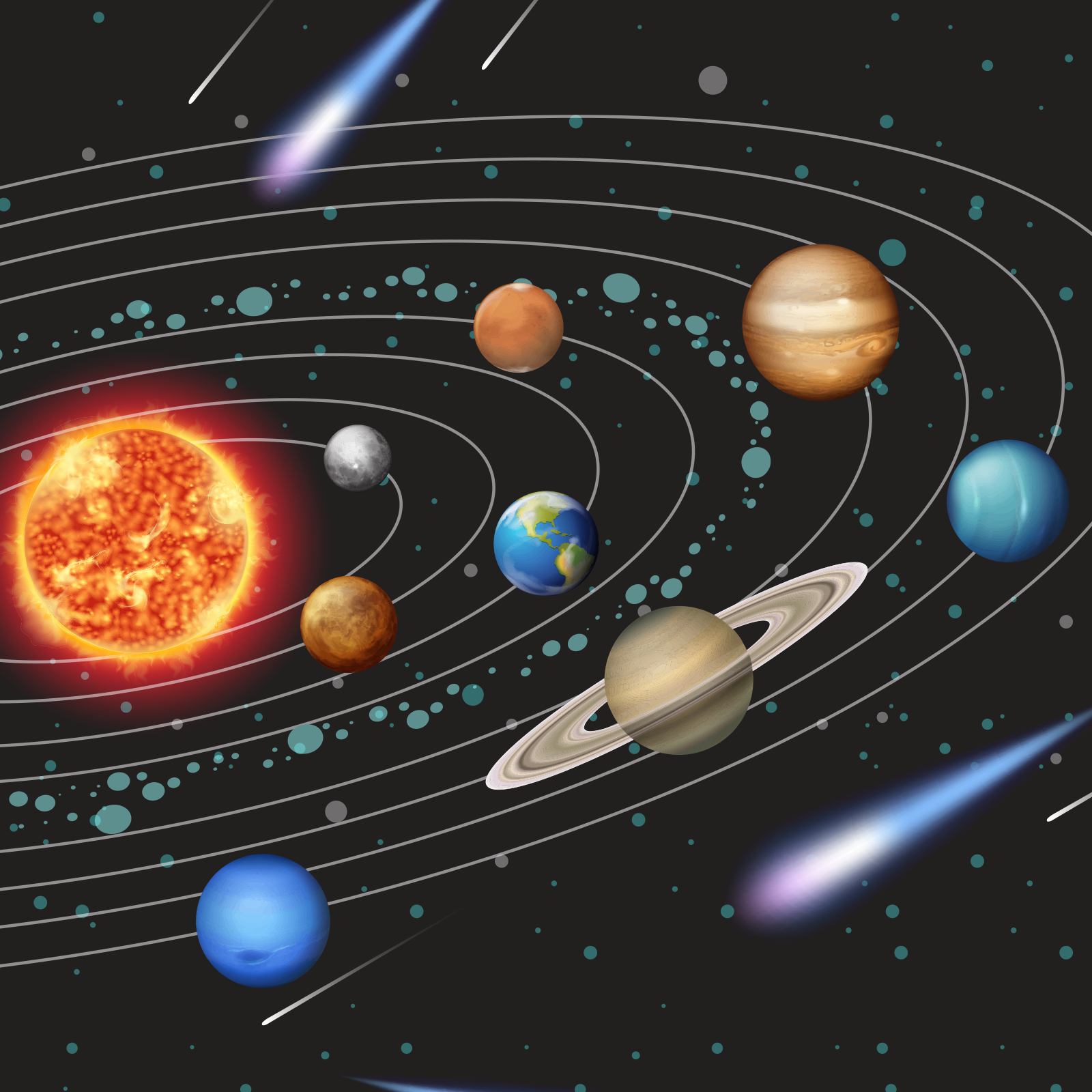
Look at the picture and choose the correct option to complete the sentence.

Na podstawie rysunku wybierz poprawną opcję, aby uzupełnić zdanie.
R1H3OqSTjz0hh
Źródło: dostępny w internecie: www.freepik.com [dostęp 19.08.2022], domena publiczna.
RN4wtqBX6Yv2x
Exercise 1
The picture shows Możliwe odpowiedzi: 1. our galaxy., 2. our universe., 3. our solar system.
Źródło: GroMar Sp. z o.o., licencja: CC BY-SA 3.0.

Read the text about how scientists explore the universe. Then do the exercises.

Zapoznaj się z tekstem o tym, w jaki sposób naukowcy badają Wszechświat. Następnie wykonaj zadania.

Exoplanets And Life Out There
Aneta Wilemska‑Rudnik Exoplanets And Life Out There

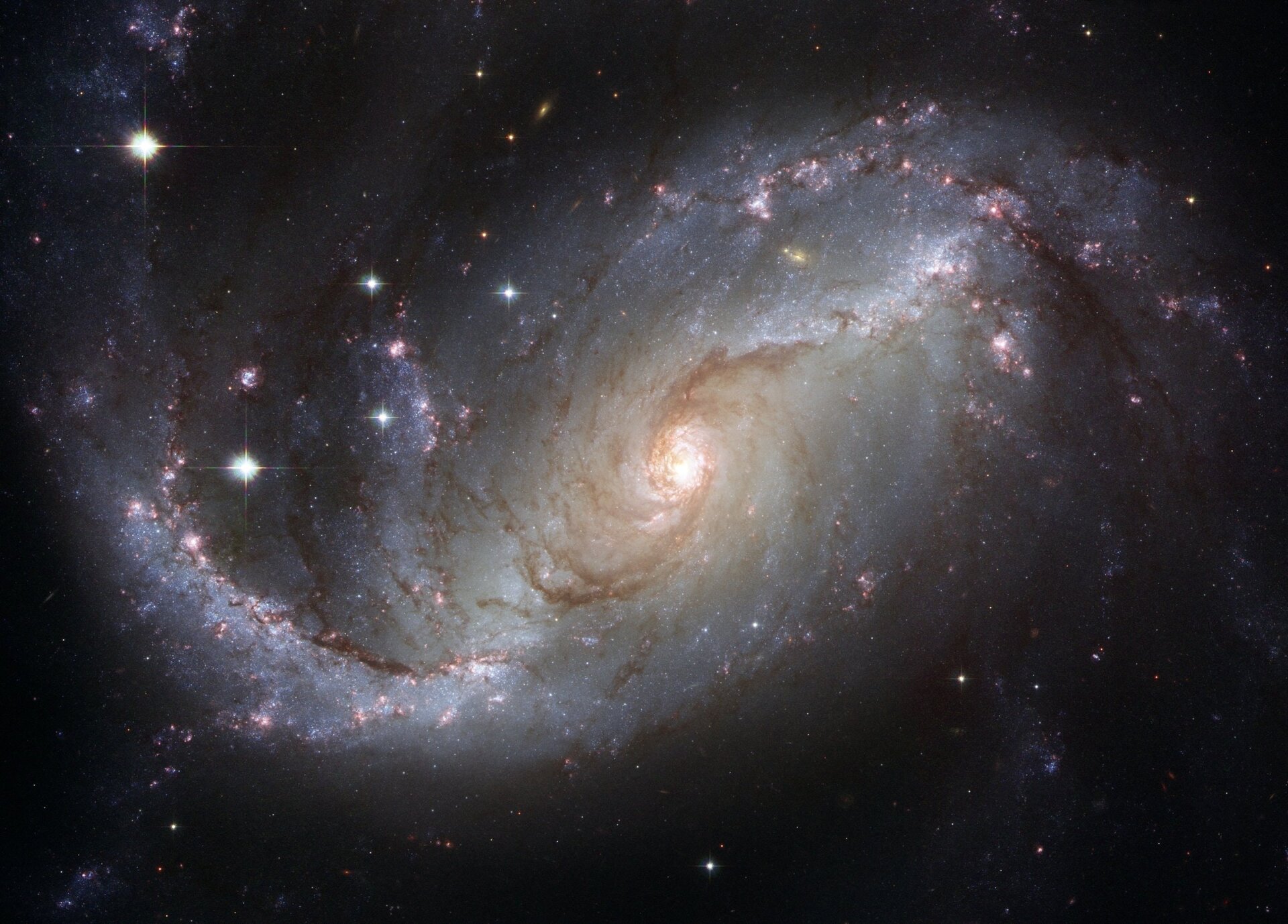
Did you know that in our galaxygalaxygalaxy there are planets outside our solar systemsolar systemsolar system? They are called exoplanetsexoplanets [exoplanet]exoplanets. They are planets which go around other stars. There are over 5 thousand exoplanets in 3,733 solar systems. Scientists discovered many planets that are similar toare similar to [be similar to]are similar to EarthEarthEarth, but all of them are far away fromare far away from [be far away from]are far away from our solar system. When scientists found exoplanets, they wanted to find outfind outfind out if there was life on those planets. Well, they didn't find any, but many people believe we are not alone in the universe. Let’s have a look atlet’s have a look atLet’s have a look at some opinions why NASA scientists look for exoplanets:

Jessie Christiansen

I want to know if there’s life outsideoutsideoutside our solar system. I think about it every time I look up at the sky at night.

Sarah Seager

I love exploring the universeuniverseuniverse and finding planets that are different.

Padi Boyd

When we discover new planets, we learn more about the universe.

Jessie Dotson

I search for exoplanets because I want to know their beginnings.

Amanda  Johnson

I search for exoplanets because I love the feeling of finding something new that no one has seen before.

1 Źródło: Aneta Wilemska‑Rudnik, licencja: CC BY-SA 3.0.
Exercise 2

Match the words or expressions with their translations.

Połącz wyrazy lub wyrażenia z ich tłumaczeniami.

R1BQ7LYcHctGT
Źródło: GroMar Sp. z o.o., licencja: CC BY-SA 3.0.
Exercise 2

Complete the missing letters to form the correct words or phrases.

Uzupełnij brakujące litery, aby utworzyć poprawne wyrażenia.
R1F1mU6mhwH32
Źródło: dostępny w internecie: www.pixbay.com [dostęp 19.08.2022], domena publiczna.
R1JS0HcqEFiAn
1. 1. l, 2. t, 3. p, 4. n1. l, 2. t, 3. p, 4. n a 1. l, 2. t, 3. p, 4. n e 1. l, 2. t, 3. p, 4. n
Źródło: GroMar Sp. z o.o., licencja: CC BY-SA 3.0.
RqA2IC9rRR4kD
Źródło: dostępny w internecie: www.pixbay.com [dostęp 19.08.2022], domena publiczna.
R15gmrzpjhAwq
2. 1. l, 2. e, 3. r, 4. s, 5. m, 6. s, 7. y o 1. l, 2. e, 3. r, 4. s, 5. m, 6. s, 7. y a 1. l, 2. e, 3. r, 4. s, 5. m, 6. s, 7. y       s 1. l, 2. e, 3. r, 4. s, 5. m, 6. s, 7. y1. l, 2. e, 3. r, 4. s, 5. m, 6. s, 7. y t 1. l, 2. e, 3. r, 4. s, 5. m, 6. s, 7. y1. l, 2. e, 3. r, 4. s, 5. m, 6. s, 7. y
Źródło: GroMar Sp. z o.o., licencja: CC BY-SA 3.0.
RJlSGeQQ2MuFw
Źródło: dostępny w internecie: www.pixbay.com [dostęp 19.08.2022], domena publiczna.
R1IaBOxCNrf4F
3. 1. s, 2. u, 3. v, 4. n1. s, 2. u, 3. v, 4. n i 1. s, 2. u, 3. v, 4. n e r 1. s, 2. u, 3. v, 4. n e
Źródło: GroMar Sp. z o.o., licencja: CC BY-SA 3.0.
R1Sm3n4Szqgqm
Źródło: dostępny w internecie: www.pixbay.com [dostęp 19.08.2022], domena publiczna.
R1UULZQpsoVpT
4. 1. l, 2. g, 3. x a 1. l, 2. g, 3. x a 1. l, 2. g, 3. x y
Źródło: GroMar Sp. z o.o., licencja: CC BY-SA 3.0.
R1GVP5qcLahdQ
Źródło: dostępny w internecie: www.pixbay.com [dostęp 19.08.2022], domena publiczna.
Rtw7mAWsy4uY2
5. e 1. h, 2. r, 3. a1. h, 2. r, 3. a t 1. h, 2. r, 3. a
Źródło: GroMar Sp. z o.o., licencja: CC BY-SA 3.0.
Exercise 3

Read the text and choose all the correct sentences.

Zapoznaj się z tekstem i wybierz wszystkie zdania zgodne z prawdą.

RVaxwlzwX9jPy
Możliwe odpowiedzi: 1. Exoplanets are planets in our solar system., 2. There are many exoplanets similar to Earth., 3. Exoplanets are close to our solar system., 4. Scientists have discovered over 5,000 exoplanets., 5. Scientists haven’t found life on other planets., 6. Sarah loves finding planets that are different., 7. Padi loves learning about new planets.
Źródło: GroMar Sp. z o.o., licencja: CC BY-SA 3.0.
Exercise 4

Connect parts of sentences to make correct sentences.

Na podstawie tekstu przeciągnij zakończenia zdań we właściwe miejsca, aby utworzyć zdania.

RPB1s3e0K2BlK
In our galaxy, there are Możliwe odpowiedzi: 1. which are similar to our planet., 2. there is life on other planets., 3. life on other planets yet., 4. away from our solar system., 5. planets outside our solar system., 6. solar systems in our galaxy. There are 3,733 Możliwe odpowiedzi: 1. which are similar to our planet., 2. there is life on other planets., 3. life on other planets yet., 4. away from our solar system., 5. planets outside our solar system., 6. solar systems in our galaxy. There are many planets Możliwe odpowiedzi: 1. which are similar to our planet., 2. there is life on other planets., 3. life on other planets yet., 4. away from our solar system., 5. planets outside our solar system., 6. solar systems in our galaxy. Scientists haven’t found Możliwe odpowiedzi: 1. which are similar to our planet., 2. there is life on other planets., 3. life on other planets yet., 4. away from our solar system., 5. planets outside our solar system., 6. solar systems in our galaxy. Exoplanets are far Możliwe odpowiedzi: 1. which are similar to our planet., 2. there is life on other planets., 3. life on other planets yet., 4. away from our solar system., 5. planets outside our solar system., 6. solar systems in our galaxy. Many people believe that Możliwe odpowiedzi: 1. which are similar to our planet., 2. there is life on other planets., 3. life on other planets yet., 4. away from our solar system., 5. planets outside our solar system., 6. solar systems in our galaxy.
Źródło: GroMar Sp. z o.o., licencja: CC BY-SA 3.0.
Exercise 5

Drag the words into the correct gaps to complete the sentences.

Po zapoznaniu się z tekstem przeciągnij wyrazy w odpowiednie luki, aby uzupełnić zdania.

R15DkIrLWTFel
1. How many planets are there in our 1. universe, 2. discover, 3. galaxy, 4. exoplanets, 5. solar?
2. Planets which aren’t in our solar system are called 1. universe, 2. discover, 3. galaxy, 4. exoplanets, 5. solar.
3. Scientists believe there is life outside our 1. universe, 2. discover, 3. galaxy, 4. exoplanets, 5. solar system.
4. Do you think scientists will 1. universe, 2. discover, 3. galaxy, 4. exoplanets, 5. solar life on other planets?
5. Some scientists love exploring the 1. universe, 2. discover, 3. galaxy, 4. exoplanets, 5. solar and finding new exoplanets.
Źródło: GroMar Sp. z o.o., licencja: CC BY-SA 3.0.

Słownik

are called [be called]

/ a: kɔːld / / bi kɔːld /

RNgQNg3nQJ47w1
Nagranie dźwiękowe

są nazywani/nazywane [być nazywanym]

R5eaAN8JmFEZO1
Nagranie dźwiękowe
are far away from [be far away from]

/ a: ˈfɑːr əˈweɪ frɒm / / bi ˈfɑːr əˈweɪ frɒm /

R1XKdcyGpnp301
Nagranie dźwiękowe

są daleko [być daleko]

RkcOaWXCtic2m1
Nagranie dźwiękowe
are similar to [be similar to]

/ a: ˈsɪmələ tuː / / bi ˈsɪmələ tuː /

Rta2SlZK2mFnQ1
Nagranie dźwiękowe

są podobni/podobne do [być podobnym do]

R1MhTHF8KUdWh1
Nagranie dźwiękowe
astrophysicist
astrophysicist

/ ˌæstrəʊˈfɪzɪsɪt /

RcNhGhInNqeMn1
Nagranie dźwiękowe

astrofizyk/astrofizyczka (osoba zajmująca się badaniem procesów fizycznych we Wszechświecie)

R3GhePuU2xREt1
Nagranie dźwiękowe
became popular [become popular]

/ bɪˈkeɪm ˈpɒpjʊlə / / bɪˈkʌm ˈpɒpjʊlə /

RwD8xEDX9zJjp1
Nagranie dźwiękowe

stali/stały się popularni/popularne [stać się popularnym]

RYfzxxmuEeW4t1
Nagranie dźwiękowe
discover
discover

/ dɪˈskʌvə /

R1es0d7fCVm6i1
Nagranie dźwiękowe

odkrywać

R1KUQPA7uGkpO1
Nagranie dźwiękowe
Earth
Earth

/ ɜːtheta /

R1UiokNYTKu5h1
Nagranie dźwiękowe

planeta Ziemia

RGPLCvYoB01Ms1
Nagranie dźwiękowe
exoplanets [exoplanet]

/ ˈeksəʊˌplanɪts / / ˈeksəʊˌplanɪt /

R1Ms8HGaYkZEc1
Nagranie dźwiękowe

Egzoplaneta (planeta krążąca wokół gwiazdy innej niż Słońce)

RtDAnZ5fYfgeD1
Nagranie dźwiękowe
exploring [explore]
exploring [explore]

/ ɪkˈsplɔːrɪŋ / / ɪkˈsplɔː /

R1QXg0J4sdtkc1
Nagranie dźwiękowe

odkrywanie [odkrywać], badanie [badać]

RLAKtqgkhHM4t1
Nagranie dźwiękowe
find out
find out

/ faɪnd ˈaʊt /

RvhJlfMl9I4LU1
Nagranie dźwiękowe

dowiadywać się

R1KR7LhsGEmH51
Nagranie dźwiękowe
found [find]
found [find]

/ faʊnd / / faɪnd /

RsutezZYbTL4H1
Nagranie dźwiękowe

znaleźli/znalazły [znaleźć]

RwMktyFIJ1RfW1
Nagranie dźwiękowe
galaxy
galaxy

/ ˈɡæləksi /

Ryz3rPSeH5Ow61
Nagranie dźwiękowe

galaktyka

RDsQHcjz30fXZ1
Nagranie dźwiękowe
go round
go round

/ ˈɡəʊ ˈraʊnd /

R150SGRKbwa1f1
Nagranie dźwiękowe

krążyć

R1XKznLBy8LTE1
Nagranie dźwiękowe
let’s have a look at

/ lets həv ə ˈlʊk æt /

R1NPg8CMcdeJa1
Nagranie dźwiękowe

spójrzmy na

R8Q7ZQHPyO5kY1
Nagranie dźwiękowe
look up
look up

/ ˈlʊk ʌp /

RDkot9P7HUiy81
Nagranie dźwiękowe

patrzeć w górę

R1Jmhq6tiCILT1
Nagranie dźwiękowe
NASA
NASA

/ ˈnɑːsə /

RHo4WDlZLsykI1
Nagranie dźwiękowe

Narodowa Agencja Aeronautyki i Przestrzeni Kosmicznej (amerykańska agencja kosmiczna)

RuvYLCZZerC0V1
Nagranie dźwiękowe
outside
outside

/ ˌaʊtˈsaɪd /

R1GW7cb8a169X1
Nagranie dźwiękowe

na zewnątrz, poza

R1Fzgfk6ywiIV1
Nagranie dźwiękowe
scientist
scientist

/ ˈsaɪəntɪst /

R1DkDnPgcip1i1
Nagranie dźwiękowe

naukowiec/naukowczyni

R1WPDEVlsCKON1
Nagranie dźwiękowe
search for
search for

/ ˈsɜ:tʃ fɔː /

R1YFqwXKN8SSe1
Nagranie dźwiękowe

szukać

RvIJFkZHhKr0D1
Nagranie dźwiękowe
solar system
solar system

/ ˌsəʊlə ˈsɪstəm /

Rt2PjmN9E4EaX1
Nagranie dźwiękowe

Układ Słoneczny

R1RFPN0tBJUQD1
Nagranie dźwiękowe
universe
universe

/ ˈjuːnɪvɜːs /

R1AxetP4i3GWQ1
Nagranie dźwiękowe

Wszechświat

R1R24zm5rz40F1
Nagranie dźwiękowe

Źródło: GroMar Sp. z o.o., licencja: CC BY‑SA 3.0

R12SrYQKDe5ZA
Źródło: GroMar Sp. z o.o., licencja: CC BY-SA 3.0.