bg‑azure

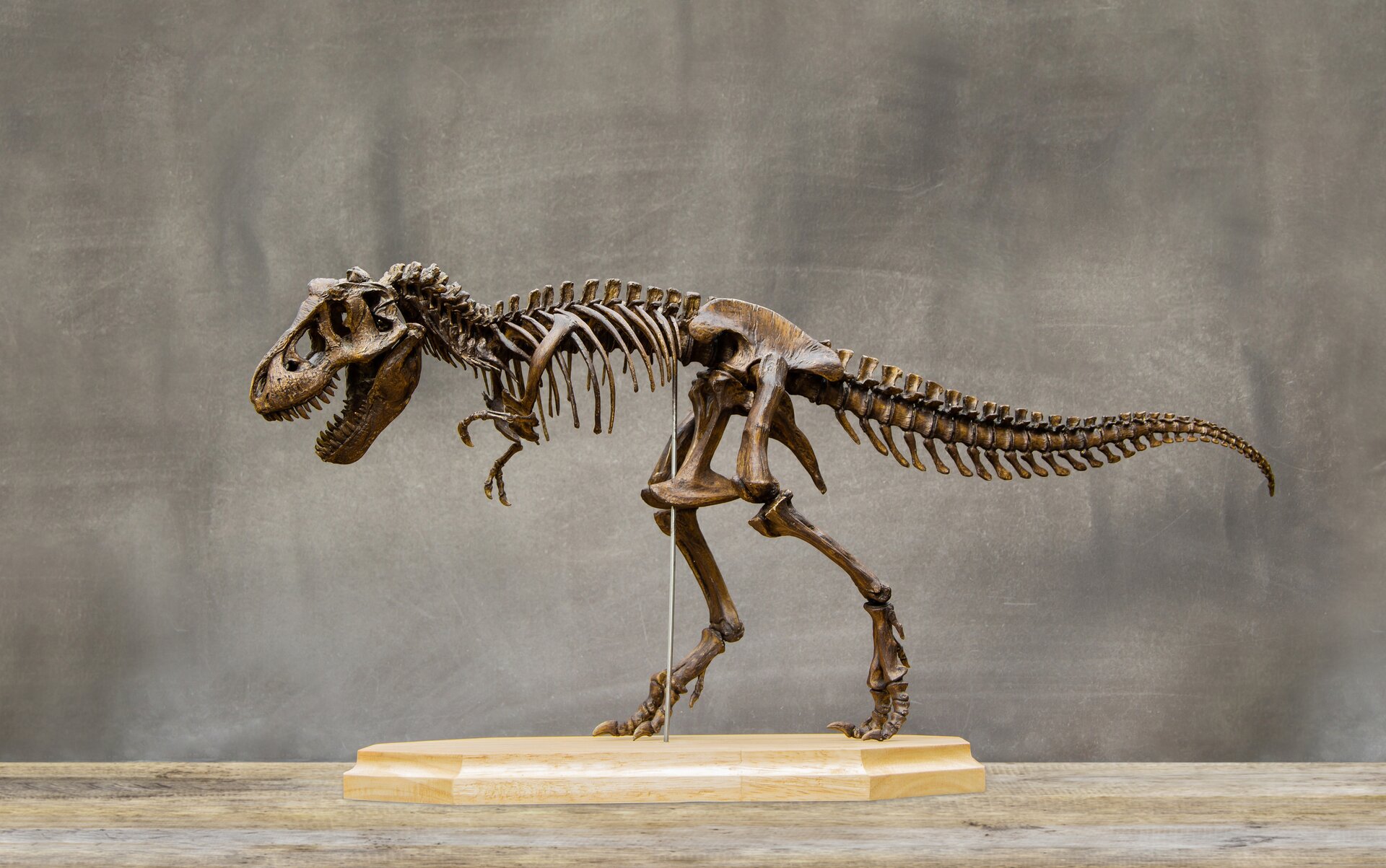
Would you like to spend a night at the Natural History Museum? There are many attractions for children who like adventures. You will read a text about a sleepover at this museum. Would you like to try it?

Czy spędzenie nocy w Muzeum Historii Naturalnej brzmi dla ciebie kusząco? Muzeum oferuje wiele atrakcji dla dzieci, które lubią przygody. Przeczytasz tekst o grupie osób, która miała okazję spędzić noc w tym muzeum. Czy chciałbyś/chciałabyś doświadczyć czegoś takiego?
R1CX8yiNj8PRn
Would you like to spend a night at the Natural History Museum?
Co powiecie na noc w Muzeum Historii Naturalnej?
Źródło: dostępny w internecie: www.freepik.com [dostęp 12.06.2022], domena publiczna.
Exercise 1

Drag the words to fill in the gaps in the text about a museum.

Przeciągnij wyrazy w odpowiednie luki, aby uzupełnić tekst o muzeum.

RfLGfnQpQFBPi
Źródło: GroMar Sp. z o.o., licencja: CC BY-SA 3.0.
Exercise 1

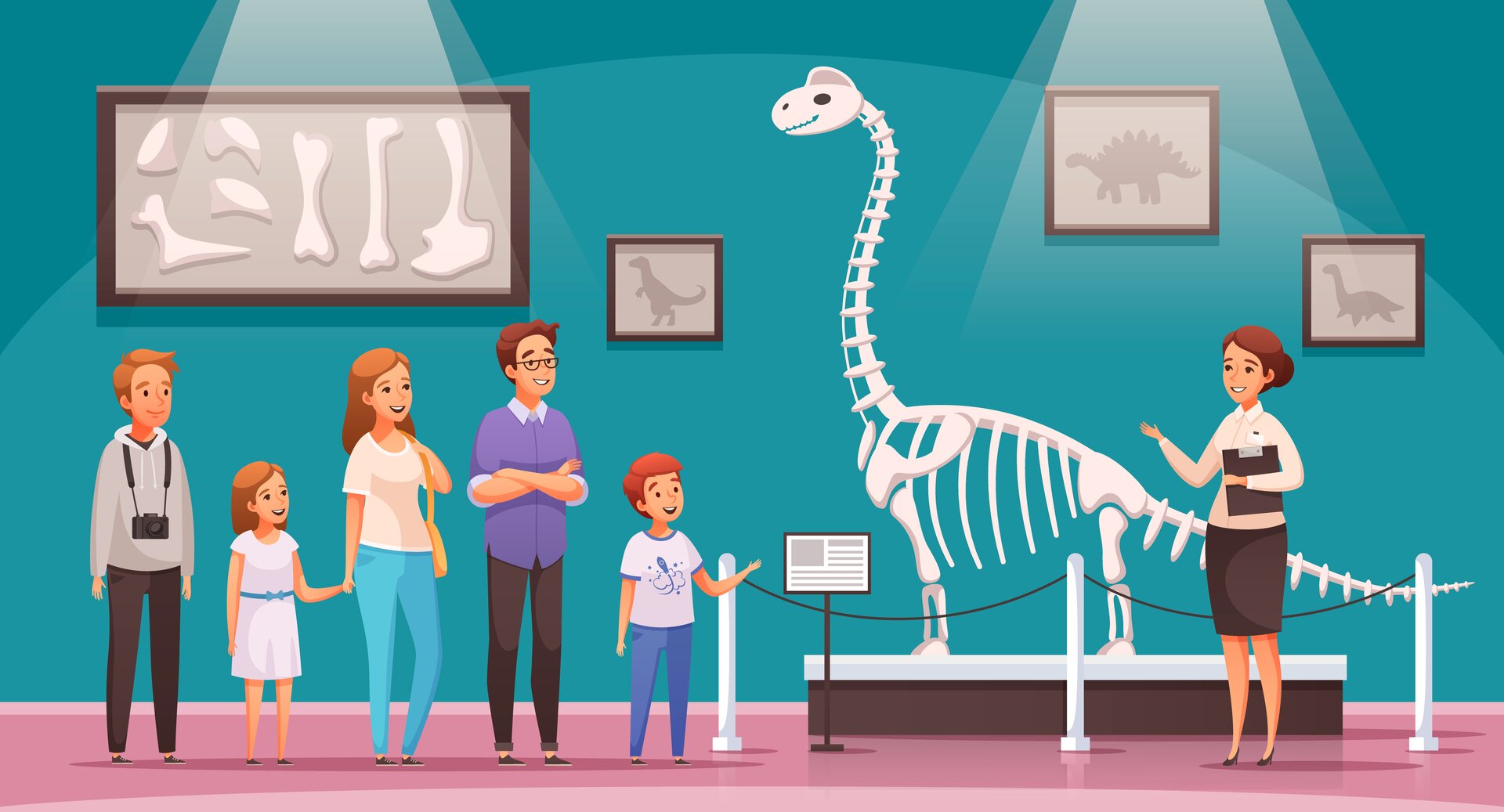
Look at the picture. Then drag and drop the words below to form logical sentences.

Popatrz na ilustrację, a następnie przeciągnij i upuść poniższe wyrazy, aby utworzyć logiczne zdania.
Rq8LjASU88UGX
Źródło: dostępny w internecie: www.freepik.com [dostęp 12.06.2022], domena publiczna.
RkKEnIviubJj7
In the picture, I can see a family at the     1. 1. pictures, 2. girl, 3. museum, 4. boys, 5. dinosaur, 6. like.     There are parents and three children - one     2. 1. pictures, 2. girl, 3. museum, 4. boys, 5. dinosaur, 6. like     and two     3. 1. pictures, 2. girl, 3. museum, 4. boys, 5. dinosaur, 6. like.     They are all looking at a     4. 1. pictures, 2. girl, 3. museum, 4. boys, 5. dinosaur, 6. like     skeleton. It is very big. The family probably     5. 1. pictures, 2. girl, 3. museum, 4. boys, 5. dinosaur, 6. like     dinosaurs because they are smiling. There are     6. 1. pictures, 2. girl, 3. museum, 4. boys, 5. dinosaur, 6. like     on the walls too. I can see pictures of dinosaurs and dinosaurs’ bones.
Źródło: GroMar Sp. z o.o., licencja: CC BY-SA 3.0.

Read the text below about a night at the Natural History Museum to find out what attractions there are.

Przeczytaj tekst o nocy spędzonej w Muzeum Historii Naturalnej, aby dowiedzieć się, jakie są tam atrakcje.

A Night at the Museum
Ela Borowiec A Night at the Museum

On Friday, we were at a museum. It wasn’t a typical school trip with my classmates. We were on a special sleepoversleepoversleepover at the Natural History MuseumNatural History MuseumNatural History Museum! It was just great because we were learning about the natural worldnatural worldnatural world inside the museum!

The museum sleepover started at 7 in the evening. Do you know that there are four zoneszones [zone]zones at the museum: blue, green, red and orange? We were in the blue zone with many interesting galleries. There were animals like elephants, tigers and bears. First, there was a scavenger huntscavenger huntscavenger hunt. We all got torchestorches [torch]torches and the game started. We were running along the galleries. It was fun because we were looking forwere looking for [look for]were looking for small plastic figures of elephants, tigers, crocodiles and fish.

Then there was a scientistscientistscientist waiting for us in the Dinosaurs gallery. He was wearing a T. Rex costumeT. Rex costumeT. Rex costume. Do you know this dinosaur? The T.Rex was a very dangerous dinosaur. We were listening quietlyquietlyquietly while the scientist was telling us all about dinosaurs. We learned what the dinosaurs looked likelooked like [look like]looked like, what they were eating and how they lived. It was so cool!

The best thing was that there were real dinosaurs’ skeletons! We were walking around Tyrannosaurus RexTyrannosaurus RexTyrannosaurus Rex and DiplodocusDiplodocusDiplodocus. We could also see the bones of many other big dinosaurs.

We were also creativecreativecreative because there were dinosaur T‑shirts for us to decoratedecoratedecorate. Many of my classmates were painting T.Rex but I was painting Triceratops because it is my favourite dinosaur.

At midnightat midnightAt midnight, we went to the Images of Nature galleryImages of Nature galleryImages of Nature gallery. There were amazing pictures and paintings of nature and… sleeping bagssleeping bags [sleeping bag]sleeping bags waiting for us! That gallery was our bedroom. We fell asleepfell asleep [fall asleep]fell asleep quickly. We slept really well.

In the morning, there was breakfast at a T.Rex Restaurant. WhilewhileWhile we were eating pancakes in the shape of dinosaurs, our parents came. What was I doing on the way home? Was I sleeping? No, I wasn’t. I was telling my parents all about the night at the museum.

1 Źródło: Ela Borowiec, licencja: CC BY-SA 3.0.
Exercise 2

Read the sentences and put them in the order they happened during the night at the museum.

Przeczytaj zdania i ułóż je w takiej kolejności, w jakiej zaszły wydarzenia podczas nocy w muzeum.

R1PaUZhyDhkC5
Elementy do uszeregowania: 1. We were sleeping in the Image of Nature gallery., 2. We were listening to the scientist who was wearing a T.Rex costume., 3. We were eating pancakes in the shape of dinosaurs., 4. We were decorating T-shirts., 5. We were running with torches in a scavenger hunt.
Źródło: GroMar Sp. z o.o., licencja: CC BY-SA 3.0.
Exercise 3

Read the text about the night at the museum again. Then write the missing words to complete the gaps in the text below.

Przeczytaj ponownie tekst o nocy spędzonej w muzeum. Następnie wpisz brakujące wyrazy, aby uzupełnić luki w poniższym tekście.

R1apIi59RdnVh
Cześć, Tomku! Właśnie przeczytałam bardzo ciekawy tekst o możliwości spędzenia nocy w Muzeum Historii Naturalnej. Taka atrakcja zaczyna się o Tu uzupełnij wieczorem. Najpierw jest gra, podczas której jesteśmy dzieleni na Tu uzupełnij drużyny i szukamy figurek zwierzaków. Najlepsze jest to, że wszyscy biegają po galeriach, w których można zobaczyć wiele gatunków zwierząt. Oczywiście potrzebne są Tu uzupełnij, ponieważ jest ciemno. Następnie mają miejsce warsztaty z naukowcem, który opowiada o Tu uzupełnij i ich życiu. A na koniec można się jeszcze wykazać kreatywnością i stworzyć własną Tu uzupełnij z dinozaurem! Dlatego myślę, że koniecznie musimy porozmawiać z naszymi rodzicami i spróbować ich przekonać, by nam załatwili taką noc w muzeum. Co myślisz? Liczę, że cię zachęciłam. Pozdrawiam Dorota
Źródło: GroMar Sp. z o.o., licencja: CC BY-SA 3.0.
GRAMATYKA

Past Continuous

W tej części poznasz zastosowanie oraz sposób tworzenia czasu Past Continuous.

Czasu Past Continuous używamy, gdy:

●       mówimy o czynnościach, które trwały w określonym momencie w przeszłości

Przykład:

We were sleeping at the museum all night yesterday. Wczoraj całą noc spaliśmy/spałyśmy w muzeum.

●       mówimy o czynnościach, które trwały równocześnie w przeszłości

Przykład:

He was wearing a T. Rex costume while he was telling us all about dinosaurs. Miał na sobie kostium tyranozaura, kiedy opowiadał nam o dinozaurach.

a) Tworzenie zdań twierdzących

W zdaniach twierdzących używamy dwóch elementów: operatora was/were po podmiocie oraz czasownika z końcówką -ing.

Liczba pojedyncza

1. was + czasownik z końcówką -ing

2. You were + czasownik z końcówką -ing

3. He/she/it was + czasownik z końcówką -ing

Liczba mnoga

1. We were + czasownik z końcówką -ing

2. You were + czasownik z końcówką -ing

3. They were + czasownik z końcówką -ing

Przykłady:

She was telling her parents all about the night at the museum. Ona opowiadała rodzicom o nocy spędzonej w muzeum.

You were running along the galleries with animals. Biegaliście/Biegałyście po galeriach ze zwierzętami.

b) Tworzenie zdań przeczących

Zdania przeczące tworzymy za pomocą wasn’t lub weren’t po podmiocie i czasownika z końcówką -ing.

Przykłady:

She wasn’t telling her parents all about the night at the museum all evening yeasterday. Ona nie opowiadała rodzicom o nocy spędzonej w muzeum cały wczorajszy wieczór.

The boys weren’t running along the galleries and the girls weren't looking for animals. Chłopcy nie biegali po galeriach, a dziewczynki nie szukały zwierząt.

c) Tworzenie pytań

Pytania ogólne tworzymy przez inwersję, przestawiając operator was lub were przed podmiot. Czasownik z końcówką -ing pozostaje niezmieniony po podmiocie.

Przykłady:

Was she telling her parents all about the night at the museum? Czy ona opowiadała rodzicom o nocy spędzonej w muzeum?

Were you running along the galleries with animals? Czy biegaliście/biegałyście po galeriach ze zwierzętami?

d) Często używane określenia

whilepodczas gdy

yesterday at 8 p.m.wczoraj o ósmej wieczorem

all day yesterdaycały wczorajszy dzień

ZWRÓĆ UWAGĘ

Kiedy dodajemy końcówkę -ing do czasownika, czasami musimy dokonać drobnych zmian w pisowni.

Jeśli czasownik jest zakończony na samogłoskę -e, to dodając końcówkę -ing, usuwamy tę samogłoskę.

Przykłady:

dancedancing

writewriting

jeśli czasownik jest jednosylabowy i zakończony na spółgłoskę, a przed nią występuje samogłoska, to podwajamy ostatnią spółgłoskę, zanim dodamy końcówkę -ing.

Przykłady:

swimswimming

runrunning

Exercise 4

Read the sentences and choose was/were or wasn’t/weren’t.

Przeczytaj zdania i wybierz odpowiednią formę czasownika „być” w czasie przeszłym.

R13Doiybw3QQJ
1. I was were listening to a scientist.

2. We was were running at the museum.

3. Was Were you sleeping at the museum all night yesterday?

4. He wasn’t weren’t chatting while the teacher was were explaining.

5. They wasn’t weren’t eating breakfast when their parents came.

6. Was Were she dancing at the party at 8 p.m.?
Źródło: GroMar Sp. z o.o., licencja: CC BY-SA 3.0.
Exercise 5

Order the words to make correct Past Continuous tense sentences.

Uporządkuj wyrazy, aby ułożyć poprawne zdania w czasie Past Continuous.

RIRmmHmTdyBY7
1. 1. running, 2. the, 3. She, 4. was, 5. museum, 6. around 1. running, 2. the, 3. She, 4. was, 5. museum, 6. around 1. running, 2. the, 3. She, 4. was, 5. museum, 6. around 1. running, 2. the, 3. She, 4. was, 5. museum, 6. around 1. running, 2. the, 3. She, 4. was, 5. museum, 6. around 1. running, 2. the, 3. She, 4. was, 5. museum, 6. around.
Źródło: GroMar Sp. z o.o., licencja: CC BY-SA 3.0.
R1FM2ab2mQVxO
2. 1. were, 2. to, 3. the, 4. scientist, 5. We, 6. listening, 7. quietly 1. were, 2. to, 3. the, 4. scientist, 5. We, 6. listening, 7. quietly 1. were, 2. to, 3. the, 4. scientist, 5. We, 6. listening, 7. quietly 1. were, 2. to, 3. the, 4. scientist, 5. We, 6. listening, 7. quietly 1. were, 2. to, 3. the, 4. scientist, 5. We, 6. listening, 7. quietly 1. were, 2. to, 3. the, 4. scientist, 5. We, 6. listening, 7. quietly 1. were, 2. to, 3. the, 4. scientist, 5. We, 6. listening, 7. quietly.
Źródło: GroMar Sp. z o.o., licencja: CC BY-SA 3.0.
R1eSWf0C1PEtN
3. 1. scavenger, 2. hunt, 3. wasn’t, 4. the, 5. I, 6. playing 1. scavenger, 2. hunt, 3. wasn’t, 4. the, 5. I, 6. playing 1. scavenger, 2. hunt, 3. wasn’t, 4. the, 5. I, 6. playing 1. scavenger, 2. hunt, 3. wasn’t, 4. the, 5. I, 6. playing 1. scavenger, 2. hunt, 3. wasn’t, 4. the, 5. I, 6. playing 1. scavenger, 2. hunt, 3. wasn’t, 4. the, 5. I, 6. playing.
Źródło: GroMar Sp. z o.o., licencja: CC BY-SA 3.0.
Rp4THGUBBD4Dd
4. 1. dancing, 2. yesterday at, 3. They, 4. weren’t, 5. 6 p.m. 1. dancing, 2. yesterday at, 3. They, 4. weren’t, 5. 6 p.m. 1. dancing, 2. yesterday at, 3. They, 4. weren’t, 5. 6 p.m. 1. dancing, 2. yesterday at, 3. They, 4. weren’t, 5. 6 p.m. 1. dancing, 2. yesterday at, 3. They, 4. weren’t, 5. 6 p.m..
Źródło: GroMar Sp. z o.o., licencja: CC BY-SA 3.0.
RGdMHjEFA0lfH
5. 1. museum, 2. listening, 3. he, 4. Was, 5. the, 6. at 1. museum, 2. listening, 3. he, 4. Was, 5. the, 6. at 1. museum, 2. listening, 3. he, 4. Was, 5. the, 6. at 1. museum, 2. listening, 3. he, 4. Was, 5. the, 6. at 1. museum, 2. listening, 3. he, 4. Was, 5. the, 6. at 1. museum, 2. listening, 3. he, 4. Was, 5. the, 6. at?
Źródło: GroMar Sp. z o.o., licencja: CC BY-SA 3.0.
R1B9RPNfLz3Jd
6. 1. dinosaurs, 2. looking, 3. for, 4. Were, 5. they 1. dinosaurs, 2. looking, 3. for, 4. Were, 5. they 1. dinosaurs, 2. looking, 3. for, 4. Were, 5. they 1. dinosaurs, 2. looking, 3. for, 4. Were, 5. they 1. dinosaurs, 2. looking, 3. for, 4. Were, 5. they?
Źródło: GroMar Sp. z o.o., licencja: CC BY-SA 3.0.

Słownik

at midnight
at midnight

/ ət ˈmɪdnaɪt /

R1XxaPJilNWHA1
Nagranie dźwiękowe

o północy

RMLkK1FuwbbG91
Nagranie dźwiękowe
creative
creative

/ kriːˈeɪtɪv /

R3CHrtJNczjt51
Nagranie dźwiękowe

kreatywny/kreatywna

R1IpioJxW5KHK1
Nagranie dźwiękowe
decorate
decorate

/ ˈdekəreɪt /

RaXnC7tMUGNvH1
Nagranie dźwiękowe

ozdabiać

RhjLwKtF9vnoj1
Nagranie dźwiękowe
Diplodocus
Diplodocus

/ dɪˈplɒdəkəs /

RFa2BK9Fx9uWP1
Nagranie dźwiękowe

diplodok (gatunek dinozaura)

RHprbP9v1Ls2I1
Nagranie dźwiękowe
fell asleep [fall asleep]

/ fel əˈsliːp / / fɔːl əˈsliːp /

R1ReXB1K65xOo1
Nagranie dźwiękowe

zasnęliśmy/zasnęłyśmy [zasypiać]

R1EHIBYuDvjSr1
Nagranie dźwiękowe
Images of Nature gallery

/ ˈɪmɪdʒɪz əv ˈneɪtʃə ˈɡæləri /

R1CqmgKe5ipit1
Nagranie dźwiękowe

galeria obrazów przyrodniczych

R1JDOgtUbY5531
Nagranie dźwiękowe
looked like [look like]

/ ˈlʊkt ˈlaɪk / / ˈlʊk ˈlaɪk /

R1AuGXOi3wytA1
Nagranie dźwiękowe

wyglądali/wyglądały [wyglądać]

RFyLSAtFStnTT1
Nagranie dźwiękowe
Natural History Museum

/ ˈnætʃrəl ˈhɪstr̩i mjuːˈzɪəm /

RShSpvwM6lo4m1
Nagranie dźwiękowe

Muzeum Historii Naturalnej

R10dCjjSgsHUD1
Nagranie dźwiękowe
natural world
natural world

/ ˈnætʃrəl wɜːld /

RYU9f2t1XMYgP1
Nagranie dźwiękowe

świat przyrody

R8kRexQToycE01
Nagranie dźwiękowe
quietly
quietly

/ ˈkwaɪətli /

Ra9Qw3a2kSMQe1
Nagranie dźwiękowe

cicho

R1AAUgkHlQgxN1
Nagranie dźwiękowe
scavenger hunt
scavenger hunt

/ ˈskævɪndʒə hʌnt /

Rw35LWnXTZkT21
Nagranie dźwiękowe

gra, w której uczestnicy muszą uzbierać zestaw różnych przedmiotów

R1aV5uiYtIC3z1
Nagranie dźwiękowe
scientist
scientist

/ ˈsaɪəntɪst /

RoftH0EXPBbC51
Nagranie dźwiękowe

naukowiec/naukowczyni

R1DlhPIkACcVo1
Nagranie dźwiękowe
sleeping bags [sleeping bag]

/ ˈsli:pɪŋ bægz / / ˈsli:pɪŋ bæg /

RV7092P8Xgsja1
Nagranie dźwiękowe

śpiwory [śpiwór]

R8DC37b45Nu2q1
Nagranie dźwiękowe
sleepover
sleepover

/ ˈsliːpəʊvə(r) /

RdMbAtUQy8O1W1
Nagranie dźwiękowe

nocowanie

RxmMj88qF9i4v1
Nagranie dźwiękowe
T. Rex costume
T. Rex costume

/ ti:'reks ˈkɒstjuːm /

R14wxtHfGcDfm1
Nagranie dźwiękowe

kostium tyranozaura

RNIvPGSANKcvc1
Nagranie dźwiękowe
torches [torch]
torches [torch]

/ ˈtɔːtʃɪz / / tɔːtʃ /

R7zsYWdo1PuDj1
Nagranie dźwiękowe

latarki [latarka]

RpxrfuTrrYE4a1
Nagranie dźwiękowe
Tyrannosaurus Rex
Tyrannosaurus Rex

/ tɪrænəˈsɔːəs reks /

Rut72Vul6KZJJ1
Nagranie dźwiękowe

tyranozaur

RTSAAINwgocmb1
Nagranie dźwiękowe
were looking for [look for]

/ wə ˈlʊkɪŋ fɔː / / ˈlʊk fɔː /

RhDF9xFL5CjLX1
Nagranie dźwiękowe

szukaliśmy/szukałyśmy [szukać]

R1J8lbYjCxQOg1
Nagranie dźwiękowe
while
while

/ waɪl /

RhwKBwQHhiSGg1
Nagranie dźwiękowe

podczas gdy

RnUTqz9HYa9oS1
Nagranie dźwiękowe
zones [zone]
zones [zone]

/ zəʊnz / / zəʊn /

RgU8OQO3Y2cJD1
Nagranie dźwiękowe

strefy [strefa]

RMDnweIb2MLOQ1
Nagranie dźwiękowe

Źródło: GroMar Sp. z o.o., licencja: CC BY‑SA 3.0

RaHyNTOQwzHpK
(Uzupełnij).
Źródło: GroMar Sp. z o.o., licencja: CC BY-SA 3.0.