An individual in totalitarianism and authoritarianism
In every democratic state there are certain fundamental human rights that have to be observed by the authorities.
Every power is limited, and every person can expect the state to protect his human rights.
Radical nationalism has brought many terrible consequences in history, yet it is still not eliminated nowadays.
You will be able to describe the Polish way to democracy.
You will be able to explain the similarities and differences between authoritarianism and totalitarianism.
You will be able to give examples of undemocratic states.
You will learn about the Holocaust and the Righteous Among the NationsRighteous Among the Nations.
You will be able to discuss whether the 20th century is an age of genocide.
The 20th century is called the age of totalitarianism, which claimed several dozen million victims. Leaders of authoritarian and totalitarian states did not hesitatehesitate to use mass violence to achieve their goals. Concentration camps and mass murders were used by the Third Reich and the USSR armies against both representatives of other nationalities and their own citizens. During the second world war, Germans led by Adolf Hitler planned and started the extermination of the entire Jewish nation - the Holocaust. At least six million European Jews were killed. Despite the experience of the last century, the modern world is not free of autocratic political systems.
Arrange the puzzles to see which countries in the world, according to Freedom House, enjoy freedom and where it is lacking. Think about the reasons why some regions of the world are not free.
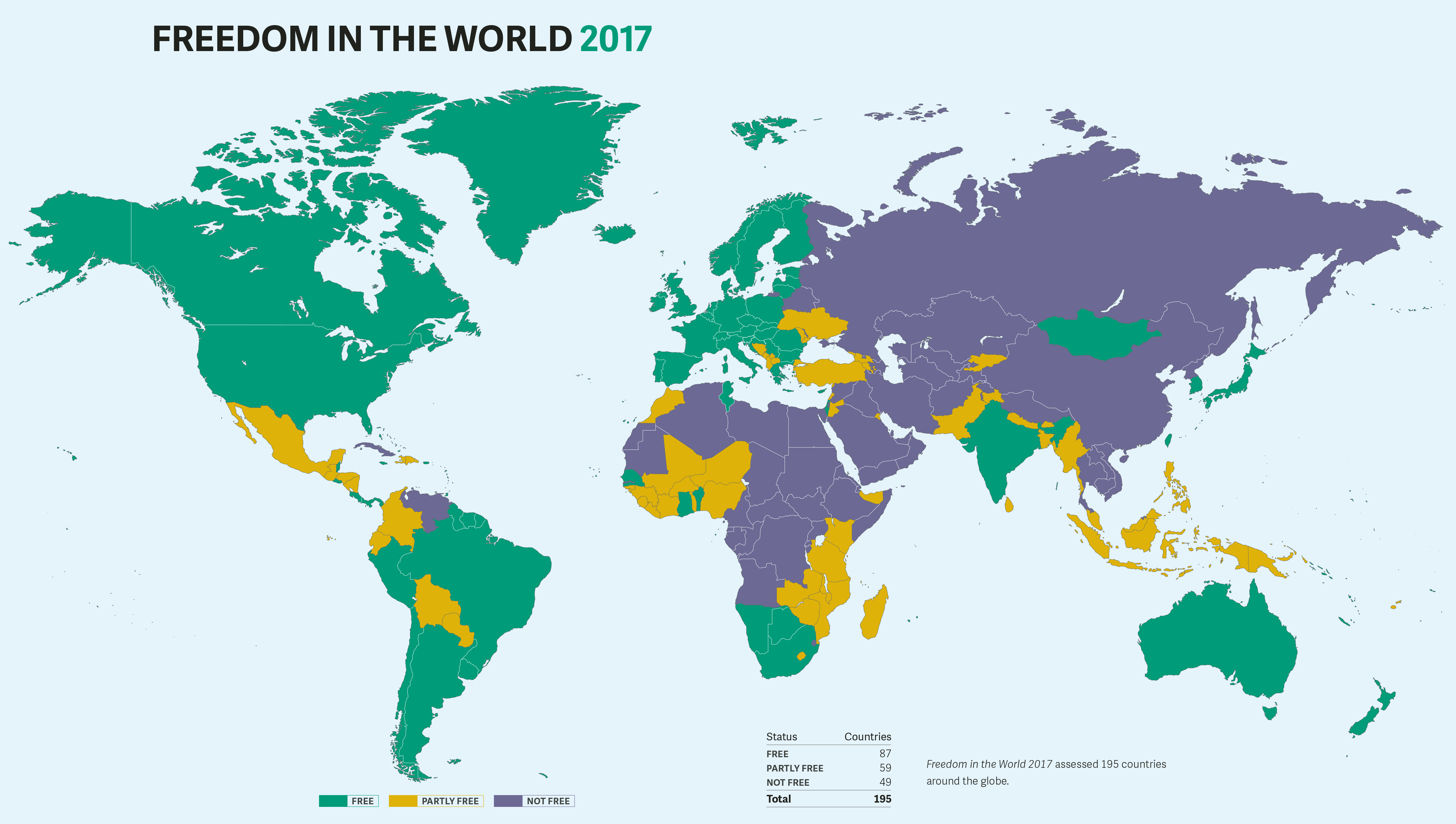
In autocratic (undemocratic) political systems, citizens are completely deprived ofdeprived of the possibility (totalitarianism) or have a limited ability (authoritarianism) to:
participate in free elections of the most important state bodies,
influence the manner of governance and decisions made by the authorities,
create social and political organizations freely,
express their views, including political ones.
Autocracy is a system in which the power is concentrated in the hands of one man or a small group of people and is not subject tosubject to any social control.
In 1941, on the initiative ofon the initiative of Eleanor Roosevelt (the wife of the President of the USA, Franklin Delano Roosevelt), the Freedom House organization was established, which researches the state of democracy and freedom in countries around the world. Its website publishes the results of annual reports on the matter. You can check how the situation in Poland and other countries is assessed.
Totalitarianism is a political system in which the power seeks to completely subjugatesubjugate the society, i.e. to gain full control over the public and private life of people.
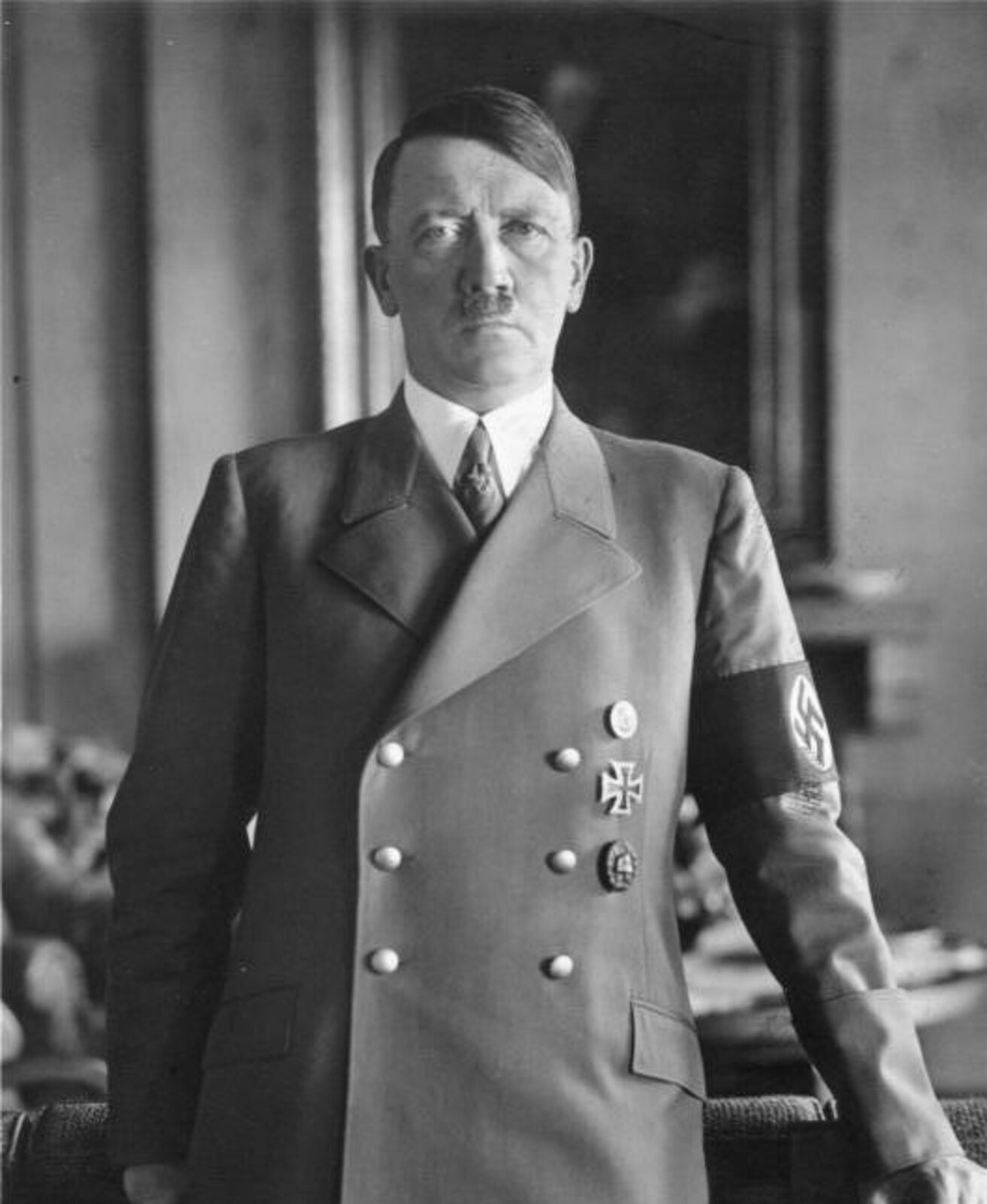
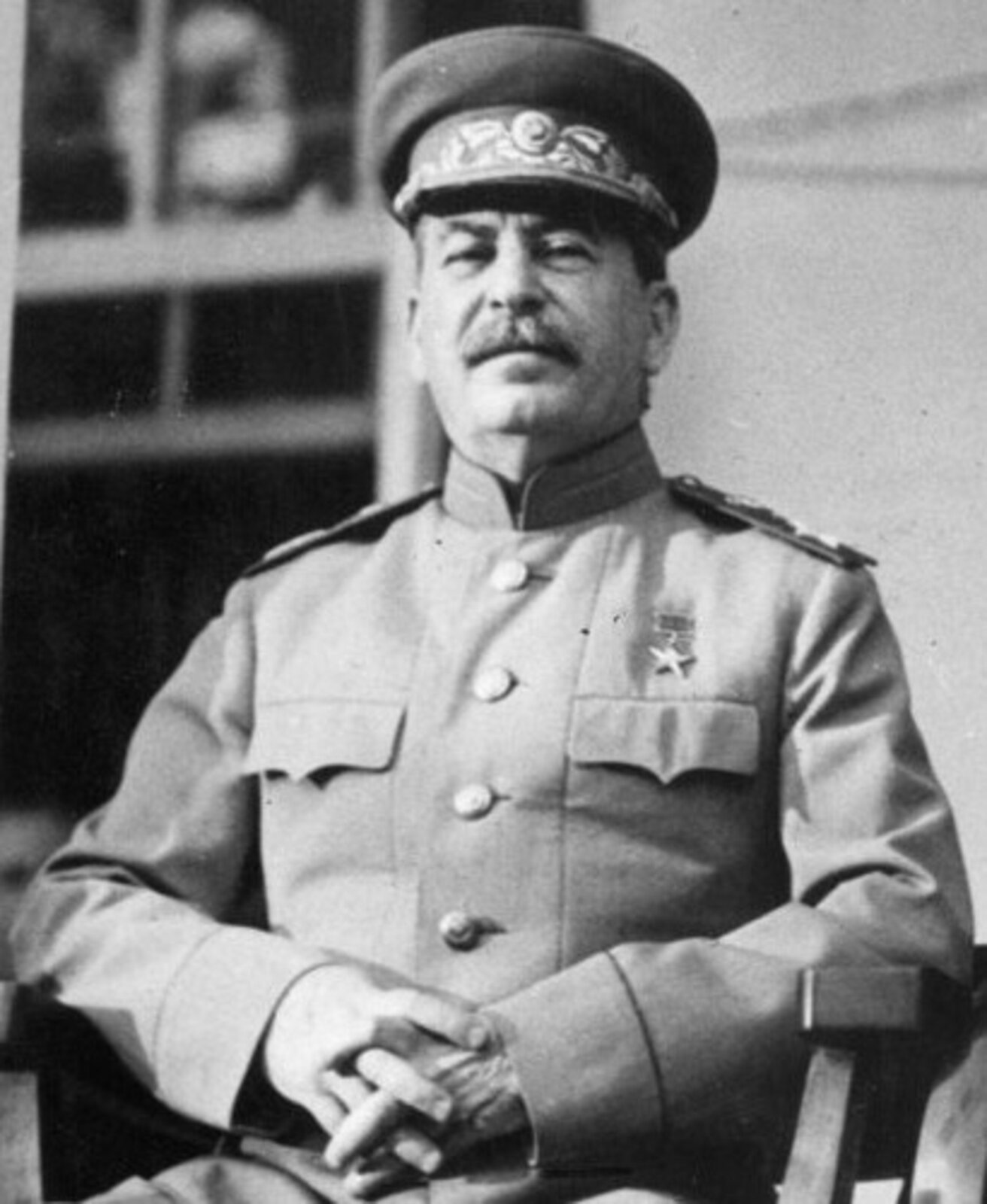
Which countries in today’s world are totalitarian? Point them among those listed below. Think about what should be changed in these countries to become free.
- South Korea
- North Korea
- Russia
- Chad
- Iraq
- Bolivia
Totalitarian states destroyed natural social bonds: families, neighbourhoods, nations. The authorities, through the widespreadwidespread use of terror, not only violated the fundamental human rights, but also led to the extermination of individuals and entire communities. All social values were supplanted withsupplanted with the blind obedience to the leader, the omnipresentomnipresent fear destroyed trust and increased mutualmutual hostility.
Holocaust (Shoah)
Holocaust (Shoah) is the destruction of six million European Jews conducted by the Third Reich during the second world war.
Ghettos
During the second world war, the German occupation authorities forced the Jewish population to live in ghettos. The largest one was located in Warsaw. Robbed of their property, crowded into a small area, people died of starvationstarvation and easily spreading diseases. They were victims of murders committed by the Nazis. In 1942, the authorities of the Third Reich proceeded to implement the plan of total extermination of the Jewish people. Deportations of the ghetto inhabitants to extermination camps began.
Read the excerpt from the „Protest”, which was published in the Polish underground press. How do you understand the words: “Who does not condemn – he allows?.” Do you think they are still valid? And if so, what situations can you relate them to? Present your opinion to the rest of the class and talk to your colleagues.
Passage from “Protest” of the Front of the Rebirth of Poland (1942)In the Warsaw ghetto, a few thousand condemnedcondemned men are waiting for death behind a wall that cut them off from the world. There is no hope of rescue for them, help comes from nowhere. The tormentorstormentors run along the streets, shooting anyone, who dares to leave the house. They fire at anyone standing in the window, too. Unburied corpses lie around on the streets (...) The same has been happening for half a year in a hundred Polish cities and towns (...) This silence can no longer be tolerated. Whatever the motives are - this silence is wickedwicked. We must not remain passive in the face of such crime. Who is silent in the face of murder – becomes an accessory to murderaccessory to murder. Who does not condemn – he allows.
Source: Passage from “Protest” of the Front of the Rebirth of Poland (1942).
German concentration and extermination camps
As we can read on the auschwitz.org website:
„All over the world, Auschwitz has become a symbol of terror, genocide, and the Holocaust. It was established by Germans in 1940, in the suburbssuburbs of Oświęcim (...) Auschwitz (...) was the largest Nazi concentration camp – a place for the gradualgradual annihilation of prisoners – and, at the same time, the largest center for the immediate, direct extermination of Jews.”
The Nazis deported at least 1,3 million people of over twenty nationalities to Auschwitz. Jews constituted 85% of all deportees and 90% of the total murdered.
Before the outbreak of the second world war, Poland was a multinational and multi‑religious state. The Jewish community with 3 million people accounted foraccounted for about 10% of the population of the state. Only few survived the war. According to the Polish Census of 2011, approximately 2000 Polish citizens declare Jewish identity as the only one.
There are righteous among us
The Jewish nation did not forget about those who risked their lives to save Jews during the second world war. The Yad Vashem Holocaust Martyrs’ and Heroes’ Remembrance Authority in Jerusalem established the Righteous Among the Nations medal, awarded for saving Jews during the second world war. By 1 January, 2017, 26 513 such awards were granted, of which 6 706 were received by Poles. The honored receive a specially mintedminted medal and a diploma of recognition. Their names are immortalizedimmortalized on the wall of honor in the Garden of the Righteous in Yad Vashem in Jerusalem. Remember that during the occupation in the Polish territories the people who helped the Jewish population were threatened with the death penalty. Germans used collective responsibility, punishing also the family, and often the neighbours of those who hid the Jews.
The medal of the Righteous bears the Jewish saying “Whoever saves a single life, saves an entire universe” (Mishnah, Sanhedrin 4:5, Talmud).
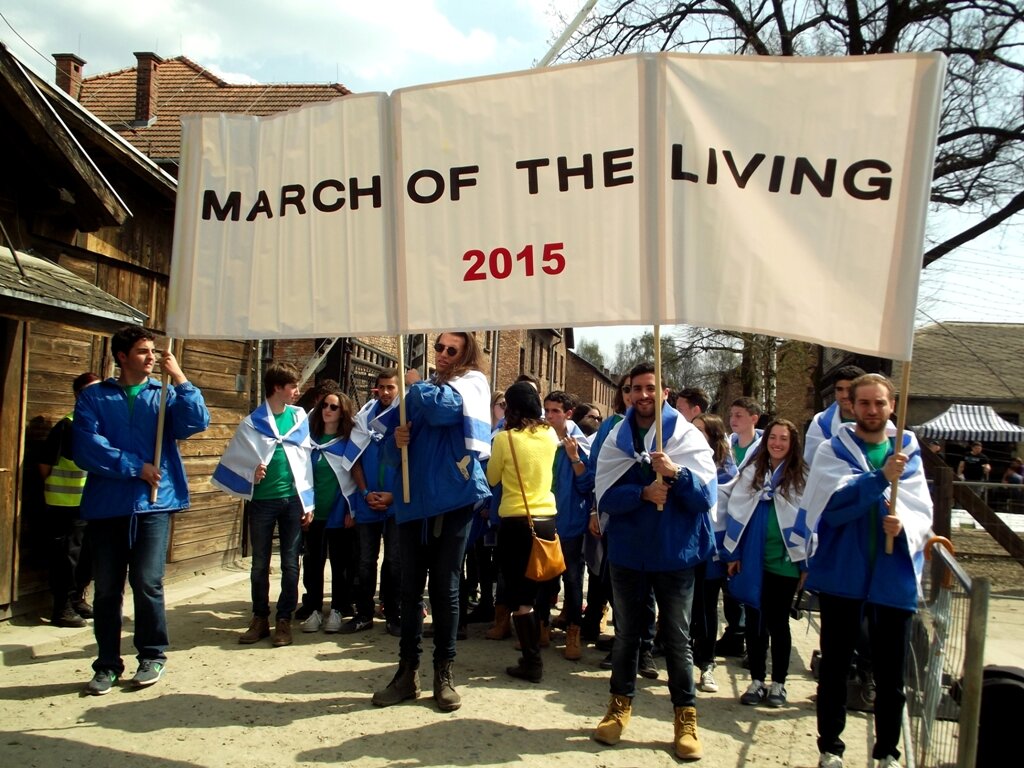
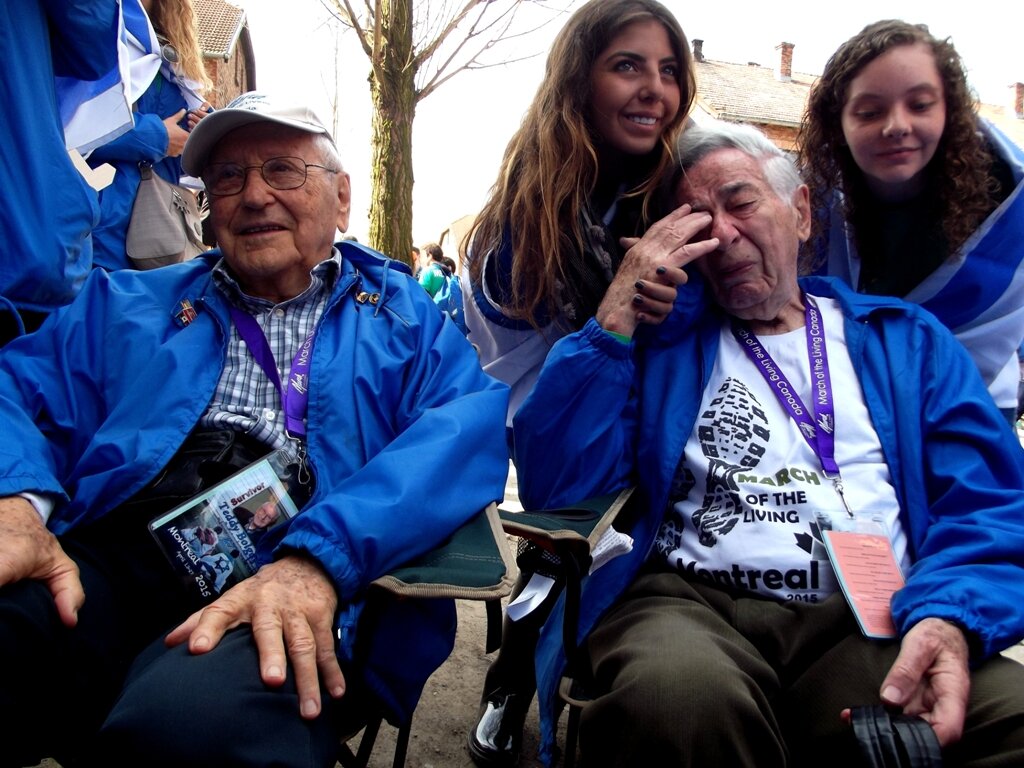
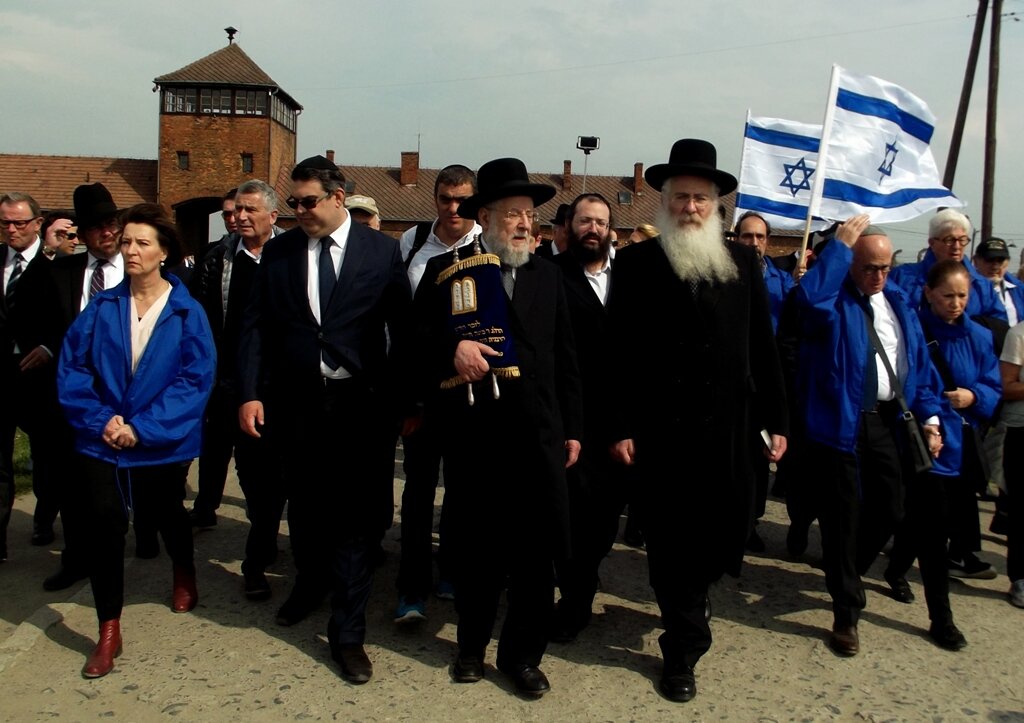
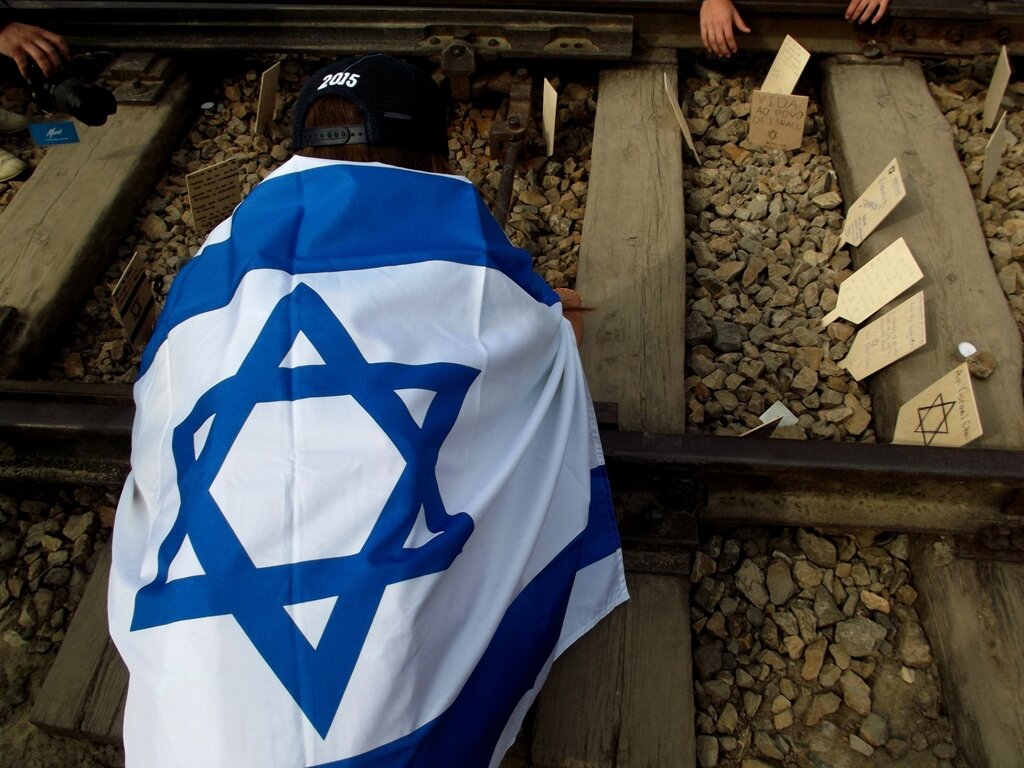
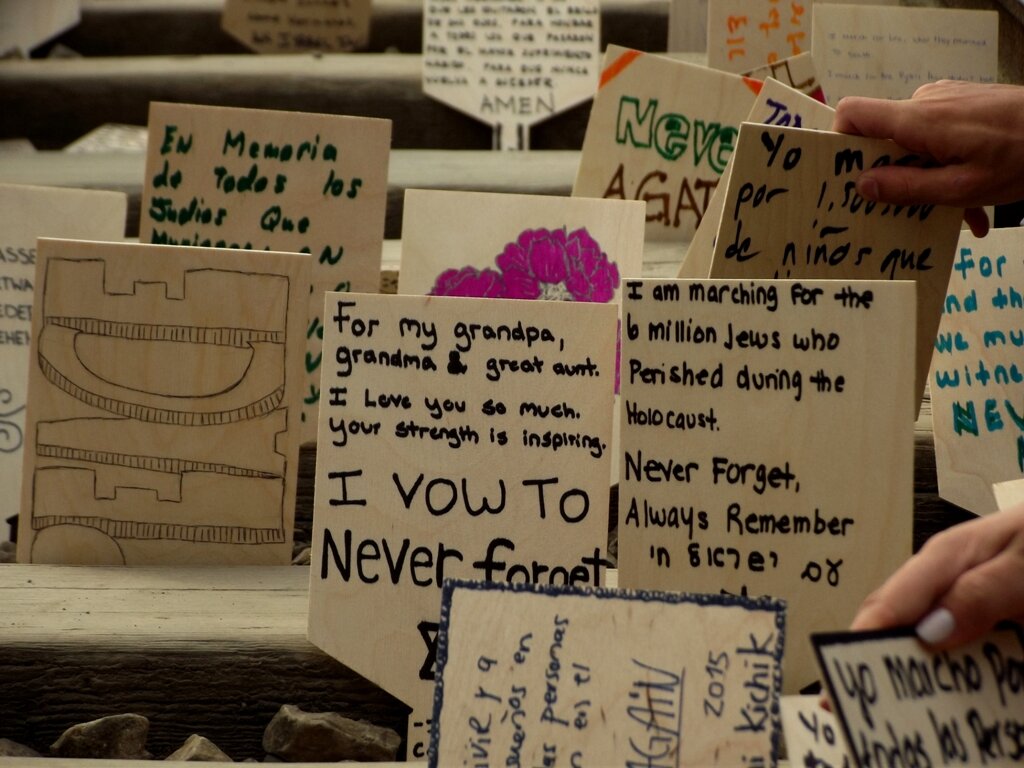
Since 1996, the International March of the Living has been organized on the site of the former Auschwitz concentration camp. The participation in the March is supposed to give testimony to the memory of people murdered by Nazi Germans during the second world war. It is also a manifestation of attachment to such values as: dignity and equality of all people, tolerance, the right of every person to live in peace. See the photo gallery below documenting this event.
The 20th century – a century of genocide?
The term “crime against humanity” is often used interchangeablyinterchangeably with the notionnotion of genocide, because both refer to cases of radical violations of the basic human right, which is the right to life. However, a crime against humanity is a broader concept and also includes situations in which the actions taken do not directly consist in death, but often lead to death (e.g. gulags in the Soviet Union). Crimes against humanity include: genocide, murder, extermination, deportation, persecutionpersecution, and other acts committed with the intention of destroying all or part of the national, ethnic, racial or religious group. The 20th century was particularly abundant inabundant in crimes of this nature.
Crimes of genocide after the second world war
Burundi
In 1972, there were large scale massacres of members of the Hutu ethnic group. They were carried out in the spring and summer by the Burundi army and paramilitary militias dominated by members of the Tutsi ethnic minority.
Cambodia
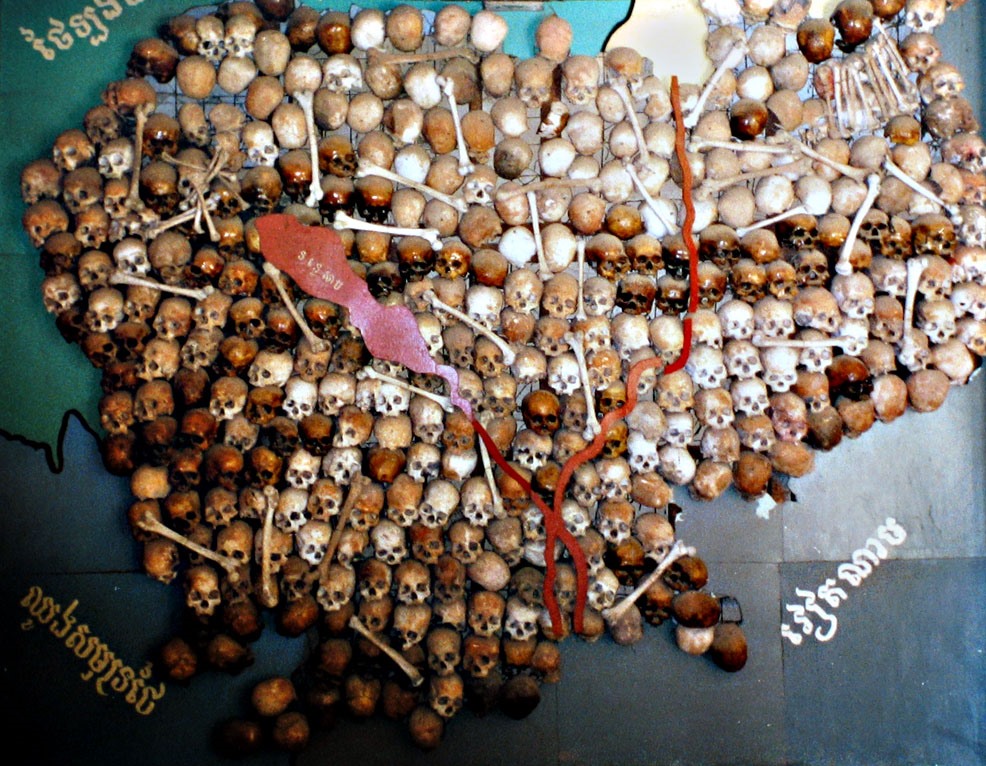
In 1975, in Cambodia, an extremist group combining communist ideology and nationalism came to power. Under the leadership of the dictator Pol Pot, a huge number of people were killed by starvation, overwork and execution. They were even killed for wearing glasses. It is estimated that the number of victims of the Pol Pot regime reached 20–25% of the country’s population.
In the picture: Map made with skulls of the regime's victims, exhibited at the Tuol Sleng Museum (photo: Donovan Govan, CC BY-SA 3.0)
Lebanon
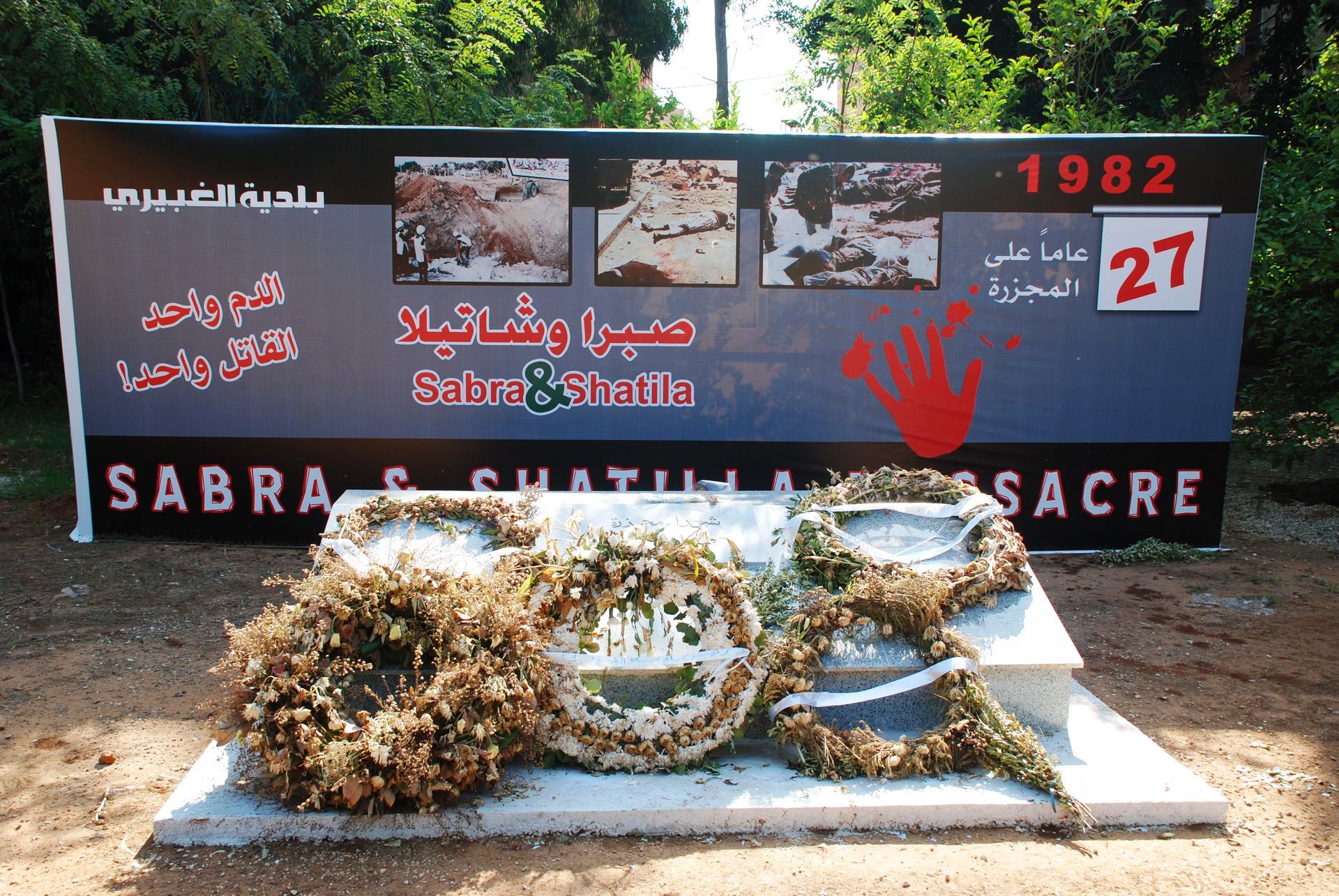
On 16–18, September, 1982, a massacre was carried out on Palestinian refugees by the Lebanese troops (also known at the “Christian militia”) under the command of Elie Hobeika. This was done with a full consent of the Israeli armed forces. The number of victims is estimated at 700–3500, the majority of whom were elderly, women and children.
In the picture: Sabra and Shatila Massacre 1982 Memorial in Sabra, South Beirut (photo: Bertramz, CC BY 3.0)
Iraq
In 1982, 148 Shiites were murdered in the city of Ad-Dujaj, near Baghdad, by the regime armies of Saddam Hussein.
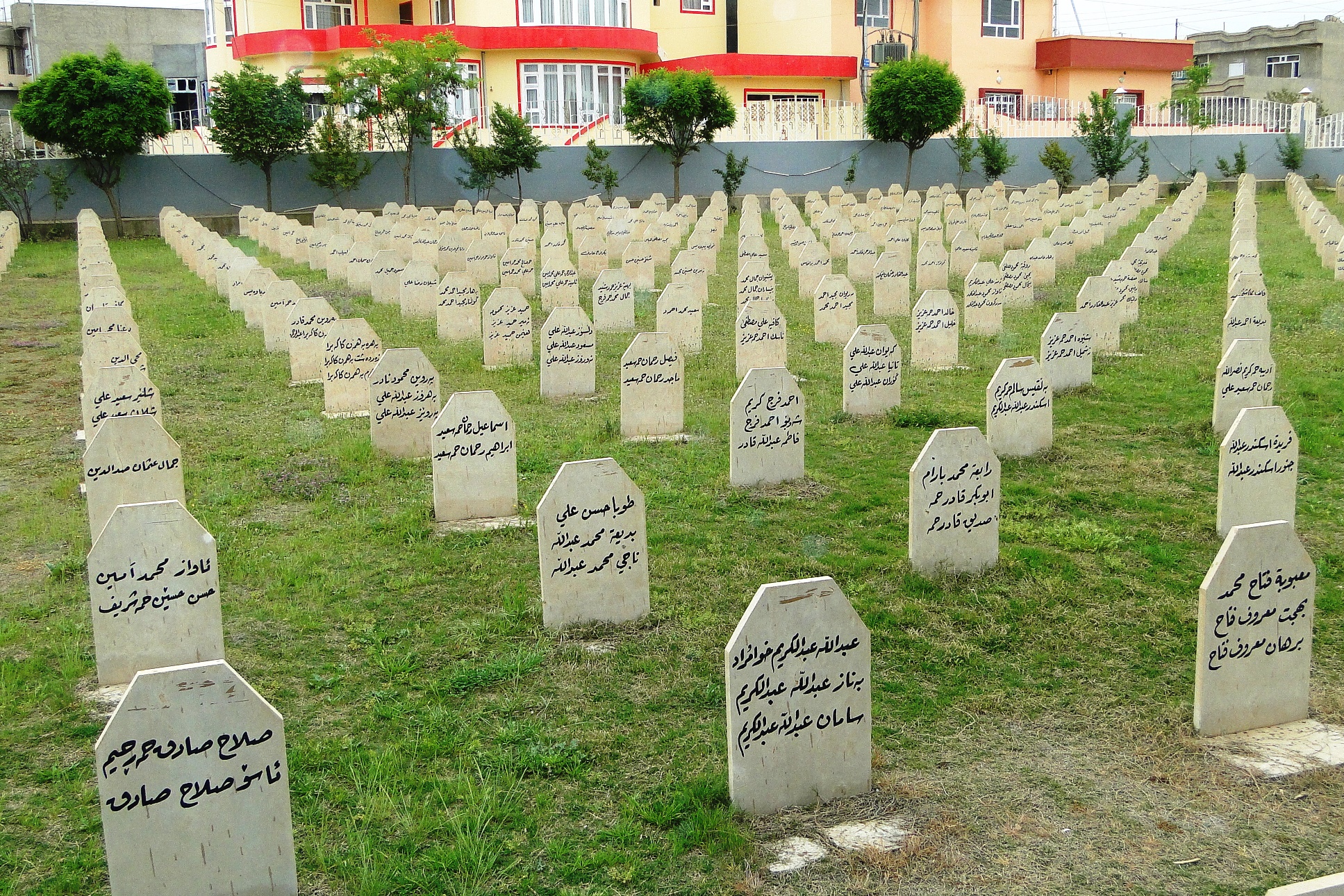
In 1988, Saddam Hussein’s army carried out the Al-Anfal operation against the Kurds. According to Kurdish sources, more than 3000 villages were destroyed. The inhabitants of these villages were murdered or sent to concentration camps. The Iraqi army has repeatedly used chemical weapons, e.g. in Halabja. Bombs with poisonous gases killed about 5000 people there, and several thousand others were maimed for life. The whole operation claimed from 50 000 to 200 000 Kurdish lives.
In the picture: Family Graves for Victims of 1988 Chemical Attack – Halabja, Kurdistan, Iraq (photo: Adam Jones, Ph.D., CC BY-SA 3.0)
Rwanda
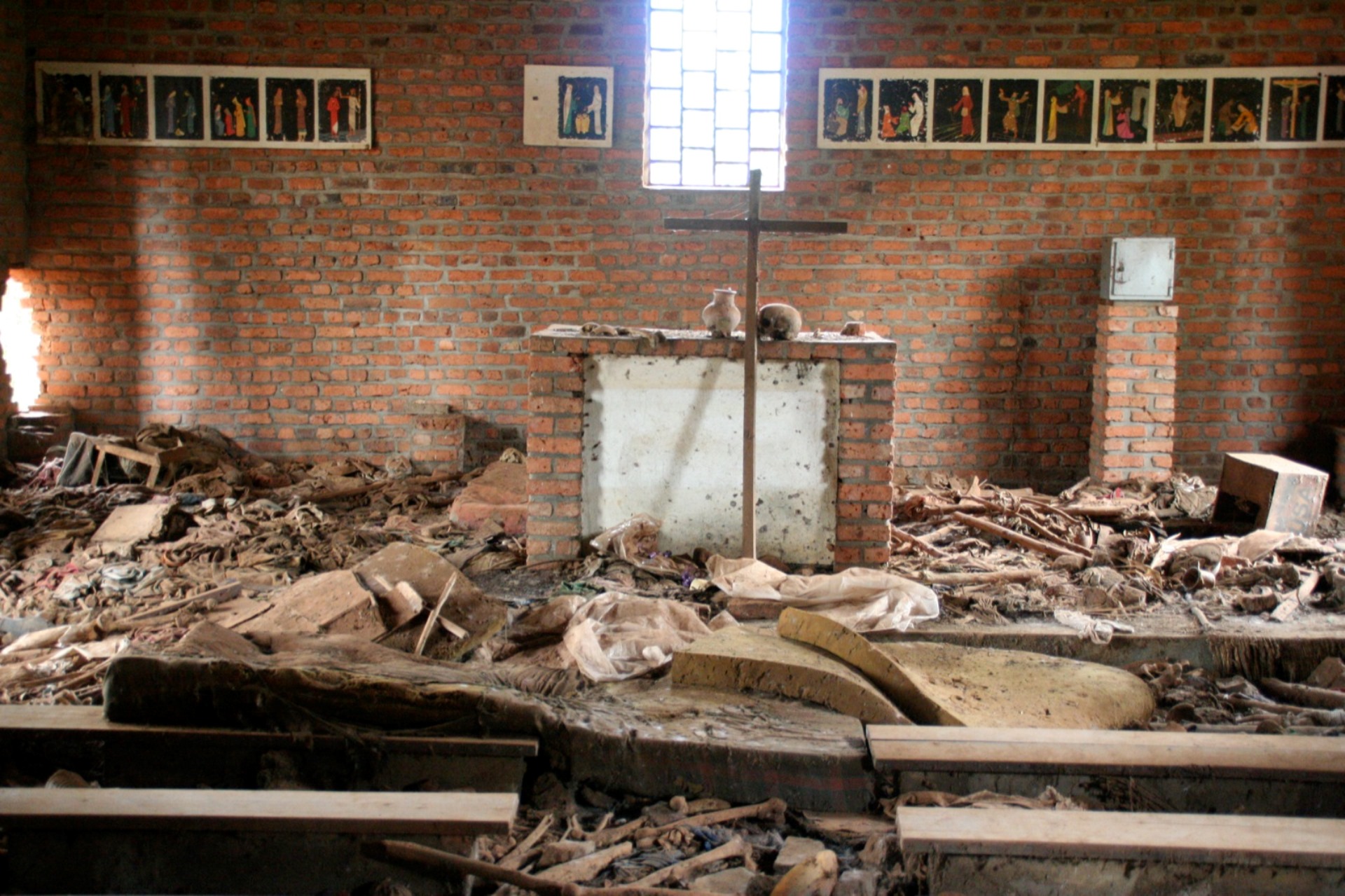
The growing conflict between the tribes of Tutsi and Hutu led to a massacre in 1994, in which the Hutus in a hundred days murdered from 800 thousand to over a million Tutsis and moderate Hutus. The murderers identified their victims by the tribal affiliation recorded in the ID cards.
In the picture: Over 5,000 people seeking refuge in Ntarama church were killed by grenade, machete, rifle, or burnt alive (photo: Scott Chacon, CC BY 2.0)
Bosnia
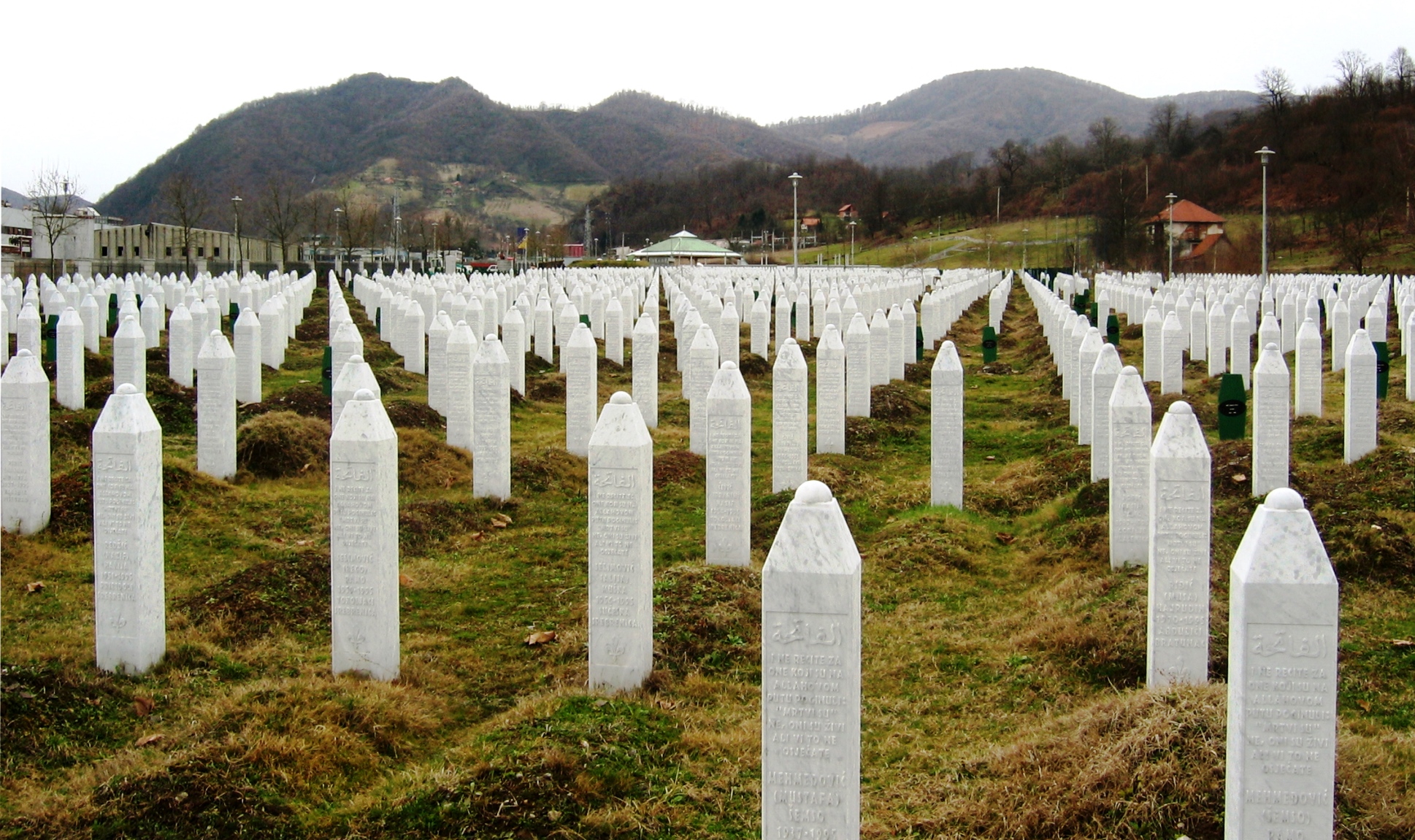
On 12–16, July, 1995 during the war in Bosnia, around the city of Srebrenica, the Serbs carried out mass executions of 8373 Muslim men and boys. This massacre is considered the greatest genocide in Europe since the second world war.
In the picture: The Srebrenica Genocide Memorial in Potočari (photo: Michael Büker, CC BY-SA 3.0)
The Polish way to democracy
How was it in Poland after the Second World War? From 1944 to 1989, the Polish society was subject to the imposedimposed communist rule. Citizens were deprived of the possibility to influence the decisions of the authorities, and their freedoms were very limited. The opponents of the regime were repressedrepressed. The authorities suppressedsuppressed all forms of social resistance, activeness and independence. The establishment of the Independent Self‑Governing Trade Union “Solidarity” marked the beginning of a long way to a democratic, sovereign state.
Do you remember the Polish freedom uprisings during the communist period? What years did they take place and who participated in them? To review your knowledge, go through the flashcards.
| 1956 | workers' protests in Poznań |
| 1968 | students’ protests in defense of freedom of speech |
| 1970 | workers' protests on the Coast |
| 1976 | workers' strike in Radom, Ursus and Płock |
| 1980 | nationwide strike, NSZZ Solidarność uprising |
Martial law
In order to curbto curb the growing activity and independence of Polish society, on 13 December, 1981, the communist authorities imposed martial law in Poland. Fundamental human rights were restricted, e.g. curfewscurfews were introduced and the functioning of trade unions was suspendedsuspended. The leaders of “Solidarity” were interned.
Internment – a form of repression, consisting in the compulsorycompulsory isolation of persons recognized by the authorities as dangerous for the state, e.g. members of the political opposition.
At the news of the introduction of martial law, a protest started in the coal mine “Wujek”. The striking miners demanded, among other things, the release of all arrested activists of “Solidarity”. The strike was brutally suppressed - nine miners were killed and twenty‑four woundedwounded.
Listen to the abstract recording to review the material and new vocabulary. Then do the vocabulary exercise. Match the pairs: English and Polish words.
pozbawiony, obowiązkowy, głód, narzucony, przedmieścia, peryferie, ranny, zawieszony, rozpowszechniony
| imposed | |
| deprived of | |
| suspended | |
| compulsory | |
| wounded | |
| widespread | |
| starvation | |
| suburbs |
Keywords
totalitarianism, authoritarianism, autocracy, Holocaust, Shoah, genocide, crime against humanity, internment, nationalism, chauvinism, ghetto, extermination/concentration camp, Yad Vashem Holocaust Martyrs’ and Heroes’ Remembrance Authority, Righteous Among the Nations
Glossary
być poddanym, być przedmiotem
narzucony
pozbawiony
stłumiony
zduszony
ograniczyć, ukrócić
godzina policyjna
zawieszony
obowiązkowy
ranny
z inicjatywy
ujarzmiać
rozpowszechniony
zastąpiony przez
wszechobecny
wzajemny
wrogość
głód
ulotka
skazany
dręczyciel
nikczemny
współsprawca morderstwa
przedmieścia, peryferie
unicestwienie
stopniowy
stanowić
wybite
uwieczniony
zamiennie
pojęcie
obfity w
plemię
prześladowanie
wahać się
Sprawiedliwy wśród Narodów Świata