Przeczytaj
It turns out that being optimistic or pessimistic isn't just a trait of character - it can have a big impact on our relationships with others, our ability to take risks or even our longevitylongevity! Read the text and find out more about whether being optimistic pays off.
Okazuje się, że optymizm lub pesymizm nie jest tylko naszą indywidualną cechą! Dana postawa może mieć także duży wpływ na nasze relacje z innymi, zdolność do podejmowania ryzyka, a nawet długość życia! Przeczytaj tekst i dowiedz się więcej na temat tego, czy bycie optymistą po prostu się opłaca.
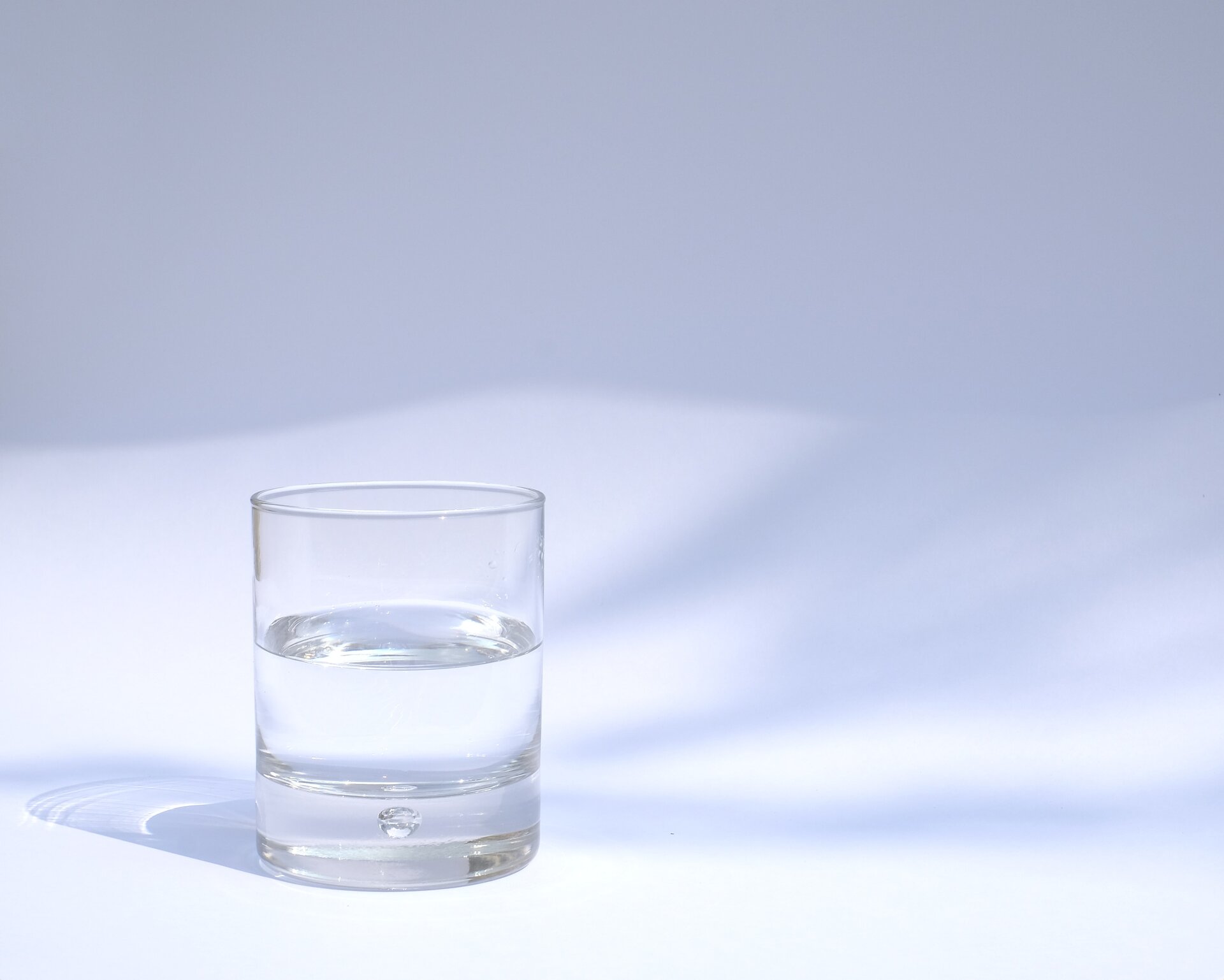
Answer the questions and check if you’re an optimist or pessimist. Write down your answers while doing the test.
Odpowiedz na pytania i sprawdź, czy jesteś optymistą/optymistką, czy pesymistą/pesymistką. Zapisz swoje odpowiedzi i sprawdź rozwiązanie.
Do you think the best or worst will happen?
A. The best.
B. The worst.
Do you have trust and faith in people?
A. Yes, I do.
B. Not really.
If something can go wrong for you, do you think it will?
A. No, I don’t believe it will.
B. For sure!
Do good things happen to you?
A. Yes!
B. Not at all.
Are you feeling happy about your future?
A. Yes.
B. No.
Read the text below about the science of optimism and do the exercises below. There are 4 missing fragments of the text. They will be presented in Exercise 2.
Przeczytaj tekst o nauce stojącej za optymizmem. Następnie wykonaj poniższe ćwiczenia. W tekście brakuje 4 fragmentów, które są częścią Ćwiczenia 2.
Why Is It a Better Idea to See the Glass Half Full?Did you know that we use the same parts of the brain to remember the past as we do to imagine the future? … (A) They prefer to look on the bright sidelook on the bright side! This leads to another conclusion: optimismoptimism helps to increase motivationincrease motivation. It is the belief that our future will be better than the present or the past, and that it will bring mostly good things.
It turns out that optimists tend to interpretinterpret positive events as ones that relate personally to them. For example, if you do a project and you succeedsucceed, if you're an optimist you think „Oh, I succeeded because I'm very smart. And in general I'm great.” … (B) The flip side of the coinThe flip side of the coin, when you failfail at something, you would say it's not directlydirectly related to you - „it's not that there's something wrong with me, it's just that circumstancescircumstances weren't right for me.” People with higher levels of optimism in general, have better mental healthbetter mental health.
Is it worth being optimisticoptimistic? … (C) Not only does optimism reduce stressreduce stress, it also promotes the production of dopaminedopamine, which is essentialessential for action; it makes us happymakes us happy and increases the courage to take risksincreases the courage to take risks.
… (D) Research regularly shows that optimists have a 50% lower risk of cancercancer and heart diseaseheart disease. There are also studies that say that pessimists are more likely to suffersuffer from infectious diseasesinfectious diseases and are more likely to have poorer health.
Simply put, optimism decreasesdecreases the amount of bad things and increases the number of good things in our life.
Źródło: Anna Olewińska‑Byliniak, licencja: CC BY-SA 3.0.
Read the text. Choose which sentences match the correct gaps.
Przeczytaj tekst. Wybierz zdania pasujące do odpowiednich luk.
Read the text again. Drag the words in the correct places to make sentences.
Przeczytaj tekst ponownie. Przeciągnij wyrazy w odpowiednie miejsca, aby utworzyć zdania.
- 1. Optimism, 2. reduce stress, 3. look on the bright side, 4. increases motivation, 5. Pessimism is the belief that our future will bring good things to us.
- If you’re nervous and stressed out, try to relax and to be more optimistic; it can help to 1. Optimism, 2. reduce stress, 3. look on the bright side, 4. increases motivation, 5. Pessimism.
- Dopamine is responsible for action; it makes us happy and 1. Optimism, 2. reduce stress, 3. look on the bright side, 4. increases motivation, 5. Pessimism.
- Optimists tend to 1. Optimism, 2. reduce stress, 3. look on the bright side, 4. increases motivation, 5. Pessimism of things.
- 1. Optimism, 2. reduce stress, 3. look on the bright side, 4. increases motivation, 5. Pessimism is the belief that our future will bring bad things to us.
Fill the gaps with words given. There is one extra word that you don’t need.
Uzupełnij luki podanymi wyrazami. Jednego z nich nie potrzebujesz.
Answer the question in 2–3 sentences.
Odpowiedz na pytanie w 2–3 zdaniach.
How is being optimistic good for our health?
Słownik
/ ˈbetə ˈmentl̩ heltheta /
lepsze zdrowie psychiczne
/ ˈkænsə /
rak, nowotwór
/ ˈsɜːkəmstənsɪz / / ˈsɜːkəmstəns /
okoliczności [okoliczność]
/ dɪˈkriːsɪz / / dɪˈkriːs /
obniża [obniżać]
/daɪˈrektli/
bezpośrednio
/ ˈdəʊpəmiːn /
dopamina (neurohormon będący przekaźnikiem impulsów nerwowych)
/ ɪˈsenʃl̩ /
kluczowe
/ feɪl /
ponieść porażkę
/ ˈhɑ:t dɪzi:z /
choroba serca
/ ɪnˈkriːs ˌməʊtɪˈveɪʃn̩ /
zwiększać motywację
/ ɪnˈkriːsɪz ðə ˈkʌrɪdʒ tu ˈteɪk rɪsks / / ɪnˈkriːs ðə ˈkʌrɪdʒ tu ˈteɪk rɪsks /
zwiększa odwagę do podejmowania ryzyka [zwiększać odwagę do podejmowania ryzyka]
/ ɪnˈfekʃəs dɪˈziːzɪz / / ɪnˈfekʃəs dɪˈziːz /
choroby zakaźne [choroba zakaźna]
/ ɪnˈtɜːprɪt /
interpretować, tłumaczyć
/ lɒnˈdʒevəti /
długowieczność
/ ˈlʊk ˈɒn ðə braɪt saɪd /
patrzeć na jasną stronę
/ ˈmeɪks əz ˈhæpi / / ˈmeɪk ˈsʌmbədi ˈhæpi /
uszczęśliwia nas [uszczęśliwiać kogoś]
/ ˈɒptɪmɪzəm /
optymizm
/ ˌɒptɪˈmɪstɪk /
optymistyczny/optymistyczna
/ rɪˈdjuːs stres /
redukować stres
/ səkˈsiːd /
odnieść sukces
/ ˈsʌfə /
cierpieć
/ ðə flɪp saɪd əv ðə kɔɪn /
druga strona medalu
Źródło: GroMar Sp. z o.o., licencja: CC BY‑SA 3.0