Przeczytaj
The picture below presents a weather related idiom that brings a nice message to everybody. Read the message and think if you agree with its meaning.
Poniższa ilustracja zawiera idiom związany z pogodą, który jest przydatnym i mądrym przesłaniem dla każdego. Przeczytaj ten idiom i przemyśl, czy się z nim zgadzasz.
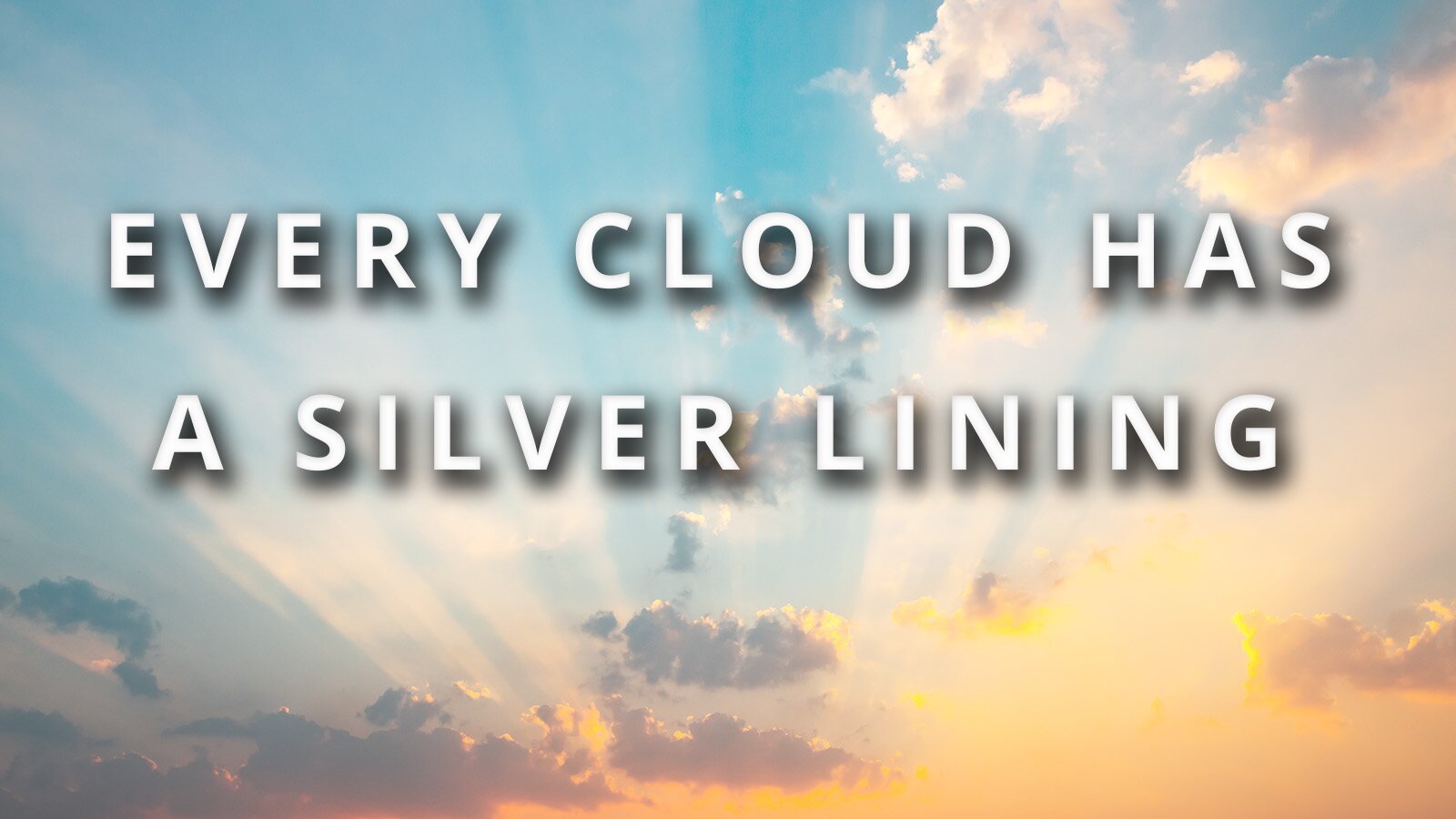
Drag the words to put them in the correct order to create English idioms related to weather. Do you know any similar idioms in Polish?
Study the text and do the exercises below.
Rest to the Extremes!As travelling becomes more affordable, why won’t you choose your destination based on the weather you enjoy? Travel the world according to your weather preferences, pick what is best for you and book your holiday today!
A. If you don’t mind sweatingsweating in the sun on a hot sunny day, you must visit Death Valley in California, U.S.A. It’s a popular land of extremesextremes. It is the driest and hottest place in the U.S.A. In fact, some people say it’s scorchingscorching. The temperature reaches up to 56 degrees Celsius.
B. Not a fan of heatheat? Why don’t you consider chilly weatherchilly weather in Oymyakon in Russia? If you are keen on frostfrost, take warm clothes with you. The average temperature in winter is -34 degrees Celsius. Occasionally, you can experience a blizzardblizzard or hailhail there, but hailstoneshailstones are rather rare. It is not the most freezingfreezing place on Earth, but it’s one of the coldest settledsettled ones.
C. For those, who are addicted to extreme sensations, there is something special in the offer. Lake Victoria, the largest tropical lake, in Uganda in Africa is the perfect destination for people who follow stormsstorms. The area experiences the most thunderstormthunderstorm days in the world. LightningLightning is frequently seen and thunderthunder is heard about 242 days of the year.
D. Is extreme weather not for you? Luckily, there is a place where the weather meets everybody’s expectations. It’s Ireland, the country with mainly overcastovercast skies and no actual winter or summer. After a short moment of bright sun and excitement, it might get dampget damp quickly, just to entertain you with a drizzledrizzle or a downpourdownpour. There is nothing like a severe winter there. Inhabitants must be satisfied with a flurry of snowflurry of snow and slushslush in between.
Do not wait long! Choose the place that tempts you and call us! We will organise everything for you! For more information, contact us.
Źródło: Anna Faszcza, licencja: CC BY-SA 3.0.
A. a travel advertising brochure.
B. an article in the newspaper.
C. a university lecture.
2. Death Valley can only be visited by
A. people who love hot weather.
B. rationally thinking people.
C. people who long for a suntan.
3. Oymyakon in Russia
A. is the place with the lowest temperatures in the world.
B. is the place where the temperature is at minus zero degree Celsius all year.
C. is situated in the mountains.
4. Thunderstorms in Africa
A. usually lack lightning.
B. usually happen one after another.
C. are formed very quickly.
5. Ireland’s weather
A. is usually cloudy and cold.
B. is usually cloudy and snowy in winter.
C. is usually wet and cloudy.
A. sleet
B. drizzle
C. frost
D. spitting
2. High temperature
A. scorching
B. baking hot
C. boiling hot
D. damp
3. Snow
A. sleet
B. drizzle
C. blizzard
D. overcast
4. Low temperature
A. lightning
B. frost
C. freezing
D. chilly
5. Falls
A. still
B. hail
C. scorching
D. spitting
Based on the information from the reading passage, choose one place from the offers that seems the most tempting to you as your holiday destination. Focus on the weather conditions of this place. Explain in 5–6 sentences:
why you have chosen the place;
what are the risks of being at this place.
Słownik
/ ˈblɪzəd /
śnieżyca
/ tʃeɪs ˈreɪnbəʊz /
gonić za marzeniami, podążać za tęczą (idiom)
/ ˈtʃɪli ˈweðə /
chłodna pogoda
/ ˈdaʊnpɔː /
ulewa
/ ˈdrɪzl̩ /
mżawka
/ ɪkˈstriːmz / / ɪkˈstriːm /
skrajności [skrajność]
/ feɪs laɪk ˈthetaʌndə /
rzucać piorunami, mieć wściekłe spojrzenie, wyglądać na zdenerwowanego (idiom)
/ ˈflʌri əv snəʊ /
lekki opad śniegu
/ ˈfriːzɪŋ /
bardzo zimny/bardzo zimna
/ frɒst /
mróz
/ ˈget dæmp /
robić się wilgotno (np. przed burzą)
/ heɪl /
grad
/ ˈheɪlstəʊnz / / ˈheɪlstəʊn /
kulki gradu [kulka gradu]
/ həv jə hed ɪn ðə klaʊdz /
chodzić z głową w chmurach, bujać w obłokach (idiom)
/ hiːt /
upał, gorąc
/ ˈlaɪtnɪŋ /
błyskawica
/ ˌəʊvəˈkɑːst /
całkowicie zachmurzony/zachmurzona
/ ˈskɔːtʃɪŋ /
skwarny/skwarna
/ ˈsetl̩d /
zamieszkany
/ slʌʃ /
chlapa, roztopiony śnieg
/ stɔːmz / / stɔːm /
burze [burza]
/ ˈswetɪŋ / / swet /
pocenie się [pocić się]
/ stɔːm ɪn ə ˈtiːkʌp /
burza w szklance wody, awantura z błahego powodu (idiom)
/ ˈthetaʌndə /
grzmot
/ ˈthetaʌndə stɔːm /
burza z piorunami
Źródło: GroMar Sp. z o.o., licencja: CC BY‑SA 3.0