The impact of salts on the environment
that salts are ionic compounds composed of metal cations (or an ammonium cation of the formula ) and anions of the acid residue;
that salts in the water undergo an electrolytic dissociation.
to recognize salts found in common use and evaluate their impact on the natural environment.
The impact of salts on the environment
Some salts as a result of human activity are introduced into the environment, causing the imbalance. For example, substances used for the production of synthetic fertilizers and cleaning agents get into waters, causing them to degrade. Sodium chloride, which is used on roads during winter, has a negative impact on plants and soils near the road.
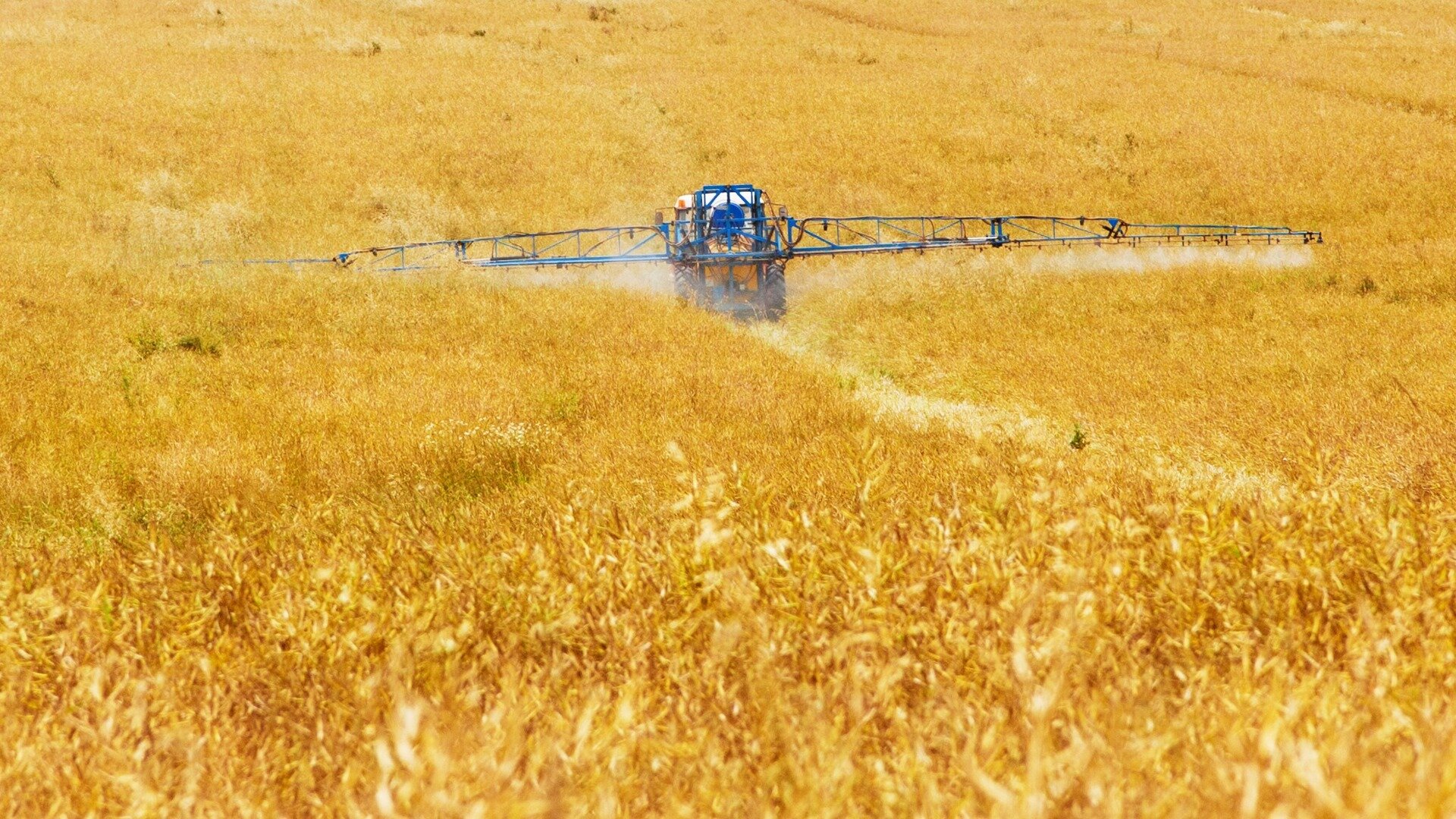
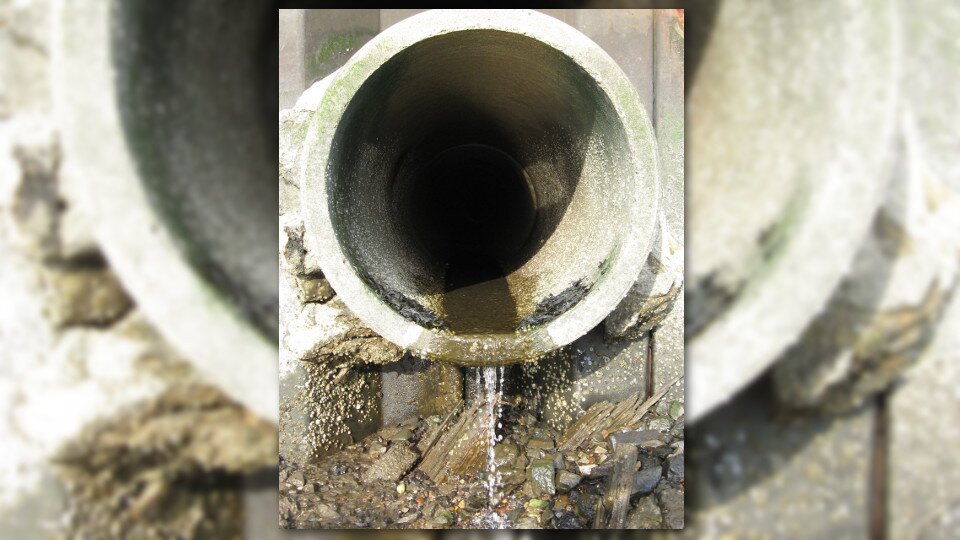
Look at the interactive illustration and find out what is happening with the lake where some salts are delivered, for example from the waters washing passing fertilized fields or sewage.
1. Fertilized fields - the problem of lakes Water flowing from fertilized fields and sewage transfer to water reservoirs substances, which contain nitrogen and phosphorus, i.e. chemical elements that stimulate the development of aquatic plants.
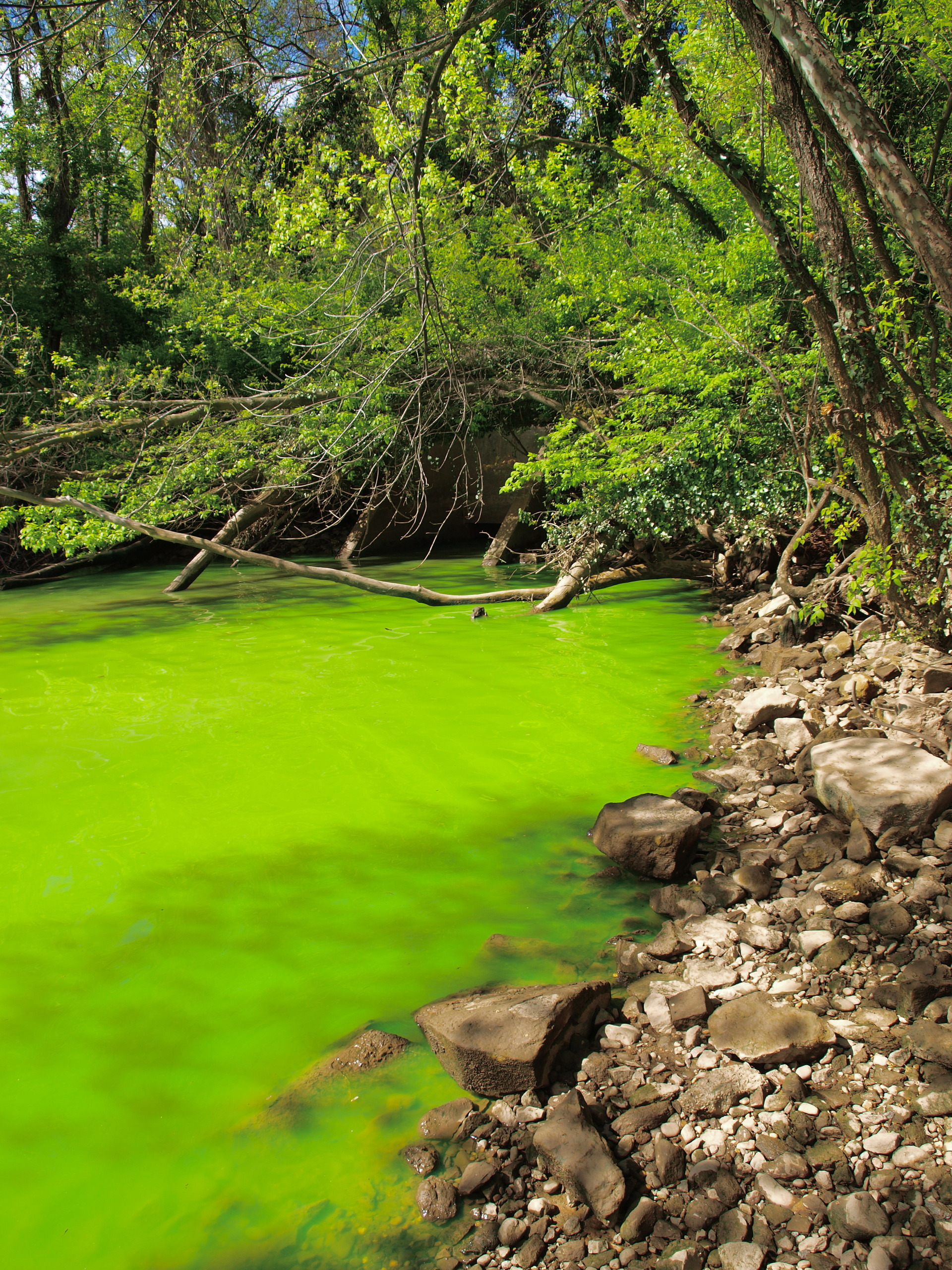
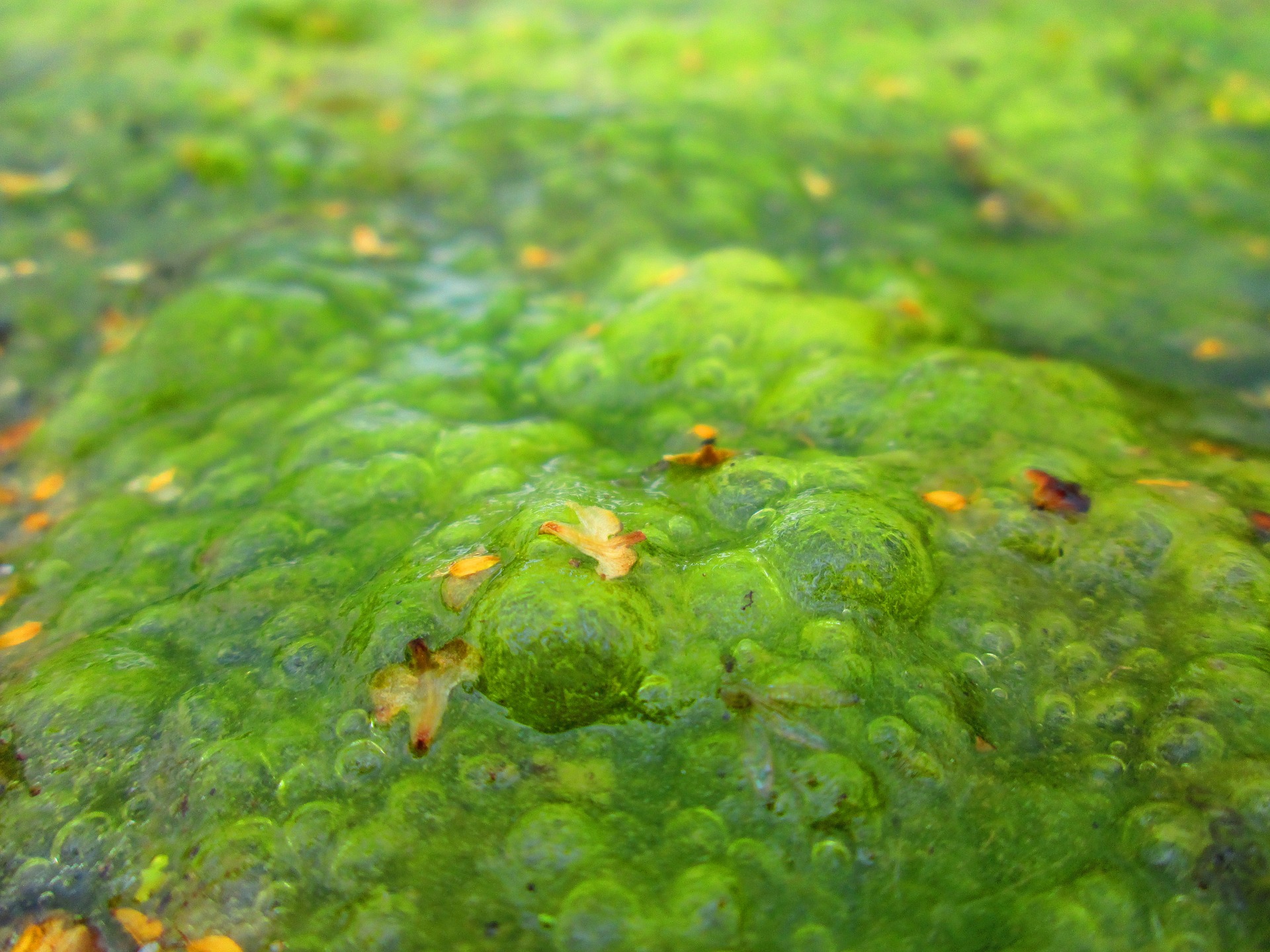
2. “Algal bloom” The increase of nutrients in lakes causes a significant development of algae (so-called algal bloom), which makes the water to be turbid, have a bad taste and unpleasant odour.
3. No photosynthesis Algae also limit the access of light to the deeper layers of the lake, causing loss of photosynthesis of plants (which result in the lack of production of oxygen) and their death.
4. No oxygen in the water After some time, the algae also die and fall to the bottom of the tank. The matter decomposes there under the influence of bacteria, and this process is oxygen-consuming. In a short time, an oxygen deficit occurs and the decay processes begin.
5. Negative impact on animals New conditions are not in favour to the development of aquatic animals living in the lake and their amount is rapidly declining.
6. Lake disappearing The layer of organic matter lying on the bottom of the reservoir becomes bigger, causing the level of the bottom to rise, and the lake gradually disappears.
Rivers that carry pollutants that are nutrients for algae enter the Baltic Sea; also ships and ferries draining sewage directly into the water contribute to the intensification of the so‑called algal bloom.
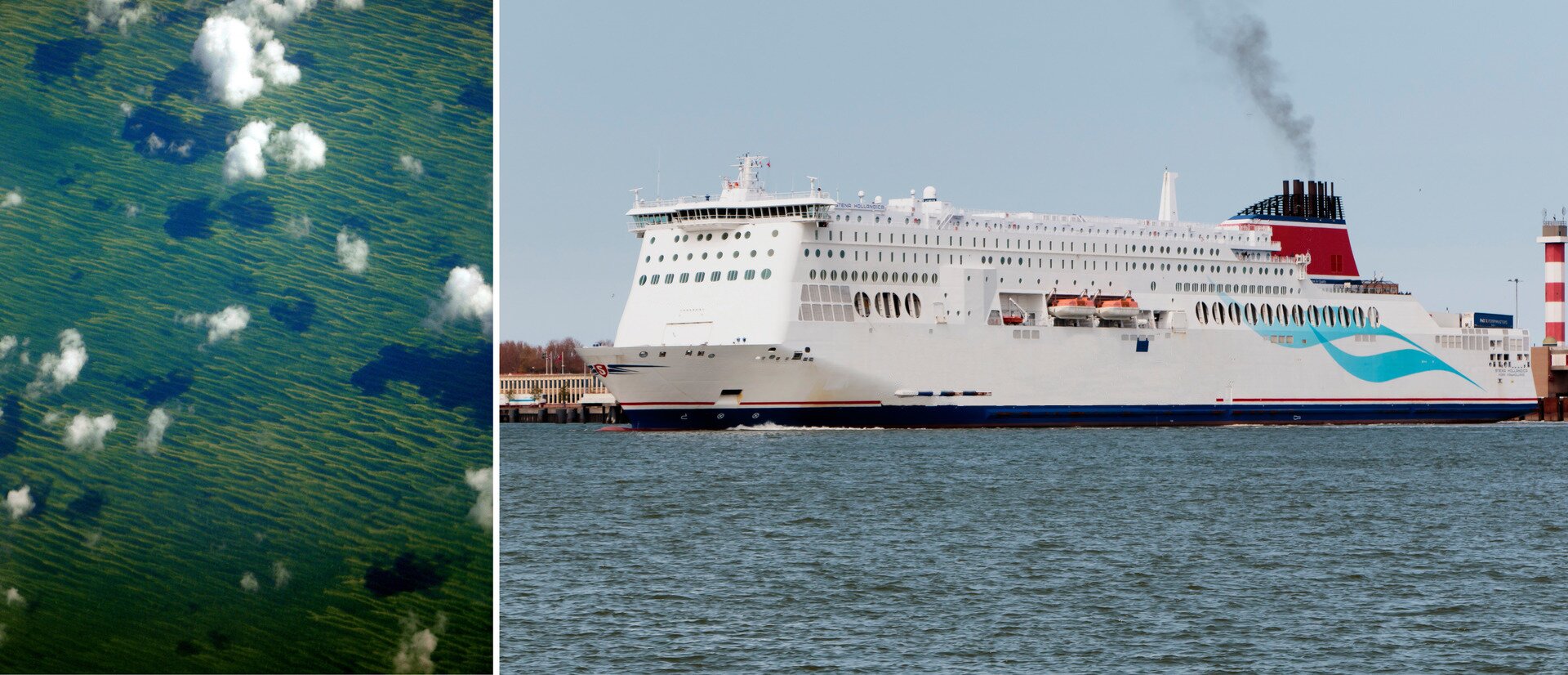
Eutrophication
The phenomenon of increasing the fertility of water in the water reservoir and its effects are called eutrophication. This process is natural and occurs very slowly from the beginning of the lake's existence. However, the unnatural growth of nutrients in the lake significantly increases this phenomenon and causes degradation of the basin.
Indicate the Chile saltpeter formula.
- NaNO3
- KNO3
- Ca(NO3)2
- Cu(NO3)2
Human skeletal structure consists of salts containing the following set of elements:
- calcium, magnesium, fluorine
- chlorine, iodine, calcium
- carbon, hydrogen, phosphorus
- calcium, nitrogen, phosphorus
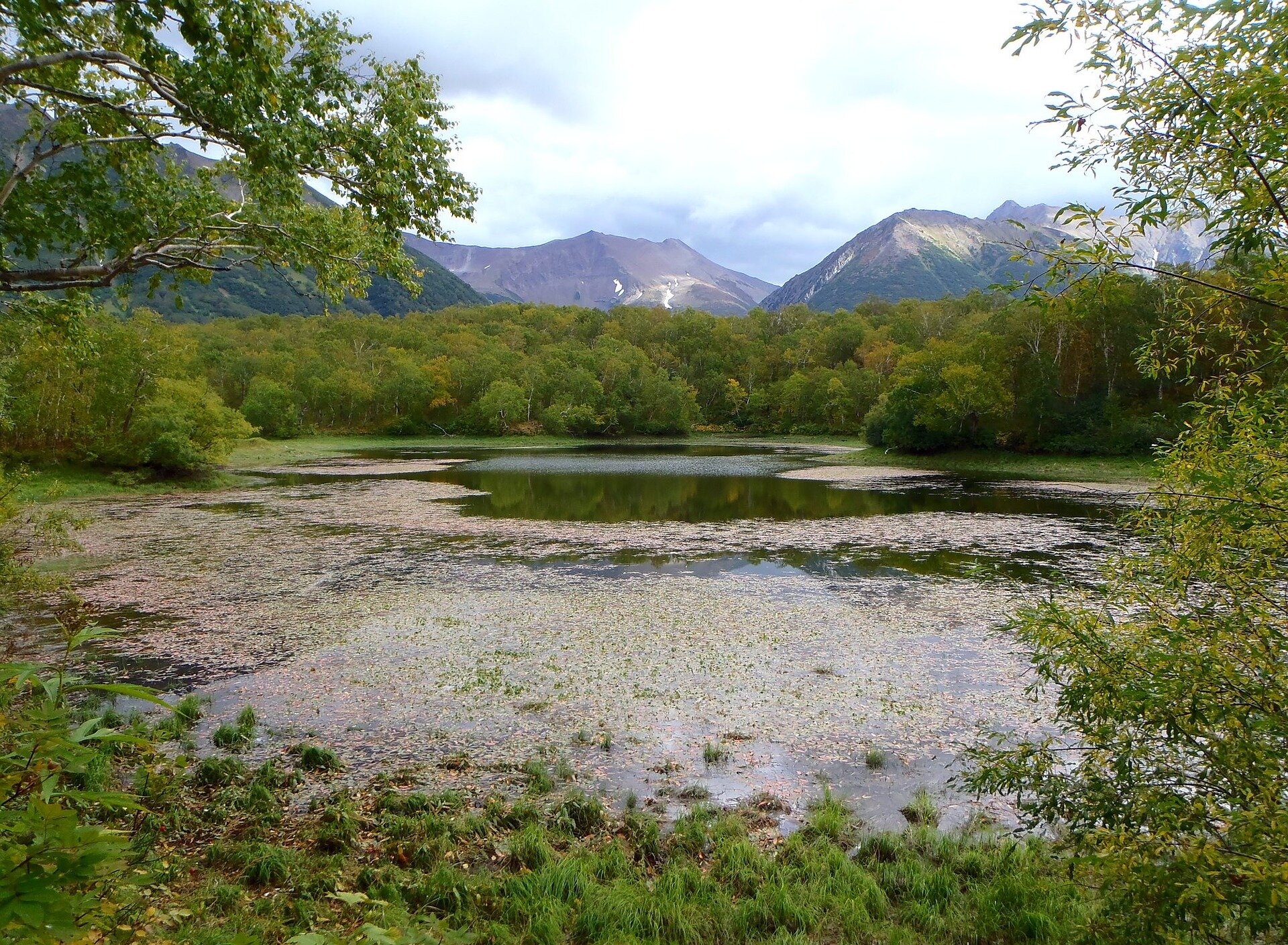
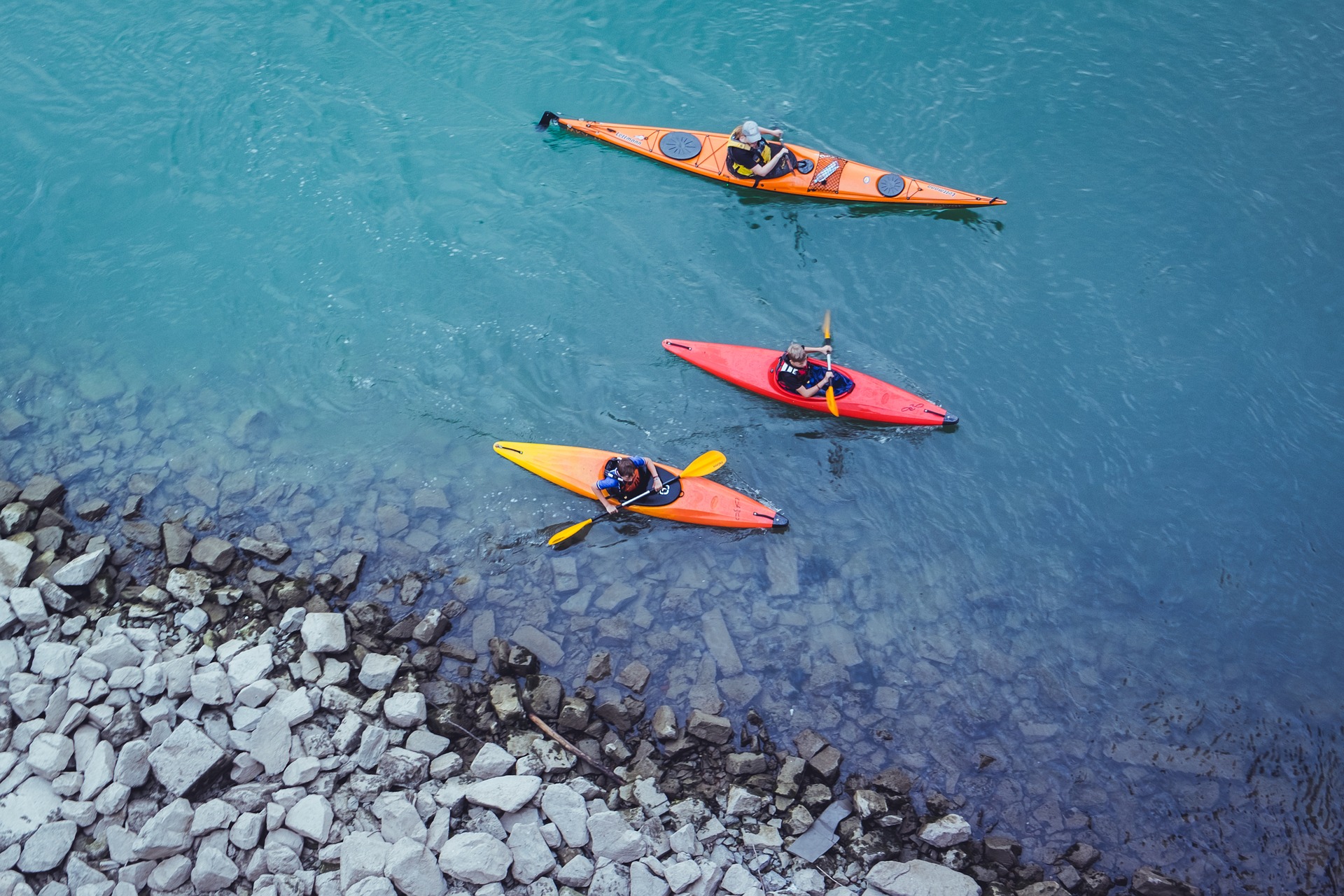
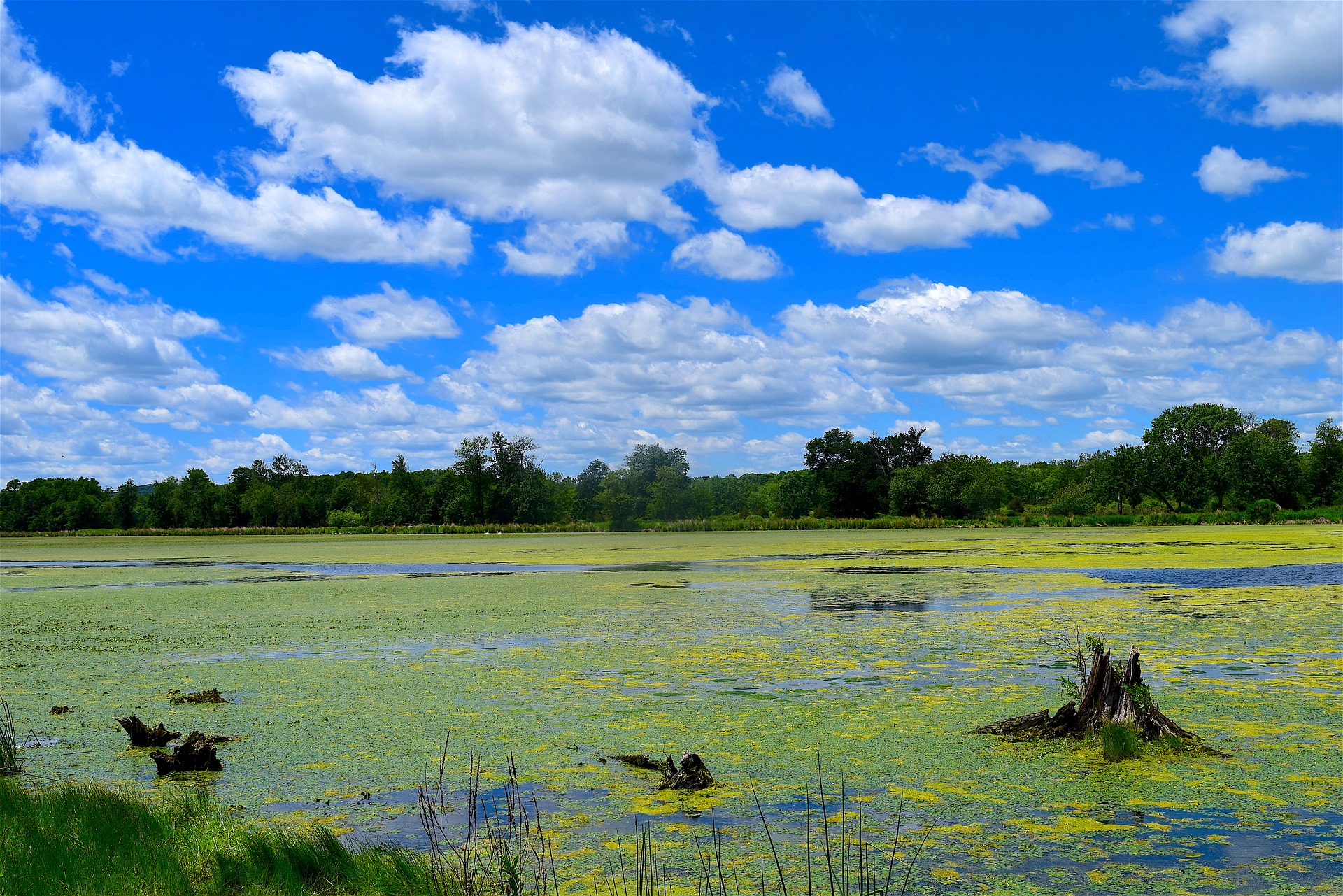
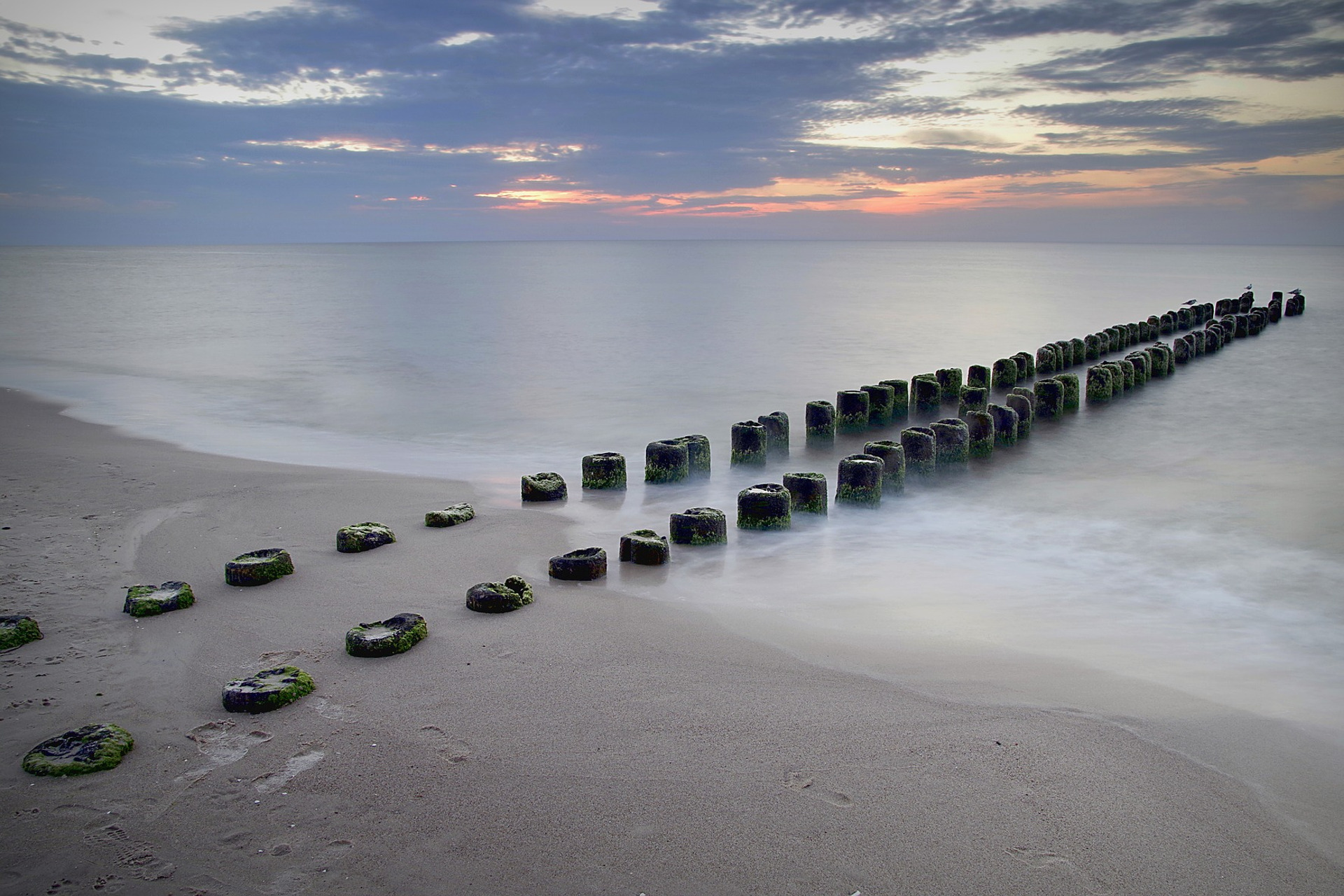
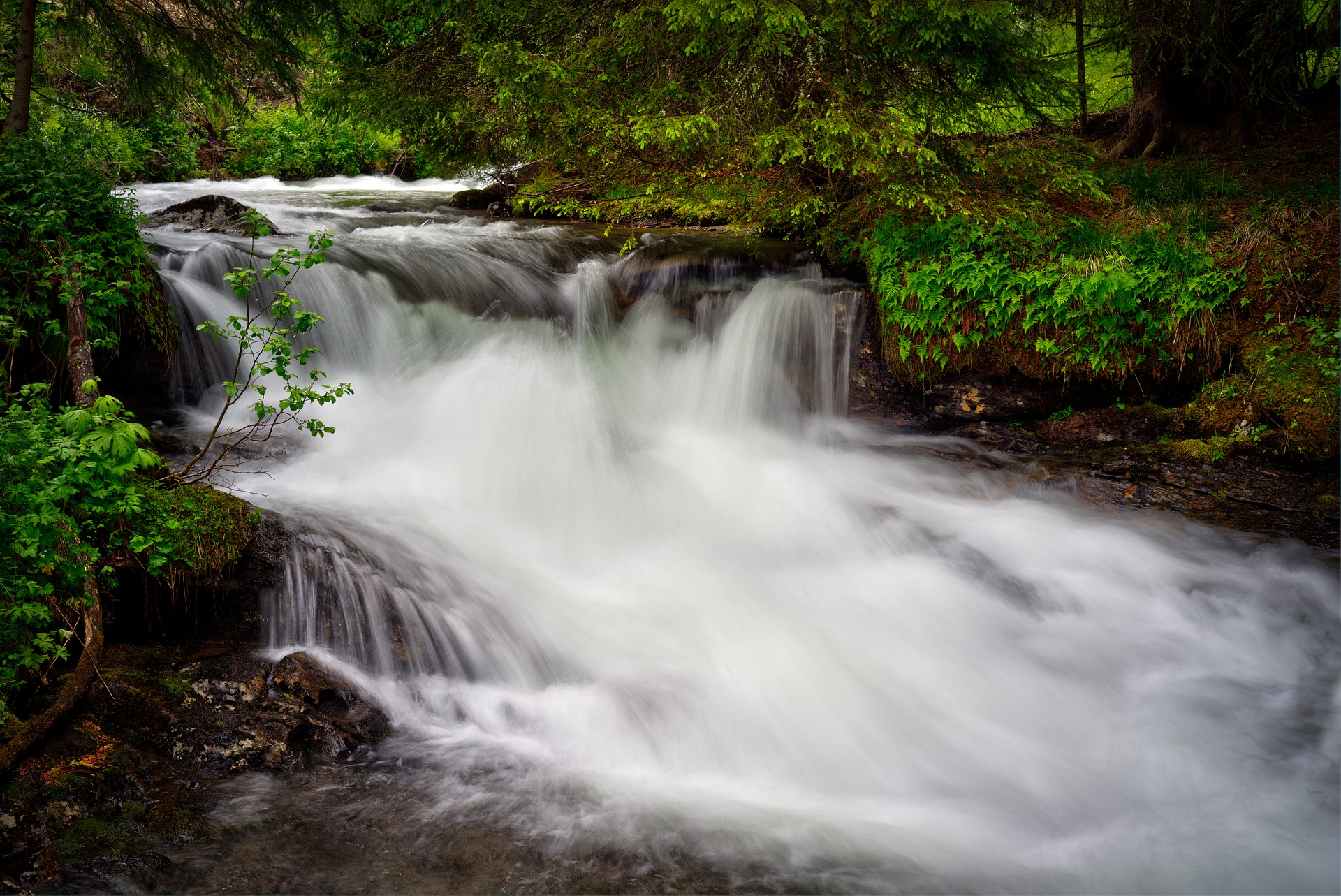
Which photo shows the phenomenon of eutrophication?
- Canoeing
- Eutrophication
- Sea coast
- Waterfall
Which chemical elements stimulate the development of aquatic plants if they get into the water in large quantities?
- nitrogen and phosphorus
- sulphur and phosphorus
- nitrogen and chlorine
- phosphorus and lead
What salt, used for snow removal, has an adverse effect on plants and soils located near the road?
- magnesium chloride
- sodium chloride
- potassium chloride

Arrange stages of the process of disappearing of the lake.
- Decomposition of plants at the bottom of the reservoir and oxygen deficit in the water.
- Nitrogen and phosphorus stimulate the development of aquatic plants, especially algae.
- Inhibition of the development of aquatic animals in the lake.
- Death of plants and then algae in the lake.
- Raising the bottom level and the disappearance of the lake.
- The disappearance of photosynthesis in lake plants.
- Salts along with sewage and water from fields get into to the lake.
- Increasing the organic matter layer at the bottom of the tank.
Summary
Salts occur in nature in a dissolved form in natural waters or form minerals
Nitrates and phosphates are used, among others for the production of synthetic fertilizers.
Calcium carbonate is, for example, a raw material for the production of building materials.
Sodium chloride is used, among others for food, in the pharmaceutical industry and for snow‑covered streets in winter.
Keywords
the impact of salt on the environment, sewage, lake disappearance, eutrophication
Glossary
eutrofizacja – zjawisko polegające na zwiększeniu żyzności wód w zbiorniku wodnym