Przeczytaj
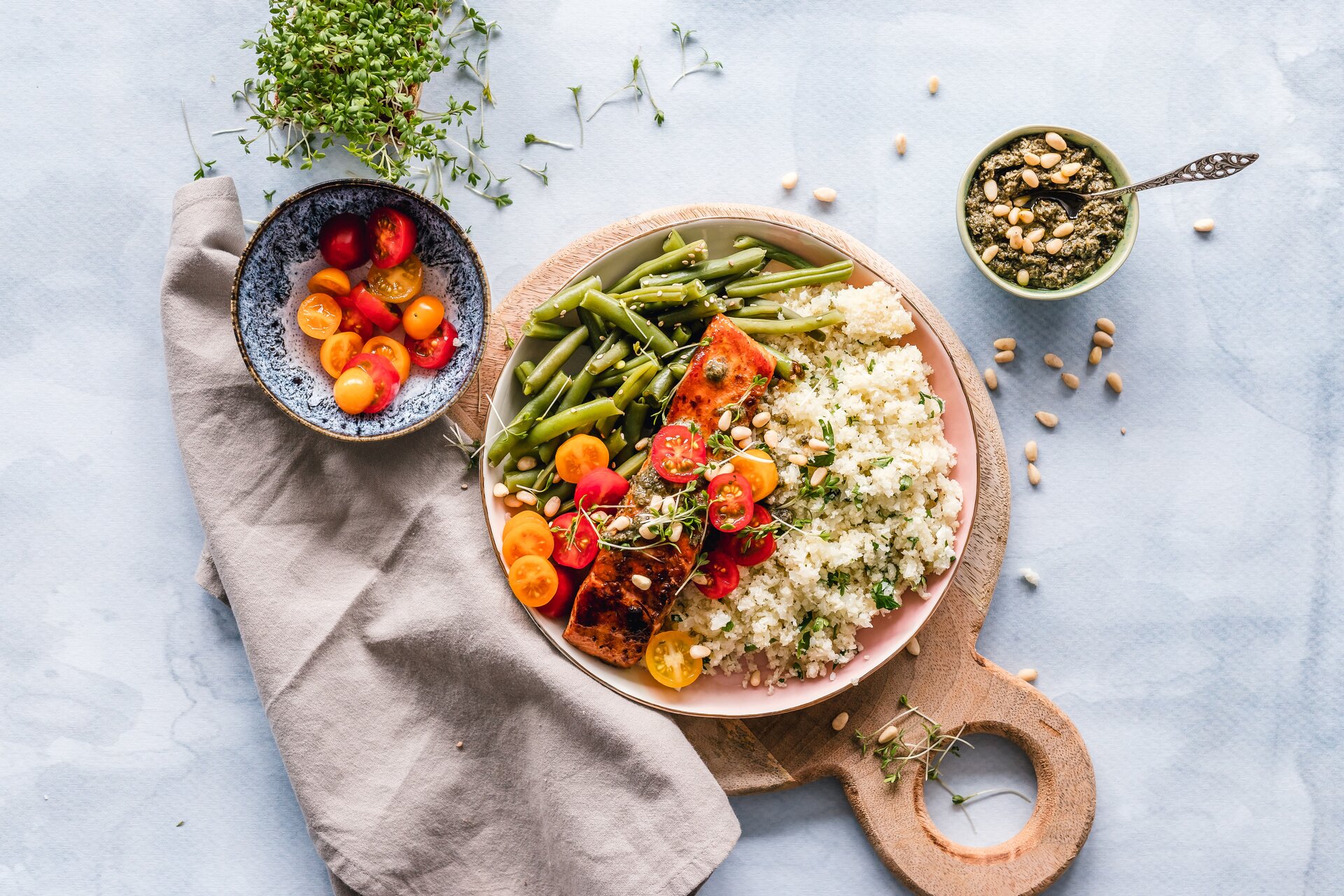
Healthy food is good for you and can be very tasty. Do you know how to make a healthy meal? Study the text for tips on how to be healthy!
Zdrowe jedzenie jest dla ciebie dobre, a może być też bardzo smaczne. Czy wiesz, jak przygotować zdrowy posiłek? Przeczytaj tekst z poradami pozwalającymi zachować zdrowie!
Drag the names of the meals and put them in order from the one we eat in the morning to the one we eat in the evening.
Ułóż kolejno nazwy posiłków, zaczynając od tego, który spożywamy rano, a kończąc na tym, który jemy wieczorem.
Study the text below about healthy habits and do the exercises below.
Przeczytaj tekst o zdrowych nawykach i wykonaj poniższe ćwiczenia.
Stay Healthy‑Eat Healthy!To stay healthy start with your food and eating habitseating habits! Eat regularlyregularly, 3–5 mealsmeals a day. Forget about fizzy drinksfizzy drinks like colacola. You can drink them sometimessometimes, but it’s better to drink water every day. AlwaysAlways have a bottle of water with you! So what should oftenoften be on your plateplate? Let’s find out!
A hot‑doghot‑dog for lunch, a burgerburger with chipschips for dinner, and crispscrisps before going to sleep… Sounds tastytasty, but no, it’s not healthy! You should prepareprepare your meals from healthy products. Some people say that a healthy diet is boring, but there are so many products you can choose from! So what is healthy? Fruit like apples, pears, plums, oranges, bananas, and many more; vegetables – lettuceslettuces, cucumberscucumbers, onionsonions, tomatoestomatoes, potatoes, eggplantseggplants, cauliflowerscauliflowers, pumpkins. The list goes on! Eat them often to be healthy.
Fruit and vegetables should always be halfhalf of your plate. What about the other half? Divide it in two parts: in one of them you should have products like bread, pasta, and rice, and in the other – fish or meat, nuts, or eggs. Products like milk, cheese, and yoghurt are also important because they give you strong bonesbones.
Food is very important, but it’s not everything. NeverNever forget to get enough sleep! 8–9 hours is the best: less than 7 is not enoughnot enough, and sleeping for too long – like 12 hours – is unhealthyunhealthy. It’s important to be fit, so go for a walkgo for a walk or exerciseexercise. Other people give us energy, so spend time with your friends and family and have fun together. Stress is bad for our health, so try to relax!
Try to do it all so you can feel good. Your body should growgrow and be strong. Good luck!
Źródło: Anna Olewińska-Byliniak, licencja: CC BY-SA 3.0.
Read the text and match the halves of sentences to make logical and correct sentences.
Przeczytaj tekst i połącz połowy zdań, by stworzyć logiczne i poprawne zdania.
Study the text about healthy habits and choose the correct answers.
Przeczytaj tekst o zdrowych nawykach i wybierz poprawne odpowiedzi.
a) you grow.
b) you run fast.
c) you sleep longer.
2. You need... hours of sleep.
a) more than 10
b) 8-9
c) less than 7
3. Healthy food... be tasty.
a) can't
b) can
c) often
4. Milk, cheese, and yoghurt ...
a) make your hair and skin beautiful.
b) make your bones strong.
c) are unhealthy.
Drag and drop names of products info the correct categories. Decide if they are healthy or unhealthy.
Przeciągnij nazwy produktów do odpowiednich kategorii, decydując, czy dany produkt jest zdrowy, czy niezdrowy.
Study the advice about healthy habits and drag the correct words to complete the text.
Przeczytaj rady dotyczące zdrowych nawyków i przeciągnij w luki odpowiednie wyrazy, by uzupełnić tekst.
Answer the question about your favourite food in 2‑3 sentences.
Odpowiedz w 2–3 zdaniach na pytania dotyczące twojego ulubionego jedzenia.
What’s your favourite food? Is it healthy or unhealthy?
My favourite food is…
GRAMATYKA Adverbs of frequency (przysłówki częstotliwości) Przysłówki częstotliwości wskazują, jak często dana czynność jest wykonywana. Zapoznaj się z listą najczęściej stosowanych przysłówków i ich tłumaczeń.
English | Polish |
|---|---|
always | zawsze |
usually | zazwyczaj |
often | często |
sometimes | czasami |
never | nigdy |
Przysłówki w zdaniu umieszczamy najczęściej między osobą a czasownikiem głównym.
Przykłady:
She always has a bottle of water. – Ona zawsze ma butelkę wody.
He usually goes to sleep at 22:00. – On zazwyczaj chodzi spać o 22.
Their families often spend time together. – Ich rodziny często spędzają wspólnie czas.
I sometimes eat french fries for lunch. – Czasem jem frytki na lunch.
He never does exercises. – On nigdy nie ćwiczy.
Choose the correct translations of adverbs of frequency.
Wybierz poprawne tłumaczenia przysłówków częstotliwości.
Order adverbs of frequency from the most frequent (always) to the least frequent (never).
Uszereguj przysłówki, zaczynając od największej częstotliwości (zawsze), a kończąc na najmniejszej (nigdy).
Słownik
/ ˈɔːlweɪz /
zawsze
/ bəʊnz / / bəʊn /
kości [kość]
/ ˈbɜːɡə /
burger
/ ˈkɒlɪflaʊəz / / ˈkɒlɪflaʊə /
kalafiory [kalafior]
/ tʃɪps /
frytki [frytka]
/ ˈkəʊlə /
cola (słodki napój gazowany)
/ krɪsps /
chipsy
/ ˈkjuːkʌmbəz / / ˈkjuːkʌmbə /
ogórki [ogórek]
/ ˈi:tɪŋ ˈhæbɪts /
nawyki żywieniowe
/ ˈeɡplɑːnts / / ˈeɡplɑːnt /
bakłażany [bakłażan]
/ ˈeksəsaɪz /
ćwiczyć
/ ˈfɪzi drɪŋks / / ˈfɪzi drɪŋk /
napoje gazowane [napój gazowany]
/ ˈɡəʊ fər ə wɔːk /
iść na spacer
/ ɡrəʊ /
rosnąć
/ hɑːf /
połowa
/ ˈhelthetai /
zdrowo
/ ˈhɒtdɒɡ /
hot dog (kanapka na ciepło w postaci parówki w bułce)
/ ˈletɪsɪz / / ˈletɪs /
sałaty (różne rodzaje) [sałata]
/ miːlz / / miːl /
posiłki [posiłek]
/ ˈnevə /
nigdy
/ nɒt ɪˈnʌf /
niewystarczająco
/ ˈɒfn̩ /
często
/ ˈʌnjənz / / ˈʌnjən /
cebule [cebula]
/ pleɪt /
talerz
/ plʌmz / / plʌm /
śliwki [śliwka]
/ prɪˈpeə /
przygotowywać
/ ˈreɡjʊləli /
regularnie
/ ˈsʌmtaɪmz /
czasami
/ ˈteɪsti /
smacznie
/ təˈmɑːtəʊz / / təˈmɑːtəʊ /
pomidory [pomidor]
/ ʌnˈhelthetai /
niezdrowe
Źródło: GroMar Sp. z o.o., licencja: CC BY‑SA 3.0