Pros and cons – how to solve conflicts?
In every country, there are many important decisions to be made and democracy makes it possible for the citizens to participate in the decision‑making process in many ways.
The media should mostly concentrate on conveying sound and reliable information, but often they try to manipulate the viewer/reader.
You will understand that carrying out a discussioncarrying out a discussion may help you make up your mindmake up your mind about important social and political issues.
You will know the history of Oxford debates.
You will understand the rules of an Oxford debate.
You will be able to express your mindto express your mind objectively and justify your point of view building arguments in accordance within accordance with the rules of an Oxford debate.
The migration crisis in Europe in 2015 triggered a great discussion in Poland concerning the admission of refugeesrefugees fleeing their own countries escaping persecutionpersecution or war. Some Polish citizens think that Poland should not accept refugees from the Middle East and Africa since we were not able to help our own countrymen deported to the East (Siberia and Kazakhstan) return to their homeland. Additionally, many people are afraid, that terrorists are going to come to our country with the refugees, and we would not be able to tell them aparttell them apart. There are also strong fears that religious and cultural differences will leadlead to social conflicts. Others believe that humanitarian reasons requirerequire us to shelter the needyto shelter the needy. And what do you think about this?
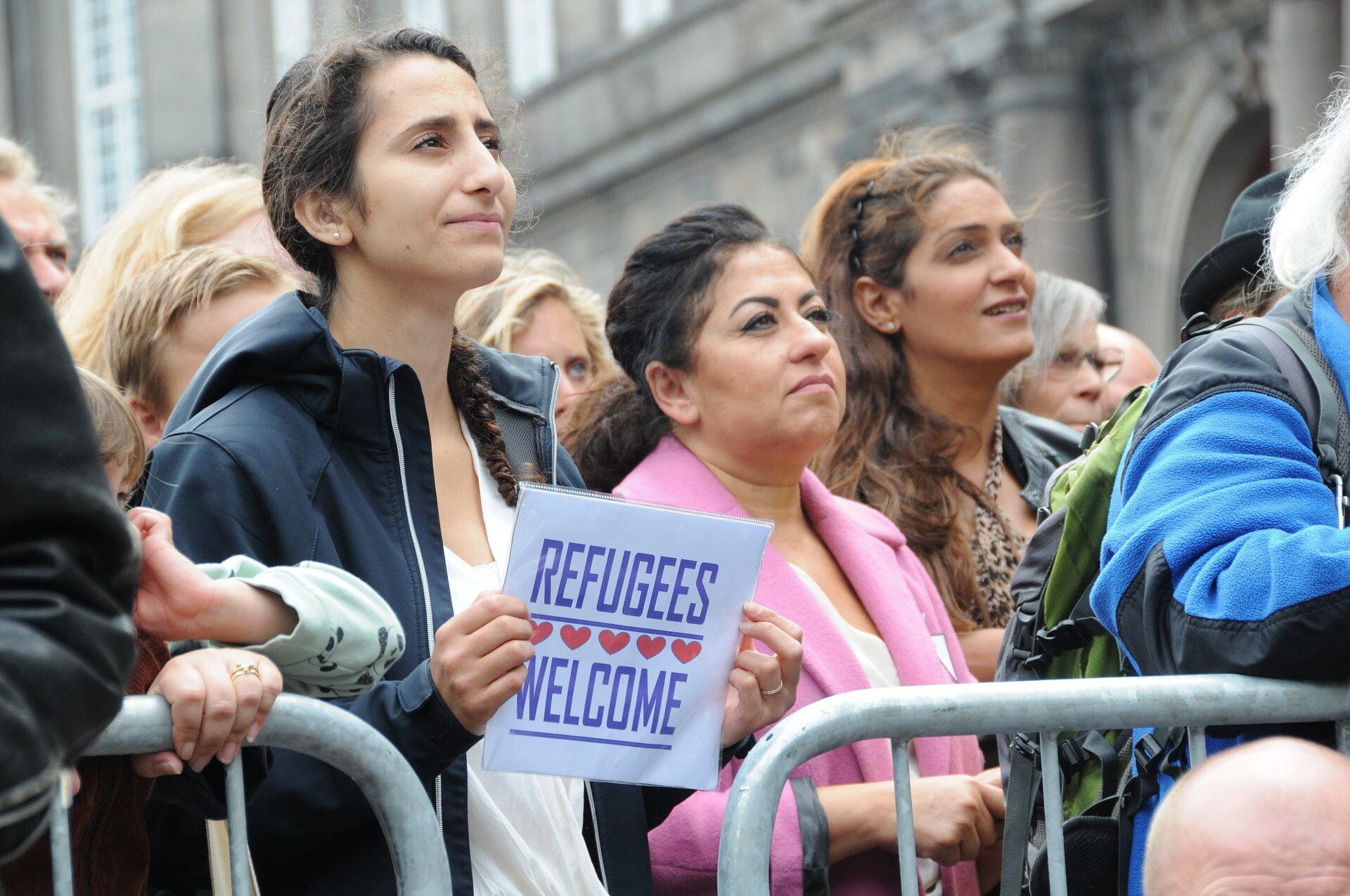
Now you will prepare and run an Oxford debate on the subject:
Should Poland accept refugees from countries at war or where people are being persecuted, like the Middle East or Africa?
But before you do that – a short history of the Oxford debates, and some rules to follow. The Oxford Union Society was founded at Oxford University in Great Britain in 1823. Its main purpose was (and still is to this day) to discuss various political and social problems. This is how the idea of Oxford debates was created. The most important assumptionsassumptions of those debates were to prepare speakers to express their arguments objectively. Oxford debates are supposed to teach a culture of discussion and respect for the opponents.

Film dostępny na portalu epodreczniki.pl
animacja Oxford debate
Who runs the Oxford debate?
- the Marshal
- the Opposition leader
- the Proposition leader
- the Expert
- the Secretary
It is worth remembering that conflicts are natural and cannot be avoidedavoided. They occuroccur in every society because there are always groups of people with conflicting interests. Therefore, we must learn to solve various disputesdisputes and mitigate antagonisms.
Listen to the abstract recording to review the material and new vocabulary. Then do the vocabulary exercise. Match the pairs: English and Polish words.
prześladowanie, odróżniać kogoś (od kogoś), uchodźca, wymagać, przeprowadzić dyskusję, udzielić schronienia potrzebującym, zdecydować się, wyrobić sobie zdanie, opinię, łagodzić antagonizmy (przeciwieństwa, konflikty)
| to carry out a discussion | |
| to make up your mind | |
| refugee | |
| persecution | |
| to tell sb apart | |
| to require | |
| to shelter the needy | |
| to mitigate antagonisms |
Keywords
Oxford debate, arguments, solving conflicts, mitigating antagonismsmitigating antagonisms, culture of discussion
Glossary
przeprowadzić dyskusję
zdecydować się, wyrobić sobie zdanie, opinię
wyrazić opinię
zgodnie z
uchodźca
uciekać
prześladowanie
odróżniać kogoś (od kogoś)
prowadzić
wymagać
udzielić schronienia potrzebującym
założenie
unikać
pojawiać się
dysputa, konflikt
łagodzić antagonizmy (przeciwieństwa, konflikty)